Our verdict
On South William Street, Boeuf occupies a corner of Dublin 2 where serious meat cookery meets the kind of room that earns its keep on atmosphere alone. The name signals the kitchen's focus without apology: this is a beef-forward address in a city that has grown increasingly serious about provenance and preparation. It sits in a neighbourhood dense with credible competition.

Pearl is the En Primeur Club membership app — saves, bookings, and concierge access live there. Same editors, same standards.
- Address
- 63 William St S, Dublin 2, D02 KT26, Ireland
- Phone
- +35316771546
- Hours
- Mon–Thu 12–10 PMFri–Sat 12–10:30 PMSun 12–10 PM
- Website
- boeuf.ie
- Directions
- Get directions
- Booking
- Book on OpenTable
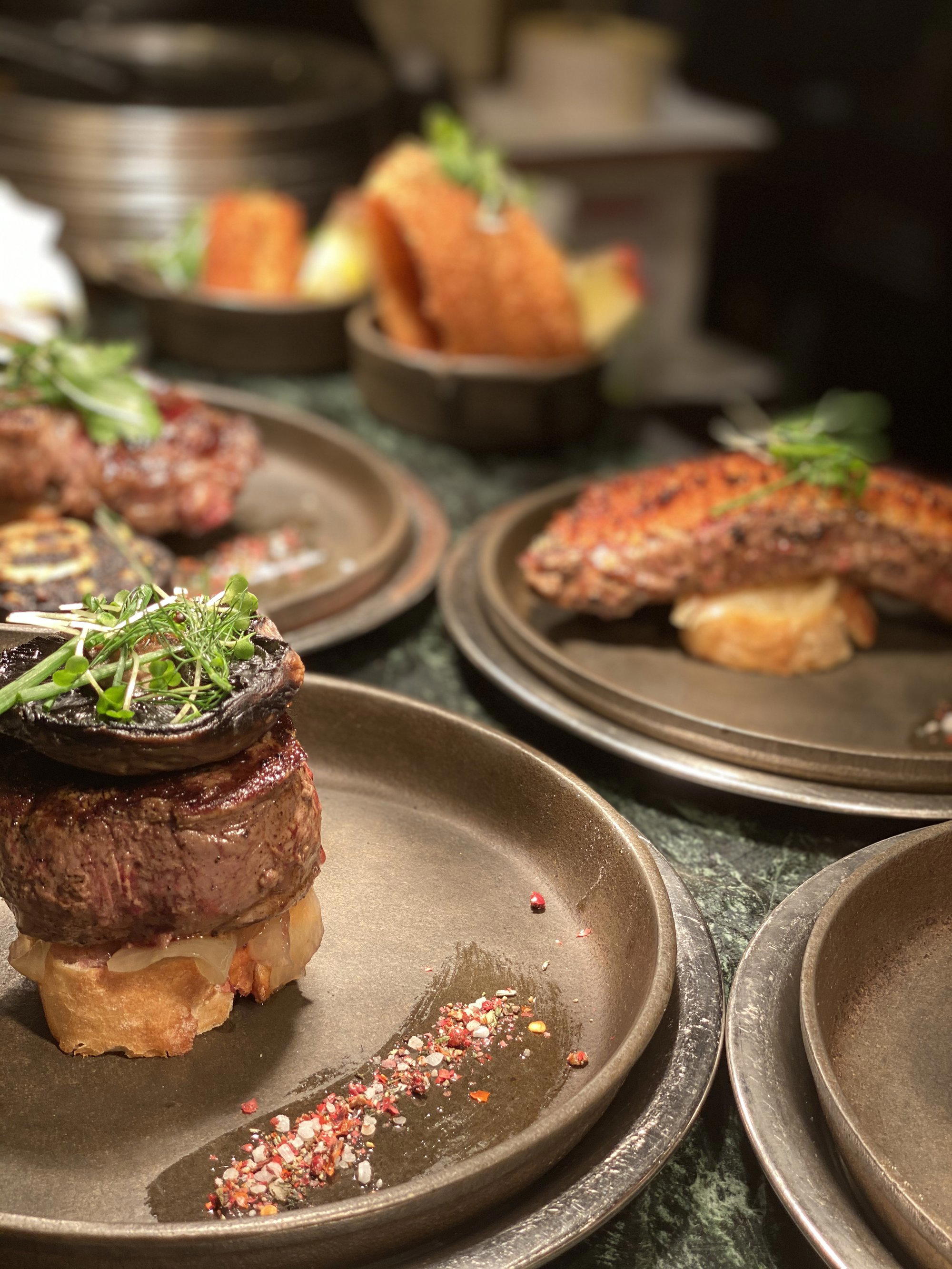
The menu
What to order
- Boeuf & Frites
- Striploin steak
- Chargrilled chicken
The Room Before the Meal
South William Street has a particular gravitational pull in Dublin 2. The stretch running south from the Green toward the Portobello border concentrates more considered independent dining per block than almost anywhere else in the city, and the addresses that last here tend to do so on merit rather than footfall. Boeuf, at 63 William St S, occupies this terrain with a name that removes all ambiguity about intent. The word is French, the subject is beef, and the kitchen does not appear to be in any hurry to qualify that position with caveats.
Arriving on William Street, you are already inside one of Dublin's more contested dining corridors. The neighbourhood rewards the kind of guest who arrives with a reservation rather than a hope, who reads a menu with attention rather than relief. Boeuf fits that rhythm. The name above the door is a statement of culinary identity in a single word, which in a city that has sometimes over-explained itself is its own form of confidence.
How a Beef-Focused Meal Works in Dublin's Current Scene
Dublin's serious restaurant tier has spent the better part of a decade consolidating around a handful of identifiable approaches: the French-inflected tasting counter, the modern Irish sourcing narrative, the neighbourhood bistro that punches above its bracket. Boeuf proposes something more elemental. Beef cookery at this level is not a novelty in European dining, but it requires a specific discipline: sourcing conversations with farmers and producers, an understanding of aging and breed, and a kitchen organised around meat as the primary creative act rather than an afterthought to a vegetable programme.
In Ireland, that discipline has real material to work with. The island's grass-fed cattle industry produces beef with a flavour profile that distinguishes it from grain-finished alternatives, and Dublin restaurants that source well have a meaningful advantage over peers in cities where provenance requires longer supply chains. The leading Irish beef cookery treats the cut as the text and the preparation as the commentary — a logic that concentrates attention on sourcing decisions in ways that more elaborately constructed tasting menus can obscure.
Across Ireland, the restaurants drawing the most sustained attention are those that have committed to a clear culinary identity and defended it over time. Bastible in Dublin operates in this mode, as does Aniar in Galway, which has built a Michelin-starred reputation around wild and foraged Irish produce. Liath in Blackrock applies a similar rigour to its tasting format. Boeuf's commitment to beef as the organising principle places it in this tradition of focus-over-breadth, even as its register differs from those addresses.
The Dining Ritual at a Meat-Led Address
The customs of a meal built around serious beef cookery carry their own pacing logic. There is typically less theatrical ceremony than at a multi-course tasting menu — no parade of amuse-bouches building to an elaborate fish course before the meat arrives as a climax. Instead, the ritual centres on the cut itself: how it is presented, how much information the service team carries about its origin and aging, and whether the kitchen's confidence in the product allows the table to settle into the meal rather than constantly reorient.
Good beef service, at its most functional, involves a conversation. Not a monologue from the kitchen via the server, but a genuine back-and-forth about doneness, about whether the table is familiar with the cut being offered, about sides and sauces and their relationship to the protein rather than their existence as an afterthought. The leading versions of this, addresses like The Oak Room in Adare or, at a different register internationally, Le Bernardin in New York City where a similar protein-led focus governs the room, treat the dining ritual as a collaboration between kitchen intent and guest preference rather than a lecture delivered in one direction.
On South William Street, that kind of service discipline sits in a neighbourhood that has grown accustomed to high-competence dining. Guests arriving at Boeuf from nearby addresses like Glovers Alley or D'Olier Street will bring expectations calibrated by those experiences. The room's task is to meet them on terms that are specific to what a beef-focused kitchen can offer, rather than mimicking the pacing of a tasting-menu counter.
Placing Boeuf in Dublin's Dining Tier
Dublin's restaurant tier has matured considerably since the austerity-era contraction that reshaped the city's hospitality economy. The current field includes addresses across a wide range of formats and price points: from the long-established French-classical tradition represented by Patrick Guilbaud at the high-ceremony end, to the more ingredient-led informality of Bastible and the ambitious modern Irish cooking found at Chapter One by Mickael Viljanen. Outside the capital, addresses like Bastion in Kinsale, Chestnut in Ballydehob, and dede in Baltimore demonstrate that serious cooking is no longer concentrated in Dublin alone.
Within this field, a focused beef address occupies a distinctive position. It is not competing with the tasting-menu counter on the axis of progression and surprise. It is competing on the axis of execution and sourcing credibility, which, in a city with access to some of Europe's better grass-fed cattle, is a meaningful arena. For guests who want to eat well without the ceremony of a multi-stage tasting format, a well-run meat-led room provides an alternative that the current Dublin scene, despite its depth, does not oversupply.
Those planning a wider Irish itinerary will find useful context in Homestead Cottage in Doolin, Campagne in Kilkenny, Terre in Castlemartyr, and The Morrison Room in Maynooth, each representing a distinct expression of serious Irish cooking at different price points and formats. The full Dublin restaurants guide maps the city's dining field in broader detail.
Planning Your Visit
Boeuf is located at 63 William St S, Dublin 2, D02 KT26, in the South William Street corridor that connects to the Grafton Street end of the city centre on foot in under ten minutes. The address is walkable from most central accommodation and well-served by public transport. Given the density of competition in this immediate area, booking ahead is advisable rather than optional, South William Street restaurants at this level of focus rarely have unreserved capacity on weekend evenings.
For guests travelling with dietary restrictions, contacting the venue in advance is the standard approach at any serious meat-led address, where off-menu accommodation typically requires preparation time that a walk-in request cannot guarantee. The kitchen's beef focus means the core menu is structured around animal protein, and guests with significant dietary constraints should confirm options before arrival. You can also find broader dining context for the city through our full Dublin restaurants guide, which covers alternative formats for different needs and preferences.
Frequently asked questions
What's the must-try dish at Boeuf?
What's the ideal way to book Boeuf?
What do critics highlight about Boeuf?
What if I have allergies at Boeuf?
Is Boeuf suitable for a special occasion dinner, or is it better suited to a casual meal?
How It Stacks Up
A quick peer check to anchor this venue’s price and recognition.
| Venue | Cuisine | Price | Awards | Notes |
|---|---|---|---|---|
| BoeufThis venue — the venue you are viewing | Irish Steakhouse | $30–50 | Not listed | Not listed |
| Patrick Guilbaud | Modern French Fine Dining | $150–200 | 2 Michelin Stars · La Liste Top Restaurants | Irish - French, Modern French |
| Bastible | Modern Irish | $100–150 | 1 Michelin Star · The Sunday Times Ireland’s 100 Best Restaurants | Modern Cuisine |
| Host | Modern Italian | $50–100 | Michelin Plate | Nordic, Modern Cuisine |
| mae | Modern Irish Fine Dining | $50–100 | Michelin Plate · The Sunday Times Ireland’s 100 Best Restaurants | Southern, Modern Cuisine |
| Matsukawa | Authentic Edomae Omakase | $100–150 | Michelin Plate · La Liste Top Restaurants | Kaiseki, Japanese |
Continue exploring
More in Dublin
Restaurants in Dublin
Browse all →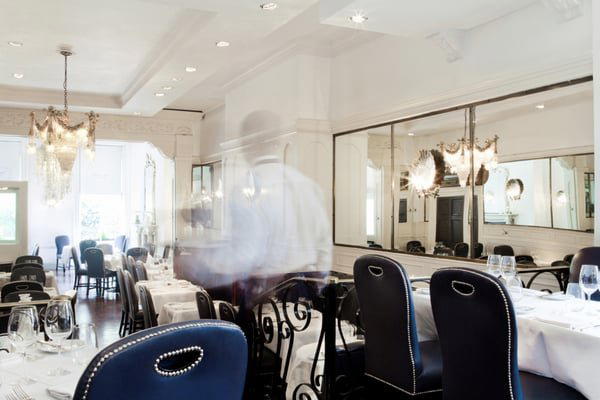
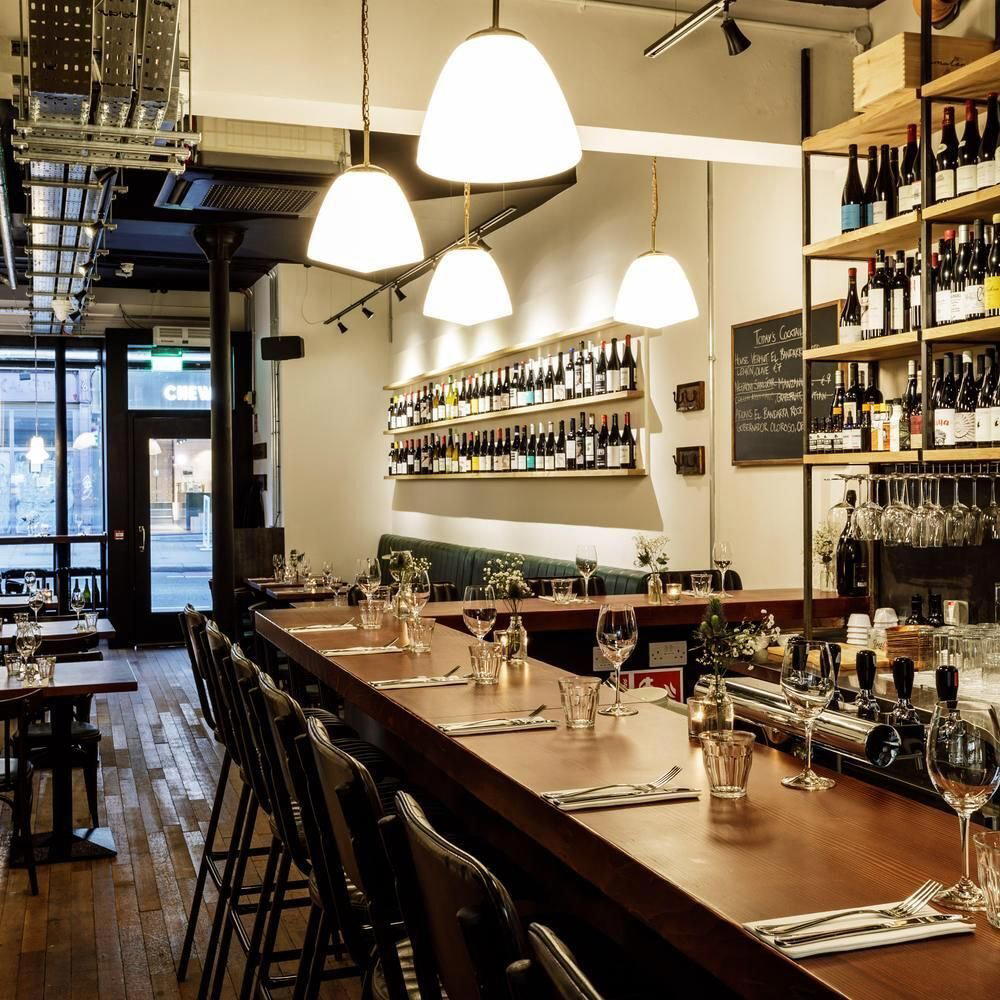
Bars in Dublin
Browse all →
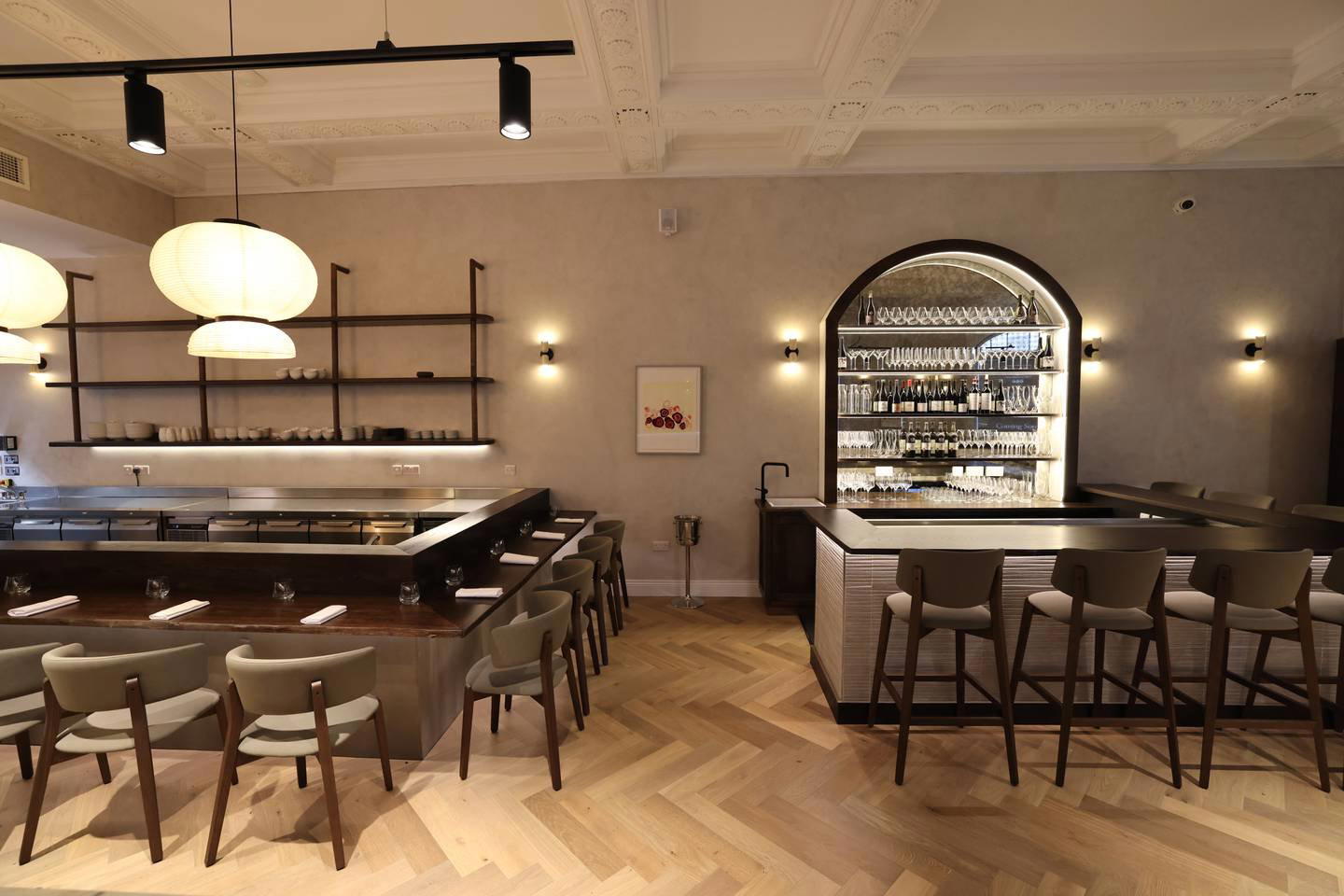
Hotels in Dublin
Browse all →
Wineries in Dublin
Browse all →
Details
- Cozy
- Casual
- Casual Hangout
- Family
- Brunch
- Open Kitchen
- Local Sourcing
- A La Carte
- Gluten Free Options
Current opening hours
- Monday
- 12–10 PM
- Tuesday
- 12–10 PM
- Wednesday
- 12–10 PM
- Thursday
- 12–10 PM
- Friday
- 12–10:30 PM
- Saturday
- 12–10:30 PM
- Sunday
- 12–10 PM
Hours can change for holidays and private events. Last verified .
Warm, inviting, and relaxed atmosphere with moderate noise levels in a cozy, small setting.