MANO


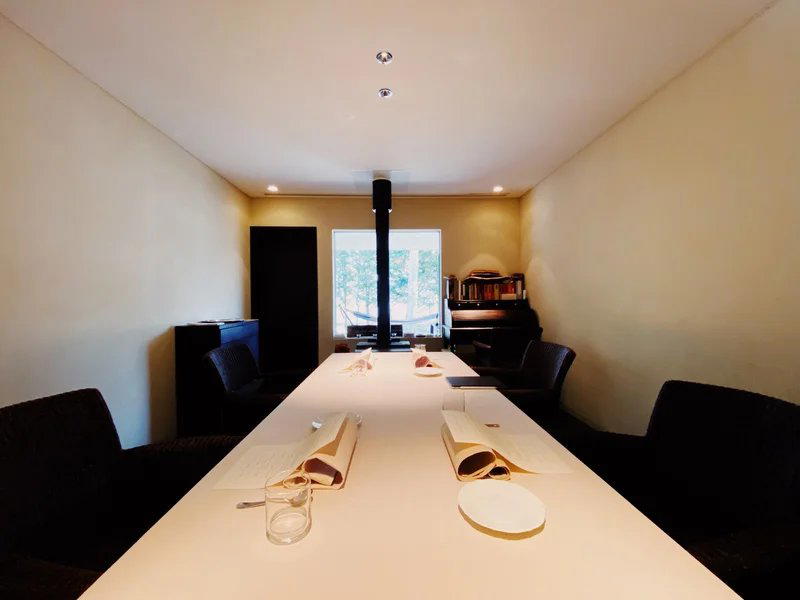
MANO brings Spanish cooking into Karuizawa’s small-format dining culture, where the ritual of the counter matters as much as the cuisine. Its 2026 Tabelog 100 selection for Spanish cuisine, eight-seat counter format, and Hotchi setting place it in a precise niche: destination dining for travelers who plan around pacing, restraint, and reservation discipline rather than spectacle.
Pearl is the En Primeur Club membership app — saves, bookings, and concierge access live there. Same editors, same standards.
- Address
- 553-3 Hotchi, Karuizawa, Kitasaku District, Nagano 389-0113, Japan
- Website
- instagram.com
 Saves & bookings on Pearl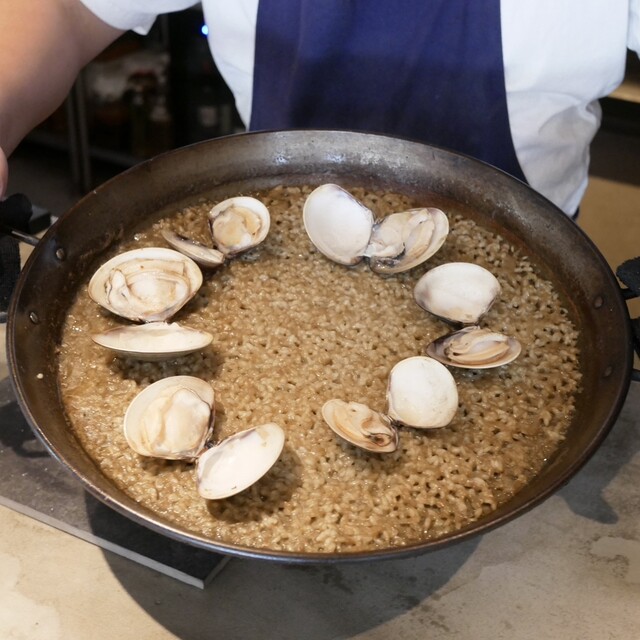
Approaching Hotchi, Karuizawa begins to feel less like a resort town and more like a sequence of quiet thresholds: forest roads, low buildings, the slower rhythm of meals planned in advance. In that setting, Spanish cooking takes on a different register. The form is not the casual tapas crawl of a city bar district, nor the hotel dining room version of Iberian luxury. It is closer to Japan’s counter tradition: compact, observed, paced, and built around the discipline of a small room.
MANO belongs to that latter category. The restaurant was selected for the 2026 Tabelog 100 for Spanish cuisine, a useful signal in a country where Spanish restaurants range from wine-bar informality to highly structured tasting formats. The award matters less as a badge than as context: this is not a fallback table for a Karuizawa weekend, but part of a national conversation about how Spanish technique is being absorbed into Japanese destination dining.
Spanish dining filtered through Karuizawa's counter culture
Japan has a particular talent for translating foreign cuisines into formats that suit local expectations of sequence and attention. French dining became lighter and more produce-led in many regional rooms; Italian cooking moved into intimate counters and seasonal courses; Spanish food, at its serious end, has increasingly split between convivial wine-led restaurants and smaller rooms where the meal follows a composed rhythm.
That distinction is useful at MANO because the experience is framed by scale. An eight-seat counter changes the social contract of a meal. It reduces the distance between kitchen and diner, narrows the margin for drift, and makes pacing part of the performance. In large urban Spanish restaurants, energy often comes from volume: a room moving between small plates, wine, and late-night momentum. In Karuizawa, the appeal is quieter. The ritual is in watching the sequence unfold without the room turning into theatre.
Karuizawa also shapes expectation. The town’s dining culture has long mixed resort habits with serious food travel: bakeries for morning routines, soba and sweets for day visitors, and reservation-led restaurants for guests treating the area as a culinary stop rather than a side trip from Tokyo. That breadth is visible across the local map, from French Bakery and haluta bageri to more formal tables such as A Fenestella and Chinese Hanten Reisho. MANO sits in the reservation-minded part of that ecosystem, where the meal is the evening’s main event.
The ritual is compact, deliberate, and not built for improvisation
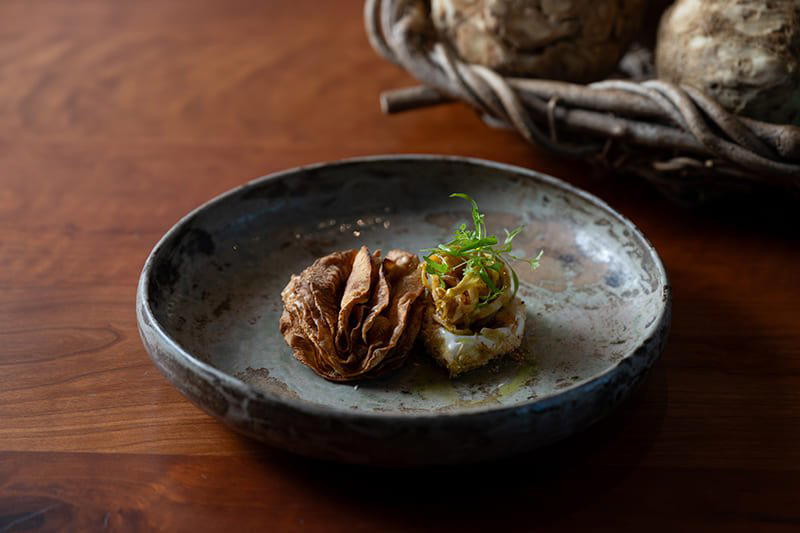
Small counters reward diners who arrive ready for the format. The pleasure comes from surrendering some choice: fewer seats, fewer distractions, and a meal that depends on timing. Spanish cuisine gives that structure useful range. It can move from seafood and rice traditions to grill, stock, oil, acid, and cured flavors without needing the heavy ceremony of old European fine dining. In Japan, that flexibility has made Spanish restaurants especially adaptable to regional produce and counter-service precision.
MANO’s price tier places it alongside serious destination meals rather than casual resort dining, while its Tabelog score of 3.86 gives a further signal of peer recognition within Japan’s user-review culture. The opening date, 2024.7.1, also makes the 2026 Tabelog 100 selection notable for its speed. For a newer restaurant outside a major metropolitan dining district, national category recognition indicates that the room has already entered the radar of diners who track specialist cuisine beyond Tokyo and Osaka.
Comparison in Karuizawa should be made by purpose, not cuisine alone. Chimoto Sohonten Karuizawa honten answers a different local appetite, one tied to the town’s established sweets and daytime rhythm. Hermitage de Tamura occupies a formal European dining lane in Kitasaku-gun, with a comparable premium price band but a different culinary grammar. The useful question is not which meal is superior. It is whether the evening calls for a counter-led Spanish sequence or a broader European resort-room cadence.
This is where MANO’s discipline becomes its argument. A small counter in Karuizawa suits travelers who prefer a controlled meal over a sprawling one, and who understand that destination dining in resort towns often requires more planning than the relaxed setting suggests. The lack of excess is part of the appeal. The room’s scale, non-smoking policy, and private-use availability point toward a meal designed for concentration rather than churn.
How to place it within a Karuizawa itinerary
Karuizawa rewards travelers who separate daytime grazing from evening reservations. The area can handle both: bread, sweets, and casual stops earlier in the day, then a focused dinner once the resort crowds thin. For a wider view of local dining, Our full Kitasaku-gun restaurants guide is the more useful planning layer; accommodation, drinking, wine, and activity planning sit separately in Our full Kitasaku-gun hotels guide, Our full Kitasaku-gun bars guide, Our full Kitasaku-gun wineries guide, and Our full Kitasaku-gun experiences guide.
Travelers comparing Japanese dining formats beyond Nagano can use other regional references to sharpen the decision. Beef-led meals such as -Grilled beef Sukiyaki- KAMAKURA TANUKIAN 鎌倉 たぬき庵 in Kamakura, urban grill-and-tuna rooms like. 鮪と炭火焼き うお炭 秋葉原店 in Tokyo, and compact casual addresses such as.cafe in Osaka.know in Kumamoto, (Shoku) Vietnam in Kawasaki, [Curry Senmon Ten] Maruyama Kyoju. in Sapporo, Jōdo Saké Bar in Los Angeles, and Onigiri Time in Pasadena all sit on different points of the same spectrum: how much structure the diner wants, and how much of the evening should be given over to a single format.
The editorial verdict is clear: MANO is for travelers who treat Karuizawa as a dining destination, not merely a mountain break. The case rests on format and recognition: eight seats at the counter, Spanish cuisine, a 2026 Tabelog 100 selection, and a setting that favors measured meals over casual drop-ins. For diners who value the ritual of a small room, that combination gives the restaurant its force.
Cuisine and Awards Snapshot
Nearby venues at a similar price tier for orientation.
| Venue | Cuisine | Price | Notes |
|---|---|---|---|
| MANOThis venue — the venue you are viewing | Dining | $$$$ | Not listed |
| Hermitage de Tamura | Seasonal French fine dining in the forests of Karuizawa | $$$$ | Nagakura / Naka-Karuizawa |
| Pyrenees | Wood‑fired French bistro and rotisserie | $$$ | Karuizawa |
| Sasakura | Traditional soba restaurant | $$ | Oiwake, Karuizawa-machi |
| Manpei Hotel Cafe Terrace | Historic hotel café & dessert terrace | $$$ | Karuizawa |
| haluta bageri | Dining | Not listed | Kitasaku-gun |
Recognition history
Dated appearances from independent guides and award organizations, with the underlying list record or original source where available.
Tabelog 100 #71 · No. 71
Tabelog · Tabelog 100 - Spanish cuisine - 2026
The Japan Times Destination Restaurants Destination Restaurants Selection #5
The Japan Times Destination Restaurants
Continue exploring
More in Kitasaku-gun
Restaurants in Kitasaku-gun
Browse all →
Hotels in Kitasaku-gun
Browse all →
Wineries in Kitasaku-gun
Browse all →
At a Glance
Current opening hours
- Monday
- 12–9 PM
- Tuesday
- Closed
- Wednesday
- Closed
- Thursday
- 6–9 PM
- Friday
- 6–9 PM
- Saturday
- 12–9 PM
- Sunday
- 12–9 PM
Hours can change for holidays and private events. Last verified .