Knappenstöckl occupies a setting inside Halbturn's Baroque palace grounds, placing it within a cluster of Burgenland dining that draws serious attention from Vienna-based food travellers. The surrounding region's proximity to Lake Neusiedl and the Hungarian border gives local kitchens access to a specific agricultural corridor whose produce rarely reaches Austrian restaurants further west. For visitors exploring Burgenland's food and wine circuit, this address merits consideration alongside the region's better-known names.
Pearl is the En Primeur Club membership app — saves, bookings, and concierge access live there. Same editors, same standards.
- Address
- Im Schloß, 7131 Halbturn, Austria
- Phone
- +43217282390
- Website
- knappenstoeckl.at
- Directions
- Get directions
 Saves & bookings on Pearl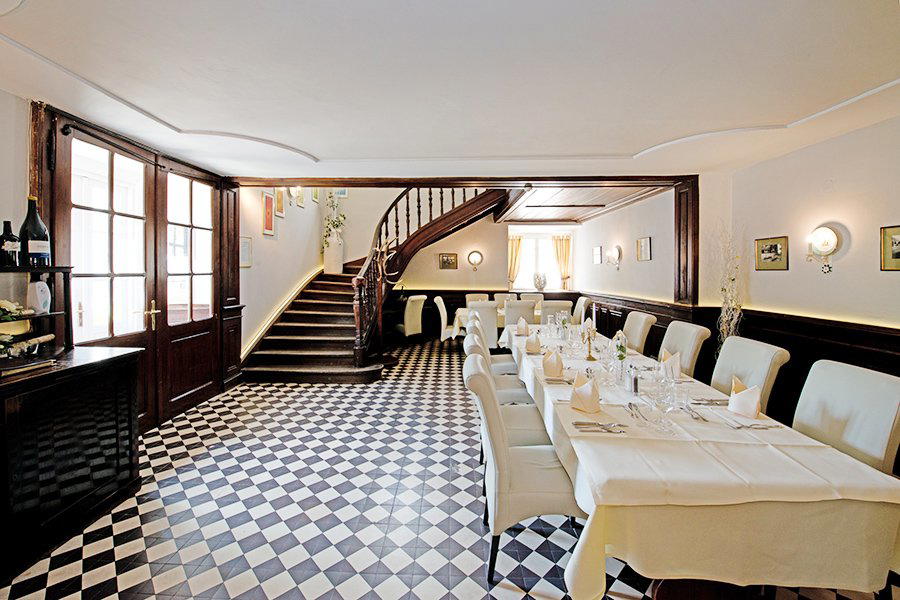
Dining Inside a Baroque Palace: What Burgenland's Eastern Edge Offers
Knappenstöckl is a restaurant in Halbturn, Austria, serving Traditional Austrian Regional cuisine at Im Schloß, 7131 Halbturn. Properties like Steirereck im Stadtpark in Vienna and Ikarus in Salzburg dominate the award cycles, while the country's eastern Burgenland region operates in relative quietude. That quietude is not a sign of culinary thinness. The flat agricultural plain between Lake Neusiedl and the Hungarian border produces some of Central Europe's most characterful ingredients: paprika-influenced cured meats, freshwater fish from the shallow lake, game from the surrounding hunting estates, and vegetables grown in a microclimate that is warmer and drier than almost anywhere else in Austria. Knappenstöckl, addressed within the grounds of Schloss Halbturn at Im Schloß, 7131 Halbturn, sits directly inside that agricultural corridor.
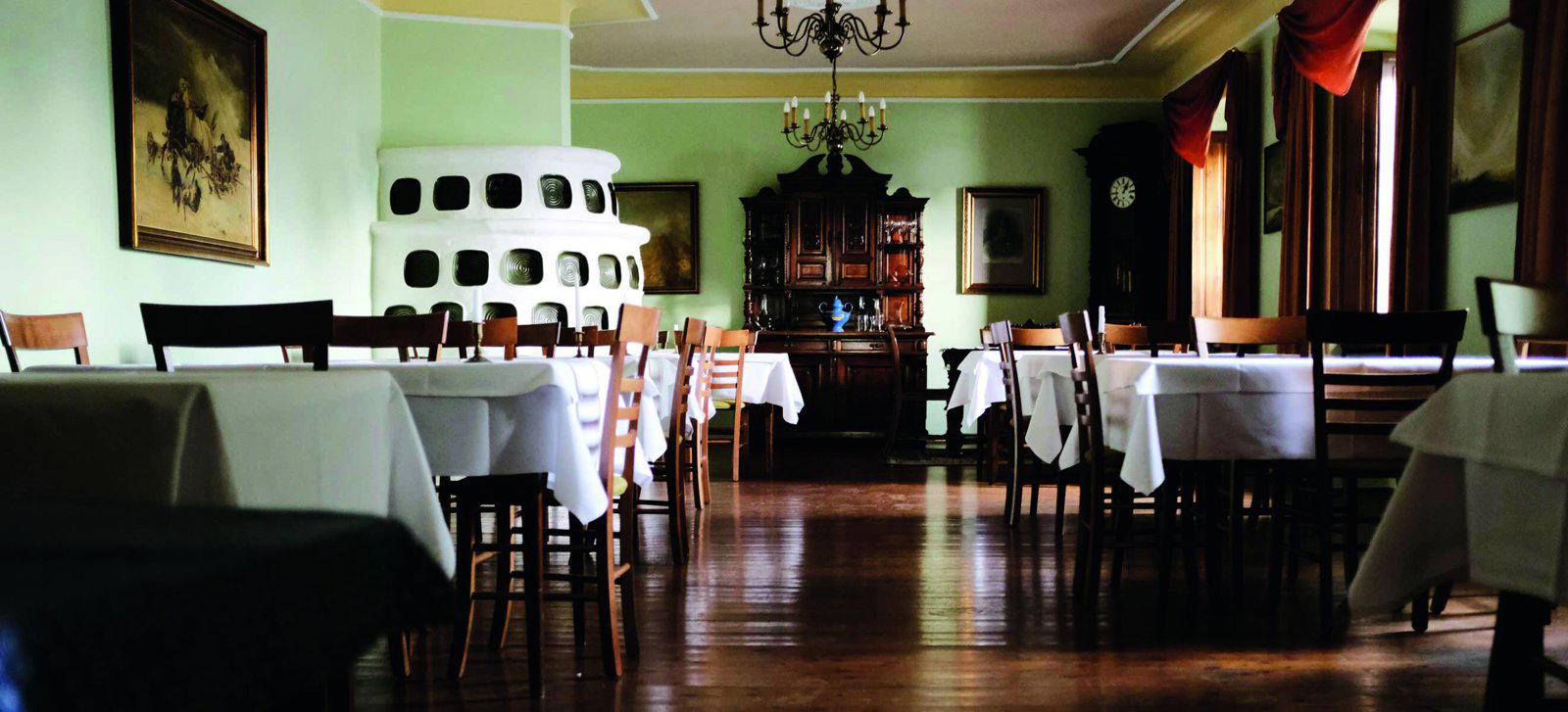
The Baroque palace at Halbturn is itself a significant architectural object. Built in the early eighteenth century and associated with Habsburg imperial history, its grounds frame a dining context that few Austrian restaurants can replicate. Where Landhaus Bacher in Mautern an der Donau draws on the Wachau's vine-draped riverside character, Knappenstöckl draws on the formal, estate-based dignity of Burgenland's imperial past. Arriving at the palace, you move through a landscape that is resolutely flat and wide, the horizon unobstructed, the light in the eastern Pannonian plain qualitatively different from Alpine or Danube-valley Austria: longer, more amber, more suggestive of Hungary than of Tyrol.
The Sourcing Logic of the Pannonian Plain
Austria's most interesting regional kitchens tend to be built around a specific sourcing logic rather than a generic commitment to locality. Döllerer in Golling an der Salzach has made Alpine provenance its organising principle, with mountain herbs, lake fish, and high-altitude dairy as the backbone of its menu architecture. The Burgenland equivalent of that logic runs through the Neusiedlersee basin: pike-perch and carp from the lake, which at roughly one metre average depth warms quickly and produces fish with a particular texture; game from the Esterhazy estates and surrounding hunting grounds; and produce from a region that receives more sunshine hours annually than Vienna or Graz.
That sourcing specificity matters because it means a kitchen at this address has access to ingredients that do not travel easily or often to other Austrian restaurants. Burgenland's agricultural output is heavily exported, much of the region's produce and game reaches Vienna restaurant supply chains, or crosses into Hungary and Slovakia, rather than staying close to origin. A restaurant that sits at the source has a structural advantage in freshness and in working with producers directly. Where Kräuterreich by Vitus Winkler in Sankt Veit im Pongau has built a reputation specifically around kitchen-garden produce, Burgenland's equivalent currency is its lake fish, game, and warm-climate vegetables.
Placing Knappenstöckl in the Austrian Dining Spectrum
Austria's mid-to-upper dining tier has broadened considerably over the past decade. The Michelin-starred cluster that once concentrated in Vienna now extends to properties like Taubenkobel in Schützen am Gebirge, which is also in Burgenland and operates at a nationally recognised level. That precedent matters: it demonstrates that the eastern wine country can sustain serious dining without relying on Vienna's gravitational pull. Within Halbturn itself, the dining options are limited, with Thai Sawadee representing the town's more casual register. Knappenstöckl's palace setting positions it differently, as a destination rather than a neighbourhood restaurant.
For context on where the Austrian rural fine-dining conversation currently sits, it helps to look at comparable estate-adjacent or regionally anchored properties. Obauer in Werfen has operated as a serious destination restaurant in a small Salzburg-region town for decades, demonstrating that Austrian food travellers will reach beyond city centres for the right kitchen. Gourmetrestaurant Tannenhof in Sankt Anton am Arlberg and Griggeler Stuba in Lech show how Alpine resort settings have built dining rooms that attract guests specifically for the food rather than incidentally. The palace-grounds format that Knappenstöckl occupies belongs to a similarly destination-oriented category.
Internationally, the pattern of serious kitchens operating within historic estate environments has a well-established logic: the setting justifies the effort of travel and the formality of the occasion, while the grounds provide a sourcing and garden framework that urban restaurants cannot replicate. At a different scale and in a different tradition, the precision-focused tasting formats at Atomix in New York City or the classical rigour of Le Bernardin in New York City demonstrate how a defined sense of place and purpose consolidates a kitchen's identity. Estate restaurants in Central Europe operate on a different register, but the underlying principle, that a specific setting demands and enables a specific kind of cooking, holds across both contexts.
Planning a Visit to Halbturn
Halbturn sits in the northern Burgenland, roughly 75 kilometres southeast of Vienna and close to the Neusiedlersee-Hügelland wine region. Visitors arriving from Vienna by car typically combine the journey with a broader Burgenland circuit, pairing a meal at Knappenstöckl with visits to the lake itself, the nearby wine villages of Gols or Mönchhof, or a crossing to the Hungarian border town of Mosonmagyaróvár. The region's wine calendar is relevant to planning: the Neusiedlersee harvest, which runs from September into November for the botrytis-affected sweet wines, brings additional visitor traffic to the area, and estate-based dining can fill more quickly during those months. Outside high summer and harvest season, the Pannonian plain is noticeably quieter, which is worth factoring in for travellers who prefer a less populated dining environment. Ois in Neufelden, Schwarzer Adler in Hall in Tirol, Stüva in Ischgl, Restaurant 141 by Joachim Jaud in Mieming, and Artis in Graz to build a geographically coherent itinerary across the country's dining regions.
In Context: Similar Options
Comparable venues nearby, for context on price, style, and recognition.
| Venue | Cuisine | Price | Notes |
|---|---|---|---|
| KnappenstöcklThis venue — the venue you are viewing | Traditional Austrian Regional | $$$ | Not listed |
| Thai Sawadee | Authentic Thai Cuisine | $$ | Halbturn |
| Presshaus | Traditional Austrian Regional | $$$ | Illmitz |
| Oswald & Kalb | Traditional Viennese | $$$ | Innere Stadt |
| Stockerwirt | Traditional Austrian | $$$ | Sulz im Wienerwald |
| DER WEBER | Regional Austrian Natural Cuisine | $$$ | Bad Schönau |
Continue exploring
More in Halbturn
Restaurants in Halbturn
Browse all →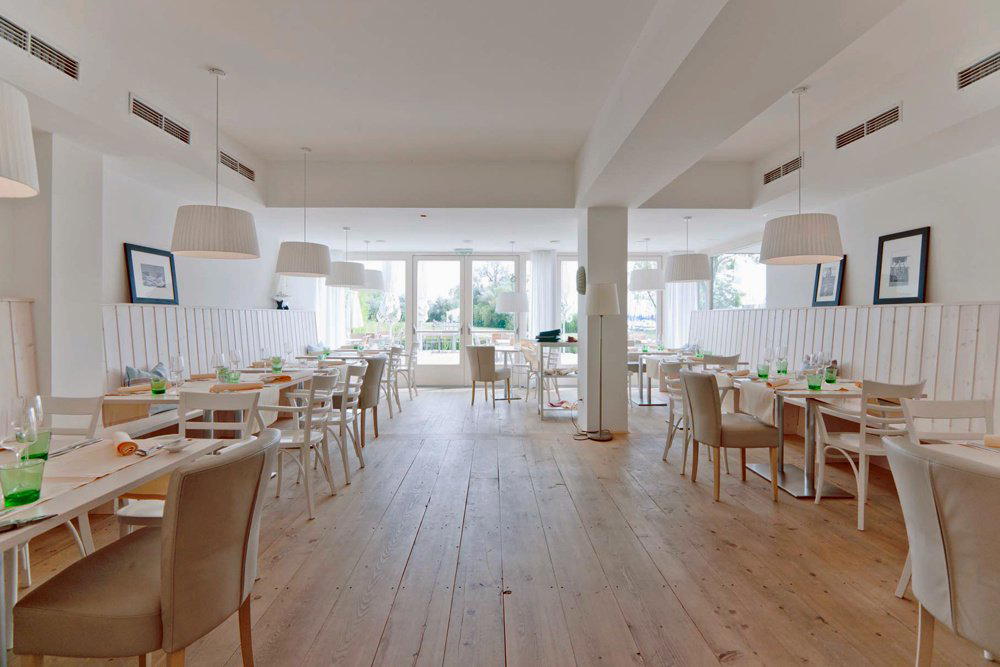
Bars in Halbturn
Browse all →

Hotels in Halbturn
Browse all →
At a Glance
- Romantic
- Classic
- Elegant
- Scenic
- Celebration
- Special Occasion
- Private Event
- Date Night
- Group Dining
- Historic Building
- Hotel Restaurant
- Terrace
- Garden
- Private Dining
- Local Sourcing
- Garden
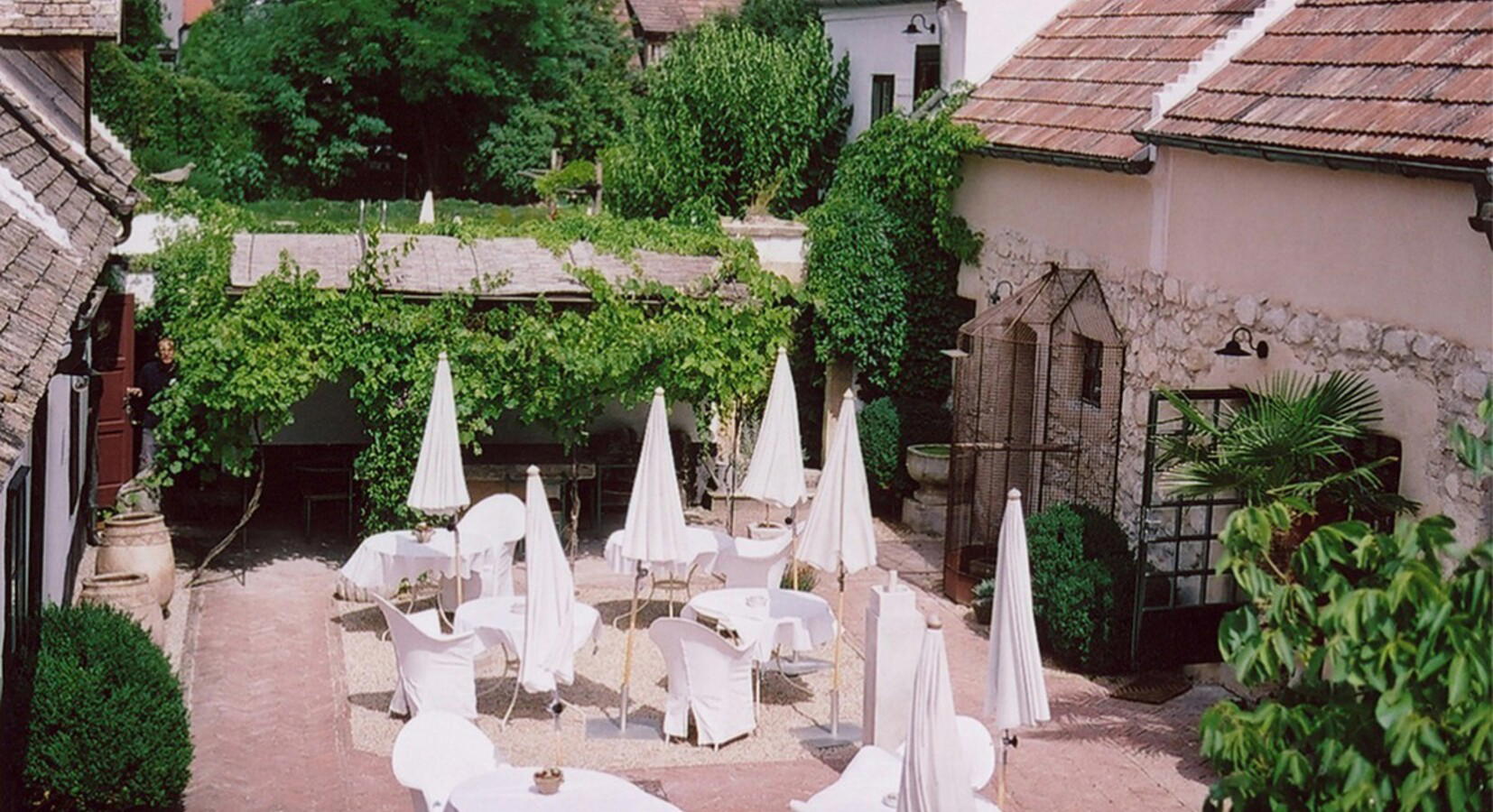
Historic and romantic, with a classic palace atmosphere and access to terrace and garden areas.