Haywire
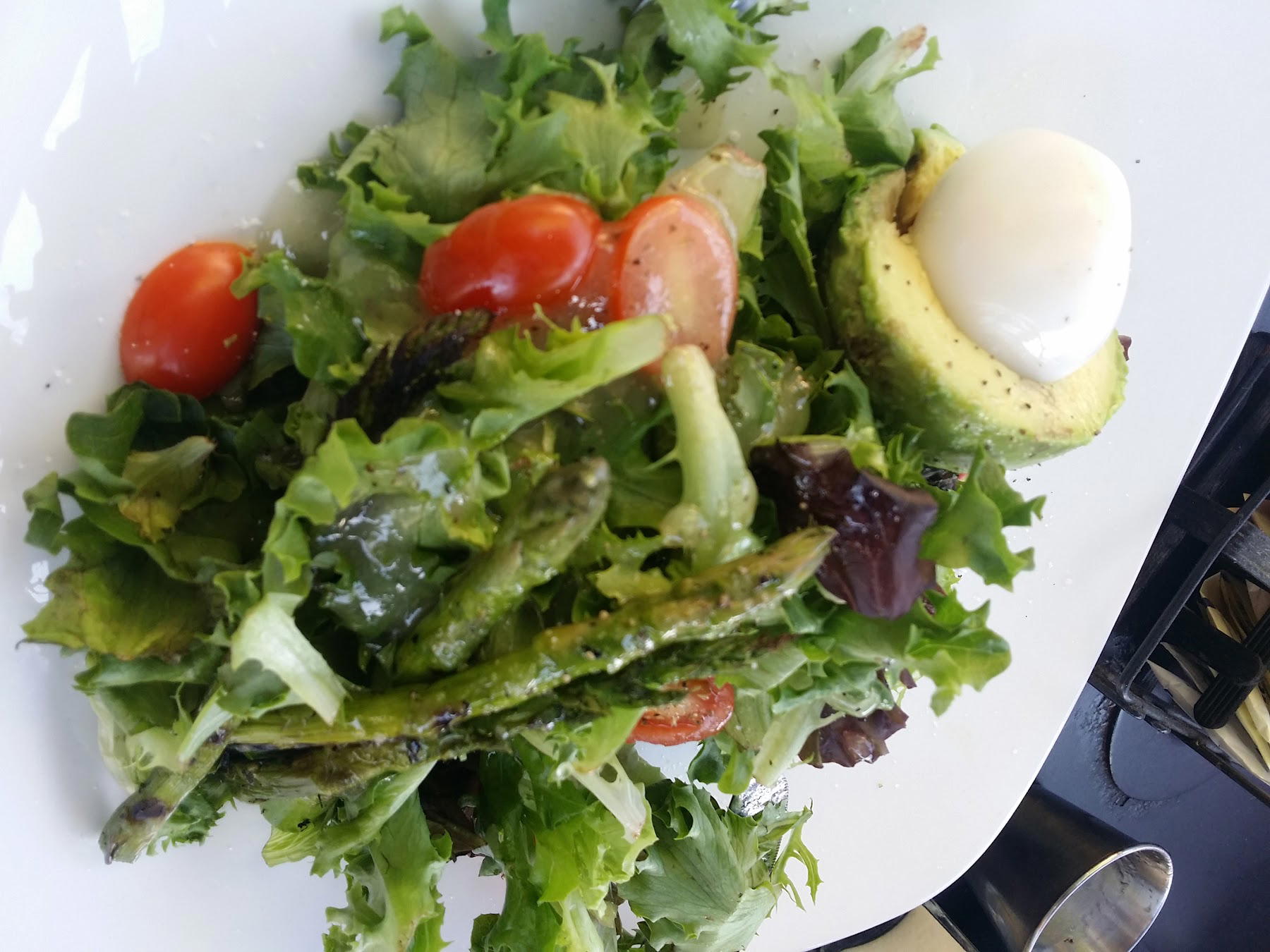
On McKinney Avenue, Haywire occupies a stretch of Uptown Dallas where modern Texas cooking and Western-influenced design converge. The restaurant draws from the state's ranching and agricultural traditions while reflecting the neighborhood's shift toward polished, ingredient-forward dining. It sits in a tier of Dallas restaurants where the food makes a clear argument about where Texas cuisine is heading.
Pearl is the En Primeur Club membership app — saves, bookings, and concierge access live there. Same editors, same standards.
- Address
- 1920 McKinney Ave Ste 100, Dallas, TX 75201
- Phone
- +14695015522
- Website
- haywirerestaurant.com
- Directions
- Get directions
 Saves & bookings on Pearl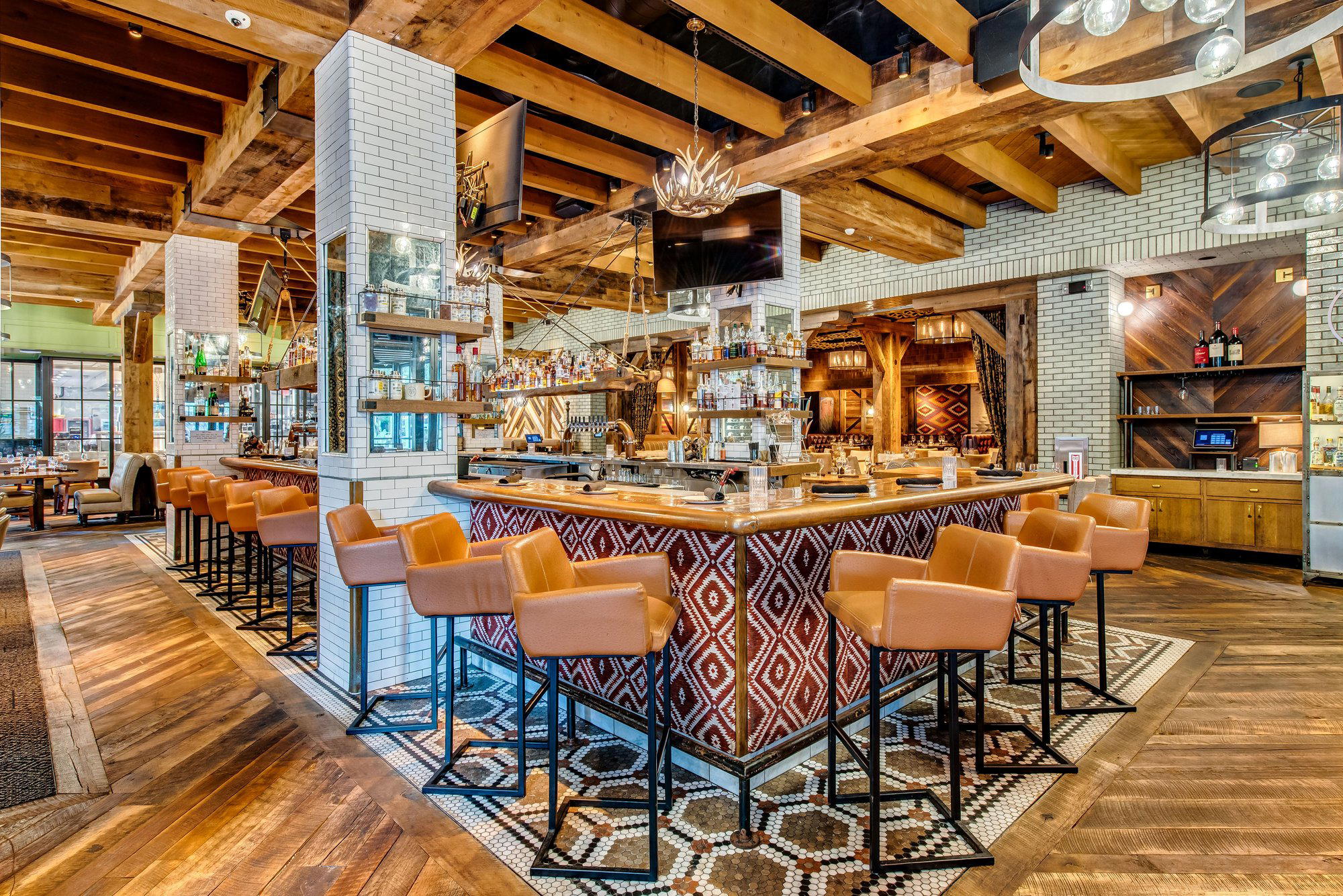
McKinney Avenue and the New Texas Table
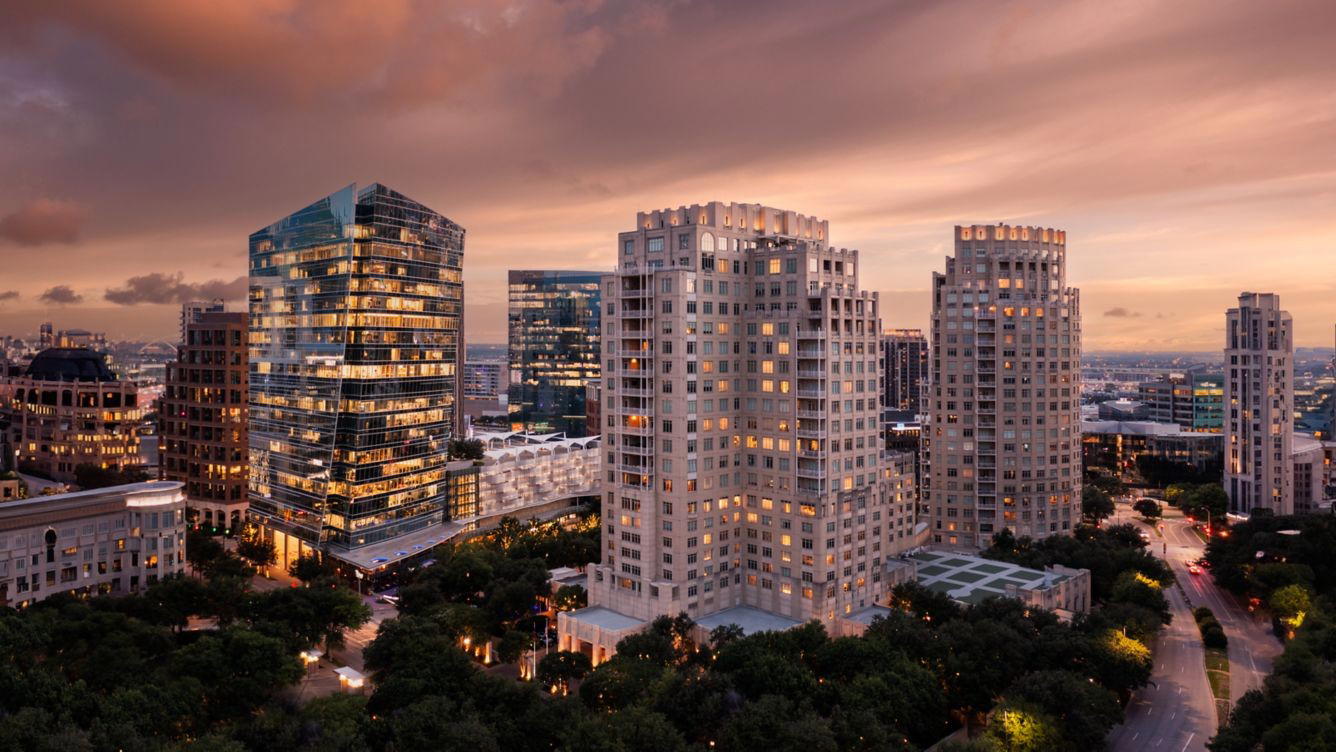
Uptown Dallas has spent the better part of a decade sorting itself out. The stretch of McKinney Avenue that runs through it was once defined by loud sports bars and patio happy hours aimed at the post-work crowd. What replaced that, gradually and then quickly, was a different kind of hospitality: restaurants with considered wine lists, kitchens serious about sourcing, and design that does more than fill square footage. Haywire, at 1920 McKinney Ave, is a Texas Farm-to-Fork Steakhouse in Dallas with.
The Western-ranch aesthetic inside Haywire is not costume. It engages a genuine culinary argument: that Texas has enough indigenous food culture, from its cattle ranching heritage to its agricultural breadth, to build a serious modern restaurant around, without borrowing from coastal playbooks. That argument has grown more confident over time, and understanding how Haywire has evolved means understanding how Dallas dining has repositioned itself relative to the rest of the country.
How the Concept Has Shifted
When the Texas upscale-casual format first gained traction in the 2010s, many restaurants in the tier occupied an awkward middle ground: too formal to be genuinely relaxed, not serious enough about the food to compete with destination dining. The early version of Haywire fit that description well enough. It had the look and the address, but the menu's relationship to Texas food culture felt more curatorial than committed.
What changed, as it has across a broader cohort of serious Texas restaurants, was specificity. The evolution at Haywire tracks the wider movement in American regional cooking toward provenance as a primary value, where what the kitchen can tell you about where something came from matters as much as how it is prepared. That shift put venues like Haywire in a different conversation than where they started, closer to the ethos, if not the formality, of places like Blue Hill at Stone Barns or Single Thread Farm in Healdsburg, where the sourcing story is structural rather than decorative.
This is not to overstate the comparison. Haywire operates in a different register than a tasting-menu institution like Alinea in Chicago or The French Laundry in Napa. But the directional movement is the same: toward a kitchen that has a point of view about Texas, not just a setting that evokes it.
Where Haywire Sits in the Dallas Dining Order
Dallas has a well-established upper tier of Texas-inflected fine dining, anchored by places like Fearing's at the Ritz-Carlton, where Southwestern cooking has held a four-dollar-sign price point for years. Haywire operates below that ceiling in terms of formality but competes in the same conversation about what Texas food should be. It shares a certain seriousness with Lucia, the Oak Cliff Italian restaurant that proved Dallas diners would support ingredient-focused cooking at the $$$ tier, and with Tei-An, which demonstrated that a Japanese restaurant in Dallas could build a genuinely national reputation.
The relevant comparable set for Haywire is not steakhouses, even though cattle culture is part of its DNA. It is closer to the cohort of American restaurants that have figured out how to make regional identity into a dining proposition, in the way that Lazy Bear in San Francisco made Northern California communal cooking into a ticketed destination, or how Providence in Los Angeles built California's Pacific identity into a formal seafood counter. The ambition is similar even when the execution and price point differ.
For readers building a Dallas itinerary, Haywire sits in the same rotation as Mamani and Tatsu Dallas, venues that argue for the city's range without requiring the full-ceremony commitment of a tasting menu. For something more casual in the same part of the city, 360 Brunch House and 3Eleven Kitchen and Cocktails offer a different register.
The Room and What It Communicates
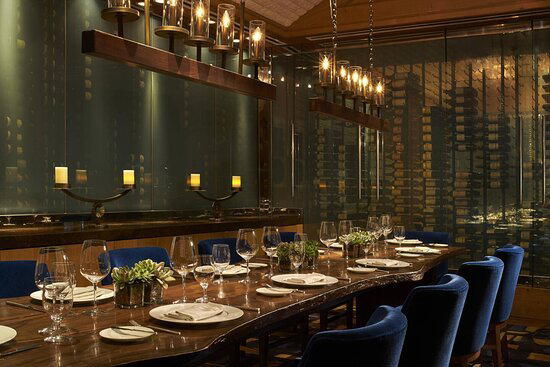
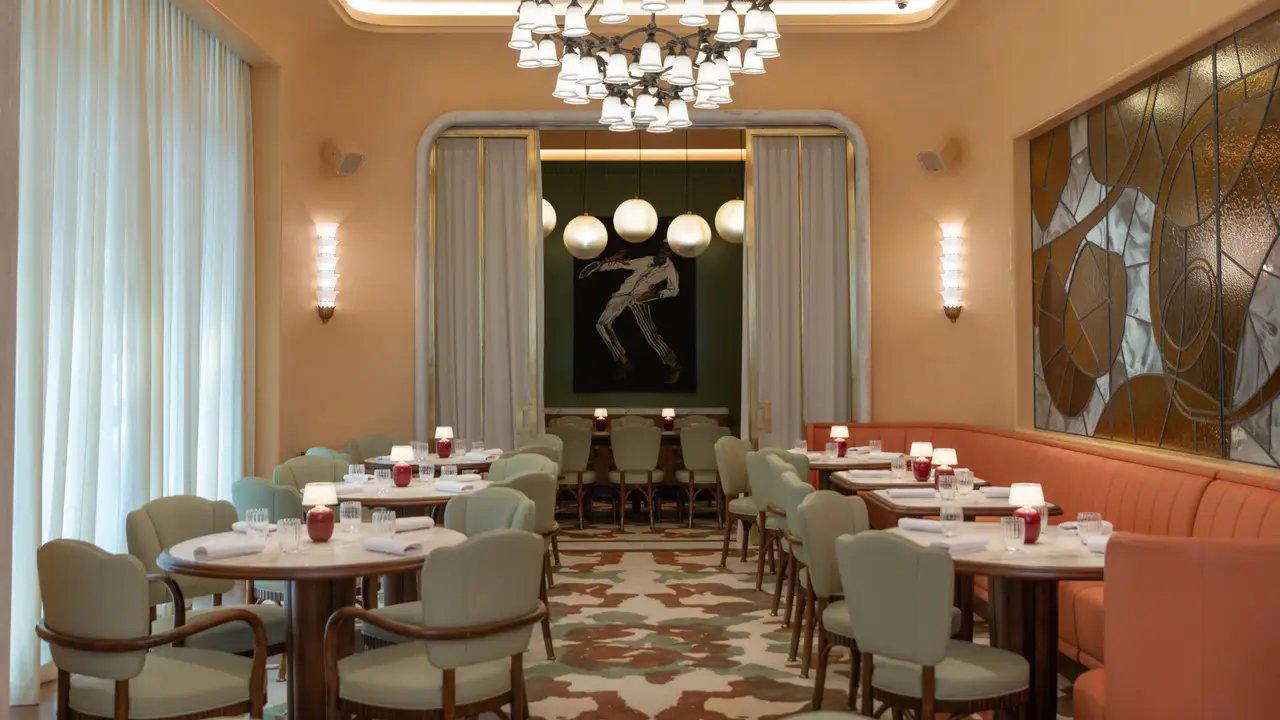
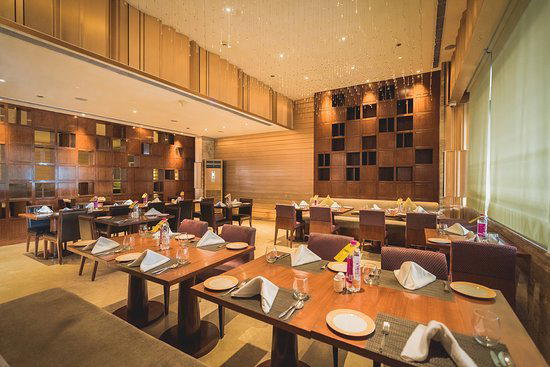
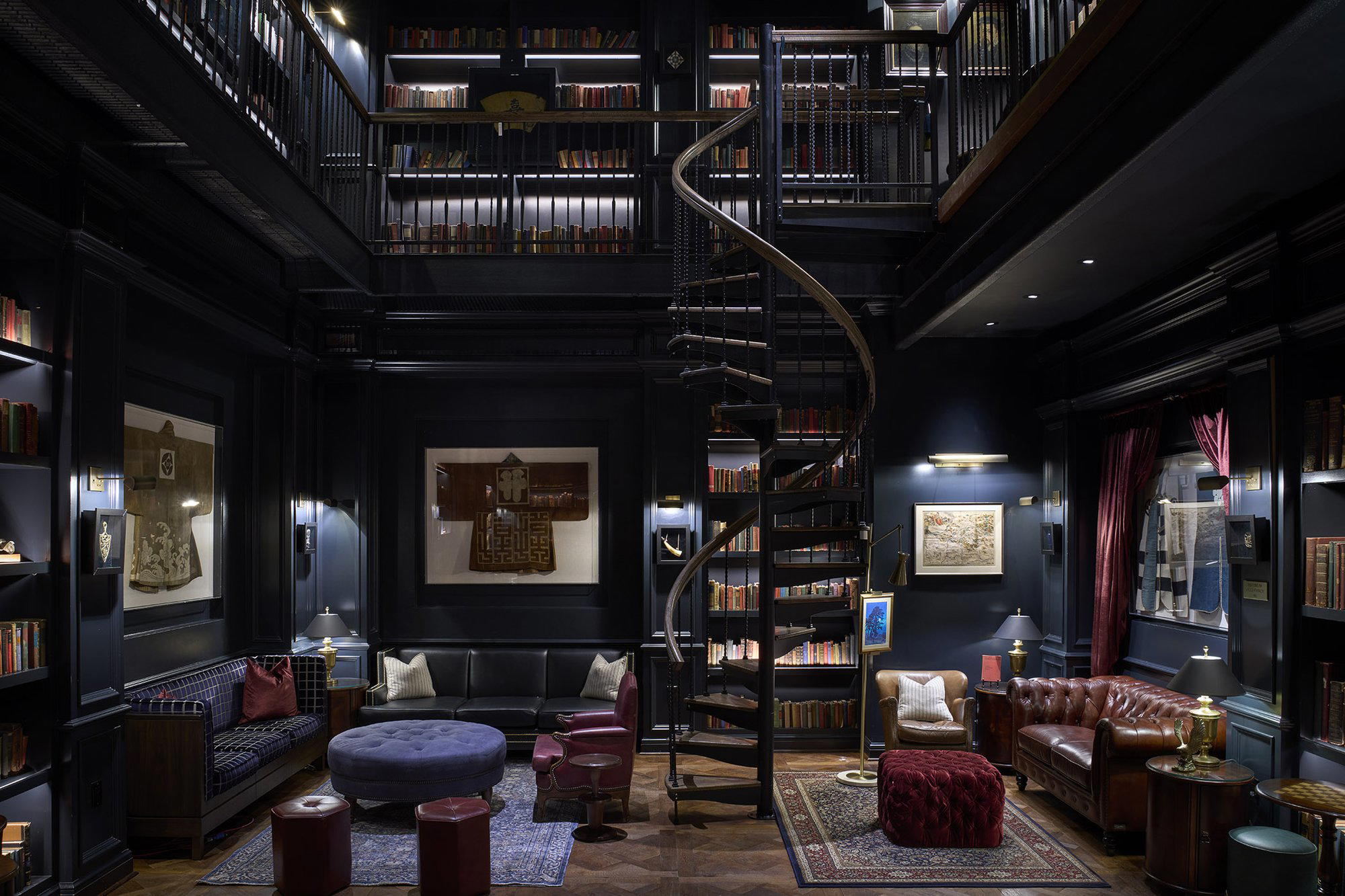
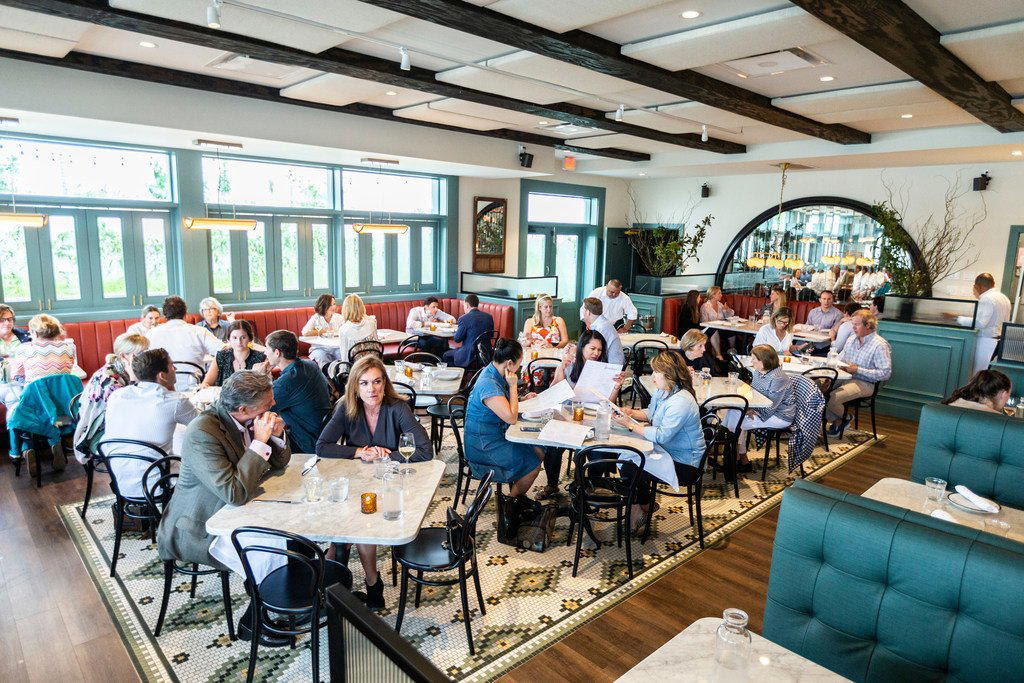
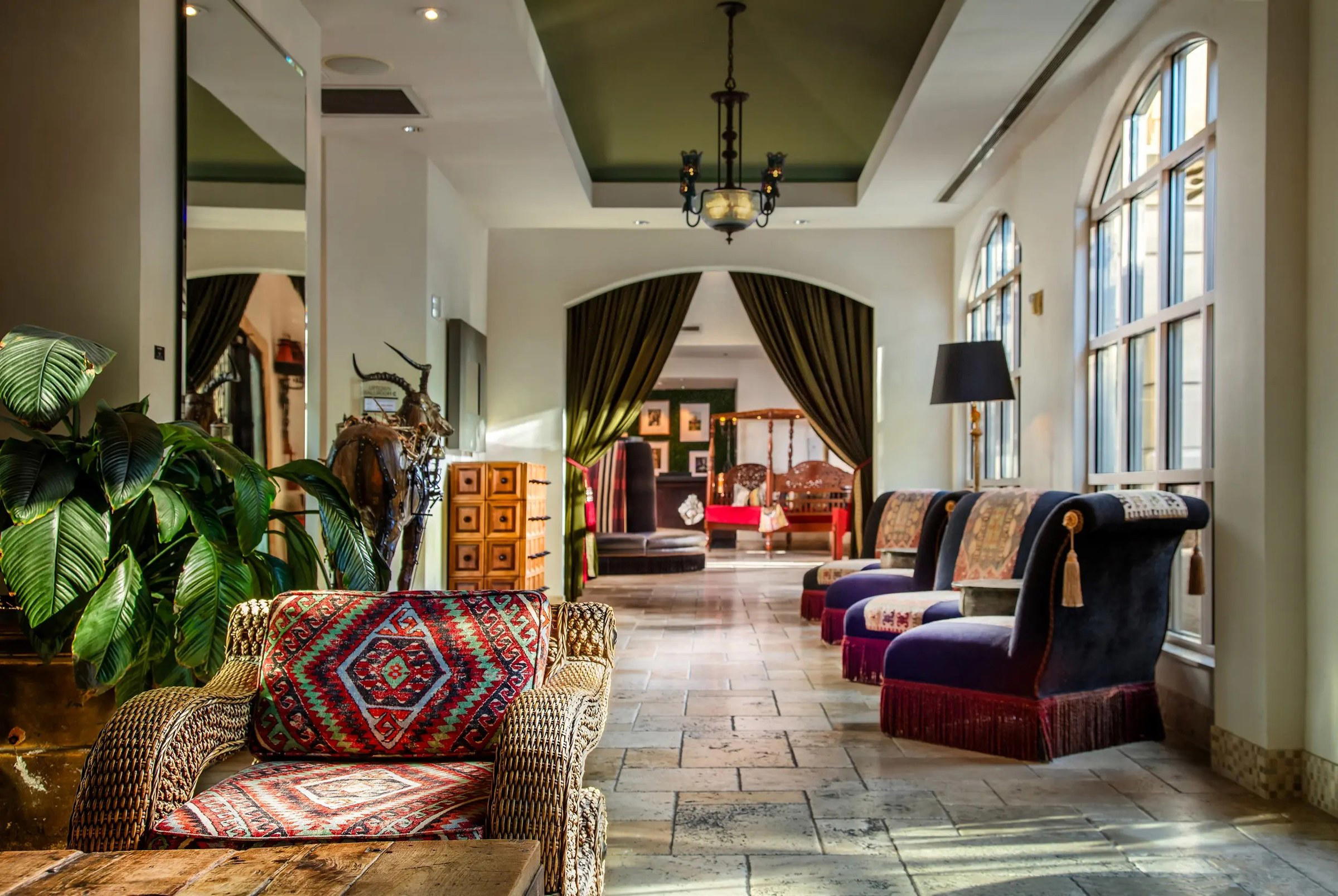
The design at Haywire does real work. The reclaimed wood, the leather, the warm lighting: these are not decorative defaults but signals about where the restaurant positions itself culturally. Western ranch aesthetics in American dining have been through several cycles of earnest deployment and ironic detachment. What Haywire navigates is using those signals without reducing itself to theme restaurant territory. The room feels like a place where serious eating happens, which is harder to achieve than it sounds when the visual language is this loaded.
In the national context, the challenge of building a serious American regional restaurant around a culturally specific aesthetic has been solved in different ways. The Inn at Little Washington commits to full theatrical spectacle. Addison in San Diego lets the cooking carry the identity while the room stays spare. Atomix in New York City makes Korean cultural specificity into something almost museological. Haywire takes a middle path: the room asserts a Texas identity without overwhelming the food's ability to do the same.
Planning Your Visit
Haywire is on McKinney Avenue in Uptown Dallas, an area with reliable rideshare access from downtown and the Arts District. The address at 1920 McKinney Ave places it in a dense stretch of the strip, where parking is available in nearby lots but street spaces move quickly during peak dinner hours on Thursday through Saturday. Reservations are advisable for weekend evenings; the space is large enough that mid-week visits often allow walk-in seating. For visitors combining Haywire with a wider Dallas food exploration, the proximity to the broader Uptown corridor makes it a natural anchor for an evening that might include pre-dinner drinks elsewhere on McKinney.
Internationally, readers who have dined at Emeril's in New Orleans, Le Bernardin in New York City, or 8 1/2 Otto e Mezzo Bombana in Hong Kong will recognize the register Haywire is working toward: a restaurant that takes its regional identity seriously enough to use it as the primary organizing principle of what it serves and how the room is built. For a Texas-specific point of comparison, 12 Cuts Brazilian Steakhouse offers a different angle on the city's relationship to beef-centered cooking.
Reputation First
Comparable venues nearby, for context on price, style, and recognition.
| Venue | Cuisine | Price | Notes |
|---|---|---|---|
| HaywireThis venue — the venue you are viewing | Texas Farm-to-Fork Steakhouse | $$$ | Not listed |
| Neighborhood Services | Upscale American Steakhouse | $$$ | Lovers Lane |
| The Conservatory | Classic American Breakfast and Lunch | $$$ | LoMac |
| Drake's Hollywood | Old Hollywood Steakhouse | $$$ | Devonshire |
| Hudson House | American Seafood | $$$ | Preston Hollow |
| Velour | Southern-Asian Fusion | $$$ | Victory Park |

At a Glance
- Rustic
- Cozy
- Lively
- Group Dining
- Special Occasion
- Business Dinner
- Open Kitchen
- Private Dining
- Extensive Wine List
- Farm To Table
- Local Sourcing
Current opening hours
- Monday
- 11 AM–10 PM
- Tuesday
- 11 AM–10 PM
- Wednesday
- 11 AM–10 PM
- Thursday
- 11 AM–10 PM
- Friday
- 11 AM–11 PM
- Saturday
- 10 AM–11 PM
- Sunday
- 10 AM–9 PM
Hours can change for holidays and private events. Last verified .
Warm and welcoming with a rustic Texas atmosphere, featuring a cozy fireplace patio and inviting dining room.