The Conservatory
The Conservatory occupies a considered address at 400 Crescent Court in Dallas's Uptown corridor, positioning it within one of the city's most concentrated pockets of upscale dining. With limited venue-specific data currently verified, EP Club recommends confirming details directly before booking.
Pearl is the En Primeur Club membership app — saves, bookings, and concierge access live there. Same editors, same standards.
- Address
- 400 Crescent Ct, Dallas, TX 75201
- Phone
- +12148713240
- Website
- crescentcourt.com
- Directions
- Get directions
 Saves & bookings on Pearl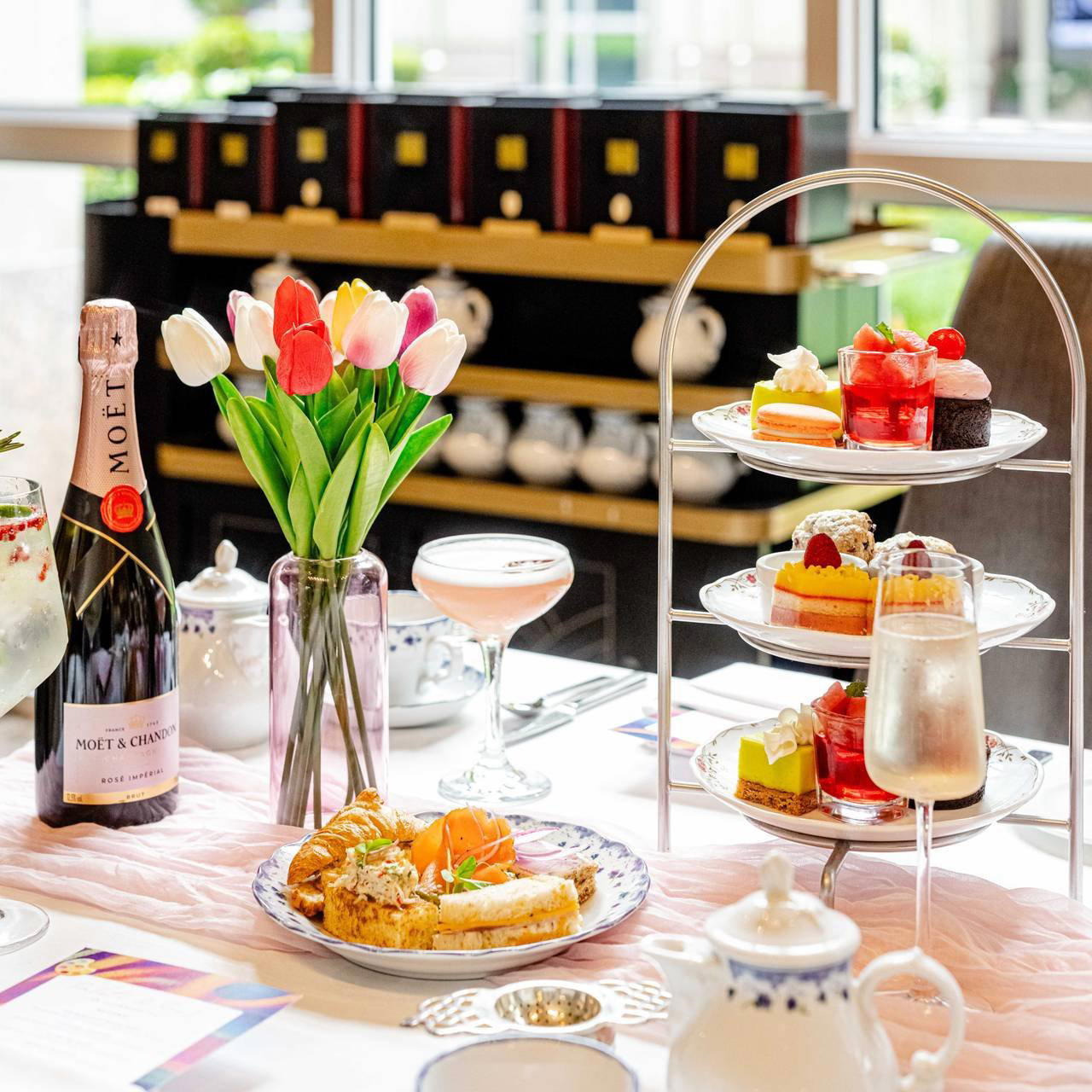
Where the Crescent Court Address Places You
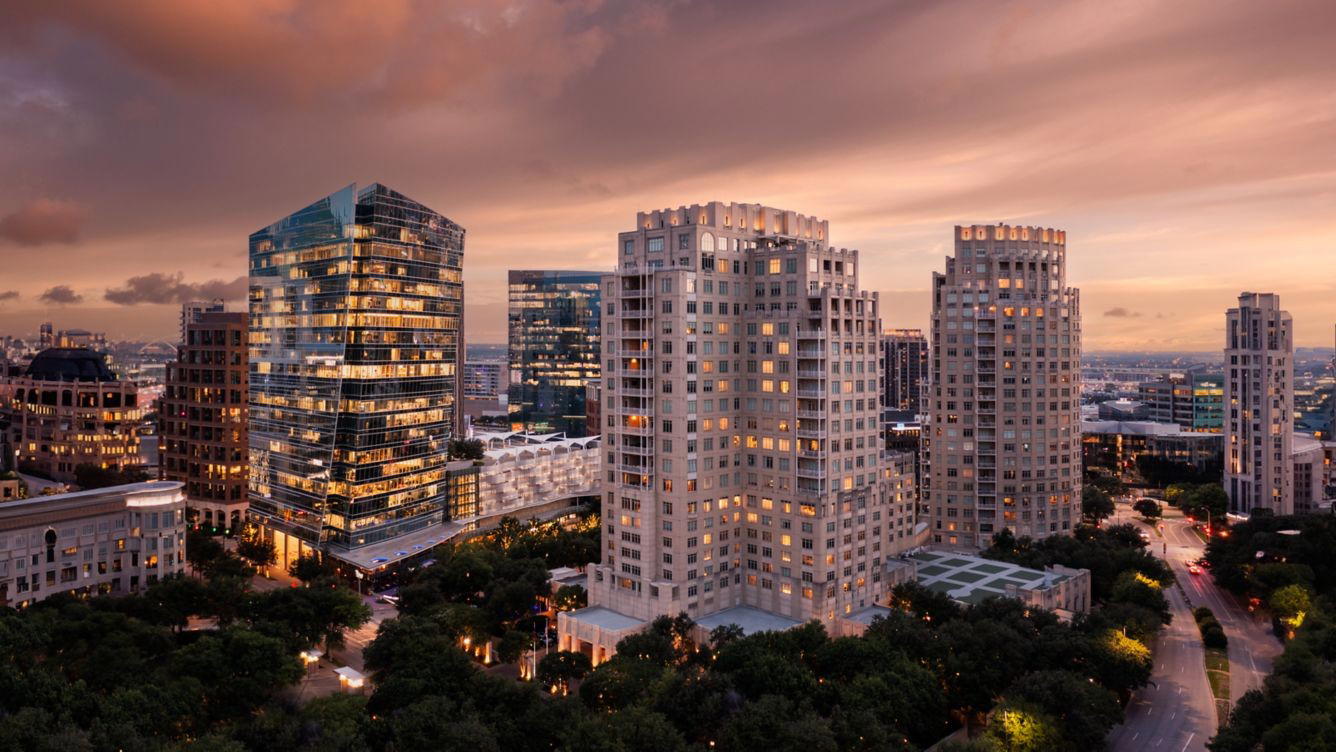
Dallas's Uptown dining corridor has spent the last decade consolidating its position as the city's most formally ambitious dining zone. The stretch around Crescent Court, at the northern edge of the Arts District approach, draws restaurants that compete on refinement rather than volume, and the address at 400 Crescent Court puts The Conservatory squarely inside that gravitational pull.
Understanding that positioning matters before you book. Dallas has spread its high-end dining across several micro-clusters, from the Design District to Knox-Henderson to the Oak Cliff pocket, and each cluster carries different character. The Crescent Court area trends toward hotel-adjacent polish, with venues that serve both local regulars and visitors staying in the surrounding properties. That dual audience tends to produce a certain kind of restaurant: one that cannot afford to be too esoteric but also cannot survive on novelty alone. The competition nearby includes Mamani and Tatsu Dallas, the latter operating at the top of Dallas's Japanese dining tier at a $$$$ price point. The comparative set matters when you are deciding how The Conservatory fits into a broader Dallas itinerary.
The Booking Calculus in Dallas's Upper Tier
That absence is itself logistically relevant. In Dallas's upper dining tier, restaurants without prominently surfaced booking infrastructure tend to fall into one of two categories: venues that rely on direct phone or walk-in relationships with regulars, and newer venues whose systems are still consolidating.
The broader context here is useful. Across comparable American fine-dining addresses, from Le Bernardin in New York City to Alinea in Chicago to The French Laundry in Napa, the booking window at the leading end now runs from six weeks to three months for prime weekend sittings. Dallas's upper tier does not yet operate at those extremes for most venues, but the Crescent Court micro-cluster is the part of the city where demand most closely approximates that dynamic. For venues like 3Eleven Kitchen and Cocktails and the more casual 360 Brunch House, booking windows are shorter, but ambition and price tier generally correlate with lead time in this market.
If you are building a multi-night Dallas itinerary around a table here, the sensible approach is to treat The Conservatory as the anchor booking, secure it first, and build the surrounding nights around it.
Seasonal Considerations and When to Plan
Dallas dining has a seasonal rhythm that does not always map onto the national calendar. Summer, which runs brutally hot from June through early September, tends to suppress outdoor-terrace culture and push demand toward interior dining rooms. That compression in available comfortable dining circumstances means that June through August can produce tighter availability at established indoor venues even when the city's overall visitor numbers dip. Conversely, the October through December window is when Dallas's formal dining scene operates at full capacity, with corporate entertaining, the holiday season, and the city's cultural calendar all overlapping. If your window falls in that quarter, booking well ahead is particularly advised.
Spring, from March through May, represents the most forgiving window for planning, with demand more evenly distributed and availability at its most flexible across the upper dining tier. That said, the Dallas social calendar has its own pressure points, including major charity events and the spring arts season, which can spike reservation demand unpredictably at venues in the Uptown and Arts District adjacent zones.
Where The Conservatory Sits in a National Conversation
Placing any Dallas restaurant in national context requires acknowledging what American fine dining is doing broadly right now. The movement at the leading end has been toward either radical transparency, as seen at Blue Hill at Stone Barns in Tarrytown and Single Thread Farm in Healdsburg, or toward highly specific cultural specificity, as at Atomix in New York City. Dallas venues at the formal end tend to occupy a different register: technically accomplished, service-focused, and oriented toward a local clientele that values reliability alongside ambition. That is not a criticism; it describes a real and defensible position in a market where the dining culture prizes hospitality warmth alongside culinary precision.
For comparison, Emeril's in New Orleans, Providence in Los Angeles, and Addison in San Diego each sit in their respective city's upper tier while navigating the same tension between local audience expectations and national critical frameworks. Lazy Bear in San Francisco and The Inn at Little Washington in Washington represent the more destination-first end of that spectrum, where out-of-town visitors form a larger share of the regular clientele. Dallas venues tend to serve local regulars more heavily, which shapes their rhythm, their menu evolution cycle, and their approach to the dining room itself.
That pricing logic is useful context when assessing value: the benchmark is the local competitive tier, not 8½ Otto e Mezzo Bombana in Hong Kong.
Planning Details at a Glance
| Venue | Cuisine Tier | Price Range | Booking Approach |
|---|---|---|---|
| The Conservatory | Uptown Dallas formal | Not verified | |
| Fearing's | Southwestern, American | $$$$ | Online / phone reservation |
| Tei-An | Izakaya, Japanese | $$$$ | Reservations advised |
| Lucia | Italian | $$$ | Reservations advised |
| Cattleack Barbeque | Barbecue | $$ | Walk-in / limited hours |
At a Glance
- Romantic
- Scenic
- Elegant
- Cozy
- Brunch
- Date Night
- Special Occasion
- Garden
- Hotel Restaurant
- Garden
Current opening hours
- Monday
- 7 AM–2 PM
- Tuesday
- 7 AM–2 PM
- Wednesday
- 7 AM–2 PM
- Thursday
- 7 AM–2 PM
- Friday
- 7 AM–2 PM
- Saturday
- 7 AM–2 PM
- Sunday
- 7 AM–2 PM
Hours can change for holidays and private events. Last verified .
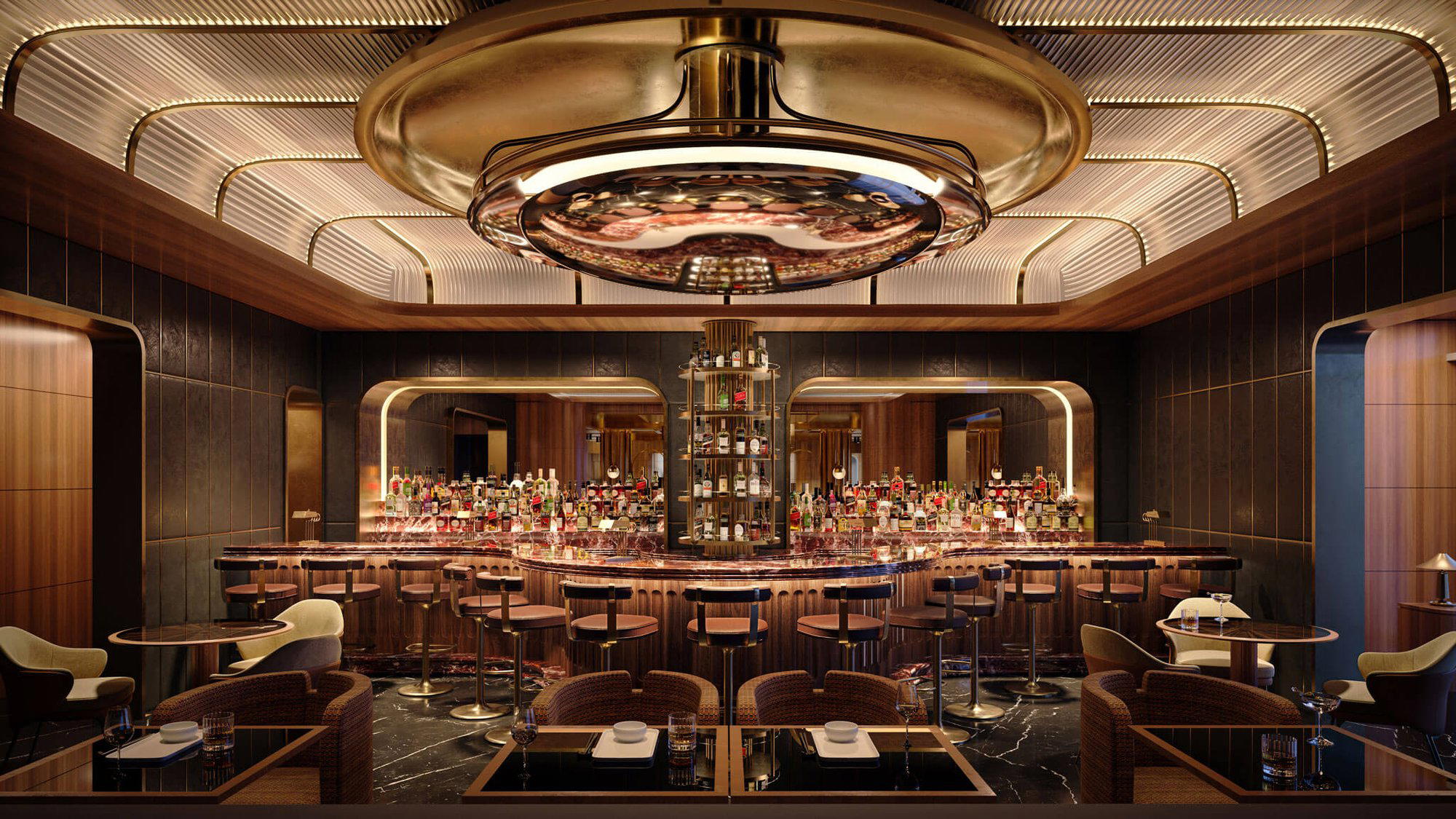
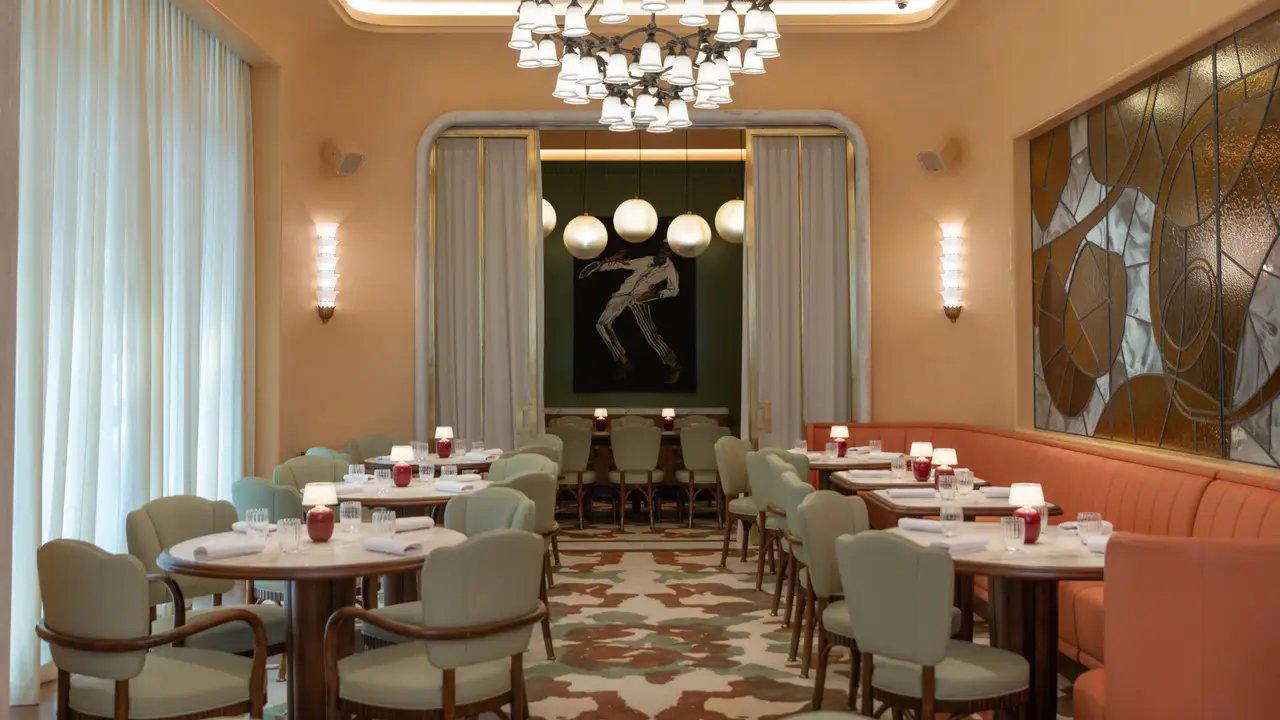
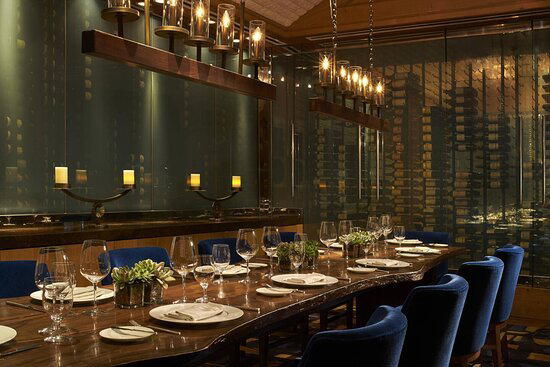
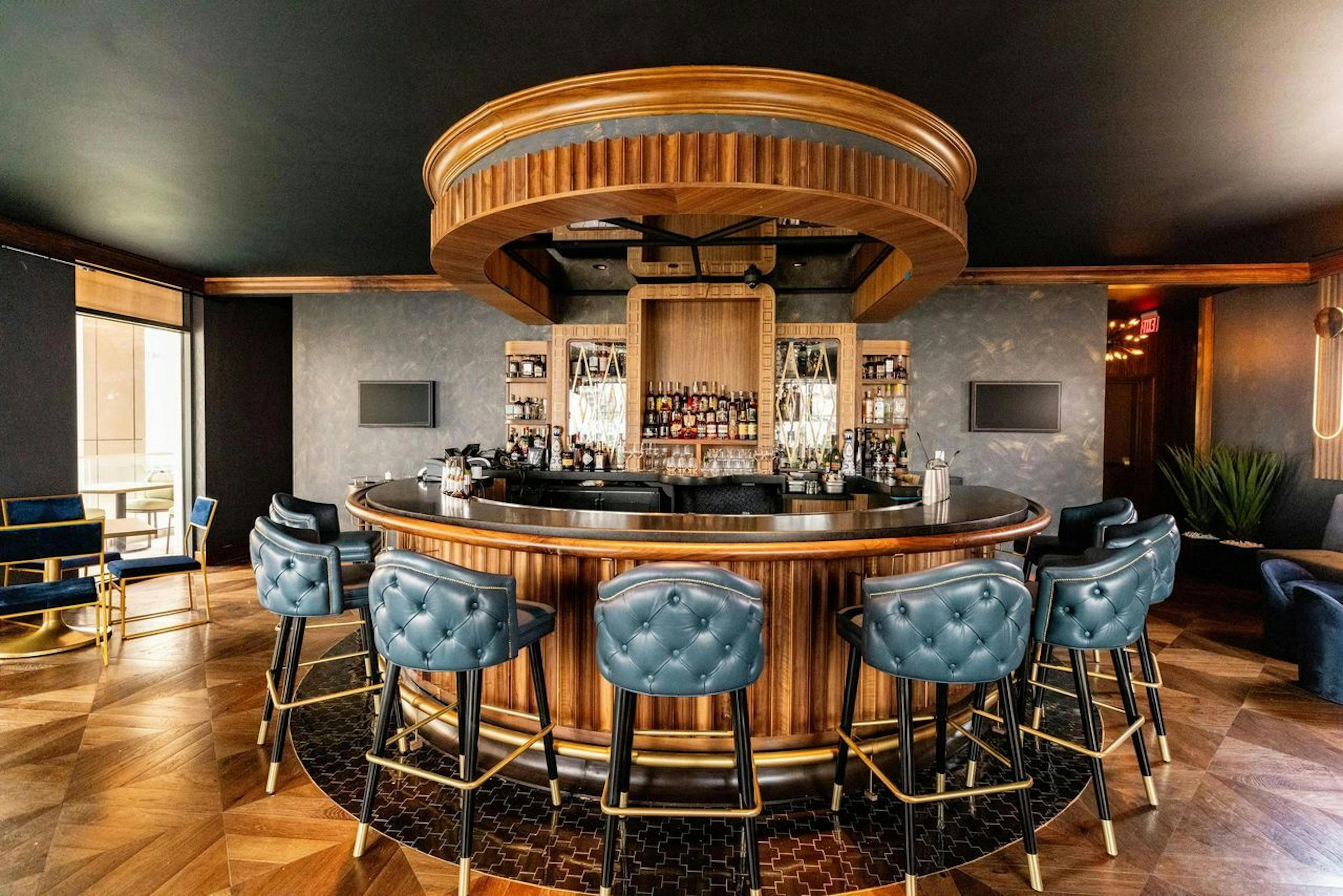
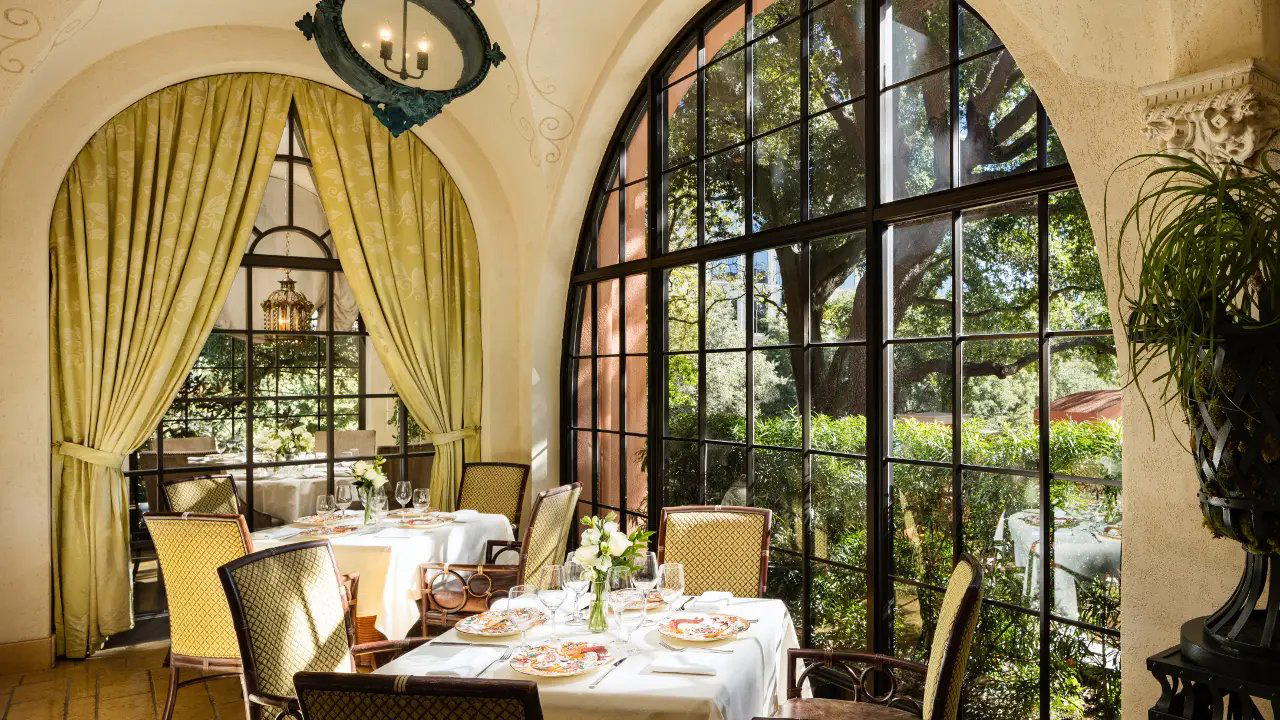
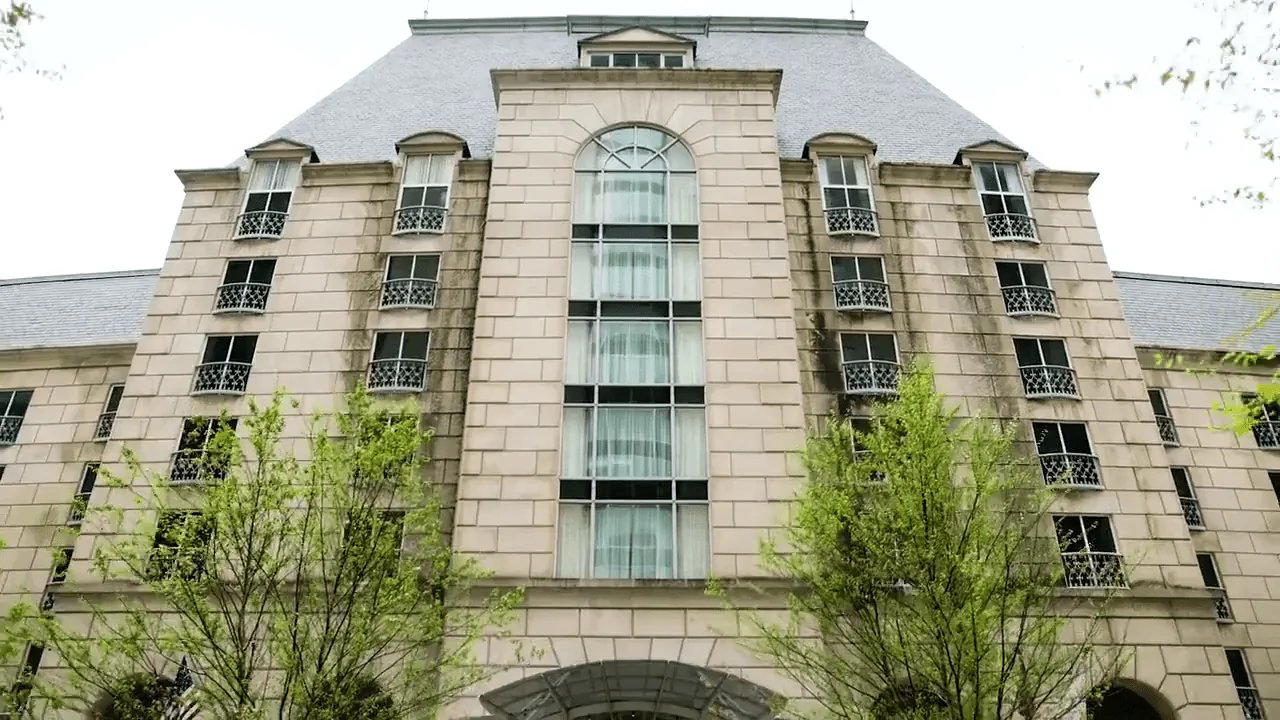
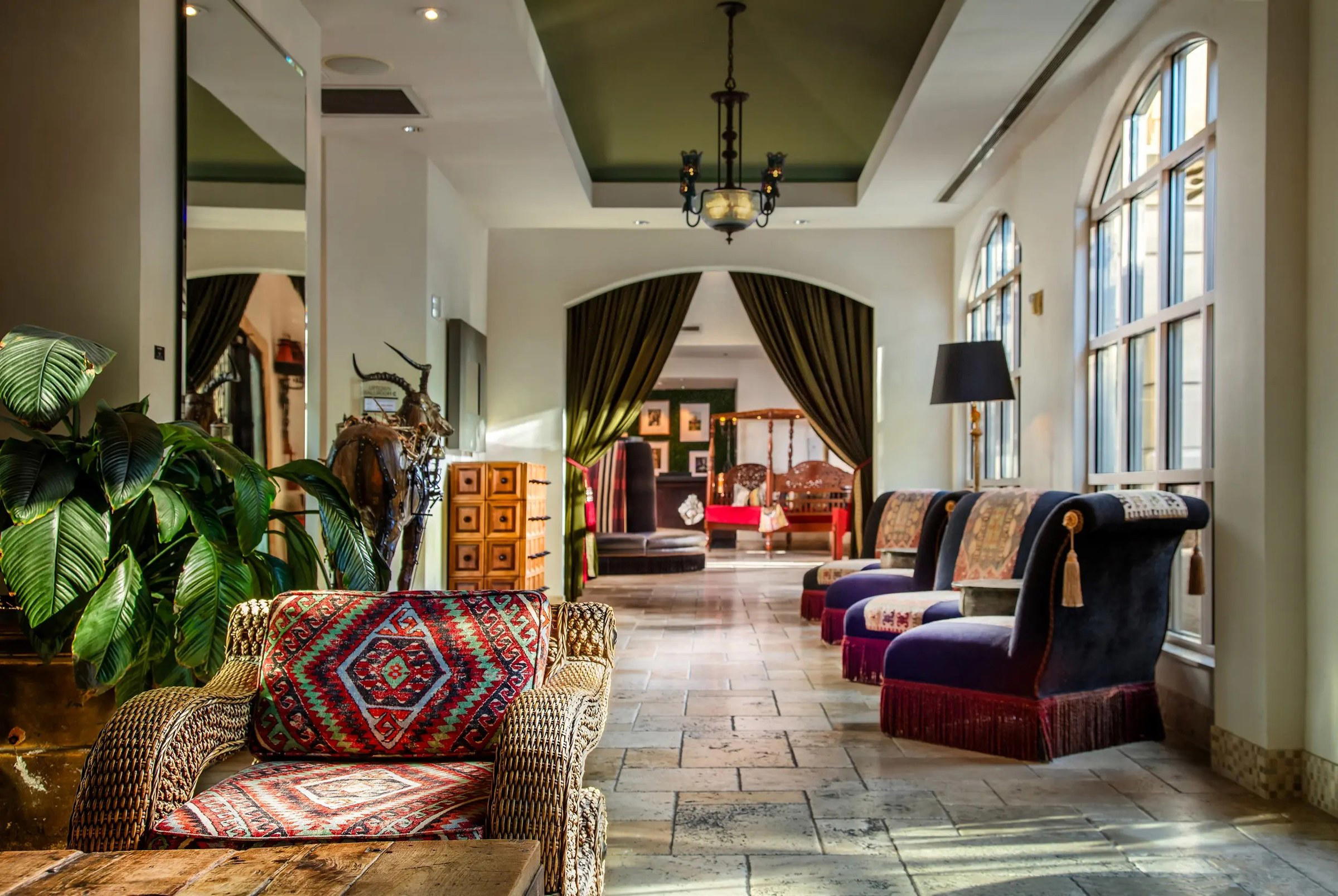
Bright, refined, and airy, with a garden-view sunroom atmosphere that feels polished and romantic.
Know Before You Go
- Getting there
- 400 Crescent Ct, Dallas, TX 75201