Hasung Lee
A contemporary seasonal tasting menu restaurant in New York City, Oh-yacht operates at the quieter, more considered end of the city's fine dining spectrum. The format follows the same logic as the city's top tasting-menu counters: a fixed progression, seasonal sourcing, and a kitchen philosophy that prioritizes restraint over spectacle. For visitors already familiar with the city's flagship dining rooms, this is a meaningful addition to the circuit.
Pearl is the En Primeur Club membership app — saves, bookings, and concierge access live there. Same editors, same standards.
- Address
- New York City, United States
- Website
- oyattenyc.com
 Saves & bookings on Pearl
Where Oh-Yacht Sits in New York's Tasting-Menu Tier
New York's fine dining scene has long been stratified between the institutionally famous and the quietly serious. On one end sit the grand-room flagships: Le Bernardin, Per Se, and Masa, each carrying decades of institutional weight and prices that reflect it. On the other end, a smaller cohort of contemporary tasting-menu restaurants has emerged over the past decade, operating with tighter formats, less ceremony, and a more focused relationship between kitchen and table. Hasung Lee, run under the name Hasung Lee, belongs to that second category. Its placement in the city's dining order matters: it is not competing with the white-tablecloth institutions, but rather with a comparable set defined by seasonal precision, intimate scale, and a format built around the progression of the menu rather than the performance of service.
That distinction shapes what kind of evening a diner should expect. The tasting-menu format, as practiced at this level in New York, is a studied thing. The city's serious seasonal counters, a category that also includes restaurants like César, tend to run fixed menus with limited substitution, a pacing set by the kitchen, and wine programs that are either tightly curated or left to a sommelier to navigate with the guest. The ambition is coherence across the full arc of the meal, not individual dish maximalism.
The Neighbourhood Context
New York's contemporary tasting-menu restaurants have, over the past several years, dispersed across the boroughs and away from Midtown's traditional fine-dining corridors. This geographic spread matters: the neighbourhood a restaurant occupies shapes its vernacular, its clientele, and often its sourcing relationships. Restaurants embedded in lower Manhattan, Brooklyn, and the outer reaches of the West Village tend to operate with a different register than those in the Midtown or Upper West Side institutional belt. They are less formal in setting, more likely to source from regional producers, and more responsive to the rhythms of the local food economy. The restaurant’s format places it within the same conversation as the city's neighbourhood-anchored progressive restaurants rather than its landmark dining rooms.
For international visitors, this is a useful distinction when planning. The institutional flagships are bookable through the same channels, carry the same currency of recognition across borders, and can be slotted into a trip alongside The French Laundry in Napa or Alain Ducasse at Louis XV in Monte Carlo without much contextual adjustment. The seasonal tasting-menu tier requires a different kind of preparation: knowing what neighbourhood you are going to, understanding the format in advance, and arriving with some appetite for the unexpected.
The Format and What It Signals
Contemporary seasonal tasting menus in New York share a common architecture. The kitchen controls the pacing, courses tend to number anywhere from eight to twelve, and the sourcing is tied to what is available at a specific moment in the agricultural calendar. This is not a format built for flexibility, it asks the diner to surrender some agency in exchange for a coherent statement from the kitchen. At the city's most disciplined examples of the genre, that exchange is worthwhile. The meal functions as an argument about season, technique, and restraint rather than as a collection of individual plates.
This model has parallels in other American cities. Lazy Bear in San Francisco operates on similar principles, as does Alinea in Chicago, though Alinea sits at the more theatrical end of the spectrum. Single Thread Farm in Healdsburg adds a farm-to-table dimension that tightens the sourcing argument further. Providence in Los Angeles applies the format to seafood. What these restaurants share is a conviction that the tasting menu, done with discipline, is a legitimate form, not a price-extraction mechanism, but a genuine editorial position about how food should be experienced in sequence. Oh-yacht sits within this national conversation.
Beyond the United States, the seasonal tasting-menu format carries different cultural weight. 8½ Otto e Mezzo Bombana in Hong Kong applies European fine-dining conventions in an Asian context with considerable success. The question for New York's current crop of seasonal tasting-menu restaurants is whether they are building something distinctly of this city, or whether they are translating a global format into a local setting. Strong examples among them do the former.
Booking and Practical Considerations
Fine dining in New York at the contemporary tasting-menu level operates almost universally on an advance reservation model. For restaurants in the comparable set Oh-yacht occupies, intimate format, fixed menu, limited seatings per service, booking windows typically run from four to eight weeks at a minimum, and demand spikes around the autumn and spring shoulder seasons when the kitchen's sourcing options are at their widest. Reservations are essential, and guests should plan ahead.
If the tasting-menu format is a priority across multiple cities, Emeril's in New Orleans offers a useful contrast in format and regional character.
Who This Restaurant Is For
Hasung Lee addresses a specific kind of diner: someone already comfortable with the tasting-menu format, not looking for the theatrical extremes of particularly avant-garde American kitchens, and interested in what serious seasonal cooking looks like in New York at this moment. It is not an introduction to fine dining, and it is not a landmark booking for visitors who have never experienced this category. It is, instead, a restaurant for people who have eaten at Per Se and want to know what the next generation of the format looks like in the same city, or for local diners who track the seasonal tasting-menu tier as it evolves.
That positioning makes it more interesting as a critical object, not less. The institutional flagships are fixed points. The seasonal tasting-menu tier is where the city's dining conversation is actually happening, and where particularly direct evidence of how chefs are thinking about New York, its seasons, and its ingredients emerges in real time.
Cuisine Lens
Comparable venues nearby, for context on price, style, and recognition.
| Venue | Cuisine | Price | Notes |
|---|---|---|---|
| Hasung LeeThis venue — the venue you are viewing | Seasonal Fine Dining Tasting Menu | $$$$ | Not listed |
| Barnea Bistro | Kosher French Fine Dining | $$$$ | East Midtown-Turtle Bay |
| Kumiko Room | Modern Japanese Cocktail Bar & Omakase | $$$$ | West Loop |
| Aura Cocina | Cuban-Asian Fusion | $$$ | East Williamsburg |
| Gansevoort Rooftop | Contemporary American with Mediterranean & Sushi Influences | $$$$ | West Village |
| The Grand Tier | Contemporary American Fine Dining | $$$$ | Upper West Side-Lincoln Square |
Continue exploring
More in New York City
Restaurants in New York City
Browse all →
Bars in New York City
Browse all →
At a Glance
- Elegant
- Sophisticated
- Modern
- Intimate
- Special Occasion
- Date Night
- Open Kitchen
- Farm To Table
- Local Sourcing
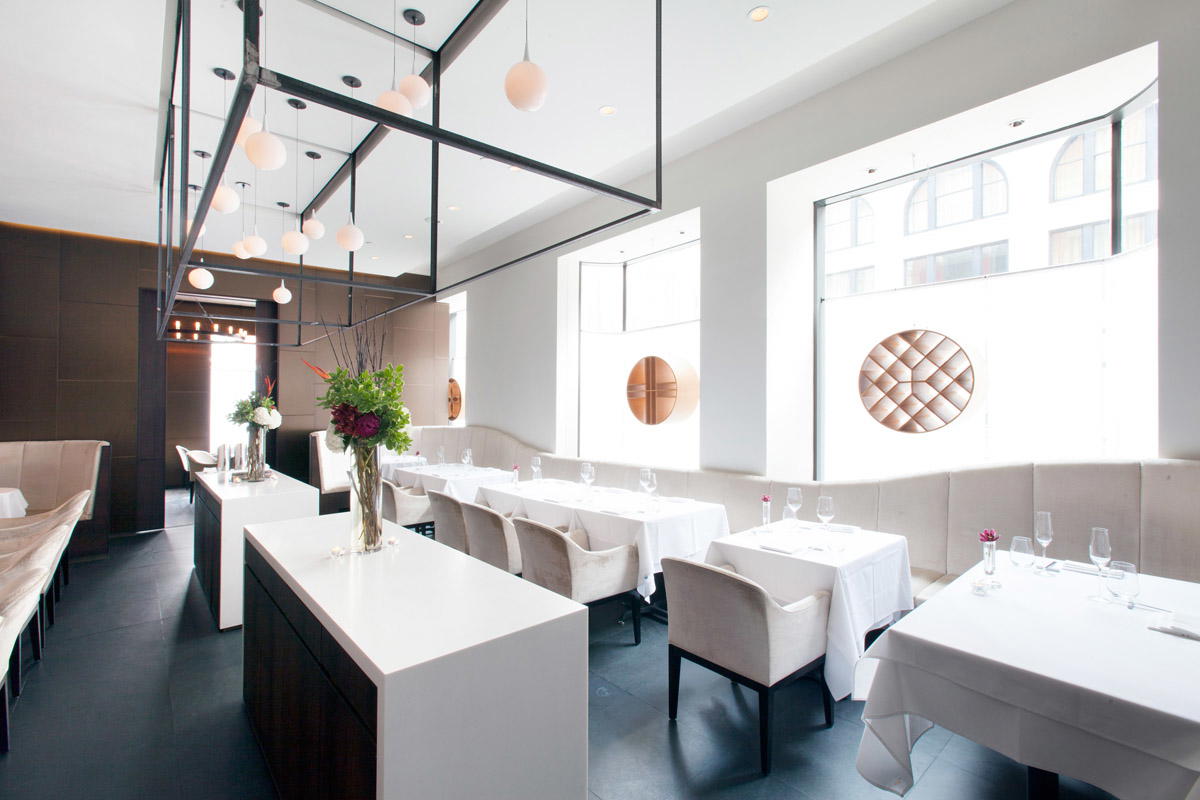
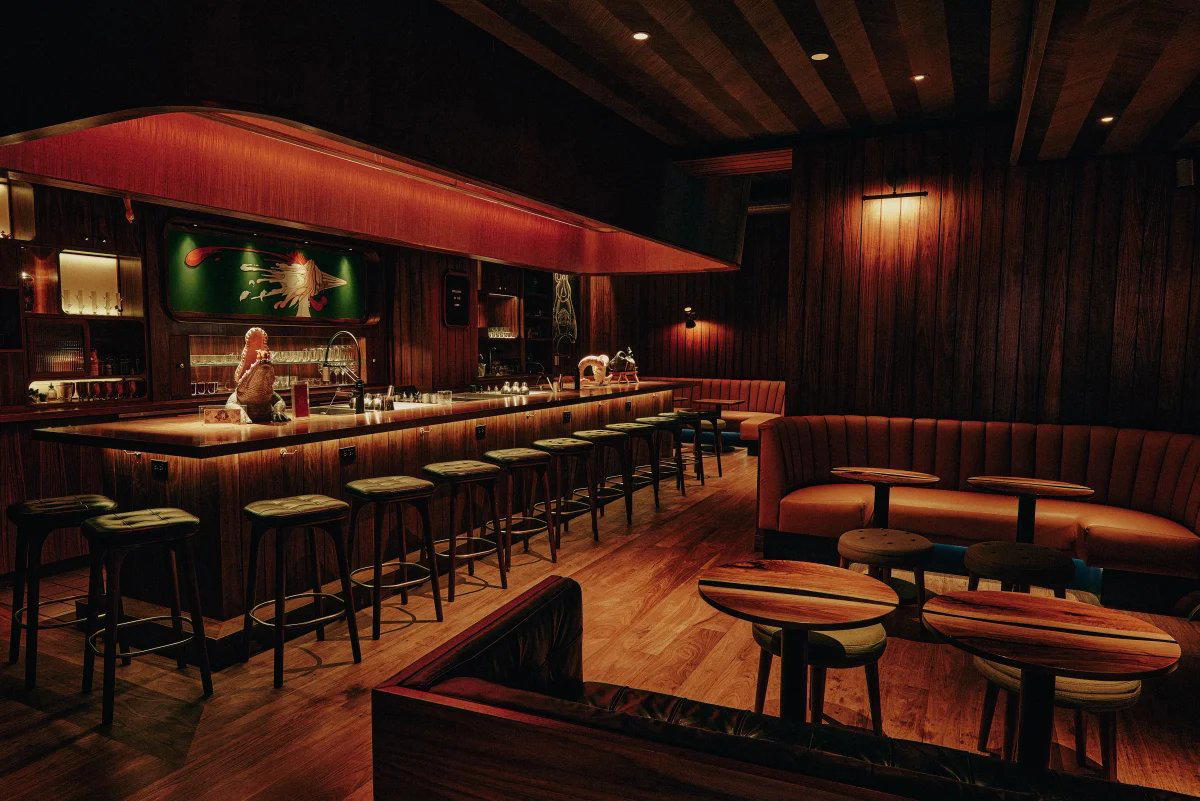
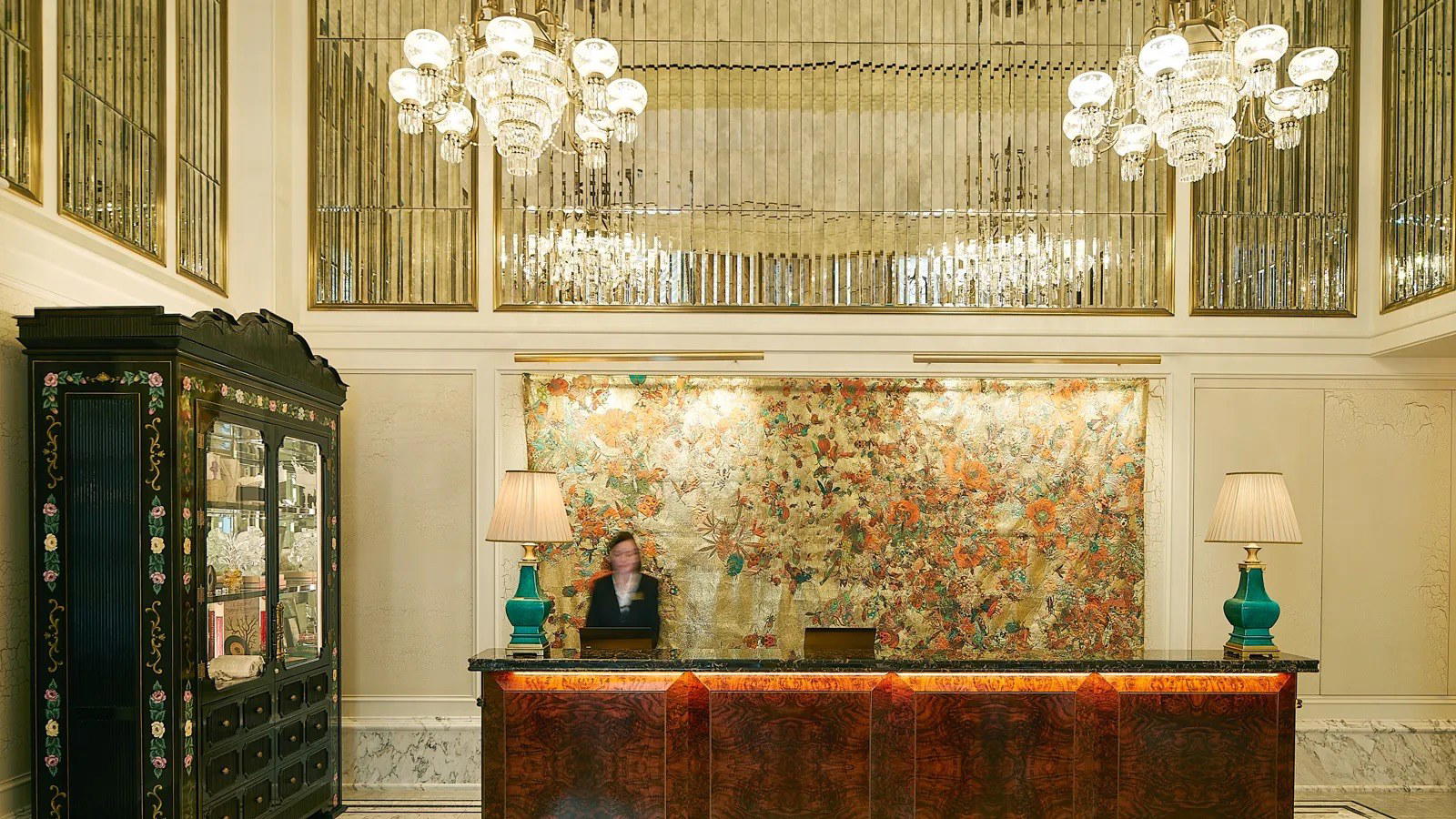
Refined and elegant atmosphere emphasizing clarity and ingredient respect in a fine dining setting.