
Michelin Plate
Our verdict
The kitchen works within a modern cuisine framework that draws on Poland's Baltic and northern European food traditions. For the city's current dining scene, it represents a reliable reference point in the €€ bracket.

Pearl is the En Primeur Club membership app, where members save venues, book tables and use the concierge.
The menu
What to order
- Masurian beef tartare
- Pork main course with cocktail pairing
- Homemade bread
- Chocolate roll
Where Gdańsk's Modern Dining Finds Its Footing
Gdańsk has spent the better part of a decade building a restaurant culture that reconciles its Hanseatic merchant past with contemporary Polish cooking ambitions. The city's geography matters here: positioned at the mouth of the Vistula, with the Baltic directly at its shoulder, Gdańsk has always absorbed influences from further north and west than most Polish cities. That openness shows in the dining room at Eliksir, located on Mariana Hemara in the Wrzeszcz district, an address that places it slightly away from the tourist density of the Old Town, in a neighbourhood where residents eat rather than sightseers graze.
Modern cuisine in Poland, as a category, is doing something specific right now. It is not simply importing Nordic or French fine-dining technique; at its most considered, it is finding a local grammar for those influences, Baltic fish, foraged ingredients from the Kashubian lake district, game from the northern forests, and building menus that feel genuinely rooted rather than borrowed. Eliksir operates within this current, and its consistent Michelin Plate recognition in 2024 and 2025 places it in a documented tier of quality: not yet at the star level, but acknowledged by the guide as a kitchen worth tracking.
The Michelin Plate and What It Actually Signals
The Michelin Plate, awarded to restaurants that fall outside the star rankings but demonstrate good cooking and sound ingredients, is a more useful signal than it is often given credit for. In a city like Gdańsk, where the Michelin presence is still building, a Plate awarded in consecutive years, 2024 and then again in 2025, suggests consistency rather than a one-time performance. The guide is watching, and the kitchen is holding its standard. That is not a trivial thing in a market where many modern dining restaurants open to early enthusiasm and then drift.
For comparison, Gdańsk's Michelin-starred Spanish address Fino occupies a different price tier entirely. Eliksir's €€ pricing puts it in a more accessible bracket, closer to Hewelke on the cost spectrum, though the modern cuisine format here carries more formal ambition than casual all-day dining. The mid-tier at €€ is where the most interesting tension in Gdańsk's dining scene currently sits: kitchens trying to produce food with genuine creative intent without moving into the €€€ bracket occupied by addresses like Mercato.
The Cultural Roots of the Cooking
Poland's modern cuisine movement has a complicated relationship with its own culinary history. For much of the twentieth century, regional food traditions were suppressed or homogenised, and the country's restaurant culture, particularly in coastal cities, had to be substantially rebuilt from the 1990s onward. What has emerged in the past decade is a generation of kitchens genuinely interested in what northern Polish cooking can be: amber-coloured broths built from smoked fish, bread that references the grain traditions of the Kashubian interior, dairy from small producers in the Warmia and Mazury region.
Gdańsk's position as a Baltic port city gives its restaurants particular access to ingredients that don't travel far. Flatfish, herring preparations, pike-perch from the lagoons to the east, these are the proteins around which a serious northern Polish kitchen can build a coherent identity. The modern cuisine category, when it functions well here, is not applying international technique to generic ingredients; it is using those techniques to articulate something specifically northern and Baltic. That is the broader tradition Eliksir is working within, and the one against which it should be read.
For a wider view of how this cooking tradition plays out across Poland, the contrast with Kraków's Bottiglieria 1881, which occupies a more Austro-Hungarian culinary lineage, is instructive. Warsaw's hub.praga operates in a different urban register entirely. Further afield, Muga in Poznań shows how western Polish cities are building their own modern cuisine identities. The Tricity area, Gdańsk, Gdynia, Sopot, has its own distinct version of this story, and the nearby 1911 Restaurant in Sopot provides a useful geographic comparison point.
How Eliksir Sits in Gdańsk's Current Scene
In the context of Gdańsk's dining scene, which spans everything from the traditional Polish cooking represented by venues like Niesztuka to the more formally positioned Ritz, Eliksir occupies a specific and useful position: modern in approach, accessible in price, and consistent enough to hold Michelin recognition across two consecutive guide cycles.
The Wrzeszcz address is a considered one. This is a residential and commercial district with its own street life and eating culture, distinct from the Old Town's amber-shop-and-pierogi circuit. Restaurants here serve a local clientele with higher repeat-visit expectations, which creates different kitchen pressures than tourist-dependent dining. Sustained positive ratings in this kind of neighbourhood context carry more weight than equivalent scores in high-footfall tourist zones.
For the broader context of modern cuisine at the upper tier of the format, as a reference point for where the category goes at full ambition, Frantzén in Stockholm represents the Nordic European ceiling, while FZN by Björn Frantzén in Dubai shows how those standards travel internationally. Gdańsk's modern kitchens, Eliksir included, are operating in a different register of scale and investment, but they are responding to the same broad shift in how northern European cooking thinks about itself.
Planning Your Visit
Eliksir is located at Mariana Hemara 1, 80-280 Gdańsk, in the Wrzeszcz district. The €€ price range makes it one of the more accessible Michelin-recognised addresses in the city. Given its rating volume and Michelin Plate status, booking ahead is advisable, particularly for weekends. The restaurant sits within easy reach of Gdańsk's wider dining scene, for the full picture of what the city offers, the EP Club Gdańsk restaurants guide covers the range. Travellers planning a longer stay can find accommodation options in the Gdańsk hotels guide, drinking venues in the Gdańsk bars guide, and further itinerary context in the Gdańsk experiences guide and Gdańsk wineries guide. For Polish modern cuisine comparisons in the Tricity region, Acquario in Wrocław and Giewont in Kościelisko offer useful points of contrast from other parts of the country.
What Should I Eat at Eliksir?
Eliksir's kitchen works within the modern cuisine category, which in the Gdańsk context means a likely emphasis on Baltic and northern Polish ingredients, the region's fish, seasonal produce, and the kind of larder-driven cooking that defines serious northern European tables. Specific menu details are not publicly available at time of writing, but the Michelin Plate recognition across 2024 and 2025 confirms that the kitchen is producing food the guide considers worth recommending. At a €€ price point with that level of external validation, the cooking represents a reliable entry point into Gdańsk's more considered modern dining tier. If you have specific dietary requirements or want to understand the current menu in detail, contacting the restaurant directly before your visit is the most reliable approach.
Cost and Credentials
| Venue | Cuisine | Price | Awards | Notes |
|---|---|---|---|---|
| EliksirThis venue (the venue you are viewing) | Contemporary Polish with Cocktail Pairing | $50–100 | Michelin Plate | Not listed |
| Arco by Paco Pérez | Mediterranean Fine Dining with Polish Ingredients | $150–200 | 1 Michelin Star · La Liste Top Restaurants | Spanish |
| Hewelke | Global Fusion with Pan-Asian Elements | $30–50 | Michelin Bib Gourmand | Modern Cuisine |
| Mercato | Modern Polish Fine Dining | $50–100 | Michelin Plate · Star Wine List | Modern Cuisine |
| Tygle | Modern Polish | $50–100 | Michelin Plate | Traditional Cuisine |
| Villa | Polish Fine Dining | $30–50 | Michelin Plate · Star Wine List | Modern French |
Recognition history
Dated appearances from independent guides and award organizations, with the underlying list record or original source where available.
Michelin Plate
Michelin
Full recognition history (3 entries)
Michelin Plate
Michelin
Michelin Plate
Michelin
Continue exploring
More in Gdańsk
Restaurants in Gdańsk
All restaurants in Gdańsk →
Eliksir
The wine
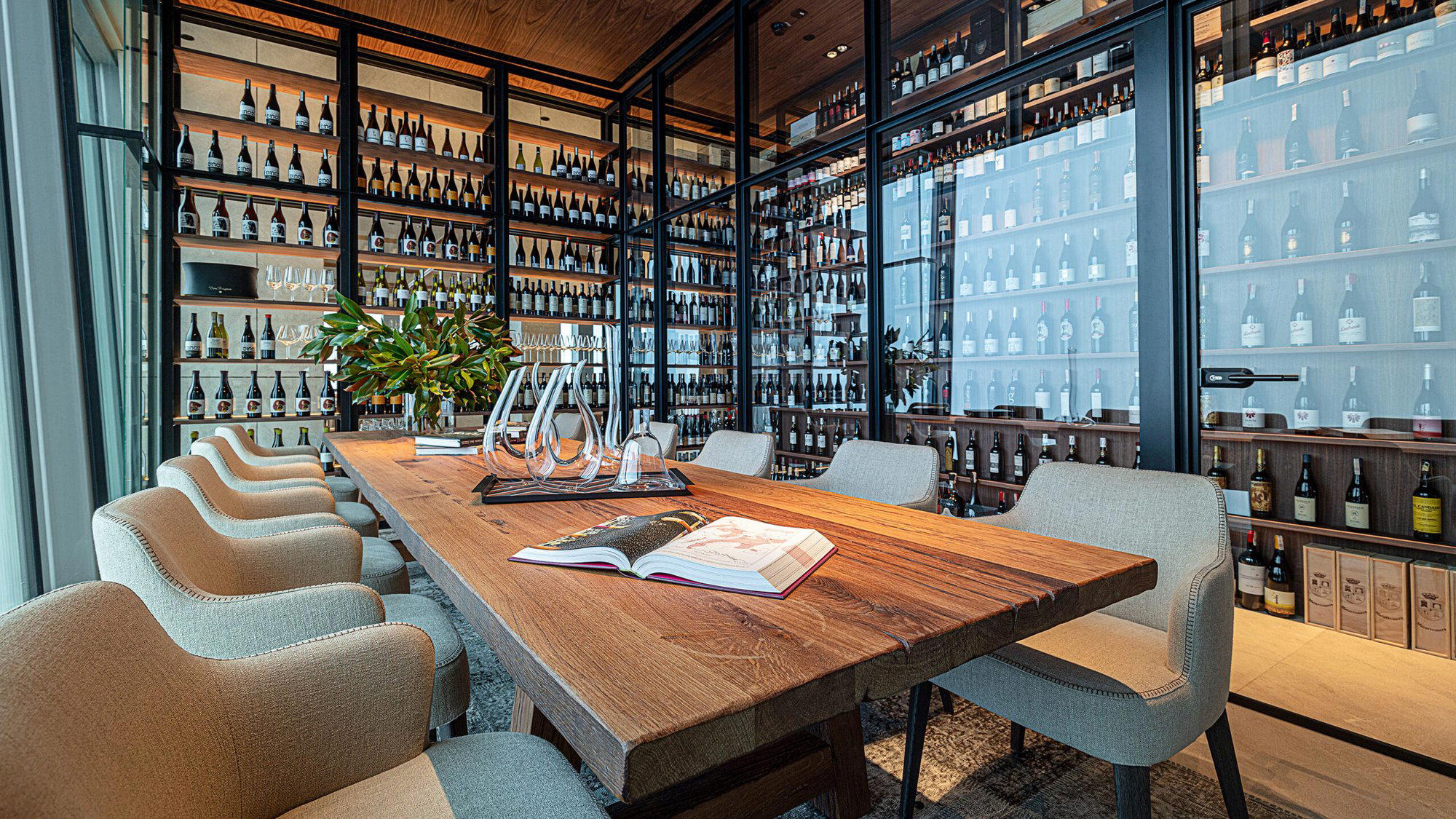
- Wine program
- Deep wine list
- Sommelier-led
- Craft cocktails
- Zero-proof drinks
Details
- Elegant
- Sophisticated
- Modern
- Intimate
- Date Night
- Special Occasion
- Celebration
- Group Dining
- Open Kitchen
- Private Dining
- Design Destination
- Craft Cocktails
- Zero Proof
- Sommelier Led
- Farm To Table
- Local Sourcing
- Sustainable Seafood
- Zero Waste
- Tasting Menu
- A La Carte
- Craft Cocktails
- Spirits
- Natural Ingredients
- Vegetarian Friendly
- Vegan Options
- Gluten Free Options
- Allergy Accommodating
Current opening hours
- Monday
- Closed
- Tuesday
- Closed
- Wednesday
- 5–10 PM
- Thursday
- 5–10 PM
- Friday
- 5 PM–12 AM
- Saturday
- 3 PM–12 AM
- Sunday
- 2–10 PM
Hours can change for holidays and private events. Hours as of .
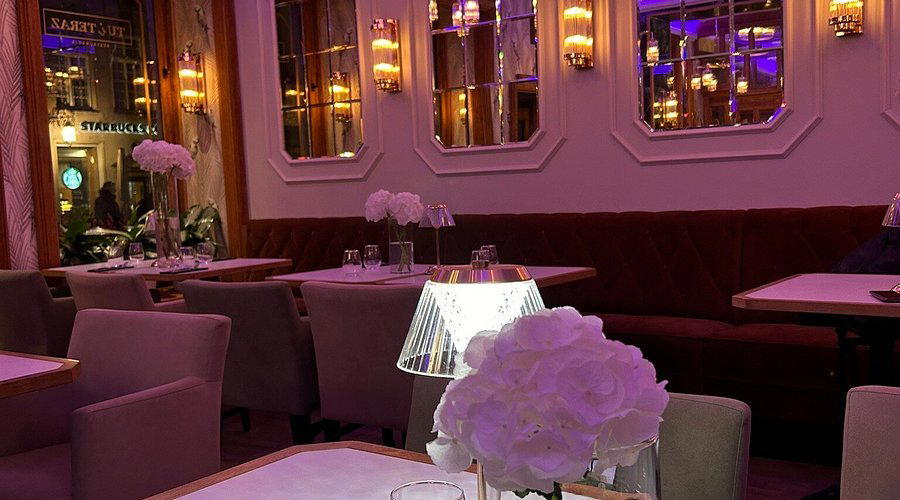
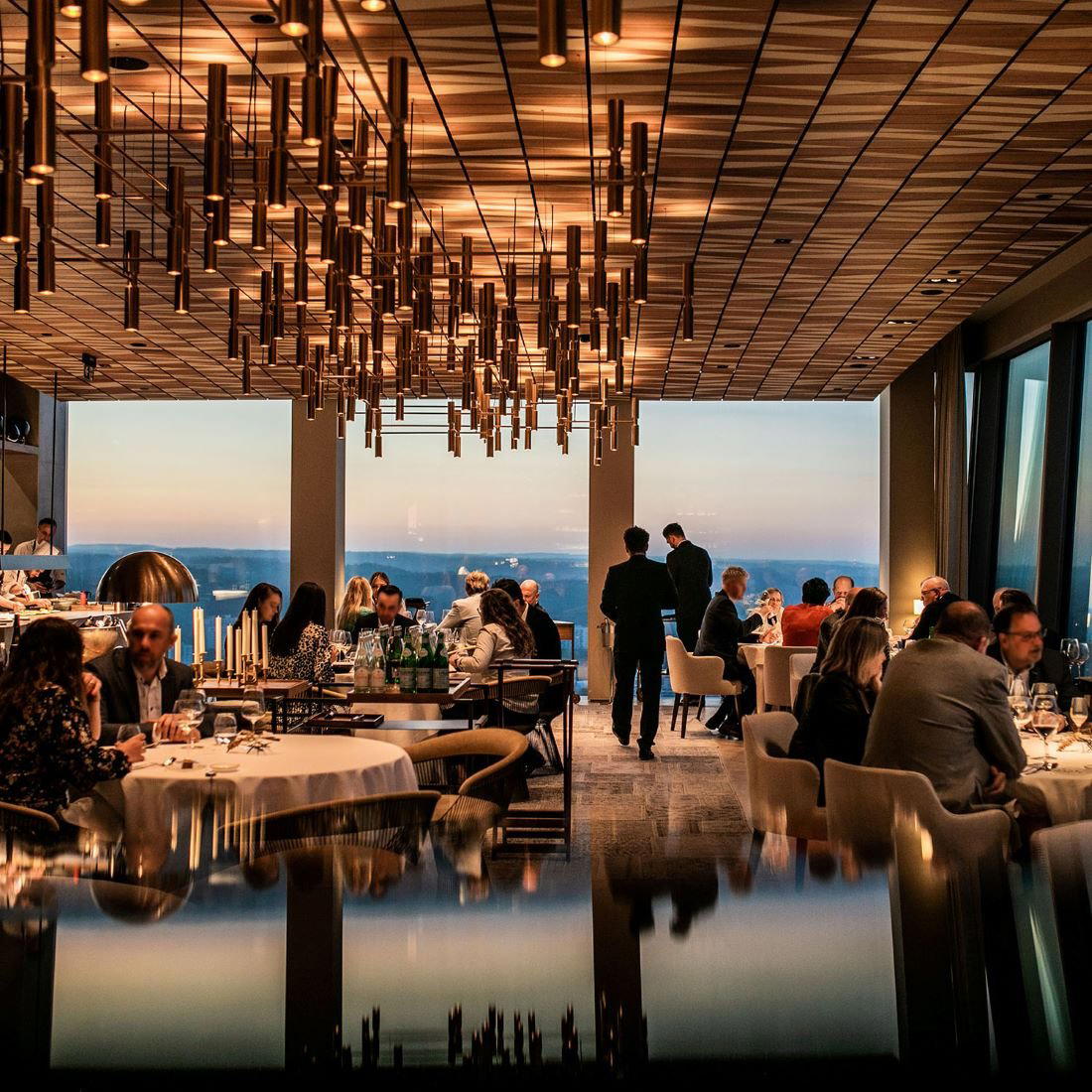
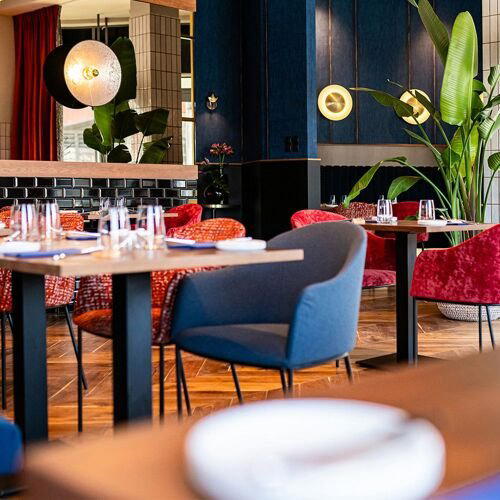
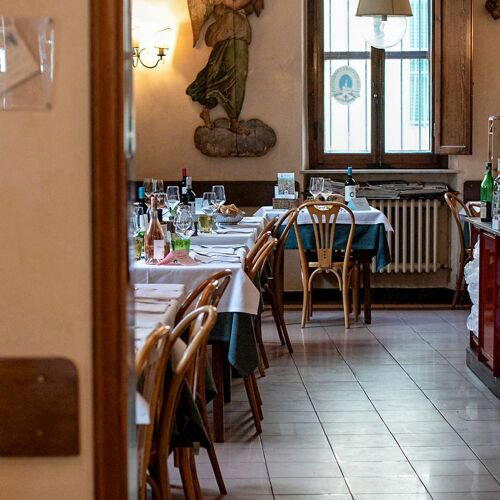
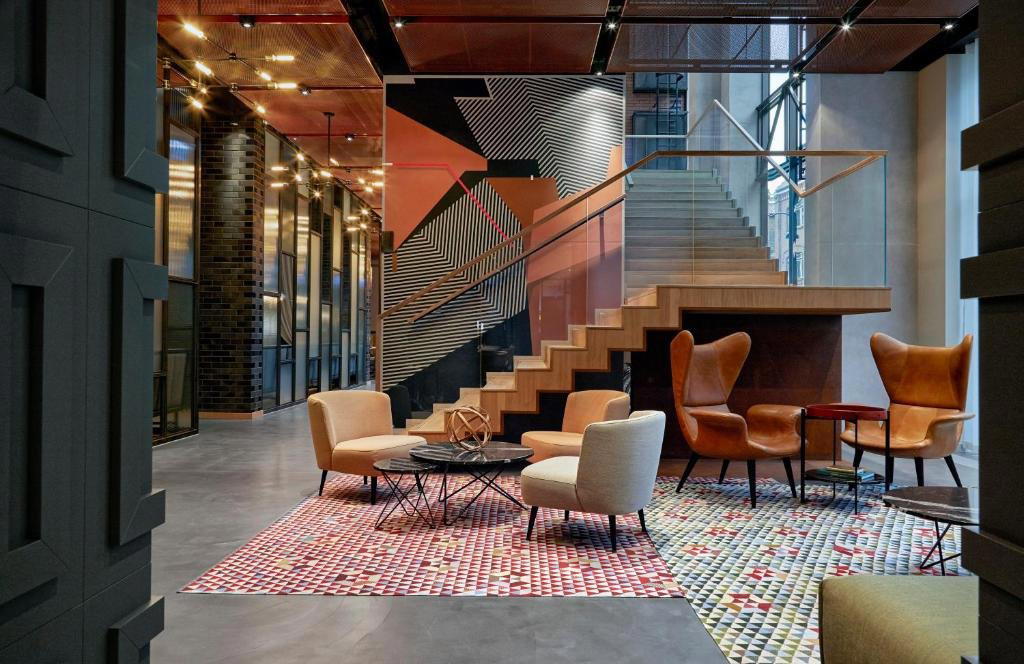
Cosy interiors with brick walls and wooden furniture; the 15-meter bar is the heart of the space with warm, welcoming lighting and an elegant yet approachable atmosphere.