
White Guide Baltic Restaurants - Fine Level
Our verdict
Supelsaksad occupies a particular place in Pärnu's dining scene, drawing a loyal local following that returns season after season. Situated in Estonia's premier summer resort city, it sits within a dining culture shaped by short growing seasons, Baltic coastal produce, and the rhythm of beach-town hospitality. For visitors building an itinerary around the region's restaurants, it warrants a close look.

Pearl is the En Primeur Club membership app — saves, bookings, and concierge access live there. Same editors, same standards.
- Address
- Parnu, Estonia
- Directions
- Get directions
Where Pärnu Eats When It Comes Back
There is a specific kind of restaurant that every Baltic resort town produces over time: not the place angling for tourist approval each summer, but the one that builds its reputation quietly among the people who return to Pärnu year after year. These are the restaurants where regulars walk in and are known, where the table by the window is understood to belong to someone, where the seasonal rhythm of Estonian coastal life sets the pace of the menu rather than disrupting it. Supelsaksad occupies that position in Pärnu's dining geography.
Pärnu itself functions as Estonia's primary summer capital, a city whose population swells considerably between June and August as Tallinn residents, Finnish visitors, and Europeans drawn by the long Baltic evenings converge on its beach and promenade. The dining scene that has developed here reflects that dual identity: restaurants that serve the summer crowd and restaurants that serve the city. The most respected addresses tend to do both, holding the attention of locals through winter and scaling to visitor demand in summer without losing the qualities that made them worth returning to. Supelsaksad has built its following in that mould.
The Logic of Returning
What keeps regulars at a restaurant is rarely one thing. In the context of Estonian coastal dining, the calculus tends to involve consistency across a short but demanding season, a kitchen that understands the local produce calendar, and an atmosphere that does not perform for an audience. The Baltic growing season concentrates its leading material into a narrow window: fresh dill, rye, local dairy, fish from the Pärnu River and the Gulf of Riga. Restaurants that time their menus to that window rather than importing year-round uniformity tend to earn the kind of loyalty that survives many summers.
That loyalty is also logistical intelligence for the first-time visitor. The restaurants in Pärnu with a strong local following tend to require more advance planning than the walk-in tourist options along the beach strip. Visitors planning around Supelsaksad should treat booking lead time as a function of the season: peak summer weeks in Pärnu, roughly mid-July through early August, compress reservation windows across the better-regarded addresses in the city. Planning two to three weeks ahead during that period is standard practice for the restaurants that regulars prioritise.
Pärnu's Dining Context: Where Supelsaksad Sits
The restaurant scene in Pärnu is smaller and more concentrated than Tallinn's, but it has genuine range. Kastrul represents one end of the local spectrum, while addresses like Mon Ami and Kaks Pulka have developed their own followings. Mona Venüü and Everest Thai/Nepalese Restaurant extend the city's range further. Supelsaksad positions itself within this peer group as a place where the regulars' knowledge matters: the unwritten menu of timing, seasonal availability, and preferred configurations that only accumulated visits reveal.
Across Estonian dining more broadly, the contrast between Pärnu and Tallinn is instructive. Tallinn's higher-end circuit, anchored by addresses like 180° by Matthias Diether, operates with different ambitions and a different price architecture. Pärnu's leading restaurants do not compete in that register; they compete for the loyalty of people who know the town well, which is a different and in some ways more demanding test. The visitors who find Supelsaksad through that local knowledge network are usually further along in their relationship with Estonia than those arriving with a generic coastal itinerary.
Beyond Pärnu: Reading the Wider Estonian Scene
For travellers spending time across Estonia rather than just in Pärnu, the dining scene rewards regional specificity. The approach at places like Kohvik in Viljandi or Kolm. Restoran in Võru reflects how smaller Estonian cities have developed their own dining identities distinct from Tallinn's gravity. In Narva, Kohvik Kaar represents that city's particular character, while Franzia in Narva-Jõesuu demonstrates how Estonian coastal resort towns outside Pärnu have developed their own food cultures. In Tartu, Eva Sushi illustrates how international formats have been absorbed into the Estonian university city context.
Closer to Pärnu, the surrounding region offers additional points of reference. Valgeranna Veinitall in Audru and Kuur in Vihtra represent the rural hinterland dining that has developed alongside Pärnu's resort identity. On Estonia's northern coast, KABE Beach in Kaberneeme and Wana Kala Kõrts in Neeme show how the coastal format translates in a different geography. For the full picture of what Pärnu's dining scene currently offers, our full Pärnu restaurants guide covers the city's range in detail.
Planning Your Visit
Pärnu's dining calendar divides sharply between summer and the rest of the year. The city's high season concentrates demand on a relatively small number of serious restaurants, and Supelsaksad is among the addresses that local knowledge directs visitors toward. Approaching a visit with the same research discipline that a regular brings, which means checking availability early and treating the booking as part of the itinerary rather than an afterthought, is the correct posture. As with Atomix in New York or Le Bernardin at the other end of the global dining spectrum, the restaurants that hold genuine local loyalty do not wait for you; they fill from within their existing networks first.
Pärnu is roughly two hours by bus or car from Tallinn, making it an accessible day trip but more rewarding as an overnight stay, particularly if the goal is to cover more than one serious meal. The city's compact centre keeps the main dining addresses within easy walking distance of one another, which is an asset when planning an evening that begins at one address and ends at another.
Frequently asked questions
Is Supelsaksad open year-round or only during Pärnu's summer season?
Pärnu's dining calendar splits sharply between its crowded summer peak and a quieter off-season, and not every restaurant in the city operates across both. Checking directly before travelling in the low season is advisable.
What should I order at Supelsaksad?
Given Supelsaksad's position in Pärnu's coastal dining scene, seasonal Estonian ingredients tend to anchor menus at addresses with this profile. Arrive with an open mind toward whatever is market-driven that week.
How far ahead should I plan for Supelsaksad?
Pärnu concentrates its visitors sharply during summer, which compresses demand onto a limited number of reliable restaurants. During June through August, booking at least a week ahead is a reasonable precaution for any address with a regular local following in the city. Outside high season, the table situation is considerably easier.
What's the standout thing about Supelsaksad?
The clearest signal is its local following. In a Baltic resort town where many restaurants are pitched at summer tourism, a place that keeps regulars returning through the off-season is making a different kind of argument about consistency. That dynamic sets Supelsaksad apart within Pärnu's relatively concentrated dining scene.
Can Supelsaksad accommodate dietary restrictions?
The most reliable approach is to check the venue's official channels before your visit, particularly if you have specific requirements. Estonian coastal kitchens commonly work with fish, dairy, and foraged ingredients, so it is worth raising restrictions in advance rather than on arrival.
What It’s Closest To
Comparable venues nearby, for context on price, style, and recognition.
| Venue | Cuisine | Price | Awards | Notes |
|---|---|---|---|---|
| SupelsaksadThis venue — the venue you are viewing | European Café | Not listed | White Guide Baltic Restaurants - Fine Level | Not listed |
| Mack Bar-B-Que Beachclub | American BBQ Beach Club | $20–30 | Not listed | Beach Area |
| Rööm | Italian, European, Scandinavian | $20–30 | Not listed | Pärnu kesklinna südames |
| Steffani | Italian Pizza Restaurant | $10–20 | Not listed | Kesklinn |
| Mon Ami | Contemporary European Fine Dining | $30–50 | White Guide Baltic Restaurants - Fine Level | city center |
| Everest Thai/Nepalese Restaurant | Thai/Nepalese | $10–20 | Not listed | Old Town |
Recognition history
Dated appearances from independent guides and award organizations, with the underlying list record or original source where available.
White Guide Baltic Restaurants - Fine Level
White Guide
Details
- Cozy
- Classic
- Rustic
- Casual Hangout
- Brunch
- Historic Building
- A La Carte
- Vegetarian Friendly
- Vegan Options
- Gluten Free Options
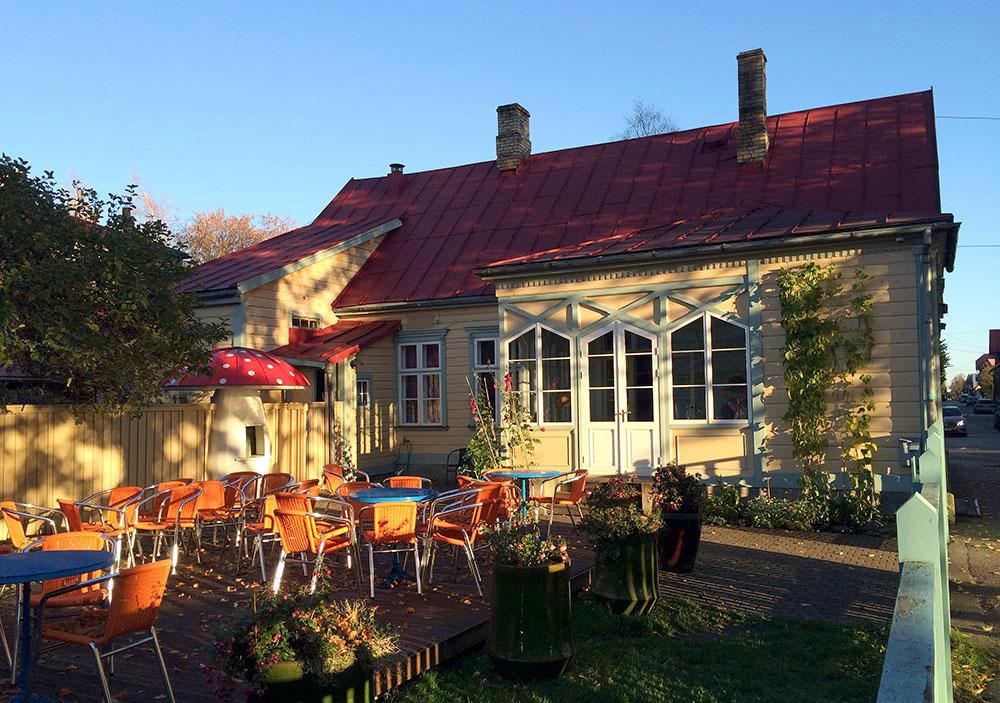
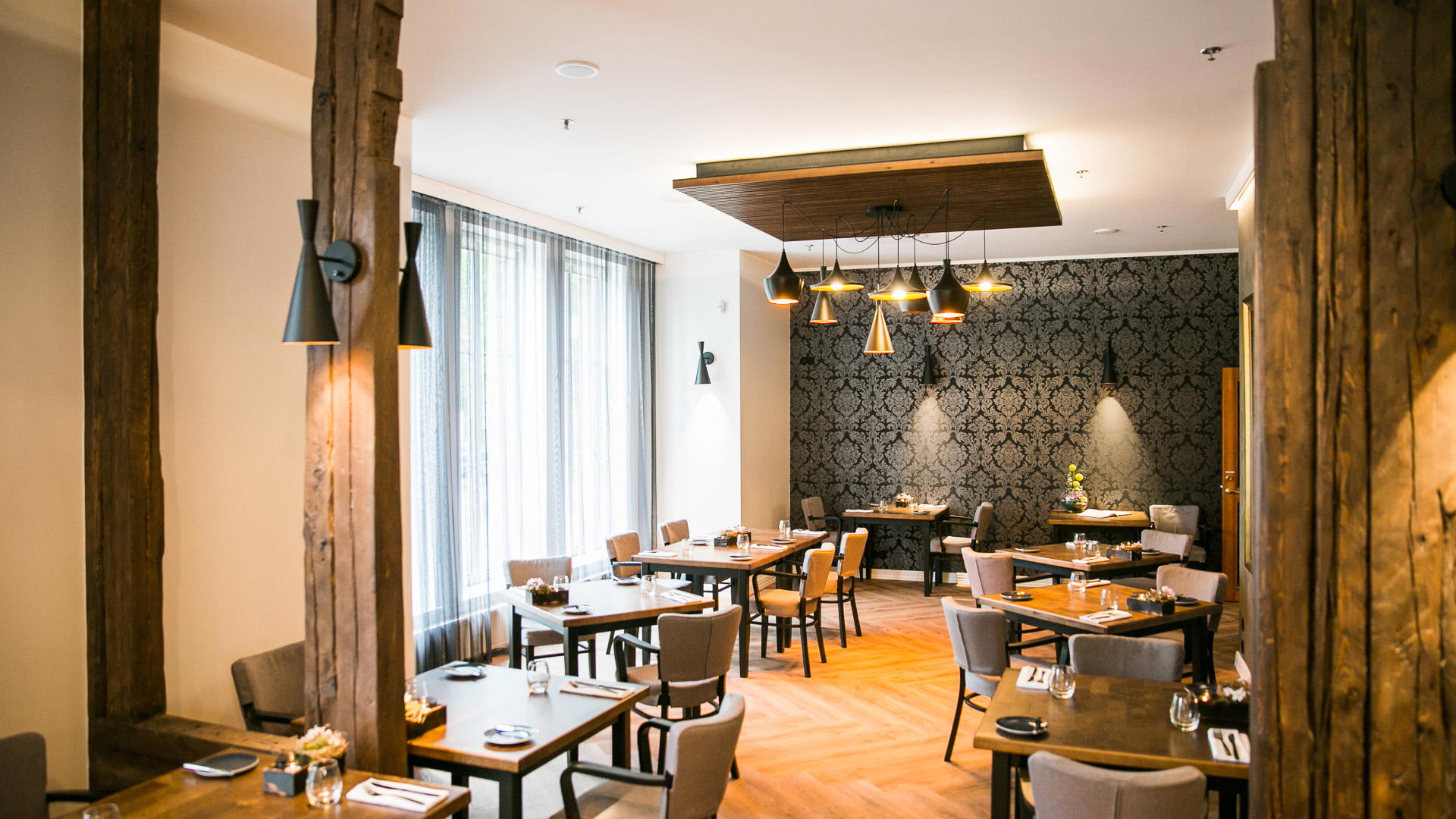
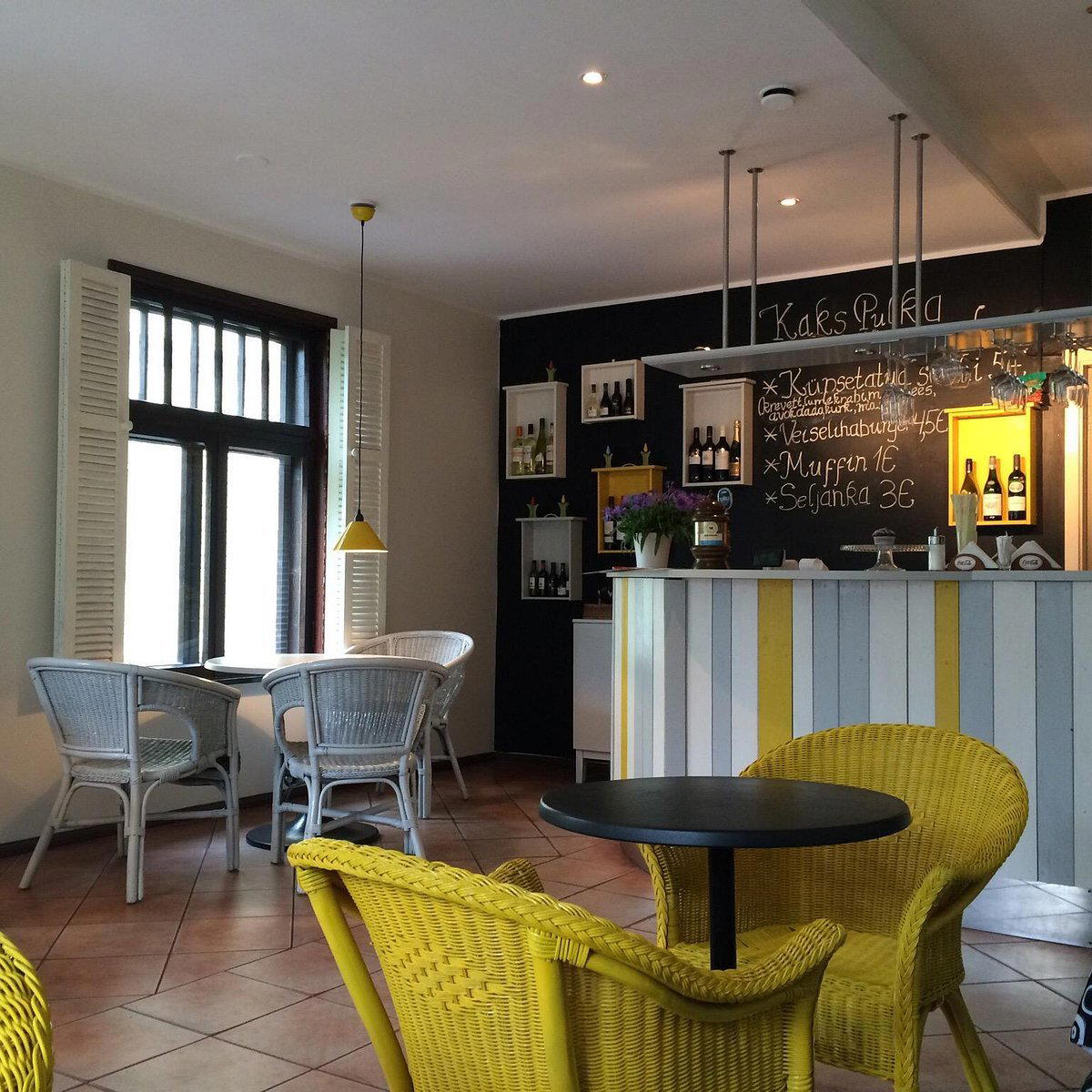
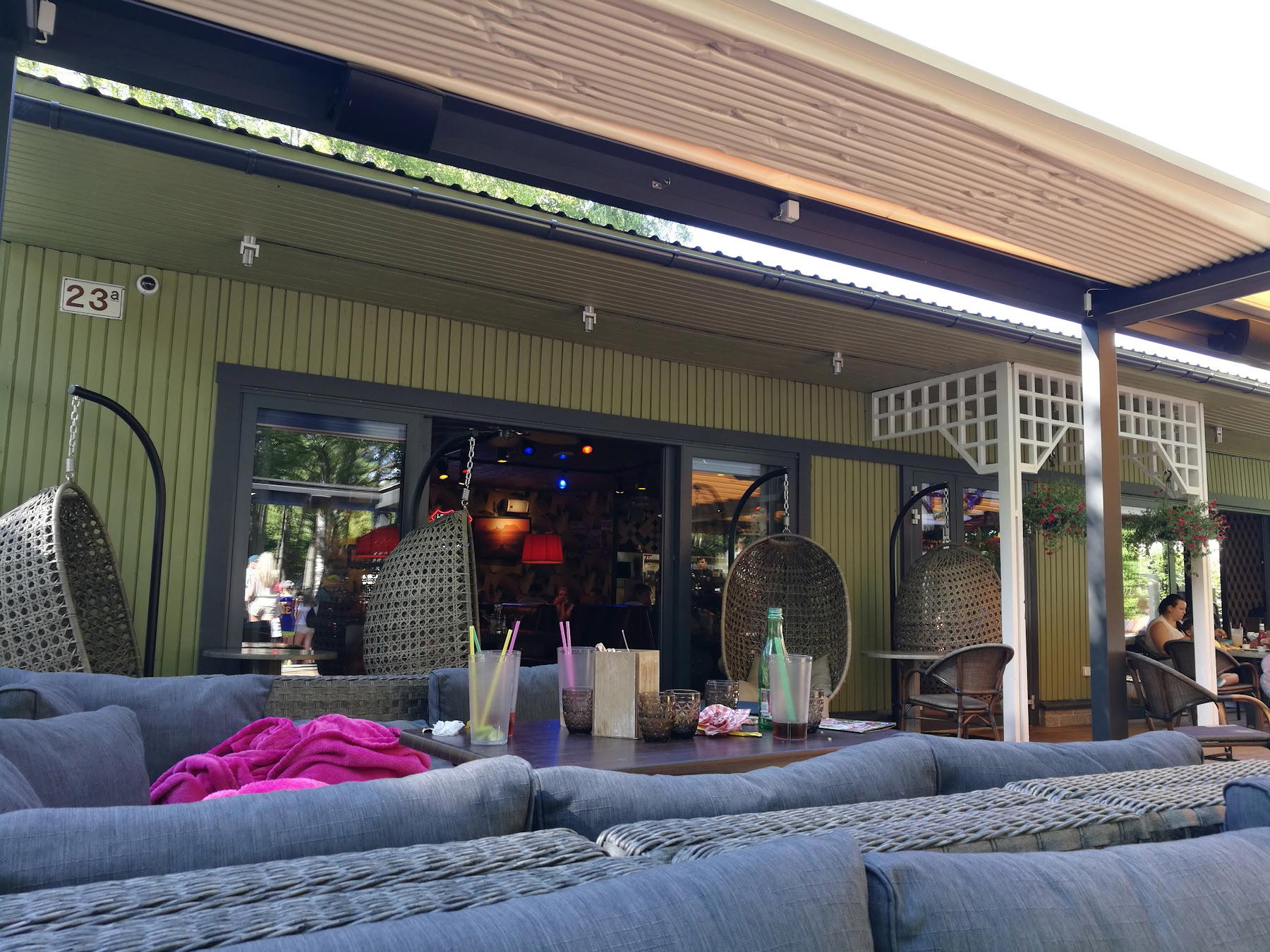
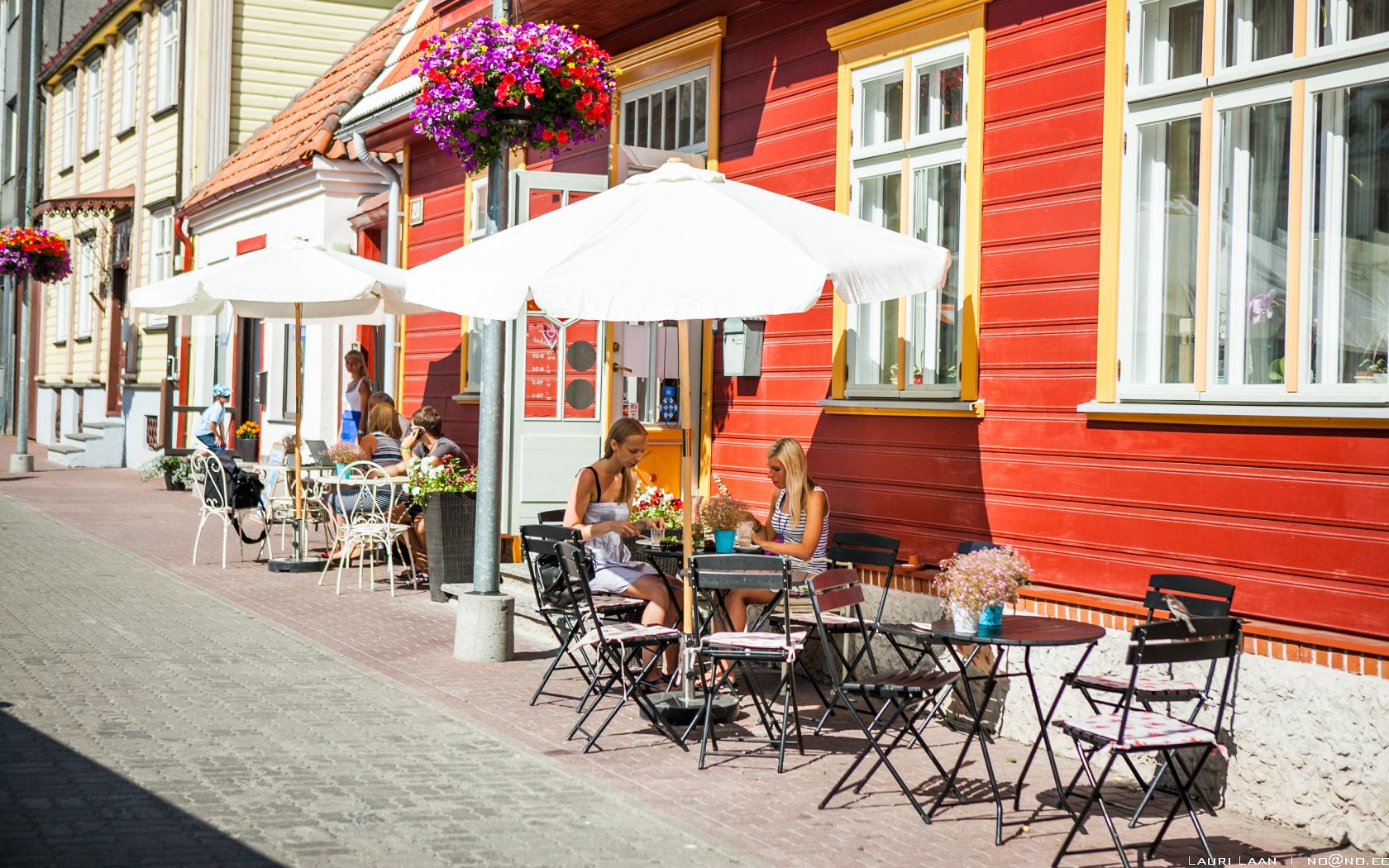
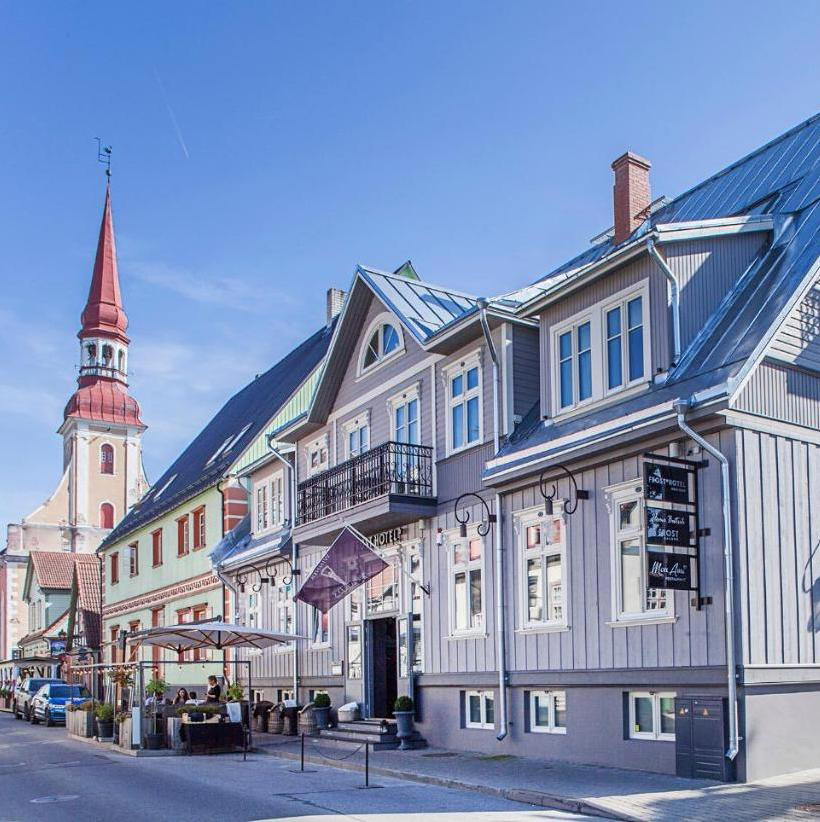
Cozy 'granny style' interior in a historic wooden house with cheery colors, fresh ingredients, and a dignified old-world atmosphere.