Hamano Sushi


Michelin Plate
Our verdict
A Castro neighbourhood sushi counter with consistent Michelin Plate recognition and back-to-back placement in Opinionated About Dining's North America rankings, Hamano Sushi operates at the mid-premium tier of San Francisco's Japanese dining scene. Under Chef Jiro Lin, the kitchen runs a focused evening service across seven nights a week, making it one of the more accessible entry points into serious sushi on this side of the city.

Pearl is the En Primeur Club membership app — saves, bookings, and concierge access live there. Same editors, same standards.
- Address
- 1332 Castro St, San Francisco, CA 94114
- Phone
- (415) 826-0825
- Hours
- Daily 5–9 PM
- Website
- hamanosushi.com
- Directions
- Get directions
- Booking
- Book on the venue's website
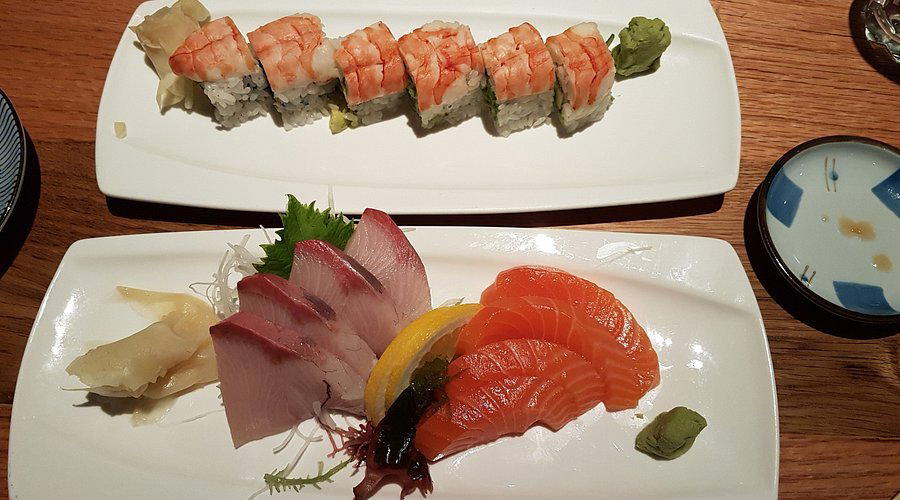
A Different Address for Serious Sushi
San Francisco's sushi scene organises itself into a fairly legible hierarchy. At the upper end sit omakase counters in SoMa and the Financial District, places like The Shota, jū-ni, and Kusakabe, where tasting formats and Michelin stars command prices that push into the $$$$-tier territory shared by names like Lazy Bear and Atelier Crenn. Hamano Sushi occupies a different position. It sits on Castro Street, well outside the downtown corridors where most of the city's recognised Japanese restaurants cluster, and it operates at the $$$ price point — still mid-premium, but a step below the white-tablecloth omakase format.
That neighbourhood placement matters. Castro is a residential dining destination, not a destination-dining corridor. The restaurants that earn sustained critical attention here do so against a local audience that returns regularly, not purely on the strength of tourism or expense-account traffic. Consistent recognition in that context carries its own signal.
What the Awards Record Actually Says
The recognition behind Hamano is incremental and credible. The restaurant appeared on Opinionated About Dining's North America list as a recommended entry in 2023, moved to a ranked position at #375 in 2024, and climbed further to #442 in 2025 — a modest ascent that reflects sustained performance rather than a single high-profile moment. OAD rankings are driven by votes from frequent, knowledgeable diners, which makes the list a reasonable proxy for repeat-visit quality rather than first-impression spectacle. Alongside those placements, Hamano holds a Michelin Plate for both 2024 and 2025, the Michelin designation that sits below starred status but signals that inspectors found the cooking worth noting.
For comparison, the $$$$-tier restaurants that define San Francisco's prestige dining circuit, Lazy Bear at two Michelin stars, Atelier Crenn at three, operate at a different price level and with tasting-menu formats that remove most spontaneity from the evening. Hamano positions below that tier on price and format, which means it competes on a different axis: accessibility, neighbourhood consistency, and the kind of cooking that holds up on a Tuesday night as readily as a Saturday.
The Sourcing Logic Behind Neighbourhood Sushi
Ingredient sourcing is where the editorial argument for a mid-premium sushi counter either holds or collapses. In cities with deep Japanese fishing supply chains, Tokyo being the obvious reference point, but increasingly Los Angeles, where proximity to the Pacific and Japanese wholesale networks both operate at scale, the raw material question is relatively direct. San Francisco sits at a different intersection: Northern California's own coastline, proximity to the Central Valley's agricultural output, and access to the established Japanese seafood import channels that supply counters from Masa in New York to Sushi Masaki Saito in Toronto.
The question for any sushi kitchen in this city is how it balances local Pacific catch against the imported Japanese product, Hokkaido sea urchin, Japanese yellowtail, domestic versus imported salmon roe, and what that balance communicates about its identity. A counter that leans heavily on local Dungeness crab, California albacore, and Monterey Bay sourcing makes a different argument than one that prioritises air-shipped Japanese product. A restaurant that earns multiple consecutive OAD placements while operating in a neighbourhood format and at a $$$ price point is generally doing something right at the ingredient level, the format does not support high-margin coasting.
For context, Northern California's own marine supply is genuinely competitive. The waters from Bodega Bay south to Morro Bay produce halibut, salmon (in season), sea bass, and shellfish that can hold alongside imported Japanese product when the timing is right. Spring and early summer represent the strongest window for local Pacific fish, and autumn brings the Dungeness crab season into view. A sushi kitchen aware of that seasonal calendar has access to ingredients that no import chain can replicate.
Hamano in the Broader San Francisco Dining Picture
The restaurants that draw the most attention in San Francisco tend to operate at the $$$$-tier with tasting formats: the three-star kitchens, the destination counters with months-long wait lists, the progressive American formats like Lazy Bear that define the city's national dining reputation. Names like Le Bernardin in New York, Alinea in Chicago, and The French Laundry in Napa operate in a prestige register that frames the entire country's fine dining conversation. Single Thread Farm in Healdsburg and Providence in Los Angeles anchor the West Coast's premium tier. Emeril's in New Orleans represents a different American tradition entirely.
Hamano does not compete with any of those. It competes within the subset of San Francisco sushi that earns consistent critical recognition without requiring a tasting format or a four-figure bill. That is a smaller, more practically useful category for most diners, and the restaurant's trajectory within it, three consecutive years of OAD recognition with an upward ranking trend, gives it a defensible position.
For a fuller picture of where Hamano fits within San Francisco's broader scene, the full San Francisco restaurants guide maps the city's recognised kitchens across price tiers and neighbourhoods. The San Francisco bars guide, hotels guide, wineries guide, and experiences guide cover the city's broader hospitality picture for visitors building a full itinerary.
Know Before You Go
Address: 1332 Castro St, San Francisco, CA 94114
Hours: Monday to Sunday, 5–9 pm
Price tier: $$$ (mid-premium)
Chef: Jiro Lin
Awards: Michelin Plate 2024 and 2025; Opinionated About Dining North America Ranked #375 (2024), #442 (2025)
Booking: Booking method, check directly with the restaurant
Dress code: Not specified
Leading timing: Spring and early summer align with Northern California's strongest local fish season; Dungeness crab season runs autumn through winter
Frequently asked questions
What should I eat at Hamano Sushi?
What the awards record does indicate is a kitchen with three consecutive years of Opinionated About Dining recognition and back-to-back Michelin Plate designations, the kind of consistency that points toward a reliable core menu rather than a kitchen chasing seasonal novelty. Given the $$$ price tier and the neighbourhood format, the kitchen almost certainly runs a range of nigiri-led options alongside cooked preparations. The most useful approach is to ask the kitchen directly what is performing leading on the night, particularly around locally sourced Pacific fish during spring and summer, or Dungeness crab in autumn and winter. Chef Jiro Lin's kitchen operates within a city that has genuine access to both Japanese-import supply chains and competitive local marine product, and a menu that takes advantage of both tends to show the full range of what serious sushi at this price tier can do. For peer-level comparison within San Francisco's recognised Japanese dining circuit, see also Kusakabe, jū-ni, and The Shota for context on how the city's sushi counters approach the same ingredient questions at different price points and formats.
A quick snapshot of similar venues for side-by-side context.
| Venue | Cuisine | Price | Awards | Notes |
|---|---|---|---|---|
| Hamano SushiThis venue — the venue you are viewing | Neighborhood Japanese Sushi | $30–50 | Michelin Plate | Not listed |
| Lazy Bear | Modern American Tasting Menu | Not listed | 2 Michelin Stars · World's 50 Best #25 | Progressive American, Contemporary |
| Benu | Modern Asian Fusion Fine Dining | $150–200 | 3 Michelin Stars · World's 50 Best #33 | French - Chinese, Asian |
| Atelier Crenn | Contemporary French Fine Dining | $300–500 | 3 Michelin Stars · World's 50 Best #44 | Modern French, Contemporary |
| Quince | Modern French Fine Dining | $300–500 | 3 Michelin Stars · World's 50 Best #48 | Italian, Contemporary |
| Saison | Modern French-Italian | Not listed | Michelin Plate | Progressive American, Californian |
Recognition history
Dated appearances from independent guides and award organizations, with the underlying list record or original source where available.
Michelin Plate
Michelin · 2026 Michelin Plate
Opinionated About Dining Top Restaurants in North America Recommended
Opinionated About Dining
Full recognition history (7 entries)
Michelin Plate
Michelin
Opinionated About Dining Top Restaurants in North America Ranked #442
Opinionated About Dining
Michelin Plate
Michelin
Opinionated About Dining Top Restaurants in North America Ranked #375
Opinionated About Dining
Opinionated About Dining Top Restaurants in North America Recommended
Opinionated About Dining
Continue exploring
More in San Francisco
Restaurants in San Francisco
Browse all →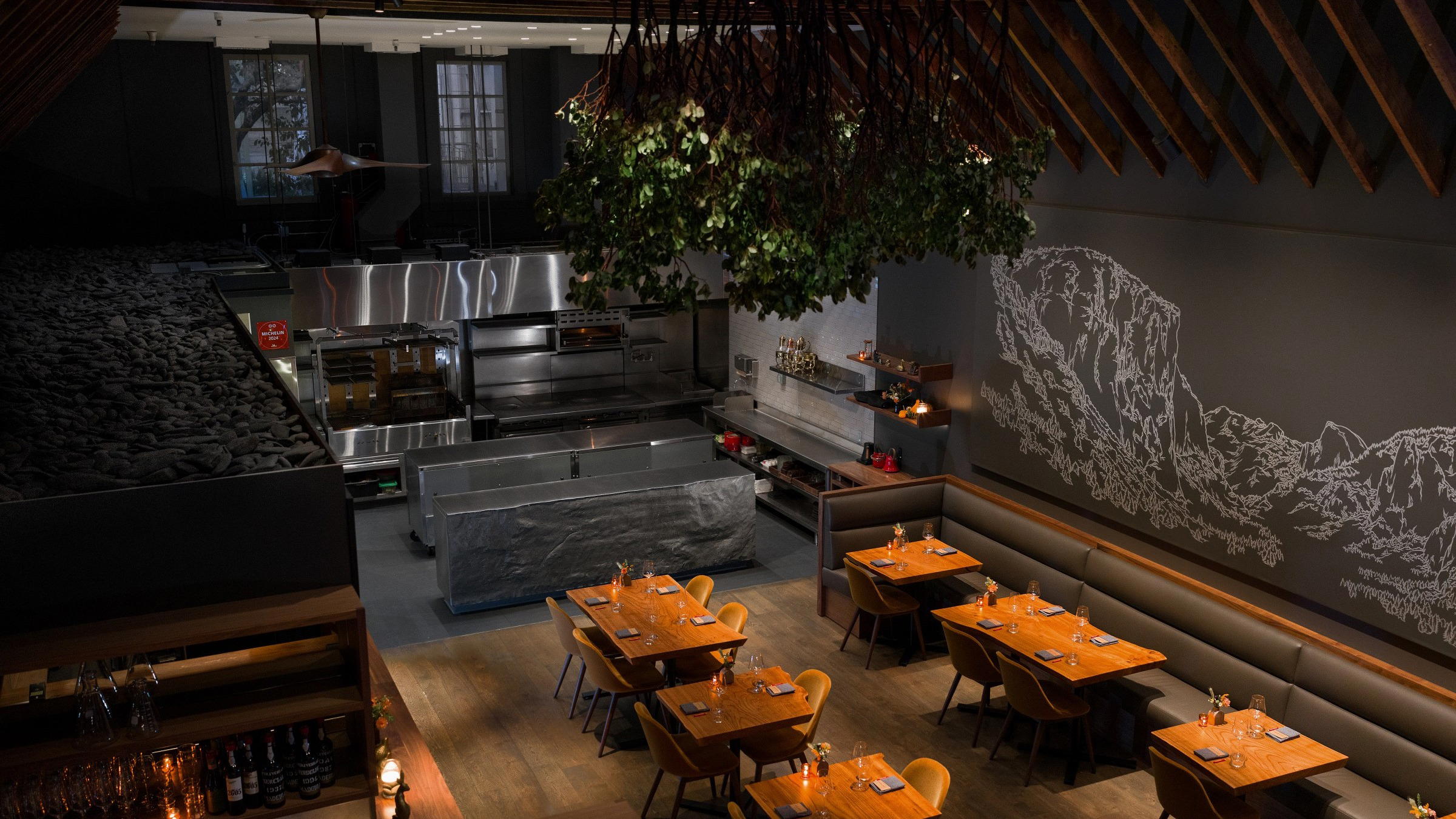
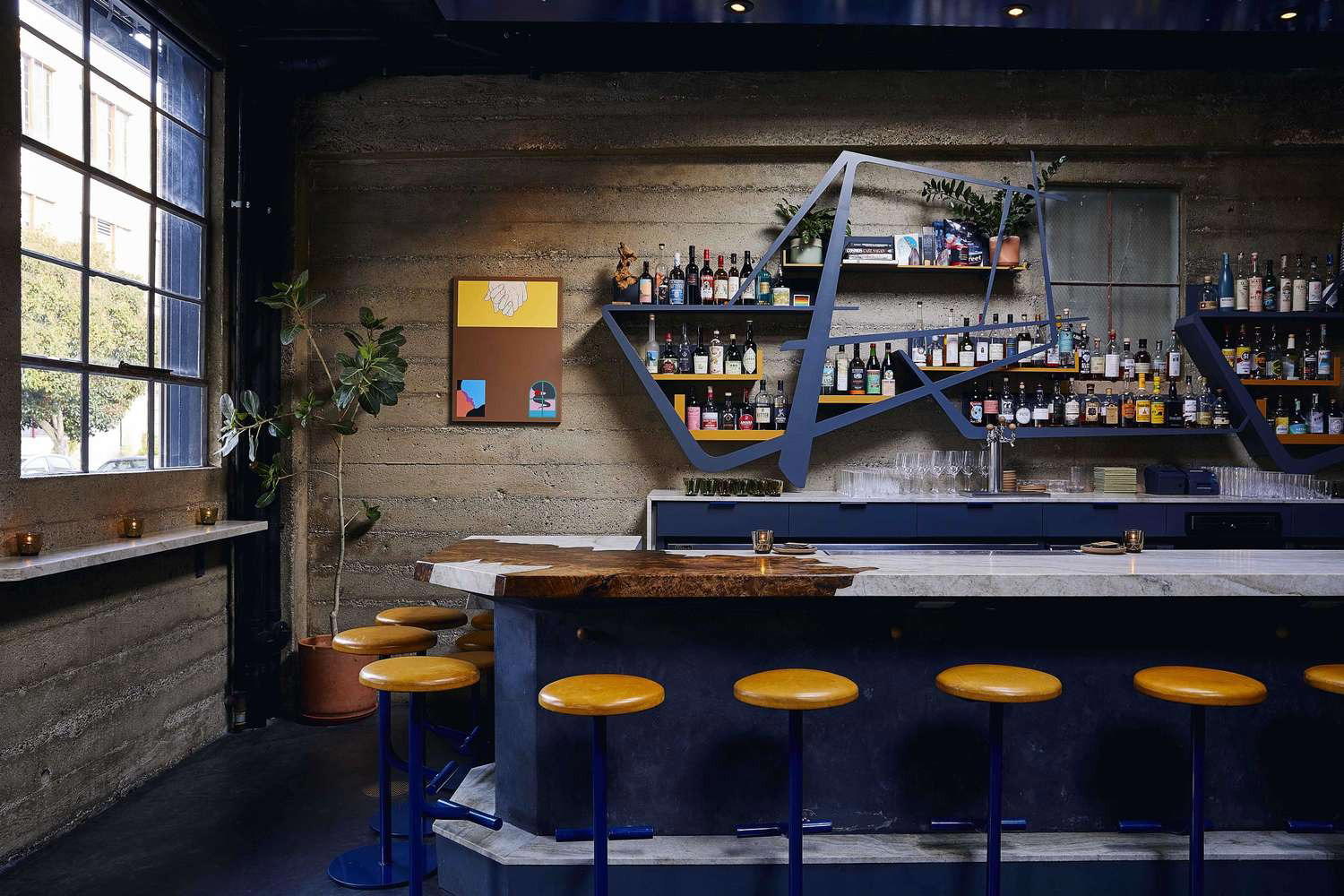
Bars in San Francisco
Browse all →
Hotels in San Francisco
Browse all →

Details
- Cozy
- Intimate
- Date Night
- Casual Hangout
- Family
- Chefs Counter
- Sake Program
- A La Carte
- Omakase
- Counter Dining
- Vegetarian Friendly
Current opening hours
- Monday
- 5–9 PM
- Tuesday
- 5–9 PM
- Wednesday
- 5–9 PM
- Thursday
- 5–9 PM
- Friday
- 5–9 PM
- Saturday
- 5–9 PM
- Sunday
- 5–9 PM
Hours can change for holidays and private events. Last verified .
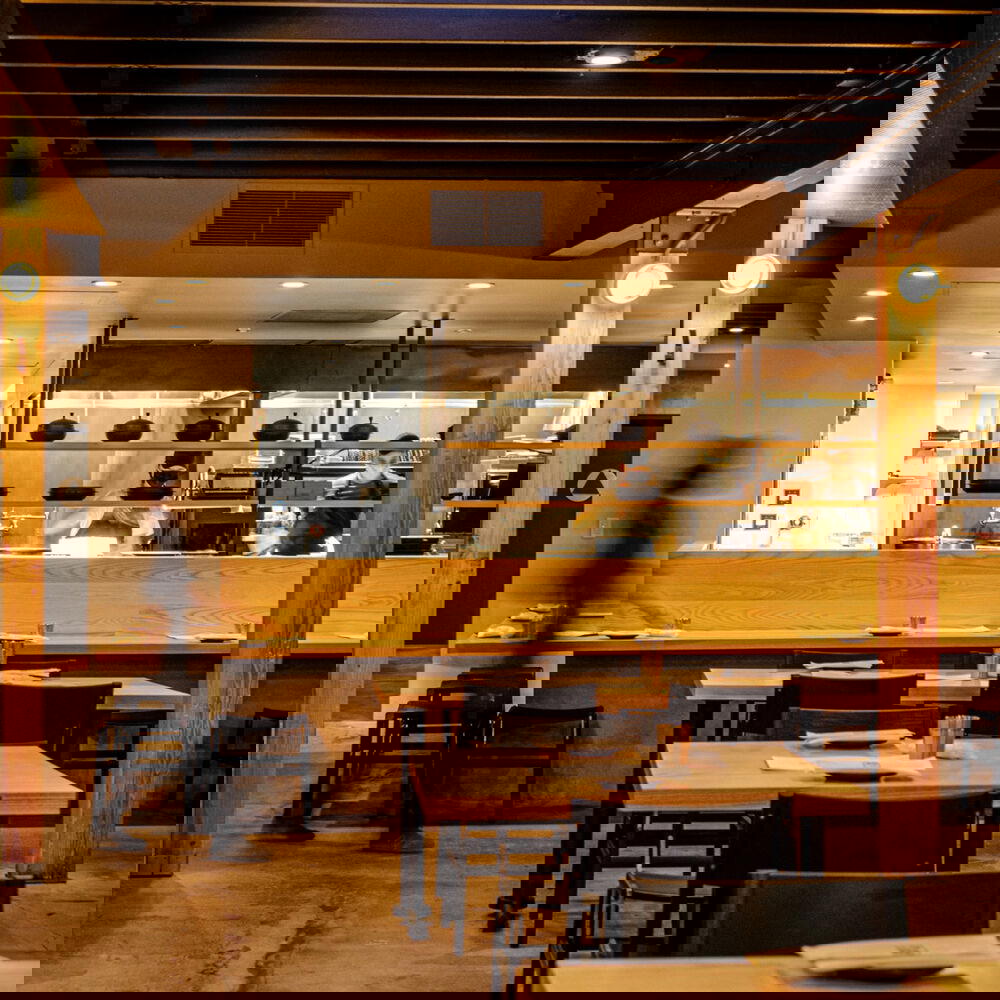
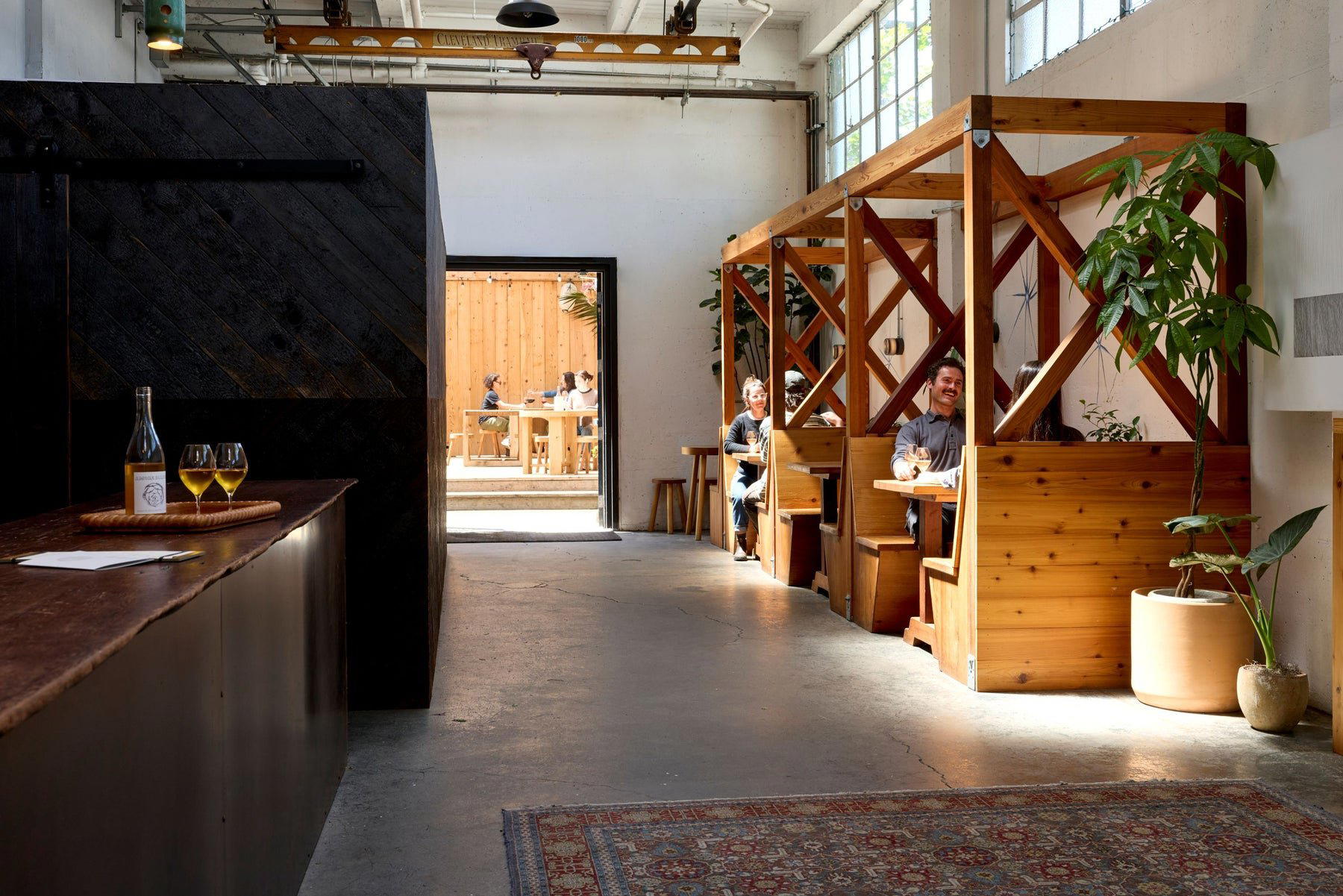
Casual and cozy with a curved sushi bar and simple dining room, offering a tranquil and comfortable neighborhood atmosphere.