jū-ni


Michelin Plate
Our verdict
jū-ni sits within San Francisco's serious omakase tier, earning consistent Michelin Plate recognition and an Opinionated About Dining North America ranking that has climbed from recommended to #370 by 2025. Chef Geoffrey Lee runs an intimate counter on Fulton Street where the multi-course format is grounded in seasonal discipline. For the city's committed sushi audience, it represents a compelling alternative to the louder names downtown.

Pearl is the En Primeur Club membership app, where members save venues, book tables and use the concierge.
The menu
What to order
- Ikura with shaved monkfish liver
- Hokkaido uni
- Unagi
A Counter on Fulton Street, in the Tradition of Restraint
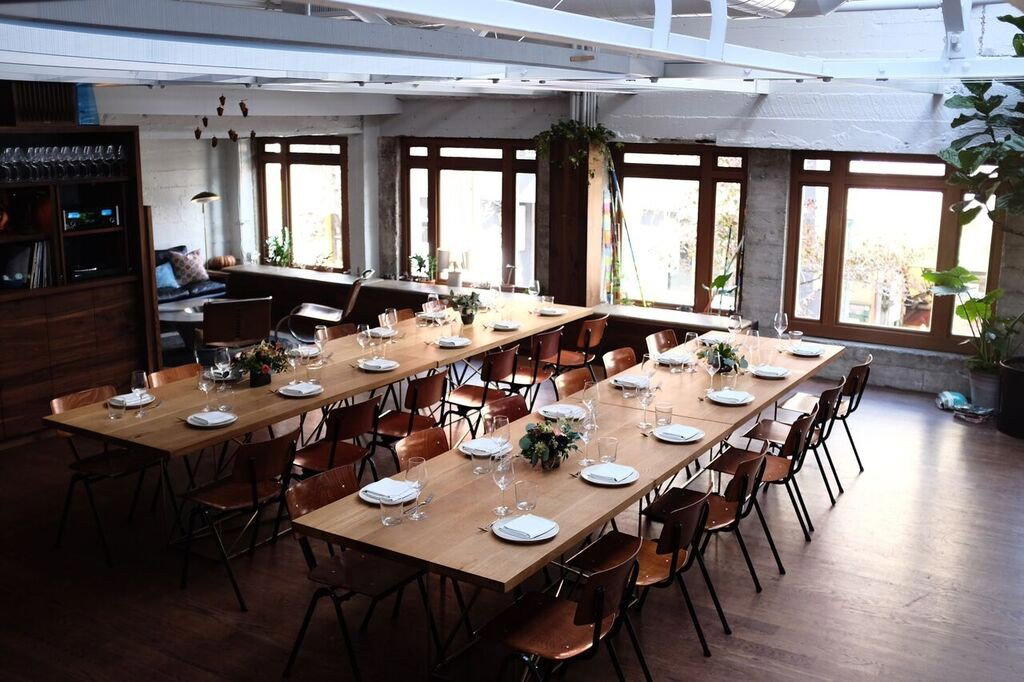
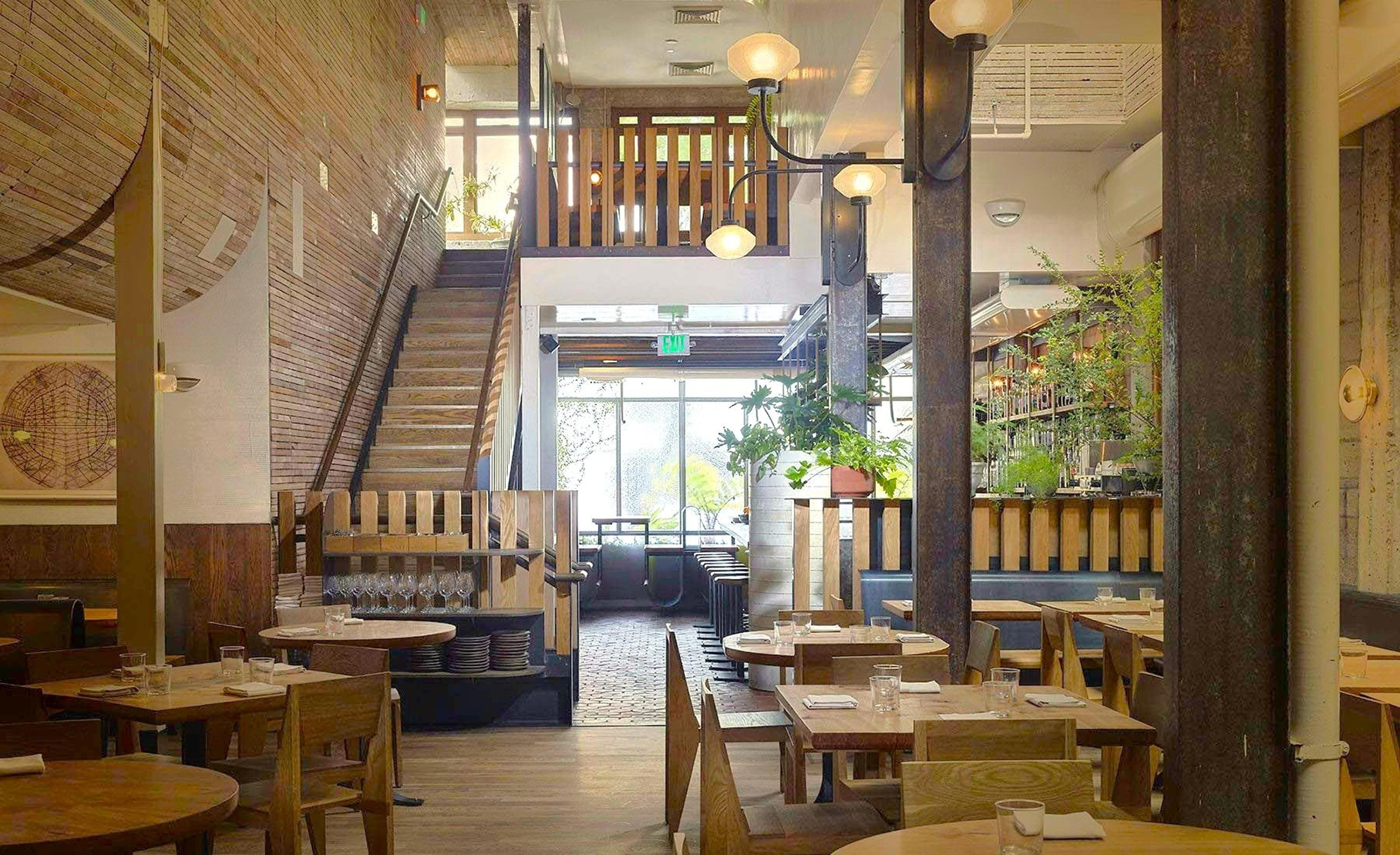
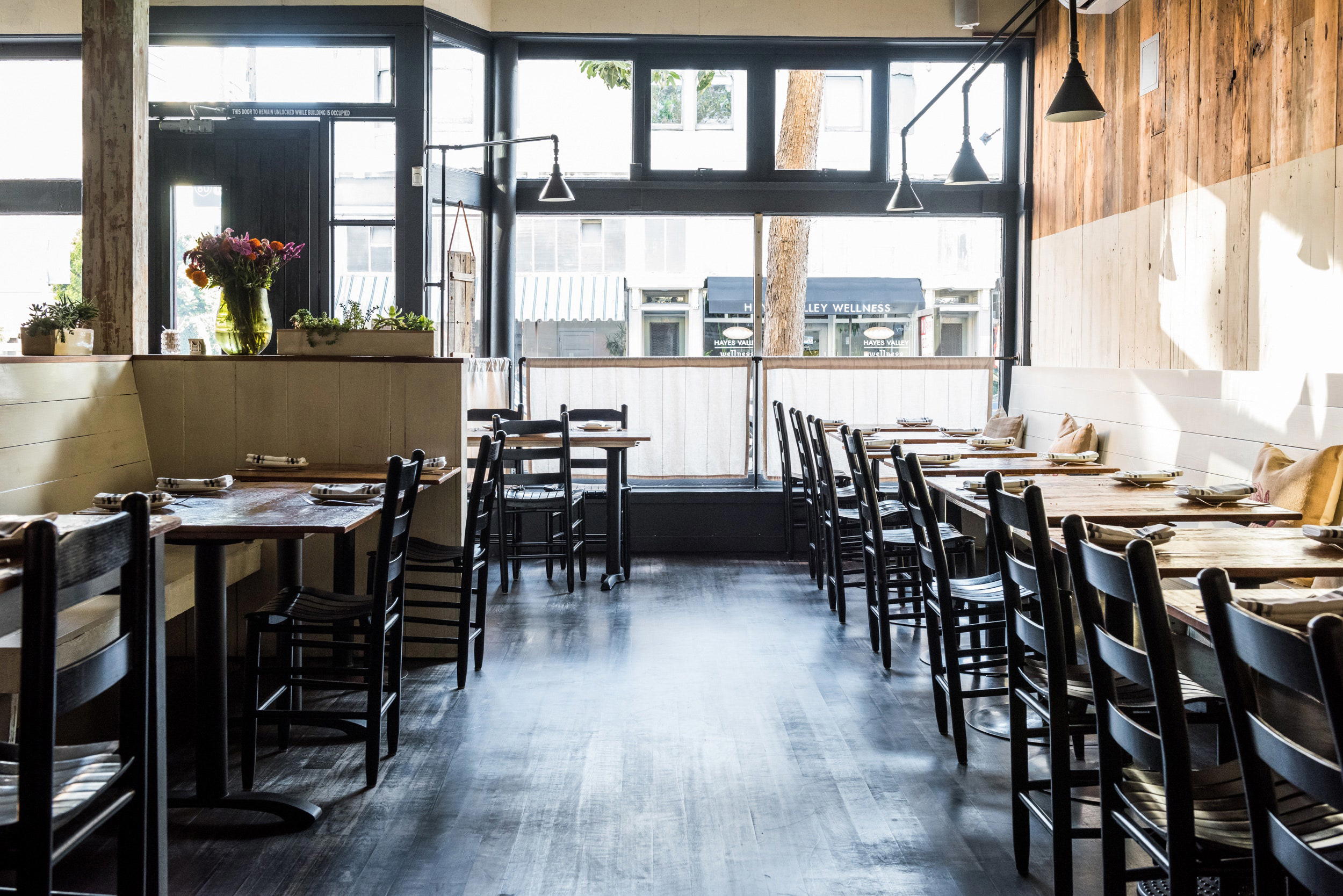
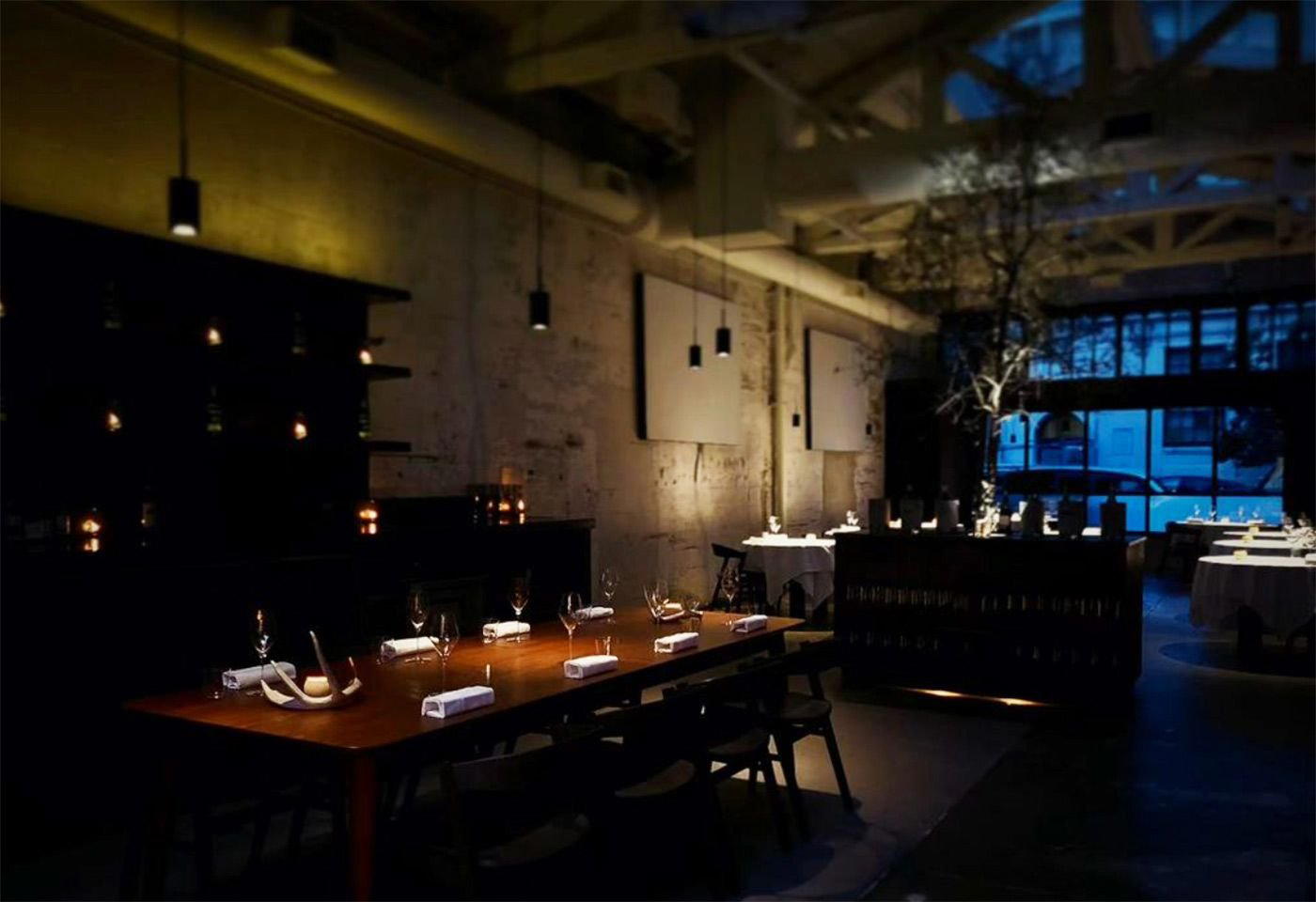
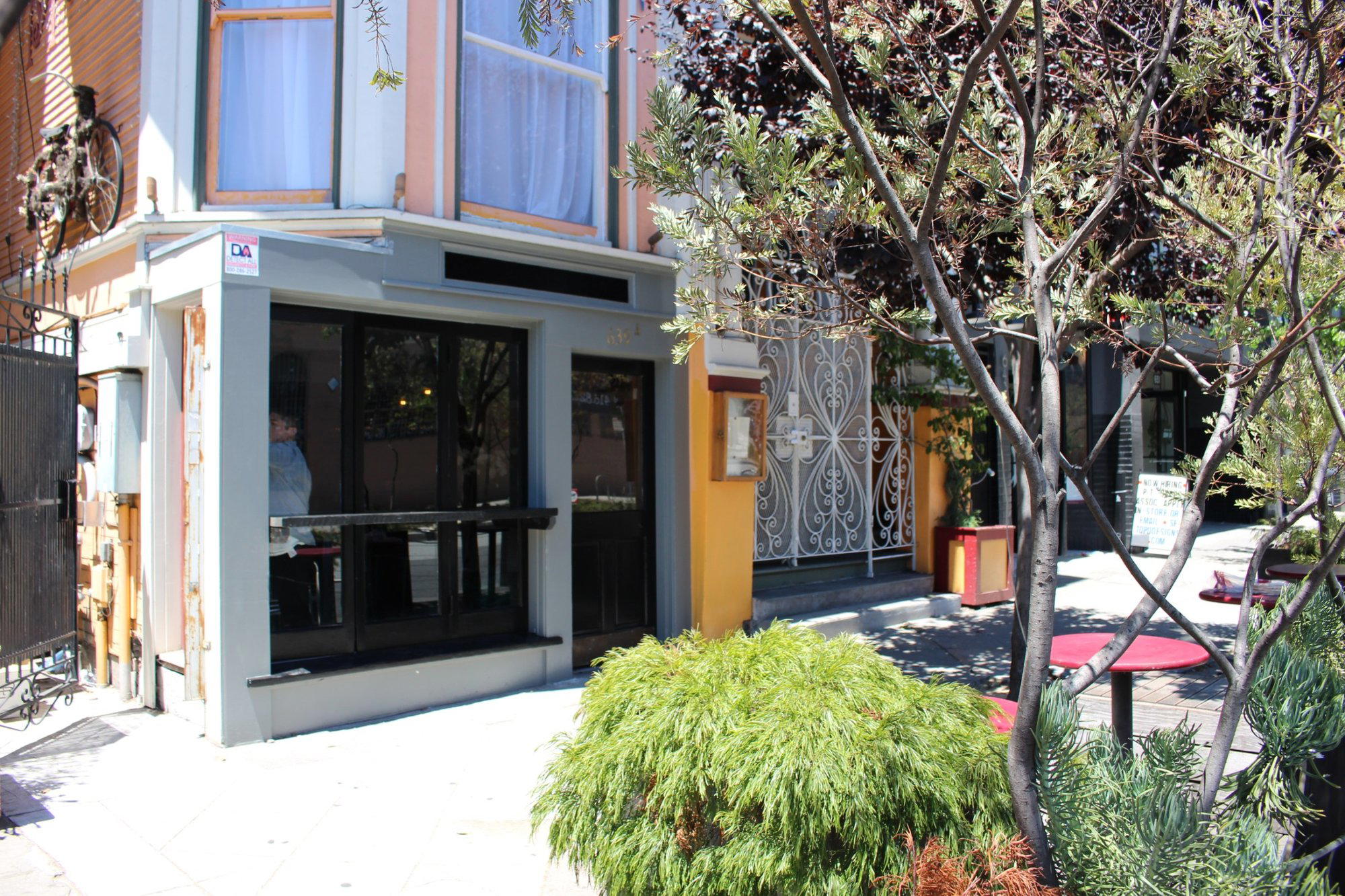
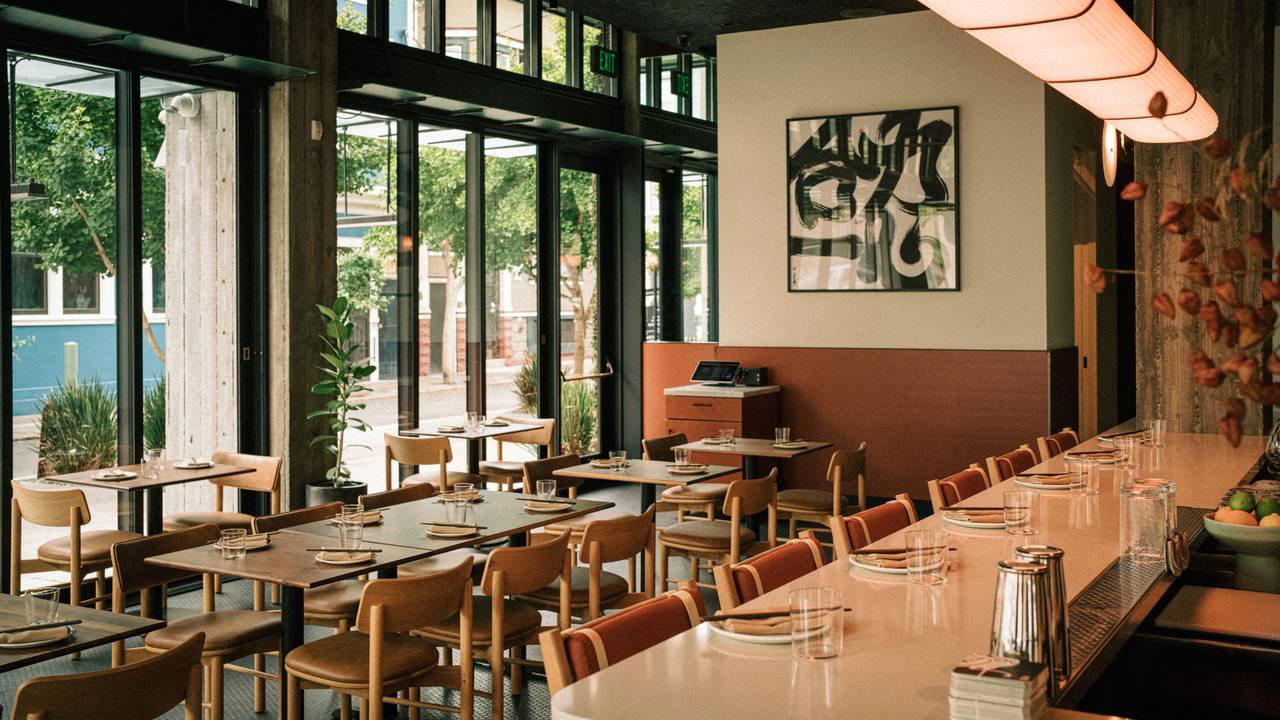
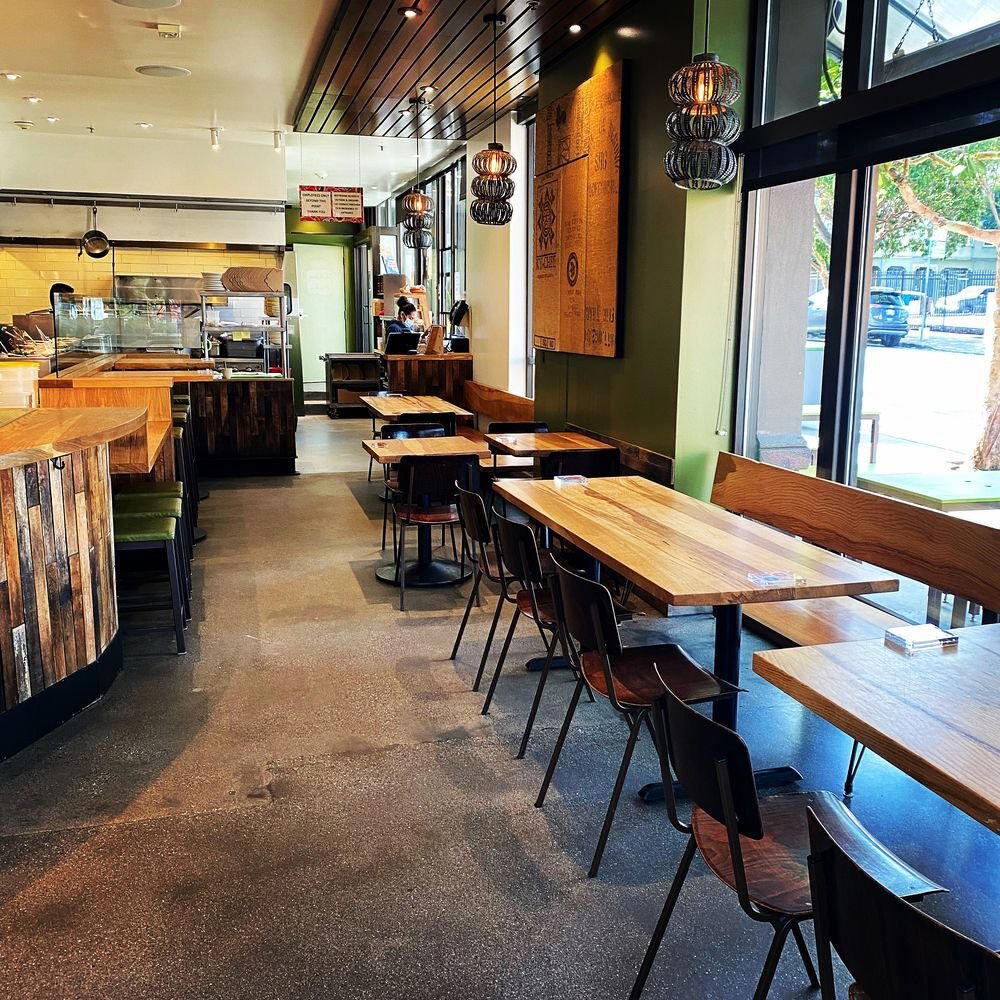
Walk west along Fulton Street toward the edge of the Haight, past the neighborhood's mix of Victorian flat-fronts and corner grocers, and the entrance to jū-ni arrives quietly. There is no lantern theatrics, no velvet rope, no street-facing drama. The interior does what serious Japanese counter dining has always done at its finest: it removes distraction. The room contracts your attention toward the wood, the light, and the sequence of small preparations being arranged in front of you. That compression of focus is not incidental, it is the argument the restaurant is making before a single piece of fish touches your plate.
That argument belongs to a specific tradition. In Japan, the kaiseki approach, multi-course dining organized around seasonal availability, aesthetic discipline, and the logic of progression, shaped how formal cooking was understood for centuries. Omakase sushi absorbed some of those principles while developing its own grammar: the intimacy of the counter, the chef's editorial control over sequence and proportion, the insistence that each course exists in relation to the one before and after it. Jū-ni operates in that lineage, applying its seasonal structure and counter format to a city that has developed genuine fluency with the form.
Where jū-ni Sits in San Francisco's Omakase Field
San Francisco's high-end sushi scene has diversified significantly over the past decade. Jū-ni has established itself in that upper tier, earning a Michelin Plate in both 2024 and 2025 while climbing Opinionated About Dining's North America rankings from a recommended listing in 2023 to #504 in 2024 and #370 in 2025. That three-year trajectory, moving steadily upward in one of the more demanding independent ranking systems in American dining, is a signal worth reading carefully.
OAD rankings are generated from the dining logs of experienced restaurant-goers rather than anonymous inspectors, which means they tend to reflect repeat visits and comparative assessment across peer restaurants rather than single-occasion impressions. Reaching #370 in North America across all cuisines and formats, not just Japanese, places jū-ni in company that includes programs at Le Bernardin in New York City, Alinea in Chicago, and Emeril's in New Orleans. Within the Japanese counter format specifically, jū-ni's ranking puts it in a competitive conversation with programs like Masa in New York City and Sushi Masaki Saito in Toronto.
Within San Francisco specifically, the comparison set is tight. The Shota and Kusakabe both operate within the same format discipline and price register. Hamano Sushi represents an older, more neighborhood-rooted tradition on the city's Japanese dining map. What separates jū-ni from much of that field is the consistency of its recognition across independent systems, Michelin and OAD measure different things, and appearing with credit in both over multiple consecutive years suggests the program is not performing for a single type of evaluator.
Chef Geoffrey Lee and the Multi-Course Discipline
The kaiseki and omakase traditions share a conviction that the chef's job is editorial as much as technical. A counter meal at this level is not a collection of individual dishes assembled on the night, it is a sequence that has been considered as a whole, where the temperature, texture, and intensity of each course are calibrated against what precedes and follows it. Chef Geoffrey Lee works within that tradition at jū-ni, operating a format where the cook's control over the meal's arc is total and the diner's job is to follow where the sequence leads.
That degree of authorial control is what distinguishes the omakase format from à la carte dining, and why the counter setting matters so much to it. Watching the preparation from a short distance is not a novelty feature, it is how the diner understands the logic of the meal. The fish, the temperature of the rice, the proportion of each piece, the moment of service: each is part of an argument being made in real time. Jū-ni's position in the Haight, away from the Financial District concentration of downtown dining, means it draws a committed rather than a convenience audience. You make a specific choice to go there.
How jū-ni Compares to San Francisco's Wider Fine Dining Field
San Francisco's $$$$ tier includes format-driven programs across multiple traditions: Lazy Bear's progressive American tasting menu holds two Michelin stars; Atelier Crenn operates at three stars with a poetic approach to modern French; Single Thread Farm in Healdsburg and The French Laundry in Napa define the regional ceiling for experience-led dining. Providence in Los Angeles represents the same tier on the West Coast more broadly.
Within that field, jū-ni's distinction is format purity. Where progressive American and contemporary French programs often use technique and narrative as central devices, the omakase counter operates on a different logic: the quality of the sourced ingredient and the precision of its handling are the entire claim. There is no elaborate plating architecture, no tableside spectacle. The restraint is structural, not minimalism as aesthetic choice but as the direct consequence of what the form demands. That seriousness of approach, sustained across three consecutive years of independent recognition, is what earns jū-ni its place in any honest accounting of the city's serious dining options.
For a broader view of where jū-ni sits within the city's overall dining, drinking, and hospitality picture, see our full San Francisco restaurants guide, alongside our San Francisco hotels guide, bars guide, wineries guide, and experiences guide.
Know Before You Go
- Address: 1335 Fulton St STE 101, San Francisco, CA 94117
- Hours: Tuesday through Saturday, 5–10 pm. Closed Sunday and Monday.
- Price range: $$$$
- Awards: Michelin Plate (2024, 2025); Opinionated About Dining North America #370 (2025)
- Booking: Given the counter format and consistent OAD recognition, advance reservations are advisable. Check availability directly via the restaurant's booking channels.
- Neighbourhood note: Fulton Street, Western Addition/Haight adjacent, accessible by MUNI and rideshare; street parking variable.
Frequently asked questions
Where is jū-ni in San Francisco?
jū-ni is located at 1335 Fulton St STE 101, San Francisco, CA 94117, United States, San Francisco.
What time does jū-ni open and close?
Hours at jū-ni: Hours: Monday Closed Tuesday 5–10 pm Wednesday 5–10 pm Thursday 5–10 pm Friday 5–10 pm Saturday 5–10 pm Sunday Closed.
What awards or recognition does jū-ni have?
jū-ni has received recognition including: Opinionated About Dining Top Restaurants in North America Ranked #370 (2025); Michelin Plate (2025); Opinionated About Dining Top Restaurants in North America Ranked #504 (2024); Michelin Plate (2024); Opinionated About Dining Top Restauran….
What do people recommend at jū-ni?
At jū-ni, the format answers the question: Chef Geoffrey Lee runs an omakase counter, meaning the kitchen determines what you eat based on what is seasonal and market-driven that evening. There is no à la carte menu to navigate. OAD ranked the restaurant #370 in North America in 2025, which reflects consistent peer-level recognition for the counter's editorial approach to sequencing and ingredient selection.
In Context: Similar Options
| Venue | Cuisine | Price | Awards | Notes |
|---|---|---|---|---|
| jū-niThis venue (the venue you are viewing) | Modern Japanese Omakase | $200–300 | Michelin Plate | Not listed |
| Lazy Bear | Modern American Tasting Menu | Not listed | 2 Michelin Stars · World's 50 Best #25 | Progressive American, Contemporary |
| Benu | Modern Asian Fusion Fine Dining | $150–200 | 3 Michelin Stars · World's 50 Best #33 | French - Chinese, Asian |
| Atelier Crenn | Contemporary French Fine Dining | $300–500 | 3 Michelin Stars · World's 50 Best #44 | Modern French, Contemporary |
| Quince | Modern French Fine Dining | $300–500 | 3 Michelin Stars · World's 50 Best #48 | Italian, Contemporary |
| Saison | Modern French-Italian | Not listed | Michelin Plate | Progressive American, Californian |
Recognition history
Dated appearances from independent guides and award organizations, with the underlying list record or original source where available.
Michelin Plate
Michelin · 2026 Michelin Plate
Opinionated About Dining Top Restaurants in North America Recommended
Opinionated About Dining
Full recognition history (7 entries)
Michelin Plate
Michelin
Opinionated About Dining Top Restaurants in North America Ranked #370
Opinionated About Dining
Michelin Plate
Michelin
Opinionated About Dining Top Restaurants in North America Ranked #504
Opinionated About Dining
Opinionated About Dining Top Restaurants in North America Recommended
Opinionated About Dining