Haidilao Huo Guo at AEON Station 18 brings the Chinese hot pot chain's table-side service format to Ipoh's southern suburbs. Part of a chain with dozens of locations across Malaysia, including a branch in Malacca and Perai, it occupies a familiar format: mall-anchored, family-oriented, and built around communal boiling broth.
Pearl is the En Primeur Club membership app — saves, bookings, and concierge access live there. Same editors, same standards.
- Address
- Lot F66, F67, F70&F71, AEON IPOH STATION 18 SHOPPING CENTRE, 22, Susuran Stesen 18, Station 18, 31650 Ipoh, Perak, Malaysia
- Phone
- +6052380520
- Website
- lineup.ap.gosnappy.io
- Directions
- Get directions
 Saves & bookings on Pearl
Hot Pot in Malaysia: The Format and Its Place in the Dining Culture
Hot pot in Malaysia occupies a different social register than most restaurant formats. Where a single plate of char koay teow at a hawker stall rewards speed and solitude, the shared hot pot table rewards the opposite: time, company, and the slow accumulation of flavour across a two-hour meal. The format arrived from Sichuan and Chongqing, where mala broth — numbing from Sichuan pepper, hot from dried chilli — is a near-daily institution, and it has since taken root in Malaysian cities with a pragmatism that suits the country's mix of Chinese dialects and communal eating habits.
Haidilao, the Sichuan-founded chain, codified a specific version of this format for the regional market: mall-based locations, extended service hours, conspicuous tableside service including hand-pulled noodle performance and regular snack refills during waits, and a broth menu anchored by mala alongside milder options for those who prefer to avoid the Sichuan pepper's signature analgesia. The brand built its Malaysian footprint quickly, with locations from Kuala Lumpur to Dataran Pahlawan in Malacca and Perai in Penang. The Station 18 outlet in Ipoh fits that pattern: a mall anchor position inside AEON in the city's southern residential belt.
What the AEON Station 18 Location Signals About Ipoh's Dining Shift
Station 18 is not Ipoh's food-heritage quarter. That geography belongs further north, around the old town shophouses where bean sprout chicken, salted chicken, and dim sum have operated along well-worn family lines for decades. Station 18 is a newer, predominantly residential zone whose dining options track the preferences of middle-class families rather than food tourists. AEON anchors it commercially, and the restaurants inside, Haidilao among them, are calibrated accordingly: accessible price points, familiar formats, and the kind of consistent execution that chain operations can sustain across high-volume service periods.
That context matters when placing Haidilao against Ipoh's wider restaurant conversation. The city's independent food culture operates on different terms: ownership-driven menus, location-specific character, and the kind of variation that comes with a single operator behind the stove. Haidilao runs the inverse model, centrally standardised across all branches, with service delivery rather than kitchen creativity as its primary differentiator. Neither model is superior in absolute terms; they serve different occasions and different kinds of diners.
The Hot Pot Tradition and How Haidilao Positions Within It
Chinese hot pot carries significant regional variation. Cantonese versions tend toward clear broths and delicate seafood; the Sichuan model that Haidilao exports is defined by its mala base, which uses a combination of dried chillies and Sichuan peppercorn in a tallow-enriched stock. The peppercorn's active compound, hydroxy-alpha-sanshool, produces a tingling numbness that alters the perception of heat, which is why mala converts describe the experience as addictive in a way that straight chilli heat is not. For diners newer to that flavour profile, a half-and-half pot, one side mala, one side a neutral mushroom or tomato broth, is the standard entry point at most chain locations.
Malaysia's hot pot scene has grown considerably, with independent operators in Kuala Lumpur and Penang running smaller, more differentiated formats alongside the chains. The Peranakan culinary tradition that defines much of Penang and Malacca, documented in places like Auntie Gaik Lean's Old School Eatery in George Town, has no hot pot dimension, but the shared-table, multi-component meal structure has deep roots across the region regardless of format. The street food intensity of Air Itam Asam Laksa, Chong Char Koay Teow, and 888 Hokkien Mee in Penang represents a different register entirely, but both sit within a broader Malaysian culture of eating that is fundamentally communal.
At the fine-dining end of Malaysian cuisine, operations like Dewakan in Kuala Lumpur are working through what contemporary Malaysian cooking means at a tasting-menu level. Haidilao occupies none of that conceptual space, it is not attempting a cuisine argument, and its appeal does not rest on terroir or technique in the way that Dewakan's does. Globally, the distinction between casual chain formats and chef-driven fine dining is similarly pronounced: the gap between a Haidilao location and a room like Le Bernardin in New York City or Atomix is not merely one of price but of intent, format, and what the dining experience is designed to do.
Service Format and Practical Considerations
Haidilao's brand identity in Malaysia rests heavily on tableside service elements that are uncommon in the broader casual dining category. These include complimentary snacks during waiting periods, manicure and shoe-shine offerings at some locations, and the signature hand-pulled noodle performance that can be requested at the table. These are service theatre rather than culinary distinction, but for families with children or groups celebrating milestones, the entertainment dimension carries weight. The chain also operates a notable loyalty and queue management system, and waits at peak weekend dining periods across Malaysian branches have historically extended well beyond an hour.
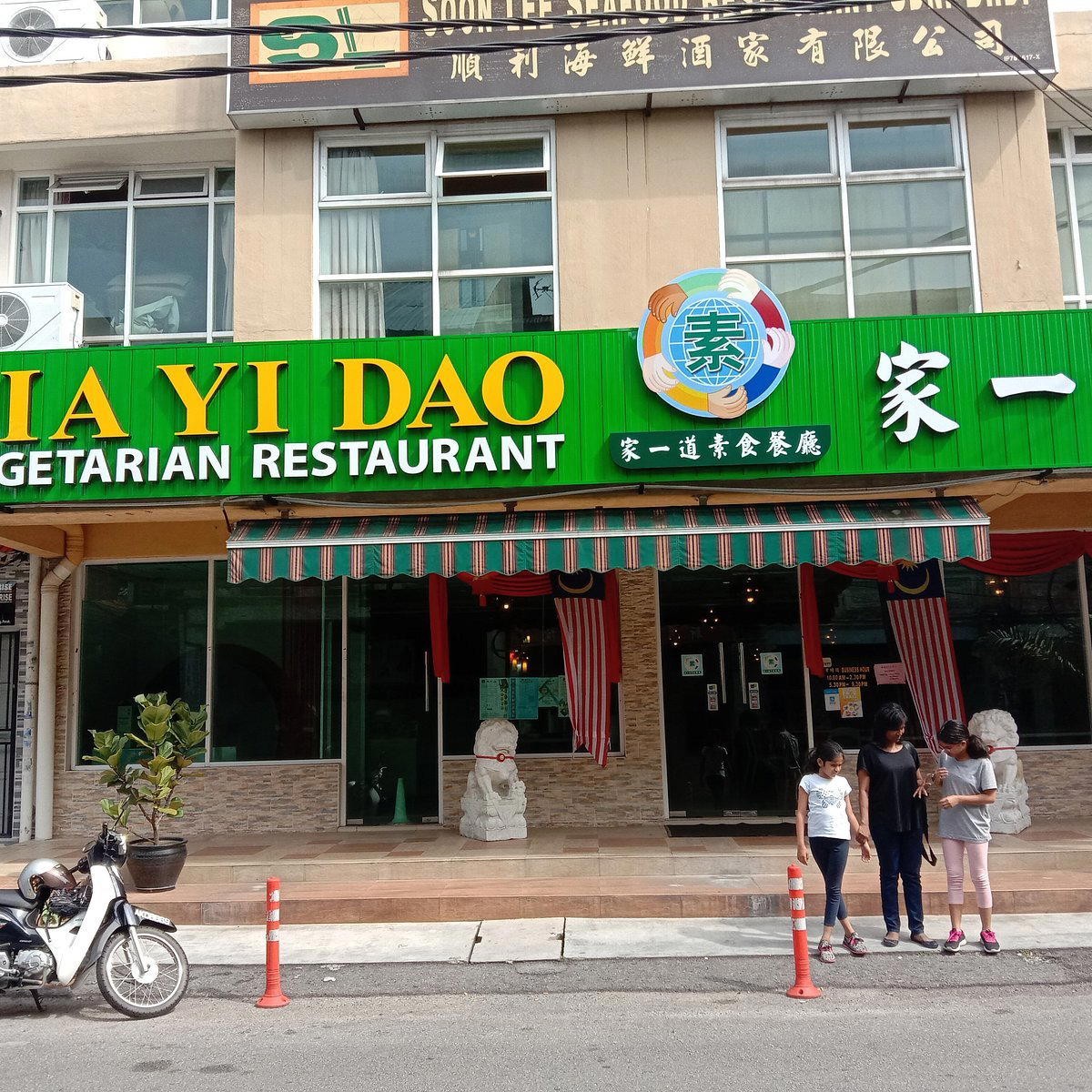
For diners building an itinerary across Perak and northern Malaysia, the wider dining picture includes Jia Yi Dao Vegetarian Restaurant in Taiping as a reference for the region's vegetarian Chinese tradition, and further afield, Da De Bah Kut Teh in Borneo for the herbal pork rib soup format that is a different but equally significant strand of Malaysian Chinese comfort food. Both represent independent, location-specific operations that contrast with Haidilao's chain model. Other chain formats operating in the wider Malaysian market, DIN by Din Tai Fung in Sepang and Kuroma Buffet and Dining in Johor Bahru, offer useful comparisons for how international and regional chains shape the mid-market dining tier across the country.
Budget Reality Check
Comparable venues nearby, for context on price, style, and recognition.
| Venue | Cuisine | Price | Notes |
|---|---|---|---|
| Haidilao Huo Guo • ÆON Station 18This venue — the venue you are viewing | Not listed | $$ | Not listed |
| Me'nate Steak Hub • Ipoh | Greentown, Premium Steakhouse & Grill | $$ | Not listed |
| Din Tai Fung (Din Tai Fung (鼎泰豐)) | Bukit Bintang, Taiwanese Dim Sum | $$ | Not listed |
| Fatt Kee Restaurant | Taman Far East, Chinese Seafood Noodles | $$ | Not listed |
| Restoran Soo Kee | Ampang, Cantonese BBQ Specialists | $$ | Not listed |
| Fook Heong Bak Kut Teh 福香肉骨茶 | Not listed | $$ | Taman Shamelin Perkasa, Traditional Bak Kut Teh |
Continue exploring
More in Ipoh
Restaurants in Ipoh
Browse all →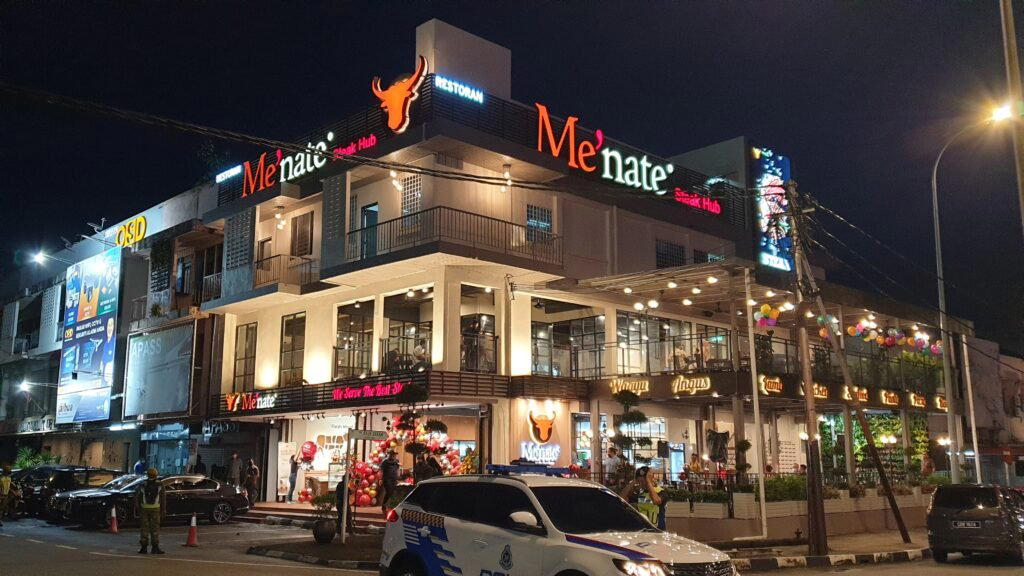

At a Glance
- Lively
- Trendy
- Group Dining
- Family
- Casual Hangout
- Open Kitchen
Current opening hours
- Monday
- 11 AM–2 AM
- Tuesday
- 11 AM–2 AM
- Wednesday
- 11 AM–2 AM
- Thursday
- 11 AM–2 AM
- Friday
- 11 AM–2 AM
- Saturday
- 11 AM–2 AM
- Sunday
- 11 AM–2 AM
Hours can change for holidays and private events. Last verified .
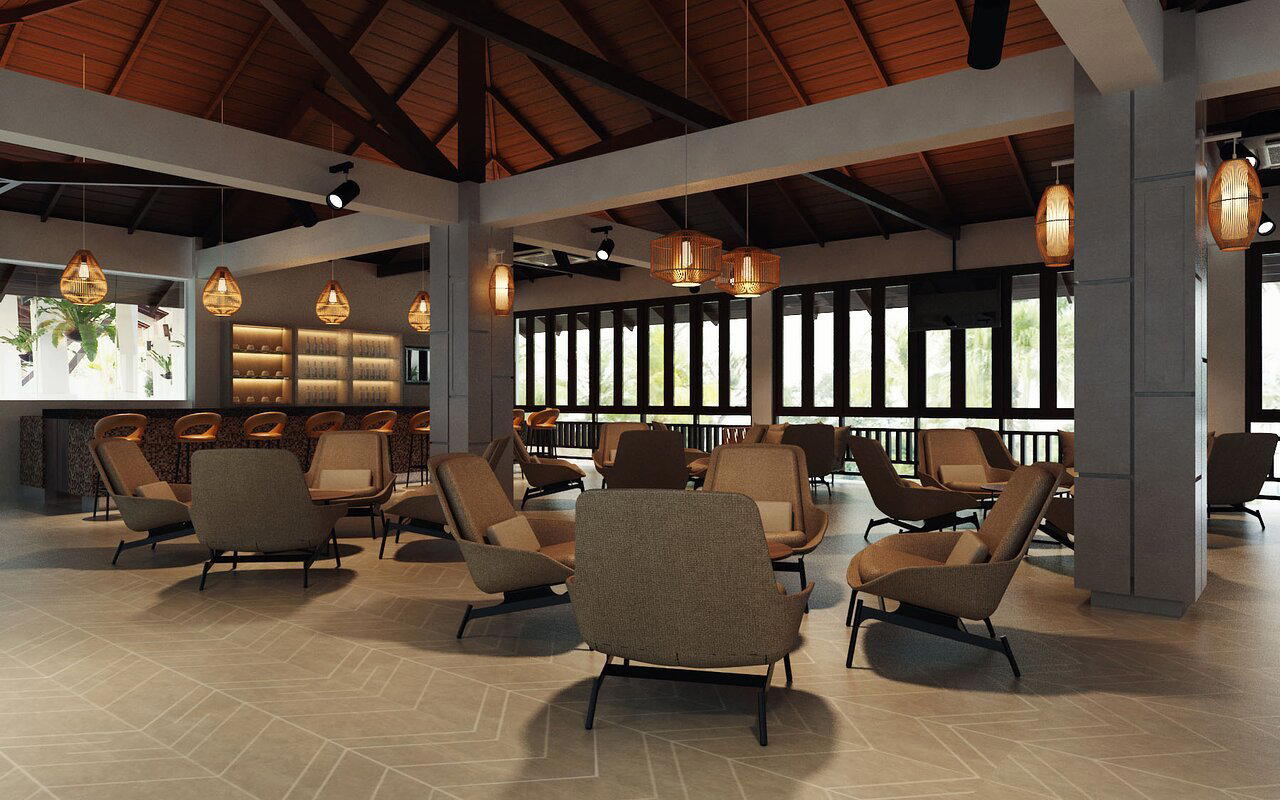
Energetic and welcoming hot pot atmosphere with lively dining and interactive cooking.