On Jalan Taming Sari in Taiping's older commercial belt, Sri Annapoorana Curry House occupies a double shophouse unit that draws a steady Tamil-speaking crowd alongside curious walk-ins. The menu follows the logic of South Indian vegetarian cooking, rice plates, curries, and tiffin formats built around daily preparation rather than printed permanence. It represents the kind of neighbourhood institution that Taiping's modest dining scene quietly depends on.
Pearl is the En Primeur Club membership app — saves, bookings, and concierge access live there. Same editors, same standards.
- Address
- 164 & 166, Jalan Taming Sari, 34000 Taiping, Perak, Malaysia
- Phone
- +60 16 597 2702
- Website
- m.facebook.com
- Directions
- Get directions
 Saves & bookings on Pearl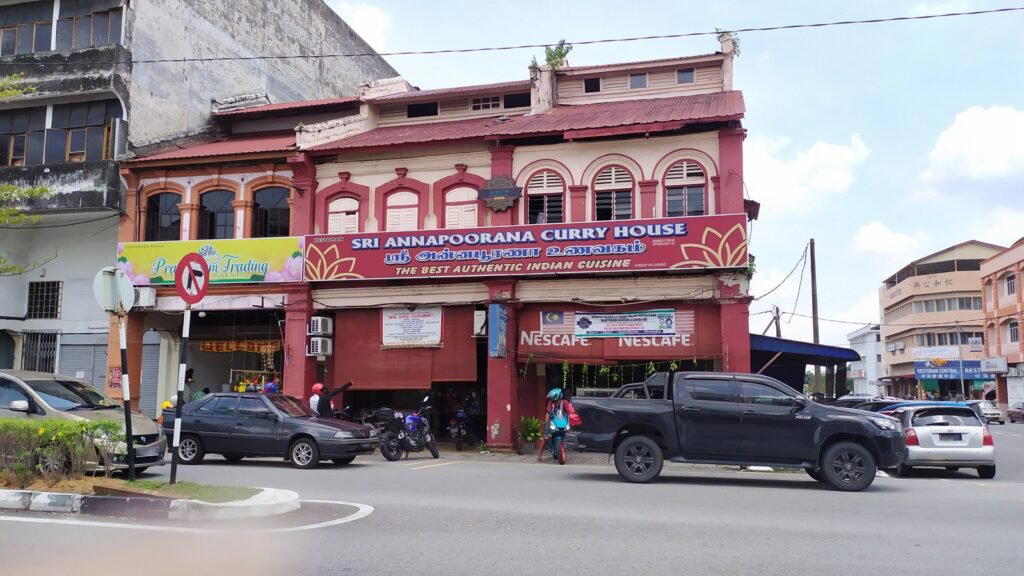
South Indian Vegetarian Cooking in Taiping's Shophouse Quarter
Sri Annapoorana Curry House is a Southern Indian Curry House in Taiping, Perak, Malaysia, with. Taiping is not a city that performs for visitors. The town's dining character is shaped by its demographics, a mixed Malay, Chinese, and Tamil population that settled around the tin-mining economy of the nineteenth century, and the restaurants that serve it tend toward the functional and the consistent rather than the theatrical. On Jalan Taming Sari, a stretch of pre-war shophouses running through the older commercial part of town, Sri Annapoorana Curry House occupies numbers 164 and 166: a double-unit setup that immediately signals a kitchen built for volume rather than intimacy.
The physical environment follows the conventions of Malaysian shophouse dining. Tiled floors, ceiling fans, fluorescent lighting, and the particular ambient warmth that comes from a kitchen turning out rice and curry through the morning and into the afternoon. Approaching the entrance, the smell arrives before the signage does, a mix of fenugreek, tamarind, and coconut oil that signals South Indian vegetarian cooking in a way no menu description quite matches. This is the atmospheric cue that places Sri Annapoorana within a specific and serious culinary tradition, one that runs from Tamil Nadu through the Indian diaspora communities of Malaysia and Singapore, and that Taiping's Tamil population has maintained through generations.
Menu Architecture: The Logic of the Banana Leaf
South Indian vegetarian restaurants in Malaysia tend to organise their menus around two parallel formats: the banana leaf rice service, which runs at lunch and operates on a rhythm of replenishment rather than individual ordering, and the tiffin format, which covers the breakfast and early-morning period with idli, dosai, vada, and sambar. Both formats share an underlying logic, that variety is achieved through multiplicity of small preparations rather than through elaboration of a single dish.
The banana leaf format, where it operates, places the diner in a passive but attentive position. Rice arrives first, then an expanding series of curries, rasam, sambar, papadums, and vegetable preparations that are ladled out in sequence and replenished on request. The menu, in this sense, is not a list of choices but a structure of progression. What you receive first is what the kitchen judges to be your starting point; what arrives afterward depends on the cook's pace and the day's preparation. This kind of menu architecture rewards familiarity, a first-time visitor reads it as a meal, a regular reads it as a conversation with the kitchen's current priorities.
In the broader context of Malaysian South Indian vegetarian cooking, this format places Sri Annapoorana within the same culinary lineage as the well-regarded curry houses of Brickfields in Kuala Lumpur and the older Tamil restaurants along Penang's Lebuh Pasar. The cooking tradition is consistent across these sites: fresh coconut chutney, lentil-heavy dhal, tamarind-soured rasam, and the particular brightness that comes from South Indian spice blending rather than the slower, earthier profiles more common in North Indian cooking. For a contrasting frame of reference within the region's broader dining range, Dewakan in Kuala Lumpur represents the contemporary end of Malaysian restaurant ambition, Sri Annapoorana operates at the opposite register, where continuity of daily preparation is the measure of quality.
Taiping's Dining Context
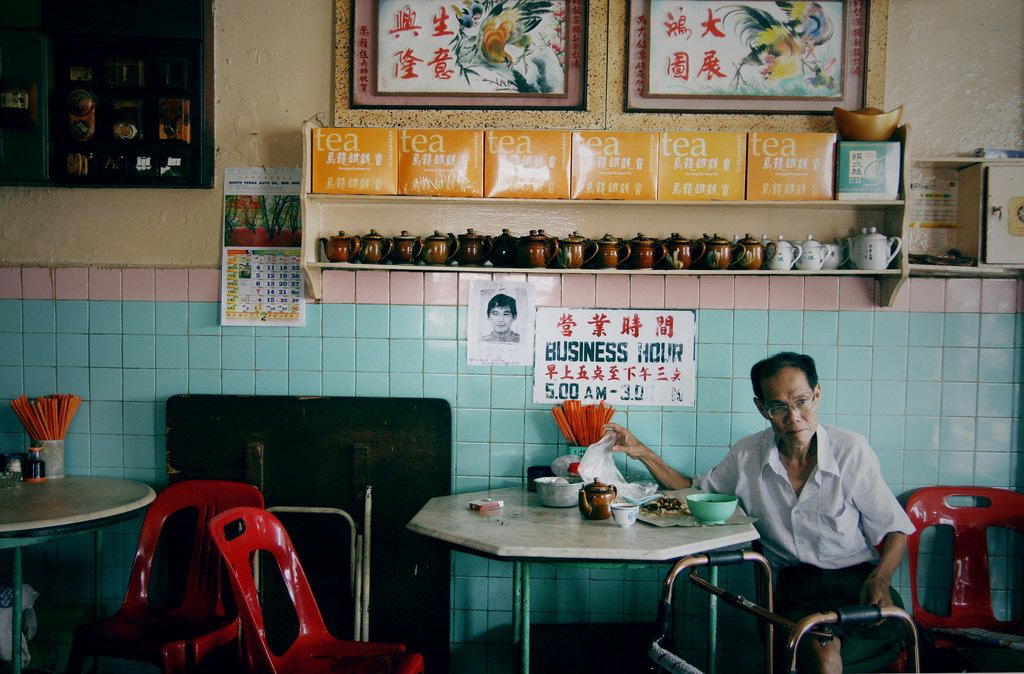
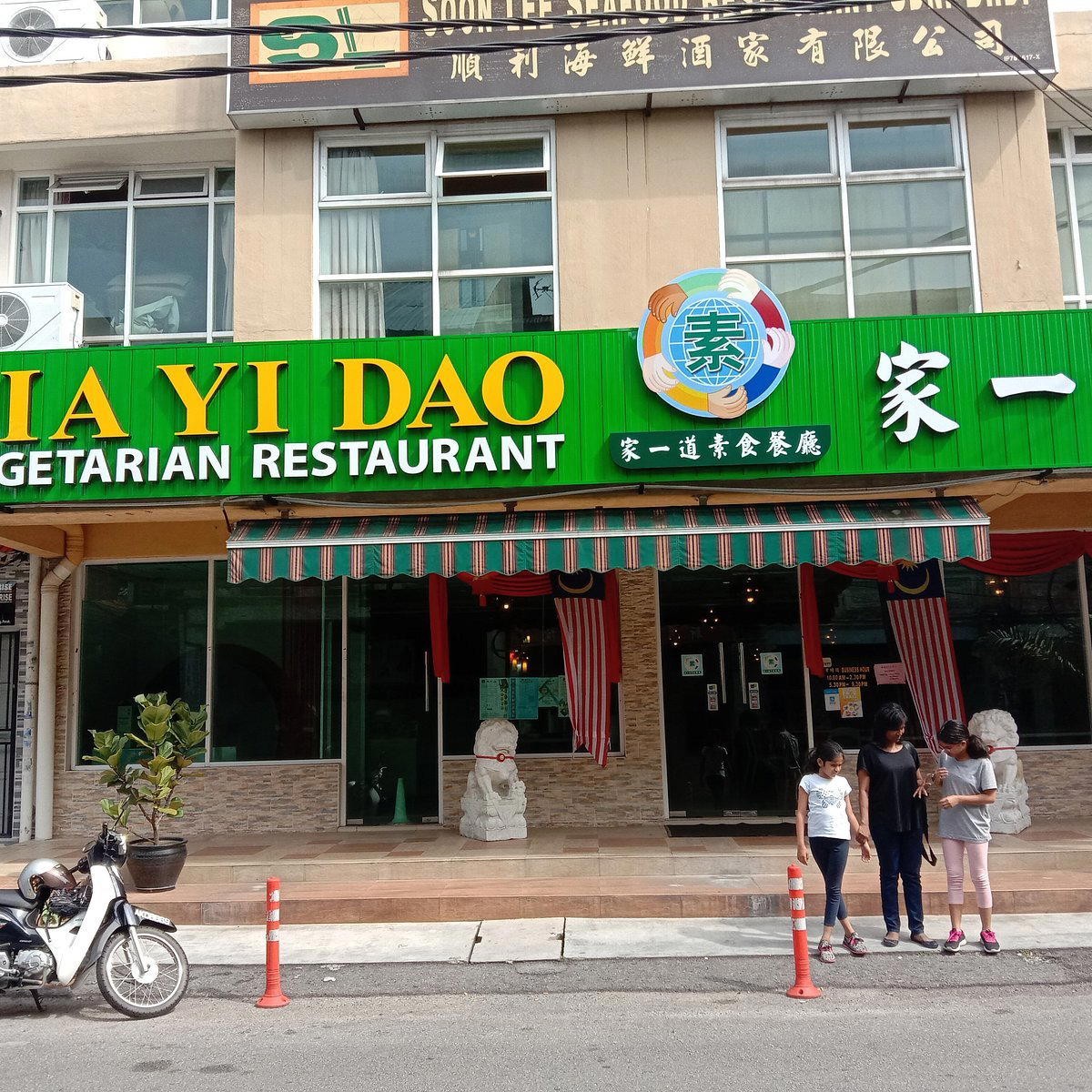
Taiping has a modest but genuinely varied restaurant scene. The town's multi-ethnic character means that within a short walking radius of Jalan Taming Sari, a visitor can move from South Indian tiffin to Chinese kopitiam breakfasts to Malay hawker stalls. Bismillah Cendol represents the Malay dessert tradition that runs parallel to Taiping's curry culture, while Jia Yi Dao Vegetarian Restaurant covers the Chinese Buddhist vegetarian register, a distinct tradition from South Indian vegetarian cooking, despite the superficial overlap in dietary category. Lian Thong Restaurant (Taiping) and Sin Kuan Kee Restaurant anchor the Cantonese end of the local dining range.
Sri Annapoorana occupies a specific niche within this pattern. South Indian vegetarian restaurants of this type function as community anchors, they serve the Tamil working population at hours and price points calibrated for daily use, not occasional visits. The comparison set is not the hotel dining rooms of The Dining Room at The Datai Langkawi or the tasting-menu formats of places like Lazy Bear in San Francisco or Le Bernardin in New York City. The benchmark is the neighbourhood curry house measured by consistency, freshness of preparation, and the loyalty of its regular clientele.
Elsewhere in the northern Malaysian region, Auntie Gaik Lean's Old School Eatery in George Town demonstrates how shophouse-format cooking with strong community roots can attract wider critical attention. The dynamics in Taiping are different, the town receives far fewer culinary tourists than Penang, but the underlying cooking logic of daily preparation and inherited technique is recognisable across both contexts.
Planning a Visit
Sri Annapoorana Curry House sits at 164 and 166 Jalan Taming Sari, in a part of Taiping accessible on foot from the town centre. South Indian vegetarian restaurants of this format typically operate heaviest at breakfast and lunch, with the tiffin service drawing an early crowd and the banana leaf format hitting its stride through the midday period. Arriving outside peak hours often means shorter waits but a narrower selection of prepared curries, the kitchen calibrates quantity to anticipated demand, and late arrivals sometimes find specific dishes exhausted. The restaurant is walk-in friendly and operates daily from 7 AM to 8 PM. For visitors arriving from Penang, the drive to Taiping runs roughly an hour and a half along the North-South Expressway, making a morning tiffin run feasible as a half-day detour.
Where the Accolades Land
Comparable venues nearby, for context on price, style, and recognition.
| Venue | Cuisine | Price | Notes |
|---|---|---|---|
| Sri Annapoorana Curry HouseThis venue — the venue you are viewing | Southern Indian Curry House | $$ | Not listed |
| Sin Kuan Kee Restaurant • Taiping | Traditional Cantonese Pastries & Dim Sum | $$ | Taiping town |
| Jia Yi Dao Vegetarian Restaurant | Chinese Vegetarian | $$ | Taiping |
| Lian Thong Restaurant (Taiping) | Traditional Halal Chinese & Nyonya Kopitiam | $ | Jalan Kota, Larut Matang dan Selama District |
| Bismillah Cendol | Traditional Malaysian Cendol | $ | Taiping |
| Restoran Nasi Kandar Line Clear | Traditional Penang Nasi Kandar | $ | George Town |
Continue exploring
More in Taiping
Restaurants in Taiping
Browse all →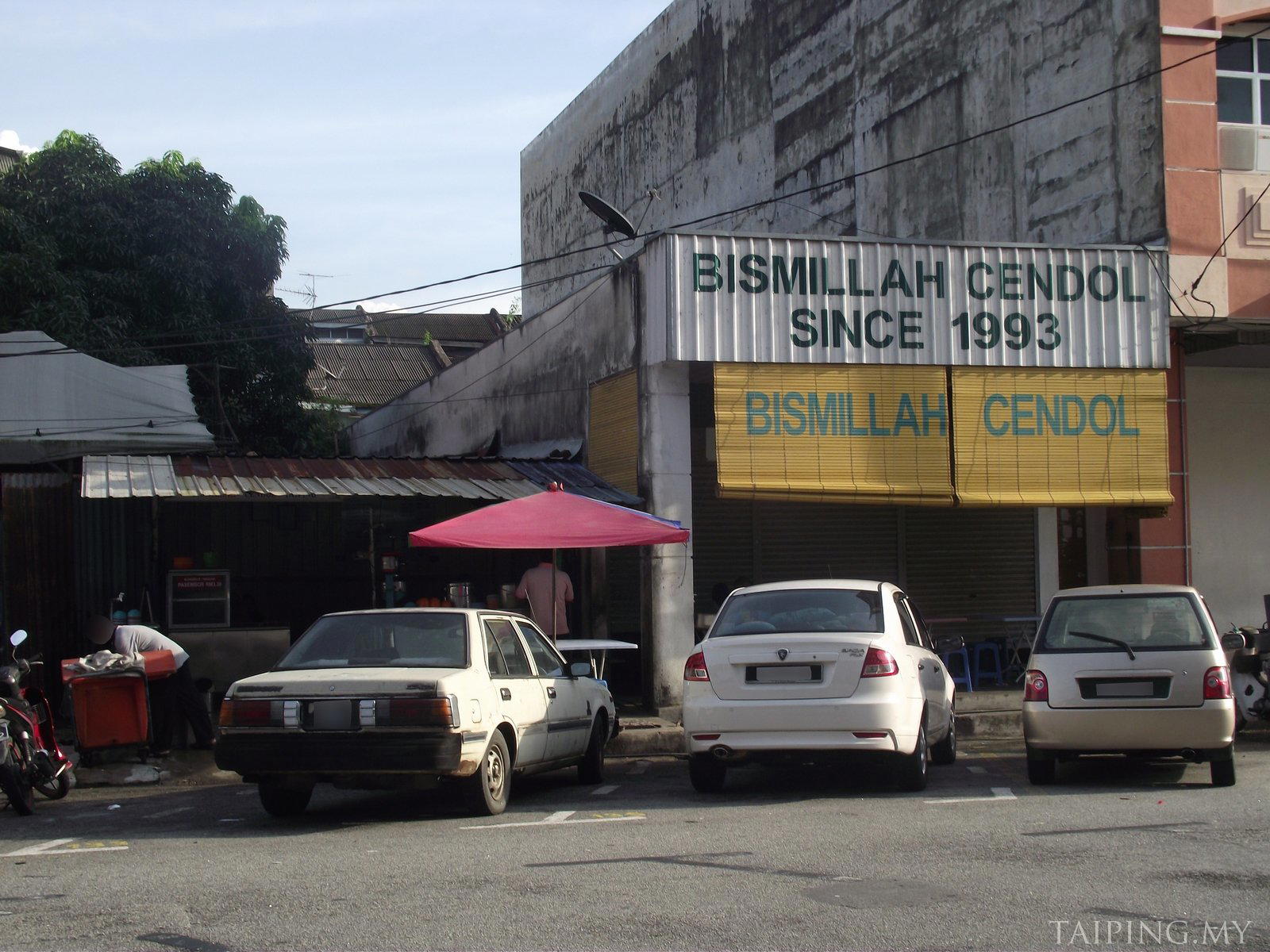

Bars in Taiping
Browse all →
Hotels in Taiping
Browse all →
At a Glance
- Classic
- Cozy
- Family
- Casual Hangout
- Group Dining
- Standalone
Current opening hours
- Monday
- 7 AM–8 PM
- Tuesday
- 7 AM–8 PM
- Wednesday
- 7 AM–8 PM
- Thursday
- 7 AM–8 PM
- Friday
- 7 AM–8 PM
- Saturday
- 7 AM–8 PM
- Sunday
- 7 AM–8 PM
Hours can change for holidays and private events. Last verified .
Busy and bustling with open-air and air-conditioned seating sections, crowded at mealtimes.