Our verdict
Sin Kuan Kee Restaurant • Taiping: Traditional Cantonese pastries and dim sum shape a breakfast-or-lunch stop here, with Kaya Puff, Hap Tou Sou, and Kah Lui Peng fitting a quick bite.

Pearl is the En Primeur Club membership app — saves, bookings, and concierge access live there. Same editors, same standards.
- Address
- 41, Jalan Kota, 34000 Taiping, Perak, Malaysia
- Phone
- +60 5 808 4360
- Hours
- Daily 5 AM–3 PM
- Directions
- Get directions
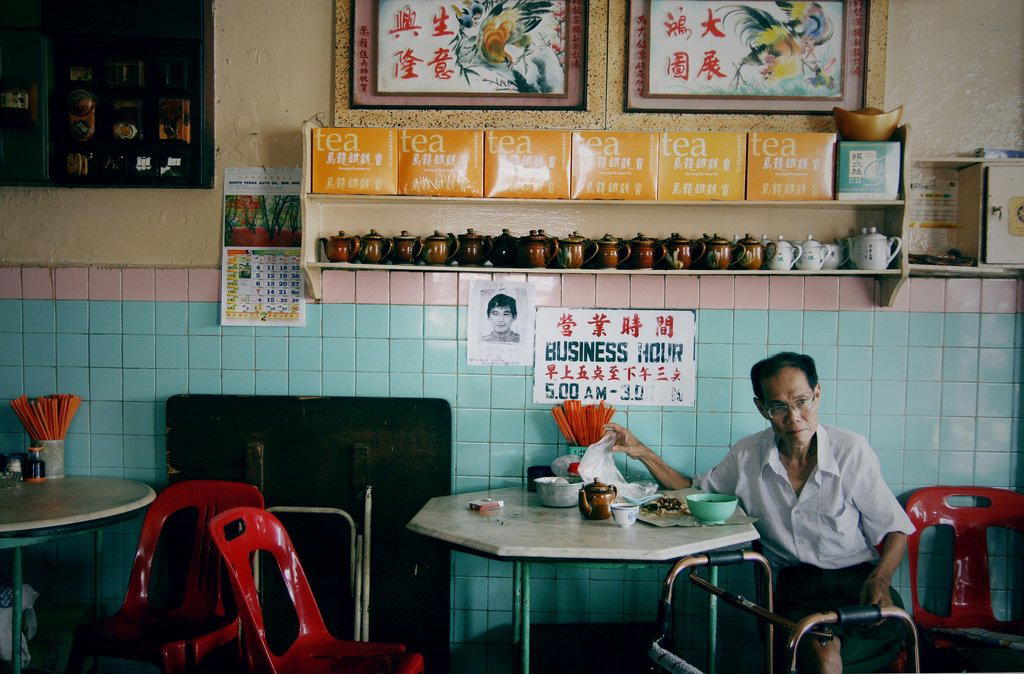
The menu
What to order
- Kaya Puff
- Hap Tou Sou
- Kah Lui Peng
Jalan Kota and the Logic of Taiping's Old Town Eating
Taiping has a different relationship with time than most Malaysian towns. As the country's oldest colonial settlement in Perak, it developed its food culture slowly and kept it. The streets around Jalan Kota, where Sin Kuan Kee Restaurant operates at number 41, represent that continuity in physical form: pre-war shophouses, morning market rhythms, and a local dining public that measures quality in decades rather than social media cycles. Eating here is not a detour from the main event; it is the main event for anyone who understands what Taiping offers relative to the more touristed food corridors of Penang or Ipoh.
Jalan Kota sits close to Taiping's historic core, within proximity of the Lake Gardens, the oldest municipal park in Malaysia, and the town's colonial administrative remnants. That geography matters for the dining experience. This is not a street that reoriented itself toward visitors. Its restaurants exist because locals have been coming to them for years, and the social contract of the room, the pace of service, the assumption of regulars, all reflect that primary audience. For a traveller willing to read those cues, it offers something that purpose-built tourist dining cannot.
The Chinese Coffee Shop Tradition in a Perak Town
Sin Kuan Kee operates within a format that has defined Chinese-Malaysian eating in small and mid-sized Perak towns for well over a century: the family-run restaurant anchored to a specific handful of dishes, cooked to a fixed standard, served without ceremony. These places do not rotate menus seasonally or reposition around trends. Their value proposition is consistency, and the regulars who return weekly or monthly are the measure of whether that consistency holds.
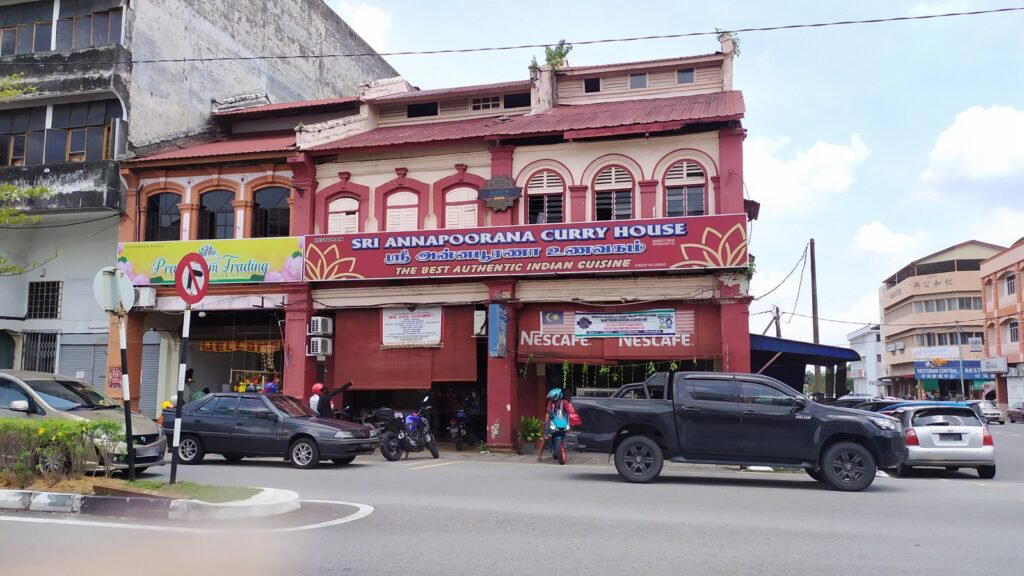
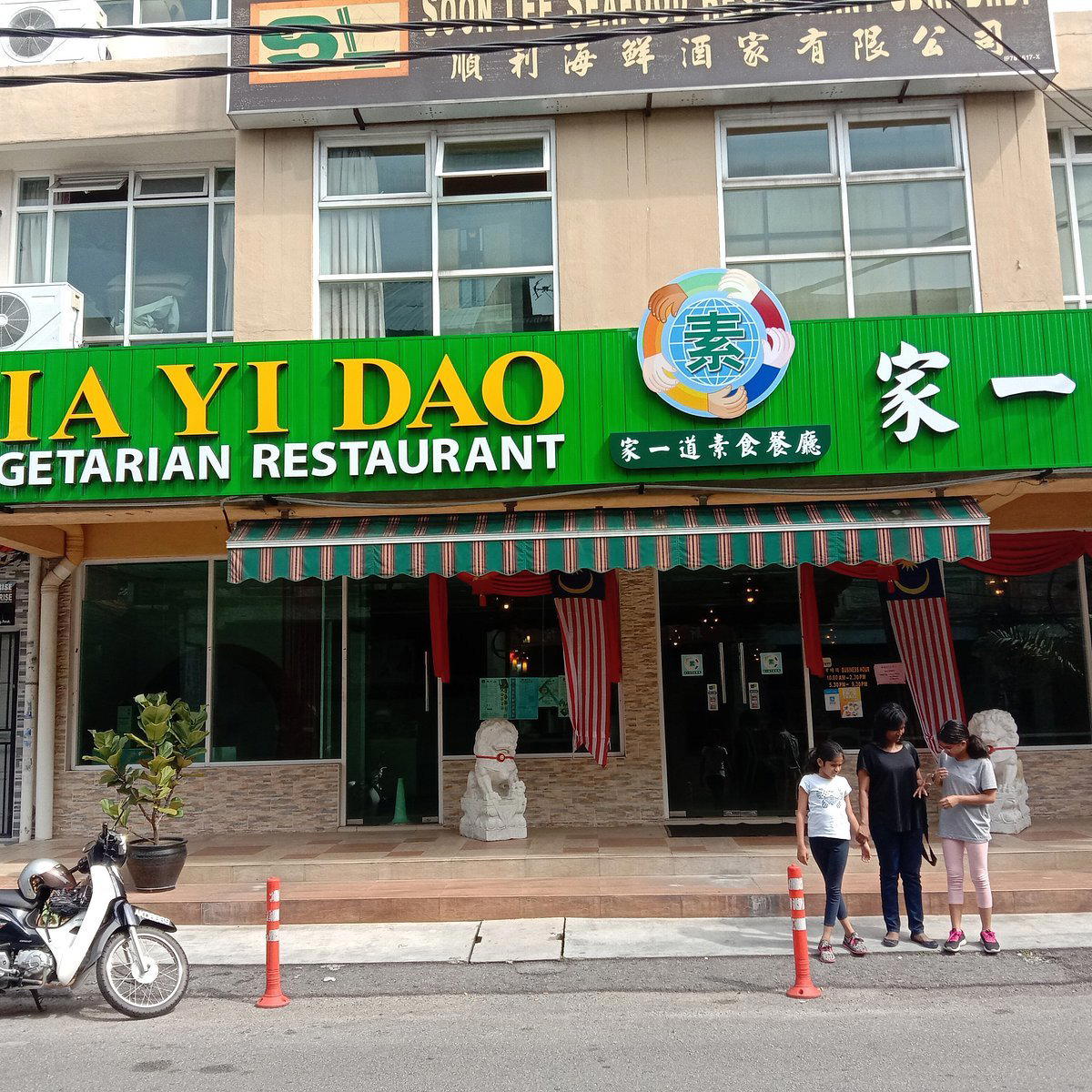
In that context, Sin Kuan Kee belongs to a peer group that includes other longstanding Taiping establishments. Lian Thong Restaurant (Taiping) and Bismillah Cendol represent comparable anchors in the town's food culture, each carrying a specific dish identity and a loyal returning clientele. The broader Taiping eating scene also includes Jia Yi Dao Vegetarian Restaurant and Sri Annapoorana Curry House, which reflect the town's ethnic and religious plurality. Sin Kuan Kee represents the Chinese end of that spread, operating in a register that prioritises familiarity over novelty.
This format stands in obvious contrast to the direction that Malaysian fine dining has taken in Kuala Lumpur, where venues like Dewakan have built internationally recognised tasting menus around indigenous ingredients and modernist technique. Regionally, Auntie Gaik Lean's Old School Eatery in George Town occupies a middle ground, where heritage cooking earns critical attention. Sin Kuan Kee operates without those ambitions, and that is precisely what makes it a useful counterpoint for anyone trying to understand Malaysian food culture in its wider register.
What the Address at 41, Jalan Kota Tells You
A shophouse address in an old Malaysian town encodes a lot of information. Ground-floor operations on a street like Jalan Kota typically mean early starts, high turnover at peak hours, and little in the way of air conditioning or ambient design investment. The eating experience is defined by the food and by the act of being in a working street, not by the room. This is a structural feature of the format, not a shortcoming.
For visitors arriving from elsewhere in Malaysia or from abroad, that physical context is part of the proposition. Taiping is roughly midway between Penang and Ipoh on the northern corridor, making it a natural stopping point for travellers moving along that route. Kuala Kangsar, the royal town of Perak, lies approximately 45 minutes to the south, and the Bukit Larut hill station (formerly Maxwell Hill) rises above Taiping itself. Sin Kuan Kee, positioned in the old town core, sits within the walking or short-drive range of the town's primary points of interest, which makes a meal here logistically direct to incorporate into a day visit or an overnight stay.
Getting to Taiping is manageable by road from Penang (around 90 minutes by car), and the town has a train station on the KTM Intercity line, though most visitors arrive by private vehicle or bus. The Jalan Kota area is compact enough to cover on foot once you are in the town centre.
Reading a Sparse Record Honestly
The venue data available for Sin Kuan Kee is limited: an address, a city, and a country. For a venue of this type, in a town of this character, that absence is not necessarily an indicator of quality in either direction. Many of the most consistent and well-patronised Chinese restaurants in small Malaysian towns have never been formally reviewed, never submitted for awards consideration, and operate entirely by word of mouth and repeat custom.
What that means practically is that the reader approaching Sin Kuan Kee should carry realistic expectations about the information available in advance. Booking is likely to be walk-in. For comparison, diners who prefer to plan comprehensively before arriving might look at venues with fuller digital presences, such as The Dining Room at The Datai Langkawi, which operates within a resort structure and carries the corresponding infrastructure. Sin Kuan Kee is a different proposition entirely, and approaching it as such is the more productive frame.
Malaysia's neighbourhood-scale Chinese restaurants do not typically publish hours in the way that city restaurants do. Midday closures between lunch and dinner service are common. Arriving at peak times, typically late morning or early evening, gives the leading chance of full operation and the busiest room, which in this format is usually a reliable signal of freshness and volume.
Taiping's Place in the Northern Corridor
Travellers who have eaten their way through Penang's more celebrated offering, or who have covered Ipoh's well-documented white coffee and bean sprout chicken scene, sometimes find that Taiping represents the part of northern Malaysian food culture that hasn't been formatted for external consumption. The town's relative quietness compared to those two cities is not a gap in quality; it is a gap in marketing. The restaurants that survive here do so on local patronage, which is a harder filter to pass than critical attention.
For those building an itinerary across the northern states, a stop at Taiping's old town restaurants connects to a wider pattern of eating that also includes street food in Seberang Perai, where BM Cathay Pancake has its own specific following, and the kind of regional diversity that separates a serious food trip through Peninsular Malaysia from a checklist of well-publicised names. The full picture of what Taiping offers can be explored further through our full Taiping restaurants guide.
At the other end of the ambition spectrum, venues like Le Bernardin in New York City or Lazy Bear in San Francisco represent what happens when a specific culinary tradition gets refined and formalised over decades into a world-recognised format. The Chinese-Malaysian shophouse restaurant tradition has its own rigour, just applied differently: to the wok temperature, the ratio of ingredients, and the accumulated muscle memory of doing the same thing well for a very long time. Sin Kuan Kee, at 41, Jalan Kota, is where that tradition continues quietly on a street that has been doing this longer than most food destinations on the peninsula have been paying attention.
Planning a Visit
Sin Kuan Kee Restaurant is located at 41, Jalan Kota, 34000 Taiping, Perak. Arrive during conventional meal hours, mid-morning to early afternoon for lunch, and early evening for dinner, to maximise the chance of full service. Taiping is accessible by car from Penang in approximately 90 minutes, and by train on the KTM Intercity line to Taiping station. The Jalan Kota area is within walking distance of the Lake Gardens and the town's historic shophouse streets.
Frequently asked questions
What part of town is Sin Kuan Kee Restaurant • Taiping in?
Sin Kuan Kee Restaurant • Taiping is located at 41, Jalan Kota, 34000 Taiping, Perak, Malaysia, Taiping.
How does Sin Kuan Kee Restaurant fit into Taiping's old town compared to other eating streets in Perak?
Jalan Kota is one of Taiping's oldest commercial streets, and a shophouse address there places Sin Kuan Kee within a food corridor that predates Ipoh's more internationally documented hawker scene. Taiping sits between Penang and Ipoh on the northern route through Perak, and travellers covering that corridor will find the city's Chinese coffee shop operators less tourist-oriented and more focused on a stable local clientele. Sin Kuan Kee's lack of a web presence or listed phone number is consistent with that profile.
What dish is Sin Kuan Kee Restaurant • Taiping famous for?
The restaurant sits on Jalan Kota in Taiping, Perak, a town whose Chinese-Malaysian coffee shop tradition typically centres on noodle dishes, rice plates, and locally brewed coffee. For specifics, a direct visit is the only reliable method, as no menu is published online.
What's the best way to book Sin Kuan Kee Restaurant • Taiping?
Walk-in is the expected method of arrival. Arriving early is advisable for shophouse restaurants of this type in Taiping's old town, as they typically run through service quickly and may close once the day's food is sold.
What's the standout thing about Sin Kuan Kee Restaurant • Taiping?
The address on Jalan Kota places Sin Kuan Kee inside Taiping's colonial-era commercial core, a street where food operations have run in ground-floor shophouses for generations. In a town that developed its food culture earlier than most Perak settlements, that kind of address carries neighbourhood credibility that formal awards do not always capture. The absence of a web presence suggests a customer base built entirely on repeat local trade.
Do they accommodate allergies at Sin Kuan Kee Restaurant • Taiping?
No allergy accommodation policy is documented for Sin Kuan Kee, and no phone or website contact is listed to enquire in advance. Chinese-Malaysian coffee shop kitchens in Perak commonly use soy, peanut oil, and shellfish-based stocks as standard ingredients. Visitors with serious dietary requirements should plan to communicate needs directly on arrival, with the understanding that substitutions may be limited.
Is eating at Sin Kuan Kee Restaurant • Taiping worth the cost?
No price range is documented for Sin Kuan Kee, but shophouse restaurants in Taiping's old town consistently fall into Malaysia's lower price bands, where a full meal per person rarely exceeds what travellers pay for a single dish in Penang's more visited hawker centres. The cost question for venues of this type in Perak is less about value and more about whether the visit fits into a broader Taiping itinerary that already justifies the travel from Ipoh or the Klang Valley.
Compact Comparison
Comparable venues nearby, for context on price, style, and recognition.
| Venue | Cuisine | Price | Notes |
|---|---|---|---|
| Sin Kuan Kee Restaurant • TaipingThis venue — the venue you are viewing | Traditional Cantonese Pastries & Dim Sum | $1–10 | Not listed |
| Jia Yi Dao Vegetarian Restaurant | Chinese Vegetarian | $1–10 | Taiping, Chinese Vegetarian |
| Bismillah Cendol | Traditional Malaysian Cendol | $1–10 | Taiping, Traditional Malaysian Cendol |
| Lian Thong Restaurant (Taiping) | Traditional Halal Chinese & Nyonya Kopitiam | Not listed | Jalan Kota, Larut Matang dan Selama District, Traditional Halal Chinese & Nyonya Kopitiam |
| Sri Annapoorana Curry House | Southern Indian Curry House | $1–10 | Taiping, Southern Indian Curry House |
| Haidilao Huo Guo • ÆON Station 18 | Chinese Hot Pot | $10–20 | Station 18, Chinese Hot Pot |
Continue exploring
More in Taiping
Restaurants in Taiping
Browse all →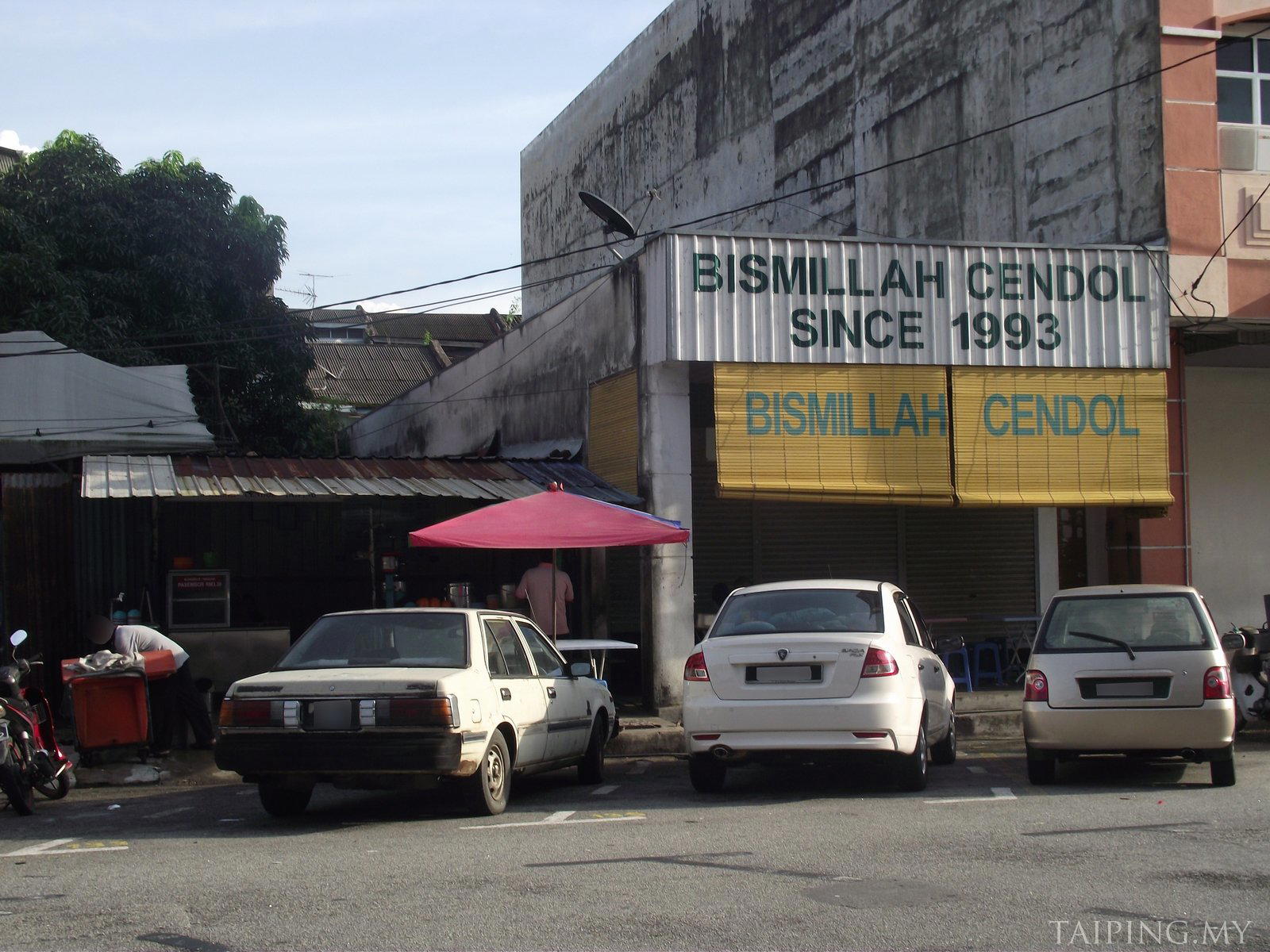
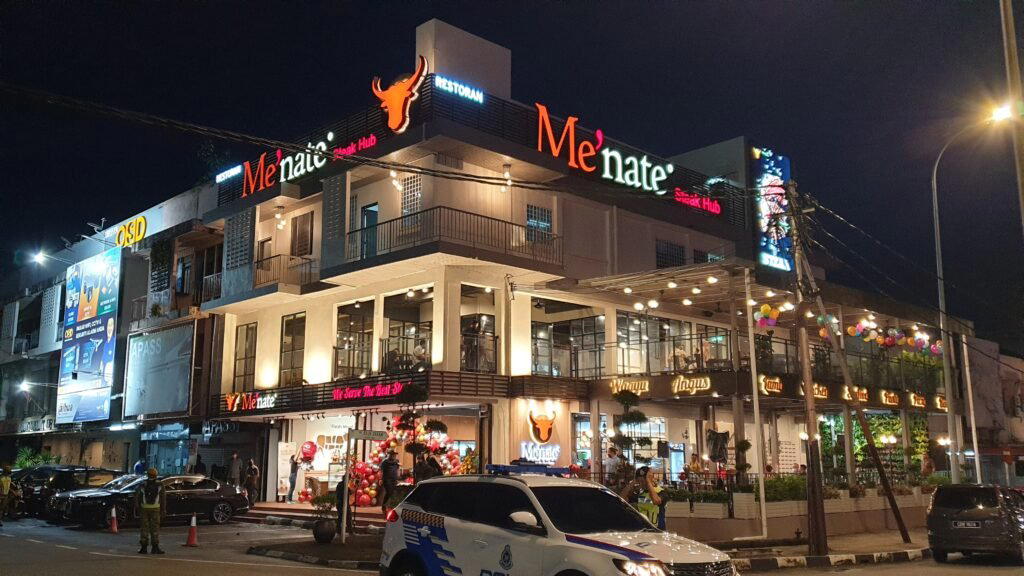

Bars in Taiping
Browse all →
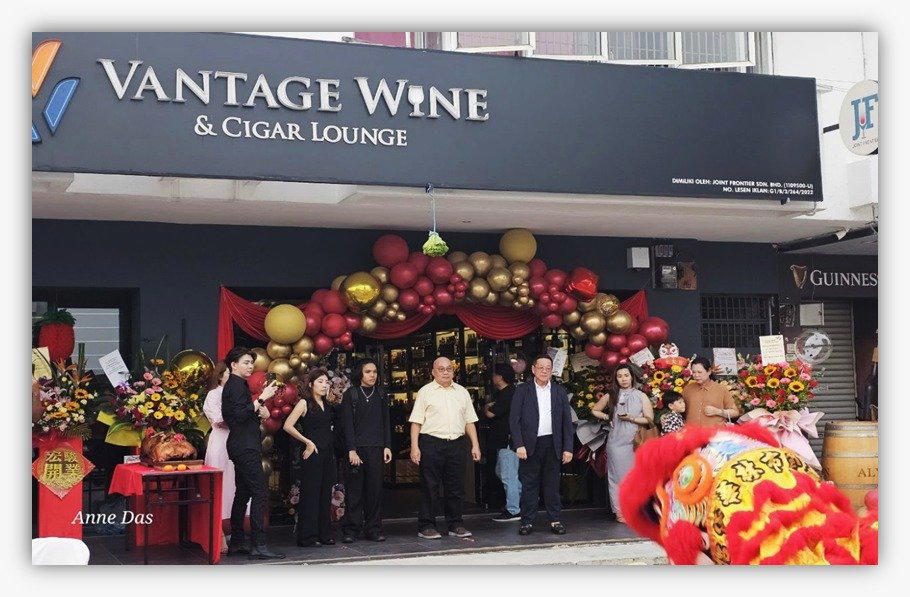
Hotels in Taiping
Browse all →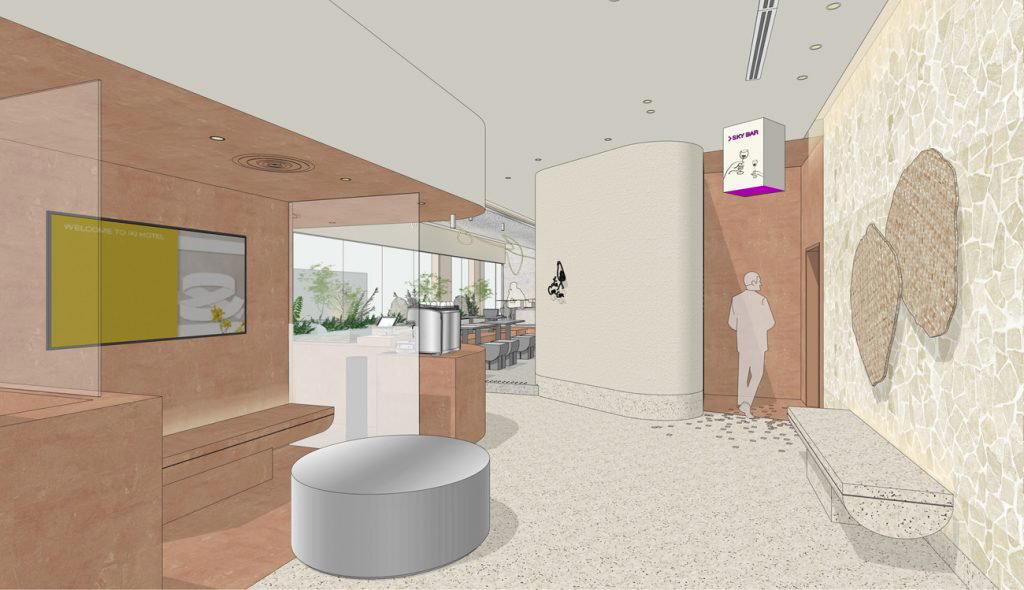
Details
- Classic
- Cozy
- Casual Hangout
- Historic Building
- A La Carte
Current opening hours
- Monday
- 5 AM–3 PM
- Tuesday
- 5 AM–3 PM
- Wednesday
- 5 AM–3 PM
- Thursday
- 5 AM–3 PM
- Friday
- 5 AM–3 PM
- Saturday
- 5 AM–3 PM
- Sunday
- 5 AM–3 PM
Hours can change for holidays and private events. Last verified .
Old-school atmosphere where senior folks mingle over light snacks and tea in a traditional setting.