Kungfu Hotpot Muara Karang sits along the Pluit waterfront corridor in North Jakarta, part of the city's growing Chinese-Indonesian hotpot scene. The Muara Karang address places it within a neighbourhood long associated with Hokkien and Cantonese communities, making it a natural reference point for hotpot in the northern end of the city. Booking details and hours are best confirmed directly before visiting.
Pearl is the En Primeur Club membership app — saves, bookings, and concierge access live there. Same editors, same standards.
- Address
- Jl. Muara Karang Raya No.55 57, RT.13/RW.17, Pluit, Penjaringan, North Jakarta City, Jakarta 14450, Indonesia
- Phone
- +622122674273
- Directions
- Get directions
 Saves & bookings on Pearl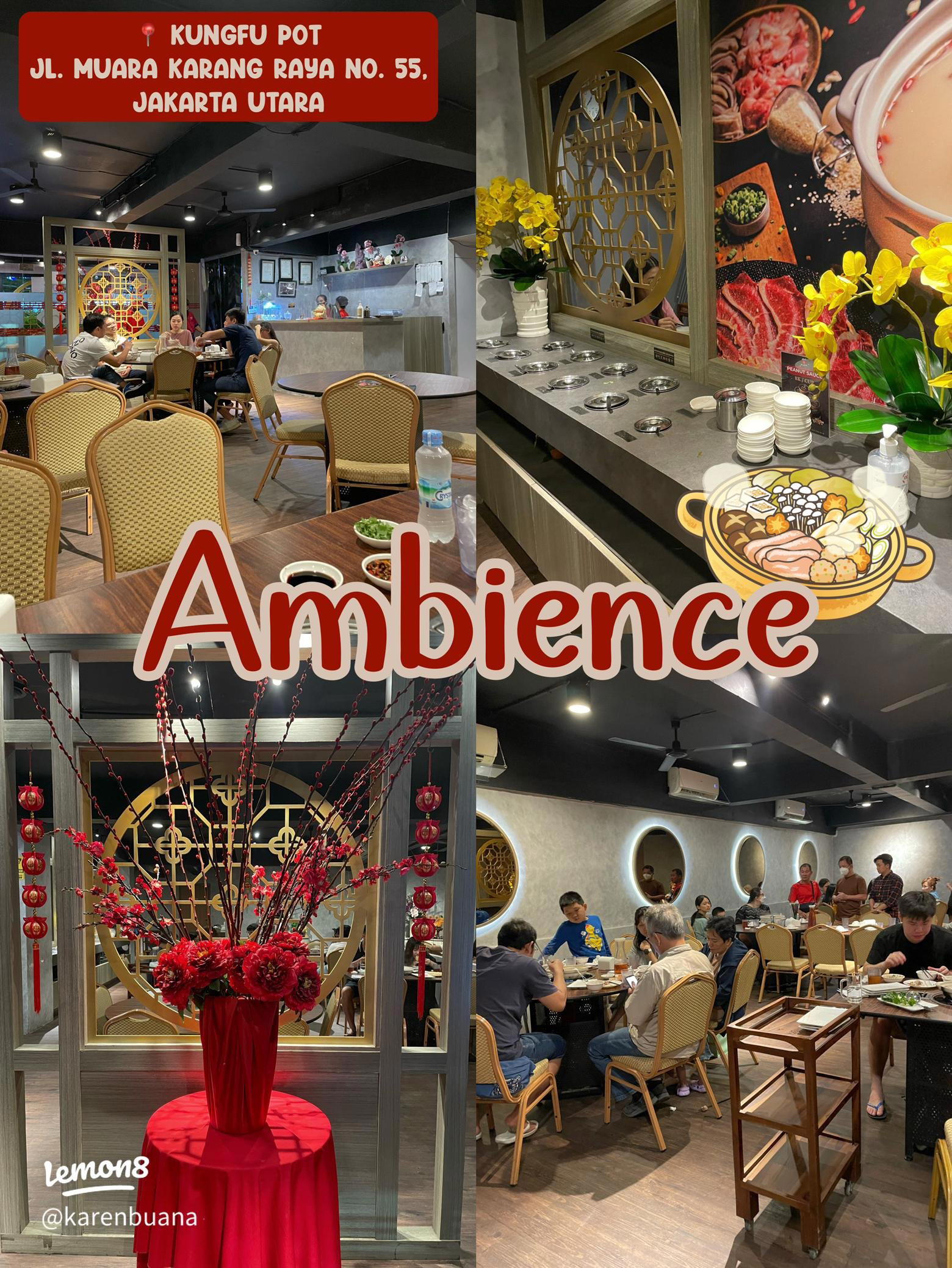
Hotpot in North Jakarta: What the Muara Karang Address Tells You
Jakarta's hotpot scene has developed along two distinct lines in recent years. On one side sit the large mainland Chinese chain entrants: Hai Di Lao in Central Jakarta and Chongqing Liuyishou Hotpot in South Jakarta have both established footholds with standardised service theatrics and engineered broth profiles tuned for volume. On the other side sit neighbourhood-rooted operations that draw on the city's existing Chinese-Indonesian community and serve a more locally inflected version of the format.
Muara Karang sits in Penjaringan, the coastal subdistrict of North Jakarta that has functioned as one of the city's oldest Chinese-Indonesian commercial zones. The area around Jalan Muara Karang Raya is dominated by seafood wholesalers, family-run Chinese restaurants, and the kind of dining culture that prizes ingredient freshness over interior design budgets. A hotpot venue here is not competing with the central business district's polished Chinese dining rooms. It is operating within a tradition of communal, broth-based eating that has been embedded in this part of the city for generations.
The Format and What It Requires of the Room
Hotpot as a format demands a specific kind of service coordination. Unlike à la carte or tasting menu dining, where the kitchen controls pacing entirely, hotpot distributes the cooking process across the table. The front-of-house team carries a heavier operational load than in most restaurant formats: they manage broth temperatures, time the arrival of raw ingredients so nothing waits too long before cooking, and read tables for when dipping sauce components need replenishing. In venues where this coordination breaks down, the meal degrades quickly, overcooked proteins arrive at the table, broth temperatures fluctuate, and the pacing loses coherence.
This is what separates competent hotpot operations from careless ones, and it applies equally to neighbourhood spots and chain flagships. The interaction between whoever manages the floor and the kitchen supplying the raw platters is the engine of the meal. At venues like August, the coordination between kitchen and front-of-house underpins a different dining format, but the underlying logic is similar: service fluency determines whether the food lands as intended.
Broth-Based Dining and the North Jakarta Context
The Chinese-Indonesian communities of North Jakarta have maintained a distinct culinary identity from their counterparts in, say, Glodok or the newer Chinese dining concentrations in Kelapa Gading. Muara Karang's proximity to the fishing port has historically shaped what gets cooked here: seafood enters the supply chain at a shorter distance than in most other parts of the city, and that access influences what ends up in broths and on ingredient platters. A hotpot venue in this postcode has access to raw materials that a central or south Jakarta operation would need to source from further along the supply chain.
That geographical advantage is not distinctive to Kungfu Hotpot, but it is a structural feature of the neighbourhood that any serious hotpot operation here should be exploiting. For the format to work at its leading, the quality of the raw ingredients arriving at the table matters more than the broth alone. Broth sets the flavour baseline, but thinly sliced proteins and fresh seafood cooked tableside are where the meal either delivers or disappoints.
How It Fits Within Jakarta's Wider Dining Map
Jakarta's restaurant scene has grown considerably more stratified over the past decade. At the refined end, venues like Bistecca and Aged + Butchered Jakarta serve a clientele focused on premium proteins in formal settings. In the mid-market Chinese dining space, dim sum specialists like Hwang Fu Dimsum in Tangerang represent a different tradition. Hotpot occupies its own niche: it is inherently communal, inherently interactive, and draws repeat visits in a way that set-menu or à la carte formats do not always sustain.
For reference points further afield, the contrast with globally recognised operations is instructive. The precision kitchens behind Le Bernardin in New York City or the fermentation-led tasting menus at Atomix in New York City represent the opposite end of the format spectrum. Hotpot's appeal is partly that it asks nothing of the diner in terms of decoding a chef's intention, the cooking happens at the table, the choices are the diner's own, and the meal is social by design. That accessibility is not a limitation; it is the format's distinct function.
Elsewhere in Indonesia, venues like Locavore NXT in Ubud and Jungle Fish Bali in Gianyar work within different dining registers, as does Bikini Restaurant Bali in Badung. Jakarta's own range runs from neighbourhood Chinese to modern Indonesian concepts like Kita in Kecamatan Menteng and casual Western formats like Bakerzin Central Park. Hotpot within that map fills a communal dining slot that is difficult to replicate with other formats.
Planning a Visit
Muara Karang is not a drop-in neighbourhood for most Jakarta residents outside North Jakarta. Getting there from the central business district or from Kemang requires navigating the coastal highway system, which can extend journey times considerably during peak hours. Arriving before or after the main dinner rush is the practical approach, North Jakarta's Chinese restaurant culture tends toward early dinner sittings. Kungfu Hotpot Muara Karang is open daily from 11 AM to 9 PM, and reservations are recommended. The address on Jalan Muara Karang Raya No.55 57 in the Pluit area of Penjaringan is the anchor point for planning. For those already exploring the northern part of the city, venues like Abunawas Restaurant represent a different tradition entirely and serve as useful contrast stops on a broader Jakarta dining itinerary.
Booking and Cost Snapshot
Comparable venues nearby, for context on price, style, and recognition.
| Venue | Cuisine | Price | Notes |
|---|---|---|---|
| Kungfu Hotpot Muara KarangThis venue — the venue you are viewing | Ploeit, Chinese Herbal Hotpot | $$ | Not listed |
| Kuo Tieh Santong 68 | Not listed | $ | Pinangsia, Authentic Shandong-Style Kuotieh |
| Pizzeria Cavalese | Pizza | Not listed | Not listed |
| HOLYSTEAK - Senayan City | Gelora, Steakhouse Grill | $$ | Not listed |
| Kam's Roast Indonesia | Gondangdia, Hong Kong Roast Meats | $$$ | Not listed |
| Krispypork Home - Crispy Pork Belly | Kembangan Utara, Pork-Focused Fusion | $$ | Not listed |

At a Glance
- Trendy
- Cozy
- Group Dining
- Casual Hangout
- Family
- Open Kitchen
Current opening hours
- Monday
- 11 AM–9 PM
- Tuesday
- 11 AM–9 PM
- Wednesday
- 11 AM–9 PM
- Thursday
- 11 AM–9 PM
- Friday
- 11 AM–9 PM
- Saturday
- 11 AM–9 PM
- Sunday
- 11 AM–9 PM
Hours can change for holidays and private events. Last verified .
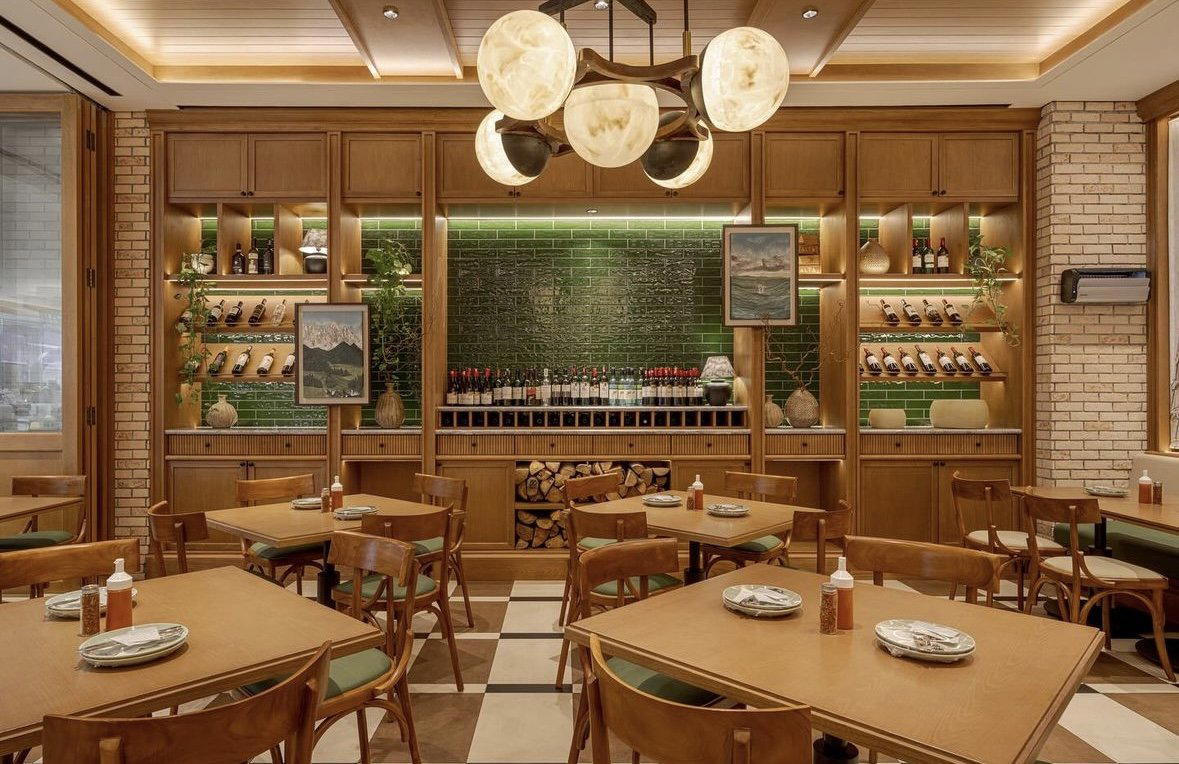
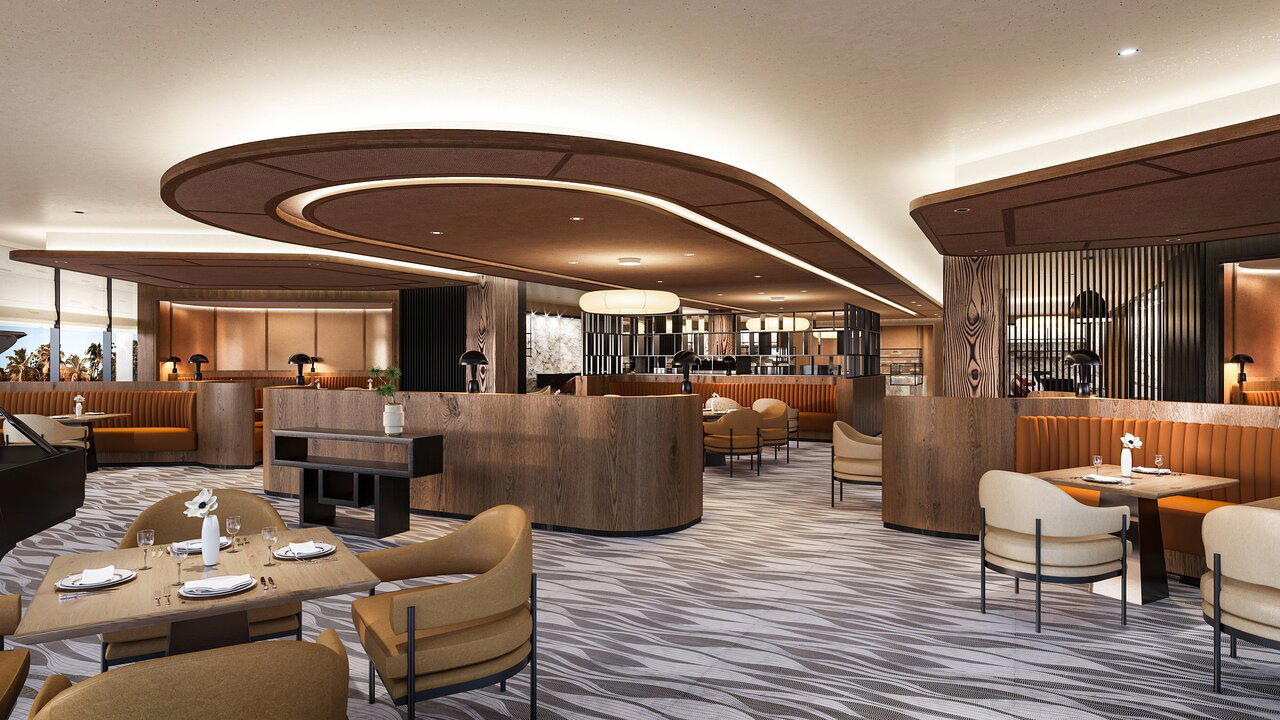
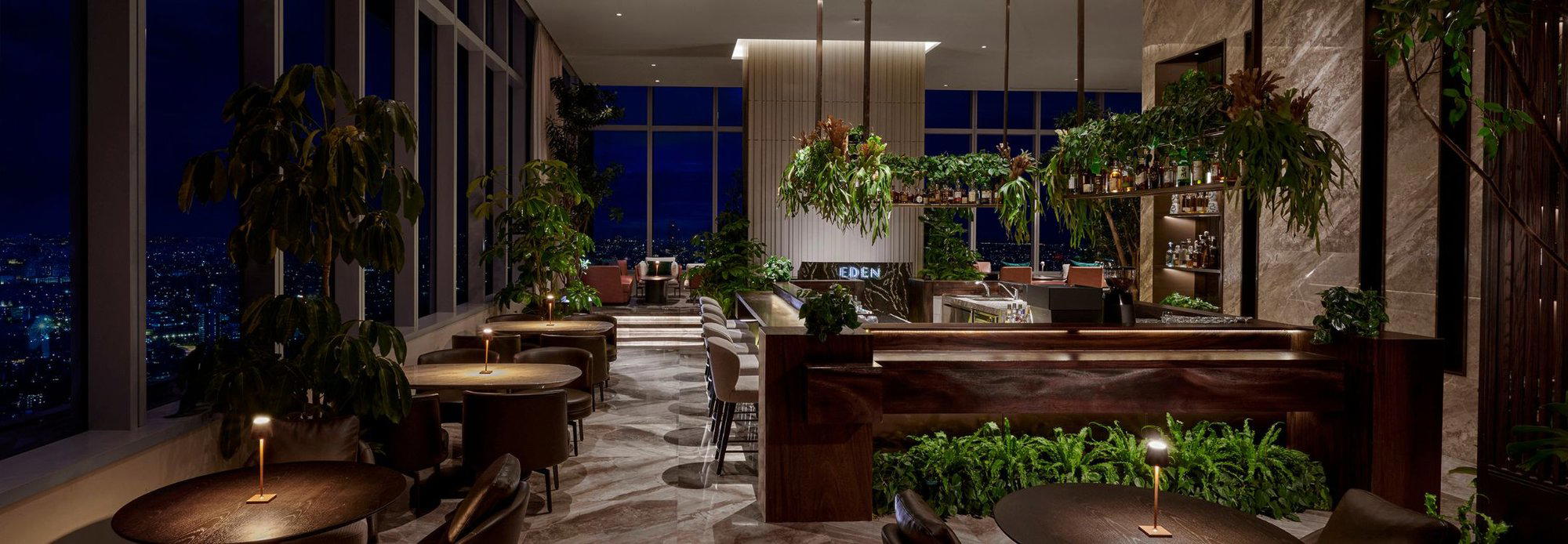
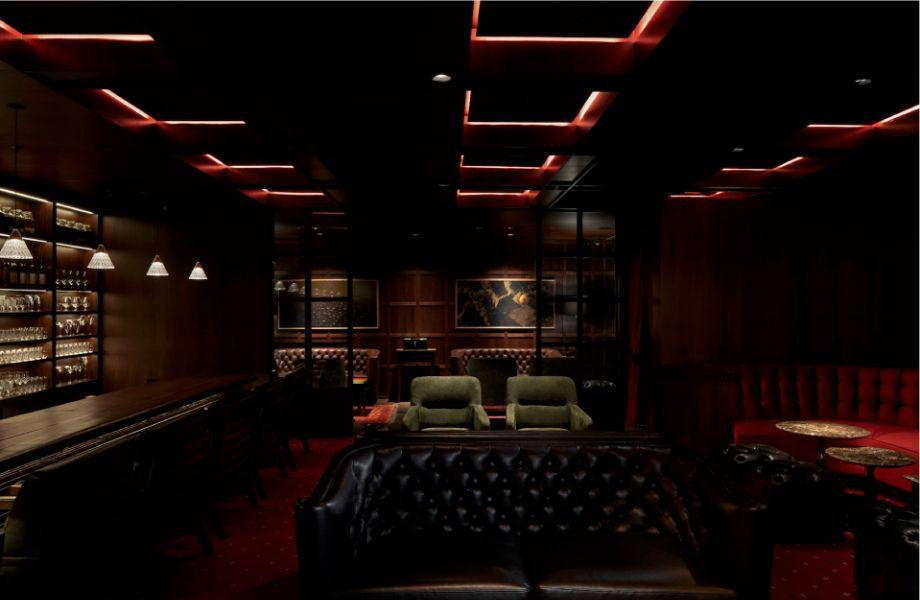
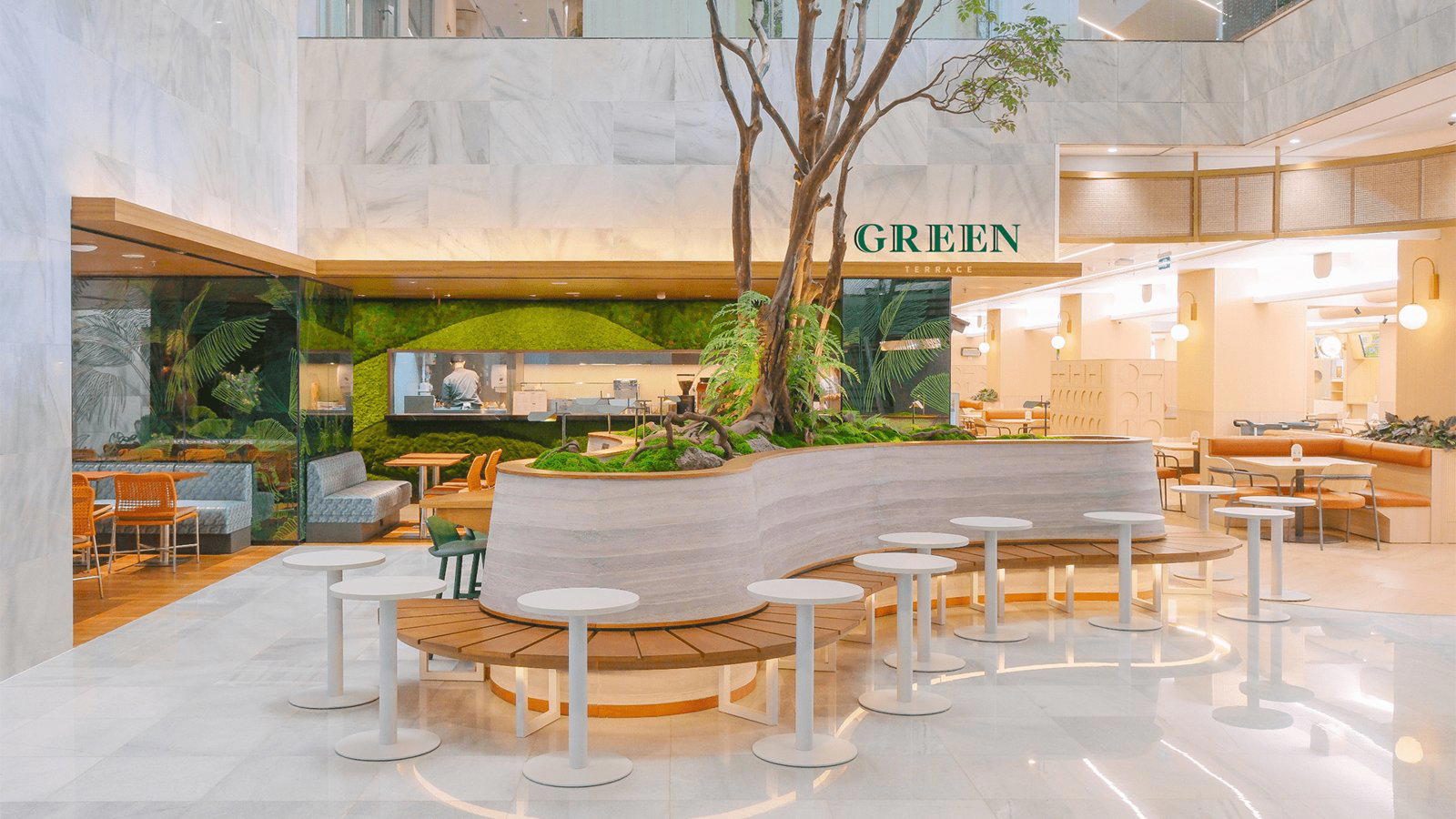
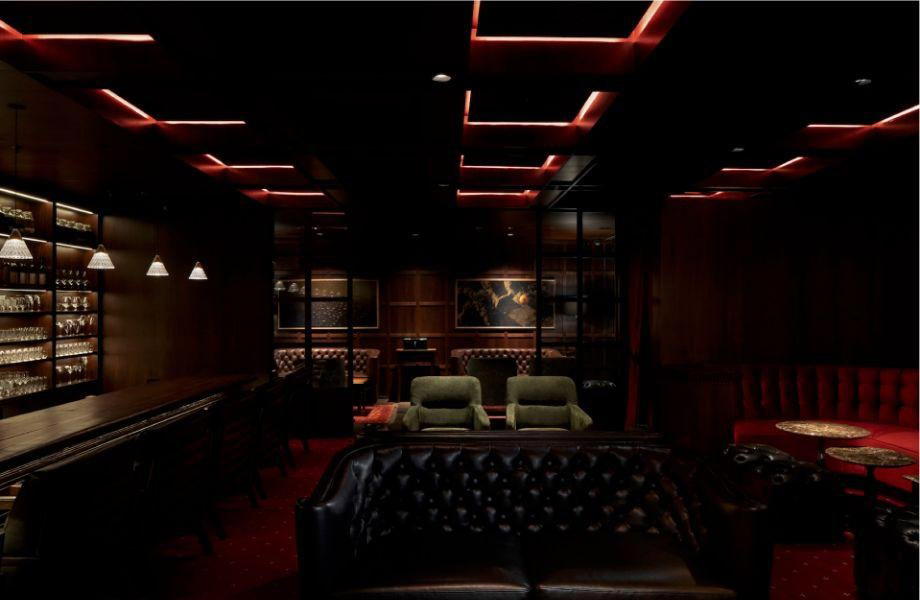
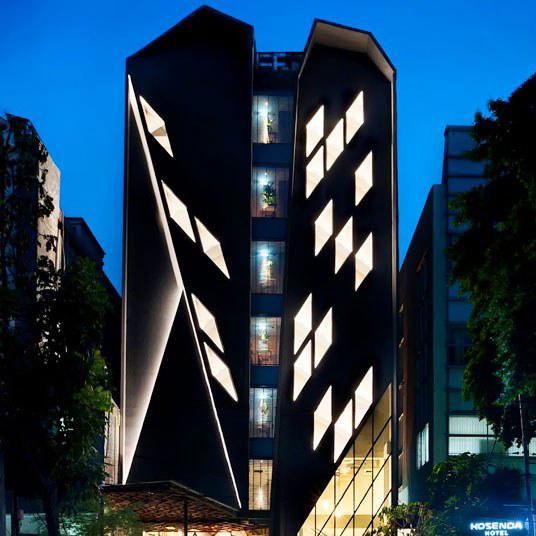
Casual and comfortable atmosphere centered around interactive hotpot dining with nutritious, aromatic herbal broths.