Below Street Level, Above the Noise Jakarta's bar scene has long been sorted by altitude. The rooftop holds the skyline and the crowds; the ground floor holds the lobby bar and the transit drinker. What sits below street level at AYANA Midplaza — the B1 in B1 Bar is a floor designation, not a branding affectation — operates on a different logic. Basement bars in major Asian cities tend to fall into two categories: the speakeasy theatre of hidden doors and dim lighting, or the serious drinking room where the back bar does the talking. B1 Bar belongs closer to the second category, and in a city where most premium beverage programs are built around visibility and volume, that positioning carries weight. The Karet Tengsin address places B1 Bar inside one of Central Jakarta's better-connected hotel corridors. AYANA Midplaza sits along the Sudirman spine, meaning proximity to the central business district without being inside the concentrated SCBD cluster. For the after-work crowd and the hotel guest who wants something quieter than a rooftop bar on a Friday evening, the location is a practical asset rather than a compromise. The Case for a Considered Back Bar In Jakarta's current bar conversation, the premium tier has fragmented. Venues like Loewy occupy a design-led, all-day bistro-bar position. Carrots Bar and Cosmo Pony sit in distinct experiential niches. Modernhaus works a different register again. What ties the better addresses together is a growing seriousness about what's on the shelf. The back bar is no longer a backdrop; in the more deliberate programs, it functions as the primary editorial statement. For a hotel bar operating at the level AYANA Midplaza positions itself, the spirits collection is where credibility is established or lost. The shift in regional luxury bar culture over the past decade has been from signature cocktails as the sole measure of quality toward the depth and rarity of the bottles behind the bar. Aged single malts, allocated Japanese whiskies, and sourced agricole rums now signal the same intention in a bar program that a wine list signals in a serious restaurant. The question a hotel bar at this address needs to answer is whether the collection is assembled with genuine curation or simply populated with the standard luxury-hotel call brands. Hotel Bar as Serious Drinking Room The hotel bar as a format has undergone a broader re-evaluation across Southeast Asia. The properties that have moved the needle, and there are relatively few, have done so by separating the bar program from the hotel's F&B portfolio and treating it as a standalone destination. That means dedicated bar leadership, a spirits acquisition strategy that goes beyond the standard distributor portfolio, and a room design that signals to the drinker that this is not a waiting area with alcohol. Within the Indonesian market specifically, the comparison set for hotel bars with serious spirits programs is smaller than the number of hotels would suggest. Much of the premium volume flows through rooftop venues where the view subsidizes the program. A basement or ground-floor hotel bar has to earn its audience through the quality of what's in the glass, because the visual spectacle is not the draw. That structural constraint, where it produces real discipline in the program, can result in a more interesting drinking experience than the average skyline bar. For context on what the regional bar scene looks like outside Jakarta, the contrast with Bali is instructive. Potato Head Beach Club in Seminyak, The Night Rooster in Ubud, and venues like Mamasan Bali in Banjar Badung all operate in a tourism-driven register where atmosphere and setting carry significant weight. Berawa Village in Badung and Jl. Raya Sebali in Gianyar lean into the same dynamic. Amavi Beach Club in Lombok extends that pattern further east. Jakarta operates in a different register entirely: the audience is primarily resident, professional, and returning, which means the bar program is evaluated across multiple visits rather than a single tourist experience. That repeat-visitor dynamic is one reason why the back bar matters more in Jakarta than in a resort destination. A guest at a beach club is unlikely to interrogate the depth of the allocated bourbon selection. A regular in a Central Jakarta hotel bar will notice, over time, whether the collection evolves, whether rare bottles actually move, and whether the person behind the bar can speak to what's on the shelf with any fluency. These are the signals that build the kind of quiet reputation that hotel bars rarely achieve but that B1 Bar's positioning within AYANA Midplaza makes at least plausible. Planning a Visit B1 Bar sits within AYANA Midplaza Jakarta at the Karet Tengsin address in Tanah Abang, Central Jakarta. The hotel is accessible from the Sudirman corridor, and the basement-level location means the bar operates independently of the street-level hotel traffic. Specific hours, reservation requirements, and current dress code are best confirmed directly with AYANA Midplaza, as the hotel's front desk will have current operational details. For those building an evening around the broader Jakarta bar circuit, the venue's proximity to the Sudirman and SCBD axes makes it a workable anchor or endpoint. For the wider city picture, our full Jakarta restaurants guide maps the current scene across neighbourhoods and formats. And for an international point of comparison on what a hotel-adjacent bar with serious spirits ambitions can look like, Café La Trova in Miami offers a useful reference in a different hemisphere. Frequently Asked Questions What's the vibe at B1 Bar?The basement-level address at AYANA Midplaza separates B1 Bar from Jakarta's rooftop-dominated premium tier. The room operates at a lower volume than the city's more theatrical bar formats, making it more suited to conversation and considered drinking than to spectacle. For a city where the premium bar scene frequently prioritises altitude and views, a below-street-level venue with hotel infrastructure behind it occupies a quieter, more deliberate position. Those coming from a rooftop program like those common across the SCBD will find the register markedly different.What do regulars order at B1 Bar? However, the editorial angle that frames B1 Bar through its spirits collection and back bar depth suggests that the stronger orders are likely drawn from the whisky and spirits selection rather than from any particular house cocktail. In hotel bars at this positioning within the Indonesian market, the returning guest who engages with the spirits shelf typically has more to work with than the occasional visitor ordering from the standard cocktail list. Asking the bartender to walk through the allocated or aged spirits on the back bar is generally the most productive approach in a program built around curation.Is B1 Bar worth visiting if you're already staying at a different hotel in Central Jakarta?For drinkers whose primary interest is the quality of what's in the glass rather than a hotel loyalty stay, B1 Bar's position within AYANA Midplaza is an asset rather than a barrier. Hotel bars in Jakarta's premium tier are generally accessible to non-guests, and the Tanah Abang address is well-connected to the broader Sudirman corridor. The bar's basement-level format and spirits-focused positioning give it a distinct identity relative to the standard hotel lobby bar, which makes it a reasonable destination visit for those tracking the city's serious drinking rooms.

Pearl is the En Primeur Club membership app — saves, bookings, and concierge access live there. Same editors, same standards.
- Address
- AYANA Midplaza Jakarta, RT.10/RW.11, Karet Tengsin, Tanah Abang, Central Jakarta City, Jakarta 10220, Indonesia
- Phone
- +62212510888
- Hours
- Mon ClosedTue–Sat 5 PM–2 AMSun Closed
- Website
- ayana.com
- Directions
- Get directions
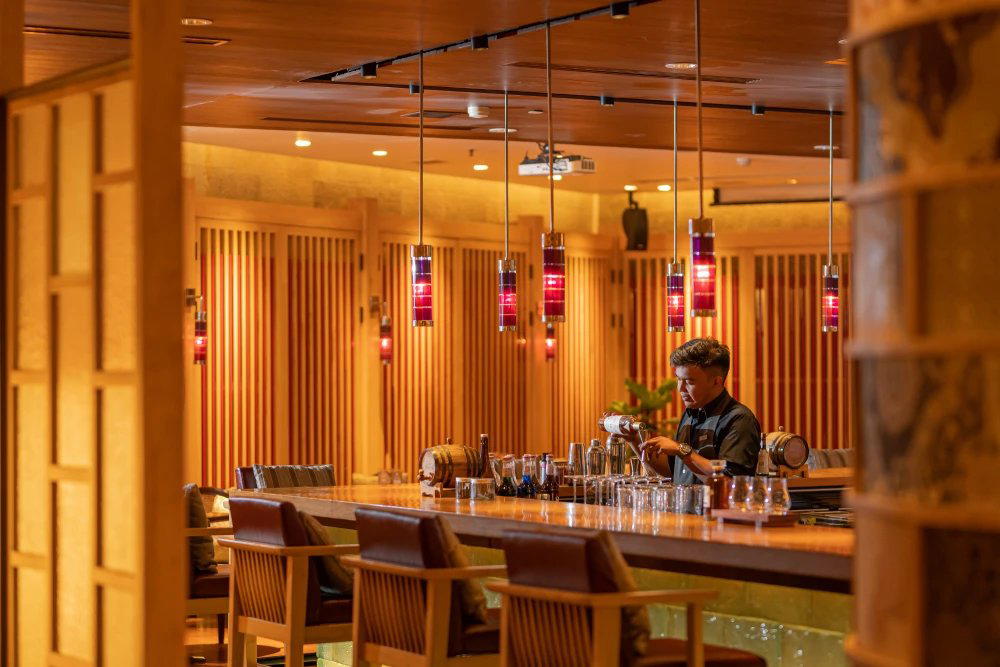
Below Street Level, Above the Noise
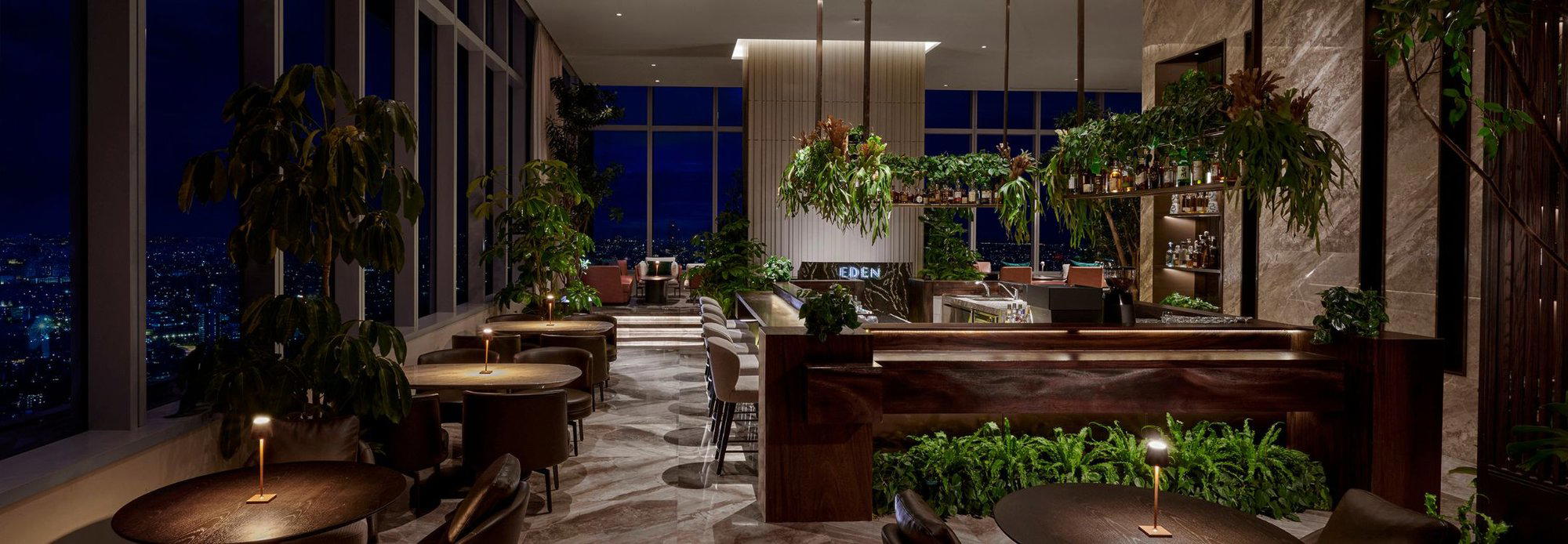
Jakarta's bar scene has long been sorted by altitude. The rooftop holds the skyline and the crowds; the ground floor holds the lobby bar and the transit drinker. What sits below street level at AYANA Midplaza — the B1 in B1 Bar is a floor designation, not a branding affectation — operates on a different logic. Basement bars in major Asian cities tend to fall into two categories: the speakeasy theatre of hidden doors and dim lighting, or the serious drinking room where the back bar does the talking. B1 Bar belongs closer to the second category, and in a city where most premium beverage programs are built around visibility and volume, that positioning carries weight.
The Karet Tengsin address places B1 Bar inside one of Central Jakarta's better-connected hotel corridors. AYANA Midplaza sits along the Sudirman spine, meaning proximity to the central business district without being inside the concentrated SCBD cluster. For the after-work crowd and the hotel guest who wants something quieter than a rooftop bar on a Friday evening, the location is a practical asset rather than a compromise.
The Case for a Considered Back Bar
In Jakarta's current bar conversation, the premium tier has fragmented. Venues like Loewy occupy a design-led, all-day bistro-bar position. Carrots Bar and Cosmo Pony sit in distinct experiential niches. Modernhaus works a different register again. What ties the better addresses together is a growing seriousness about what's on the shelf. The back bar is no longer a backdrop; in the more deliberate programs, it functions as the primary editorial statement.
For a hotel bar operating at the level AYANA Midplaza positions itself, the spirits collection is where credibility is established or lost. The shift in regional luxury bar culture over the past decade has been from signature cocktails as the sole measure of quality toward the depth and rarity of the bottles behind the bar. Aged single malts, allocated Japanese whiskies, and sourced agricole rums now signal the same intention in a bar program that a wine list signals in a serious restaurant. The question a hotel bar at this address needs to answer is whether the collection is assembled with genuine curation or simply populated with the standard luxury-hotel call brands.
Hotel Bar as Serious Drinking Room
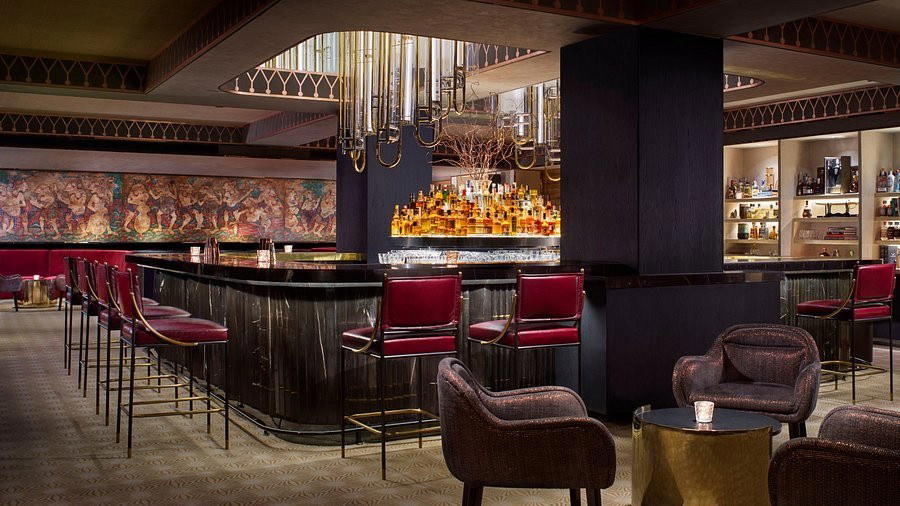
The hotel bar as a format has undergone a broader re-evaluation across Southeast Asia. The properties that have moved the needle, and there are relatively few, have done so by separating the bar program from the hotel's F&B portfolio and treating it as a standalone destination. That means dedicated bar leadership, a spirits acquisition strategy that goes beyond the standard distributor portfolio, and a room design that signals to the drinker that this is not a waiting area with alcohol.
Within the Indonesian market specifically, the comparison set for hotel bars with serious spirits programs is smaller than the number of hotels would suggest. Much of the premium volume flows through rooftop venues where the view subsidizes the program. A basement or ground-floor hotel bar has to earn its audience through the quality of what's in the glass, because the visual spectacle is not the draw. That structural constraint, where it produces real discipline in the program, can result in a more interesting drinking experience than the average skyline bar.
For context on what the regional bar scene looks like outside Jakarta, the contrast with Bali is instructive. Potato Head Beach Club in Seminyak, The Night Rooster in Ubud, and venues like Mamasan Bali in Banjar Badung all operate in a tourism-driven register where atmosphere and setting carry significant weight. Berawa Village in Badung and Jl. Raya Sebali in Gianyar lean into the same dynamic. Amavi Beach Club in Lombok extends that pattern further east. Jakarta operates in a different register entirely: the audience is primarily resident, professional, and returning, which means the bar program is evaluated across multiple visits rather than a single tourist experience.
That repeat-visitor dynamic is one reason why the back bar matters more in Jakarta than in a resort destination. A guest at a beach club is unlikely to interrogate the depth of the allocated bourbon selection. A regular in a Central Jakarta hotel bar will notice, over time, whether the collection evolves, whether rare bottles actually move, and whether the person behind the bar can speak to what's on the shelf with any fluency. These are the signals that build the kind of quiet reputation that hotel bars rarely achieve but that B1 Bar's positioning within AYANA Midplaza makes at least plausible.
Planning a Visit
B1 Bar sits within AYANA Midplaza Jakarta at the Karet Tengsin address in Tanah Abang, Central Jakarta. The hotel is accessible from the Sudirman corridor, and the basement-level location means the bar operates independently of the street-level hotel traffic. Specific hours, reservation requirements, and current dress code are best confirmed directly with AYANA Midplaza, as the hotel's front desk will have current operational details. For those building an evening around the broader Jakarta bar circuit, the venue's proximity to the Sudirman and SCBD axes makes it a workable anchor or endpoint. For the wider city picture, our full Jakarta restaurants guide maps the current scene across neighbourhoods and formats. And for an international point of comparison on what a hotel-adjacent bar with serious spirits ambitions can look like, Café La Trova in Miami offers a useful reference in a different hemisphere.
B1 Bar
The drinks
- Craft cocktails
- Classic cocktails
Signature drinks: Sakura Sour, Umeshu Tini, Tenjaku Whisky on the Rocks, Gin & Tonic.
Details
- Lively
- Modern
- Trendy
- Sophisticated
- Energetic
- After Work
- Late Night
- Group Outing
- Casual Hangout
- Celebration
- Hotel Bar
- Design Destination
- Lounge Seating
- Booth Seating
- Craft Cocktails
- Classic Cocktails
- Whiskey
- Gin
- Sake
Current opening hours
- Monday
- Closed
- Tuesday
- 5 PM–2 AM
- Wednesday
- 5 PM–2 AM
- Thursday
- 5 PM–2 AM
- Friday
- 5 PM–2 AM
- Saturday
- 5 PM–2 AM
- Sunday
- Closed
Hours can change for holidays and private events. Last verified .
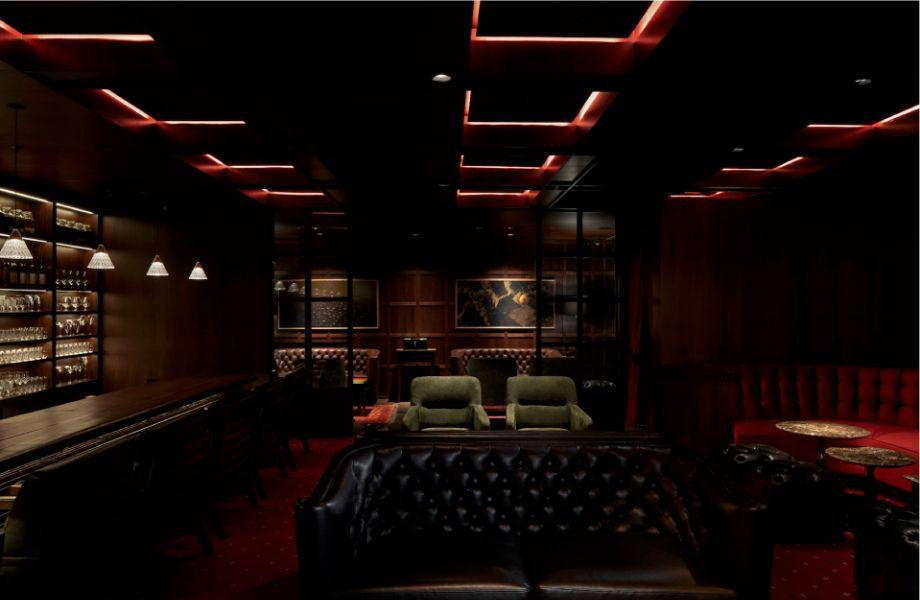
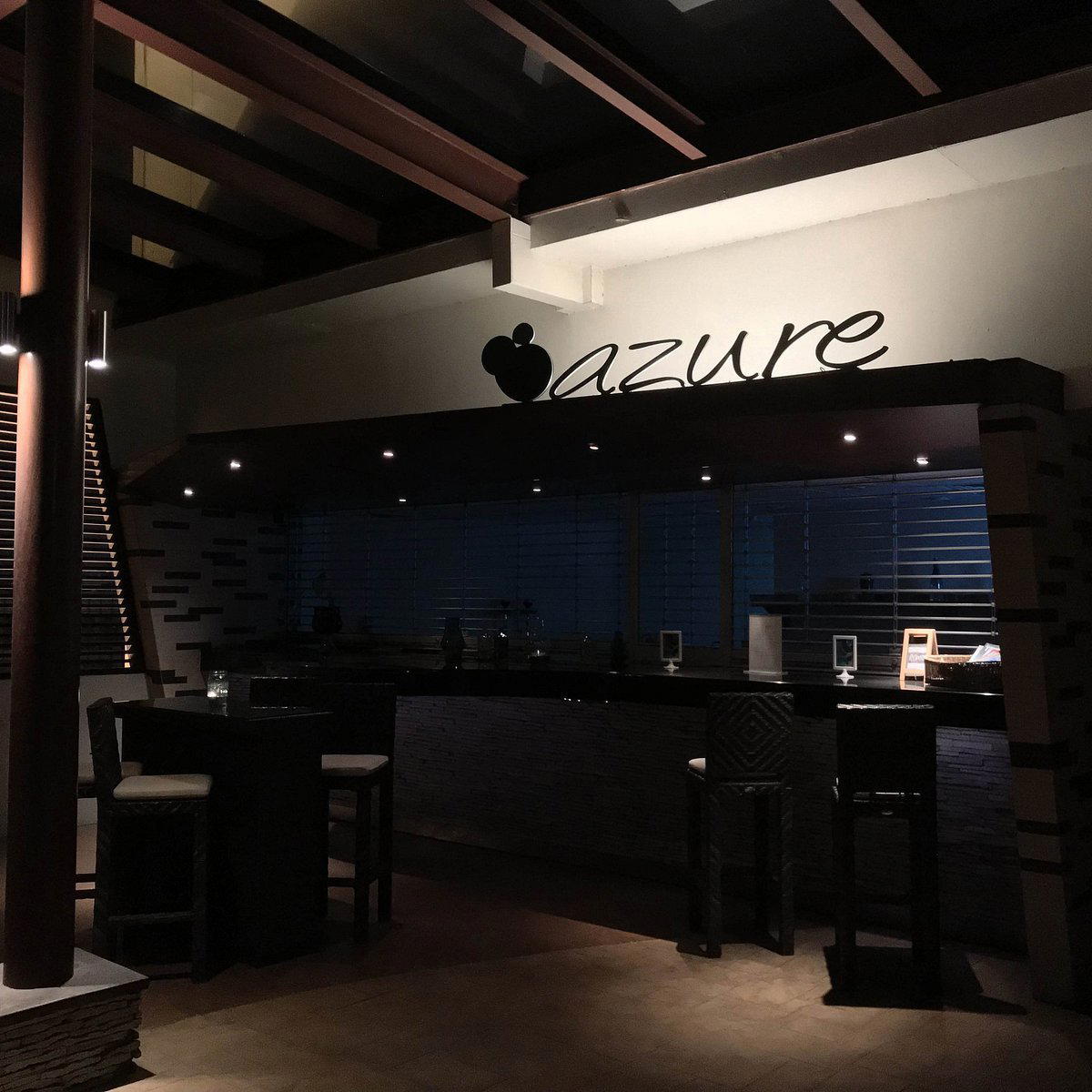
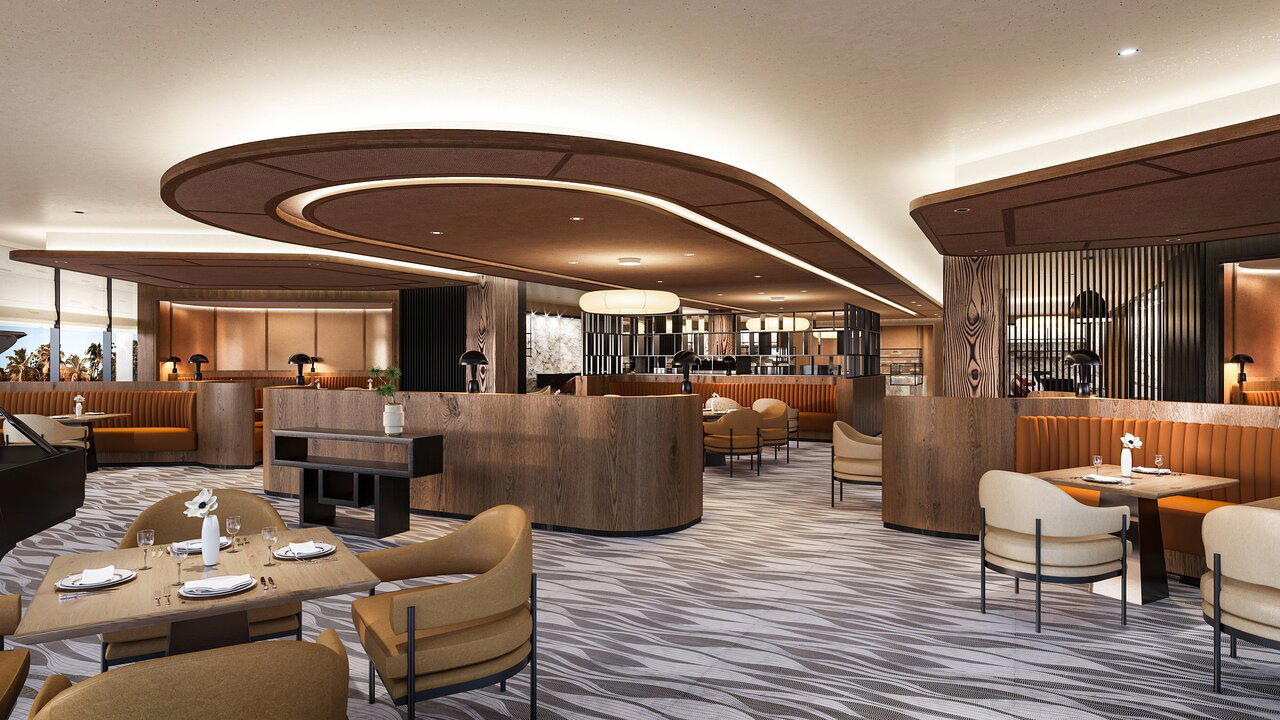
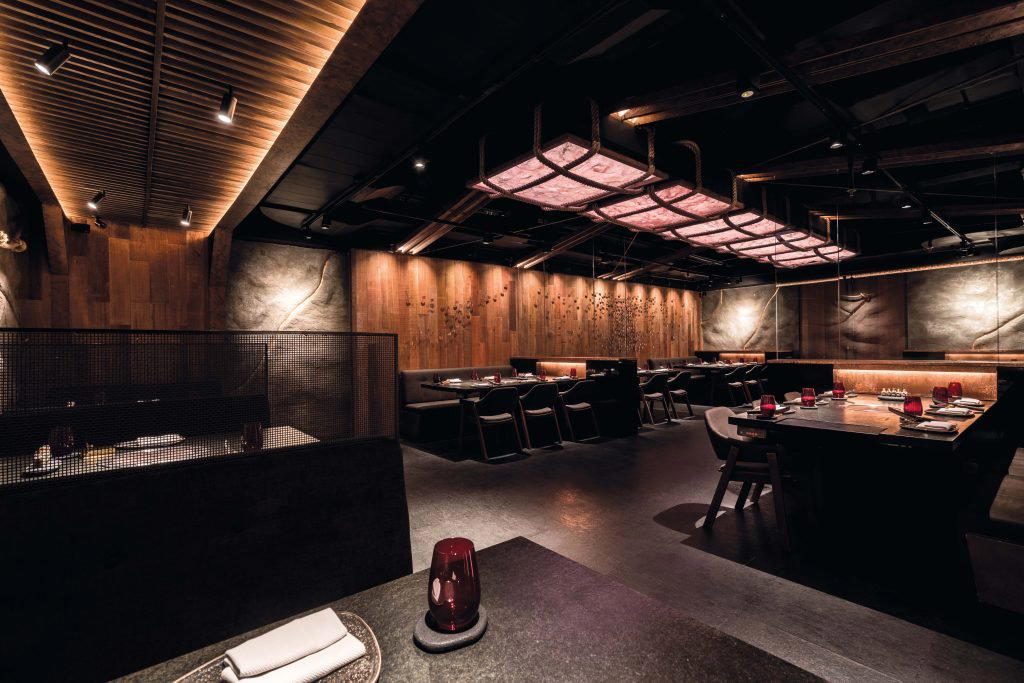
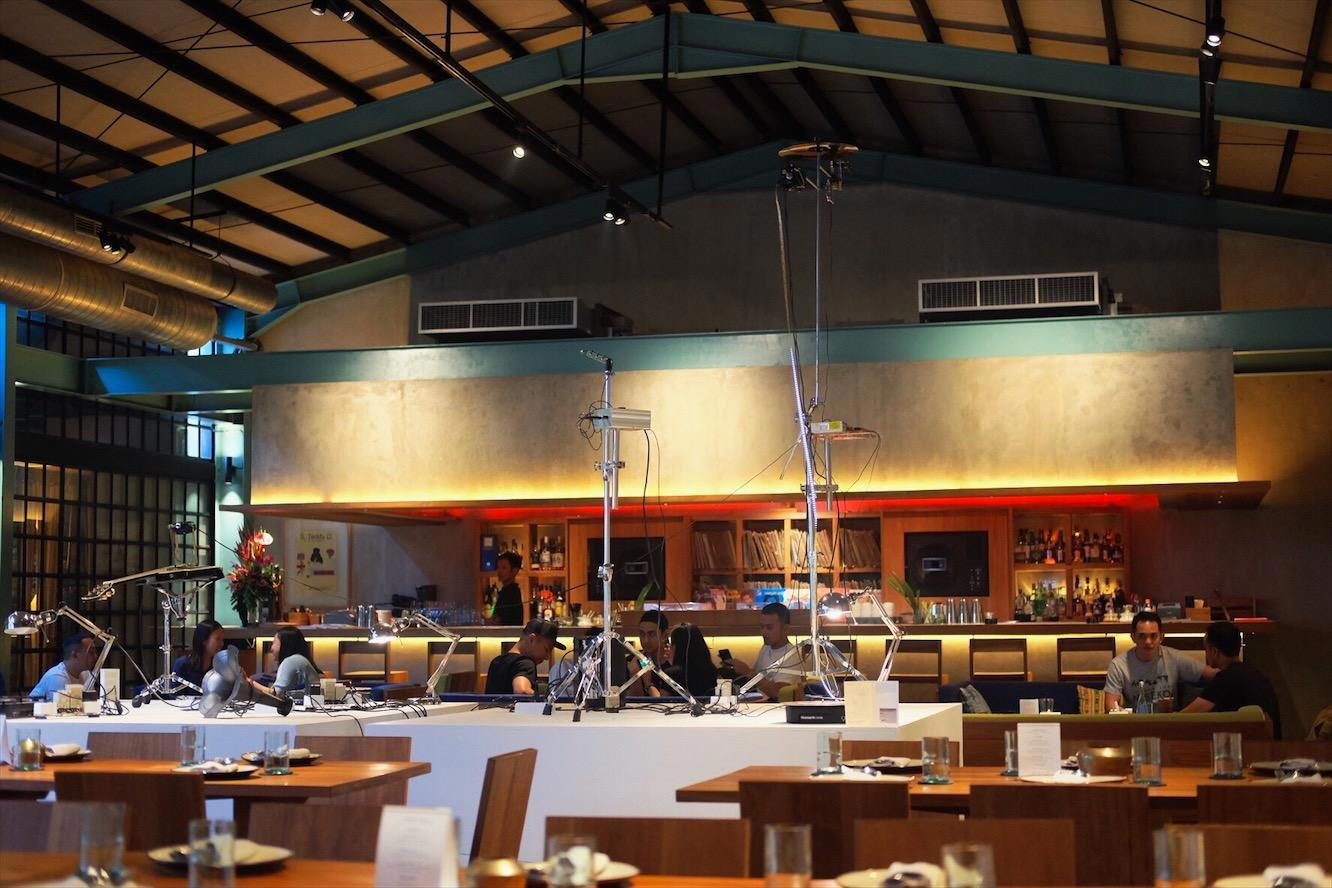
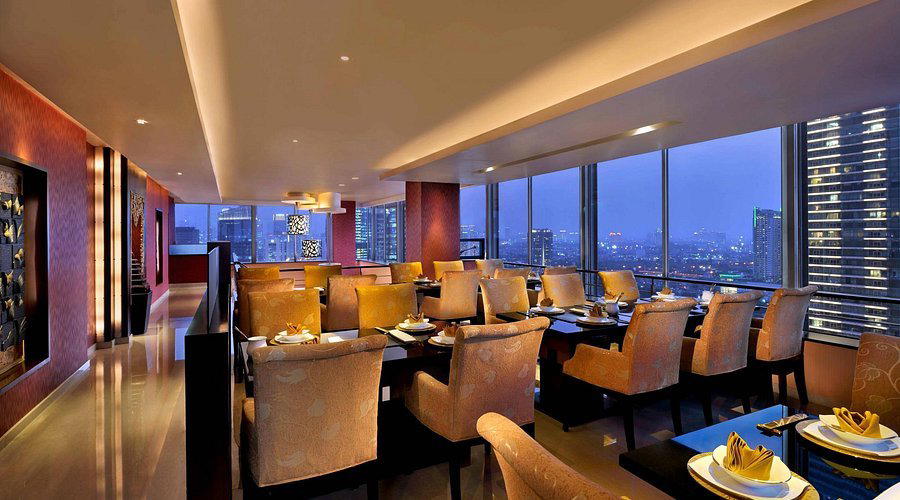
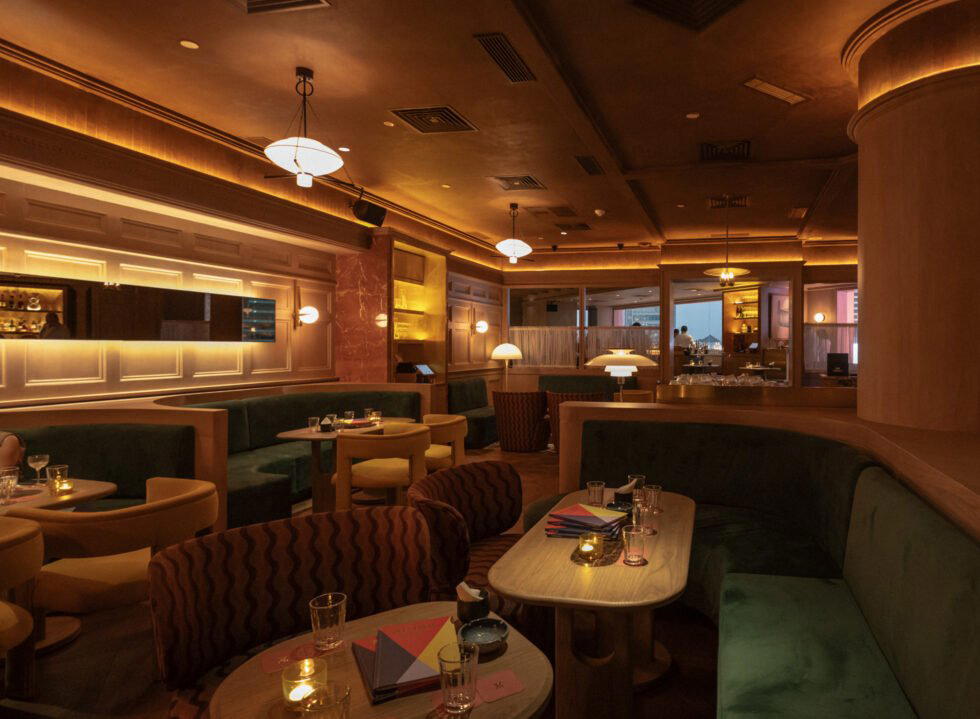
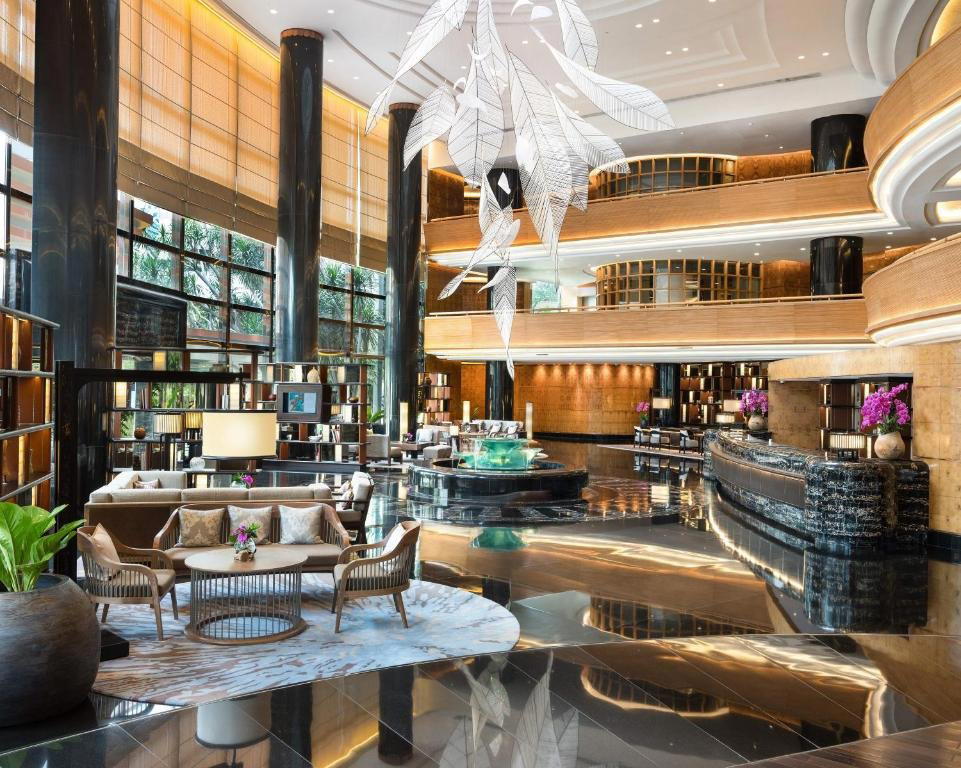
Lively after-dark lounge atmosphere with karaoke, rotating playlists, and a warm Japanese-inspired interior using teak, bamboo, plush seating, and designer lighting.