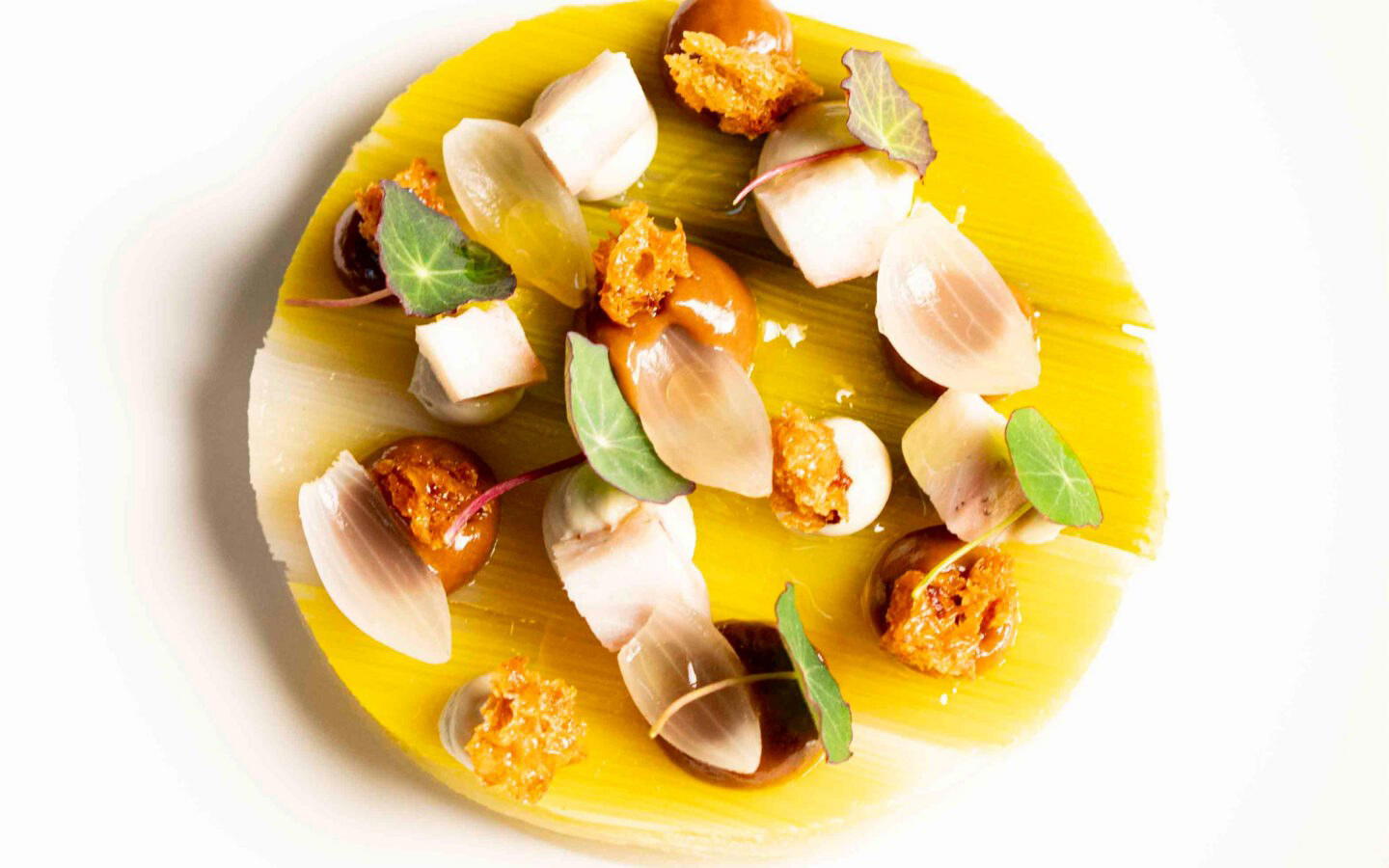
Our verdict
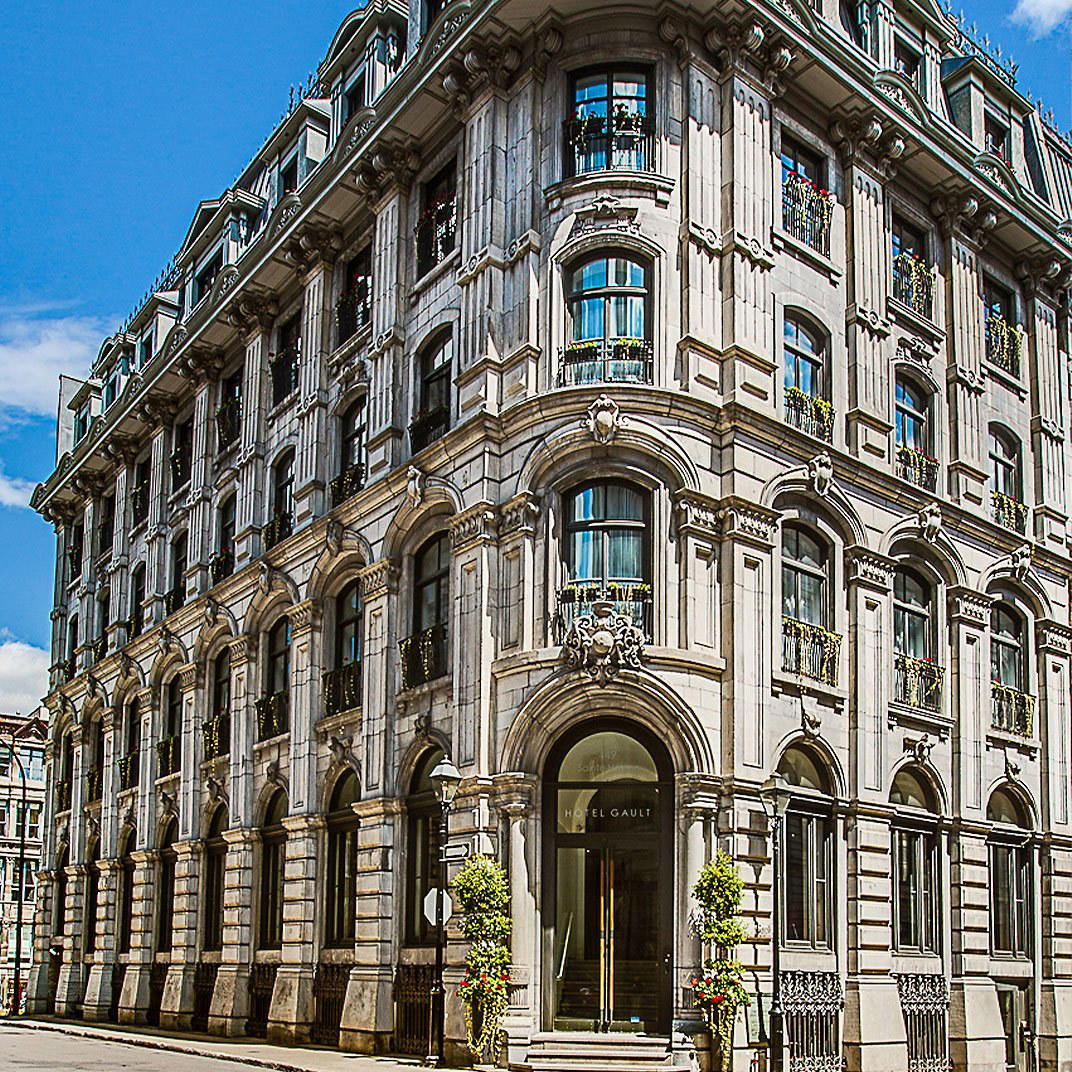
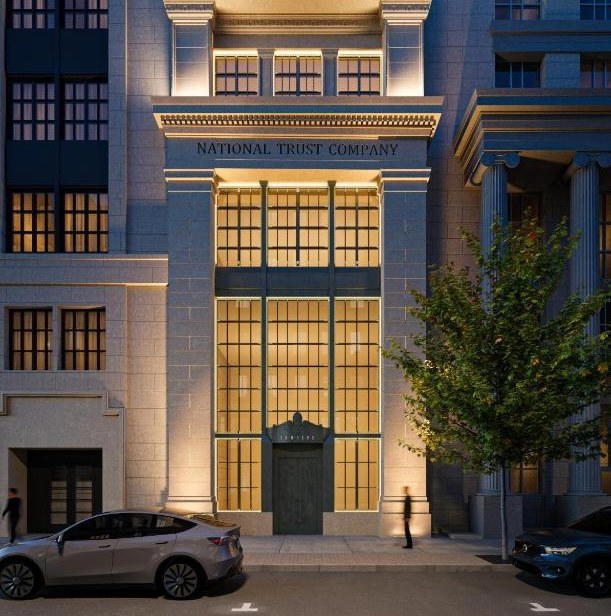
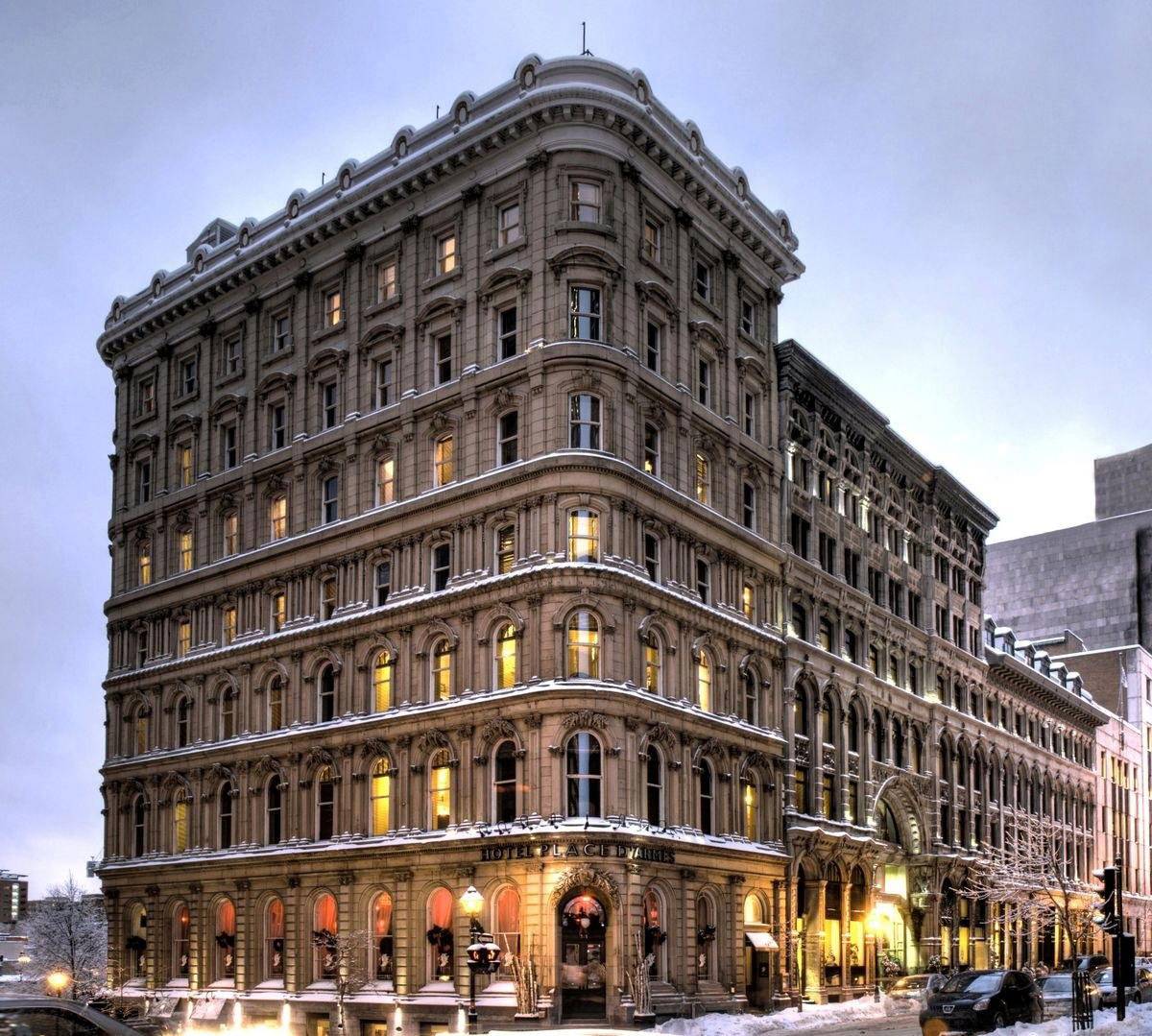
HÀ Vieux-Montréal occupies a heritage address at 600 William Street, in the southwestern corner of Old Montreal where the neighbourhood's stone-and-brick grain shifts from tourist circuit to working quarter.

Pearl is the En Primeur Club membership app — saves, bookings, and concierge access live there. Same editors, same standards.
The menu
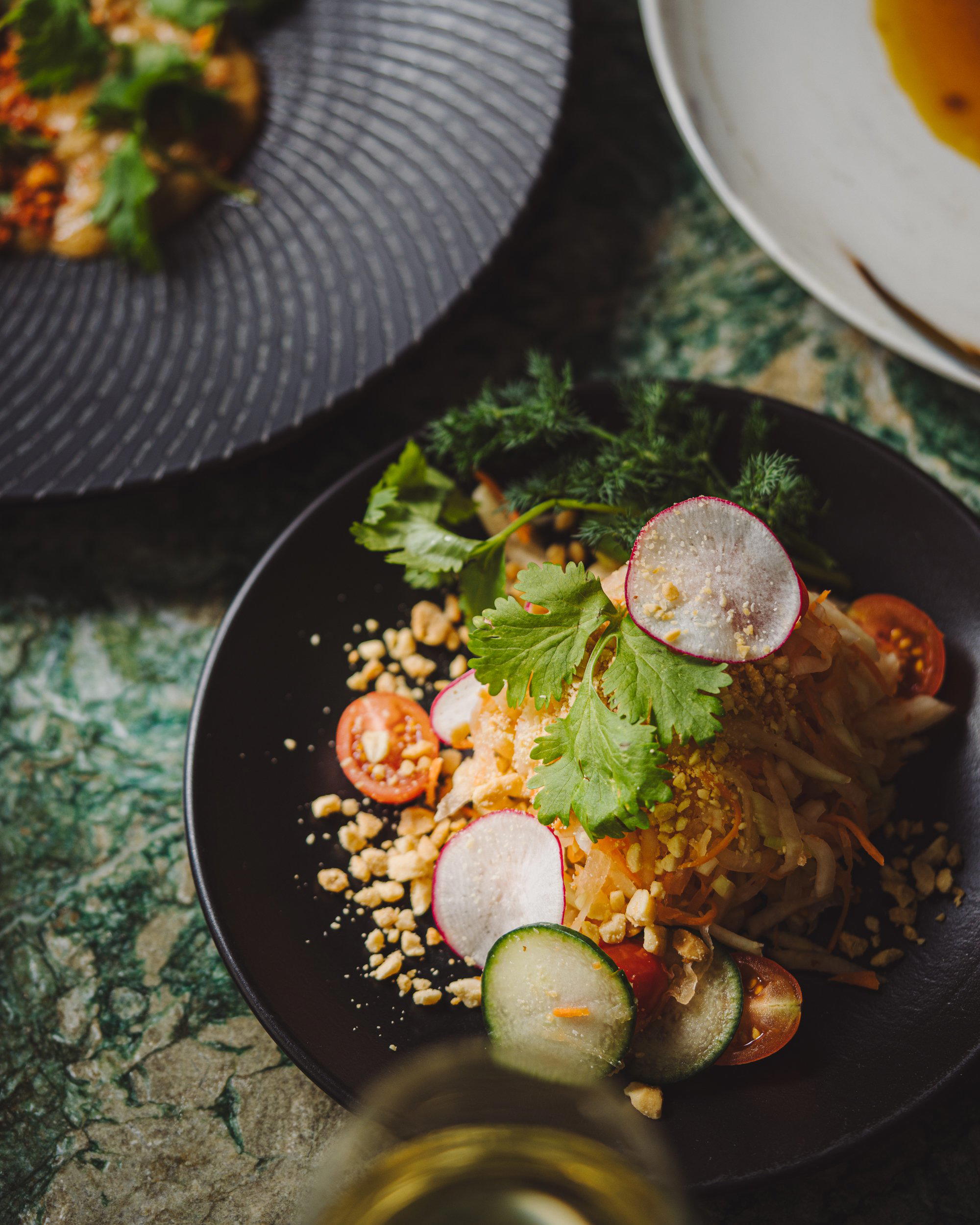
What to order
- Crab buns
- Fried broccoli
- Pad thai
- Grilled lemongrass chicken skewers
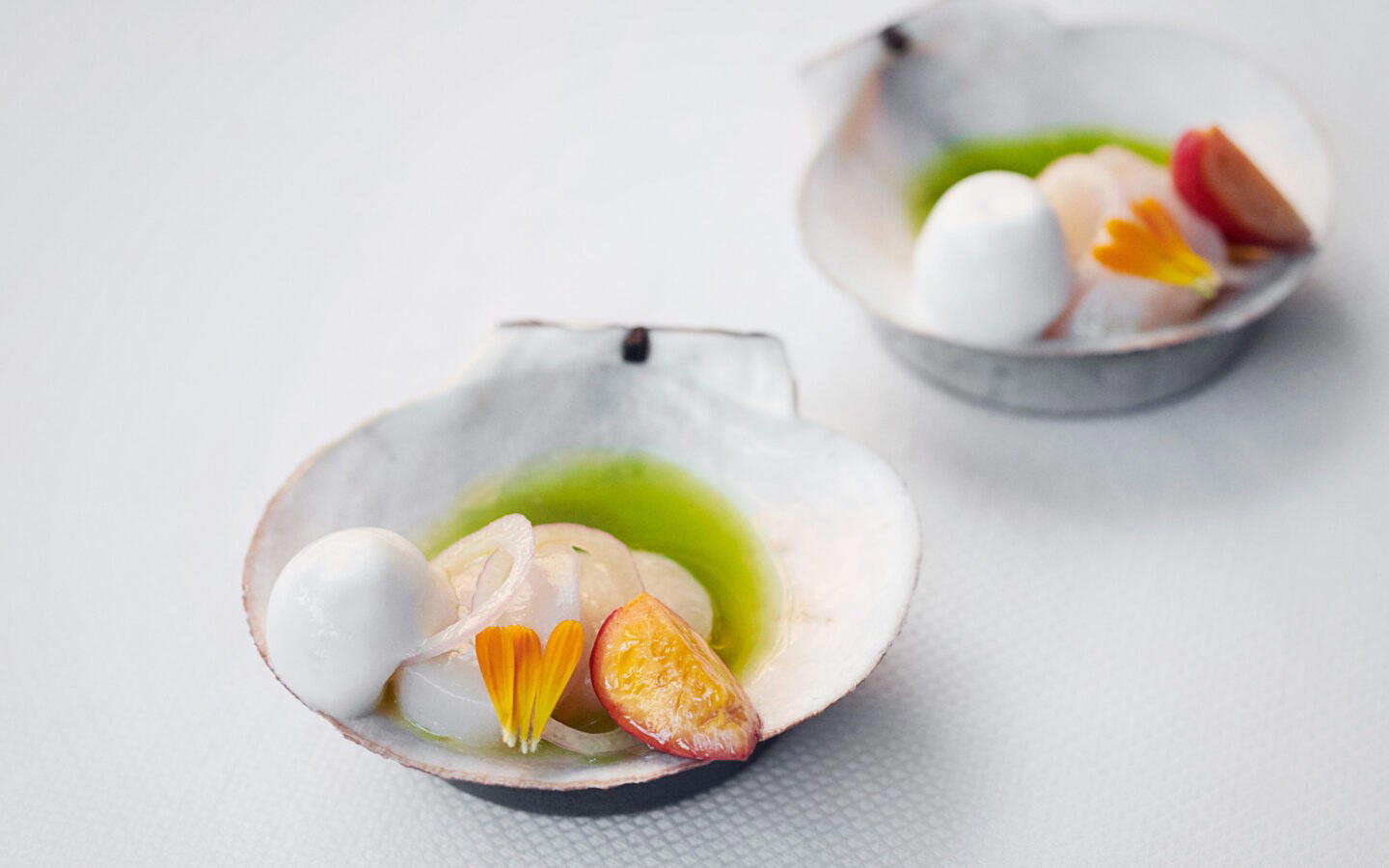
- Mahi mahi crudo
Old Montreal's Southern Edge and What It Tells You About a Restaurant
Most visitors to Vieux-Montréal arrive from the east, through the Place Jacques-Cartier corridor or along the waterfront, where the neighbourhood performs its most photogenic version of itself. The stretch around William Street, at the district's southwestern limit, is a different proposition: wider streets, lower tourist density, and a built fabric that mixes converted warehouses with the kind of institutional stone that predates Confederation. Restaurants that establish themselves here are not trading on foot traffic. They are making a deliberate argument about destination dining.
HÀ Vieux-Montréal, at 600 William Street, sits in that context. The address places it at a remove from the saturated restaurant blocks closer to Notre-Dame Basilica, which means the decision to dine here is rarely accidental. That geographic fact shapes the experience before you have touched a menu: the crowd is self-selecting, the atmosphere less transient, and the kitchen can reasonably assume a guest who came with intention.
The Neighbourhood's Culinary Register
Old Montreal as a dining district has historically leaned French, which makes structural sense given the city's culinary inheritance. The heavy-hitter tier, exemplified by Jérôme Ferrer - Europea operating at the top of the modern cuisine bracket, and the steady midfield of Mastard and Sabayon, reflects a Montreal-wide pattern in which French technique remains the dominant grammar even when kitchens are nominally doing something else.
Vietnamese cooking enters that register differently. It carries its own technical logic, one built around broth clarity, herb-driven freshness, and a different relationship to acidity than the butter-and-reduction school that still anchors much of Vieux-Montréal's fine dining. A Vietnamese restaurant in this particular neighbourhood is not just a change of cuisine type; it is a statement about which traditions the city is now willing to treat as fine-dining material and on whose terms. Montreal's restaurant scene has been moving in this direction for over a decade, with Southeast Asian and Middle Eastern kitchens gaining serious critical attention alongside more established French-lineage establishments like 3 Pierres 1 Feu and Abu el zulof. HÀ's placement in Old Montreal, rather than the Plateau or Mile End, where much of this diversification has happened, is a significant positioning choice.
Heritage Architecture and the Physical Experience
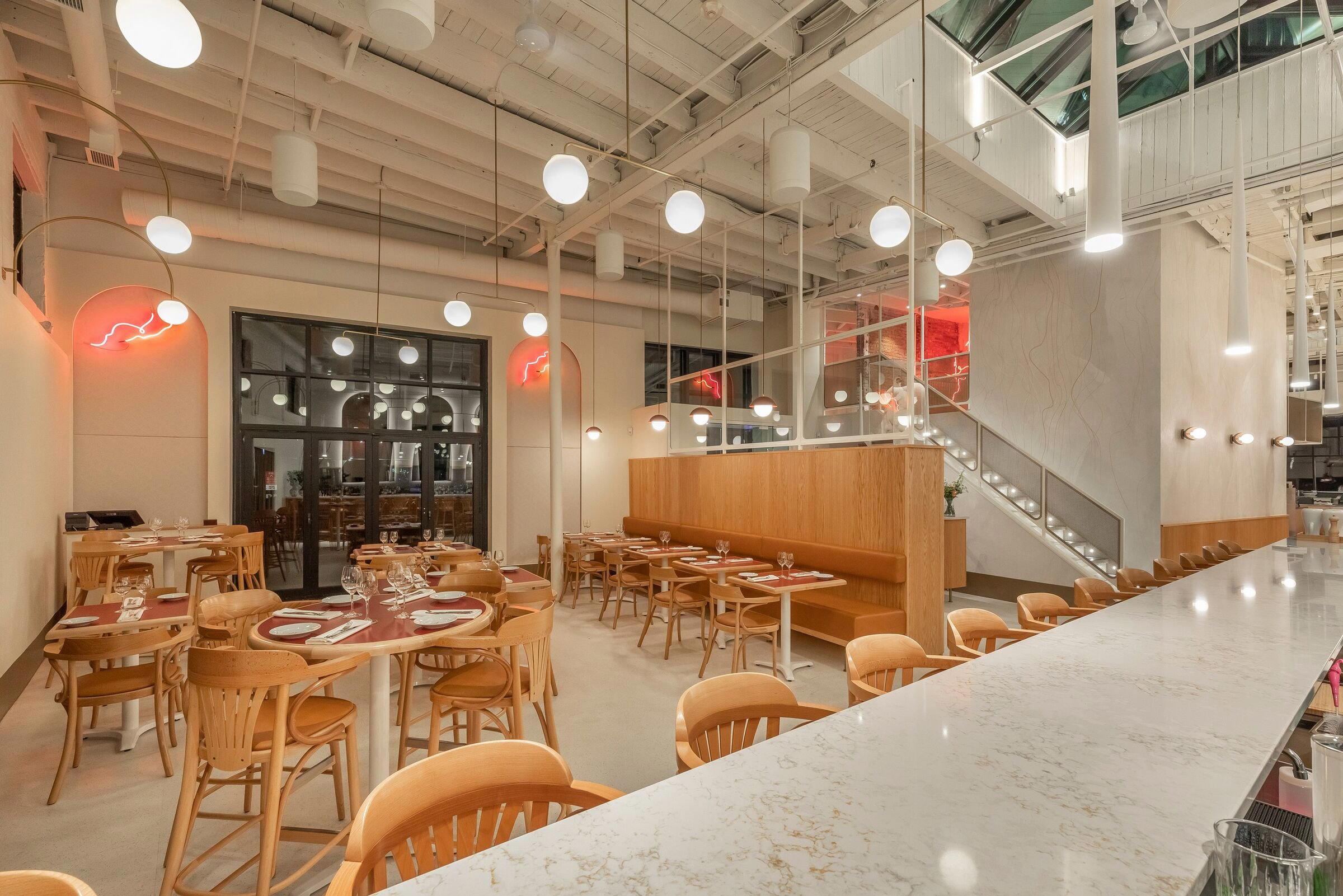
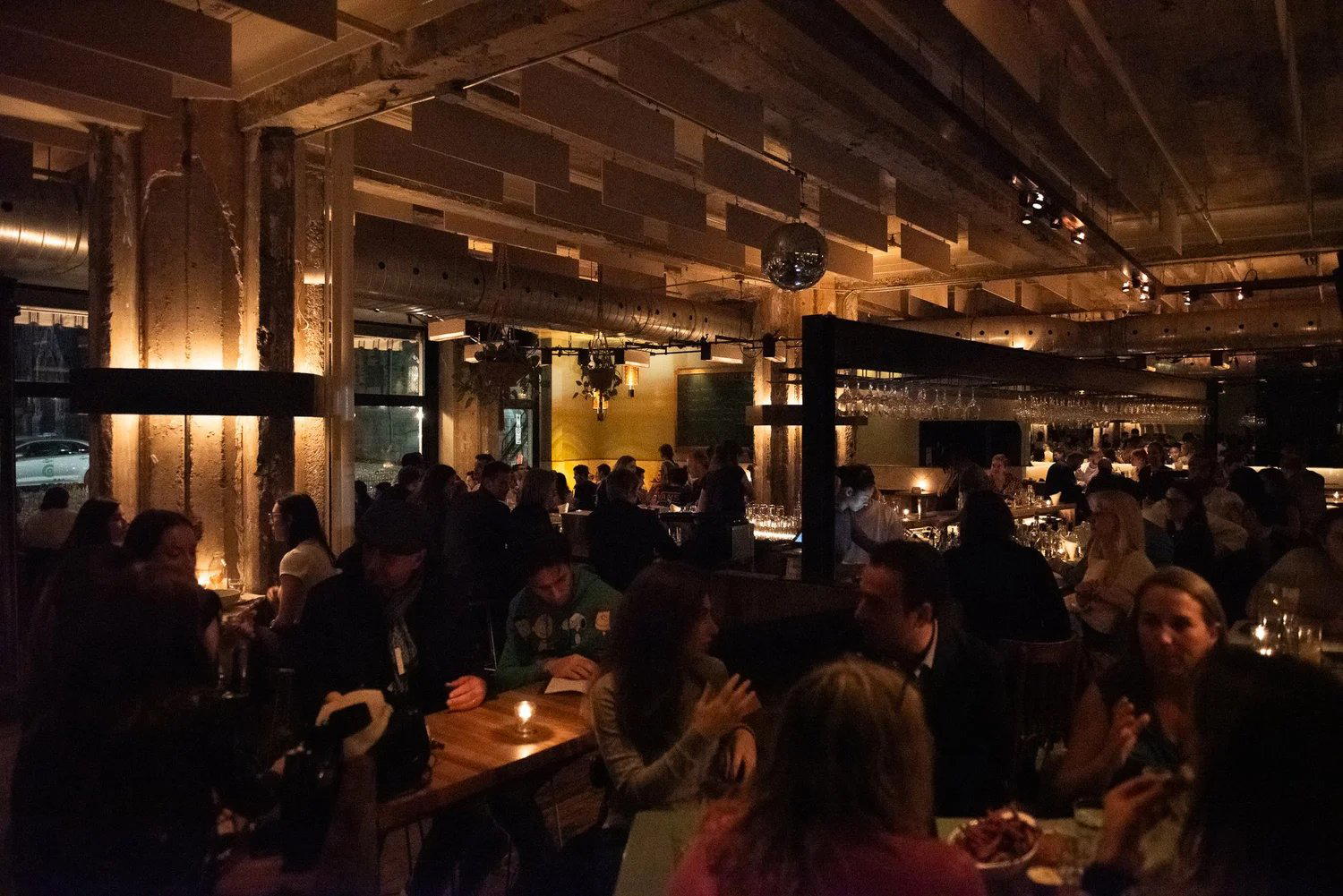
The building stock along William Street reflects the area's industrial and commercial history. At this address, the physical envelope matters as much as what happens inside it: Old Montreal's heritage zoning means the bones of any interior are determined by 19th-century masonry, exposed beam work, and window proportions that contemporary fit-outs can only work with, never against. For a Vietnamese kitchen, that architectural context creates an interesting tension. The minimalism and lightness associated with Vietnamese design sensibility — the pale wood, the open sight lines, the absence of clutter — reads differently inside a thick-walled Québécois stone structure than it would in a glass-and-steel build. The contrast, when handled well, produces something that neither tradition could achieve alone.
Where HÀ Sits in the Broader Canadian Fine Dining Conversation
Canadian fine dining has been renegotiating its identity over the past decade. The country's most discussed restaurants now span a wider range of culinary traditions and geographic contexts than they did in 2015. Alo in Toronto and Tanière³ in Quebec City anchor the French-technique end of that spectrum, while kitchens in Vancouver, exemplified by AnnaLena, have moved toward Pacific-influenced tasting menus. Regional outliers like Narval in Rimouski, Restaurant Pearl Morissette in Lincoln, The Pine in Creemore, and Eigensinn Farm in Singhampton suggest that serious cooking is no longer confined to major urban centres. Into that context, a Vietnamese dining room in Old Montreal is not an anomaly. It is a logical continuation of a national trend in which non-European kitchens are claiming the formats and price points previously reserved for French-derived cooking.
The comparison holds internationally, too. New York's Le Bernardin and Atomix represent two poles of that same debate in a more mature market: the endurance of classical European fine dining on one side, and the validation of non-Western culinary traditions within fine-dining formats on the other. Montreal, with its particular mix of French legal and cultural infrastructure and a large Vietnamese diaspora population, is an especially interesting city in which to watch that negotiation play out.
Planning Your Visit
HÀ Vieux-Montréal is located at 600 William Street in the southwestern section of Old Montreal, a part of the district that rewards arriving on foot from the adjacent Griffintown neighbourhood or via the Bonaventure metro station, a ten-to-fifteen minute walk depending on your pace. Because this corner of Vieux-Montréal is less saturated with restaurants than the blocks closer to the waterfront, the restaurant draws a more local-leaning clientele than venues positioned along the tourist spine. Booking ahead is advisable for weekend sittings; mid-week tends to offer more flexibility. For context on the wider Montreal restaurant scene and peer-set comparison, see our full Montreal restaurants guide. Diners interested in other points of the city's culinary history might also consider Aux Anciens Canadiens in Quebec City for traditional Québécois cooking, a useful frame of reference for understanding how far Montreal's dining culture has expanded from its roots.
Frequently asked questions
What's the address for HÀ Vieux-Montréal?
HÀ Vieux-Montréal is located at 600 William St, Montreal, Quebec H3C 1N6, Canada, Montreal.
Is HÀ Vieux-Montréal a good fit for a special occasion dinner in Old Montreal?
The combination of Vietnamese fine dining execution and a heritage building on William Street in Vieux-Montréal makes HÀ a considered choice for occasion dining in Montreal, particularly for guests who want something outside the French bistro template that dominates the district. The southwestern section of Old Montreal is quieter than the Place Jacques-Cartier corridor, which suits a dinner that doesn't compete with street-level noise. Confirming reservation availability and any set menu format directly with the venue is recommended before planning around a specific date.
What's the must-try dish at HÀ Vieux-Montréal?
What the 600 William Street address and the restaurant's Vietnamese fine dining positioning suggest is a kitchen working with precision across both technique and ingredient sourcing.
How hard is it to get a table at HÀ Vieux-Montréal?
HÀ occupies a quieter stretch of Old Montreal's southwestern edge on William Street, a section of Vieux-Montréal that draws a more deliberate dining crowd rather than walk-in traffic. That positioning tends to reward advance planning: contacting the restaurant directly before your visit to Montreal is advisable, particularly for weekend sittings when the neighbourhood's foot traffic increases.
What do critics highlight about HÀ Vieux-Montréal?
HÀ has drawn attention within Montreal's fine dining conversation for placing Vietnamese culinary sensibility inside the heritage architecture of Old Montreal, a combination that sits outside the district's traditionally French-dominant register. Critics and food writers covering the Canadian dining scene have noted the restaurant's positioning on William Street as part of a broader shift in what Vieux-Montréal's dining identity now encompasses.
Cuisine and Awards Snapshot
Comparable venues nearby, for context on price, style, and recognition.
| Venue | Cuisine | Price | Notes |
|---|---|---|---|
| HÀ Vieux-MontréalThis venue — the venue you are viewing | Vietnamese & Laotian Street Food | $20–30 | Not listed |
| El mida | Authentic Tunisian & Mediterranean | $20–30 | Milton-Parc |
| Garage Beirut | Authentic Lebanese | $20–30 | Golden Square Mile |
| Barrio | Authentic Mexican Taqueria | $20–30 | Quartier des Spectacles |
| Wienstein & Gavino's | Classic Italian Pasta House | $30–50 | Golden Square Mile |
| Mauvais Garçons | Modern Fusion Tapas | $30–50 | Petit Bourgogne |