Guu Davie on Vancouver's West End strip is part of the Guu izakaya group that helped establish Japanese tavern culture as a dining staple in the city. The format sits between casual and deliberate: shared plates, high-volume atmosphere, and a menu structured around the izakaya tradition of drinking and grazing. For the neighbourhood, it remains a consistent anchor in a stretch of Davie Street that has seen considerable dining turnover.
Pearl is the En Primeur Club membership app — saves, bookings, and concierge access live there. Same editors, same standards.
- Address
- 1239 Davie St, Vancouver, BC V6E 1N3, Canada
- Phone
- +16046878890
- Website
- guu-izakaya.com
- Directions
- Get directions
 Saves & bookings on Pearl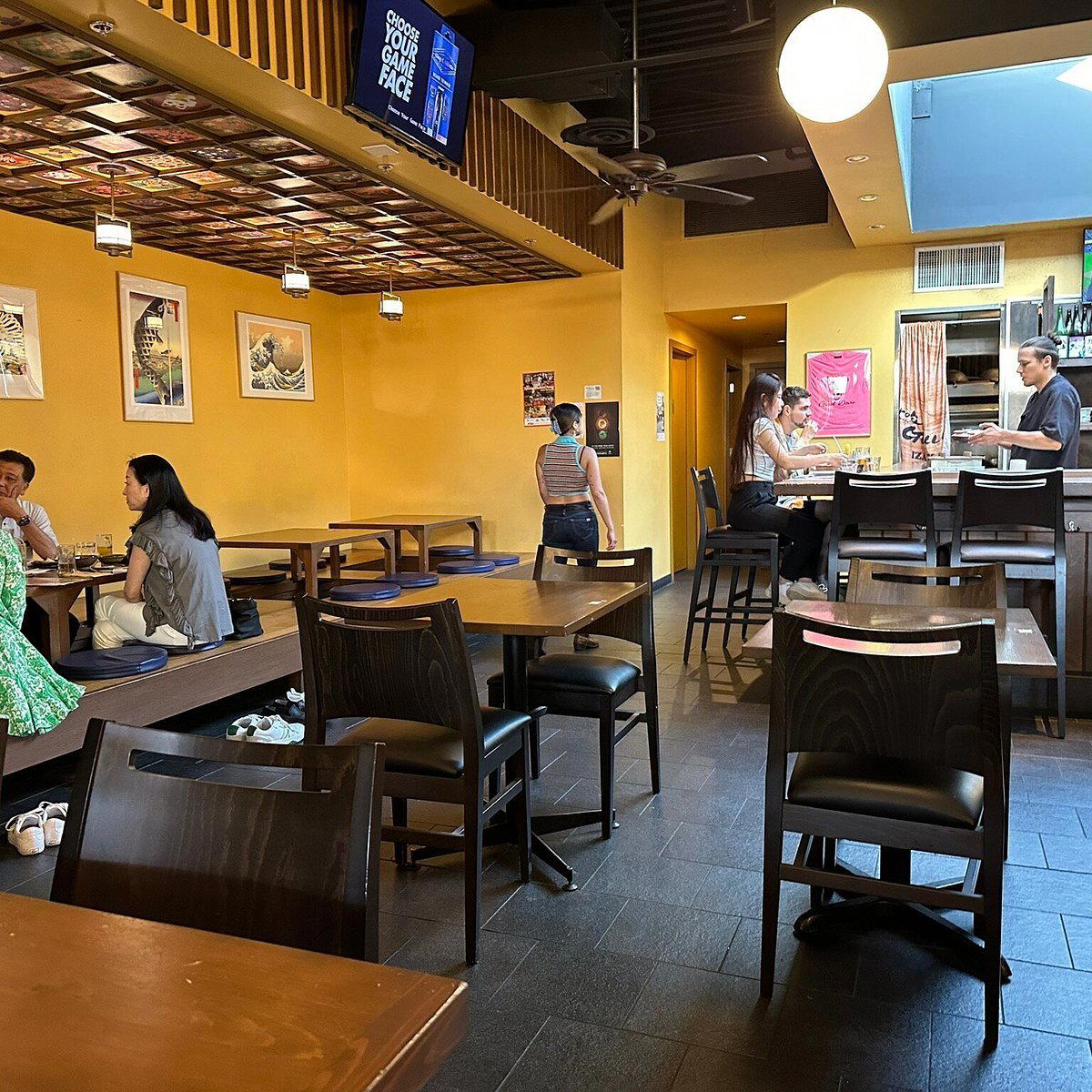
Izakaya in the West End: How a Format Took Root
Davie Street in Vancouver's West End has long operated as a neighbourhood dining corridor rather than a destination strip, drawing regulars more than tourists. It is a stretch where longevity matters, and where formats that fit the rhythm of the neighbourhood, casual enough for a Tuesday, social enough for a weekend group, tend to outlast the more ambitious openings. Guu Davie, at 1239 Davie St, sits in that context. It is part of the Guu izakaya group, which played a meaningful role in establishing the Japanese tavern model as a durable dining category in Vancouver rather than a novelty.
The izakaya format itself is worth understanding before the venue. In Japan, izakayas are working institutions, places where food and alcohol function together as a social ritual rather than a sequential meal. The emphasis falls on shared small plates, on variety across the table rather than single large portions, and on an atmosphere calibrated for noise and movement. When the format arrived in Vancouver in any serious form, it filled a gap between the formal Japanese restaurant (the omakase counter, the sushi bar with its exacting pace) and the purely casual noodle shop. Guu as a group understood that gap and built around it.
The Izakaya Tradition and What It Demands of a Kitchen
What distinguishes a well-run izakaya from a Japanese-themed bar with small plates is kitchen discipline applied to high-volume output. The dishes need to arrive at a pace that matches the drinking rhythm, and the range has to hold across meat, seafood, and vegetable preparations without any single category collapsing in quality. Across Vancouver's Japanese dining spectrum, which now includes serious omakase operations like Masayoshi and fusion-inflected counters like Kissa Tanto, the izakaya tier occupies a different register entirely. It is not competing on precision or rarity; it is competing on execution, consistency, and the social function of the room.
Vancouver's position as a Pacific Rim city means the ingredient base for izakaya cooking here is genuinely strong. British Columbia seafood, particularly Pacific salmon, spot prawns during their late spring season, and Dungeness crab, aligns naturally with izakaya cooking methods. Grilling, light frying, and quick saucing over high heat suit these products, and a kitchen working in the izakaya idiom can draw on local supply without forcing the format. This intersection of imported Japanese culinary structure and West Coast product is the operative logic for any izakaya operating seriously in Vancouver, and it is the frame through which Guu Davie's menu makes most sense.
The broader Canadian dining scene has spent considerable energy on this same question, of how to apply global technique to local product, at higher price points and with more formal ambitions. Restaurants like Tanière³ in Quebec City and Restaurant Pearl Morissette in Lincoln work that question with tasting menu formality and strong regional ingredient commitments. The izakaya does something structurally similar at a different scale: it applies a precise culinary tradition to whatever the local market offers well. The ambition is lower, but the logic is the same.
The Room and the Atmosphere
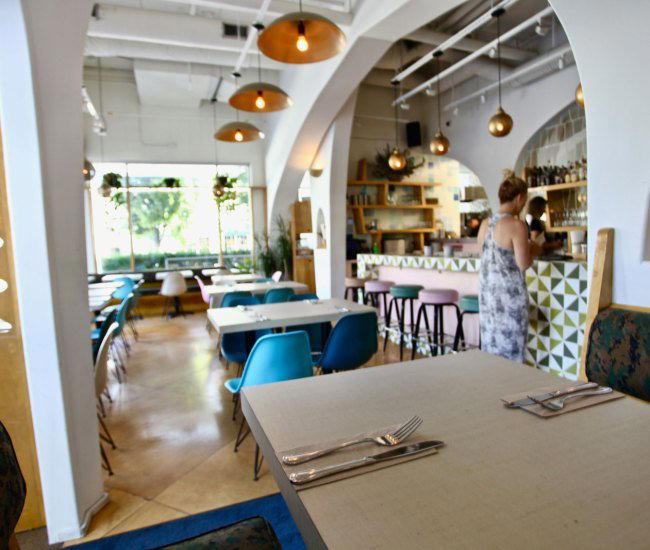
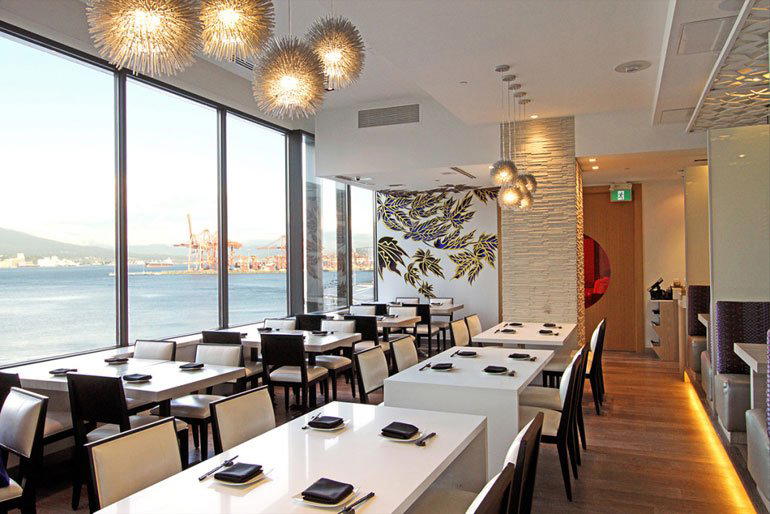
Walking into a Guu location on a busy evening, the noise is part of the point. Japanese izakayas have always used volume as a social signal, the indication that the room is full, that people are drinking, that the kitchen is moving. This is not atmosphere by accident; it is the format expressing itself correctly. The room at Davie is not designed to be quiet. If the comparison set is the composed, low-lit environments of AnnaLena or Barbara, two of Vancouver's more considered contemporary rooms, Guu sits at an entirely different register. That is not a criticism; it is the format working as intended.
The West End location on Davie makes the neighbourhood context relevant. This is a densely residential part of Vancouver with a high proportion of apartment dwellers who eat out frequently and tend to favour accessible pricing over occasion dining. Guu fits that pattern. It is not a special-occasion room, and it does not position itself as one. It is a place structured for repeat visits, for groups, and for the kind of meal where the table orders broadly and shares across everything.
Where Guu Davie Sits in Vancouver's Japanese Dining Range
Vancouver has one of the most developed Japanese dining ecosystems in North America outside of major American cities. The range runs from high-commitment omakase at the leading end to ramen shops and bento counters at the other. The izakaya tier sits in the middle, and it is a competitive one. Guu as a group built early recognition in that tier, and the Davie location has been part of the Vancouver dining fabric long enough to be a reference point rather than a newcomer.
For context on what serious Japanese dining looks like elsewhere in Canada, Alo in Toronto and Jérôme Ferrer - Europea in Montreal represent the formal fine dining end of the national spectrum, while international comparison points like Atomix in New York City show how Korean fine dining has developed its own version of this local-meets-imported-technique question at the highest level. The izakaya operates below all of that in terms of price and formality, but it addresses the same fundamental interest in how a culinary tradition functions when it moves across a border.
Vancouver's Chinese fine dining, represented by venues like iDen & QuanJuDe Beijing Duck House, occupies a parallel track: Asian culinary tradition operating with serious technique in a Canadian Pacific context. The izakaya and the formal Chinese dining room serve different functions and different moments in a dining week, but they both reflect the same underlying reality of Vancouver's food identity, which is more directly shaped by its Pacific geography than most Canadian cities.
For a full picture of where Guu Davie sits within the city's broader restaurant options across categories and price points, our full Vancouver restaurants guide maps the range in more detail.
Planning a Visit
Guu Davie is located at 1239 Davie St in the West End, accessible by transit along the Davie corridor. The izakaya format tends toward high turnover and walk-in traffic, though the Guu group's locations have historically operated on a mix of reservations and queue-based seating depending on the evening. Arriving early in the evening, before the post-work and weekend dinner rush builds, is a reliable way to avoid waiting. The format rewards groups over solo dining; the shared-plate structure functions leading with four or more people ordering across the menu's range.
Continue exploring
More in Vancouver
Restaurants in Vancouver
Browse all →
Bars in Vancouver
Browse all →
At a Glance
- Lively
- Energetic
- Trendy
- Group Dining
- Casual Hangout
- Late Night
- Open Kitchen
- Sake Program
Current opening hours
- Monday
- 5 PM–12 AM
- Tuesday
- 5 PM–12 AM
- Wednesday
- 5 PM–12 AM
- Thursday
- 5 PM–12 AM
- Friday
- 5 PM–12 AM
- Saturday
- 5 PM–12 AM
- Sunday
- 5–11 PM
Hours can change for holidays and private events. Last verified .
Lively and lively atmosphere with moderate noise levels.
Know Before You Go
- Getting there
- 1239 Davie St, Vancouver, BC V6E 1N3, Canada