
Michelin Plate
Our verdict
Gus holds consecutive Michelin Plates for 2024 and 2025, positioning it among Brussels' more serious seasonal tables at the €€ price point. For seasonal cuisine at this price, the competition in Brussels is thin.

Pearl is the En Primeur Club membership app, where members save venues, book tables and use the concierge.

A Quiet Room With Something to Prove
Rue des Cultes 36 sits in the lower district of central Brussels, away from the Grand Place tourist circuit and the polished dining corridors that surround it. The street has no particular culinary fame, which means Gus earns its following on merit rather than location. Arriving here, you get the sense of a room that has decided it doesn't need to announce itself, the kind of place where the cooking does the persuading. That self-assurance, at a €€ price point, is unusual in a city where ambition and price tend to move together.
Where Gus Sits in the Brussels Seasonal Dining Scene
Brussels' seasonal cuisine movement has developed quietly over the past decade, shaped partly by Belgium's proximity to serious French technique and partly by a growing domestic interest in market-driven menus. The city's leading end, Comme chez Soi (French - Belgian, Classic Cuisine) and La Villa Lorraine by Yves Mattagne (Modern Cuisine), both operating at €€€€ with Michelin stars, occupies a different tier entirely. Gus sits closer to the mid-market, but the consecutive Michelin Plates for 2024 and 2025 put it in a small peer group: recognised for quality, not yet carrying the cost structure of a starred room. That positioning is increasingly competitive in Brussels, where venues like Barge (Organic) and Lola also compete for the guest who wants seriousness without the ceremonial overhead.
Across Belgium more broadly, the Michelin Plate signal carries weight when it appears in consecutive years. At Hof van Cleve - Floris Van Der Veken in Kruishoutem, Boury in Roeselare, and Zilte in Antwerp, the cooking progression from Plate to star recognition has followed a recognisable pattern: consistent execution, a clear culinary identity, and supply relationships that hold through seasonal shifts. Whether Gus is on that trajectory is an open question, but two consecutive Plates suggest the kitchen is not standing still.
The Seasonal Format and What It Demands
Seasonal cuisine as a category requires more logistical discipline than a fixed menu, the kitchen must rebuild its offer as supply changes, which means sourcing relationships, supplier reliability, and the kitchen's ability to pivot are all tested repeatedly across the year. In Belgium, where market seasonality is real rather than decorative (white asparagus in spring, game in autumn, the slow root-vegetable months of winter), this format exposes kitchens quickly.
Comparable seasonal programmes in the broader region, Fields by René Mathieu in Luxembourg and Kirchenwirt in Leogang, both demonstrate that the seasonal format, when executed with supply-chain rigour, can produce the kind of menu coherence that holds a loyal return audience.
Reading the Wine List
A seasonal kitchen and a well-considered wine list tend to arrive together, because the same logic that drives market-sourced menus, ingredient provenance, producer identity, avoiding the generic, applies equally to cellar curation. Brussels restaurants operating at the €€ tier often default to distributor-standard lists: reliable, predictable, uninspired. The seasonal dining category, particularly at venues with Michelin recognition, tends to push against that default.
At this price point, the most useful wine lists in the Belgian dining scene tend to favour regional producers from France's northern reaches, Alsace, Loire, Burgundy's lesser appellations, alongside Belgian craft producers who have gained ground in recent years. The Bozar Restaurant model, which pairs its cultural-institution context with a cellar, shows what's possible when a mid-tier Brussels room decides to take the list seriously. For a seasonal kitchen like Gus, wine alignment with the menu's market logic is where the list either validates or undermines the cooking's premise. A list that follows the produce's geographic logic, seasonal, producer-specific, honest about appellation, becomes part of the editorial statement the kitchen is making.
Seasonal kitchens that operate with genuine conviction about their sourcing usually extend that same approach to the cellar, and the staff are typically well-placed to walk through the reasoning. That conversation, at a room of this type, is often as useful as the list itself.
Planning Your Visit
Gus is located at Rue des Cultes 36, 1000 Brussels, in the lower central city. The €€ price range places it among the more accessible Michelin-recognised seasonal tables in the capital, a meaningful category given that comparable cooking in Brussels more typically arrives at the €€€ or €€€€ tier.
For visitors building a wider Brussels dining itinerary, the EP Club guides cover the full range of options: see our full Brussels restaurants guide for the broader picture, alongside our full Brussels bars guide, our full Brussels hotels guide, our full Brussels wineries guide, and our full Brussels experiences guide. If you're extending into Belgium's wider dining circuit, Willem Hiele in Oudenburg, Bartholomeus in Heist, and Castor in Beveren each operate with a regional seasonal commitment worth mapping against a longer trip.
Frequently asked questions
Can I bring kids to Gus?
Gus operates at a €€ price point with Michelin Plate recognition, which in Brussels typically indicates a room with a certain level of culinary seriousness, ambient formality tends to be moderate rather than ceremonial at this tier. That said, the seasonal cuisine format usually means a fixed or semi-fixed menu structure, which may limit flexibility for younger diners with restricted palates. If you're planning a family visit, it's worth contacting the restaurant directly to understand the current menu format and whether adjustments are available.
What is the atmosphere like at Gus?
Based on its location away from the main tourist corridors, its €€ pricing, and the Michelin Plate recognition it has held for two consecutive years, Gus reads as a neighbourhood-serious room rather than a scene-driven destination. In Brussels, that category tends toward relaxed professionalism: considered cooking, attentive but unfussy service, and a room where conversation doesn't require competition with ambient noise.
What should I eat at Gus?
Gus operates as a seasonal cuisine restaurant, which means the menu shifts with supply rather than holding fixed signature dishes year-round. The Michelin Plate recognition for both 2024 and 2025 confirms the kitchen's output meets a recognised quality threshold, but specific dishes vary. The most reliable approach is to arrive open to the current menu rather than arriving with fixed expectations, the seasonal format rewards that posture. For the broader context of how Belgian seasonal kitchens at this level tend to construct their menus, the approach typically anchors around a small number of courses built around a central protein or vegetable, with wine pairings designed to follow the produce logic rather than override it.
Category Peers
A compact comparison to help you place this venue among nearby peers.
| Venue | Cuisine | Price | Awards | Notes |
|---|---|---|---|---|
| GusThis venue (the venue you are viewing) | Franco-Belgian Brasserie with Beer Gastronomy | $50–100 | Michelin Plate | Not listed |
| Comme chez Soi | Classic French Fine Dining | $200–300 | 1 Michelin Star · World's 50 Best #49 | French - Belgian, Classic Cuisine |
| La Villa Lorraine by Yves Mattagne | Modern French Fine Dining | $200–300 | Michelin Plate · La Liste Top Restaurants | Modern Cuisine |
| senzanome | Modern Italian Fine Dining | $150–200 | Michelin Plate | Modern Italian, Italian |
| Au Vieux Saint Martin | Traditional Belgian Brasserie | $30–50 | Michelin Plate | French Bistro, Belgian |
| Aux Armes de Bruxelles | Traditional Belgian Brasserie | $50–100 | Michelin Plate | Brasserie, Belgian |
Recognition history
Dated appearances from independent guides and award organizations, with the underlying list record or original source where available.
Michelin Plate
Michelin
Full recognition history (3 entries)
Michelin Plate
Michelin
Michelin Plate
Michelin


Continue exploring
More in Brussels
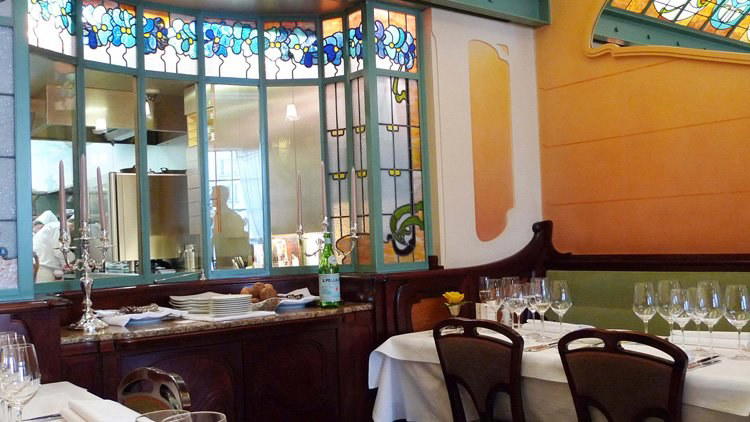
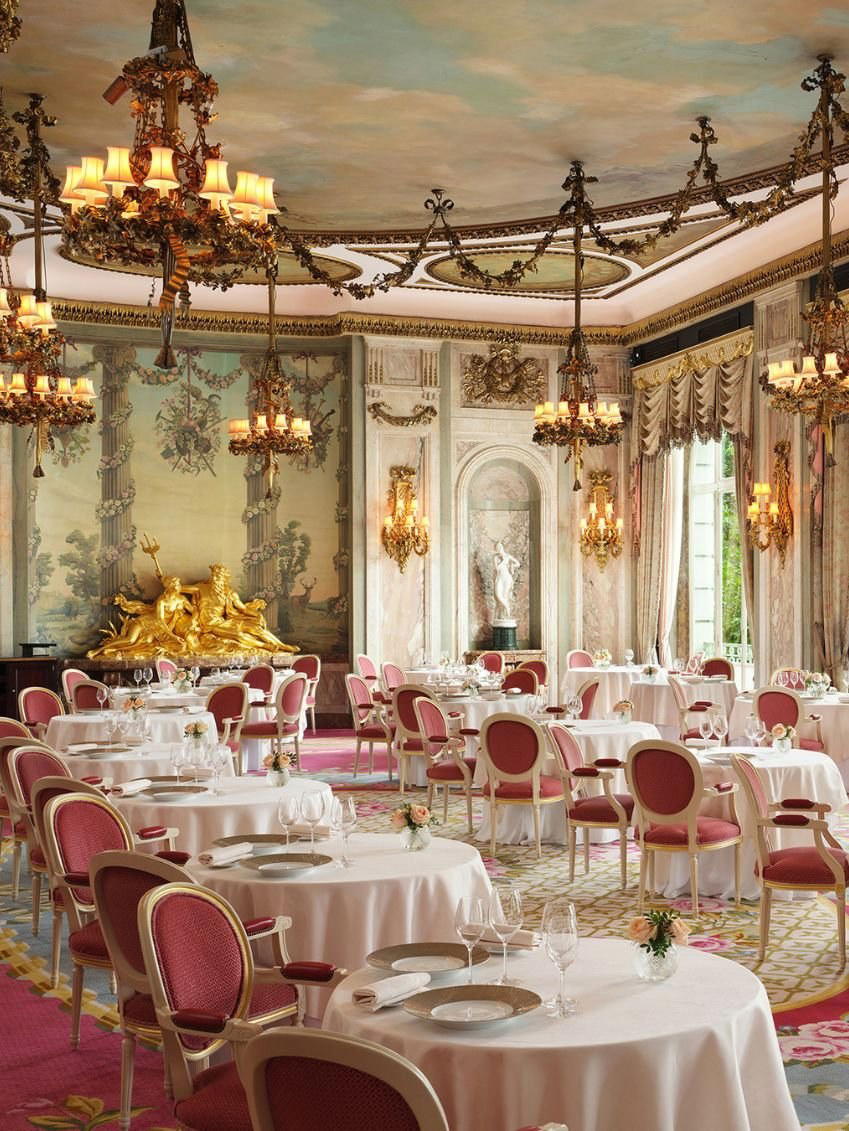
Restaurants in Brussels
All restaurants in Brussels →
Bars in Brussels
All bars in Brussels →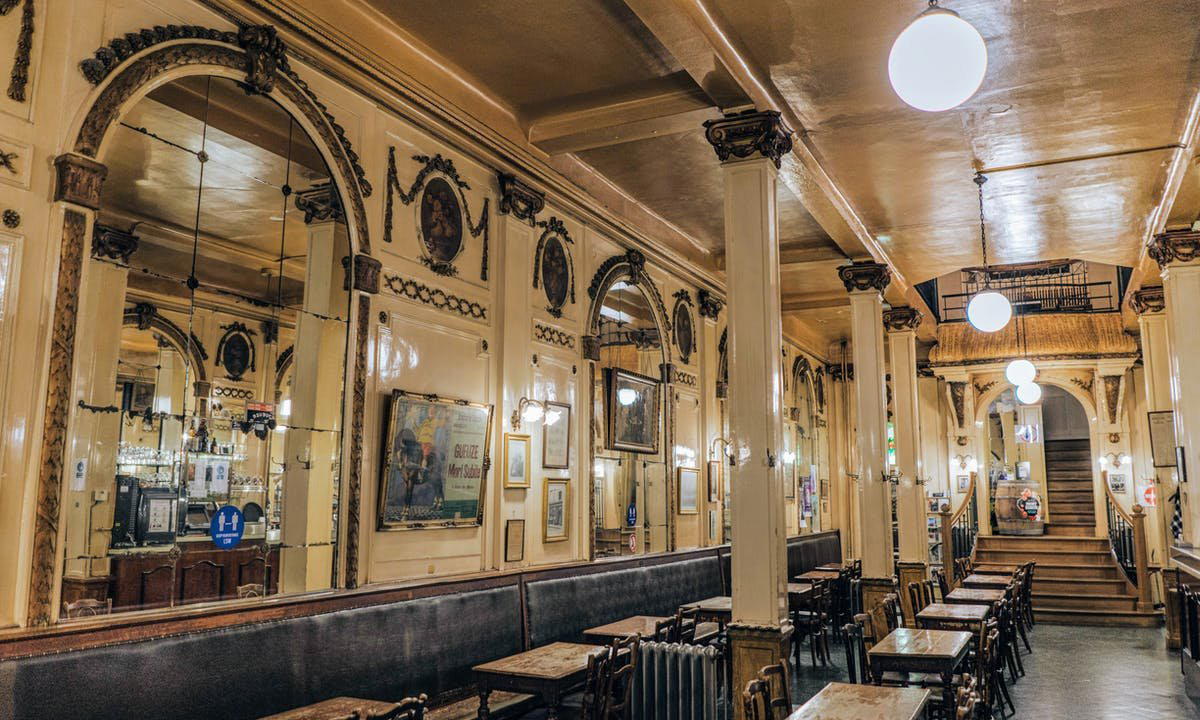
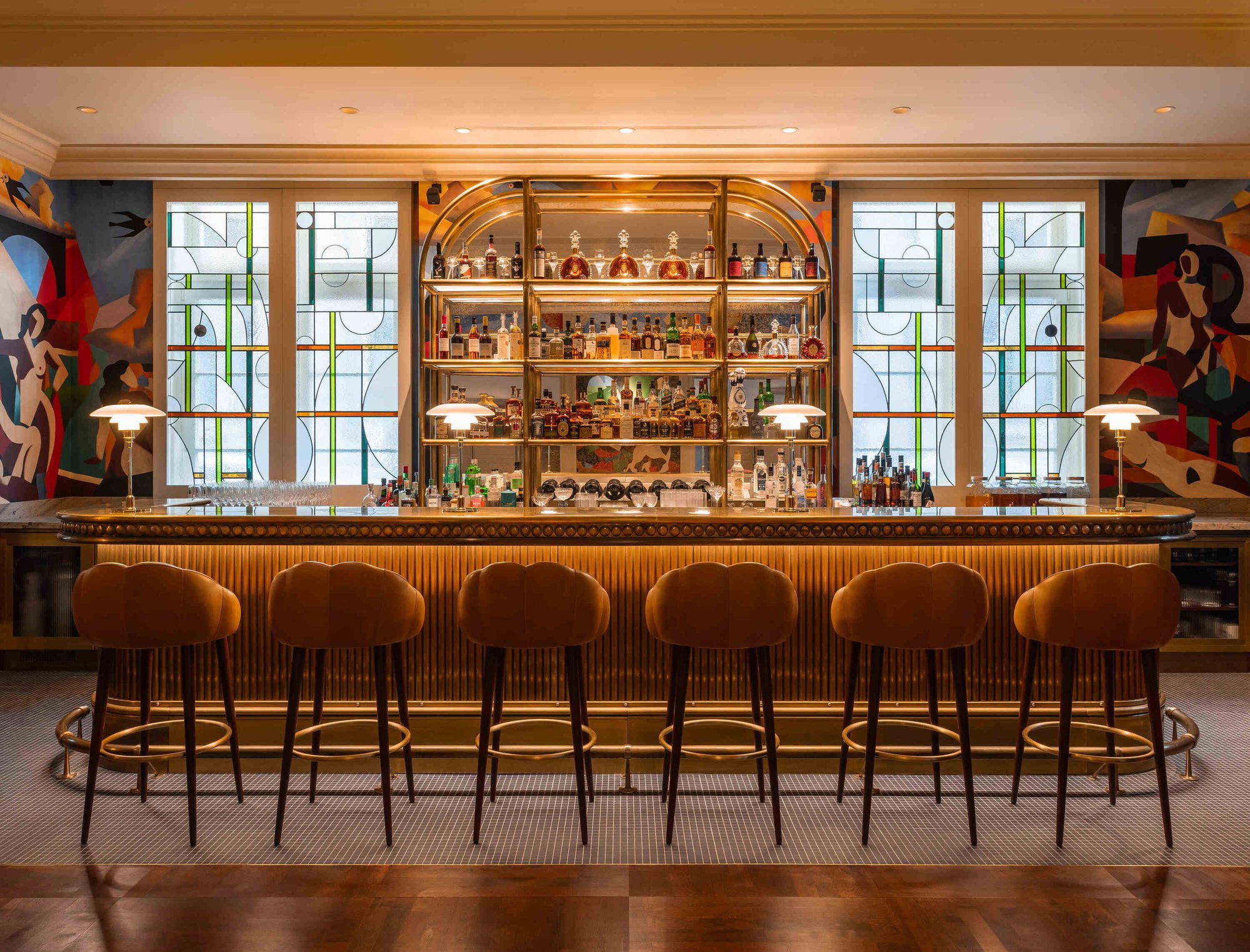
Hotels in Brussels
All hotels in Brussels →
Wineries in Brussels
Browse all →
Details
- Cozy
- Modern
- Intimate
- Date Night
- Business Dinner
- Group Dining
- Open Kitchen
- Beer Program
- Tasting Menu
- A La Carte
- Craft Beer
Current opening hours
- Monday
- Closed
- Tuesday
- 12–1:30 PM
- Wednesday
- 12–1:30 PM, 7–9:30 PM
- Thursday
- 12–1:30 PM, 7–9:30 PM
- Friday
- 12–1:30 PM, 7–9:30 PM
- Saturday
- Closed
- Sunday
- Closed
Hours can change for holidays and private events. Hours as of .
Warm lighting with wooden panels and tables creating a cozy yet modern atmosphere.