
Michelin Plate
Our verdict
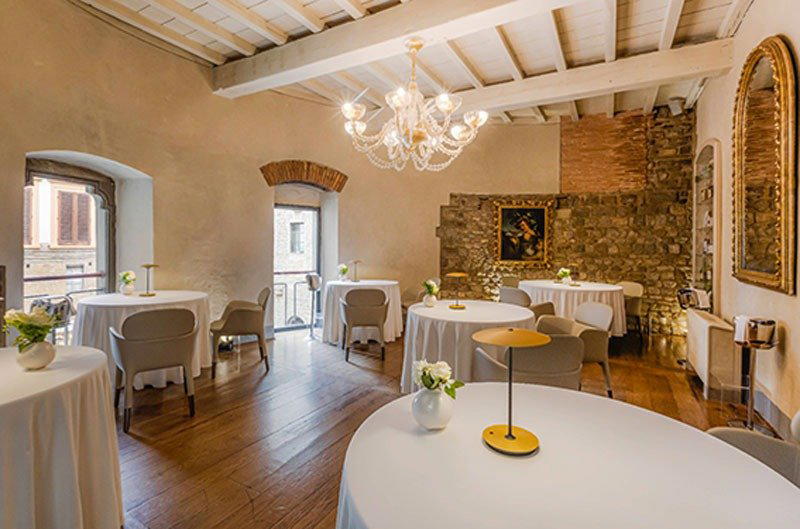
A Michelin Plate-recognised gastronomic restaurant in Florence's Oltrarno district, Gunè San Frediano bridges the culinary traditions of Basilicata and Tuscany in a small, focused setting. it occupies a distinct tier among Florence's contemporary dining options, offering creative, carefully presented plates that reward occasion dining.

Pearl is the En Primeur Club membership app, where members save venues, book tables and use the concierge.
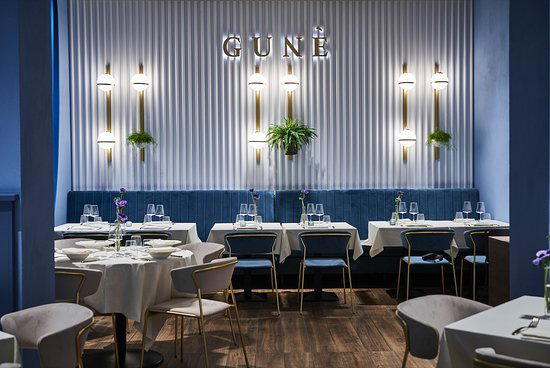
Where Two Southern and Central Italian Traditions Meet
Florence's Oltrarno neighbourhood has long operated as the city's counter-point to the heavily touristed north bank. San Frediano, its westernmost quarter, holds a tighter residential character than the lanes around Palazzo Pitti: narrower streets, fewer souvenir shops, a higher proportion of locals eating at the bars. Via del Drago D'Oro sits inside this texture, and the address alone signals that Gunè is not positioned for foot traffic. You arrive with intent.
That deliberateness extends to the dining room. Small gastronomic restaurants in this mould, where a single kitchen vision shapes every plate, have become one of the more interesting formats in Italian contemporary dining. They sit in a different register from the grand palazzo dining rooms that define Florence's highest tier, places like Enoteca Pinchiorri at €€€€ with three Michelin stars, or Il Palagio at the same price bracket and one Michelin star. Gunè at €€€ occupies a more intimate and arguably more personal tier: the kind of room where the food is the architecture.
The Basilicata–Tuscany Axis in Contemporary Italian Cooking
The culinary premise here has genuine editorial interest. Italian contemporary restaurants increasingly build their identity around a specific regional dialogue rather than a generic seasonal Italian idiom. At Gunè, that dialogue runs between Basilicata, the sparse and underrepresented southern region often associated with aged sheep's milk cheeses, dried peppers, and bitter wild greens, and Tuscany, whose pantry leans toward legumes, river fish, aged Chianina beef, and the olive oils that vary significantly from the Chianti hills to the coastal Maremma. Bridging these two regions is not a simple blending exercise. They represent different agricultural economies, different poverty traditions turned into flavour, and different relationships between protein and preservation.
This tension between the agrarian south and the more institutionally confident Tuscan table is what distinguishes Gunè from the broadly modern Italian kitchens around it. Compare it with Konnubio or Degusteria Italiana, both operating in Florence's contemporary Italian space, and the regional specificity at Gunè is a sharper editorial position. Michelin's 2025 Plate recognition, which signals food worth seeking out, confirms the kitchen is executing at a level that warrants attention within that framework.
Across the broader Italian contemporary scene, this kind of inter-regional synthesis appears at several points of reference. Osteria Francescana in Modena builds from a single Emilian base but reframes it conceptually; Piazza Duomo in Alba works from Piedmontese depth. The kitchens earning multi-star recognition at Le Calandre in Rubano and Enrico Bartolini in Milan operate with larger resources, but the underlying commitment to a defined regional identity is the same force that shapes Gunè at its more compact scale. Even within the Italian contemporary format operating outside Italy, the regional-dialogue model persists: see Agli Amici in Rovinj and L'Olivo in Anacapri as coastal instances of similar precision.
Gunè as an Occasion Dining Decision
The structure of a small gastronomic restaurant, whether in Florence or elsewhere in Italy, maps naturally onto milestone meals. The format tends toward tasting menus or tight à la carte options that require full attention from the kitchen, which means the experience contracts time usefully: you are not managing a large table across multiple seatings. Occasion dining in Florence has historically defaulted to the grand-room option, the frescoed ceilings and broad wine lists of the €€€€ tier. What Gunè offers is a different kind of formality, one built on restraint and precision rather than scale.
For a birthday dinner, an anniversary, or a significant professional meal, the Michelin Plate signal matters because it narrows the probability of a disappointing evening. That consistency is what occasion dining requires above all else.
Florence's other strong occasion options in the starred or recognized tier include Atto di Vito Mollica and the already-mentioned Il Palagio, both anchored in hotel settings with the service infrastructure that entails. Gunè operates outside that hotel-dining framework, which changes the emotional register of the meal. The intimacy of San Frediano, away from the Arno-side tourist circuit, makes the occasion feel chosen rather than default. If you want a reference point from outside Florence for this tier of commitment, the cooking at Atelier Moessmer Norbert Niederkofler in Brunico or Dal Pescatore in Runate illustrates what small, dedicated gastronomic rooms can deliver over a long arc.
Planning Your Visit
Gunè San Frediano is at Via del Drago D'Oro 1/3r in the San Frediano quarter of Oltrarno, Florence's left-bank neighbourhood. The €€€ price positioning sits below the starred hotel restaurants of the city centre but above the neighbourhood trattoria tier, making it accessible for a serious meal without the ceiling spend of a three-star evening. Given the restaurant's small size and the Michelin Plate recognition it received in 2025, booking ahead is advisable, particularly for weekend evenings and across Florence's peak season between April and October, when the city's dining rooms fill substantially earlier than their off-season patterns. The location in San Frediano also positions it well for visitors staying in Oltrarno hotels or arriving from the Ponte Vecchio end of the neighbourhood; the area is walkable from most central Florence addresses. For broader context on where Gunè sits within the city's dining options, see our full Florence restaurants guide.
Those planning a longer stay in Florence will find the city's other resources at our Florence hotels guide, bars guide, wineries guide, and experiences guide.
Frequently asked questions
Can I bring kids to Gunè San Frediano?
How would you describe the vibe at Gunè San Frediano?
What's the signature dish at Gunè San Frediano?
Peers You’d Cross-Shop
| Venue | Cuisine | Price | Awards | Notes |
|---|---|---|---|---|
| Gunè San FredianoThis venue (the venue you are viewing) | Modern Lucanian-Tuscan Fusion | $50–100 | Michelin Plate | Not listed |
| Enoteca Pinchiorri | Contemporary Italian Fine Dining | $200–300 | 3 Michelin Stars · World's 50 Best #32 | Italian - French, Italian Contemporary |
| Santa Elisabetta | Modern Italian Fine Dining with Seafood Focus | $200–300 | 2 Michelin Stars · La Liste Top Restaurants | Italian, Creative |
| Borgo San Jacopo | Michelin-starred Modern Tuscan & Italian Fine Dining | $150–200 | 1 Michelin Star · Falstaff Restaurant - 94 Falstaff Points | Italian, Modern Cuisine |
| Gucci Osteria da Massimo Bottura | Contemporary Italian with Japanese and Mexican Influences | $200–300 | 1 Michelin Star · Wine Spectator Best of Award of Excellence | Modern Italian, Italian Contemporary |
| Il Palagio | Modern Tuscan Fine Dining | $100–150 | 1 Michelin Star · Star Wine List | Italian Contemporary |
Recognition history
Dated appearances from independent guides and award organizations, with the underlying list record or original source where available.
Michelin Plate
Michelin
Full recognition history (3 entries)
Michelin Plate
Michelin
Michelin Plate
Michelin
Continue exploring
More in Florence
Restaurants in Florence
All restaurants in Florence →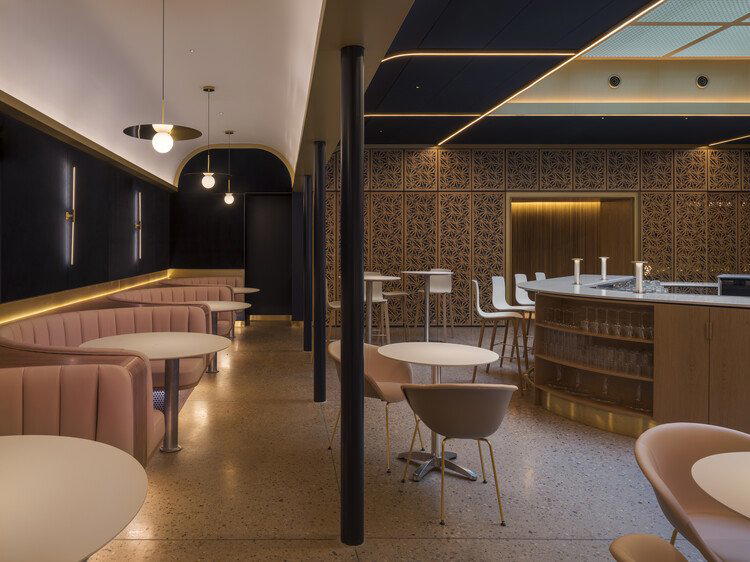
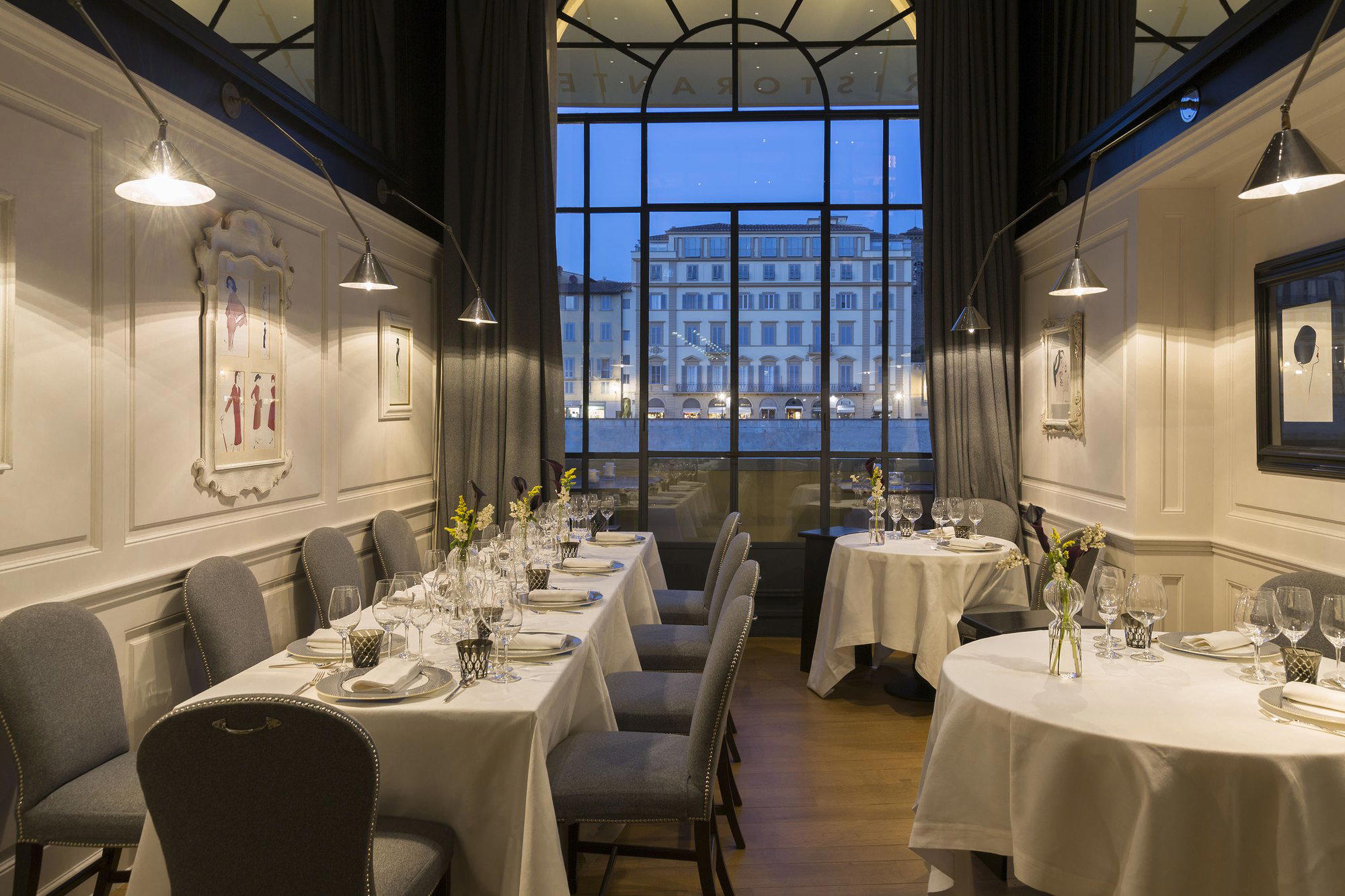
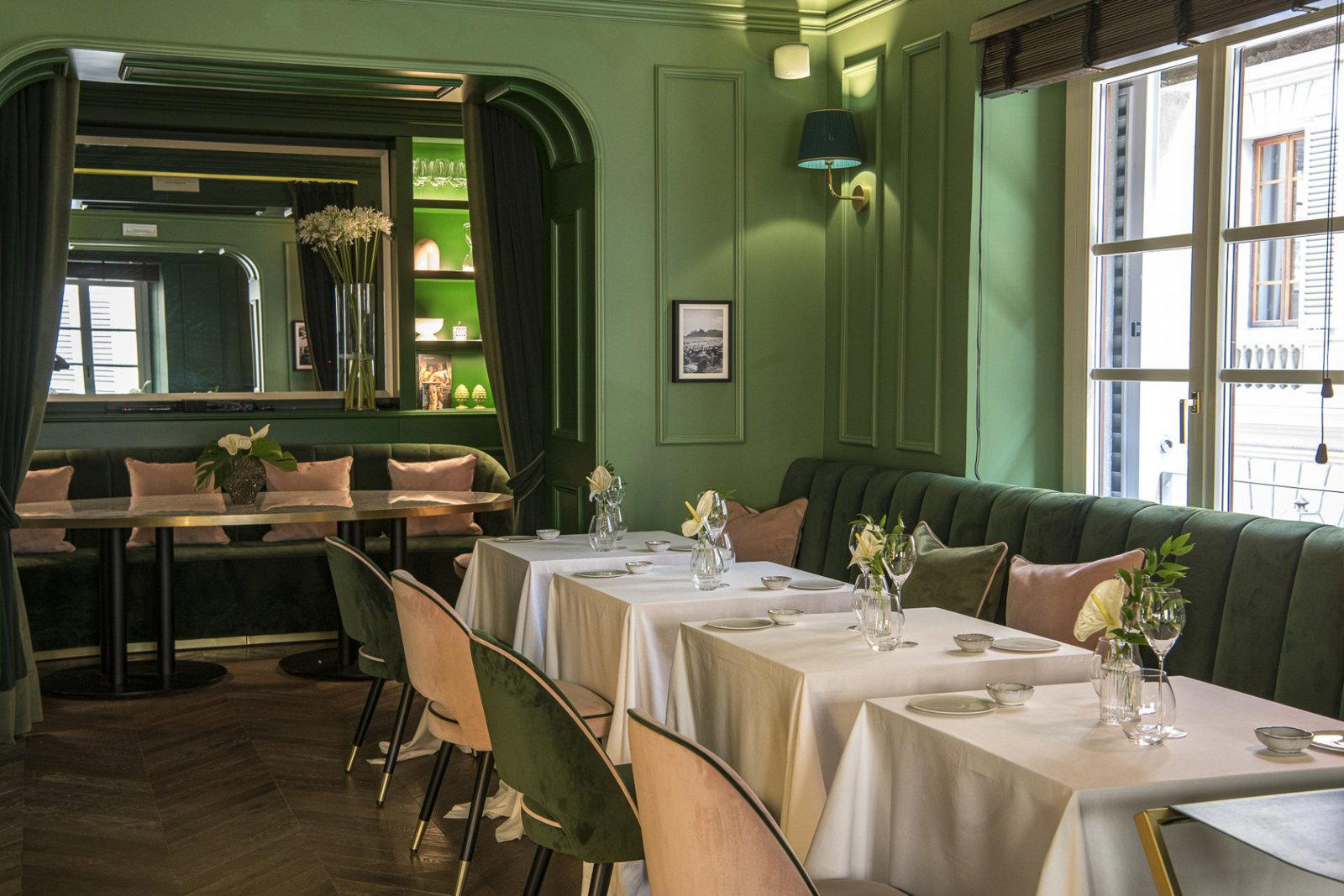
Bars in Florence
All bars in Florence →
Hotels in Florence
All hotels in Florence →
Details
- Elegant
- Intimate
- Sophisticated
- Cozy
- Date Night
- Special Occasion
- Open Kitchen
- Craft Cocktails
- Tasting Menu
- A La Carte
- Cocktails
- Vegetarian Friendly
- Vegan Options
Current opening hours
- Monday
- Closed
- Tuesday
- Closed
- Wednesday
- 7 PM–12 AM
- Thursday
- 7 PM–12 AM
- Friday
- 7 PM–12 AM
- Saturday
- 12–2 PM, 7 PM–12 AM
- Sunday
- 12–2 PM, 7 PM–12 AM
Hours can change for holidays and private events. Hours as of .
Intimate candlelit dining with refined, welcoming atmosphere, precise flavors, and warm professional service.