Guan Hoe Soon Restaurant serves Authentic Peranakan (Nyonya) cuisine at 200 Joo Chiat Rd, with Ayam Buah Keluak, Ngo Hiang, and Babi Panggang on the menu.
Pearl is the En Primeur Club membership app — saves, bookings, and concierge access live there. Same editors, same standards.
- Address
- 200 Joo Chiat Rd, #01-01, Singapore 427471
- Phone
- +65 6344 2761
- Website
- guanhoesoon.com
- Directions
- Get directions
 Saves & bookings on Pearl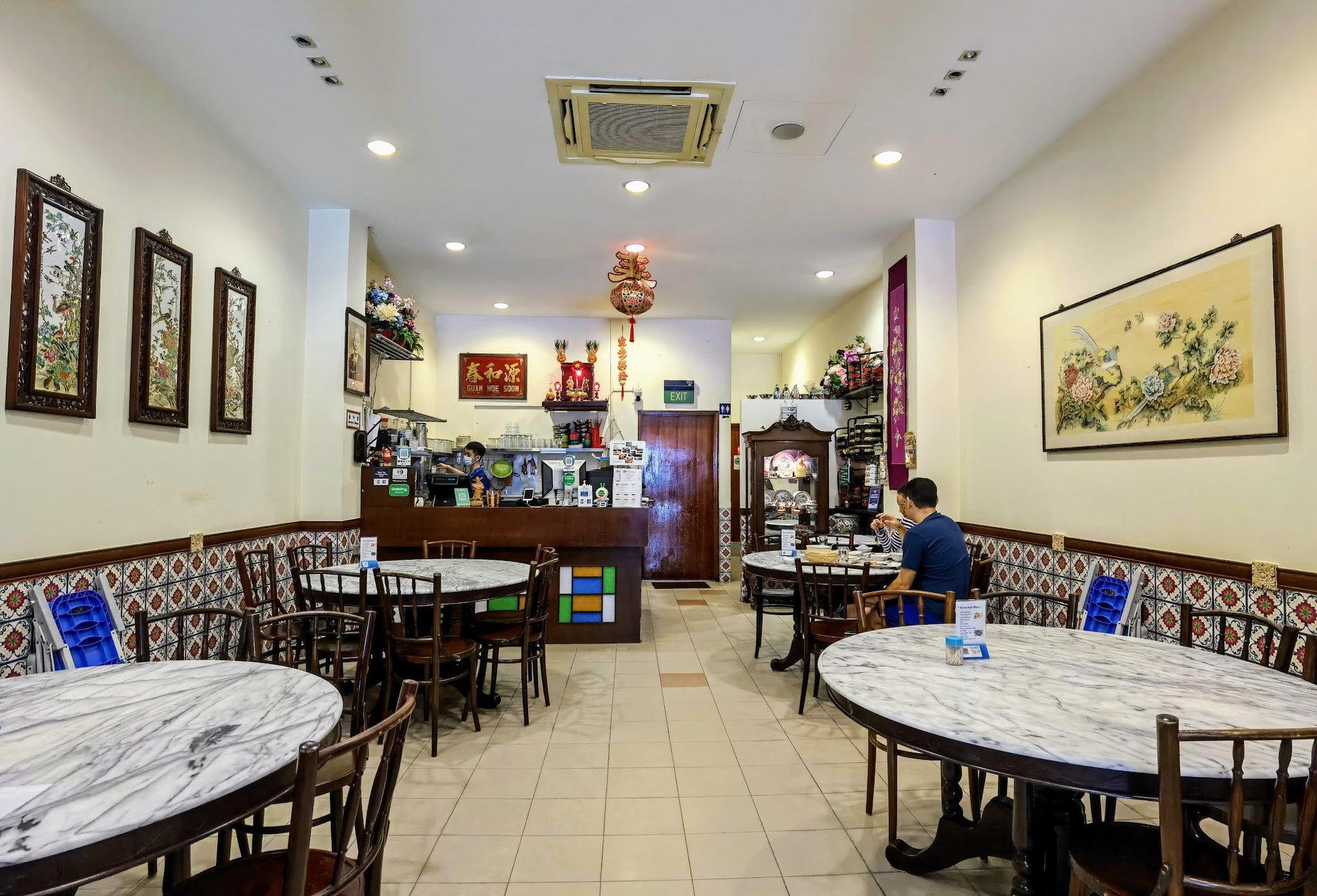
Joo Chiat and the Weight of Peranakan Continuity
Along Joo Chiat Road, the shophouse facades carry the visual grammar of a Singapore that predates air conditioning and chain restaurants: terracotta tiles, louvred shutters, and the particular quality of afternoon light that filters through five-foot-way overhangs. This stretch of the Katong district has long served as among the more concentrated repositories of Peranakan culture in the city, and the restaurants here are measured less by their wine lists than by generational staying power. Guan Hoe Soon Restaurant is a casual Peranakan restaurant at 200 Joo Chiat Road in Singapore.
That kind of longevity does not survive on nostalgia alone. In a city where restaurant turnover is rapid and property costs have pressured out many heritage operators, surviving across seven decades requires a kitchen that keeps returning customers rather than just attracting curious ones.
What Peranakan Cooking Actually Demands from Its Ingredients
The editorial angle on Peranakan cuisine is often its cultural hybridity, the blending of Chinese and Malay culinary traditions that developed among the Straits Chinese community. Less discussed is what that hybridity demands at the sourcing level. Peranakan cooking is labour-intensive and spice-dependent in ways that differ structurally from both its Chinese and Malay parent cuisines. Rempah, the wet spice paste that forms the aromatic base of dishes like ayam buah keluak and babi ponteh, requires fresh galangal, lemongrass, candlenuts, and dried shrimp paste, ingredients that lose coherence quickly if sourced inconsistently or processed too far in advance.
Buah keluak, the black Indonesian nut central to one of the cuisine's defining dishes, presents its own sourcing logic. The nuts require extended soaking and preparation before they are edible, and their distinctive bitter-earthy flavour cannot be approximated by substitution. Restaurants that commit to this dish are making a sourcing and labour statement at the same time. At establishments like Guan Hoe Soon, where this dish has been on the menu across decades, the procurement relationship with suppliers is embedded in operational rhythm rather than treated as a seasonal or occasional consideration.
This stands in deliberate contrast to the direction taken by Singapore's highest-profile restaurant tier. Places like Odette and Zén operate in a different register entirely, where tasting menus are built around single sourcing relationships with named farms and the ingredient provenance is part of the stated narrative. At a heritage Peranakan table, provenance is structural and assumed rather than announced. The supplier relationships are old, the preparation methods are fixed, and the measure of sourcing quality is recipe fidelity across decades rather than farm-to-table theatre.
The Katong Restaurant Ecosystem and Where Heritage Fits
Katong and Joo Chiat together form coherent neighbourhood dining precinct in Singapore for those tracking traditional cuisine rather than contemporary innovation. The area supports everything from Peranakan specialists to Hainanese chicken rice to Teochew porridge houses, and the density of long-running operators gives it a character distinct from the Orchard corridor or the CBD fine-dining cluster. For comparison, the restaurants occupying Singapore's formal fine-dining tier, venues like Les Amis, Jaan by Kirk Westaway, and Meta, are positioned on the other side of Singapore's dining spectrum entirely, structurally and geographically.
What Joo Chiat offers instead is a neighbourhood where eating is embedded in daily life rather than bracketed as an occasion. The five-foot-way restaurant format, with tables spilling toward the street, creates a public dining environment that functions differently from enclosed fine-dining rooms. Guan Hoe Soon sits at the more established end of this neighbourhood continuum, but it shares the street with operators at various price points and formality levels, which is part of what makes the area legible as a food destination rather than a restaurant destination.
Elsewhere in Singapore's broader dining picture, the Katong tradition finds echoes in formats as different as KTMW chicken rice tea-cafe in Bedok and Little Italy in Marine Parade, both of which reflect the east side's tendency to sustain neighbourhood-specific food cultures rather than converging toward a centralised fine-dining identity. For a fuller map of the city's eating options across every tier, the EP Club Singapore restaurants guide covers the range.
Reading the Menu Against Its Historical Context
Peranakan cooking in Singapore exists on a spectrum from heavily adapted, tourism-facing versions to preparations that track closely with what community cooks were making in the early twentieth century. The heritage operators in Joo Chiat tend to sit toward the latter end, though no restaurant operating at commercial scale today is identical to its founding iteration. Ingredient availability shifts, palates adjust, and kitchen staff change across generations.
What remains stable at long-running Peranakan houses is structural: the rempah-based cooking method, the commitment to specific cuts and preparations, and the absence of the shortcuts that define faster-turnaround competitors. Chicken curry Peranakan-style, for instance, is distinguished from a generic curry by the specific spice balance and the coconut milk ratios. These are not things that survive an inconsistent sourcing relationship with a coconut supplier or a spice paste that was mixed days rather than hours before service.
Diners coming from Singapore's western restaurant corridor, or from internationally recognised spots like Béni in Orchard or Cicheti in Rochor, will find Guan Hoe Soon operating on a register where the measure of quality is recipe integrity over time rather than seasonal reinvention. That is a deliberate position, not a limitation.
Planning a Visit to Joo Chiat
Joo Chiat Road is accessible by MRT with Paya Lebar station (Circle and East-West lines) providing the closest connection, from which the restaurant is a short walk or taxi ride east along Joo Chiat Road. The neighbourhood rewards more than a single stop: the blocks surrounding the restaurant contain Peranakan antique shops, heritage bakeries, and the kind of architectural detail that takes fifteen minutes to read properly on foot. Combining lunch at Guan Hoe Soon with a walk through the surrounding streets gives the visit a neighbourhood coherence it would lack if treated as a standalone destination. Reservations are recommended, and the restaurant serves lunch and dinner daily.
For those building a wider east-side itinerary, the Ah Ter Teochew Fishball Noodles format represents a different point on the traditional spectrum, while further afield, venues like Haidilao Hot Pot in Sembawang and Du Du Shou Shi in Jurong West show how Singapore's communal eating culture distributes itself across the island rather than concentrating in any single district.
Comparison Snapshot
Comparable venues nearby, for context on price, style, and recognition.
| Venue | Cuisine | Price | Awards | Notes |
|---|---|---|---|---|
| Guan Hoe Soon RestaurantThis venue — the venue you are viewing | Authentic Peranakan (Nyonya) | $$ | Not listed | Not listed |
| 328 Katong Laksa | Katong Laksa | $$ | Not listed | KATONG |
| Le Mont | Malaysian and Singaporean | $$ | Not listed | CHINATOWN |
| Boon Tong Kee 文東記 | Cantonese Hainanese Chicken Rice | $$ | Not listed | CHATSWORTH |
| Clan 7™ | Modern Cantonese Chinese | $$ | Not listed | LORONG CHUAN |
| Pondok Makan Indonesia | Indonesian Hawker | $ | Michelin Plate | VICTORIA |
Continue exploring
More in Singapore
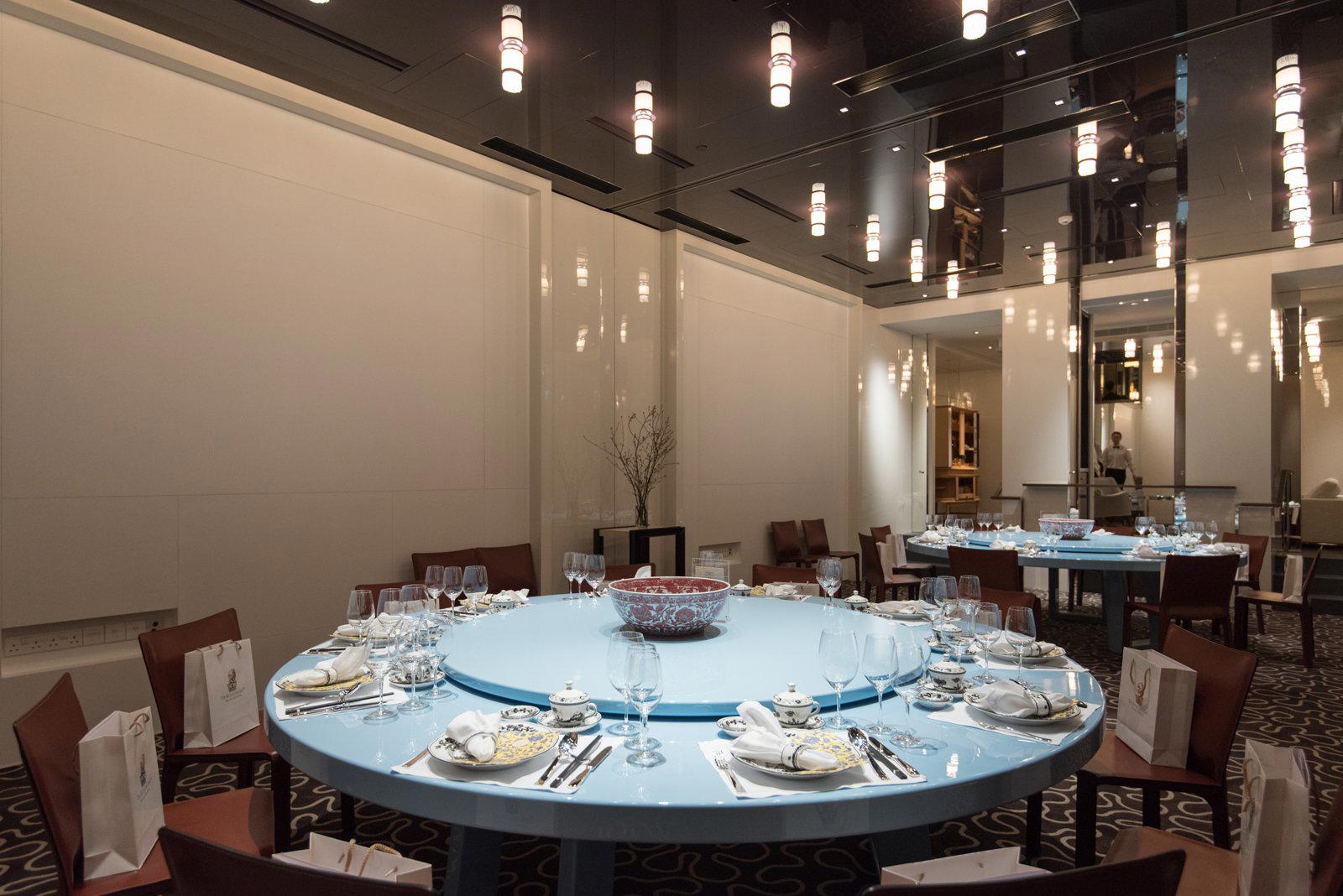
Restaurants in Singapore
Browse all →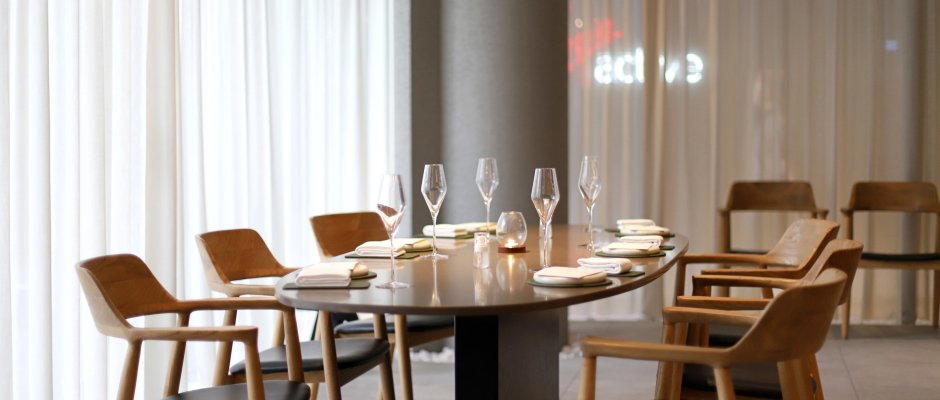
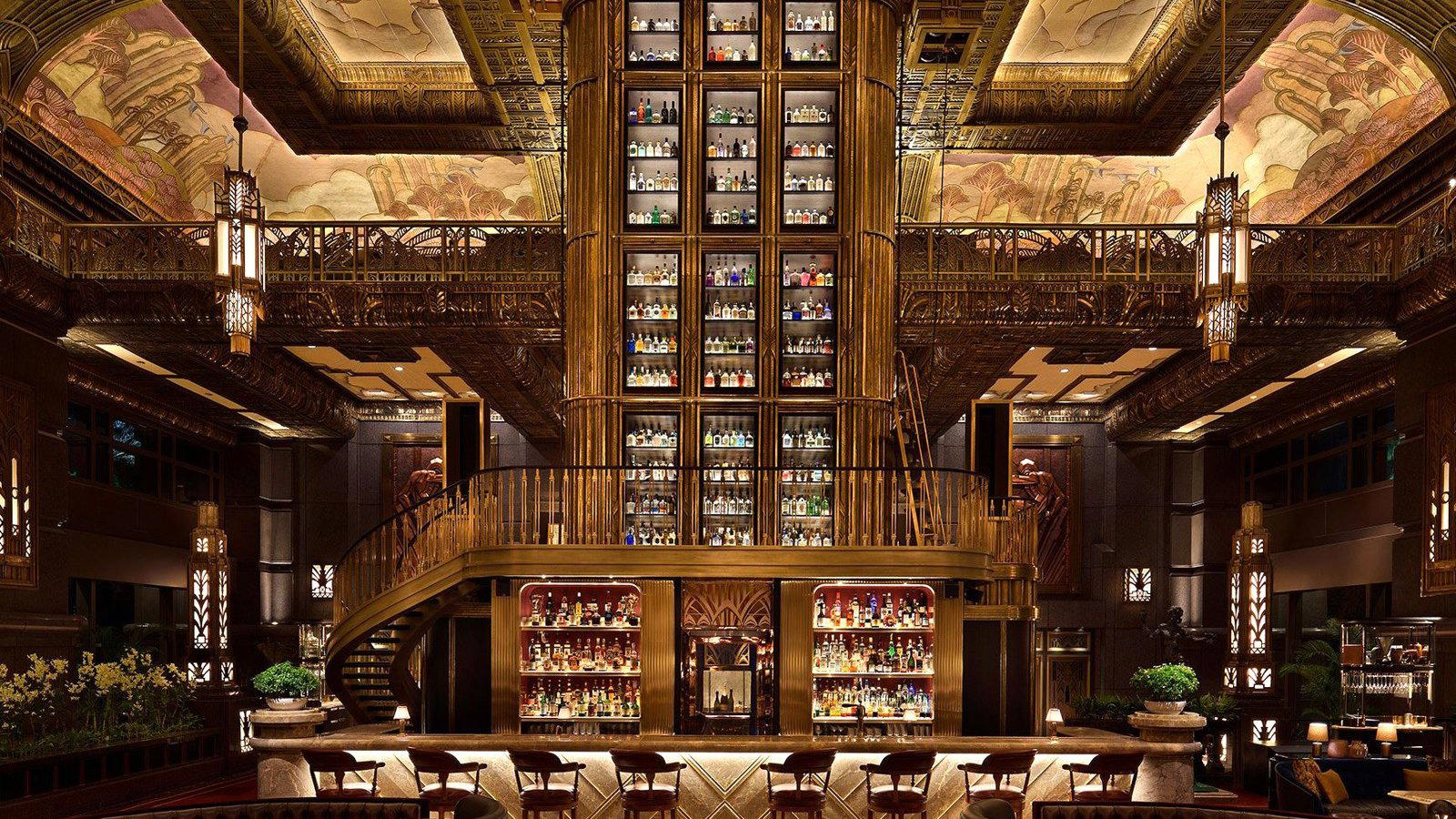
Bars in Singapore
Browse all →
At a Glance
- Classic
- Well Known
- Cozy
- Family
- Group Dining
- Special Occasion
- Historic Building
Current opening hours
- Monday
- 11 AM–3 PM, 5:30–9:30 PM
- Tuesday
- 11 AM–3 PM, 5:30–9:30 PM
- Wednesday
- 11 AM–3 PM, 5:30–9:30 PM
- Thursday
- 11 AM–3 PM, 5:30–9:30 PM
- Friday
- 11 AM–3 PM, 5:30–9:30 PM
- Saturday
- 11 AM–3 PM, 5–9:30 PM
- Sunday
- 11 AM–3 PM, 5–9:30 PM
Hours can change for holidays and private events. Last verified .
Idyllic and nostalgic atmosphere focused on authentic home-style Peranakan dining with comforting, gentle flavors.