Gregorio's Trattoria
Gregorio's Trattoria occupies a corner of North Point Village Center in Reston, Virginia, where the Italian trattoria format holds ground against a dining strip that has trended toward wine bars and farm-to-table concepts. The menu follows the structural logic of traditional Italian service, with antipasti, primi, and secondi guiding the meal's pace rather than a single tasting format.
 Discover on Pearl
Pearl is the En Primeur Club membership app — saves, bookings, and concierge access live there. Same editors, same standards.
- Address
- 1428 North Point Village Center, Reston, VA 20194
- Phone
- +17036894894
- Website
- gregoriostrattoria.com
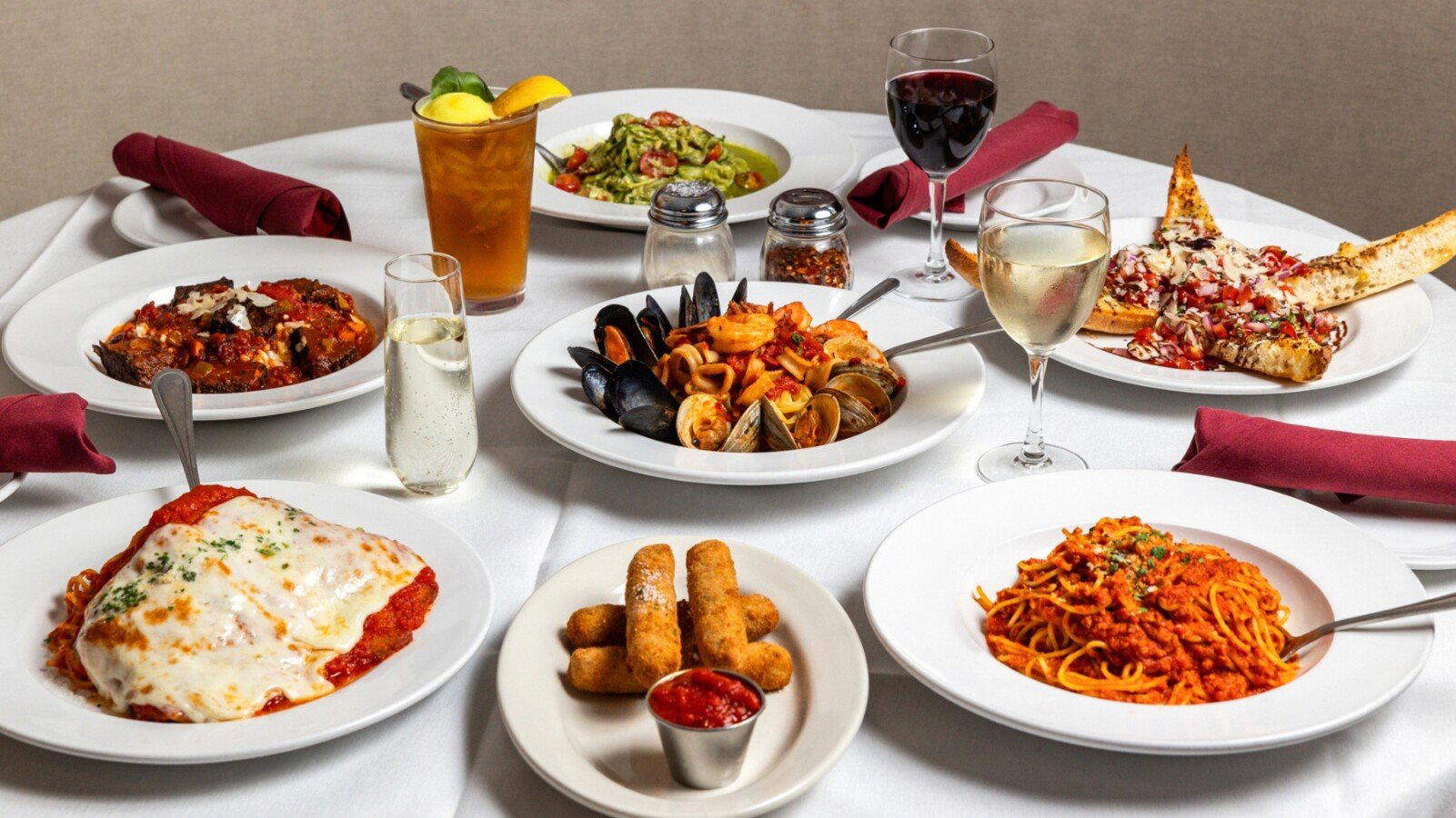
Italian Structure in a Northern Virginia Suburb
North Point Village Center sits at the northern edge of Reston, a planned community that has accumulated a dining scene more layered than its suburban ZIP code suggests. The strip runs from casual pizza counters to wine-focused rooms, and Gregorio's Trattoria occupies a position in that range that relies on the Italian trattoria format as its organizing principle. That format carries weight: it implies a menu built around courses, a kitchen that thinks in terms of pasta as a middle act rather than an afterthought, and a pace of service suited to a relaxed meal. In a corridor where places like Barcelona Wine Bar Reston anchor the evening around bottles and small plates, a trattoria model represents a different kind of commitment from the kitchen and the guest alike.
What the Menu Architecture Reveals
The trattoria format is one of Italian dining's most legible structures. It descends from the working-meal tradition of northern and central Italy, where antipasti exist to open appetite rather than fill it, primi anchor the meal with pasta or risotto, and secondi carry the protein weight without the theatrical plating conventions of fine dining. That architecture is not nostalgia. It is a set of functional decisions about pacing, portion, and ingredient order that reflect how Italian cooking was designed to be eaten rather than photographed.
When a restaurant in Reston commits to that structure, it is making a statement about its comparable set. It is not competing with the wine-and-share-plates model that Corsica Wine Bar represents, nor with the single-dish simplicity of Flippin' Pizza. It asks the guest to follow a sequence, which is a different hospitality contract. Whether the kitchen executes that contract consistently is what separates a genuine trattoria from a restaurant that uses the word decoratively.
The distinction matters in the American suburban context because Italian food in the United States has been flattened and reassembled in so many different directions, from red-sauce trattorias in New York's outer boroughs to hyper-sourced regional Italian rooms in downtown Washington D.C. A neighborhood trattoria in northern Virginia sits somewhere in the middle of that spectrum, closer to approachable tradition than to research-driven Italian cooking at a destination restaurant like Le Bernardin in New York City or the ingredient-focused formats of Blue Hill at Stone Barns in Tarrytown. That proximity to tradition is the point. It is what the format promises.
Reston's Dining Range and Where This Fits
Reston's restaurant scene has developed along two tracks: the corporate-lunch and family-dinner pragmatism of Town Center, and the more neighborhood-oriented strip dining of areas like North Point. The latter tends to reward regulars over destination visitors, and Italian trattorias in that category typically function as dependable neighborhood kitchens for the kind of guest who wants a reliable dinner within driving distance.
That positioning is not a limitation. Some of the most consistent Italian cooking in American cities happens in exactly this format, where the menu does not change dramatically by season, the pasta is made with enough regularity that technique improves over time, and the room knows its audience. The Italian-American trattoria in a suburban strip has its own lineage, and when it functions well it provides something that more trend-sensitive formats cannot: predictability in the leading sense, meaning a kitchen that has cooked its dishes hundreds of times and shows it.
For comparison's sake, the tasting-menu format that defines destination restaurants like Alinea in Chicago or The French Laundry in Napa operates on an entirely different axis of intention and investment. The trattoria is not trying to do what those rooms do. Its success is measured against a different standard: whether the carbonara is properly emulsified, whether the braise has had enough time, whether the house wine is worth ordering. Those are the right metrics for the format.
Reston diners looking for the wine-bar alternative to a full Italian sit-down can compare notes at Cafe Montmartre or the Japanese counter at Ariake Japanese Restaurant. Our full Reston restaurants guide maps the full range of options across the town's dining zones.
The Suburban Italian Room in American Context
American dining has produced a genuine tradition of Italian-American trattoria cooking that is distinct from its Italian source material in specific, identifiable ways: richer sauces, larger portions, a greater reliance on veal and chicken as secondi proteins, and a wine list that tends toward the accessible rather than the regional. That is not a criticism. It is a description of a cuisine that adapted to its context and, in doing so, created its own conventions.
The most interesting question for any American trattoria in 2024 is how much it acknowledges that adaptation versus how much it reaches back toward source. Some rooms have moved decisively toward regional Italian specificity, tracking the Emilian pasta tradition or the fish-forward cooking of the Ligurian coast. Others have stayed with the adapted form, producing food that is American Italian in the fullest sense. Both are legitimate positions, and the menu structure itself usually signals which direction the kitchen has chosen. A long pasta section with regional specificity suggests one intention. A broader menu with more familiar dishes suggests another.
For a broader frame on what destination-level Italian cooking looks like when it moves beyond the trattoria format, the Italian-inflected ambition of 8 1/2 Otto e Mezzo Bombana in Hong Kong offers a useful counterpoint, as does the farm-driven Californian Italian logic at Single Thread Farm in Healdsburg. Neither is a model that a neighborhood trattoria in Reston should aspire to copy. They are useful markers for understanding how wide the Italian cooking spectrum actually runs.
Planning Your Visit
Gregorio's Trattoria is located at 1428 North Point Village Center in Reston, Virginia 20194. North Point Village Center is a strip-style retail and dining cluster on the northern end of the town, accessible by car and with surface parking directly in front. The trattoria format suggests an evening visit rather than a quick lunch stop, given the multi-course structure that the menu implies. Current hours are Tuesday from 11 am to 10 pm, and reservations are recommended. The North Point area works well for a dinner paired with an easy walk through the surrounding neighborhood.
Credentials Lens
Comparable venues nearby, for context on price, style, and recognition.
| Venue | Cuisine | Price | Awards | Notes |
|---|---|---|---|---|
| Gregorio's TrattoriaThis venue — the venue you are viewing | Traditional Italian Trattoria | $$ | , | |
| Willard's BBQ | Regional American BBQ | $ | , | Reston |
| Seven Restaurant | Modern European-Inspired | $$$ | , | Reston Town Center |
| Pitango Gelato | Authentic Italian Gelato | $$ | , | Reston Town Center |
| The Simon at Reston Station | Refined Mid-Atlantic | $$$ | , | Reston Station |
| Flippin' Pizza | New York-Style Pizza | $$ | , | Reston |
Continue exploring
More in Reston
Restaurants in Reston
Browse all →
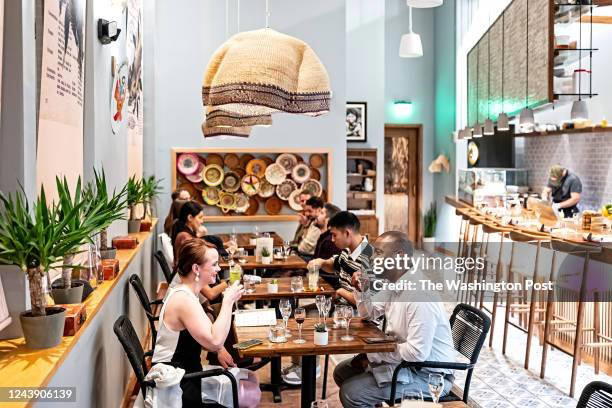
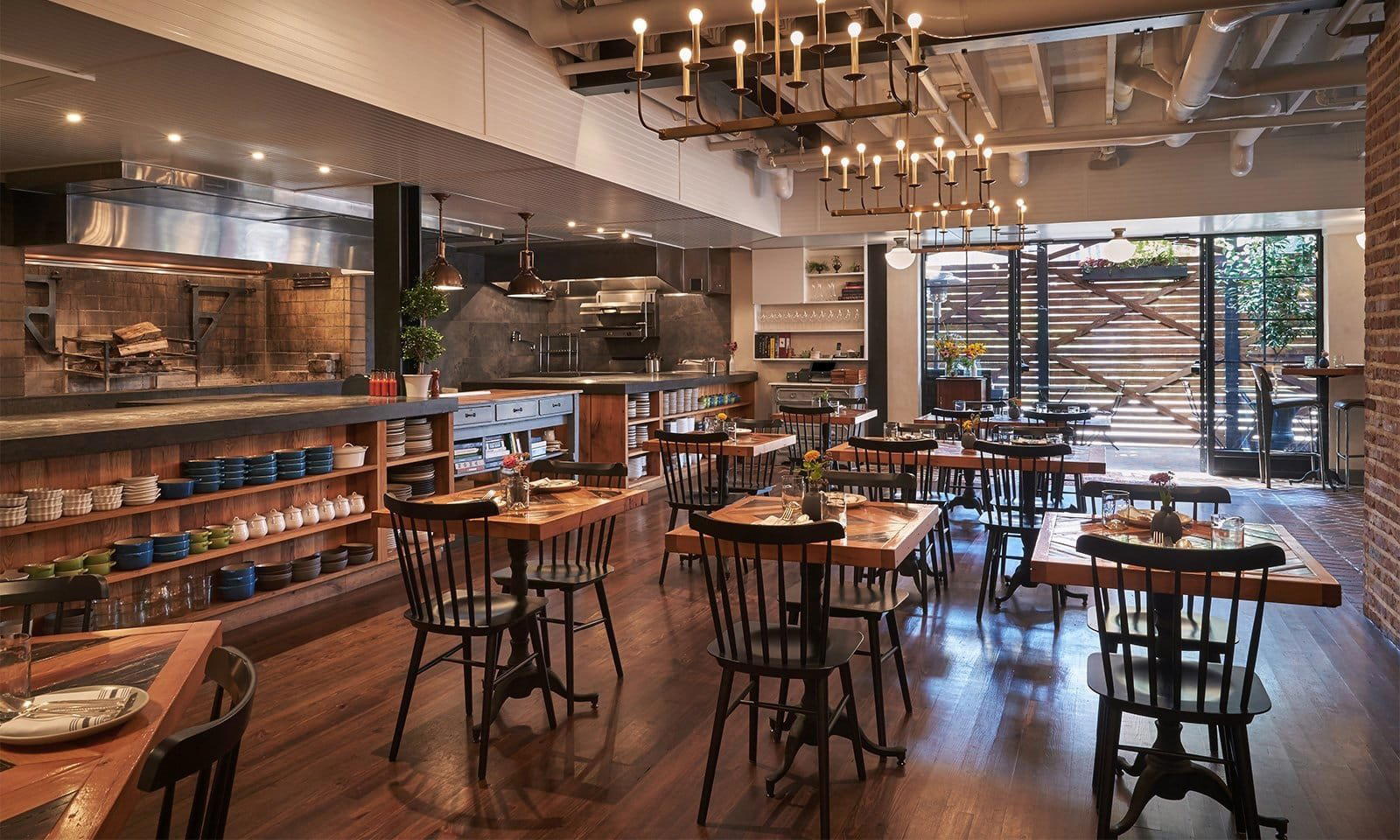
Bars in Reston
Browse all →
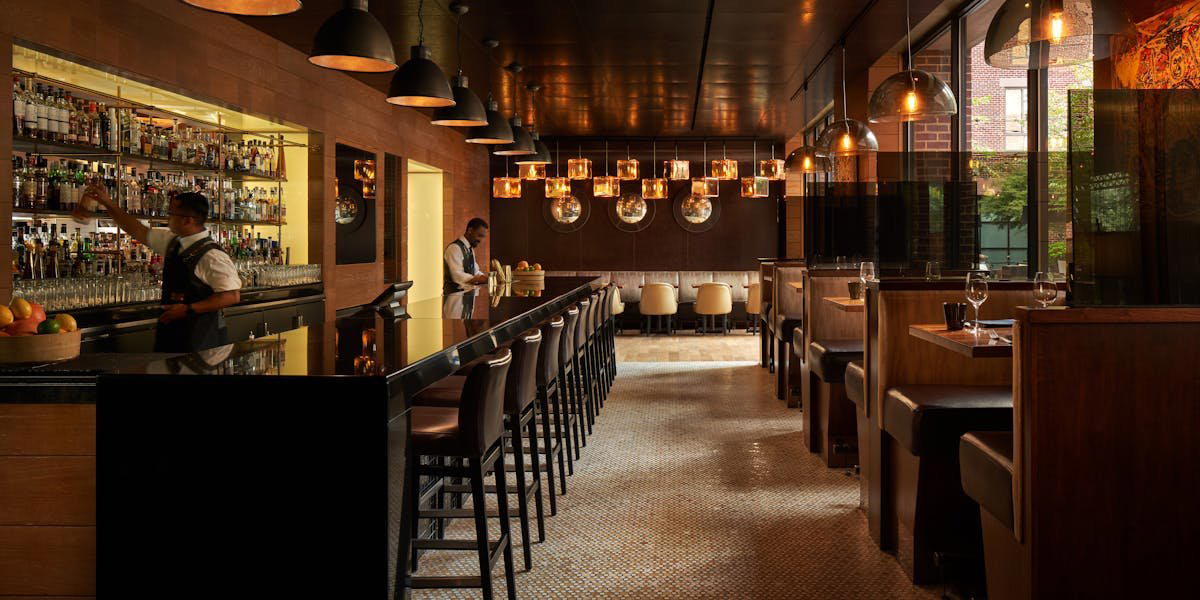
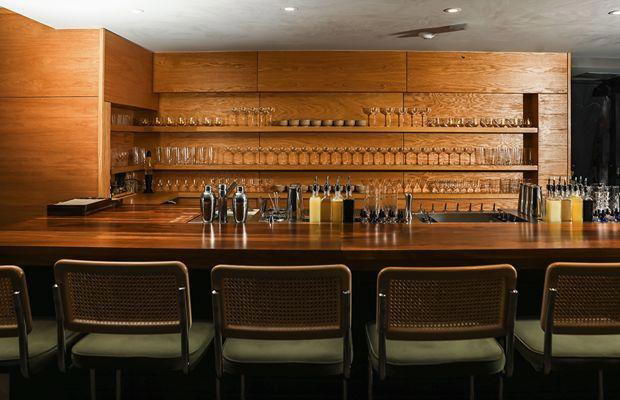

Hotels in Reston
Browse all →



At a Glance
- Cozy
- Classic
- Family
- Casual Hangout
- Local Sourcing
Comfy and welcoming neighborhood atmosphere with tablecloths adding a touch of style, ideal for casual family dining.