Ariake Japanese Restaurant
A Japanese restaurant on Glade Drive in Reston, Virginia, Ariake sits in a suburban corridor where serious Japanese cooking is harder to find than the address suggests. The kitchen operates within a dining tradition that prizes sourcing discipline and restraint over spectacle, placing it in a different register from the European-leaning wine bars and casual spots that define much of the Reston dining scene.
Pearl is the En Primeur Club membership app — saves, bookings, and concierge access live there. Same editors, same standards.
- Address
- 12184 Glade Dr, Reston, VA 20191
- Phone
- +17033919006
- Website
- ariakerestaurant.com
- Directions
- Get directions
 Saves & bookings on Pearl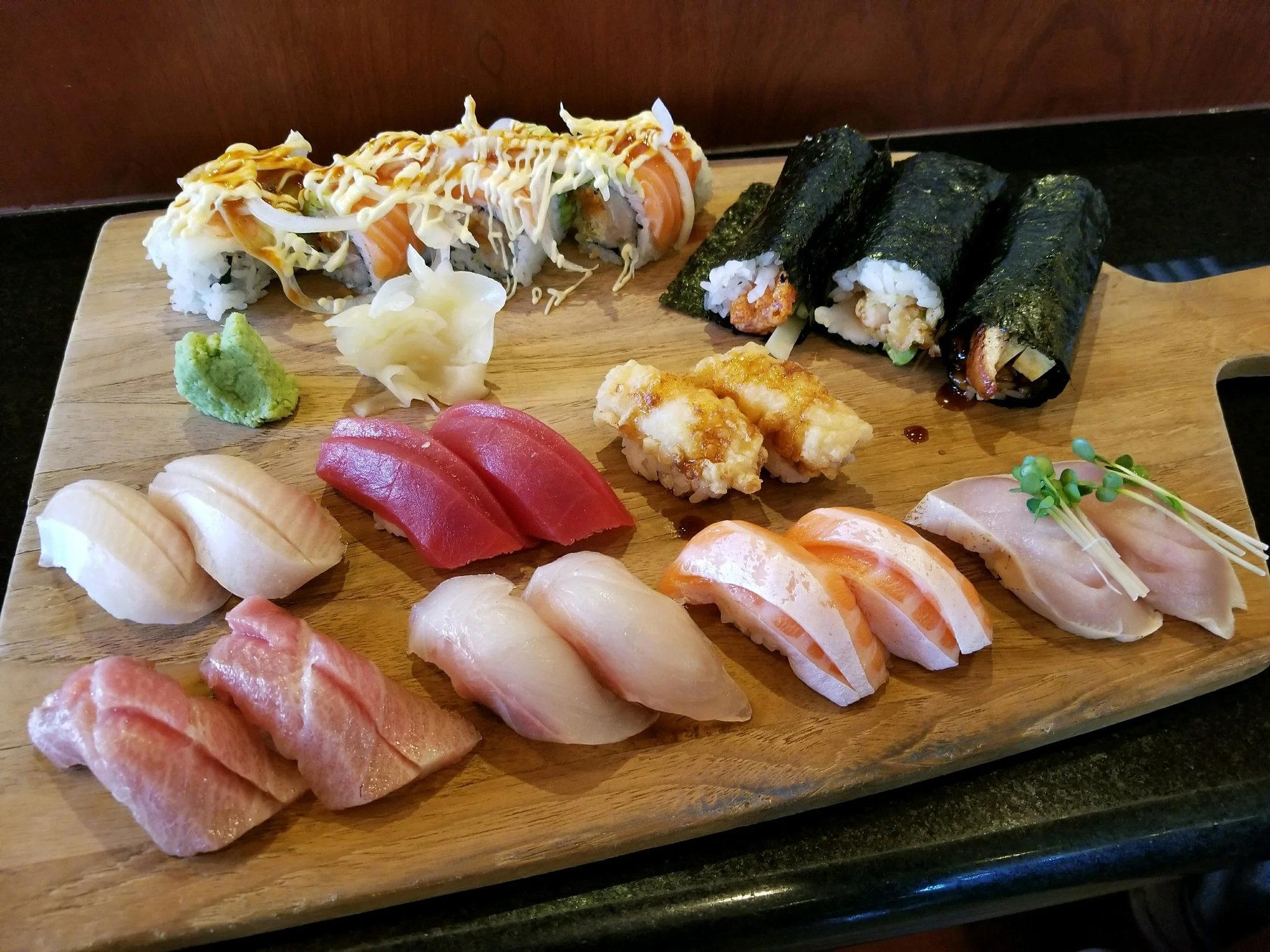
Reston's Japanese Dining Tier and Where Ariake Sits Within It
Northern Virginia's dining scene has developed unevenly. The corridor running from Tysons Corner through Reston to Herndon carries enough corporate density to support serious restaurants, but Japanese cooking at the precision end of the spectrum remains a thinner category here than in urban markets. Reston Town Center draws reliable foot traffic toward wine-forward concepts like Barcelona Wine Bar Reston and Corsica Wine Bar, and farm-to-table American formats like Founding Farmers VA have found a natural audience in the area's professional demographic. Against that backdrop, a Japanese restaurant operating outside the Town Center at 12184 Glade Drive is making a quieter, more specific argument about what this part of Virginia can support.
Ariake Japanese Restaurant occupies a position that most casual diners in the area would not immediately map. It is not on the main commercial strip. It is not attached to a hotel or entertainment complex. That address, on Glade Drive in the 20191 zip code, places it in a residential-adjacent pocket where the audience is self-selecting. Guests who end up there have usually sought it out, which tends to filter toward the kind of diner who is paying attention to what arrives on the plate.
The Sourcing Argument at the Core of Japanese Cooking
Japanese cuisine, at its more considered tier, is constructed around ingredient provenance in a way that few other traditions match structurally. The cuisine does not layer flavors through long cooking processes or heavy sauce work. Instead, it concentrates emphasis on the raw material: where the fish was caught, how long it has been aged, at what temperature it is served. This is a fundamentally different value system from the French tradition, where technique often transforms ingredients into something distinct from their origin. In Japanese cooking, technique exists largely to get out of the ingredient's way.
That sourcing orientation is why the geography of supply chains matters so much when assessing any Japanese restaurant operating outside Japan's main fishing ports. Restaurants like Le Bernardin in New York City or Providence in Los Angeles have built their reputations in part on direct supplier relationships with fishing operations that prioritize handling protocols from catch to delivery. At the ingredient-forward end of American fine dining more broadly, the sourcing question has become a structuring idea: Blue Hill at Stone Barns in Tarrytown and Single Thread Farm in Healdsburg have made the provenance argument central to their identities. A Japanese kitchen operating with that level of sourcing discipline applies the same logic but with different reference points: the quality of its rice supplier, its nori source, its relationship with whichever fishmonger bridges Japanese-specification seafood into the mid-Atlantic market.
For diners evaluating Ariake against that broader context, the relevant question is whether the kitchen is operating within this sourcing-first framework or working at a lower level of ingredient specificity. In suburban Virginia, away from the distribution infrastructure concentrated in New York and Los Angeles, getting the right raw materials requires active effort rather than passive access.
The Suburban Japanese Restaurant as a Category
American suburbs have historically supported Japanese restaurants across a wide quality range, from fast-casual sushi rolls aimed at lunch crowds to small, serious counters that operate in relative anonymity compared to their urban counterparts. The less visible end of that range has produced some consistently strong cooking precisely because low overhead and a local regular base allow kitchens to focus on execution rather than spectacle or Instagram throughput.
This pattern appears in several American cities. Atomix in New York City represents the urban end of the spectrum where Korean-Japanese precision commands national attention. At the other end, suburban Virginia has its own small cluster of Japanese kitchens that operate quietly and competently for local audiences who have traveled enough to know what they are tasting. The comparison set for Ariake is not the omakase counters of Ginza or the three-Michelin-star formats like The French Laundry in Napa or Smyth in Chicago. It is the category of mid-market Japanese restaurants in the DMV area that serve a population with genuine interest in the cuisine but without easy access to the leading urban tiers.
That is not a diminished category. Particularly consistent Japanese cooking in the United States happens in exactly this format, where the kitchen is not performing for critics or feeding a tourist wave, but cooking repeatedly for returning guests who notice when something changes.
Reston as a Dining Context
Reston was planned as a self-contained community, and its dining scene reflects that somewhat inward orientation. The range runs from Flippin' Pizza at the casual end to wine-led European concepts at the mid-tier, with Cafe Montmartre adding a French register to the mix. Japanese cuisine has not historically been the dominant category here, which is part of what makes Ariake's presence notable. It serves a gap rather than competing in a crowded field.
For visitors to Northern Virginia with a specific interest in Japanese food, the regional picture includes stronger concentrations in the Annandale corridor and in parts of Fairfax County closer to the Beltway. But Reston residents, and visitors staying in the area for business or leisure, have fewer Japanese options at walking or short-drive distance. Ariake's Glade Drive location sits roughly within the larger Reston residential grid, accessible by car from the Route 267 corridor. Those staying near Dulles or working in the Reston Tech corridor form a natural audience. For a fuller picture of what the area offers, the full Reston restaurants guide maps the category range in more detail.
Planning a Visit
Confirm current hours and booking availability before visiting at 12184 Glade Drive. Reservations are recommended, especially on weekend evenings.
Comparable Venues
Comparable venues nearby, for context on price, style, and recognition.
| Venue | Cuisine | Price | Notes |
|---|---|---|---|
| Ariake Japanese RestaurantThis venue — the venue you are viewing | Japanese Sushi and Traditional Cuisine | $$ | Not listed |
| Barcelona Wine Bar Reston | Spanish Tapas Bar | $$ | Reston Town Center |
| Pitango Gelato | Authentic Italian Gelato | $$ | Reston Town Center |
| Seven Restaurant | Modern European-Inspired | $$$ | Reston Town Center |
| Founding Farmers VA | American Farm-to-Table | $$ | Reston Station |
| The Simon at Reston Station | Refined Mid-Atlantic | $$$ | Reston Station |
Continue exploring
More in Reston
Restaurants in Reston
Browse all →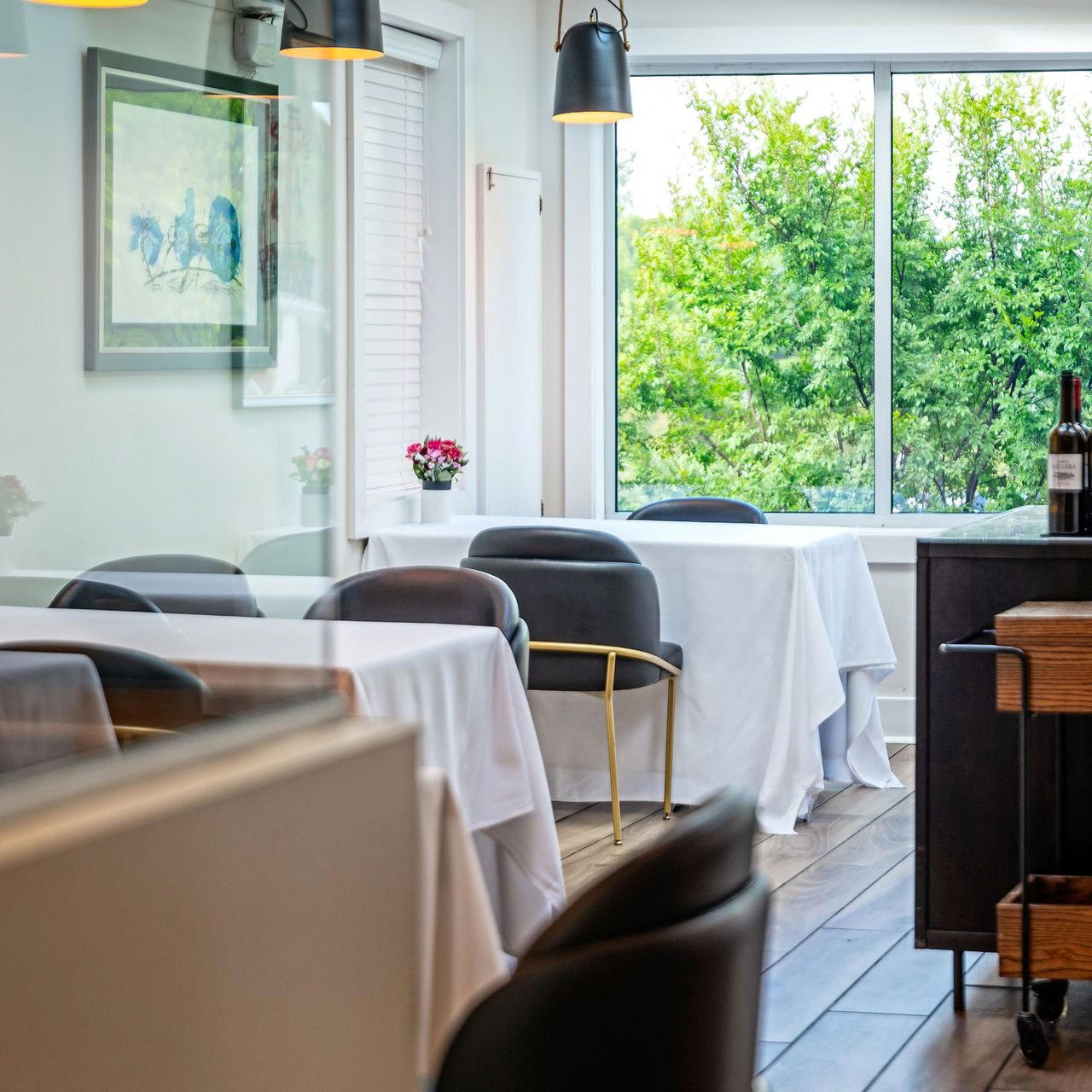
Bars in Reston
Browse all →
Hotels in Reston
Browse all →
At a Glance
- Cozy
- Family
- Group Dining
- Casual Hangout
- Open Kitchen
- Sake Program
Current opening hours
- Monday
- 11:30 AM–2:30 PM, 4:30–9:30 PM
- Tuesday
- 11:30 AM–2:30 PM, 4:30–9:30 PM
- Wednesday
- 11:30 AM–2:30 PM, 4:30–9:30 PM
- Thursday
- 11:30 AM–2:30 PM, 4:30–9:30 PM
- Friday
- 11:30 AM–2:30 PM, 4:30–9:30 PM
- Saturday
- 11:30 AM–2:30 PM, 4:30–9:30 PM
- Sunday
- 11:30 AM–2:30 PM, 4:30–9 PM
Hours can change for holidays and private events. Last verified .
Inviting and warm with authentic sushi restaurant ambiance.