Greenwood American Bistro
Situated on Greenwood Avenue North in Seattle's Phinney Ridge corridor, Greenwood American Bistro occupies a neighbourhood dining tier that prizes ingredient-driven cooking over spectacle. The room draws a local crowd that returns on rotation rather than occasion, which in Seattle's current dining climate says more than any award. A reliable address in a part of the city that rewards the curious.
- Address
- 8501 Greenwood Ave N, Seattle, WA 98103
- Phone
- +14255368372
- Directions
- Get directions
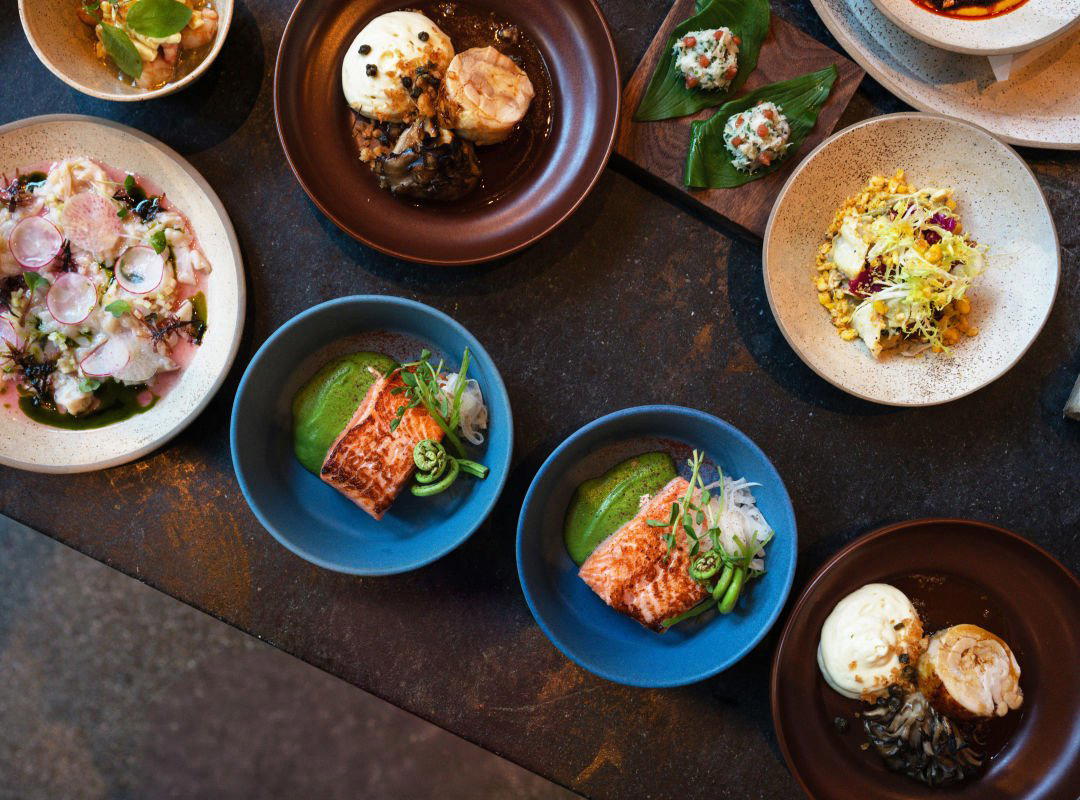
A North Seattle Neighbourhood and the Restaurants That Define It
Greenwood Avenue North runs through one of Seattle's quieter residential corridors, where the dining scene operates at a different register from the waterfront showpieces and downtown tasting menus that tend to dominate city coverage. This is Phinney Ridge territory: low-key blocks, independent operators, and a local clientele that is harder to impress than a tourist crowd and quicker to stop returning if the kitchen goes slack. In that context, a restaurant holding a regular local following is a more meaningful signal than a press run. Greenwood American Bistro, at 8501 Greenwood Ave N, occupies exactly that position. Greenwood American Bistro is a casual Contemporary American Bistro at 8501 Greenwood Ave N, Seattle, WA 98103, with reservations recommended.
The American bistro format has its own logic in a city like Seattle. It sits between the white-tablecloth ambition of Canlis, which has defined New American fine dining in the Pacific Northwest for decades, and the sharper, more genre-specific cooking of places like Joule in the New Asian register. The bistro tier is where most people actually eat most of the time, and getting it right, consistent execution, a room that functions as a neighbourhood anchor, and a menu that holds interest across seasons, is harder than it looks from the outside.
The Arc of the Meal: How a Bistro Earns Its Ground
The meal progression at any American bistro tells you more about the kitchen's priorities than its marketing copy ever will. In the Seattle context, where sourcing from the Pacific Northwest has moved from differentiator to baseline expectation, the question is no longer whether a restaurant mentions Skagit Valley or Hood Canal on its menu, but how confidently it builds a meal around those ingredients from first course to last.
At the opening end of a well-structured bistro meal, the kitchen's relationship with acidity and restraint tends to reveal itself immediately. Lighter preparations, a composed salad, a charcuterie selection, or something built around pickled or fermented elements, set the register. The mid-meal tends to be where American bistros either commit to a point of view or drift toward crowd-pleasing genericism: a well-sourced protein cooked correctly versus something technically safe but editorially inert. The closing arc, dessert and cheese, is where kitchens that have thought about the full meal arc rather than just the main plate tend to show the difference.
This sequencing matters because the bistro format, unlike the omakase counter or the prix-fixe tasting menu at somewhere like Lazy Bear in San Francisco or Alinea in Chicago, gives the diner more control. The kitchen's job is to make the à la carte choices feel like a coherent meal anyway, building progression without enforcing it. That is the real craft of the bistro cook.
Where Greenwood Fits in Seattle's Current Dining Order
Seattle's restaurant geography has been reshuffling since the pandemic accelerated the departure of several mid-tier operators from downtown. The neighbourhoods north of the ship canal, Fremont, Ballard, Phinney Ridge, have absorbed some of that energy, with operators finding that residential-area rents allow for better margins and that a loyal repeat-visitor base is more sustainable than tourist foot traffic. Greenwood American Bistro is positioned in that north-Seattle tier, serving a neighbourhood that expects quality without ceremony.
Compare this to the stratified ambition further south and downtown. Nationally recognised addresses in the American fine dining circuit, from The French Laundry in Napa to Blue Hill at Stone Barns in Tarrytown to Single Thread Farm in Healdsburg, operate on a different logic entirely: destination dining, farm integration, prix-fixe formats that remove all ambiguity about what the meal will cost. The neighbourhood bistro serves a different social function. It is where you eat on a Tuesday without an agenda, and where the kitchen has to earn your return visit rather than your advance booking.
Venues across the full Seattle restaurant spectrum tend to cluster in a few specific registers. The high-concept end is well documented. The mid-tier, where Greenwood American Bistro operates, is often overlooked but more representative of how a city actually eats. For context on what else is operating in the north-city corridor, see also the addresses at 1744 NW Market St and 1415 1st Ave.
The Broader American Bistro Tradition
The American bistro format carries a specific inheritance. It draws from the French bistro model, a focused menu, a room built for regulars, a wine list that does not require a sommelier to decode, but filtered through decades of American culinary evolution that began accelerating in the 1990s and has since dispersed into regional identities. What a Seattle American bistro does with that inheritance differs from what the same format produces in New Orleans (see Emeril's), New York (where Le Bernardin occupies a different tier entirely but anchors the same broader tradition of serious American restaurant culture), or Los Angeles (Providence operating at the premium end of the Pacific seafood tradition).
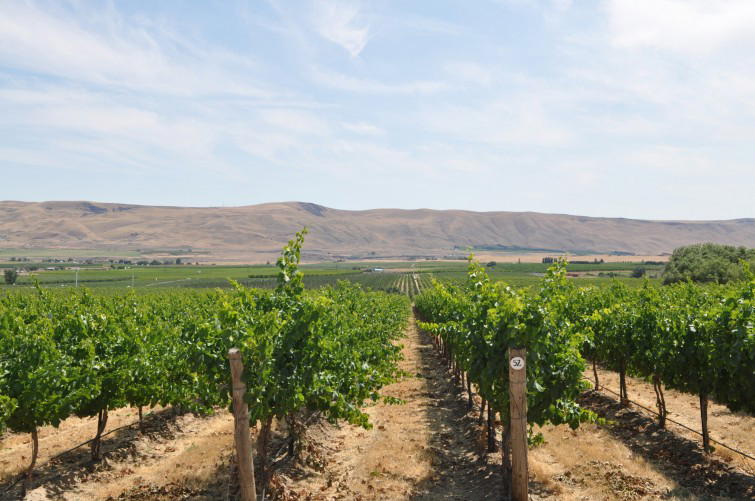
In Seattle, the Pacific Northwest inflection means the bistro format tends to integrate local seafood, foraged elements, and a wine list weighted toward domestic producers, particularly Oregon and Washington State bottles. The region's depth in Pinot Noir and Chardonnay from the Willamette Valley, and Cabernet and Syrah from eastern Washington appellations, gives bistro wine programs a legitimate local anchor that doesn't require reaching for Burgundy or Napa to offer quality. Alongside that, there are strong parallels with how operators like Addison in San Diego and The Inn at Little Washington have developed regional American cooking with distinct terroir identity, even if at a different price point and scale.
For readers exploring the further edges of American fine dining globally, Atomix in New York City and 8 1/2 Otto e Mezzo Bombana in Hong Kong illustrate how the American dining conversation intersects with international fine dining at the summit tier. The neighbourhood bistro, by contrast, is where the city-level conversation happens at the ground floor. Additional north-Seattle addresses worth noting in the same neighbourhood circuit include 2963 4th Ave S.
Know Before You Go
Address: 8501 Greenwood Ave N, Seattle, WA 98103
Neighbourhood: Phinney Ridge / Greenwood, North Seattle
Price Range: Price tier 2
Booking: Reservations recommended
Hours: Not confirmed; verify before visiting, particularly on Mondays and Tuesdays when neighbourhood independents in Seattle commonly close
Cuisine: American bistro format within the Pacific Northwest context
Seasonal note: Spring and early summer, when Pacific Northwest produce peaks and local seafood availability is at its broadest, represent the strongest period to visit any Seattle restaurant working within a regional sourcing framework
Comparable Options
Comparable venues nearby, for context on price, style, and recognition.
| Venue | Cuisine | Price | Notes |
|---|---|---|---|
| Greenwood American BistroThis venue — the venue you are viewing | Contemporary American Bistro | $$ | Not listed |
| 5 Spot | American Regional Diner | $$ | East Queen Anne |
| Tilikum Place Cafe | Northwest European Bistro | $$ | Uptown Triangle |
| Molly Moon's Homemade Ice Cream | Homemade Ice Cream | $$ | Wallingford |
| North Star Diner | Classic American Diner | $$ | Greenwood |
| The Pastry Project | Pastry Shop & Soft Serve | $$ | Pioneer Square |
Continue exploring
More in Seattle
Restaurants in Seattle
Browse all →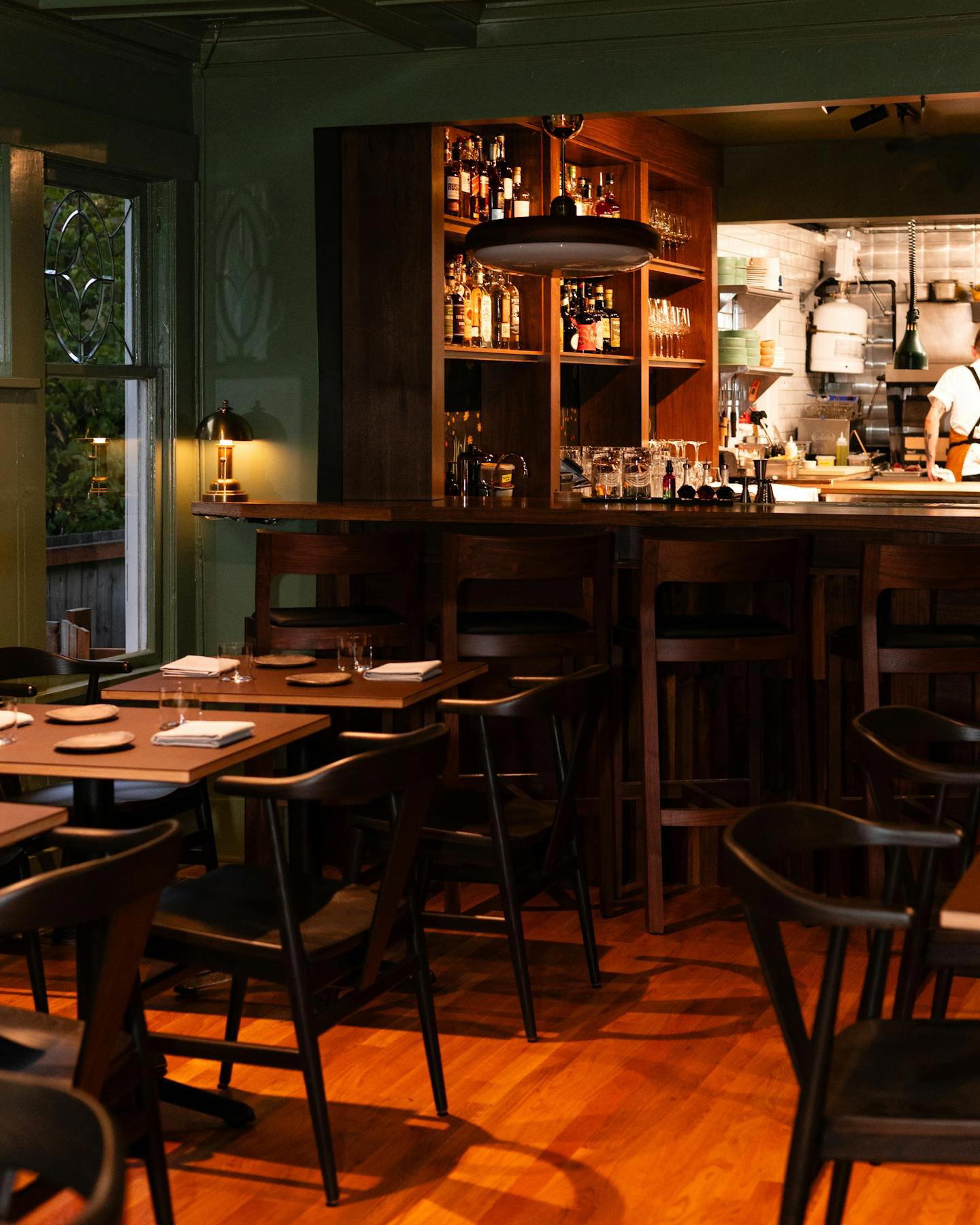
Bars in Seattle
Browse all →
Hotels in Seattle
Browse all →

At a Glance
- Cozy
- Whimsical
- Casual Hangout
- Special Occasion
- Open Kitchen
- Craft Cocktails
- Local Sourcing
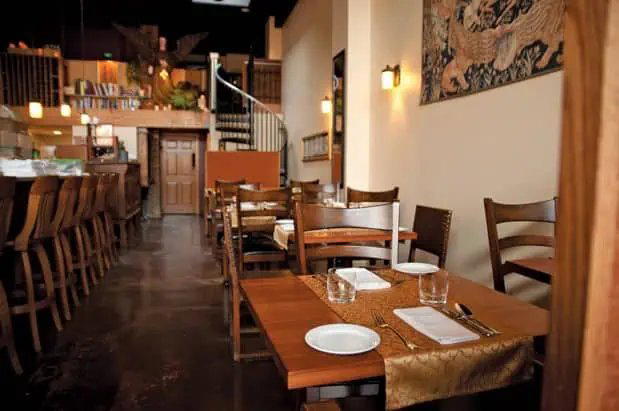
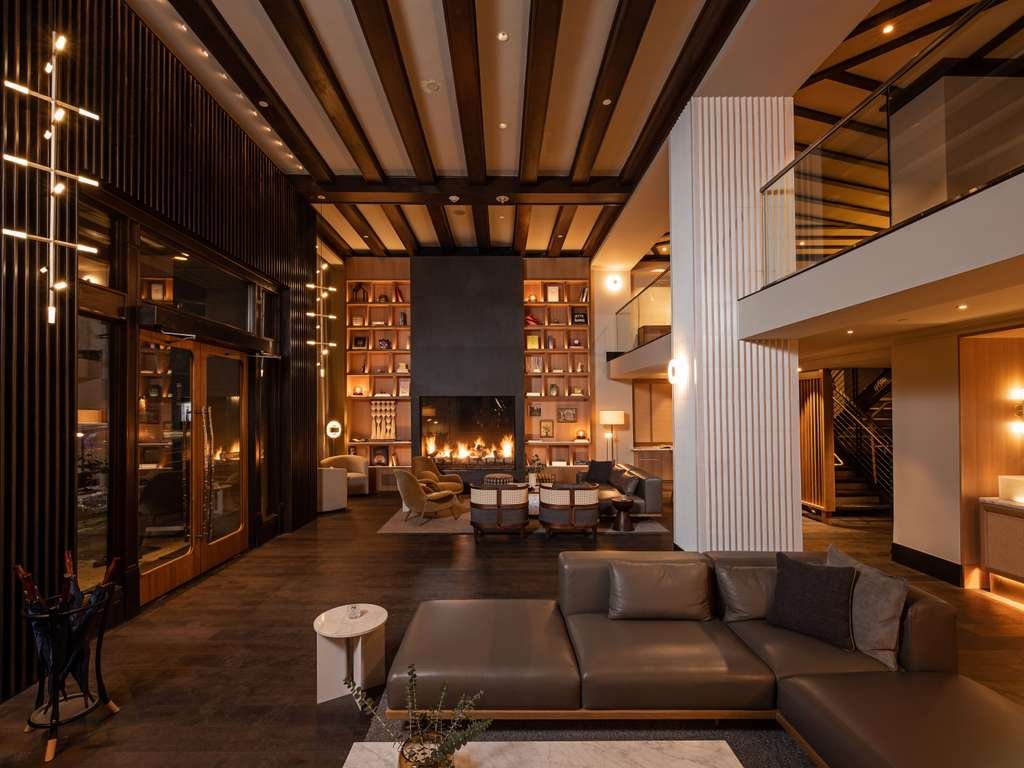
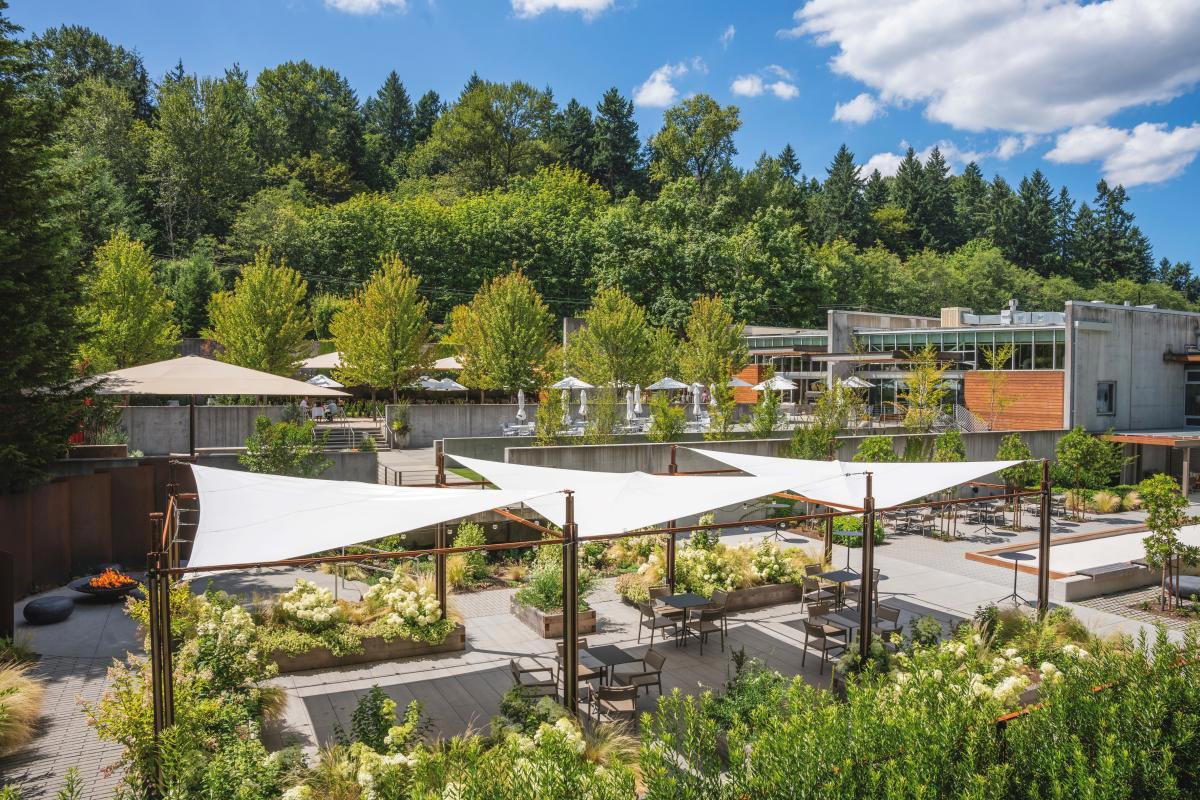
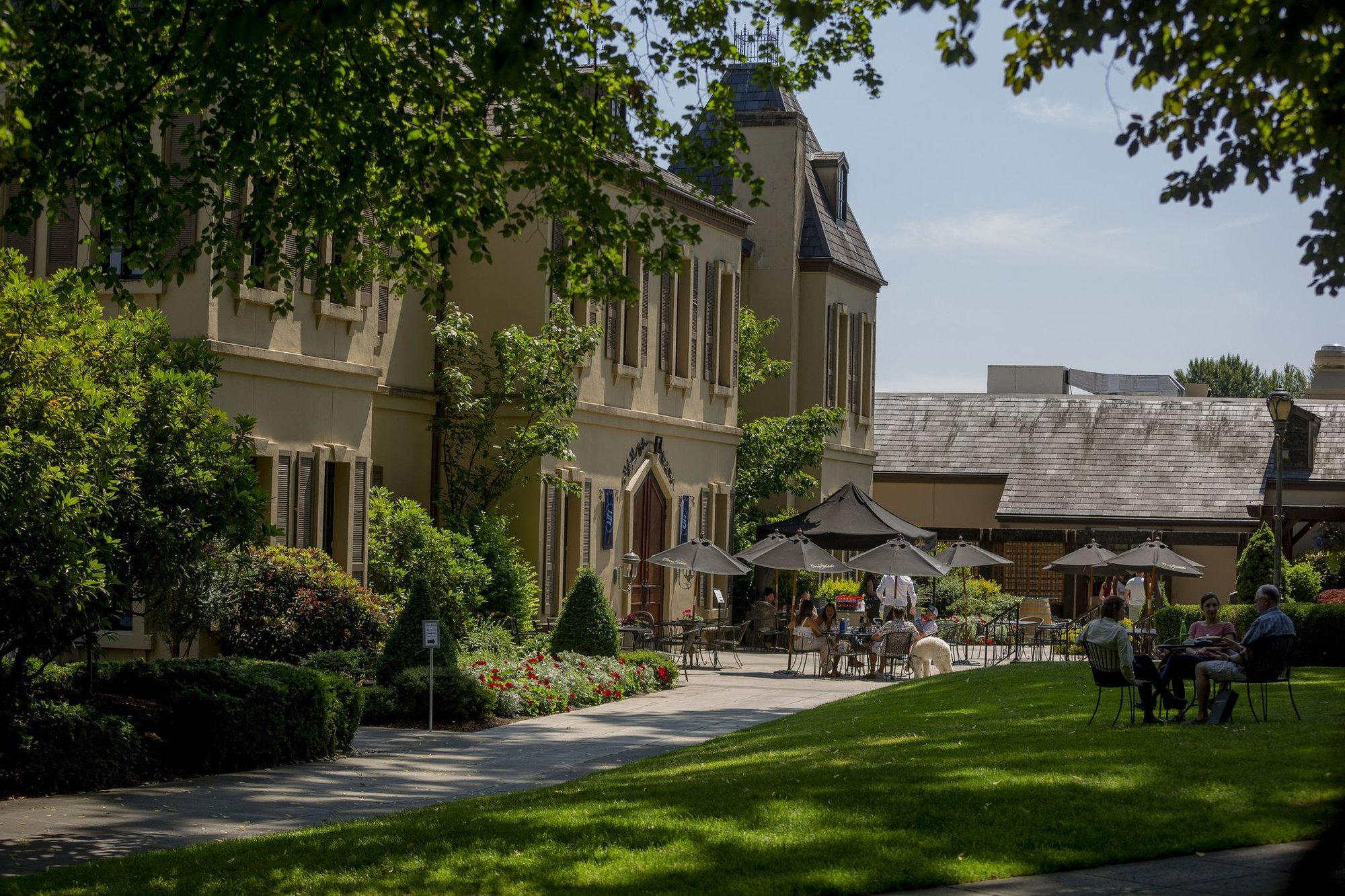
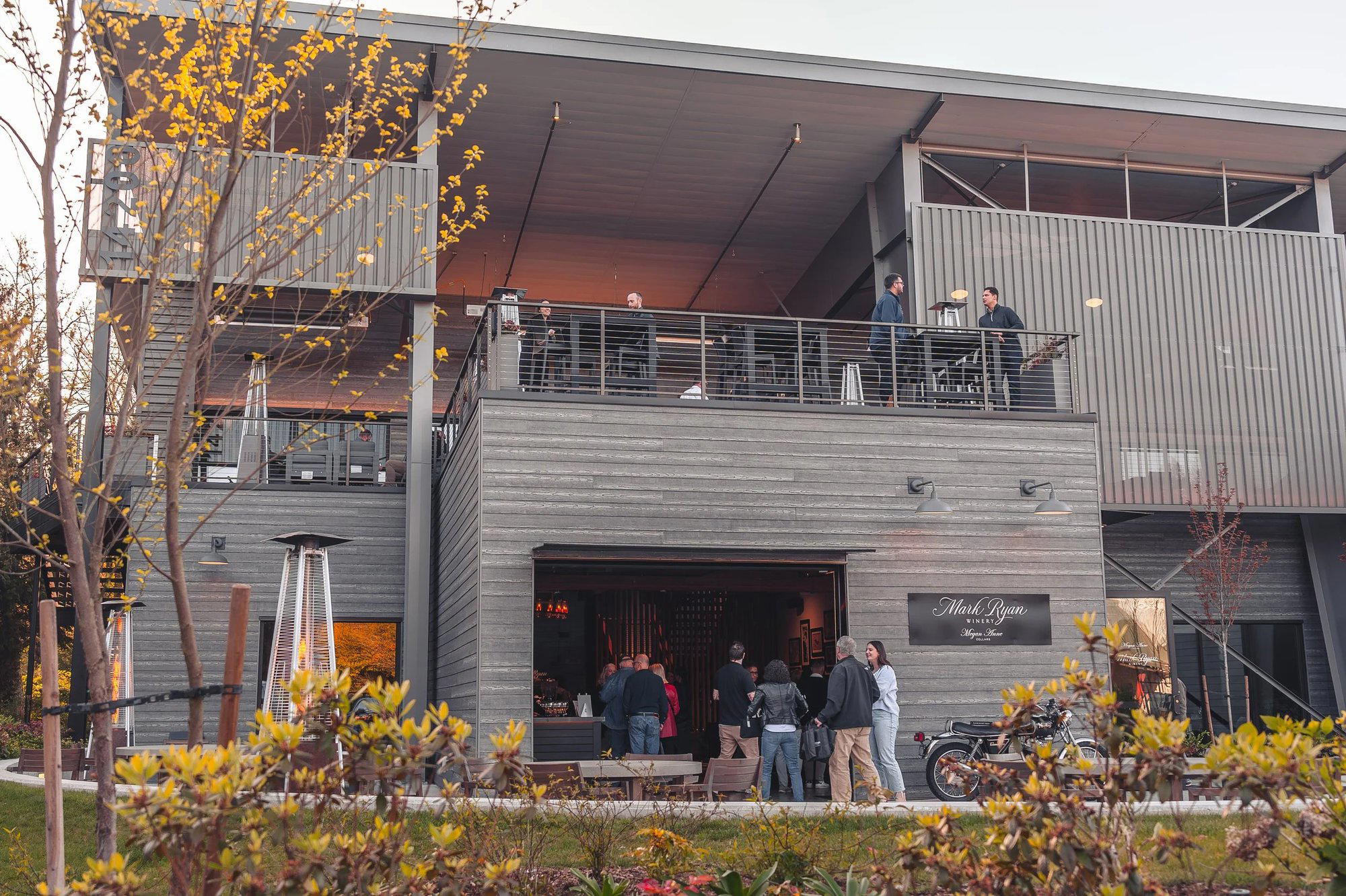
Friendly dining room with approachable, neighborhood atmosphere evoking casual hotel-style comfort.