5 Spot
Our verdict
5 Spot sits on Queen Anne Avenue North in Seattle, occupying the kind of neighborhood corner that anchors a residential hill rather than performing for tourists. The room has a diner-meets-roadhouse sensibility that has made it a consistent local reference point, somewhere between a serious breakfast destination and an all-day neighborhood anchor. It earns its reputation through consistency and physical character rather than trend-chasing.

Pearl is the En Primeur Club membership app, where members save venues, book tables and use the concierge.

The menu
What to order
- 5 Spot Breakfast
- Eggs Benedict
- Belgian Waffle
Queen Anne's Corner Table
Queen Anne Avenue North has a particular texture that sets it apart from Seattle's more destination-driven dining corridors. The hill climbs steeply from Seattle Center, and by the time you reach the upper stretch near 1502, the neighborhood reads less like a food scene and more like a place where people actually live. Restaurants here compete for regulars, not reservation tourists, and the ones that survive do so because the room itself becomes part of the daily rhythm. 5 Spot has occupied this corner long enough to become part of that rhythm.
The building's position on the avenue gives it the physical presence of an old-fashioned American diner, wide windows facing the street, a layout that reads from outside before you step in. This is not an accident of real estate. Across American cities, the neighborhood all-day dining format depends on visibility and approachability at street level. The restaurant that signals "open, warm, and familiar" from across the street operates with a structural advantage over the room that requires context to understand. 5 Spot's exterior does that signaling work efficiently.
A Room Built for All Hours
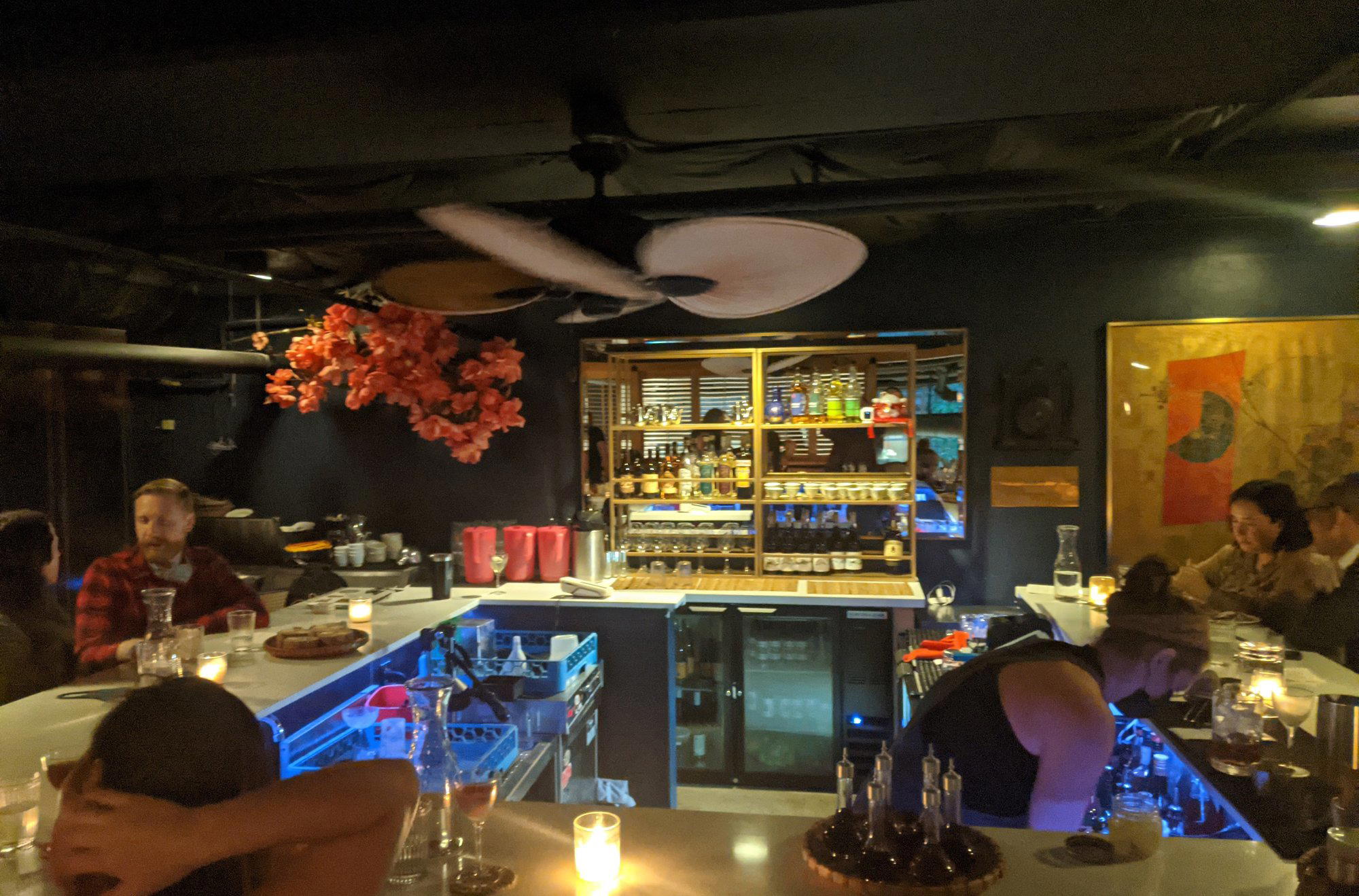
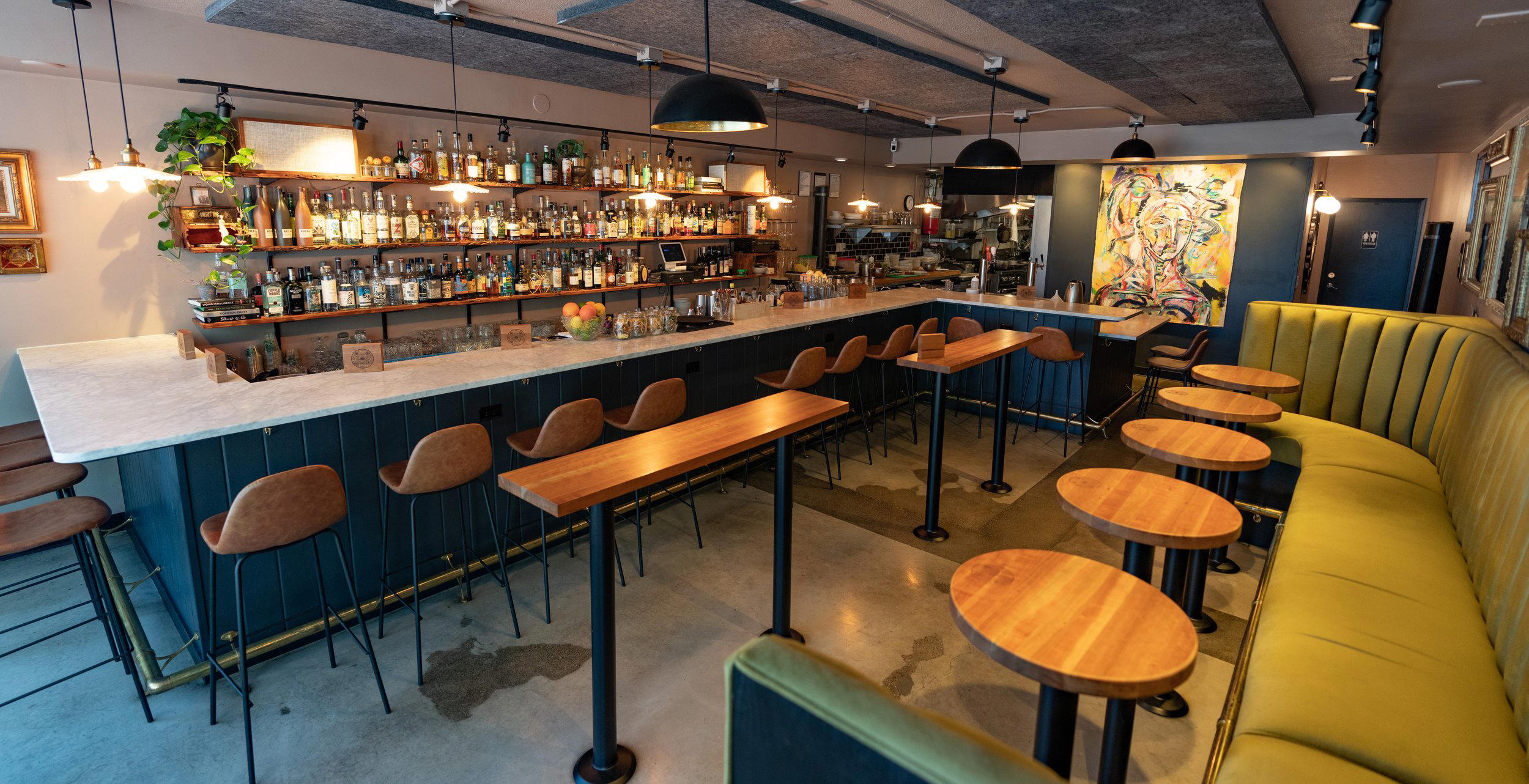
The interior architecture of 5 Spot follows the logic of American roadside vernacular rather than contemporary restaurant minimalism. The space is layered with visual references, vintage signage, booth seating, a counter configuration, that place it within a long tradition of themed American diners that rotated regional identities as a programming mechanism. This genre, which flourished in the mid-twentieth century across highway-adjacent towns and urban neighborhoods alike, used interior design as storytelling. The room communicated origin story before the menu arrived.
What makes 5 Spot's spatial approach more durable than pure nostalgia is the booth-heavy layout. In the economics of all-day dining, booth seating serves a function that open-plan tables cannot: it creates social privacy at low price points, making a two-hour breakfast feel self-contained rather than pressured. Families, solo diners with laptops, couples in weekend clothes, booth architecture accommodates all of them without requiring the room to be reconfigured. This is a design choice that serves the neighborhood format rather than the tasting-menu format, and it reflects an honest read of what the Queen Anne clientele actually wants from a Saturday morning.
Seattle's all-day dining scene has split noticeably between two models: the refined brunch restaurant that prices against dinner and books weeks ahead, and the neighborhood anchor that holds a more democratic position. 5 Spot sits in the second category, where the room's physical character is the primary product and the menu supports the atmosphere rather than the other way around. In that sense, it occupies a different competitive set than Canlis (New American) or Joule (New Asian), both of which operate at the top of Seattle's fine-dining tier with corresponding reservation demands and price structures.
American Diner Tradition and Regional Identity
The themed regional rotation format that 5 Spot built its identity around connects to a specific chapter in American restaurant history. Mid-century roadside culture produced restaurants that changed their menus seasonally to reflect different American regional cuisines, Gulf Coast seafood, Southern barbecue, Southwest chili, as a way of offering variety without abandoning a core diner format. The approach gave regular customers a reason to return and gave the kitchen a programming structure that a static menu could not provide.
This model differs considerably from the direction that high-profile American restaurants have taken over the past two decades. At venues like Lazy Bear in San Francisco or Blue Hill at Stone Barns in Tarrytown, the seasonal menu change is a fine-dining signal tied to sourcing, technique, and tasting-format progression. At neighborhood diners, the seasonal shift is a hospitality mechanism, it gives the room something to talk about without destabilizing the core regulars who come for the biscuits and the coffee. Both approaches use time and season as a tool, but the underlying logic differs entirely.
For Seattle visitors cross-referencing against national benchmarks, the tasting-counter discipline of Alinea in Chicago, the coastal-ingredient precision of Le Bernardin in New York City, or the farm-driven sourcing of Single Thread Farm in Healdsburg, 5 Spot is operating in an entirely different register. It is not competing in that space, nor does it signal any intention to. What it offers is the counter-argument: a room where the design does the hospitality work and the menu functions as comfort rather than statement.
Placing 5 Spot in Seattle's Dining Map
Seattle's restaurant geography distributes differently than visitors often expect. Capitol Hill and Ballard carry the density of ambitious independent restaurants. Pioneer Square has shifted with development cycles. Queen Anne's upper stretch operates with a smaller number of destination-level venues and a higher proportion of neighborhood stalwarts. Within that local map, 5 Spot holds a position closer to 1744 NW Market St or 2963 4th Ave S in neighborhood function than to the reservation-driven dining at 1415 1st Ave.
For a fuller read on where 5 Spot sits within Seattle's broader dining picture, our full Seattle restaurants guide maps the city by neighborhood, format, and price tier across all major categories.
Planning Your Visit
5 Spot sits at 1502 Queen Anne Ave N, at the top of Queen Anne Hill, reachable by the Queen Anne counterbalance route or a short drive from Seattle Center. The all-day format means weekday mornings are the path of least resistance for seating; weekend brunch hours carry predictable neighborhood demand for the booth seating that makes the room work. No booking details are confirmed in available data, so arriving with flexibility in timing is the practical approach. The room's walk-in character is part of its identity.
Frequently asked questions
How do I find 5 Spot?
5 Spot is located at 1502 Queen Anne Ave N, Seattle, WA 98109, Seattle.
Does 5 Spot in Seattle change its menu seasonally or on a fixed schedule?
5 Spot structures its menu around a regional American rotation rather than a conventional seasonal update, meaning the themes shift by American culinary region rather than by ingredient season alone. This gives the restaurant at 1502 Queen Anne Ave N a programming calendar more common to concept-driven diners than to standard neighbourhood spots.
What's the must-try dish at 5 Spot?
5 Spot built its identity around a rotating regional American menu format, meaning the signature dishes shift by theme rather than staying fixed year-round. The dishes worth ordering are those tied to whichever regional chapter is currently running, asking your server which region is featured gives you the clearest steer. Dish-specific recommendations from us would require current menu data we don't have on file.
How hard is it to get a table at 5 Spot?
5 Spot sits at the top of Queen Anne Hill at 1502 Queen Anne Ave N, a residential corridor rather than a high-traffic tourist strip, which means the reservation pressure differs from Capitol Hill or Ballard hotspots. Weekend brunch slots at neighbourhood diners of this format typically fill faster than weekday dinner. Calling ahead or checking availability online before a weekend visit is the practical approach.
What is 5 Spot known for?
5 Spot is known for its rotating regional American menu concept, cycling through different American food traditions rather than holding a static menu. That format connects to a mid-century American restaurant tradition of celebrating regional identity, and it gives the room a programmatic quality that distinguishes it from the standard neighbourhood diner. It has been a fixture on Queen Anne Avenue North, a hill neighbourhood with a local-first dining culture that sits apart from Seattle's more high-profile dining corridors.
Can 5 Spot adjust for dietary needs?
The rotating regional American format at 5 Spot means the menu composition shifts regularly, which affects how consistently certain dietary accommodations apply. Because the kitchen works within a theme-driven structure, the range of plant-based or allergen-free options will vary by rotation. Confirming your requirements directly with the restaurant at 1502 Queen Anne Ave N before visiting is the most reliable approach.
Is 5 Spot good value for money?
5 Spot operates as a neighbourhood American diner on Queen Anne Hill, a format that in Seattle typically prices well below the tasting-menu and destination-dining tier concentrated in Capitol Hill and South Lake Union. Without current menu pricing on file, a direct comparison isn't possible, but the all-day diner model and local-residential setting generally align with mid-range pricing rather than fine-dining spend. Checking the current menu before visiting will give you the clearest picture.
Style and Standing
| Venue | Cuisine | Price | Awards | Notes |
|---|---|---|---|---|
| 5 SpotThis venue (the venue you are viewing) | American Regional Diner | $20–30 | Not listed | Not listed |
| Canlis | Modern American Fine Dining | $200–300 | Star Wine List · James Beard Award Semi Finalist | New American |
| Joule | Korean-Fusion Steakhouse | $50–100 | James Beard Award Outstanding Bar Program | New Asian |
| Altura | Italian-Inspired Pacific Northwest Tasting Menu | $150–200 | Not listed | New American |
| Ba Bar | Authentic Vietnamese Street Food | $20–30 | Not listed | Vietnamese |
| Bakery Nouveau | Bakery | $10–20 | Not listed | Not listed |