Greenleaf
Our verdict
Located at 54 Nashua St in Milford, New Hampshire, Greenleaf sits within a small-town dining scene that has quietly drawn attention from beyond its immediate region. The restaurant operates in a community where farm-to-table sourcing and locally rooted cooking have become defining characteristics of the better tables.
- Address
- 54 Nashua St, Milford, NH 03055
- Phone
- (603) 213-5447
- Website
- greenleafmilford.com
- Directions
- Get directions
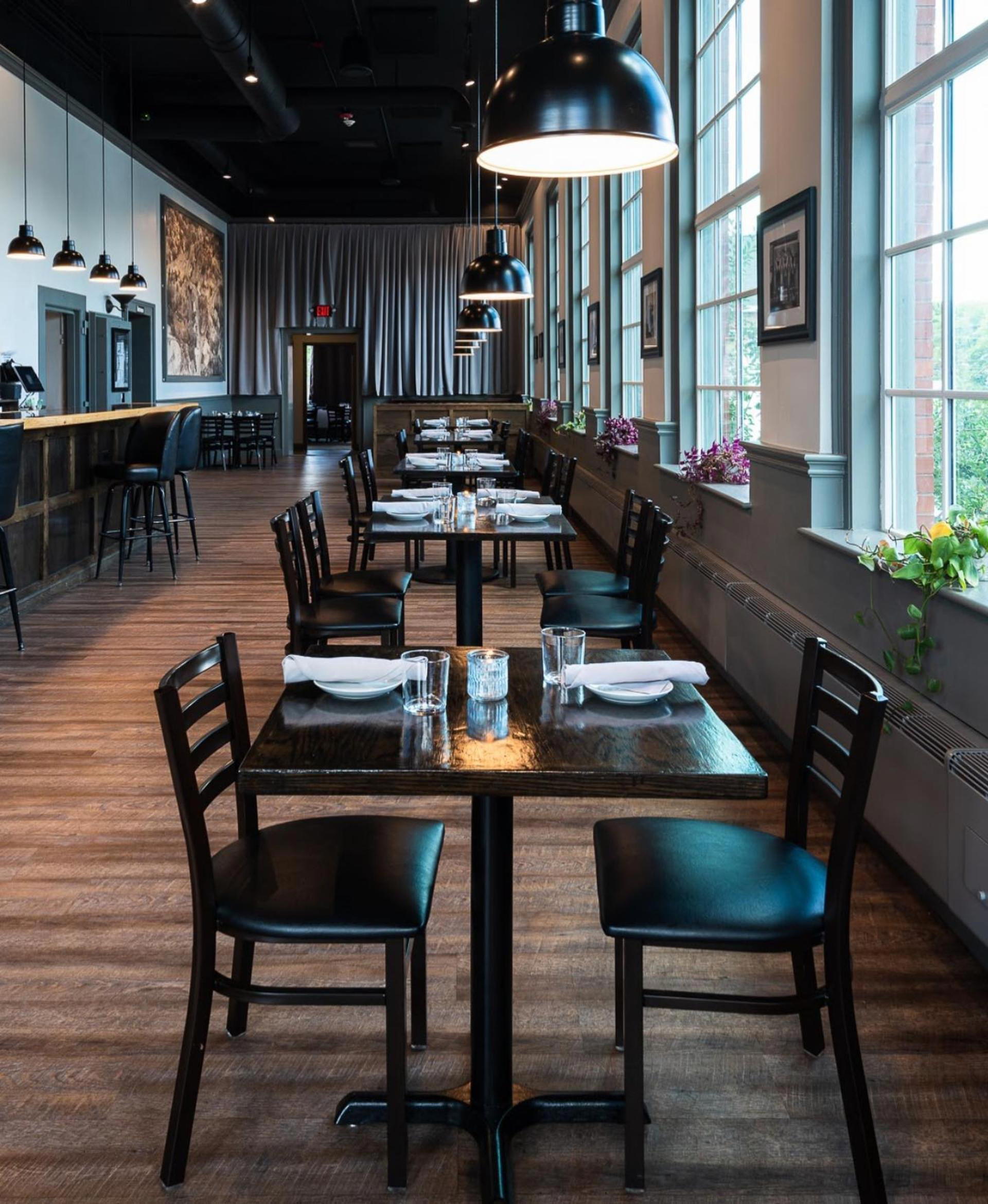
The menu
What to order
- Duck Fat Biscuits
- Short Ribs
- Pea Gnocchi
Small-Town Dining, Serious Intentions
Milford, New Hampshire occupies a particular position in New England's dining geography: close enough to Boston to absorb culinary trends, but sufficiently removed to develop its own character. The Souhegan River Valley has a long history of agricultural production, and the restaurants that have earned regional attention here tend to connect their menus to that supply chain in ways that feel less programmatic than in larger cities. Greenleaf, at 54 Nashua St, sits within that tradition. The address alone places it on one of Milford's more trafficked corridors, making it accessible without the self-conscious remove of a destination-in-the-woods format.
New England's farm-anchored cooking tradition runs deeper than the farm-to-table branding cycle that swept American restaurants in the 2010s. Before that marketing language arrived, towns like Milford sustained their tables through direct relationships with local producers out of practical necessity. The restaurants now doing this most credibly are those that maintained or rebuilt those supply-chain relationships rather than adopting them as aesthetic. That regional context matters when assessing what Greenleaf represents on Nashua St.
The Cultural Weight of Regional American Cooking
American regional cuisine, particularly in New England, carries a cultural specificity that often gets flattened when filtered through national fine-dining templates. The pantry of a serious New Hampshire kitchen looks different from the pantry of, say, a prestige tasting-menu restaurant in a major metropolitan market. Stone fruit from the Merrimack Valley, maple-based preparations, cold-water shellfish from the seacoast, and root vegetables stored through winter are not decorative nods to place; they are the actual constraints and opportunities that define what a season means here.
This is the context in which destinations like Blue Hill at Stone Barns in Tarrytown and Single Thread Farm in Healdsburg have built national reputations: not through formula, but through a genuine commitment to what their specific geography produces at a specific moment in the year. The ambition in small regional markets is not always the same as the execution at those celebrated addresses, but the philosophical lineage connects them. Greenleaf operates within that broader American conversation about place-specificity and what a restaurant owes its local foodshed.
Across the country, smaller-city restaurants have increasingly positioned themselves within this framework. Frasca Food & Wine in Boulder demonstrated early that a non-major-market American city could sustain genuinely rigorous cooking, and The Wolf's Tailor in Denver reinforced the point more recently. Milford is a different scale and a different market, but the principle holds: the geography and the intention of the kitchen matter more than the city's size.
Milford's Dining Scene in Context
Milford punches above its weight for a New Hampshire town of its size. The presence of Culture and The Milford House alongside Greenleaf suggests a local dining scene with genuine range rather than a single outlier. That clustering matters: when multiple serious restaurants operate in the same small market, they tend to raise each other's sourcing standards and create a dining culture that sustains them through word-of-mouth beyond the immediate catchment area.
For a complete picture of where Greenleaf sits within the broader local options, our full Milford restaurants guide maps the scene across formats and price points. The town draws visitors from Manchester and Nashua, and increasingly from further afield, which has given its better restaurants a customer base with expectations shaped by exposure to more competitive markets.
The comparison set for a restaurant like Greenleaf is not Le Bernardin in New York City or The French Laundry in Napa. Those operate at a scale of investment, recognition, and price architecture that simply does not translate to a New Hampshire Main Street context. The more instructive comparisons are regional American tables that have built genuine local authority: places like Emeril's in New Orleans, which established that regional identity could become a competitive advantage rather than a limitation, or Smyth in Chicago, which demonstrated that a focused tasting format could sustain a distinct identity within a competitive urban market. Greenleaf's context is more modest, but the question it answers is the same: can a restaurant in this place, at this scale, do something that a visitor couldn't find elsewhere?
What Draws Attention Beyond the Immediate Region
Restaurants in smaller American markets earn regional and national attention through a limited set of pathways: award recognition, critical notice in named publications, word-of-mouth from well-travelled guests, or a specific format or dish that becomes a reference point. Lazy Bear in San Francisco, Providence in Los Angeles, and Atomix in New York City each built national profiles through a combination of format discipline and sustained critical attention. Addison in San Diego showed that a non-primary American city could sustain Michelin recognition with sufficient commitment to the craft.
For Greenleaf in Milford, the available public record does not include documented award recognition or named critical coverage at this time. That absence does not preclude quality, particularly in a market that national critics visit infrequently. New Hampshire as a state sits largely outside the coverage radius of the major American restaurant awards circuits, which creates a structural disadvantage for even the most serious local kitchens. ITAMAE in Miami and The Inn at Little Washington in Washington demonstrate that recognition does eventually reach serious operations in secondary and tertiary markets, but the timeline is longer and the criteria less transparent. Atelier Moessmer Norbert Niederkofler in Brunico is a useful international reference: a restaurant in a genuinely peripheral geography that earned major recognition by operating on its own terms rather than approximating a metropolitan format.
Planning a Visit
Greenleaf is located at 54 Nashua St, Milford, NH 03055, in the center of town and accessible by car from Manchester (roughly 20 miles north) and Nashua (roughly 10 miles south). For current hours, reservation requirements, menu format, and pricing, contacting the restaurant directly is the reliable route; the venue's operational details are not listed in current public directories at the time of writing. Visitors travelling from Boston should plan for approximately 60-75 minutes depending on traffic, making Greenleaf viable as a day-trip dining destination from the city rather than requiring an overnight stay. Given the limited visibility of booking information, arriving with flexibility in timing or calling ahead to confirm service hours is advisable, particularly for weekend visits when smaller-market restaurants in New England often operate on condensed schedules.
Frequently asked questions
Where is Greenleaf located?
Greenleaf is located at 54 Nashua St, Milford, NH 03055, Milford.
How does Greenleaf fit into the broader Milford, NH dining scene?
Milford, NH carries more culinary ambition than its population size would suggest, with Greenleaf sitting alongside a small cluster of independent restaurants that have drawn attention beyond the immediate region. Located in the center of town at 54 Nashua St, Greenleaf is part of a local pattern where smaller New Hampshire markets are producing restaurant programs that hold their own against larger New England cities. That positioning, close enough to Boston to absorb trend cycles but sufficiently removed to develop its own character, shapes what kitchens like Greenleaf choose to cook.
What's the signature dish at Greenleaf?
Greenleaf operates within a regional American cooking tradition common to serious New England independent restaurants, where menus shift with season and sourcing. Contacting the restaurant directly will give you the most current picture of what's on the pass.
Is Greenleaf reservation-only?
Restaurants at this level in smaller New Hampshire markets often operate with a mix of reserved and walk-in seating, particularly mid-week. Calling ahead or checking directly with the team at 54 Nashua St is the most reliable approach before making the drive from Manchester or Nashua.
What's the signature at Greenleaf?
Greenleaf's defining characteristic, based on its position within Milford's emerging independent dining scene, is its commitment to regional American cooking in a market where that ambition is far from guaranteed.
What if I have allergies at Greenleaf?
For a restaurant operating at the level of intentionality Greenleaf represents within Milford's dining scene, allergy communication is best handled directly before your visit. Reach out to the restaurant at 54 Nashua St to discuss requirements ahead of time.
Cost and Credentials
| Venue | Cuisine | Price | Awards | Notes |
|---|---|---|---|---|
| GreenleafThis venue — the venue you are viewing | New American Farm-to-Table | Not listed | Not listed | Not listed |
| Le Bernardin | French Seafood Fine Dining | $300–500 | 3 Michelin Stars · World's 50 Best #13 | French, Seafood |
| Lazy Bear | Modern American Tasting Menu | Not listed | 2 Michelin Stars · World's 50 Best #25 | Progressive American, Contemporary |
| Atomix | Modern Korean Tasting Menu | $300–500 | 2 Michelin Stars · World's 50 Best #7 | Modern Korean, Korean |
| Per Se | French Fine Dining Tasting Menu | $300–500 | 3 Michelin Stars · World's 50 Best #40 | French, Contemporary |
| Masa | Traditional Japanese Omakase | $500+ | 2 Michelin Stars · World's 50 Best #27 | Sushi, Japanese |
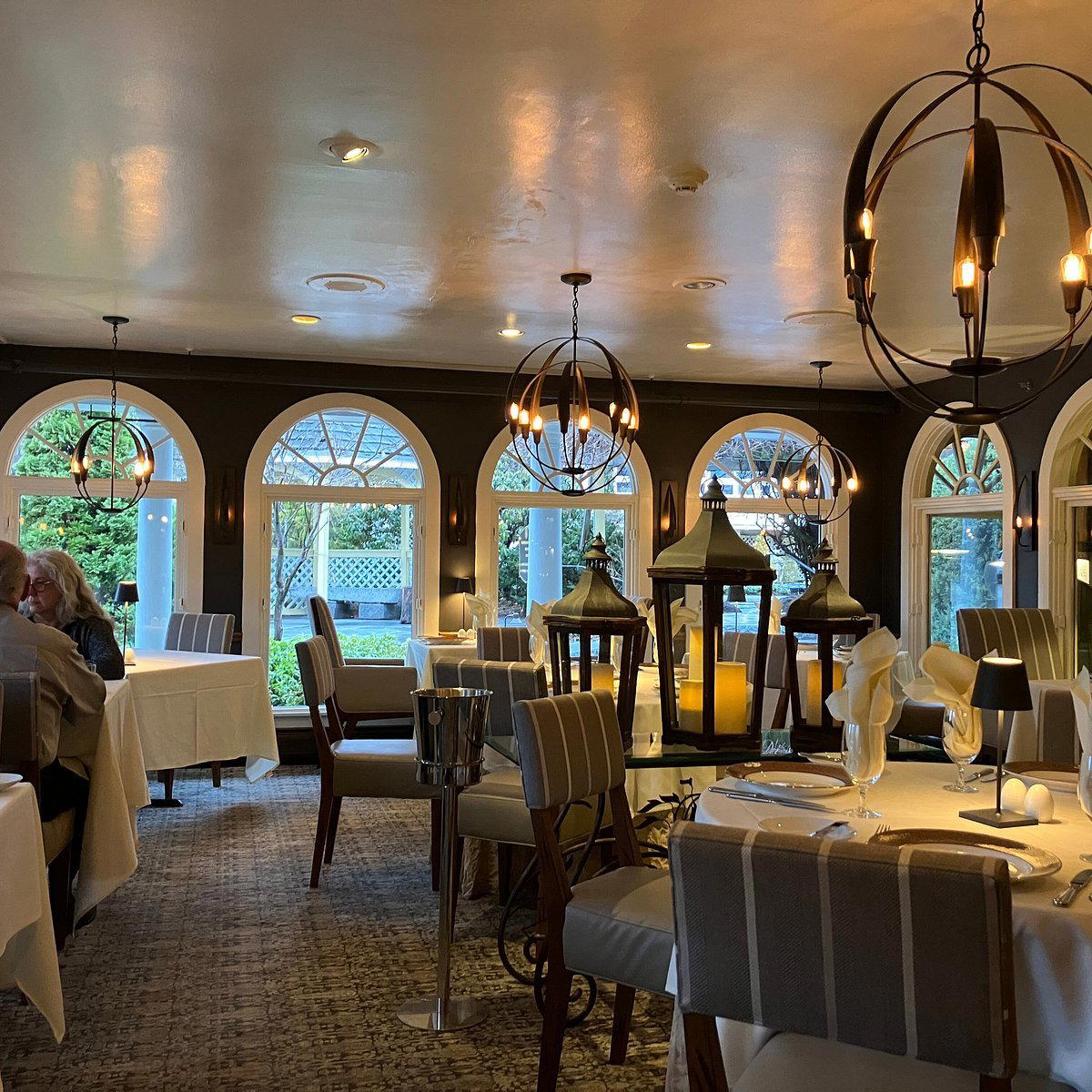

Details
- Elegant
- Cozy
- Modern
- Sophisticated
- Date Night
- Special Occasion
- Business Dinner
- Open Kitchen
- Craft Cocktails
- Farm To Table
- Local Sourcing
- A La Carte
- Small Plates
- Vegetarian Friendly
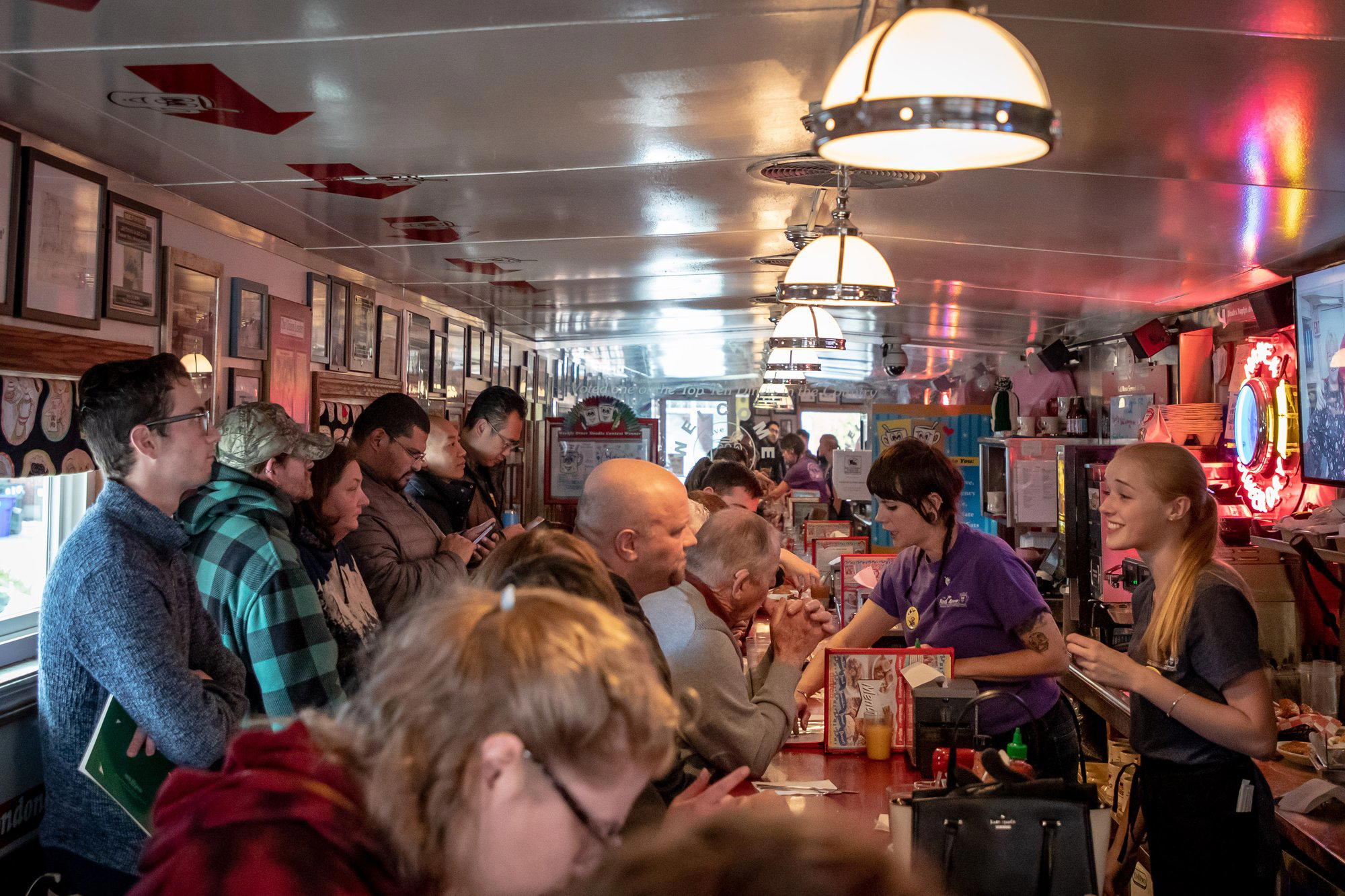
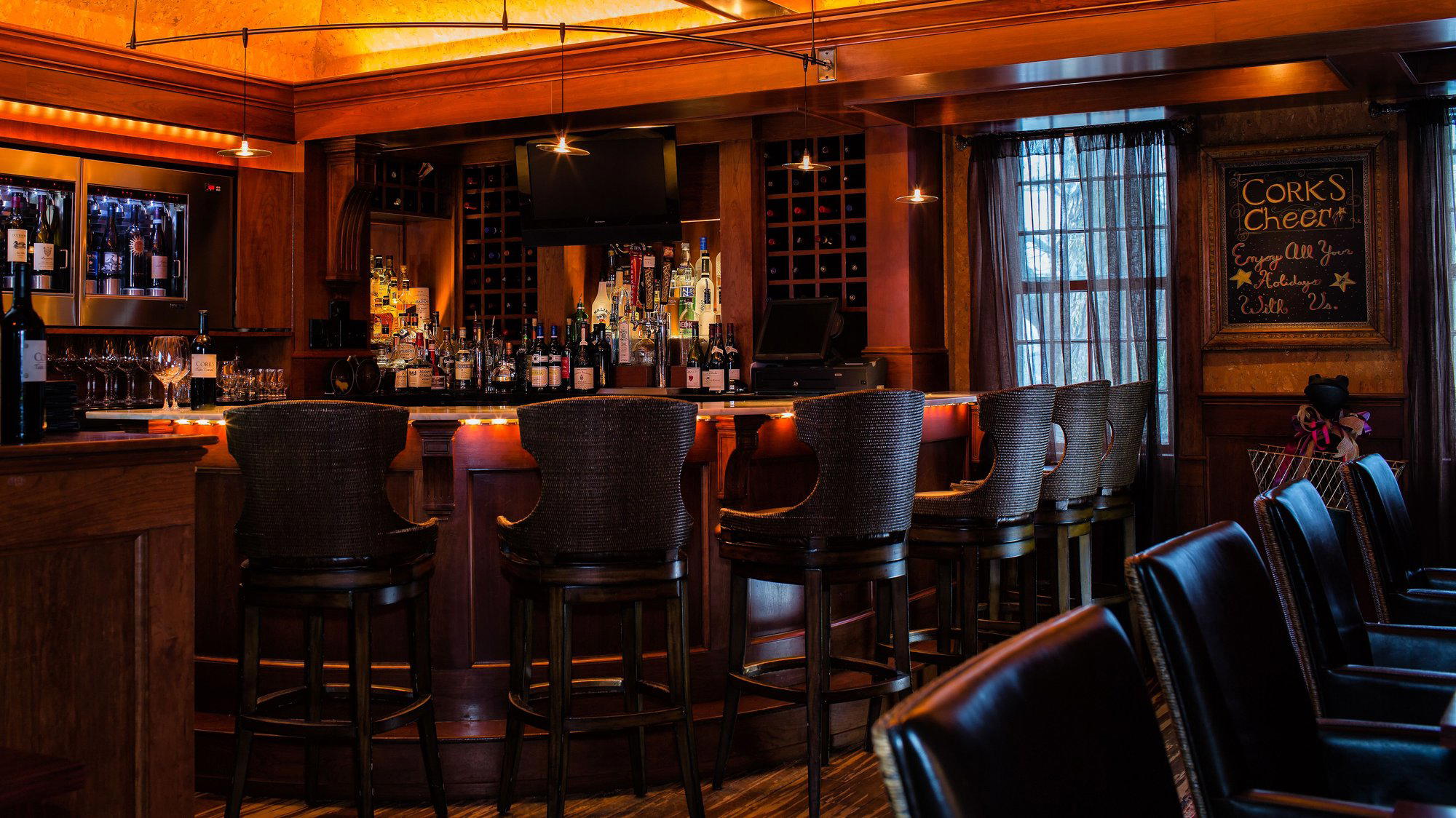
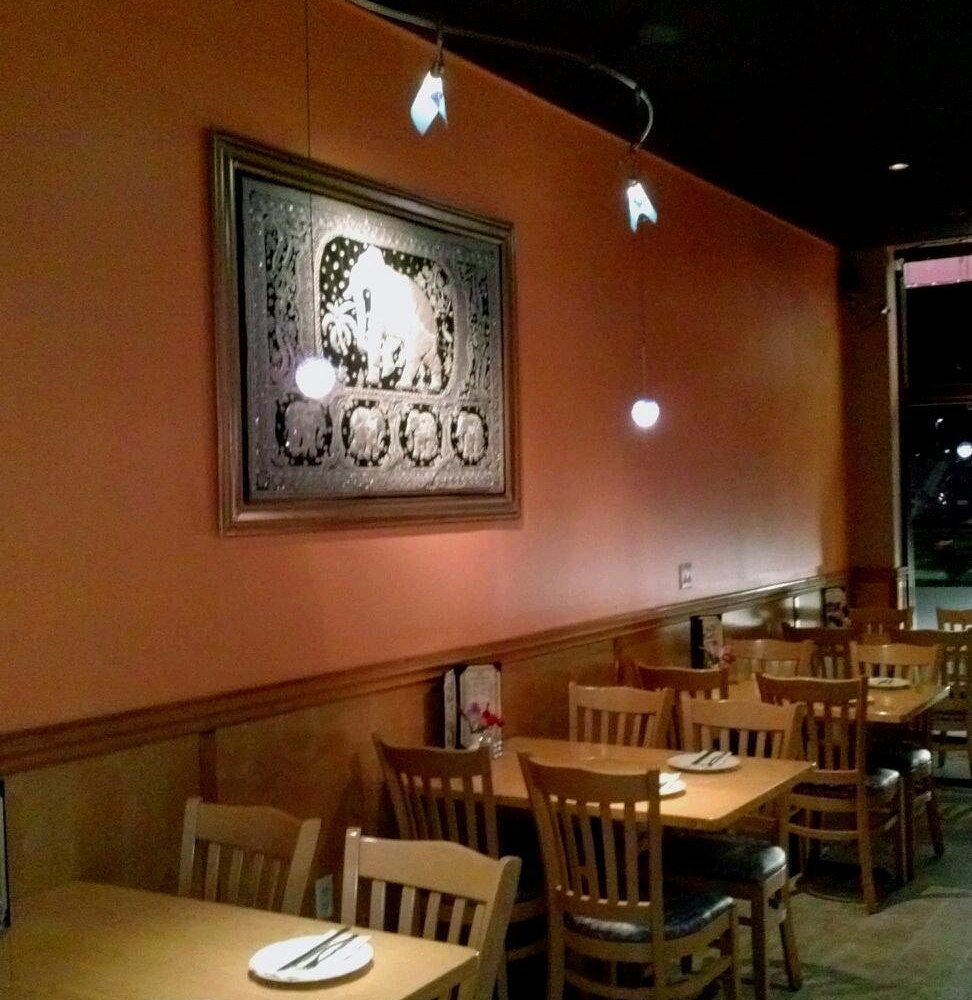
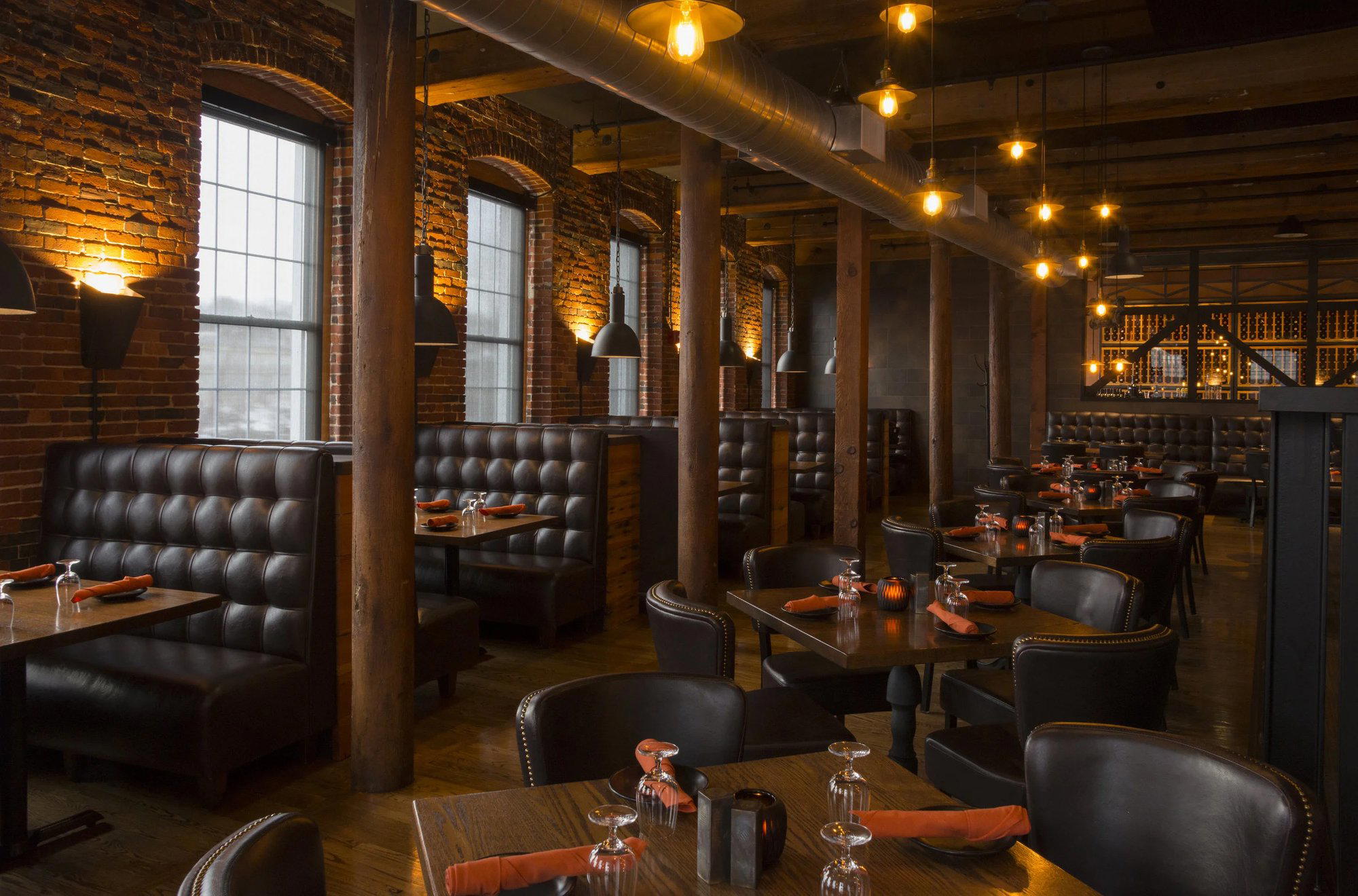
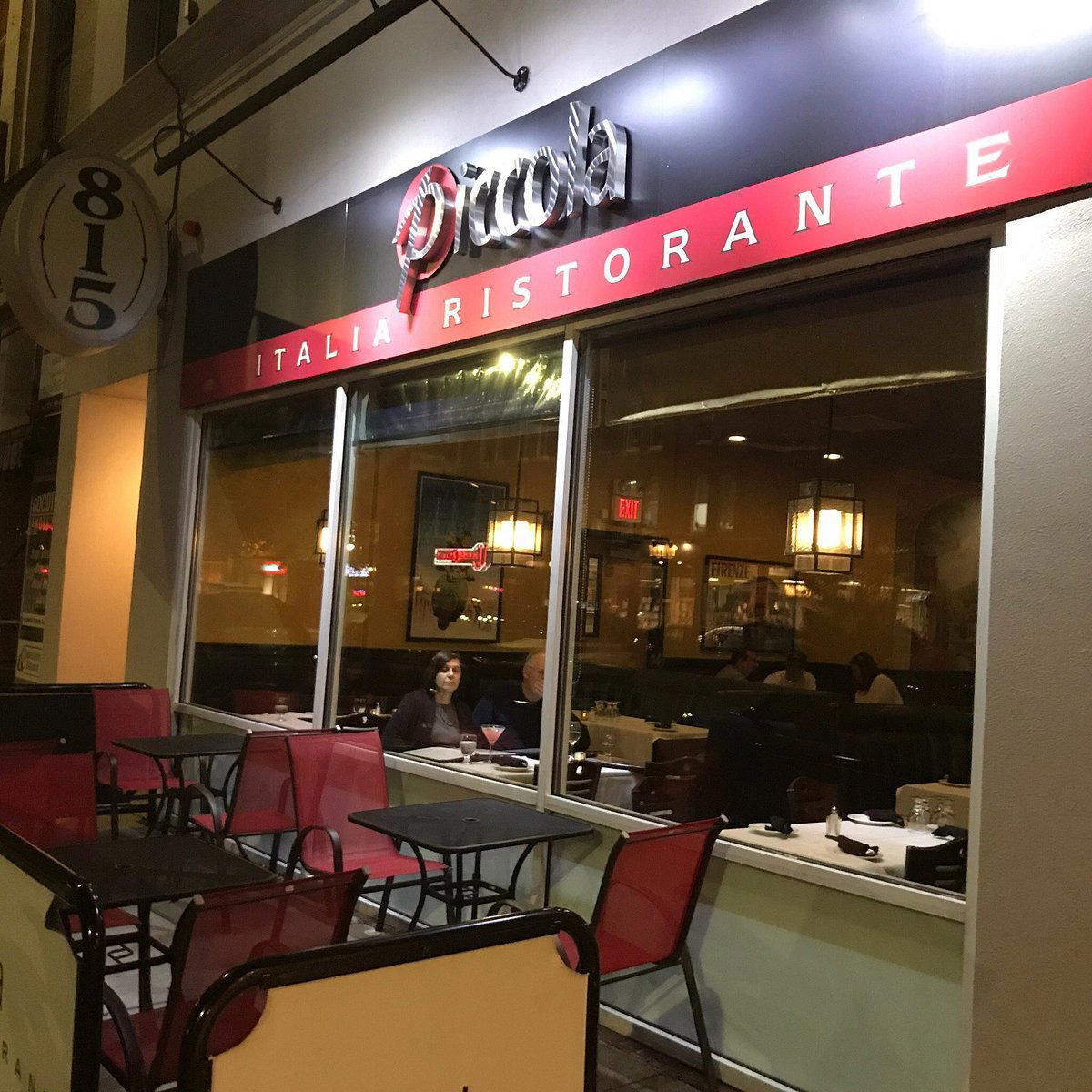
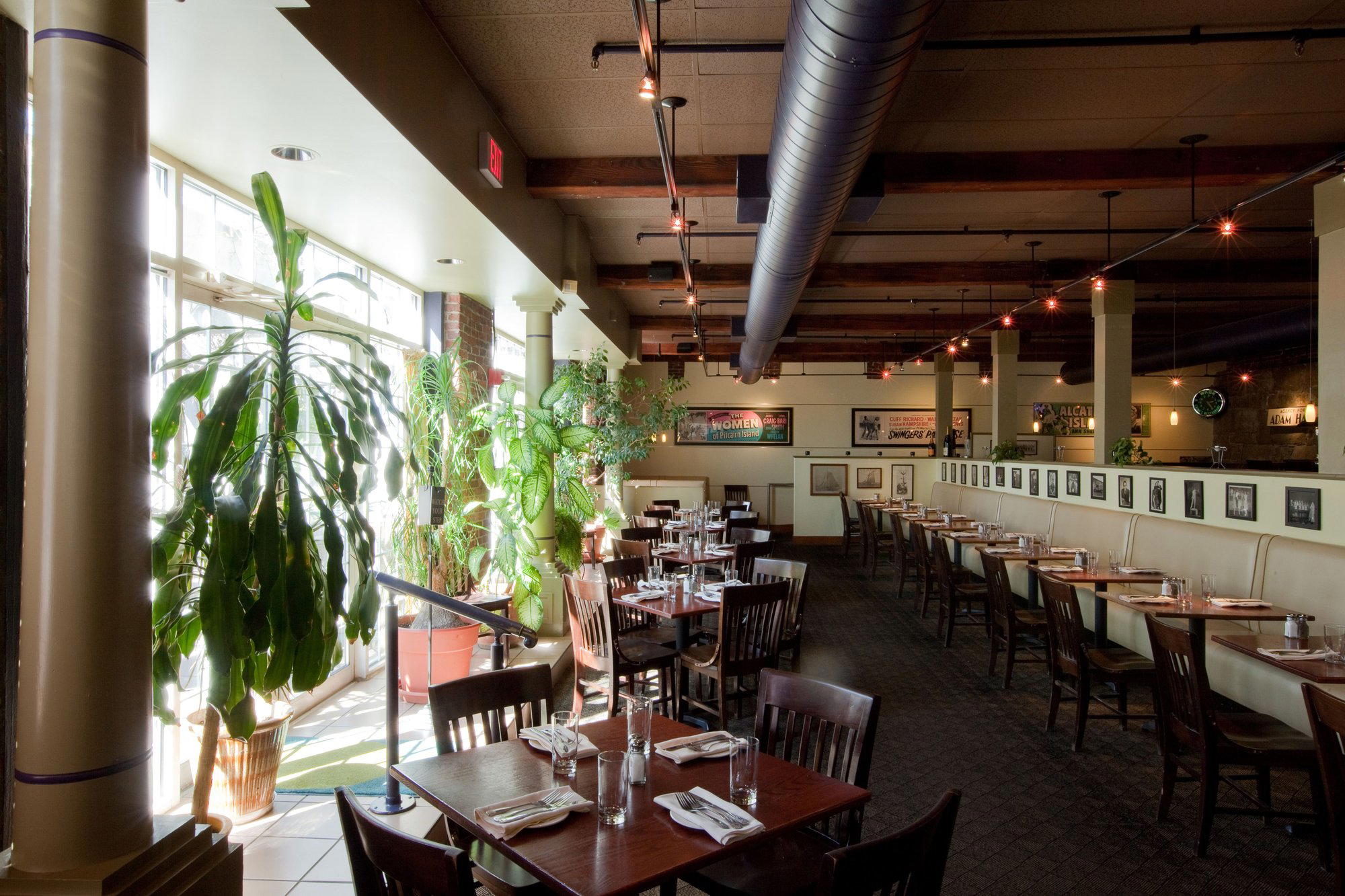
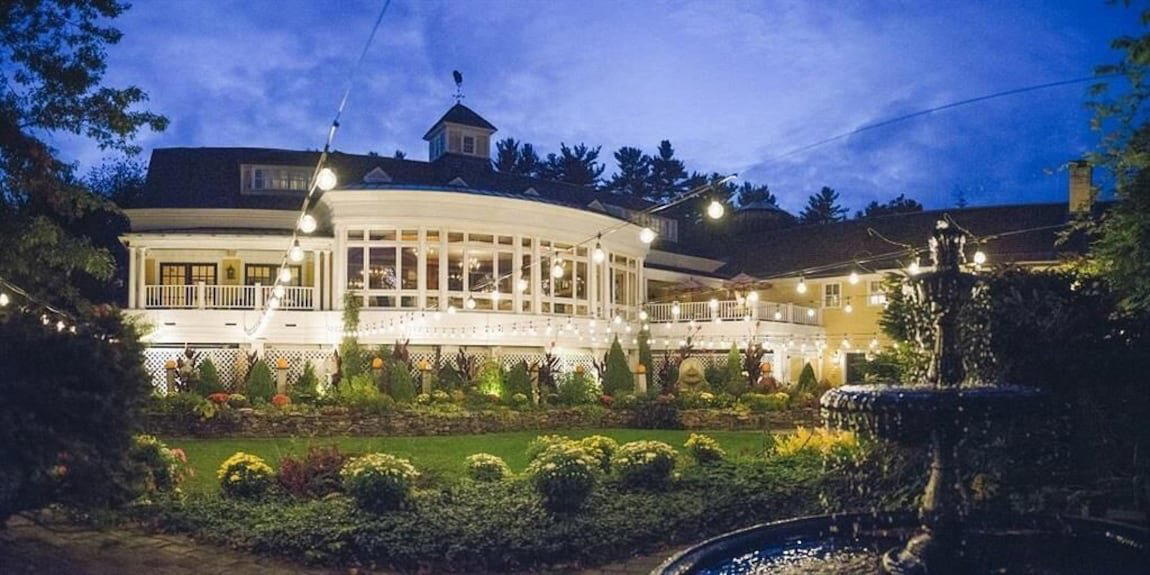
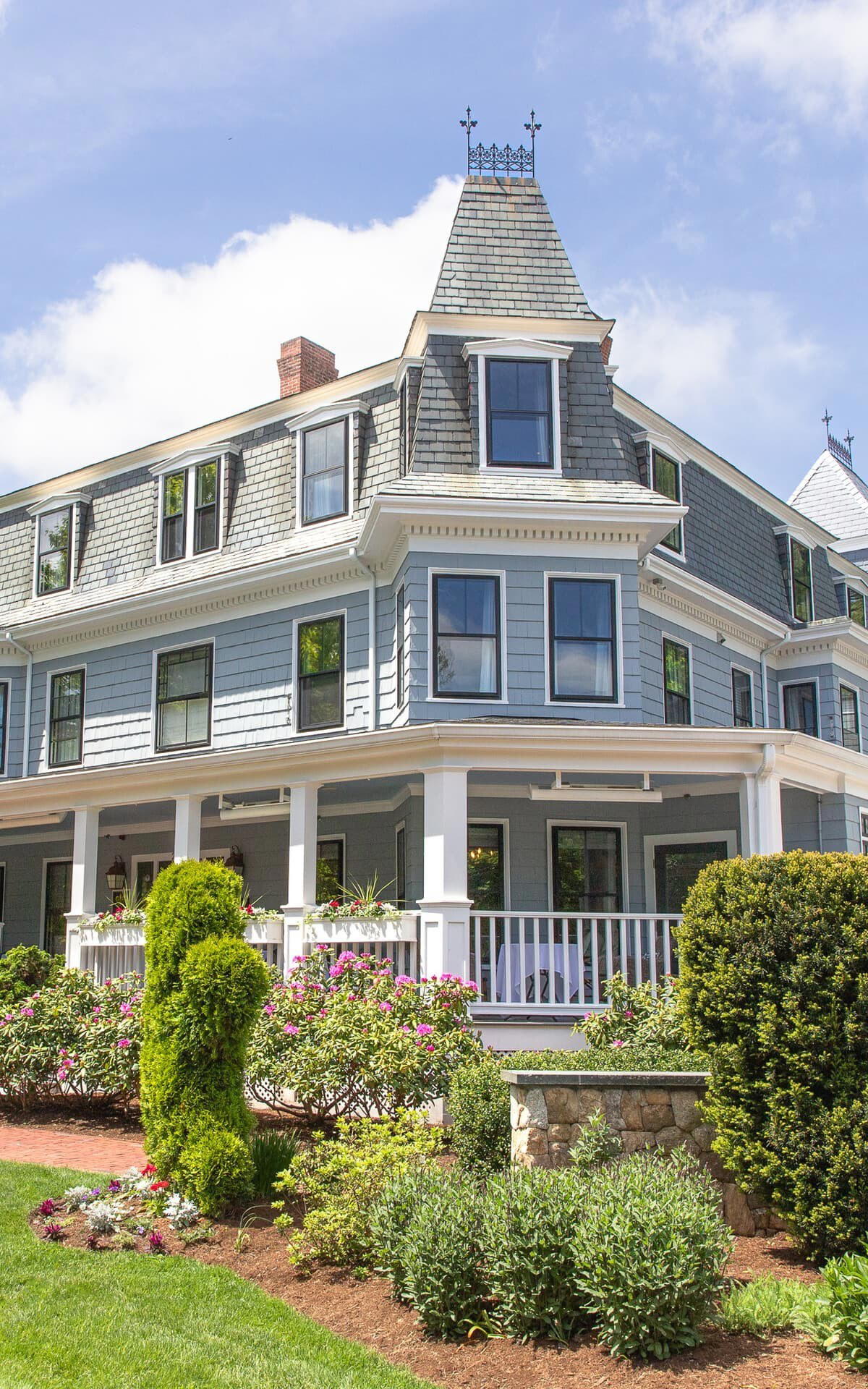
Elegant and warm setting with minimalistic design highlighting local history, sophisticated yet unassuming atmosphere praised for its welcoming vibe.