Collins Brothers Chowder
Our verdict
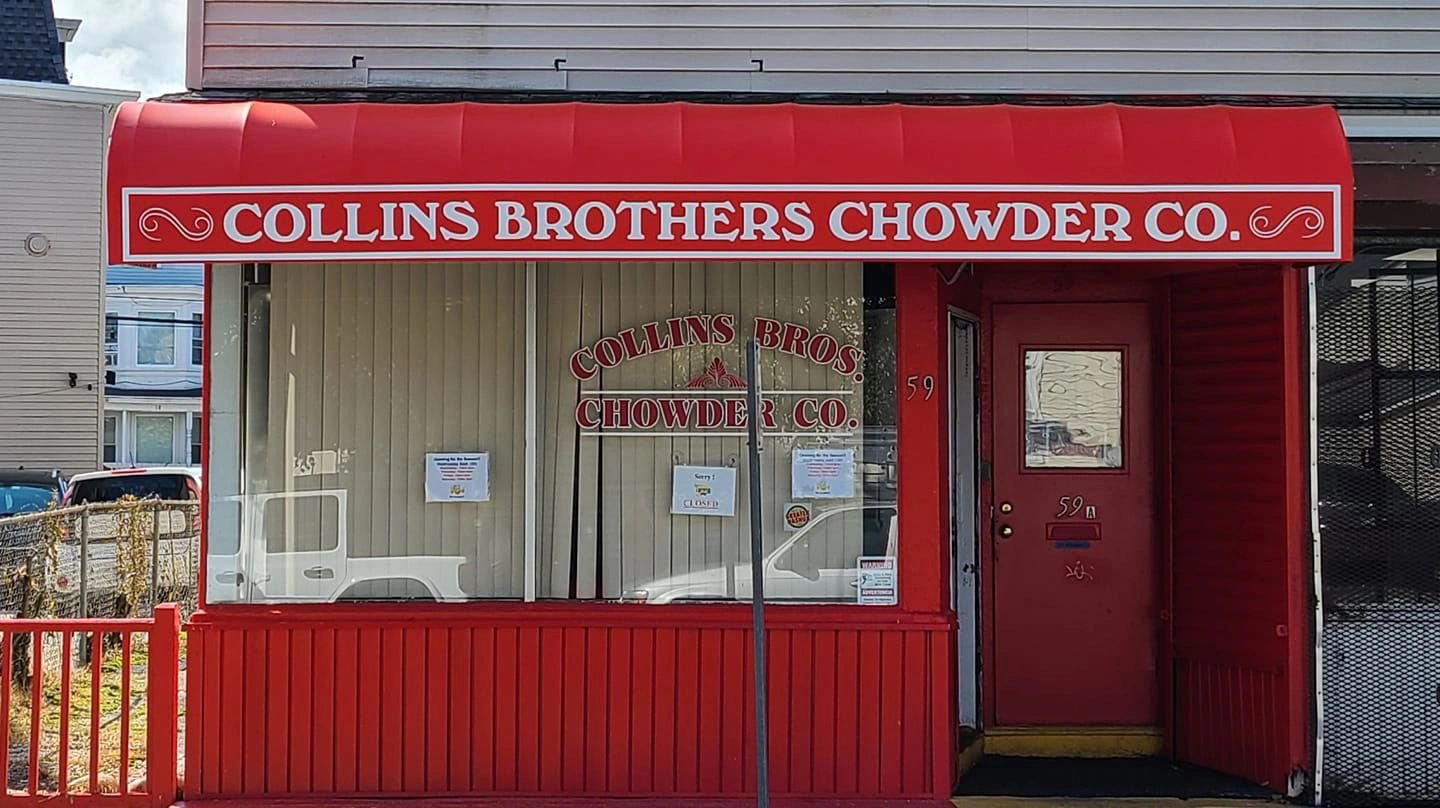
Collins Brothers Chowder serves New England Soups & Chowders at counter service, with New England Clam Chowder and Corn and Bacon Chowder suited to a quick lunch.

Pearl is the En Primeur Club membership app — saves, bookings, and concierge access live there. Same editors, same standards.
- Address
- 59 Temple St, Nashua, NH 03060
- Phone
- (603) 883-2347
- Hours
- Mon ClosedTue 10 AM–2 PMWed–Thu 10 AM–3 PMFri 10 AM–5 PMSat 10 AM–1 PMSun Closed
- Website
- collinsbrotherschowder.com
- Directions
- Get directions
The menu
What to order
- New England Clam Chowder
- Corn and Bacon Chowder
- Nantucket Seafood Chowder
- Haddock Chowder
- Italian Wedding Soup
Chowder Country: What Nashua's Temple Street Tells You About New England's Appetite
Temple Street in downtown Nashua sits at the kind of intersection that mid-sized New England cities do quietly well: close enough to the Merrimack River corridor to draw foot traffic, grounded enough in working-neighborhood character to resist the polished anonymity of a chain block. Collins Brothers Chowder occupies 59 Temple St within that context, and the address matters as much as anything on the menu. This is not a destination engineered for out-of-towners. It operates in the register of a place that earns its standing through repetition and reliability rather than through press cycles.
New Hampshire sits at a genuine geographic advantage when it comes to sourcing cold-water seafood. The Gulf of Maine, one of the fastest-warming bodies of water on the planet but still among the most productive for cold-water shellfish and groundfish, lies within striking distance of southern New Hampshire. Haddock, clams, and lobster pulled from those waters arrive at regional distributors within hours of landing, which means that a well-sourced chowder operation in Nashua is working with materially fresher product than a comparable concept in a landlocked Midwestern city would ever achieve. The clam chowder tradition in New England is inseparable from that proximity: the dish exists as it does partly because the ingredient existed first, in abundance, nearby.
The Sourcing Logic Behind a Bowl of Chowder
New England clam chowder as a category is frequently misunderstood outside the region. The Manhattan style aside, the New England version is not a single monolithic preparation. There is a spectrum running from broth-forward, clam-heavy versions built on little more than rendered salt pork, potato, and shellfish liquor, to cream-heavy preparations where the clam becomes almost secondary. The sourcing choices at each point on that spectrum carry different weight. A thinner, clam-forward chowder exposes the quality of the shellfish directly; a cream-dominant version can obscure mediocre product under fat and starch. This is the first editorial question worth asking of any chowder operation: does the format hide the ingredient or depend on it?
Collins Brothers Chowder takes its name and its orientation from the chowder format itself, which signals a deliberate choice about where to focus. In a city like Nashua, where dining options span everything from the refined Franco-American cooking available at Stella Blu to the broader contemporary American program at Surf Restaurant, a venue that stakes its identity on a single dish category is making an argument about specificity over breadth. That argument only holds if the sourcing and execution support it. The wider Nashua dining scene has demonstrated enough range in recent years that single-focus operations face a real accountability test.
New England Seafood Traditions and Their Regional Context
The chowder tradition in coastal and near-coastal New England is a study in how geography shapes cuisine over generations. Long before the farm-to-table frameworks that now animate restaurants from Blue Hill at Stone Barns in Tarrytown to Single Thread Farm in Healdsburg, chowder was already a hyper-local, ingredient-driven preparation by necessity. Fishermen's wives cooked what came off the boats. Potatoes and salt pork came from nearby farms. Cream came from local dairies. The entire dish was, in its origins, an exercise in using what was immediately available, which is exactly what contemporary ingredient-sourcing advocates mean when they talk about regional food systems, except that chowder predates that vocabulary by about two centuries.
That historical depth gives chowder operations a different kind of credibility than trend-driven menus carry. The format at places like Le Bernardin in New York City or Providence in Los Angeles depends on technique and innovation applied to premium seafood. The chowder tradition depends on something older: the integrity of a simple preparation that has nowhere to hide. These are entirely different propositions, occupying different tiers of the seafood dining spectrum, but they share a foundational commitment to the quality of the raw material.
Nashua's location, roughly 50 miles from the New Hampshire seacoast at Portsmouth and within reach of Boston's wholesale seafood markets, puts a serious chowder operation in a reasonable supply position. The question for any individual operator is whether they are working directly with regional suppliers, using fresh clams versus canned product, and whether the potato and dairy components reflect the same sourcing care as the shellfish. These are the details that separate a chowder that teaches you something about New England from one that merely references it.
Where Collins Brothers Fits in the Casual Seafood Category
Across American dining, the casual seafood segment has bifurcated in recent years. On one side sit the high-investment, tasting-menu-adjacent seafood operations, the kind of format represented by ITAMAE in Miami or the broader fine-dining seafood tradition running through Emeril's in New Orleans. On the other side, and often more durably, sit the neighborhood-anchored specialists who have chosen depth over breadth: the clam shack that has served the same chowder for thirty years, the fish-and-chips counter that sources from the same docks it always has. Collins Brothers Chowder positions itself in the latter tradition, a Temple Street address that reads as a local institution-in-progress rather than a culinary showcase.
That positioning carries its own demands. The farms-and-fisheries sourcing story that defines prestige dining at Smyth in Chicago, Lazy Bear in San Francisco, or The Wolf's Tailor in Denver applies equally, if differently, to a chowder shop. The price differential between a $12 bowl and a $350 tasting menu does not excuse the latter from sourcing standards; it simply recalibrates what those standards look like at each price point. For an operation named after the dish it serves, the sourcing of that dish is the entire argument.
Planning Your Visit
Collins Brothers Chowder is located at 59 Temple St in downtown Nashua, NH 03060, within walking distance of the city's central commercial district. As a casual counter-service or informal dining format, it fits naturally into a midday stop rather than a special-occasion evening. Visitors to Nashua combining a meal here with the broader dining circuit should note the contrast it provides against the more formal options on the city's restaurant roster.
Frequently asked questions
Is Collins Brothers Chowder suitable for children?
The casual format at 59 Temple St suits families without much friction. Chowder-focused menus with straightforward seafood options tend to work well for younger diners, and the relaxed atmosphere at this kind of counter-style spot removes the pressure of formal dining. No dress code or reservation requirements make drop-in visits with kids practical.
What's the vibe at Collins Brothers Chowder?
Collins Brothers reads as a no-frills, neighbourhood seafood stop in downtown Nashua rather than a destination dining room. Temple Street draws a mix of locals and city workers, so expect a lunchtime pace and a setting oriented around the food rather than the room. It fits the New England tradition of places where the chowder does the talking.
How does Collins Brothers Chowder fit into Nashua's dining scene compared to chain seafood restaurants?
Collins Brothers operates as an independent, locally rooted spot in downtown Nashua at 59 Temple St, which puts it in a different category from regional or national seafood chains. Independent chowder-focused counters in New England carry the weight of a specific regional tradition that chains rarely replicate with the same sourcing fidelity or neighbourhood character. For visitors coming from outside New Hampshire, that independence is part of the point.
What do regulars order at Collins Brothers Chowder?
Given the name and the New England context, chowder is the anchor order. In this regional category, clam chowder is the baseline, and regulars at Nashua seafood spots of this type typically build a visit around a bowl rather than a broader menu. Specific current offerings are best confirmed directly at 59 Temple St.
Where is Collins Brothers Chowder in Nashua?
Collins Brothers Chowder is located at 59 Temple St, Nashua, NH 03060, Nashua.
What's the best way to book Collins Brothers Chowder?
No booking details or reservation system are listed for Collins Brothers Chowder at 59 Temple St, Nashua. Casual seafood counters in this category typically operate on a walk-in basis, so arriving during off-peak lunch hours is the most reliable approach.
What is Collins Brothers Chowder known for?
Collins Brothers Chowder is associated with New England-style chowder in downtown Nashua, NH, operating from 59 Temple St in a city with close ties to the region's coastal seafood traditions via the Merrimack River corridor. It sits in the casual, community-facing end of the American seafood segment rather than the high-investment tasting-menu side of the category.
Comparable Spots, Quickly
Comparable venues nearby, for context on price, style, and recognition.
| Venue | Cuisine | Price | Awards | Notes |
|---|---|---|---|---|
| Collins Brothers ChowderThis venue — the venue you are viewing | New England Soups & Chowders | $10–20 | Not listed | Not listed |
| Stella Blu | Contemporary American Small Plates | $30–50 | Not listed | Downtown |
| Surf Restaurant | Modern Seafood and Sushi | $50–100 | Not listed | downtown |
| Bedford Village Inn Restaurant | Contemporary New England Farm-to-Table | $50–100 | Wine Spectator Best of Award of Excellence | Bedford |
| White Mountain Cider Co | Contemporary American with Seasonal Ingredients | $30–50 | Not listed | Glen |
| Industry East | Modern American Small Plates | $20–30 | Not listed | Downtown |
Continue exploring
More in Nashua
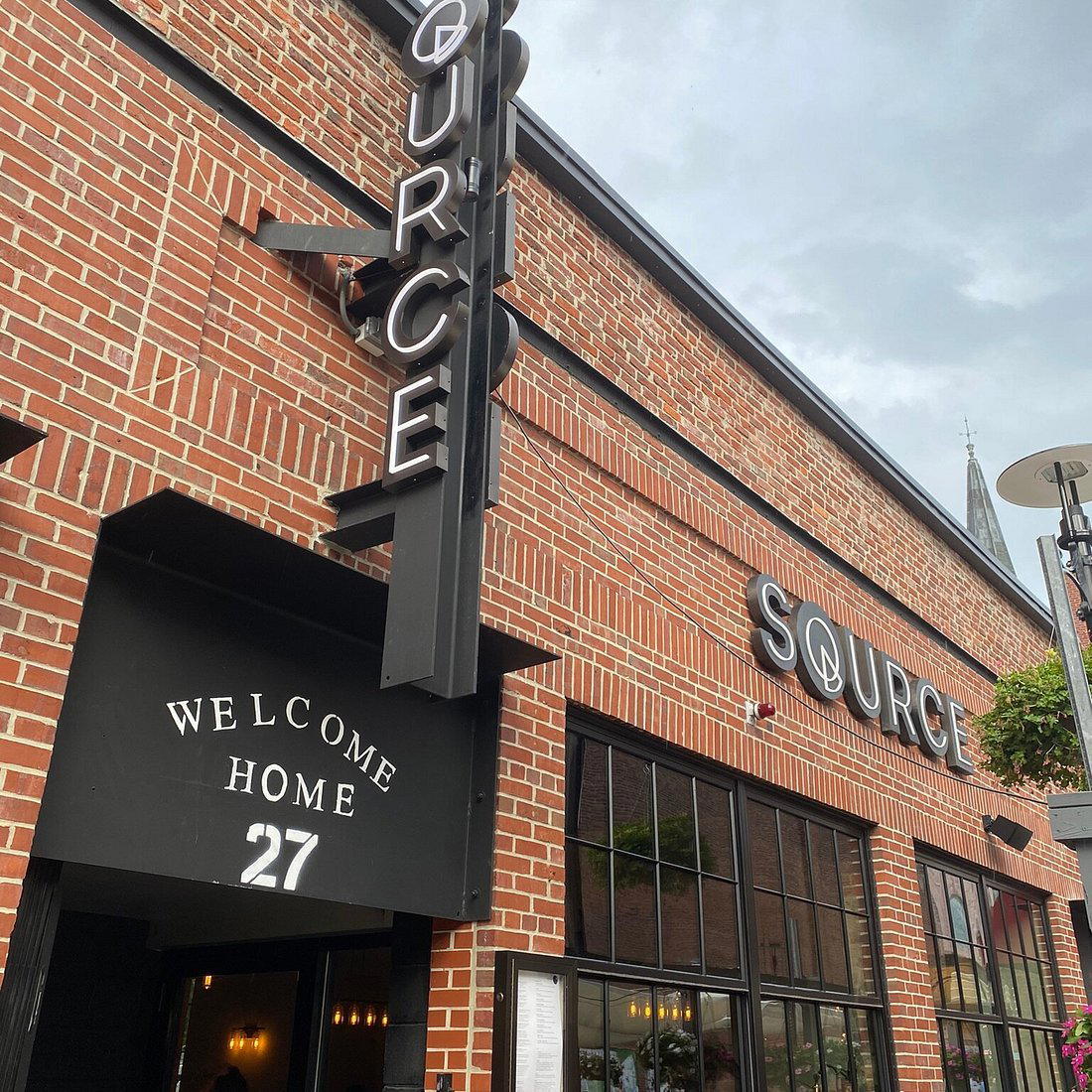
Restaurants in Nashua
Browse all →
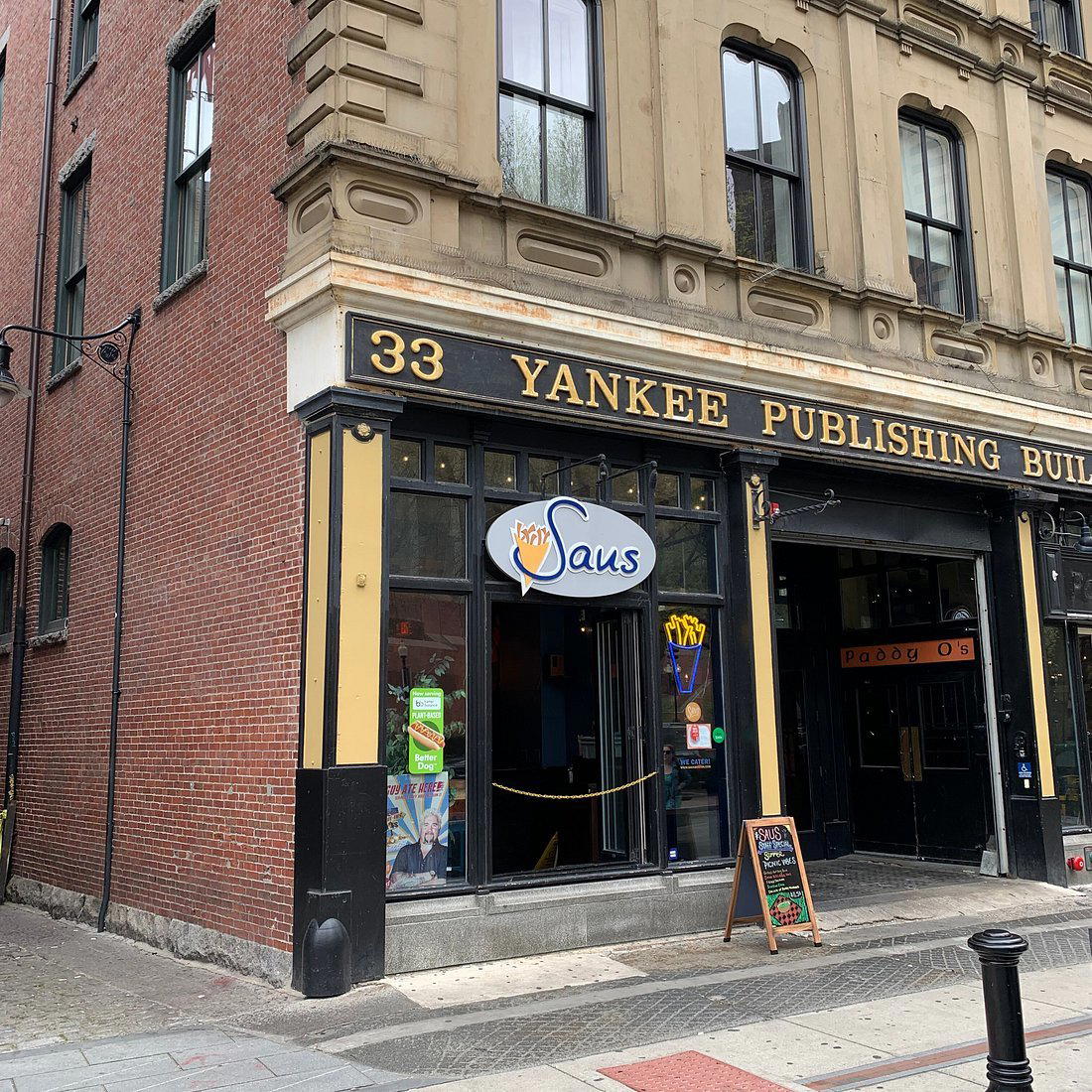
Bars in Nashua
Browse all →
Hotels in Nashua
Browse all →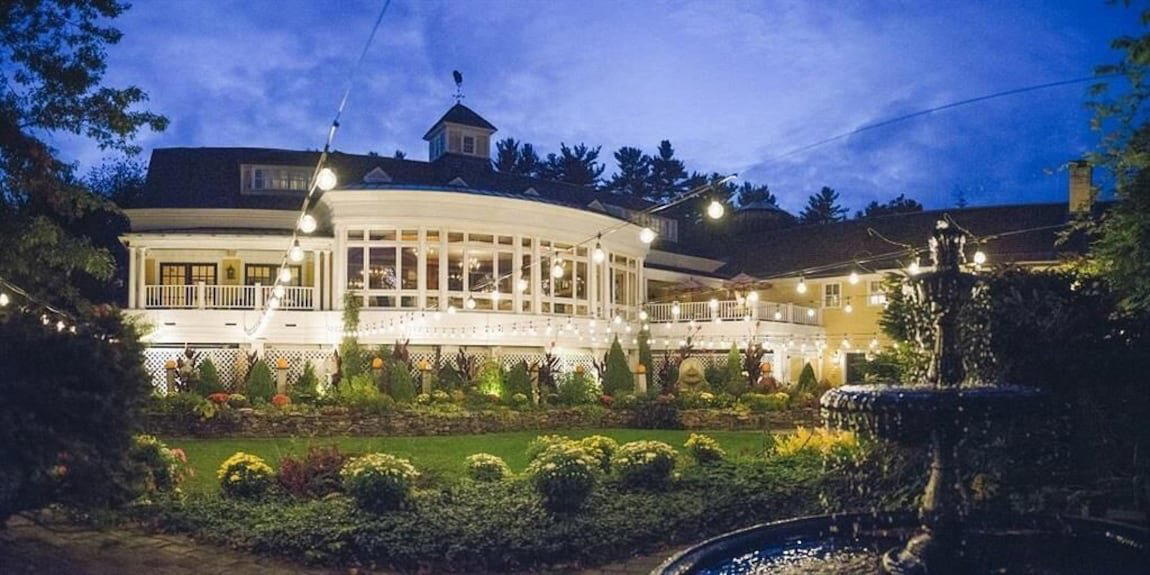
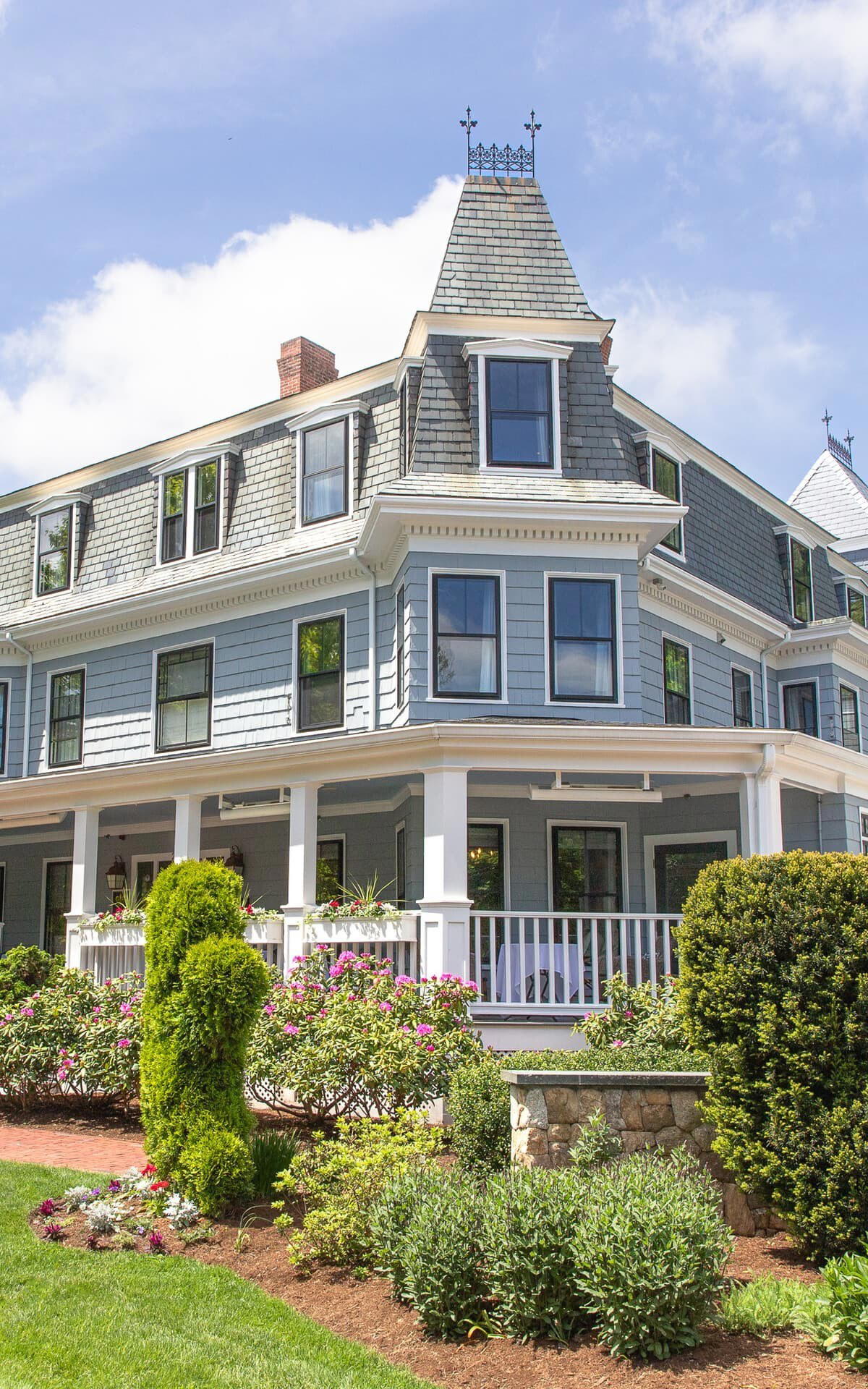

Wineries in Nashua
Browse all →

Details
- Cozy
- Casual
- Casual Hangout
- Solo
- A La Carte
Current opening hours
- Monday
- Closed
- Tuesday
- 10 AM–2 PM
- Wednesday
- 10 AM–3 PM
- Thursday
- 10 AM–3 PM
- Friday
- 10 AM–5 PM
- Saturday
- 10 AM–1 PM
- Sunday
- Closed
Hours can change for holidays and private events. Last verified .