The Foundry
The Foundry occupies a converted industrial space on Commercial Street in Manchester, New Hampshire, where the back bar carries enough depth to reward serious drinkers. The room balances heritage architecture with contemporary hospitality, placing it in a tier of American bar programs where spirits curation does real editorial work. Worth knowing before you go.

Pearl is the En Primeur Club membership app — saves, bookings, and concierge access live there. Same editors, same standards.
- Address
- 50 Commercial St, Manchester, NH 03101
- Phone
- (603) 836-1925
- Hours
- Mon–Wed 4–8 PMThu 4–9 PMFri–Sat 4–10 PMSun 9 AM–1 PM
- Website
- foundrynh.com
- Directions
- Get directions
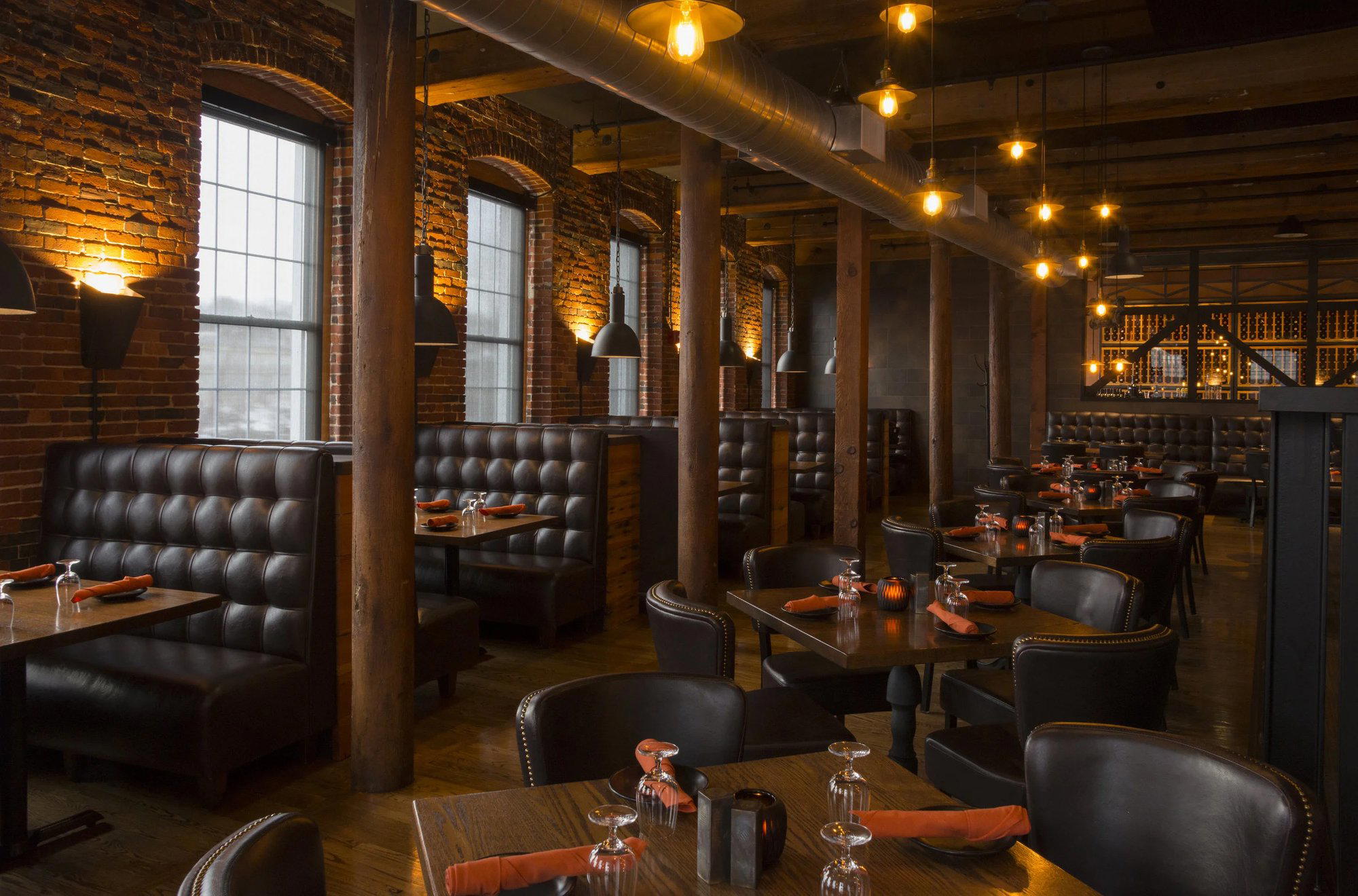
Industrial Bones, Serious Back Bar
Manchester, New Hampshire sits at an unusual intersection in the American bar scene: a post-industrial city with a growing hospitality layer that draws from both the craft-focused programs of Boston to the south and the more experimental northeastern corridor stretching toward Portland, Maine. Within that context, addresses on Commercial Street have become focal points for the city's more considered dining and drinking venues. The Foundry, at 50 Commercial Street, fits that pattern, occupying a space whose name alone signals the city's manufacturing past and the current tendency to reframe those industrial bones as hospitality assets.
Across the American bar scene, the venues that age well are rarely those chasing novelty formats. The programs that accumulate real authority do so through depth at the back bar, consistency in execution, and a room character that doesn't require constant reinterpretation. The Foundry's address within a converted-style setting on Manchester's Commercial Street corridor positions it within that more enduring cohort, where the room does quiet work and the spirits list carries the editorial weight.
The Back Bar as the Real Argument
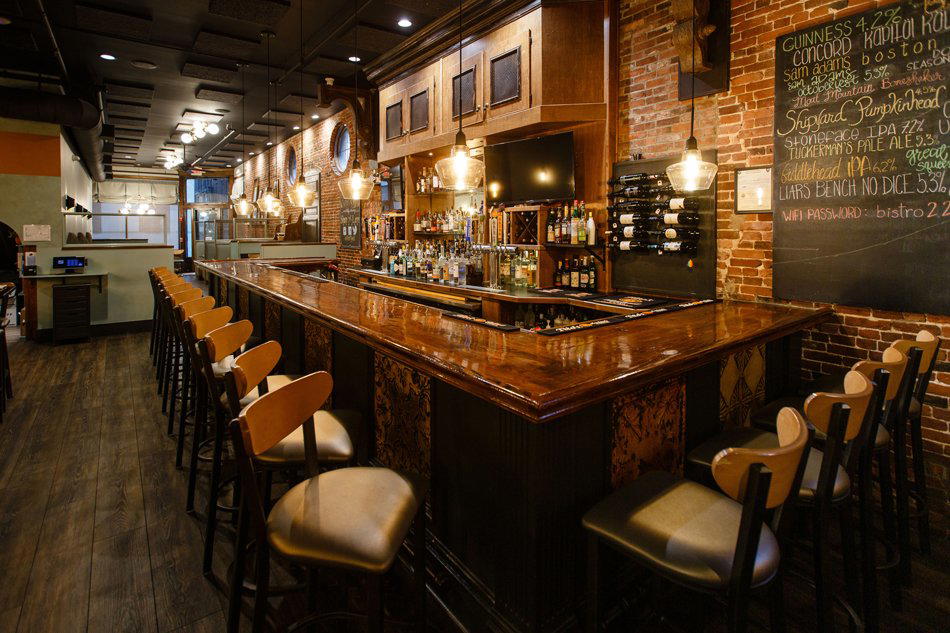
In American bar culture, the back bar is where a program's intentions become legible. A well-curated spirits collection tells you whether the team is ordering to cover categories or ordering because they understand what sits within those categories. The distinction matters enormously to anyone who has spent time at programs like Kumiko in Chicago, where the Japanese whisky and amaro selection functions almost as a curatorial statement, or ABV in San Francisco, where the bottle list reflects genuine sourcing depth rather than distributor convenience.
The Foundry operates in a smaller market than those benchmarks, which in practice means the back bar selection carries more weight, not less. Smaller cities with serious bar programs cannot rely on foot traffic to compensate for mediocre curation. The venues that hold their position in places like Manchester do so because the spirits collection gives regulars a reason to return and gives visiting drinkers a reason to make the detour. Rare American whiskeys, well-sourced aged rums, and agricultural spirits with genuine provenance are the categories that define whether a back bar is doing real work or simply filling shelf space.
For comparison, the American programs that have built lasting reputations in mid-size cities share a common trait: they treat the back bar as a long-term investment rather than a procurement checklist. Jewel of the South in New Orleans applies that logic through a historically informed lens, while Julep in Houston does it through a specifically American spirits framework. The Foundry's positioning in Manchester suggests a similar orientation toward curation as a point of difference rather than an afterthought.
Room Character and the Commercial Street Address
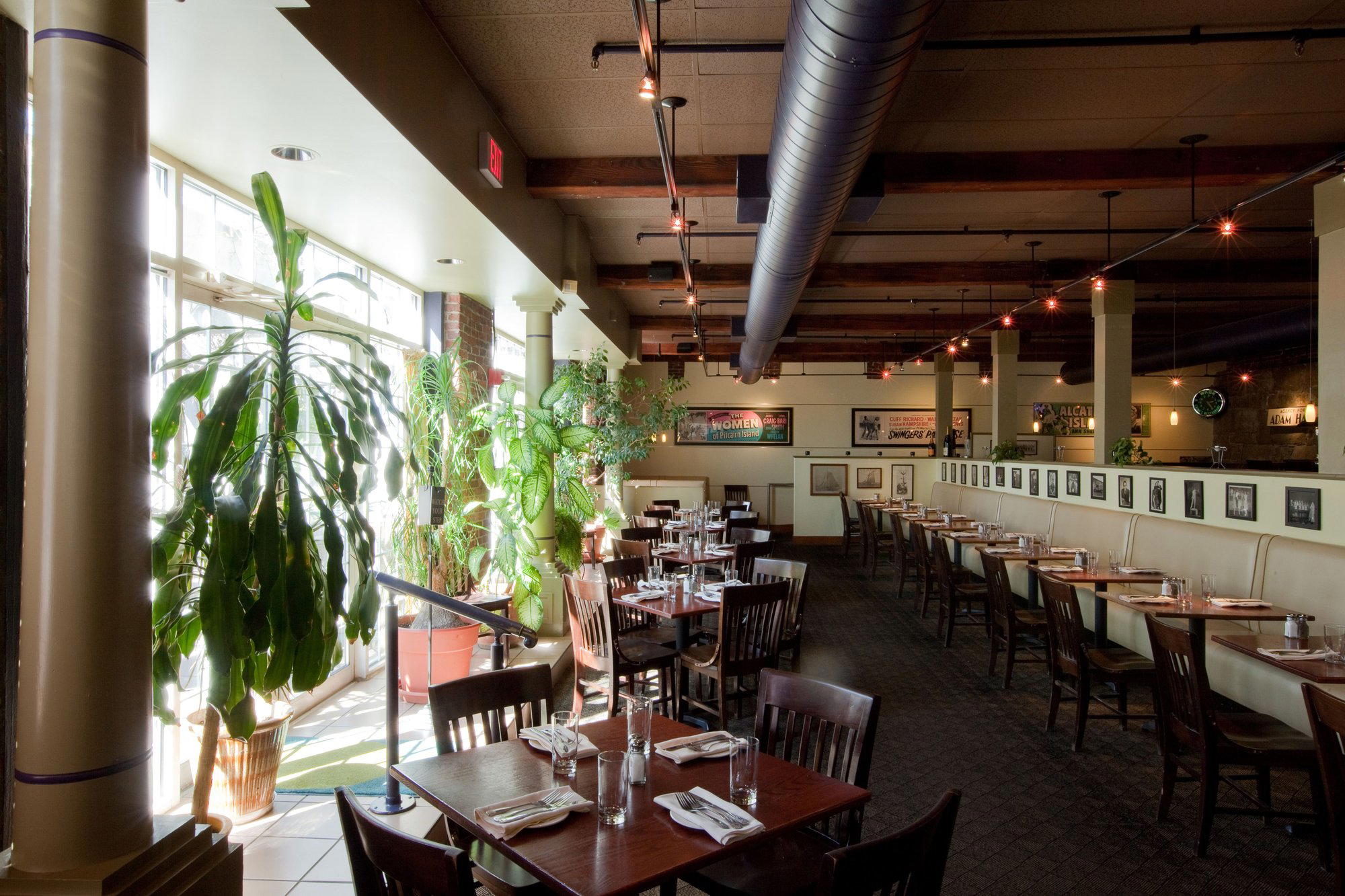
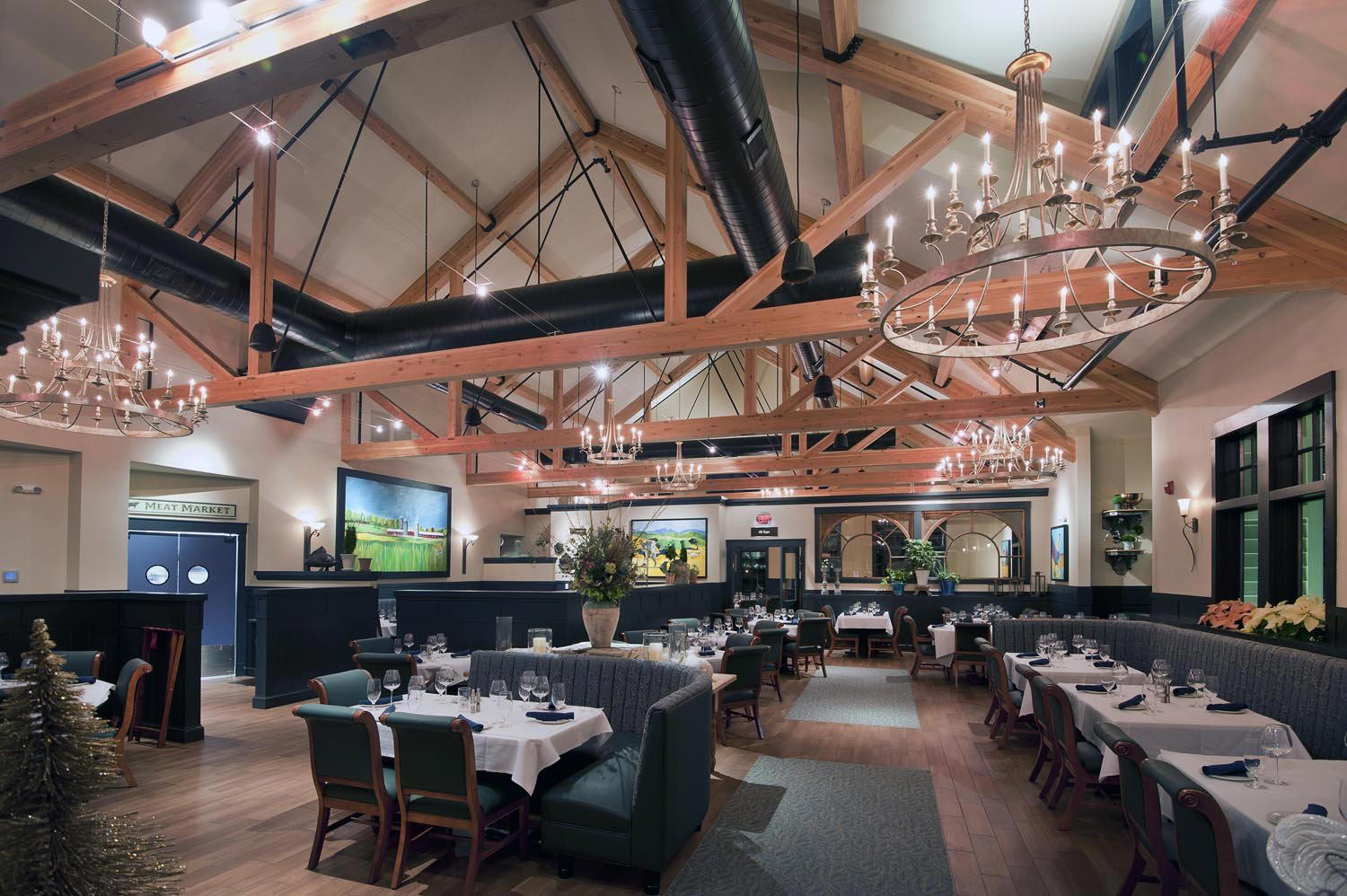
The naming convention here matters. Foundries were the economic engine of nineteenth-century Manchester, and the city's identity as the "Queen City" of New Hampshire was built on textile and industrial output. Bar and restaurant operators who work with that heritage rather than against it tend to produce rooms that carry more character per square foot than those importing an aesthetic wholesale from elsewhere. A converted industrial space, when handled well, gives a bar program something that no amount of bespoke joinery can manufacture: a sense that the room predates the business inside it.
That physical credibility extends to how spirits programs read in the space. A back bar of aged bottles in a room with genuine industrial provenance communicates differently than the same selection in a purpose-built venue. It's a distinction that experienced drinkers register without necessarily articulating it, and it's one reason why the leading American bar programs in converted spaces have tended to outperform their purpose-built counterparts in terms of longevity and repeat visitation. Programs like Bar Leather Apron in Honolulu and Superbueno in New York City occupy very different physical contexts but share the principle: the room and the program need to be in conversation with each other.
Where The Foundry Sits in the Manchester Picture
Manchester's dining and drinking scene has expanded beyond the obvious downtown anchors in recent years, with a range of formats now operating across different price tiers and culinary traditions. The city's bar scene in particular has developed more range, with venues covering everything from neighborhood-casual to more deliberate spirits-led programs. The Foundry's Commercial Street location places it within reach of other addresses worth knowing: see our full Manchester restaurants guide for a broader read of the city's current options.
For those building a longer stay in the region, Manchester's dining tier includes specific options across cuisine types. 900 Degrees Neapolitan Pizzeria covers the wood-fired end of the spectrum, Asian Yummy represents the city's more affordable end of Asian dining, and Bar Shrimp brings a seafood-bar format to the mix. None of these directly competes with a spirits-focused program like The Foundry, which is the point: a night in Manchester can move across formats without repetition.
For the bar-focused traveler making comparisons across American programs, the broader EP Club bar coverage extends to venues like The Parlour in Frankfurt, which offers a useful counterpoint on how European bar programs approach the spirits curation question differently than their American equivalents.
Planning Your Visit
The Foundry is located at 50 Commercial Street in downtown Manchester, New Hampshire, accessible from the main commercial district on foot and within a short drive of the I-93 corridor for those coming from Boston or the wider region. Manchester-Boston Regional Airport serves the city with direct connections to major northeastern hubs, making it a practical stop on a longer New England itinerary.
Given the venue's position in the mid-size American city tier, booking ahead is advisable for weekend evenings when the more considered bar programs in cities of Manchester's scale tend to fill. For those comparing Manchester's bar options on a single visit, Schofield's represents another point of reference within the city's more serious drinking tier.
At-a-Glance Comparison
Comparable venues nearby, for context on price, style, and recognition.
| Venue | Cuisine | Price | Notes |
|---|---|---|---|
| The FoundryThis venue — the venue you are viewing | cocktail_bar | Not listed | Not listed |
| Piccola Italia Ristorante bar | lounge | $30–50 | downtown |
| Luigi's Pizza Bar & Grill | sports_bar | $20–30 | West Side |
| Muse Thai Bistro | lounge | $20–30 | Downtown Manchester |
| To Share Brewing Company | beer_bar | $20–30 | north end/Union Street |
| 900 Degrees Neapolitan Pizzeria | pub | $20–30 | downtown |
Continue exploring
More in Manchester
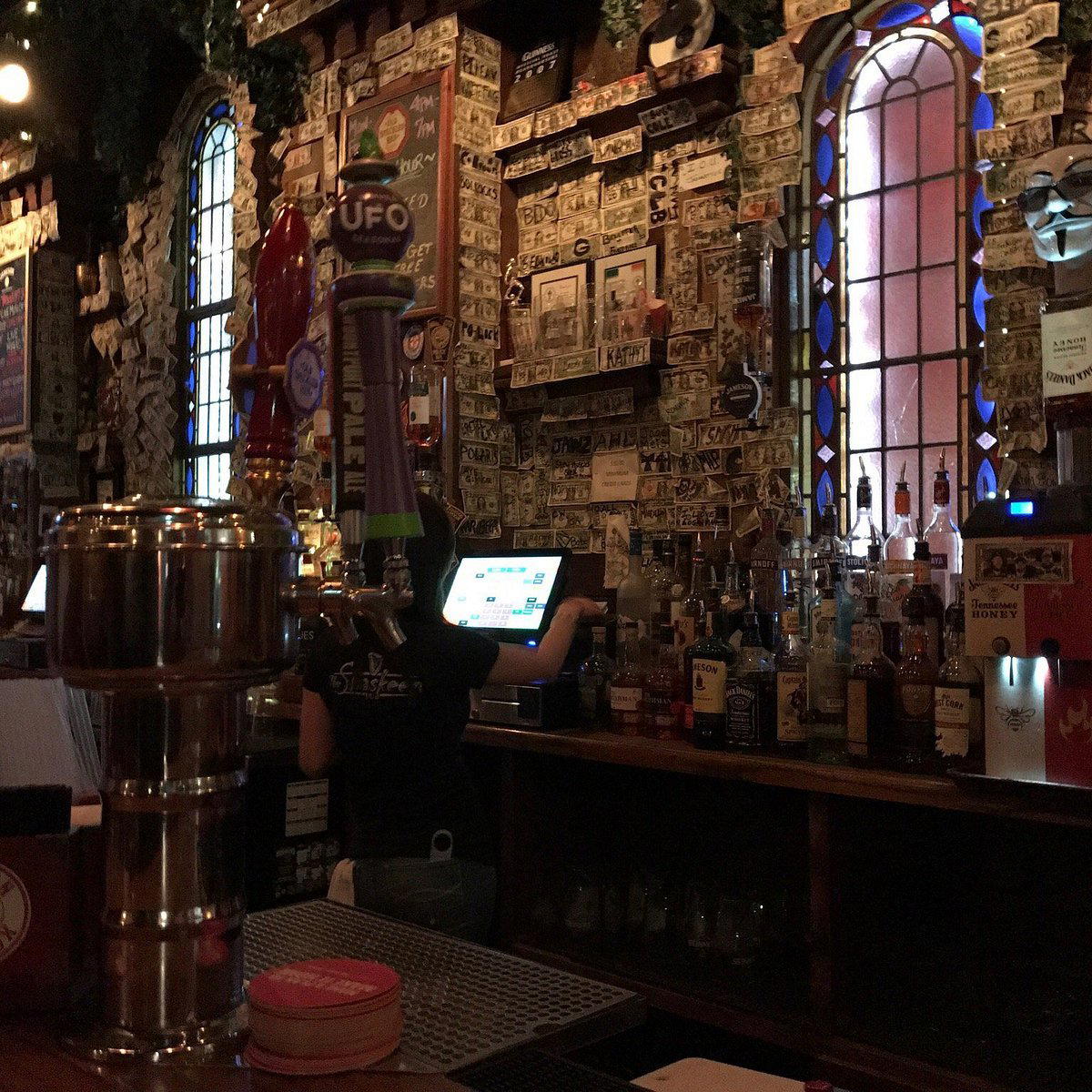
Bars in Manchester
Browse all →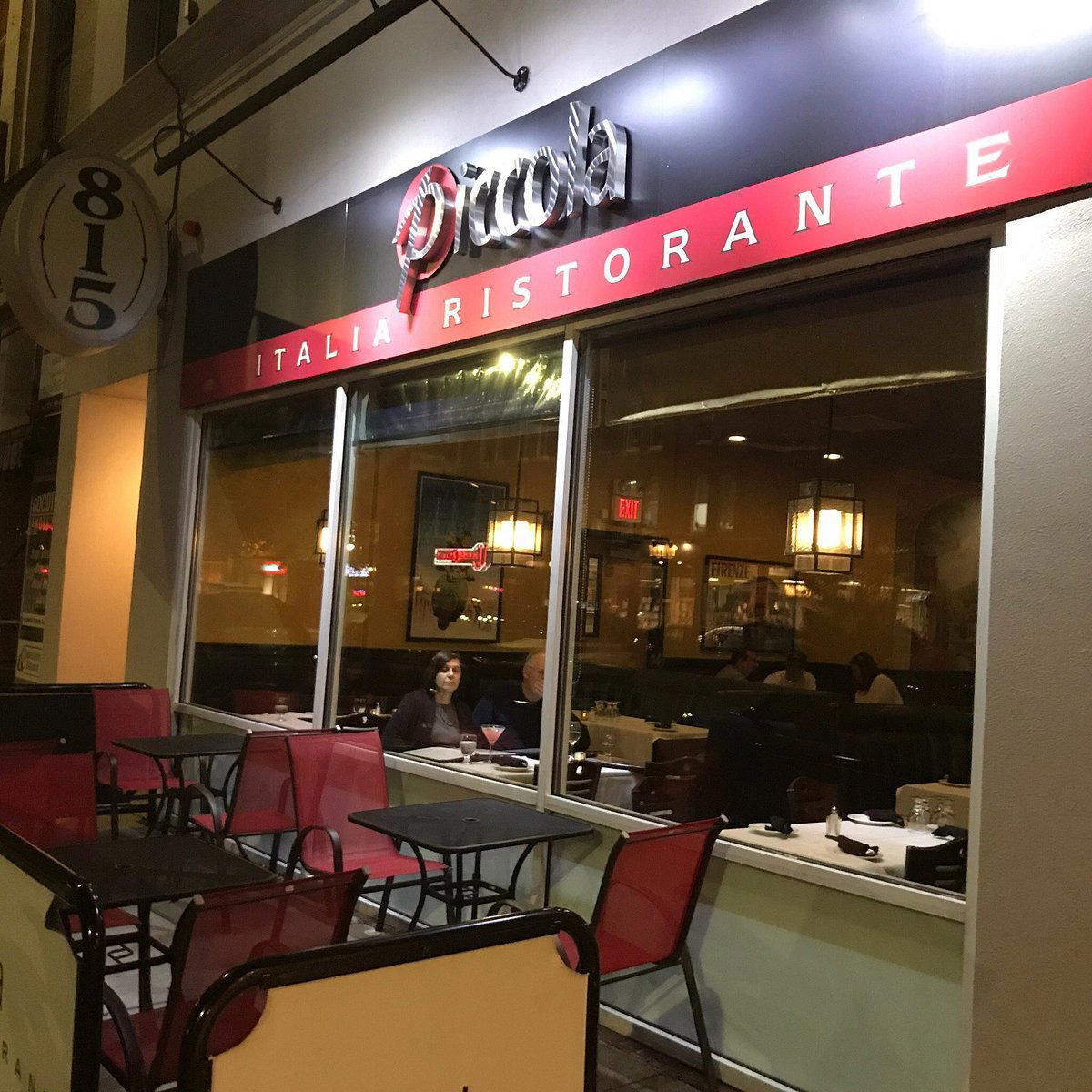
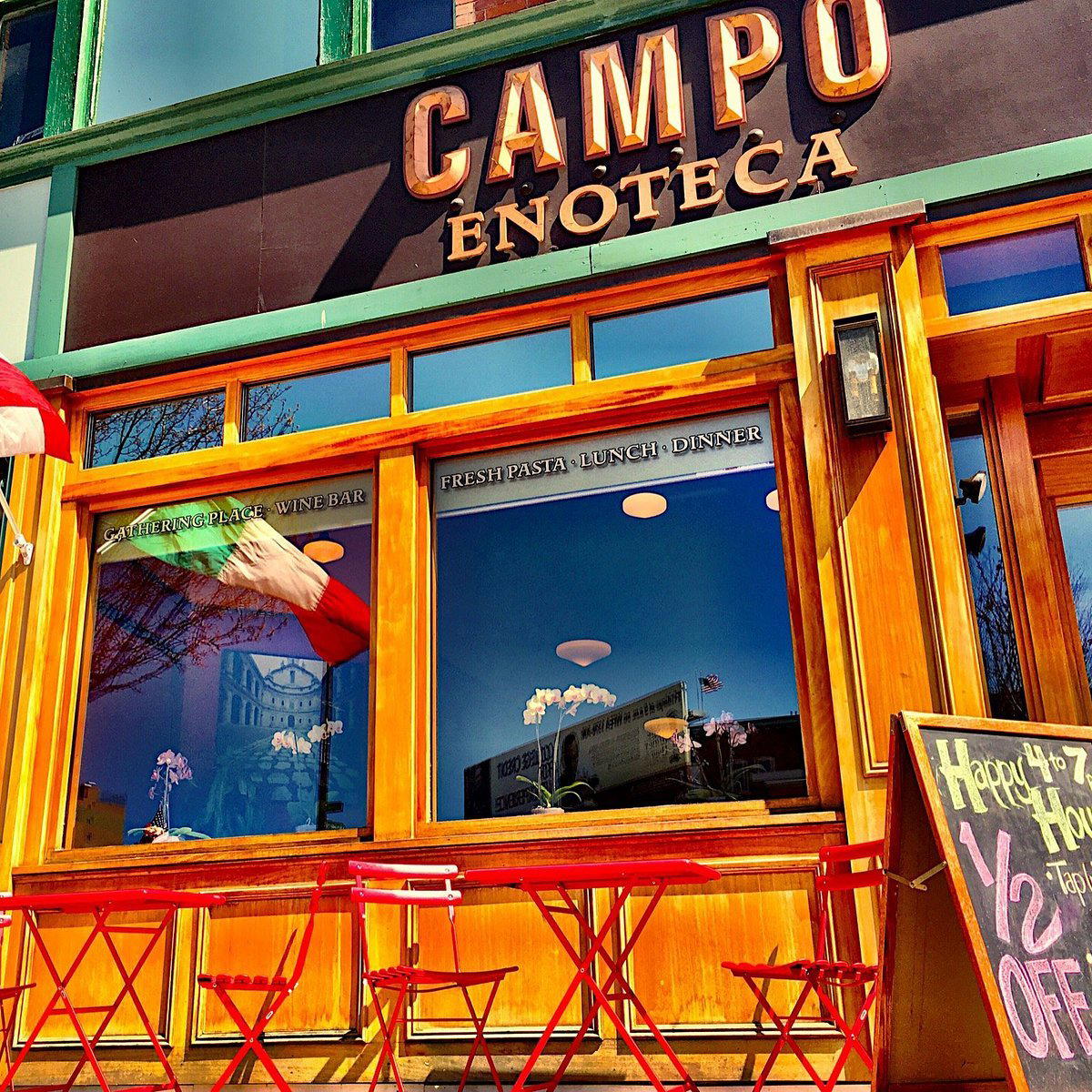
Restaurants in Manchester
Browse all →
Hotels in Manchester
Browse all →
Details
- Industrial
- Cozy
- Trendy
- Date Night
- Group Outing
- Special Occasion
- Live Music
- Waterfront
- Historic Building
- Seated Bar
- Lounge Seating
- Booth Seating
- Private Rooms
- Craft Cocktails
- Whiskey
- Waterfront
Current opening hours
- Monday
- 4–8 PM
- Tuesday
- 4–8 PM
- Wednesday
- 4–8 PM
- Thursday
- 4–9 PM
- Friday
- 4–10 PM
- Saturday
- 4–10 PM
- Sunday
- 9 AM–1 PM
Hours can change for holidays and private events. Last verified .
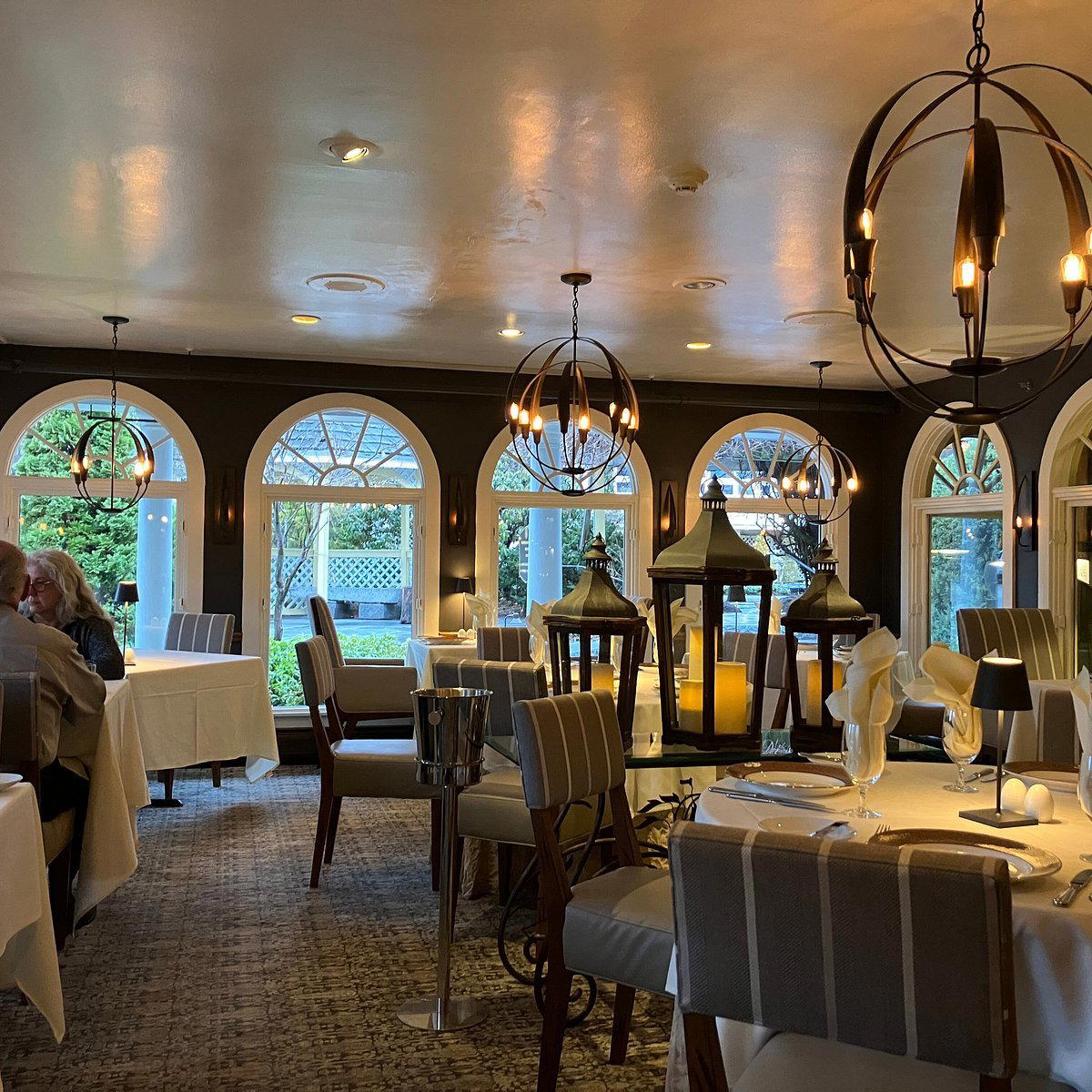
Industrial-chic with exposed brick, timber beams, large windows, cozy riverside booths, couches, and warm New England feel.