Muse Thai Bistro
Muse Thai Bistro sits on Second Street in Manchester, New Hampshire, where it functions as a neighbourhood fixture for Thai food in a city with a compact but growing Asian dining scene. The bistro format positions it closer to a regular haunt than a destination restaurant, making it a practical choice for locals who want consistent Southeast Asian cooking without the formality of a tasting format.

Pearl is the En Primeur Club membership app — saves, bookings, and concierge access live there. Same editors, same standards.
- Address
- 581 Second St c, Manchester, NH 03102
- Phone
- (603) 647-5547
- Hours
- Mon–Thu 3:30–9:30 PMFri–Sun 12–9:30 PM
- Website
- musethaibistro.com
- Directions
- Get directions
- Booking
- Book on the venue's website
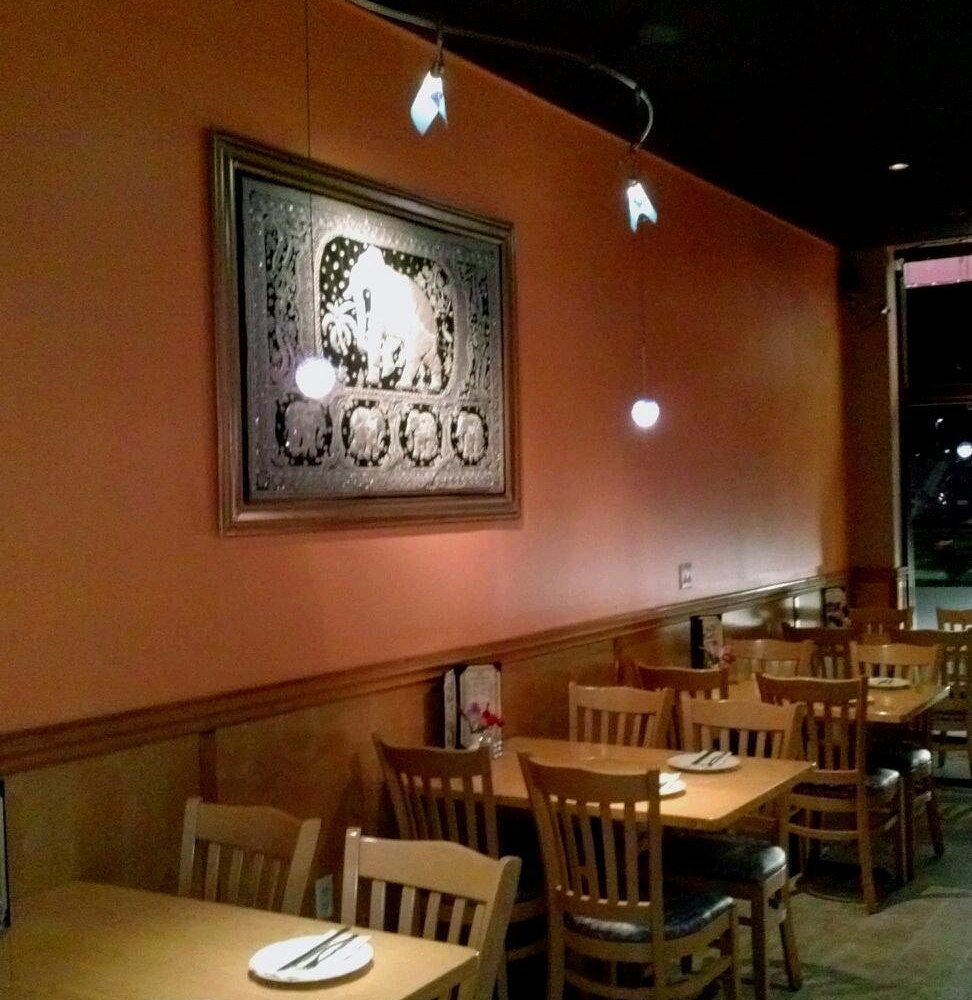
Thai Cooking in Manchester's Dining Scene
Manchester, New Hampshire has spent the past decade quietly building a more varied restaurant culture than its size might suggest. The city's dining options have spread outward from the downtown core along Elm Street into the surrounding neighbourhoods, with Second Street emerging as a low-key corridor for independent operators who rely on repeat local business rather than tourist traffic. In that context, Thai food occupies a specific and reliable role: it sits at the intersection of accessibility and genuine regional cooking, offering a cuisine that rewards regulars who work through a menu over multiple visits rather than one-off diners chasing a single signature dish.
Muse Thai Bistro, at 581 Second Street, fits the neighbourhood-watering-hole model more than it does the destination-dining one. The bistro format, common across mid-sized American cities, positions Thai cooking as everyday rather than occasional, which changes the relationship between kitchen and customer in ways that matter. Regulars build familiarity with the menu's range; the kitchen, in turn, has the chance to calibrate dishes to local taste without abandoning the underlying logic of Thai flavour-building, where balance between sour, sweet, salty, and heat is the organising principle rather than an afterthought.
The Logic of the Bistro Format
Thai restaurants in American cities tend to cluster into two broad types: the white-tablecloth interpretation that leans into fusion or tasting-format presentation, and the neighbourhood bistro that keeps closer to the practical traditions of Thai home and street cooking. Muse occupies the second category. That positioning carries real advantages for the regular diner. The menu at a bistro-scale Thai operation is typically built around dishes that travel well across different occasions: a weeknight dinner, a long lunch, a takeaway order on a cold New Hampshire evening. The bistro format also means the room itself is designed for comfort and return visits rather than for impression-making on a first encounter.
Across New England's smaller cities, this kind of Thai operation has become a fixture in the same way that Italian-American red-sauce spots once anchored neighbourhood blocks. The comparison is useful because it signals something about the community role these restaurants play. They are not places where a reservation signals a special occasion; they are places where the staff know your order by the third or fourth visit. That kind of relationship between a restaurant and its immediate community is harder to build than a Michelin listing, and in some ways more durable.
Situating Muse in Manchester's Asian Food Options
Manchester's Asian dining scene is compact but covers meaningful ground. Asian Yummy covers a different part of the Asian cooking spectrum, giving the city's diners options across sub-cuisines rather than a single dominant format. The presence of multiple operators within a small market creates a useful dynamic: each restaurant has to hold its ground on consistency and value rather than relying on category scarcity. For Muse Thai Bistro, the competitive pressure of operating in a market with genuine alternatives is, broadly speaking, a quality signal in itself. A neighbourhood bistro that sustains a local following in that environment is doing something right at the level of day-to-day execution.
For diners building a broader picture of Manchester's restaurant options, our full Manchester restaurants guide maps the city's dining across neighbourhoods and categories, including the Second Street corridor where Muse sits.
What the Neighbourhood Format Demands
Running a successful neighbourhood Thai bistro in a mid-sized American city requires a specific kind of operational discipline that is easy to underestimate. The margins are tighter than at a high-ticket tasting counter. The customer base expects consistency above novelty: the pad see ew or massaman curry that brought someone back three weeks ago needs to perform the same way on the fourth visit. At the same time, a bistro that never changes loses the regulars who want to feel that the kitchen is alive and responsive. The balance between reliability and freshness is where neighbourhood restaurants either find their footing or drift into invisibility.
Thai cooking, with its inherent complexity of layered pastes, fresh aromatics, and precisely timed heat application, is a useful lens for understanding what distinguishes a kitchen that is genuinely competent from one that is merely functional. The cuisine does not forgive sloppy prep or shortcuts on aromatics in the way that some simpler comfort-food formats might. A bistro that holds the line on Thai flavour integrity over hundreds of covers a week is demonstrating real kitchen discipline.
Planning a Visit
Muse Thai Bistro is located at 581 Second Street, Suite C, in Manchester, NH 03102. The Second Street address places it in a walkable section of the city accessible from the downtown core. For visitors exploring Manchester's broader dining and bar scene, the city also offers craft cocktail options at Schofield's, pizza at 900 Degrees Neapolitan Pizzeria, and seafood-focused drinking at Bar Shrimp, giving a full evening's worth of options within a compact area. Current hours and reservation availability are best confirmed directly with the restaurant, as operating hours for neighbourhood bistros in smaller markets can shift seasonally or with staffing.
Travellers comparing Manchester's neighbourhood dining to what is available in larger American cities will find useful reference points in operations like Kumiko in Chicago, Superbueno in New York City, or Julep in Houston, each of which demonstrates how a focused, neighbourhood-anchored concept sustains itself through consistency and local identity rather than scale. The same principle applies at ABV in San Francisco, Bar Leather Apron in Honolulu, and Jewel of the South in New Orleans, where the connection to a specific community gives the operation depth that a purely transactional restaurant cannot replicate. The Parlour in Frankfurt extends that model internationally, confirming that the neighbourhood-anchor format is not uniquely American but a pattern that appears wherever a city has a street-level dining culture worth preserving.
Reputation First
Comparable venues nearby, for context on price, style, and recognition.
| Venue | Cuisine | Price | Notes |
|---|---|---|---|
| Muse Thai BistroThis venue — the venue you are viewing | lounge | $20–30 | Not listed |
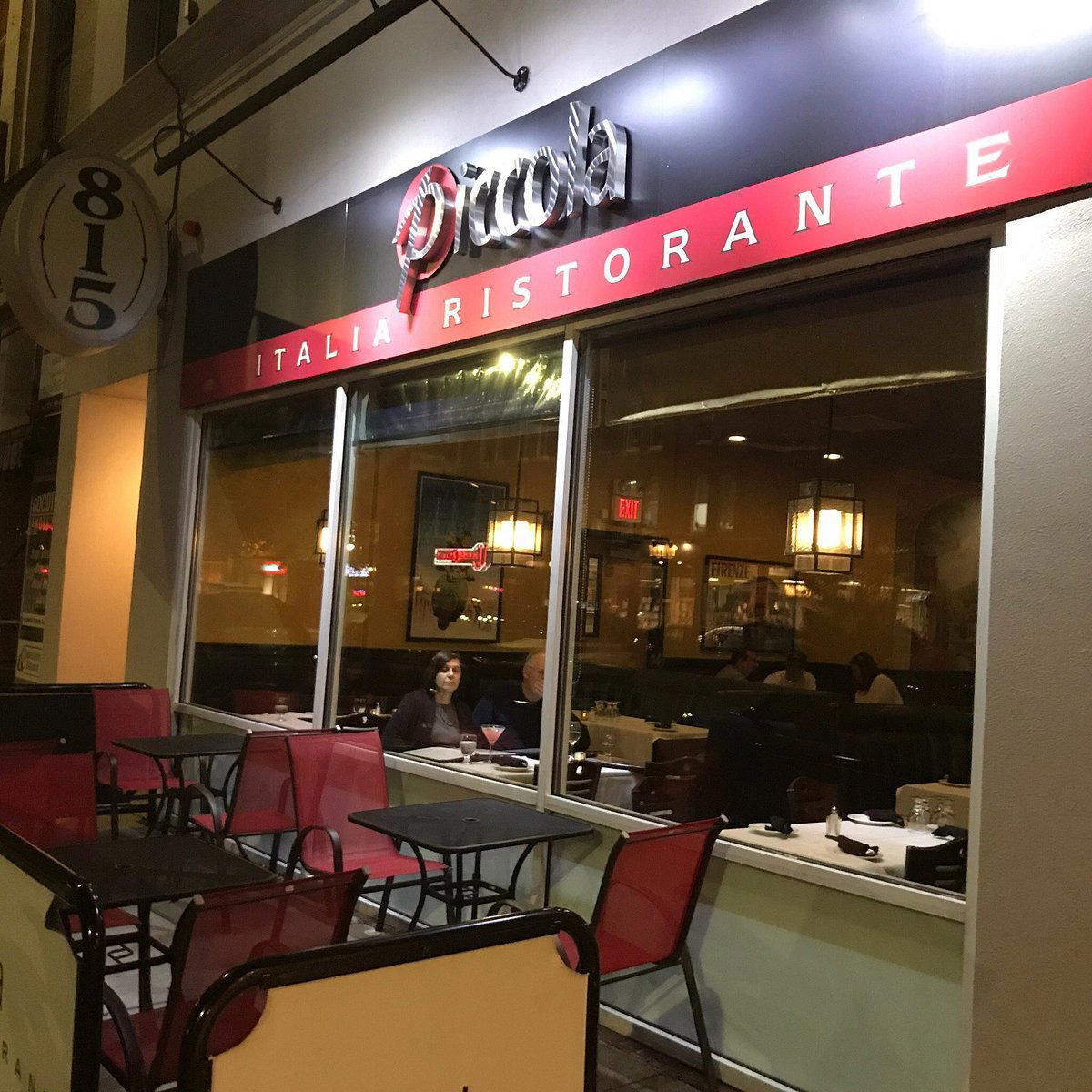
| Piccola Italia Ristorante bar | lounge | $30–50 | downtown |
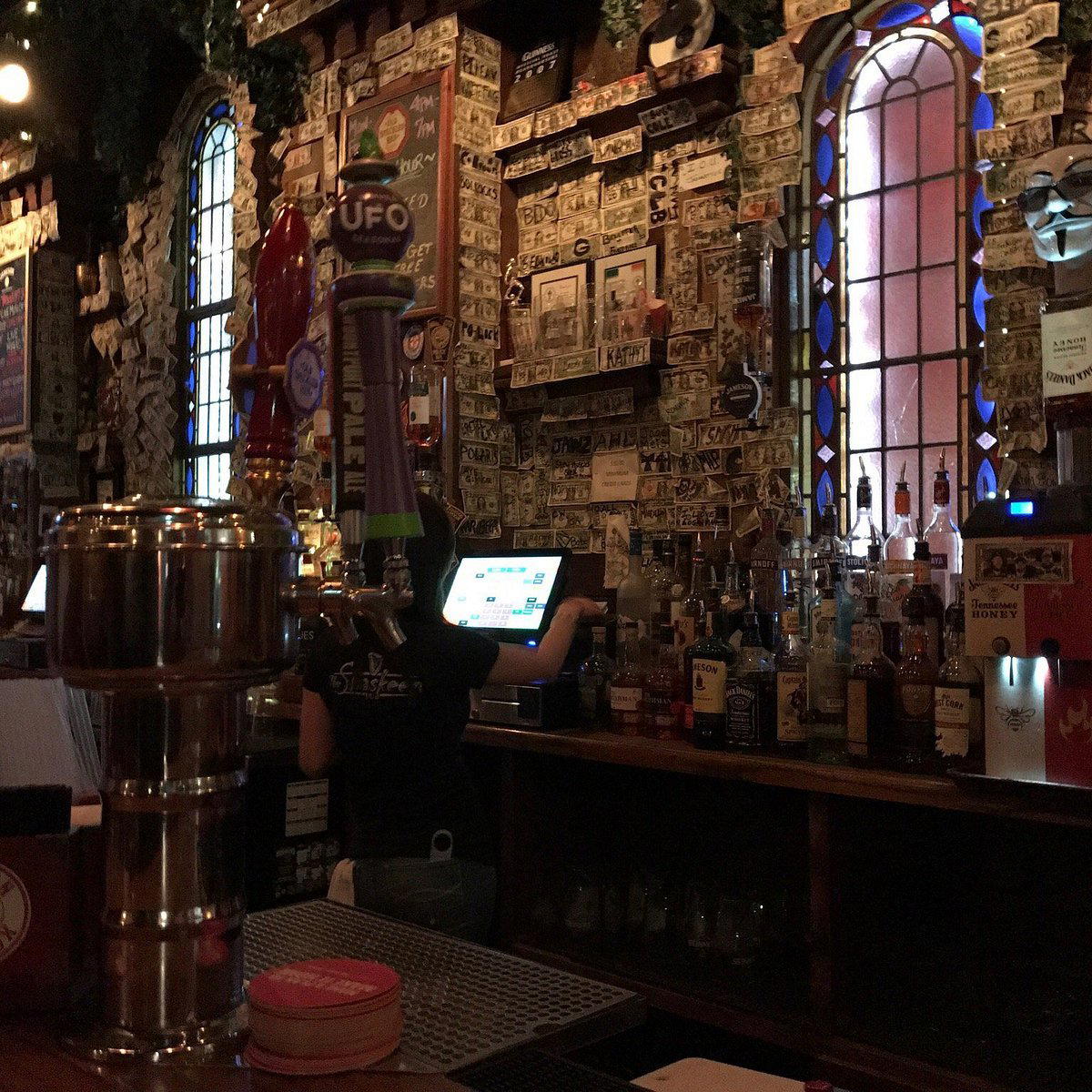
| The Shaskeen Pub and Restaurant | pub | $10–20 | downtown |
| Great North Aleworks | beer_bar | $20–30 | Not listed |
| To Share Brewing Company | beer_bar | $20–30 | north end/Union Street |
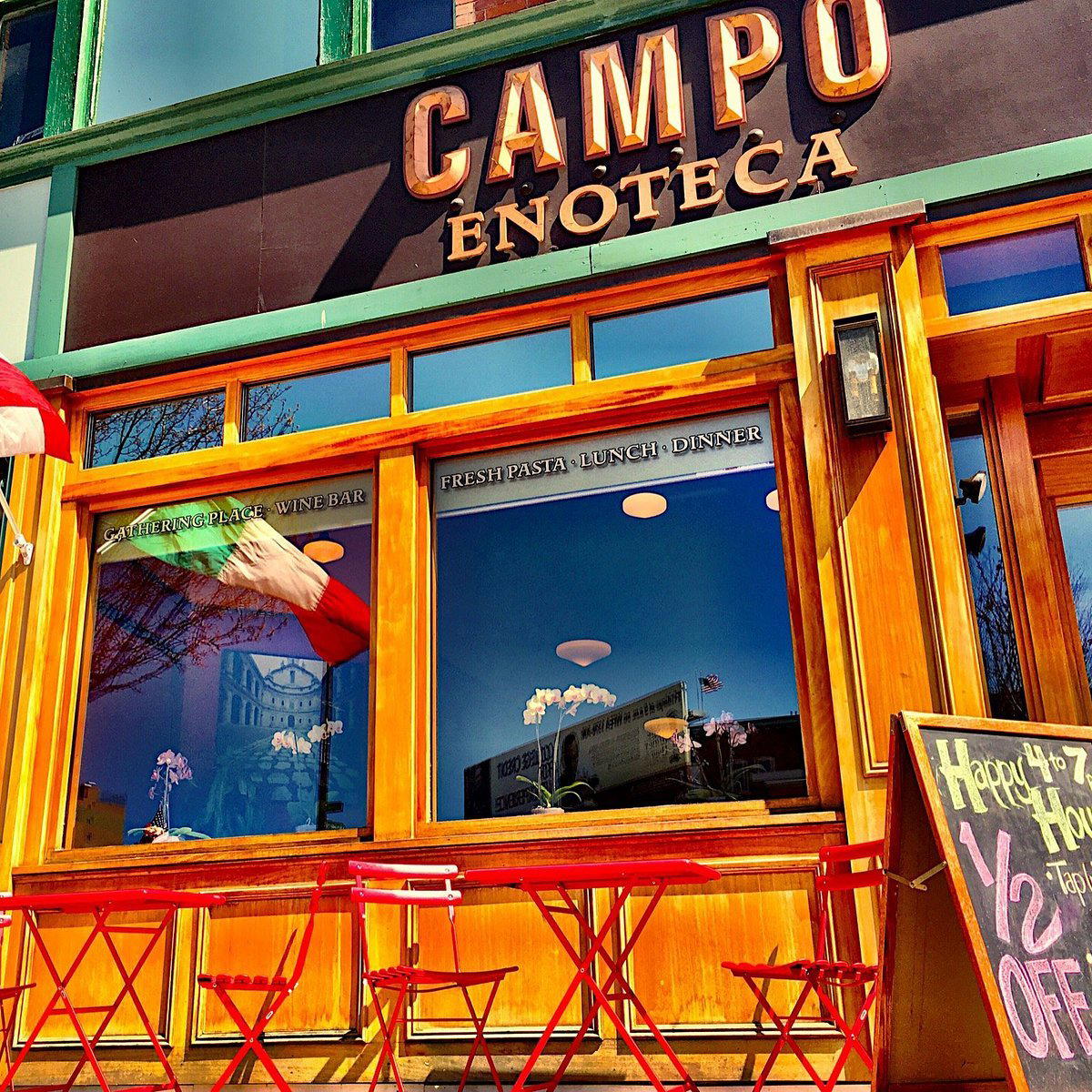
| Campo Enoteca | wine_bar | $30–50 | downtown |
Continue exploring
More in Manchester
Bars in Manchester
Browse all →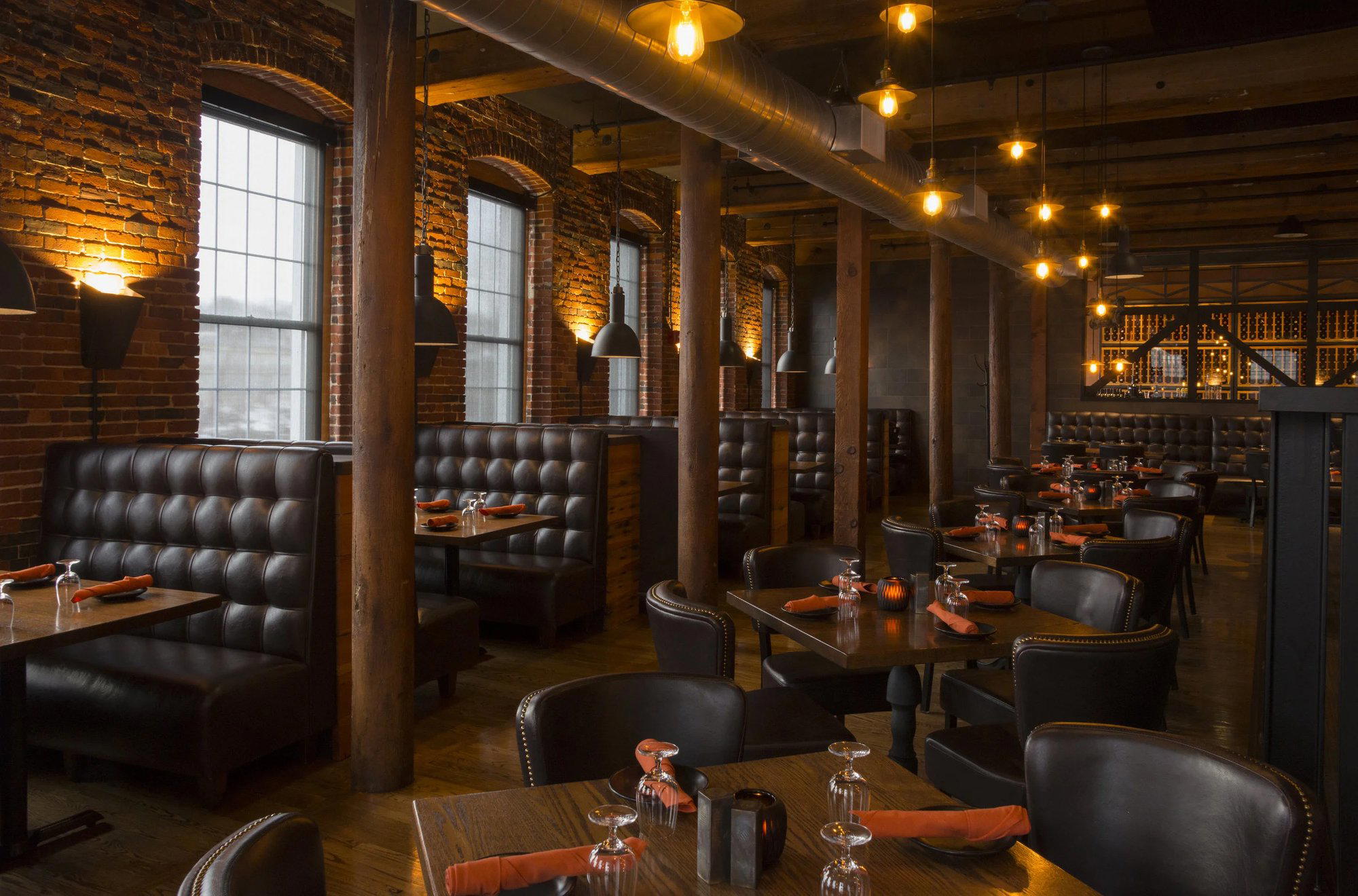
Restaurants in Manchester
Browse all →
Hotels in Manchester
Browse all →
Details
- Modern
- Casual
- Trendy
- Casual Hangout
- Group Outing
- After Work
- Standalone
- Seated Bar
- Lounge Seating
- Craft Cocktails
- Sake
- Zero Proof
Current opening hours
- Monday
- 3:30–9:30 PM
- Tuesday
- 3:30–9:30 PM
- Wednesday
- 3:30–9:30 PM
- Thursday
- 3:30–9:30 PM
- Friday
- 12–9:30 PM
- Saturday
- 12–9:30 PM
- Sunday
- 12–9:30 PM
Hours can change for holidays and private events. Last verified .
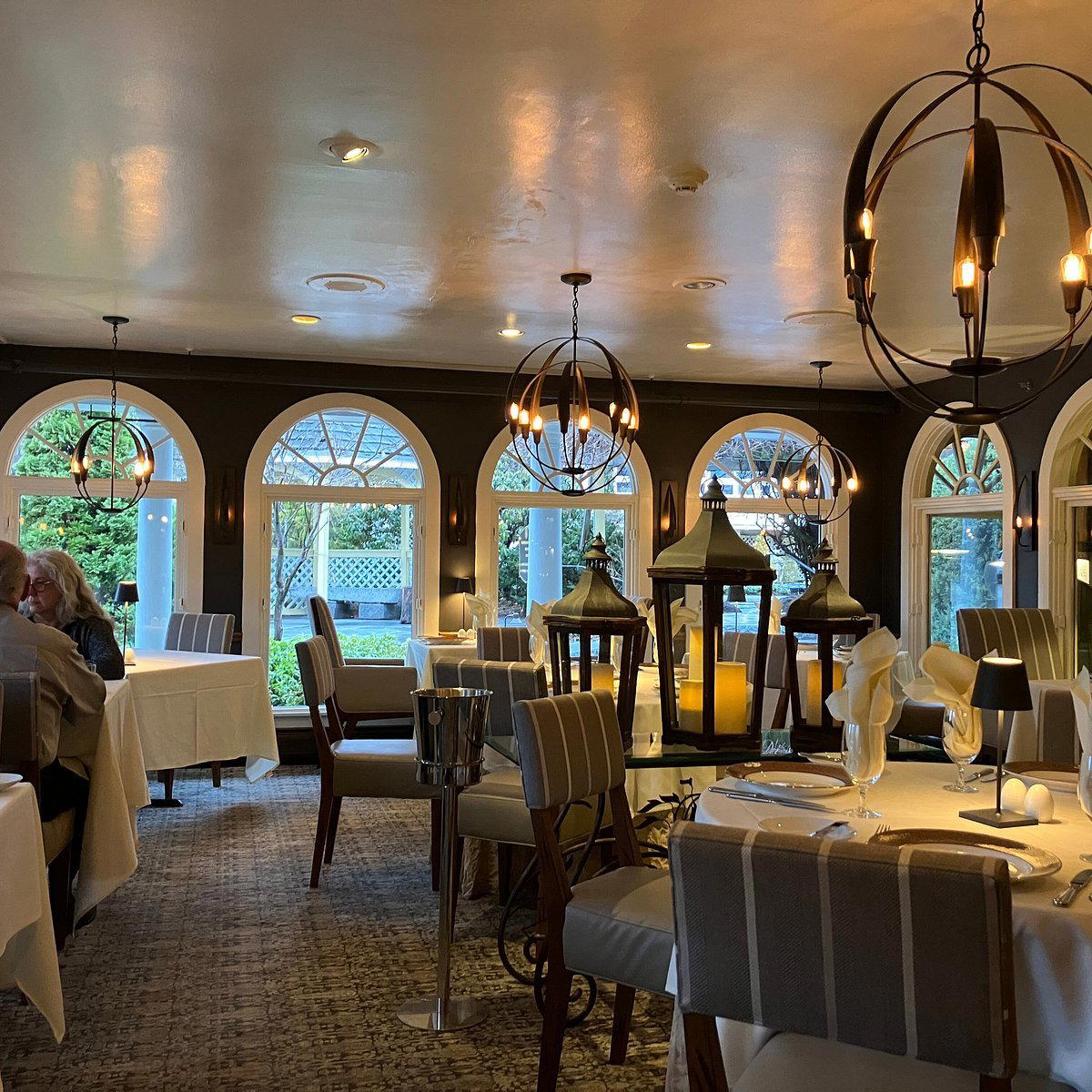
Warm and modern atmosphere with inviting casual dining environment.