Culture
Our verdict
Culture occupies a quiet address on Mont Vernon Street in Milford, New Hampshire, positioning itself within a small-town dining scene that has grown increasingly serious about sourcing and craft. Where New Hampshire restaurants once defaulted to broad, comfort-driven menus, Culture represents a tighter, more considered approach to what ends up on the plate and where it originates.
- Address
- 75 Mont Vernon St, Milford, NH 03055
- Phone
- (603) 249-5011
- Directions
- Get directions
The menu
What to order
- Breakfast sandwiches
- Scones
- Fruitcake
Mont Vernon Street and the Question of Where Food Comes From
Milford, New Hampshire sits in the Souhegan River valley, roughly an hour from Boston and well outside the radius that most food writers bother to draw around New England's serious dining. That distance has historically insulated small-town southern New Hampshire from the sourcing conversations that have reshaped restaurant culture in Portland, Providence, and Cambridge. What makes Culture on Mont Vernon Street worth attention is precisely where it sits within that gap: a town-scale address wrestling with the same ingredient questions that preoccupy much larger, better-resourced kitchens.
New Hampshire's agricultural output is modest but specific. The state's short growing season concentrates producers around high-value crops: heritage grains, cold-climate root vegetables, maple, and a handful of serious livestock operations. Restaurants that commit to sourcing within that narrow band are making a harder editorial choice than a Vermont or Hudson Valley kitchen would face. There is less supply, more seasonality pressure, and fewer backup options when a producer falls short. That constraint, when taken seriously, tends to produce menus that read as genuinely local rather than aspirationally local — a distinction that matters when the farm-to-table framing has become so widespread as to be nearly meaningless elsewhere.
What the Ingredient-First Approach Looks Like in Practice
Across American fine dining, the sourcing conversation has bifurcated into two camps. The first is institutional: operations like Blue Hill at Stone Barns in Tarrytown or Single Thread Farm in Healdsburg, where the kitchen is part of a vertically integrated agricultural system and sourcing is the explicit premise of the entire enterprise. The second is more common and more contingent: independent restaurants that build relationships with regional producers and adjust menus around what those producers deliver. Smyth in Chicago and The Wolf's Tailor in Denver both operate in this second register, where the sourcing commitment is real but the kitchen retains editorial control over what it does with incoming ingredients.
Culture, at its Mont Vernon Street address, operates in a context where neither of those institutional models is available. There is no adjacent farm. There is no network of established fine-dining suppliers sending weekly deliveries. What exists instead is the direct-relationship infrastructure that smaller New England restaurants have built out of necessity: conversations with farmers at the Milford Farmers Market, regional dairy and cheesemakers, and the kind of producer-to-kitchen agreements that rarely appear in press materials but determine everything about what a menu can actually offer. That infrastructure is less glamorous than a branded farm partnership, but in many respects more honest about how ingredient-driven cooking actually functions outside major metro markets.
How Culture Sits Within Milford's Dining Context
Milford's restaurant scene is not large. The town supports a range of formats from casual to mid-market, with a handful of addresses that have pushed toward more deliberate cooking in recent years. Greenleaf has established itself as a reference point for locally sourced, produce-forward cooking in the area, and The Milford House occupies the traditional anchor position that many New England towns assign to their oldest hospitality address. Culture enters that context from a different angle, one less about tradition or comfort and more about the specific question of what ingredients can be sourced close to home and what a kitchen can do with them.
For readers who track how ingredient-sourcing commitments play out across American fine dining, the comparison set is instructive. Le Bernardin in New York City applies institutional rigor to seafood provenance at the top of the market. Lazy Bear in San Francisco and Providence in Los Angeles both treat sourcing as an organizing principle without subordinating kitchen craft to it. The French Laundry in Napa maintains its own on-site garden as part of a sourcing infrastructure that few independent kitchens can replicate. What distinguishes a smaller-market kitchen like Culture is the constraint itself: working with what is actually available within a geographically honest radius, not what can be sourced nationally and labeled local.
That constraint sharpens certain decisions. A kitchen in Milford cannot source year-round tomatoes from a New Hampshire farm and maintain any credibility. What it can do is build menus around the seasons that actually exist here: the brief intensity of summer produce, the long reliable run of cold-weather root crops and stored grains, and the dairy and livestock products that New England produces with some consistency. Restaurants that accept those parameters rather than working around them tend to produce food that is harder to cook but easier to trust.
The Broader New England Sourcing Context
New England has seen a quiet reinvestment in small-scale food production over the past two decades. Heritage grain mills have reopened in Vermont and Maine. Regenerative livestock operations have grown in the Connecticut River valley. Aquaculture along the New Hampshire and Maine coast has produced oyster and shellfish supply that now reaches inland kitchens with reasonable regularity. That infrastructure exists at a smaller scale than what surrounds restaurant clusters in the Berkshires or on Cape Cod, but it is substantive enough to support kitchens willing to build menus around it.
Restaurants elsewhere in the country working from comparable sourcing commitments include Addison in San Diego, which has pushed toward hyper-regional California sourcing, Frasca Food and Wine in Boulder, which pairs regional sourcing with Italian structure, and Emeril's in New Orleans, which built its identity around Gulf Coast provenance. In each case, the sourcing framework is not incidental. It determines the menu's range, its seasonality, and ultimately what the restaurant can and cannot claim about its food. Culture in Milford operates inside the same logic, scaled to what southern New Hampshire actually produces. For more context on where Culture fits within the town's dining picture, see our full Milford restaurants guide.
Planning Your Visit
Culture is located at 75 Mont Vernon Street in Milford, New Hampshire, roughly equidistant between Nashua to the southeast and Manchester to the northeast, both accessible in under thirty minutes by car. Milford is not served by commuter rail, so reaching the address requires a vehicle or rideshare from one of those larger regional hubs. Given the limited venue data currently available, visitors should confirm current hours, pricing, and reservation availability directly before making the trip, as small independent restaurants in southern New Hampshire frequently adjust their operating schedules seasonally. The address itself sits within Milford's compact town center, where parking is generally available on street or in adjacent lots.
Frequently asked questions
Is Culture suitable for children?
Culture is located at 75 Mont Vernon Street in a town-centre setting, which is physically accessible with children. The restaurant's ingredient-focused format and dining pace tend to suit older children with an interest in food; the experience is unlikely to match the expectations of families looking for an informal or quick-service meal.
How would you describe the vibe at Culture?
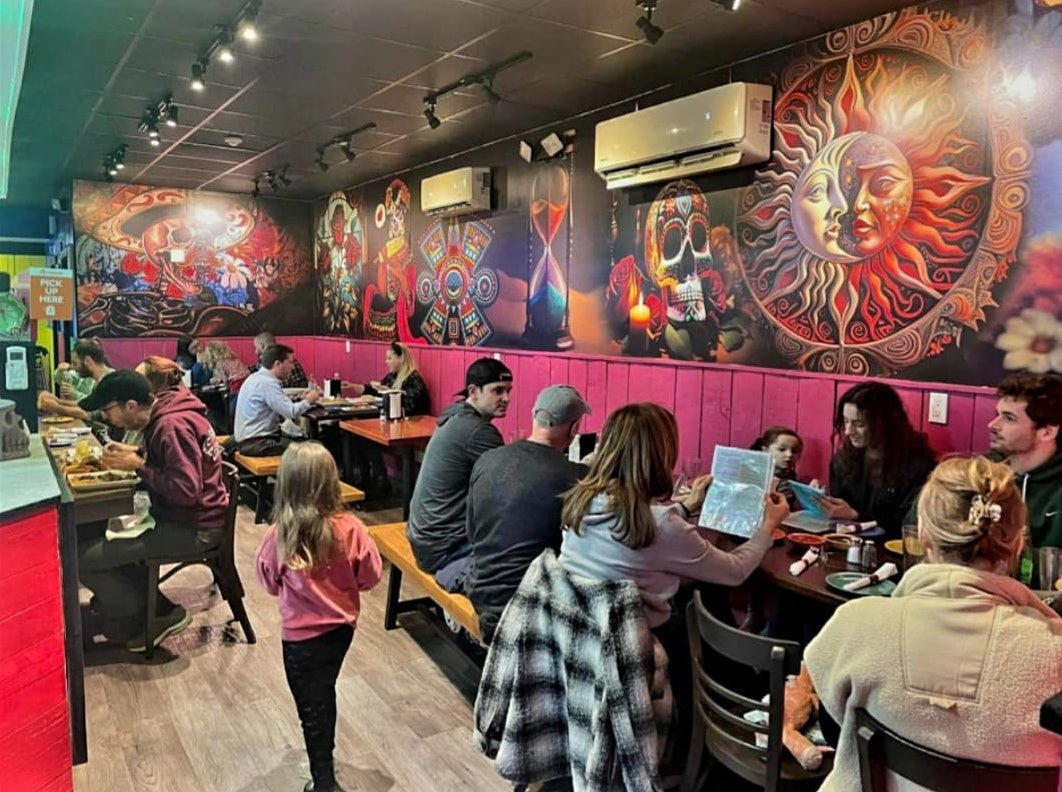
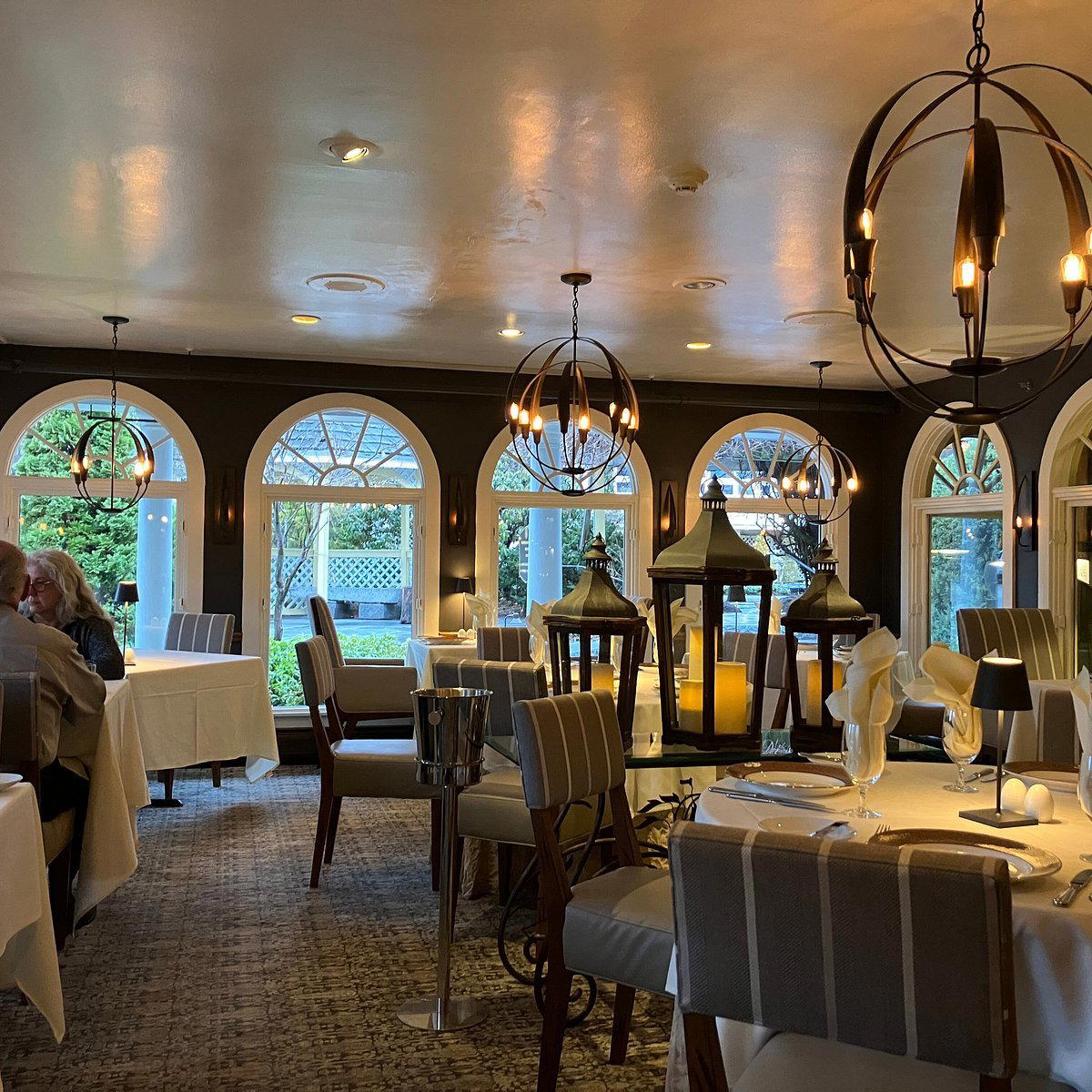
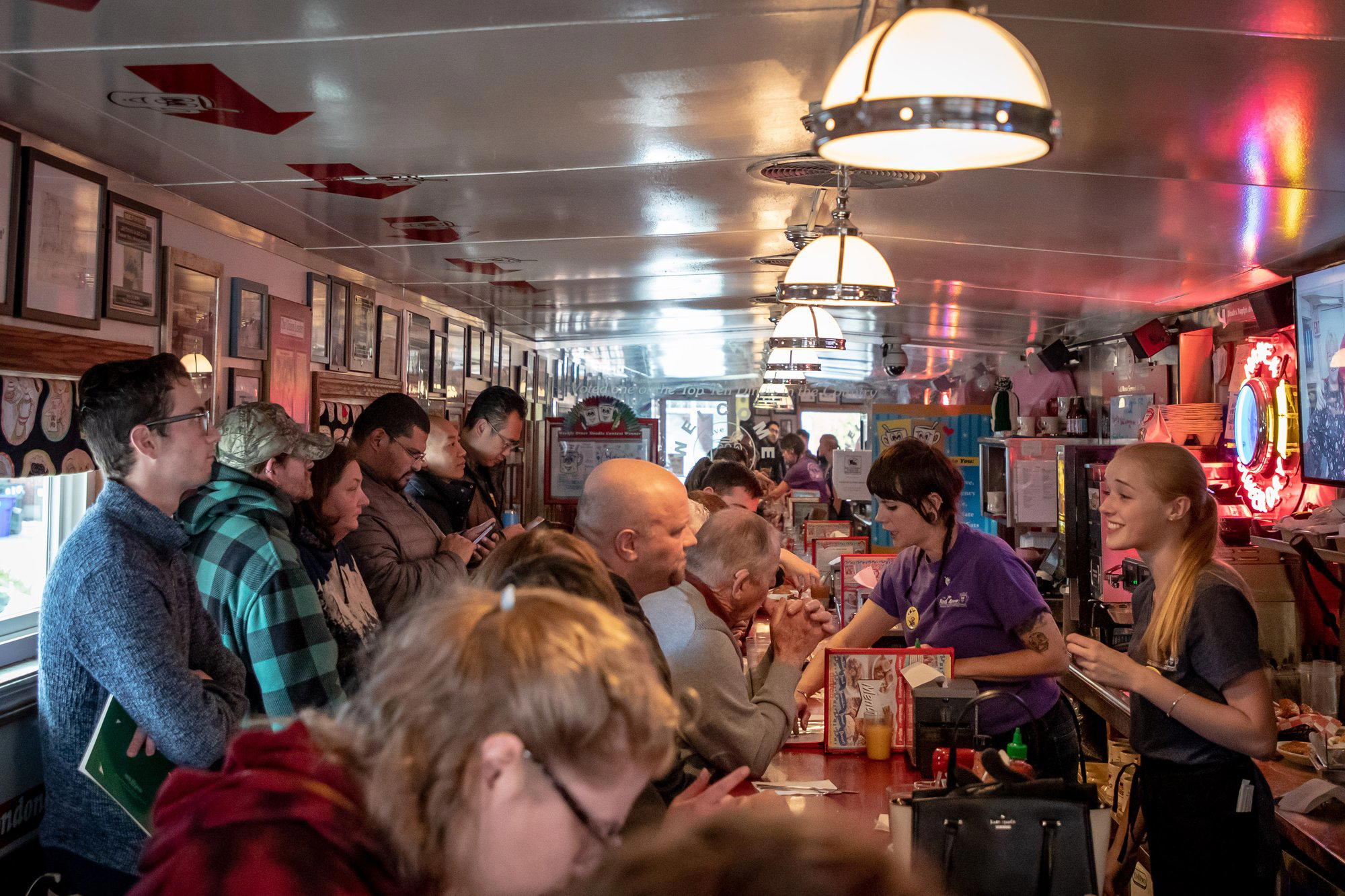
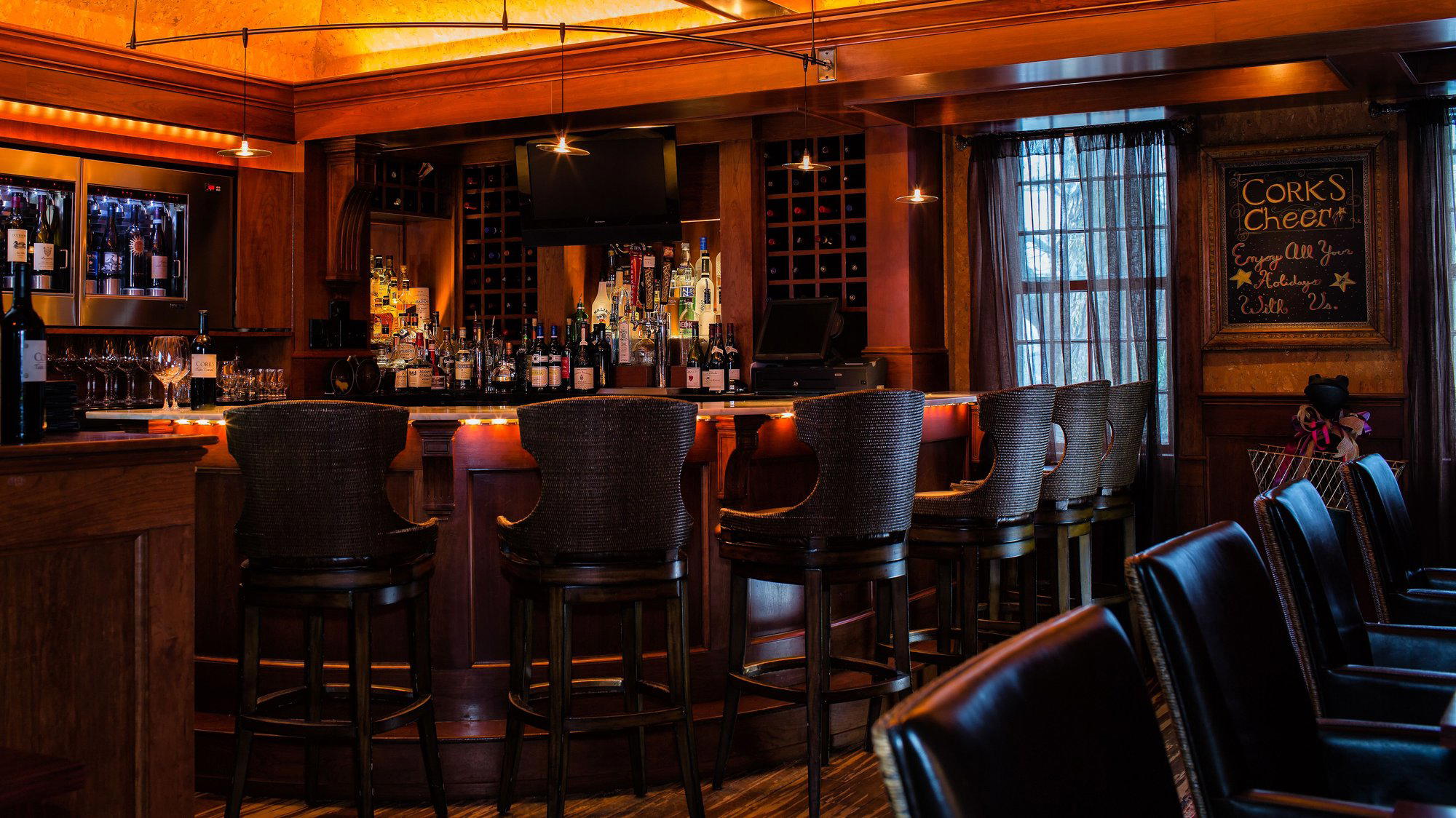
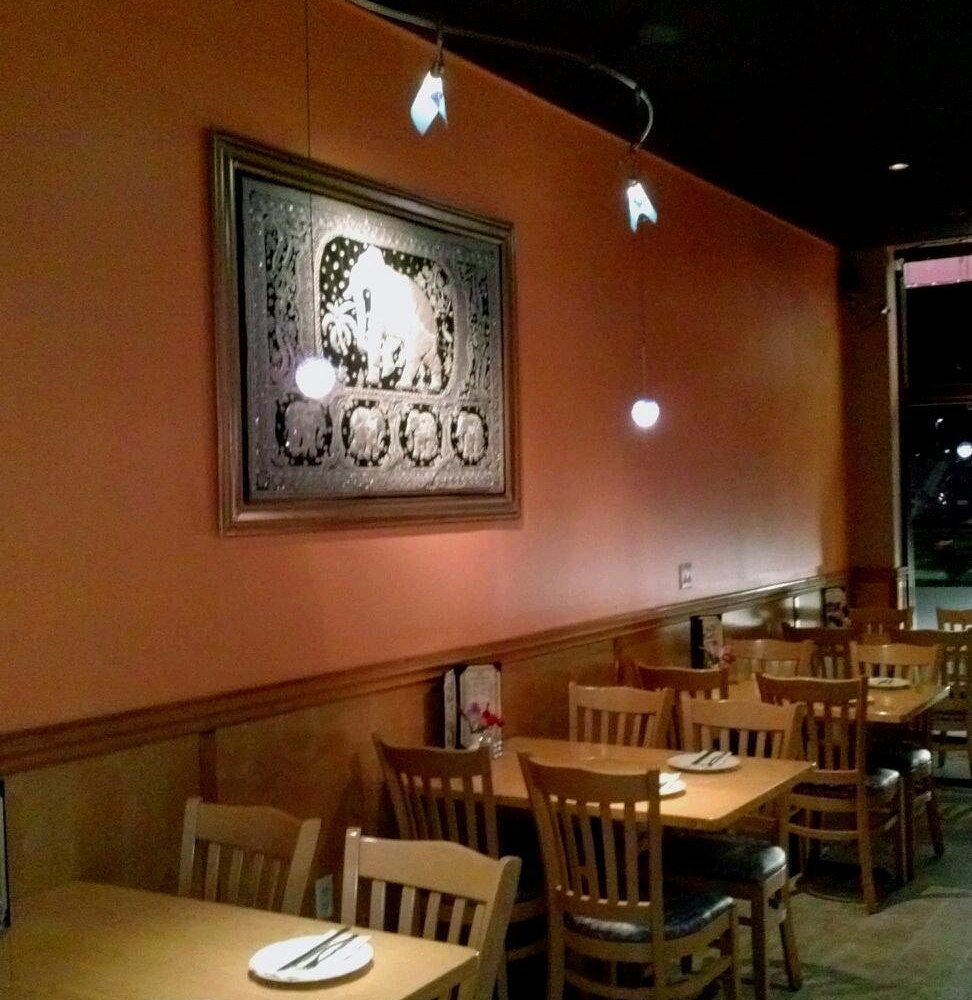
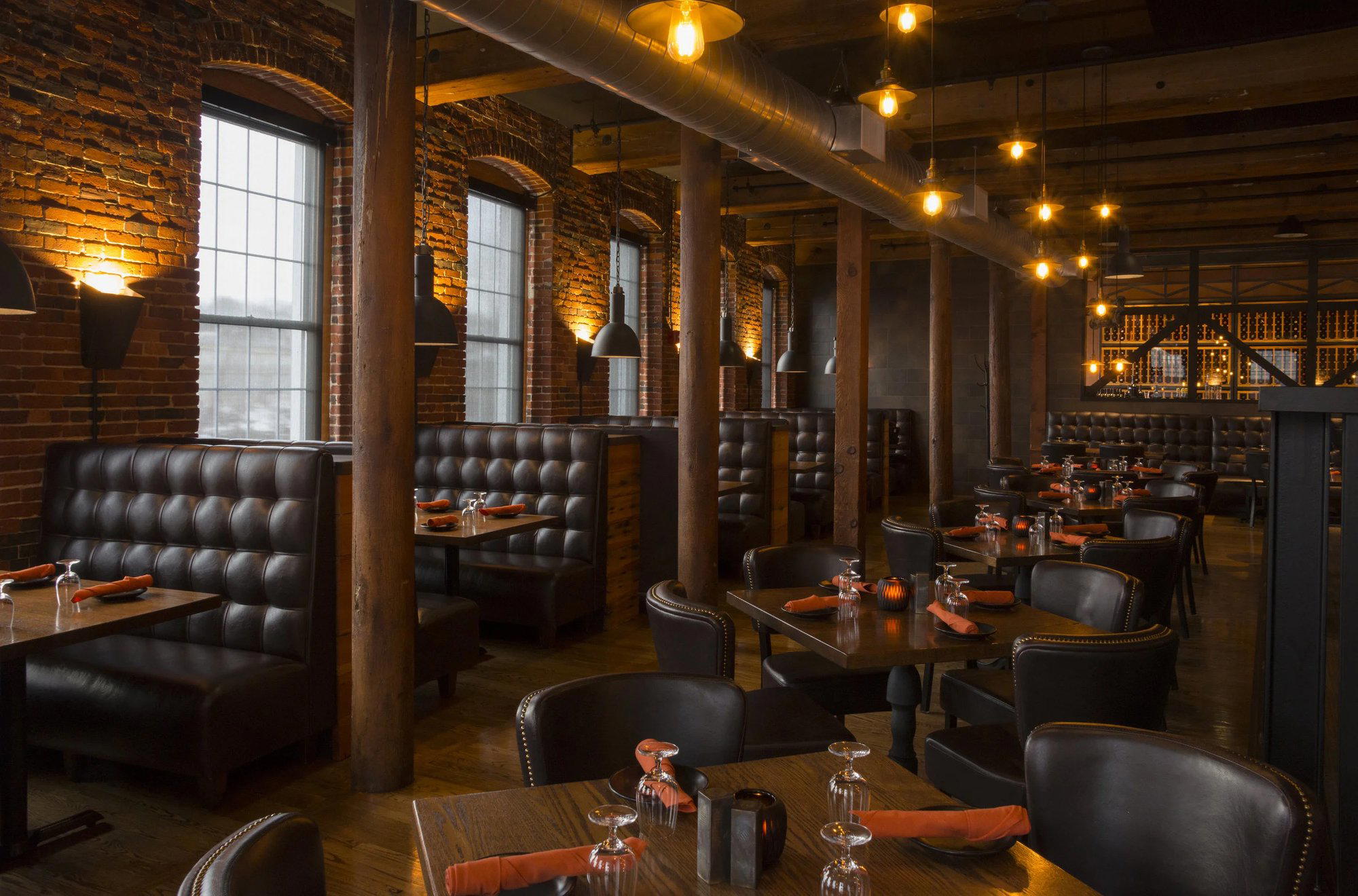
The feel at Culture aligns with the sourcing-led dining rooms that have emerged across New England over the past decade: considered rather than showy, with the ingredients doing the talking. Milford's scale keeps the room grounded — this is not a destination showpiece in the way that Portland or Portsmouth venues can become, which gives the experience a more local, less performative character.
How does Culture fit into the broader New Hampshire farm-sourcing restaurant scene?
New Hampshire's network of heritage grain mills, small-acreage vegetable farms, and regional meat producers has grown steadily over the past two decades, giving restaurants in the Souhegan Valley meaningful access to local supply chains that were largely absent a generation ago. Culture's position in Milford places it roughly equidistant between Nashua and Manchester, making it one of the few addresses in southern New Hampshire operating within that producer ecosystem at a considered dining level rather than as a casual farm-stand adjunct.
What dish is Culture famous for?
The restaurant's identity, based on its ingredient-first approach and position within the New England small-farm sourcing network, suggests the menu shifts with producer availability rather than anchoring around fixed house dishes.
What part of town is Culture in?
Culture is located at 75 Mont Vernon St, Milford, NH 03055, Milford.
Do they take walk-ins at Culture?
Given the restaurant's format and the generally limited seating typical of sourcing-led dining rooms in small New England towns, contacting the venue directly before arriving without a reservation is advisable.
Fast Comparison
| Venue | Cuisine | Price | Awards | Notes |
|---|---|---|---|---|
| CultureThis venue — the venue you are viewing | American Bakery Café | Not listed | Not listed | Not listed |
| Le Bernardin | French Seafood Fine Dining | $300–500 | 3 Michelin Stars · World's 50 Best #13 | French, Seafood |
| Lazy Bear | Modern American Tasting Menu | Not listed | 2 Michelin Stars · World's 50 Best #25 | Progressive American, Contemporary |
| Atomix | Modern Korean Tasting Menu | $300–500 | 2 Michelin Stars · World's 50 Best #7 | Modern Korean, Korean |
| Per Se | French Fine Dining Tasting Menu | $300–500 | 3 Michelin Stars · World's 50 Best #40 | French, Contemporary |
| Masa | Traditional Japanese Omakase | $500+ | 2 Michelin Stars · World's 50 Best #27 | Sushi, Japanese |

Details
- Cozy
- Casual
- Casual Hangout
- Solo
- Standalone
- A La Carte
- Coffee
Casual, welcoming neighborhood spot with a focus on fresh baked goods and morning fare.