Green Light District
Green Light District occupies a address on Klosterstraße in Düsseldorf's city centre, sitting within a dining neighbourhood that ranges from casual international kitchens to serious European tables. With the venue's specific format still emerging in public record, it represents the kind of address worth watching as Düsseldorf's mid-tier restaurant scene continues to sharpen its identity beyond the Altstadt circuit.
Pearl is the En Primeur Club membership app — saves, bookings, and concierge access live there. Same editors, same standards.
- Address
- Klosterstraße 38, 40211 Düsseldorf, Germany
- Phone
- +4921150940351
- Website
- green-light-district.de
- Directions
- Get directions
 Saves & bookings on Pearl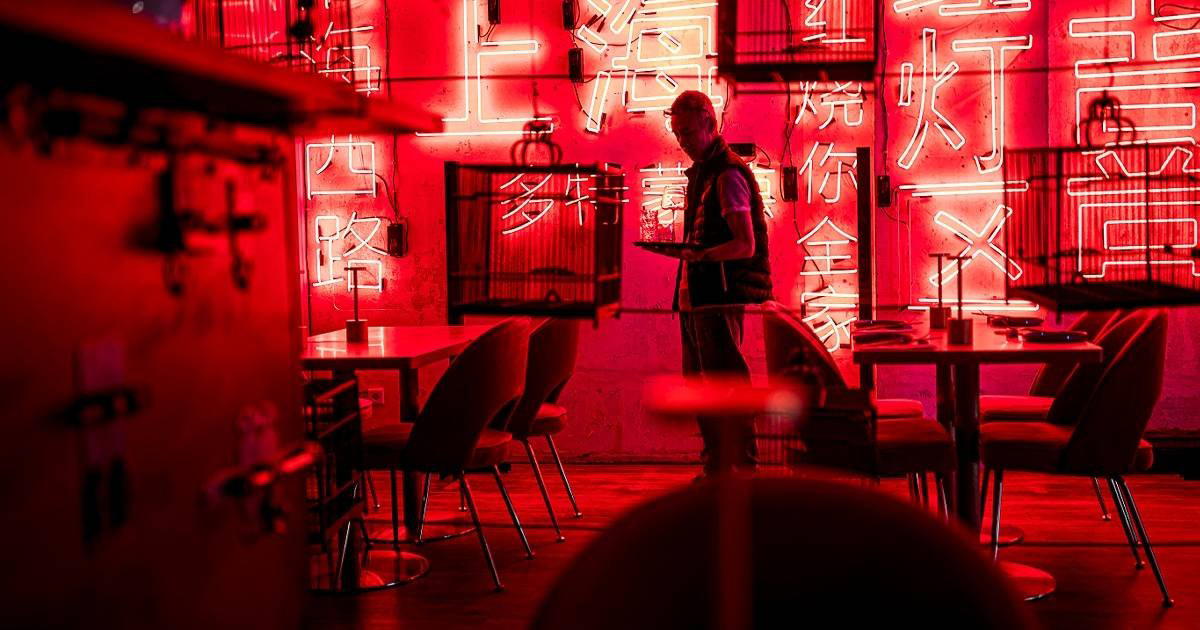
Klosterstraße and the Drift Away from the Altstadt
Düsseldorf's most discussed dining addresses have long clustered around the Altstadt and Carlstadt, where the density of well-resourced restaurants gave visiting critics and residents a predictable circuit. The quieter streets running toward Derendorf and the areas around the 40211 postcode have developed differently: less programmatic, more locally anchored, with a mix of neighbourhood regulars and address-seekers who have moved past the obvious options. Green Light District on Klosterstraße 38 is a restaurant in Düsseldorf serving Modern Chinese Regional cuisine. Green Light District on Klosterstraße 38 sits in this broader shift, occupying a street that has attracted a variety of formats as the city's appetite for dining outside the centre-tourist overlap has grown.
That geographic context matters because it shapes the type of experience a venue in this postcode is expected to deliver. Locals who make the journey past the Altstadt circuit are typically looking for something with more specificity, whether that is a defined cuisine with genuine depth, a bar program with real intentions, or a room where the crowd is self-selecting rather than passing through. The name Green Light District signals a deliberate positioning, with Modern Chinese Regional cuisine and a price point around $50 per person.
What the Düsseldorf Mid-Range Scene Looks Like in Practice
To place the restaurant in context, it helps to understand the competitive field it operates within. Düsseldorf's restaurant scene splits broadly into three tiers. At the upper end, the city has produced serious fine dining, though the highest-profile German kitchens at that level tend to sit outside the city: Aqua in Wolfsburg, Vendôme in Bergisch Gladbach, and Schwarzwaldstube in Baiersbronn represent the kind of multi-Michelin-star benchmarks that define the ceiling of German gastronomy but sit at a deliberate remove from urban daily life. Further afield, Victor's Fine Dining by Christian Bau in Perl, Waldhotel Sonnora in Dreis, and ES:SENZ in Grassau reinforce how much of Germany's recognised fine dining operates outside major metropolitan centres.
Within Düsseldorf itself, the mid-range and casual segments carry the bulk of the city's day-to-day dining culture. This is where venues like 3h's burger & chicken, Alanya Döner, and [Berliner Imbiss Klemensplatz] operate, each serving a specific, loyal constituency rather than chasing a broad demographic. The restaurant on Klosterstraße reads as part of this more intentional, mid-register tier, addresses that succeed by being precise about what they are rather than trying to be everything.
German Dining Culture and the Value of Specificity
The German dining tradition, particularly in cities like Düsseldorf, has historically rewarded clarity of concept over culinary range. Particularly durable neighbourhood restaurants in this city tend to have a defined kitchen identity, a regional cuisine done with discipline, a specific protein handled with care, or a beverage program anchored in genuine knowledge. Düsseldorf's own Altbier culture is a useful parallel: the local brewing tradition survived generations of international competition not by broadening its appeal but by becoming more precise about what it was. The same logic applies to restaurants that outlast their opening-year attention.
Germany's broader dining evolution has also produced some genuinely unconventional formats worth noting as reference points for where ambition can lead. CODA Dessert Dining in Berlin built a Michelin-starred programme around a format most restaurants treat as an afterthought. JAN in Munich and Restaurant Haerlin in Hamburg represent different modes of high-commitment cooking operating within major German cities rather than at rural remove. Schanz in Piesport shows how a Moselle-adjacent location can amplify a wine-forward kitchen identity. These are not direct peers of a Klosterstraße address, but they map the range of serious intent operating within German dining at different price points and formats.
The Neighbourhood's Supporting Cast
What makes the area around Klosterstraße worth watching is the density of specific, non-interchangeable options beginning to accumulate nearby. Amuni Wein- und Käsebar signals the kind of producer-focused wine and cheese operation that indicates a neighbourhood with regulars who know what they want. Anfora and Arca Alacati add further texture, suggesting a street-level diversity that goes beyond the Altstadt's more tourist-facing rotation. This clustering effect matters: when a small zone of a city accumulates venues with distinct identities rather than similar formats competing on price, the area tends to develop genuine dining gravity over time.
For international reference, the pattern mirrors what has happened in cities where mid-tier, concept-specific restaurants have reshaped expectations away from flagship dining. Le Bernardin in New York City and Atomix in New York City represent the poles of what serious intent looks like at scale in a global dining city, but the conditions that allow those restaurants to exist are built incrementally from exactly the kind of neighbourhood-level specificity developing around Klosterstraße.
Planning a Visit
The restaurant is located at Klosterstraße 38, 40211 Düsseldorf, within walking distance of the city centre and accessible via the U-Bahn network. Open Monday to Thursday from 12 to 3 PM and 6 to 11 PM, Friday from 12 to 3 PM and 6 PM to 12 AM, Saturday from 12 PM to 12 AM, and Sunday from 12 to 11 PM; reservations are recommended. For a fuller picture of what Düsseldorf's dining scene offers across formats and price points, the EP Club Düsseldorf restaurants guide provides the current editorial overview available.
As the city's dining map continues to extend beyond the Altstadt, addresses like Green Light District represent the kind of venue worth tracking.
Comparable Options
Comparable venues nearby, for context on price, style, and recognition.
| Venue | Cuisine | Price | Notes |
|---|---|---|---|
| Green Light DistrictThis venue — the venue you are viewing | Modern Chinese Regional | $$ | Not listed |
| Hashi, petite chinoiserie | Modern Chinese-French Fusion | $$ | Flingern Nord |
| Green Club | Healthy Mediterranean Bowls | $$ | Unterbilk |
| Yaki-The-Emon | Authentic Japanese Okonomiyaki Izakaya | $$ | Stadtmitte |
| Bulle Burger | Handmade Smash Burgers | $$ | Stadtmitte |
| Bullhut BBQ | German BBQ | $$ | Stadtmitte |
Continue exploring
More in Düsseldorf
Restaurants in Düsseldorf
Browse all →
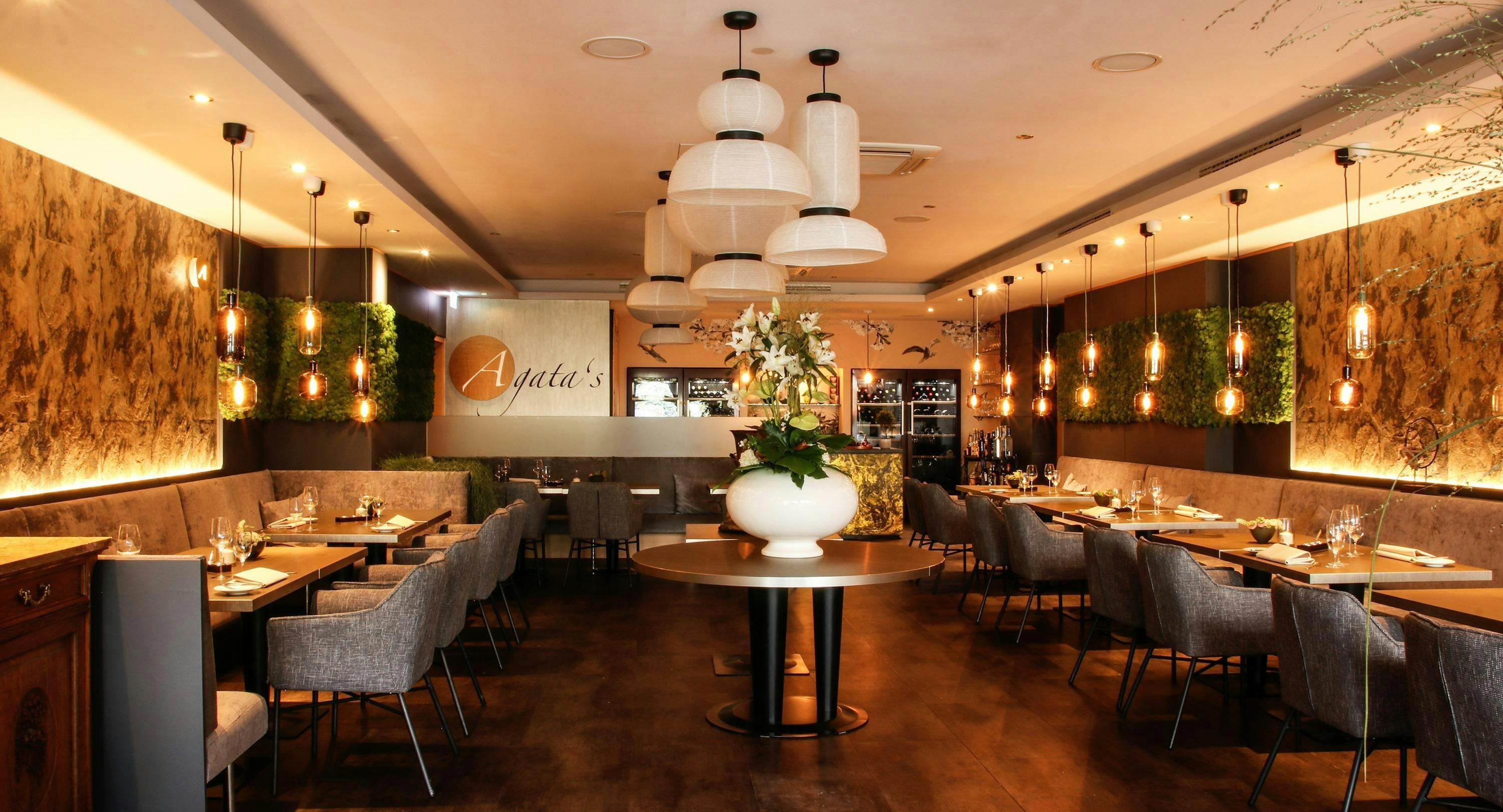
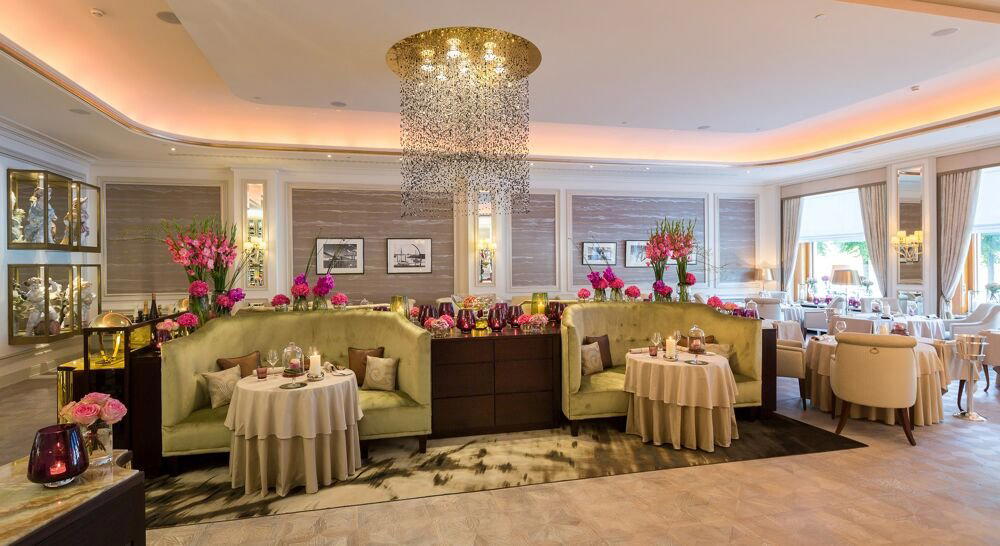
Bars in Düsseldorf
Browse all →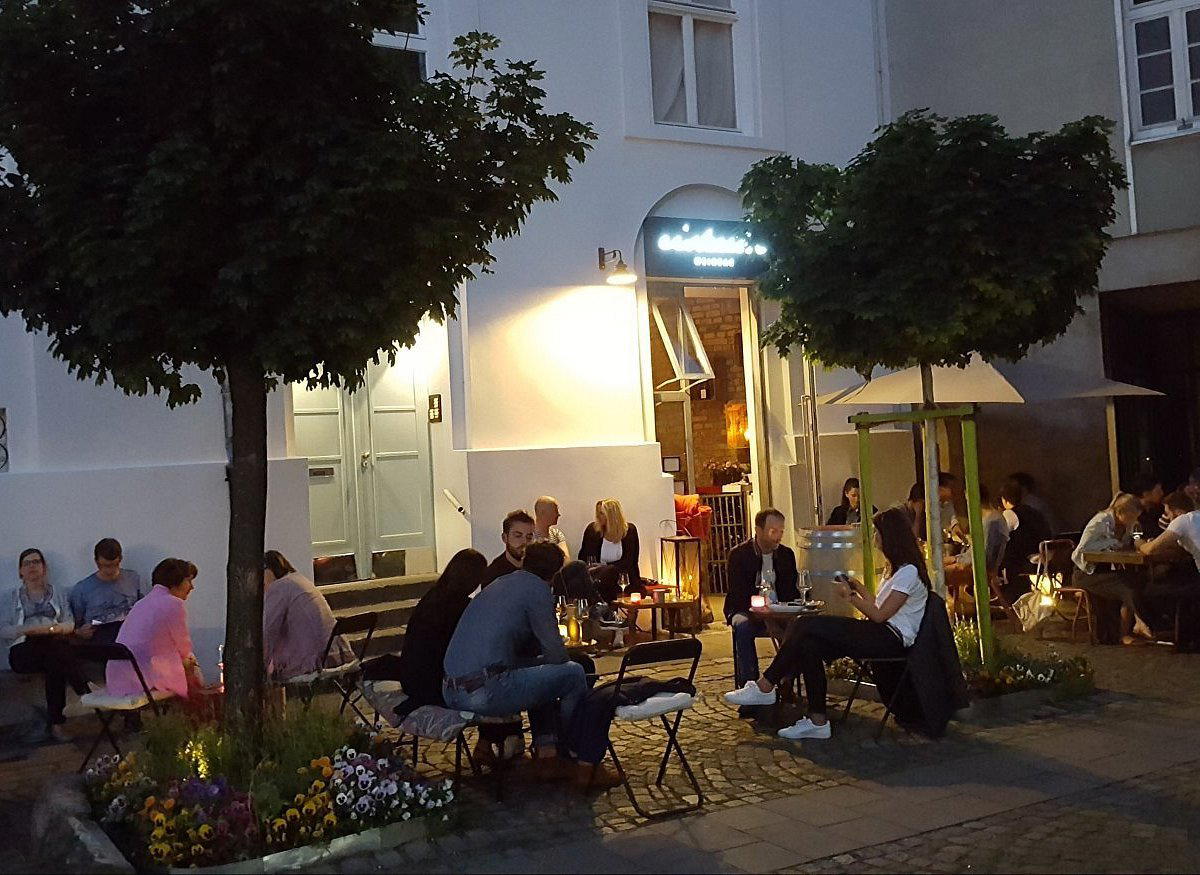
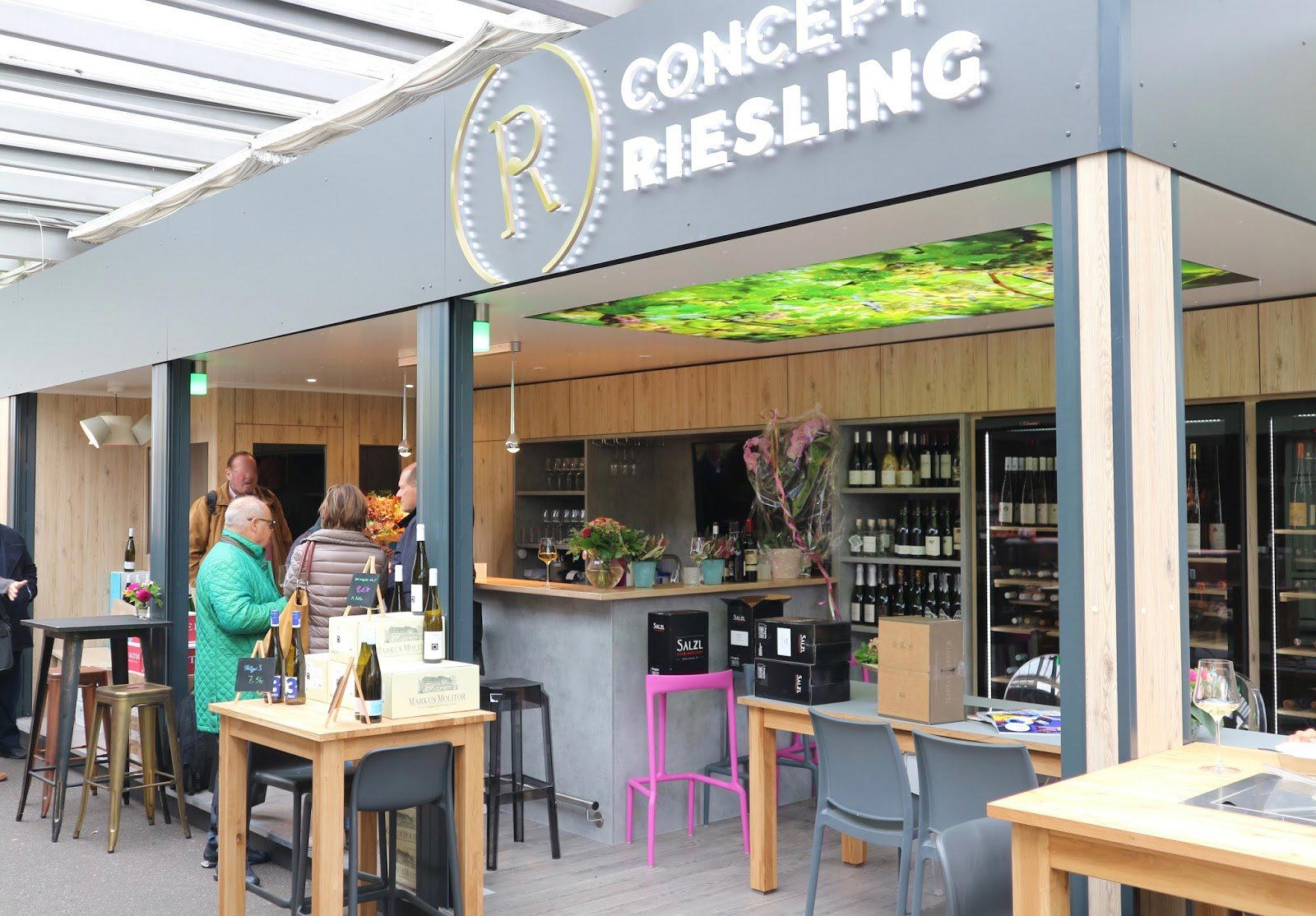
At a Glance
- Modern
- Trendy
- Date Night
- Special Occasion
- Open Kitchen
Current opening hours
- Monday
- 12–3 PM, 6–11 PM
- Tuesday
- 12–3 PM, 6–11 PM
- Wednesday
- 12–3 PM, 6–11 PM
- Thursday
- 12–3 PM, 6–11 PM
- Friday
- 12–3 PM, 6 PM–12 AM
- Saturday
- 12 PM–12 AM
- Sunday
- 12–11 PM
Hours can change for holidays and private events. Last verified .
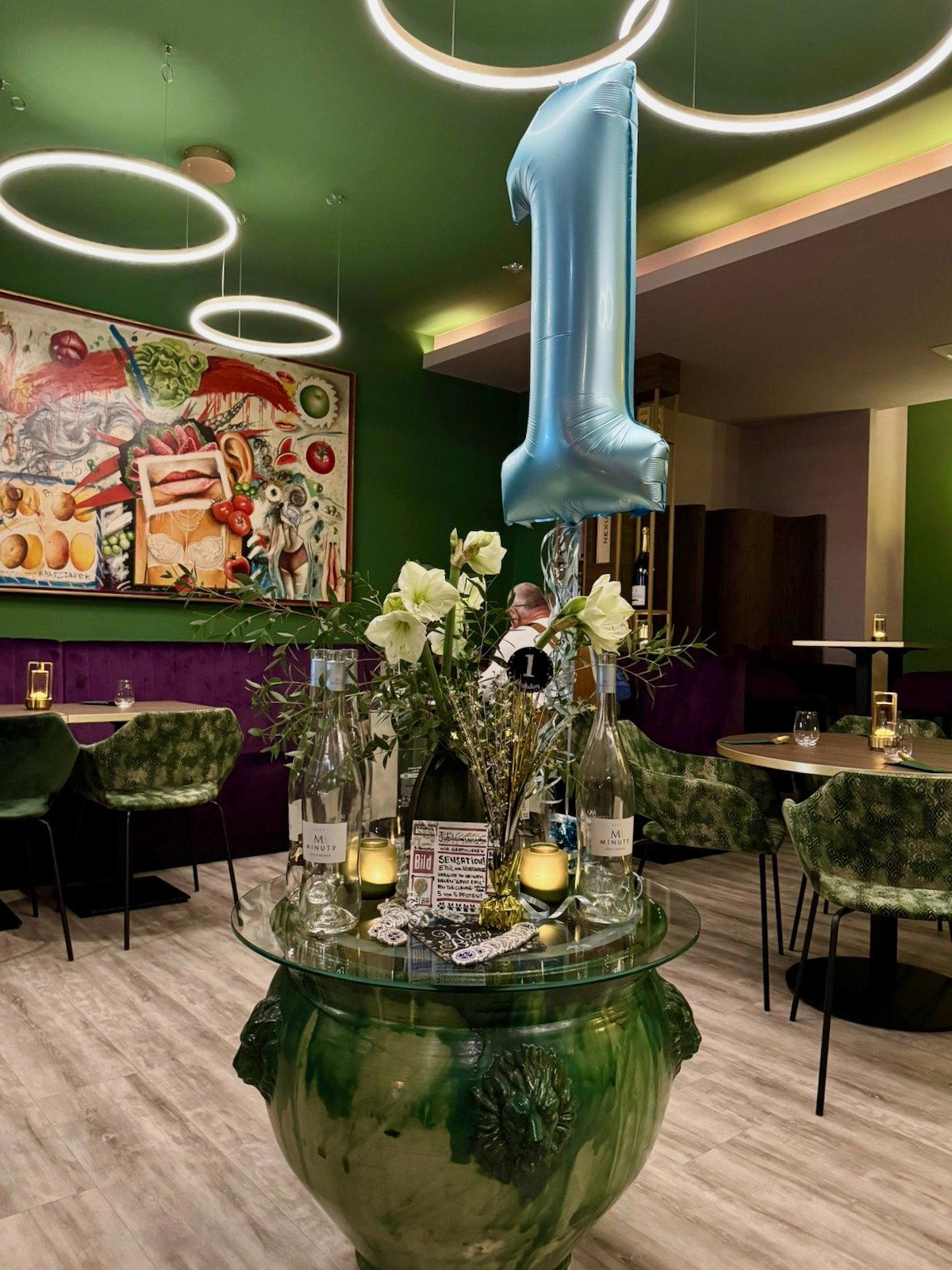
Cool, modern ambience with neon lighting, beautiful main dining area, and creative, unusual design.