Green Eggplant sits on Queen Street East in Toronto's Leslieville stretch, a neighbourhood that has quietly built a more considered dining identity than its louder counterparts to the west. With sparse public data available, the restaurant earns attention through its address alone, placed among a growing cluster of independent operators who treat the east end as a working kitchen rather than a stage.
- Address
- 2024 Queen St E, Toronto, ON M4L 1H8, Canada
- Phone
- +1 416 913 3361
- Website
- facebook.com
- Directions
- Get directions
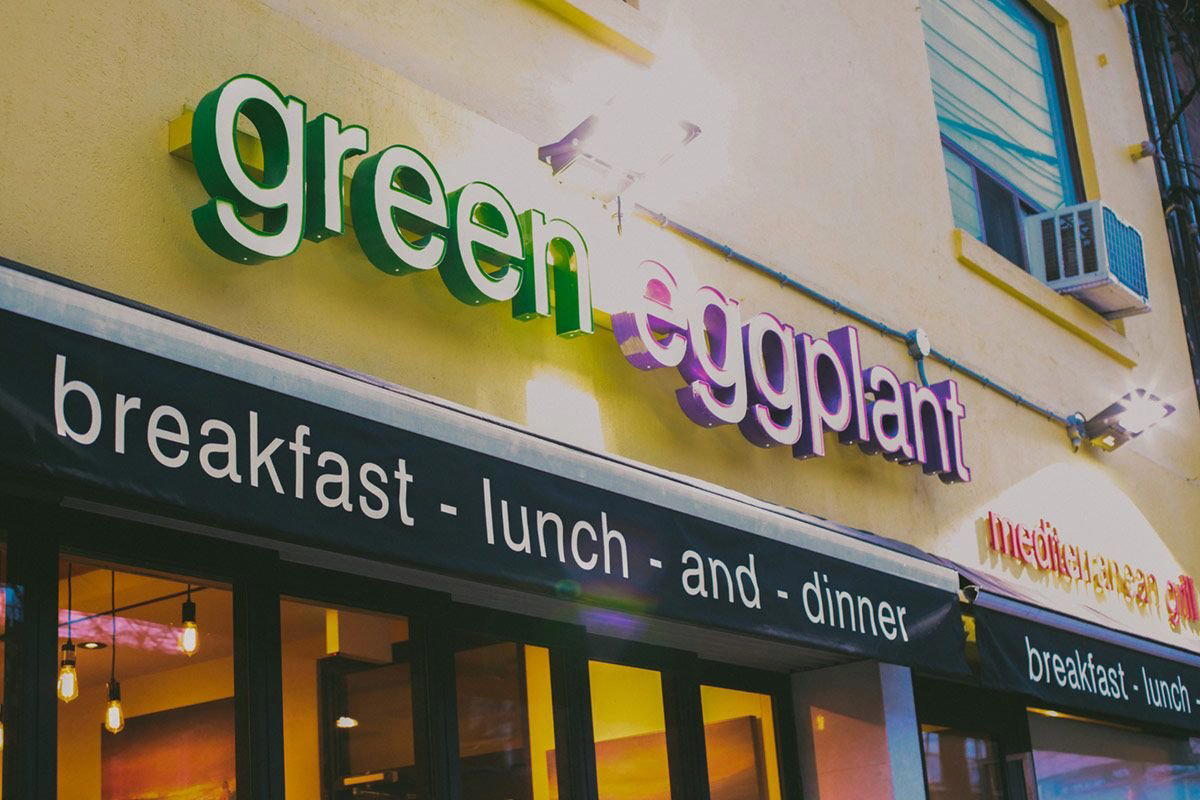
Queen Street East and the Case for the East End
Toronto's dining conversation has long centred on the Financial District towers, the King West corridor, and the tasting-menu rooms clustered around the mid-city core. Places like Alo (Contemporary) and Sushi Masaki Saito occupy a clearly defined upper bracket, pricing against each other and against an international comparable set of destination restaurants. The east end, by contrast, has developed along a different axis. Leslieville and the Queen Street East strip running toward the Beaches have accumulated independent operators whose appeal is neighbourhood-first. Green Eggplant, at 2024 Queen St E, sits squarely in that current.
The stretch of Queen East around the 2000s block is residential in character without being sleepy. Streetcar access connects it to the broader city without the density pressure that reshapes neighbourhoods further west. For a restaurant, this address signals intent: operators who choose this block are typically angling for a local clientele that returns, not a tourist traffic pattern that refreshes nightly. That distinction shapes everything from room size to menu philosophy to the unspoken social contract between kitchen and guest.
What the Name Suggests About the Menu
Green Eggplant is a restaurant at 2024 Queen St E in Toronto serving Mediterranean Grill cuisine at a casual, roughly $20-per-person price point. The eggplant, known in South Asian cooking as brinjal, in Mediterranean kitchens as aubergine, and across Middle Eastern traditions as the base for preparations ranging from baba ghanoush to imam bayildi, is a vegetable with a genuinely international footprint. It absorbs fat, smoke, acid, and spice differently than most vegetables, which gives a kitchen broad latitude to signal technique and regional allegiance through a single ingredient.
The name Green Eggplant narrows that further. The restaurant varieties, common in Thai and South Asian cuisines, carry a slightly more bitter, firmer profile than the large purple specimens dominant in European cooking. A menu that acknowledges this specificity is likely not operating in generalist territory. Whether the menu leans toward South Asian, Southeast Asian, or a cross-regional vegetable-forward structure, the name functions as a positioning statement. Toronto has developed enough culinary literacy over the past decade that this kind of signal lands with the audience it is meant to reach.
Across the Canadian dining scene, particularly interesting mid-tier independent restaurants have moved away from the protein-anchored plate toward menus where vegetables do structural work. Compare this to what Restaurant Pearl Morissette in Lincoln does with farm-driven produce, or the way AnnaLena in Vancouver has built a following around ingredient-led cooking that does not lean on luxury proteins as anchors. The restaurant's naming logic places it in that broader current, even if the price tier and format remain different.
Menu Architecture as a Reading of Intent
How a menu is structured tells you more about a kitchen's priorities than any written description of individual dishes. A menu organised by cooking method rather than course signals technical confidence. One arranged by ingredient or region signals a philosophical starting point. A short menu with seasonal rotation implies sourcing discipline and a kitchen willing to impose limits on itself. A long menu implies either a large brigade or a willingness to compromise on precision in favour of range.
The vegetable-forward naming at the restaurant suggests the menu is probably not sprawling. Restaurants that build identity around ingredient specificity tend toward tighter editing, because the point is the ingredient's range of expression rather than the breadth of a general catalogue. In Toronto's independent dining sector, this pattern has become a marker of seriousness, a kitchen saying it would rather do fewer things with deeper attention than attempt everything at once.
This approach has parallels across Canadian independent dining. Tanière³ in Quebec City has made hyper-local ingredient sourcing central to its identity. Eigensinn Farm in Singhampton takes ingredient control to its logical extreme by producing much of what it serves. The restaurant, in a different register and at a likely different price point, is participating in the same conversation about where ingredients come from and what they are allowed to become.
The Leslieville Dining Context
Queen Street East has not attracted the Michelin-chasing room buildouts that characterise some Toronto neighbourhoods. The trade-off is that the area supports a more stable independent dining culture. Restaurants here are not typically built around a single chef's public profile or a hospitality group's portfolio strategy. They tend to be owner-operated, with menus that evolve according to supplier relationships and seasonal availability rather than marketing cycles.
For context on what Toronto's most decorated independent rooms look like, consider Aburi Hana in the kaiseki category, or DaNico and Don Alfonso 1890 in the Italian-contemporary space. These venues operate at the summit of their respective categories and price accordingly. The restaurant, based on its address and positioning, likely occupies a more accessible tier, which in the current Toronto dining environment is not a limitation but a different kind of editorial choice. The east end has room for both neighbourhood staples and destination rooms, and the leading versions of each serve the city in different ways.
Planning a Visit
The restaurant is located at 2024 Queen St E, reachable by the 501 Queen streetcar, which runs the length of Queen Street and stops within walking distance of the address. The east end location means parking is generally easier than in the mid-city core, though the Queen East strip is walkable enough that many guests arrive on foot from the surrounding residential blocks. Reservations are recommended. Its roughly $20-per-person pricing makes it a practical option for east-end dining.
For comparison across Canada's independent dining landscape, Cafe Brio in Victoria, Jérôme Ferrer - Europea in Montreal, and Narval in Rimouski each illustrate how independently operated restaurants outside the major destination tiers have built durable local reputations. The restaurant is positioned to do something similar on the east end of Toronto.
Where It Fits
Comparable venues nearby, for context on price, style, and recognition.
| Venue | Cuisine | Price | Notes |
|---|---|---|---|
| Green EggplantThis venue — the venue you are viewing | Mediterranean Grill | $$ | Not listed |
| Piri Piri Grill | Portuguese Grilled Specialties | $$ | Weston-Pellam Park |
| Myth | Modern Greek Mediterranean | $$$ | Fashion District |
| Fresh on Danforth | Plant-Based Vegan | $$ | Playter Estates-Danforth |
| Cantina Mercatto | Modern Italian with Pizza and Pasta | $$ | Church-Yonge Corridor |
Continue exploring
More in Toronto
Restaurants in Toronto
Browse all →
Bars in Toronto
Browse all →
Hotels in Toronto
Browse all →


At a Glance
- Cozy
- Casual
- Lively
- Casual Hangout
- Family
- Group Dining
- Brunch
- Standalone
Casual and welcoming with exposed brick walls accented by colorful flower paintings, creating a warm neighborhood atmosphere that draws consistent crowds.