Great Nepalese
On Eversholt Street, a short walk from Euston station, Great Nepalese has served one of London's most consistent Nepali kitchens for decades. In a city where South Asian dining skews heavily toward North Indian and Bangladeshi traditions, this is one of the few addresses that takes the Himalayan table seriously on its own terms. The room is unfussy; the cooking is not.
Pearl is the En Primeur Club membership app — saves, bookings, and concierge access live there. Same editors, same standards.
- Address
- 48 Eversholt St, London NW1 1DA, United Kingdom
- Phone
- +442073886737
- Website
- greatnepalese.com
- Directions
- Get directions
 Saves & bookings on Pearl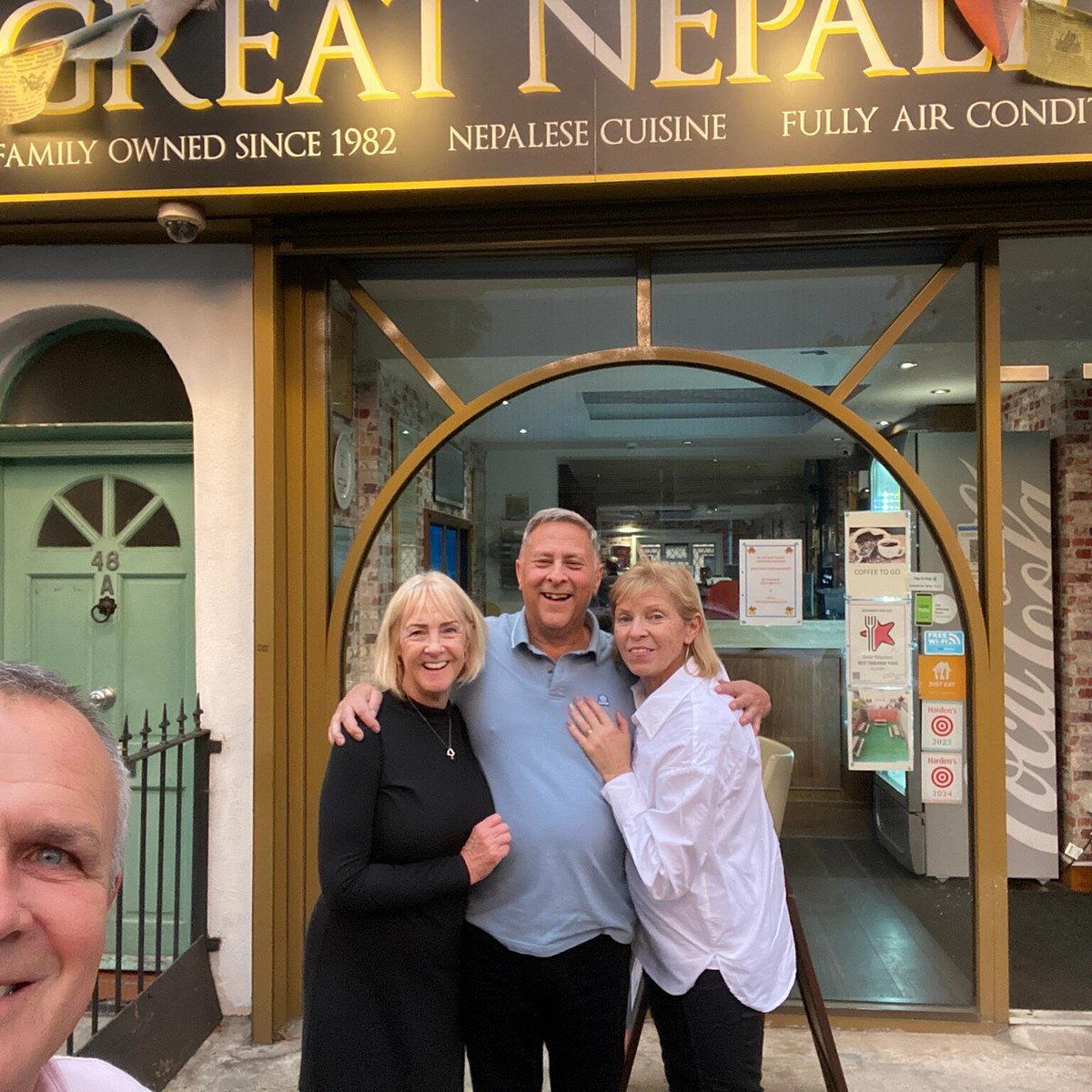
Eversholt Street runs north from Euston station through a strip of London that most visitors pass through rather than stop in. The foot traffic is commuter-heavy, the architecture functional, and the dining options skew toward convenience. Against that backdrop, Great Nepalese has been doing something genuinely specific for long enough that its regulars treat it as an institution rather than a discovery. The restaurant occupies a modest shopfront at number 48.
Why Nepali Cuisine Holds a Different Position in London
British South Asian dining has been shaped, for most of its public history, by the Bangladeshi-owned curry house model that spread across the country from the 1960s onward. That model produced a cuisine of considerable internal variety but one that rarely distinguished between the regional traditions of the subcontinent. Nepali cooking sits outside that lineage almost entirely.
The Himalayan kitchen draws from a different altitude, a different agricultural base, and a different set of trade routes than the plains cuisines that dominate British Indian restaurant menus. Lentil soups thickened with ghee, dumplings steamed in mountain-kitchen style, fermented pickles, and spicing that tends toward warmth rather than heat define a tradition that has its own internal logic. In London, the addresses that represent this tradition with any seriousness remain few. Great Nepalese is one of the longest-established among them, which gives it a position in the city's South Asian dining map that cannot be replicated simply by adding dishes to a menu.
London's restaurant scene includes many multi-Michelin ambitions, CORE by Clare Smyth, Restaurant Gordon Ramsay, Sketch, The Lecture Room and Library, The Ledbury, and Dinner by Heston Blumenthal all operate in a tier defined by tasting menus, formal service, and serious capital investment. Great Nepalese operates in an entirely different register: accessible pricing, a neighbourhood-restaurant format, and a cuisine that earns its place not through spectacle but through specificity. These are parallel categories.
The Cultural Weight of the Himalayan Table
Nepal sits at the intersection of South Asian and Tibetan culinary traditions, and its kitchen reflects that geography. The country's altitude and terrain produce ingredients, particularly buckwheat, millet, and certain lentil varieties, that appear rarely in lowland South Asian cooking. Spice use is more restrained than in many Indian regional styles, and fermentation plays a structural role in the flavour profile: gundruk (fermented leafy greens) and achaar (pickled condiments) appear across the meal rather than as afterthoughts.
Momos, the steamed dumplings that have become especially exported product of Nepali street food culture, are the dish most likely to anchor a first visit. But the broader menu in any serious Nepali restaurant extends into dal bhat (the lentil-and-rice combination that functions as the national dish), thukpa (noodle broth with Tibetan roots), and meat preparations that use fewer tomato-based sauces than the curry-house model and more dry-spice and marinade technique. The cumulative effect is a table that shares surface vocabulary with Indian and Tibetan food while remaining its own distinct thing.
London has seen South Asian dining broaden considerably in the past decade: Opheem in Birmingham has brought fine-dining ambition to the Midlands' Indian restaurant scene, and the city's appetite for regional specificity has grown. But Nepali cuisine remains underrepresented relative to its culinary depth, which is precisely why an address like Great Nepalese carries more weight than its modest setting might suggest.
Location and the Euston Corridor
The Euston Road corridor is not a dining destination in the way that Soho, Marylebone, or Notting Hill are, but it functions as a useful node for travellers moving between central London and points north. Euston station connects to Manchester, Liverpool, Glasgow, and Edinburgh via the West Coast Main Line; St Pancras International, a few minutes on foot, handles Eurostar and Midlands rail. The restaurant at 48 Eversholt Street sits close enough to both stations to be genuinely practical before or after a journey, without the inflated pricing that transit-adjacent dining in other global cities tends to carry.
That practicality has contributed to the restaurant's longevity. A regular clientele of local residents, hospital workers from the nearby University College London Hospital complex, and travellers who have made a point of returning on subsequent trips gives the room a mix that few purely tourist-facing restaurants achieve.
Where Great Nepalese Sits in the Broader UK Scene
The UK's most-awarded restaurant tables skew rural as often as urban: Waterside Inn in Bray, Le Manoir aux Quat'Saisons in Oxford, L'Enclume in Cartmel, Moor Hall in Aughton, Gidleigh Park in Chagford, Hand and Flowers in Marlow, hide and fox in Saltwood, Midsummer House in Cambridge, and Restaurant Andrew Fairlie in Auchterarder all sit outside London and represent the country's fine-dining ambition in a different geography. The restaurant operates in none of those competitive sets. It belongs to a smaller, harder-to-categorise group: independent ethnic-cuisine specialists that have maintained a consistent identity over multiple decades in a city that changes rapidly around them.
Internationally, the model of a long-running specialist restaurant holding its ground against broader market shifts has parallels: Le Bernardin in New York City has maintained a singular seafood focus for decades, while Atomix in New York City represents the newer wave of Korean fine dining that has given an entire cuisine category new critical standing. The mechanism is different, but the underlying dynamic is the same: a cuisine gaining or holding recognition through sustained execution rather than trend alignment.
Know Before You Go
| Address | 48 Eversholt St, London NW1 1DA |
|---|---|
| Nearest Station | Euston (Northern, Victoria lines; National Rail), approximately 5 minutes on foot |
| Price Range | About £20 per person |
| Bookings | Reservations are recommended |
| Hours | Monday to Saturday: 12 to 2:30 PM and 5:30 to 10:30 PM; Sunday: closed |
Cuisine-First Comparison
Comparable venues nearby, for context on price, style, and recognition.
| Venue | Cuisine | Price | Notes |
|---|---|---|---|
| Great NepaleseThis venue — the venue you are viewing | Authentic Nepalese | $$ | Not listed |
| Kaffeine | Australian-Style Coffee Cafe | $$ | Fitzrovia |
| Silk Stockings | Cocktail Bar Snacks | $$ | Dalston |
| The Rex Deli | Modern Deli & Gastropub | $$ | Mayfair |
| Norbert's | Rotisserie Chicken | $$ | Peckham |
| Lahpet Shoreditch | Modern Burmese | $$ | Bethnal Green |
Continue exploring
More in London
Restaurants in London
Browse all →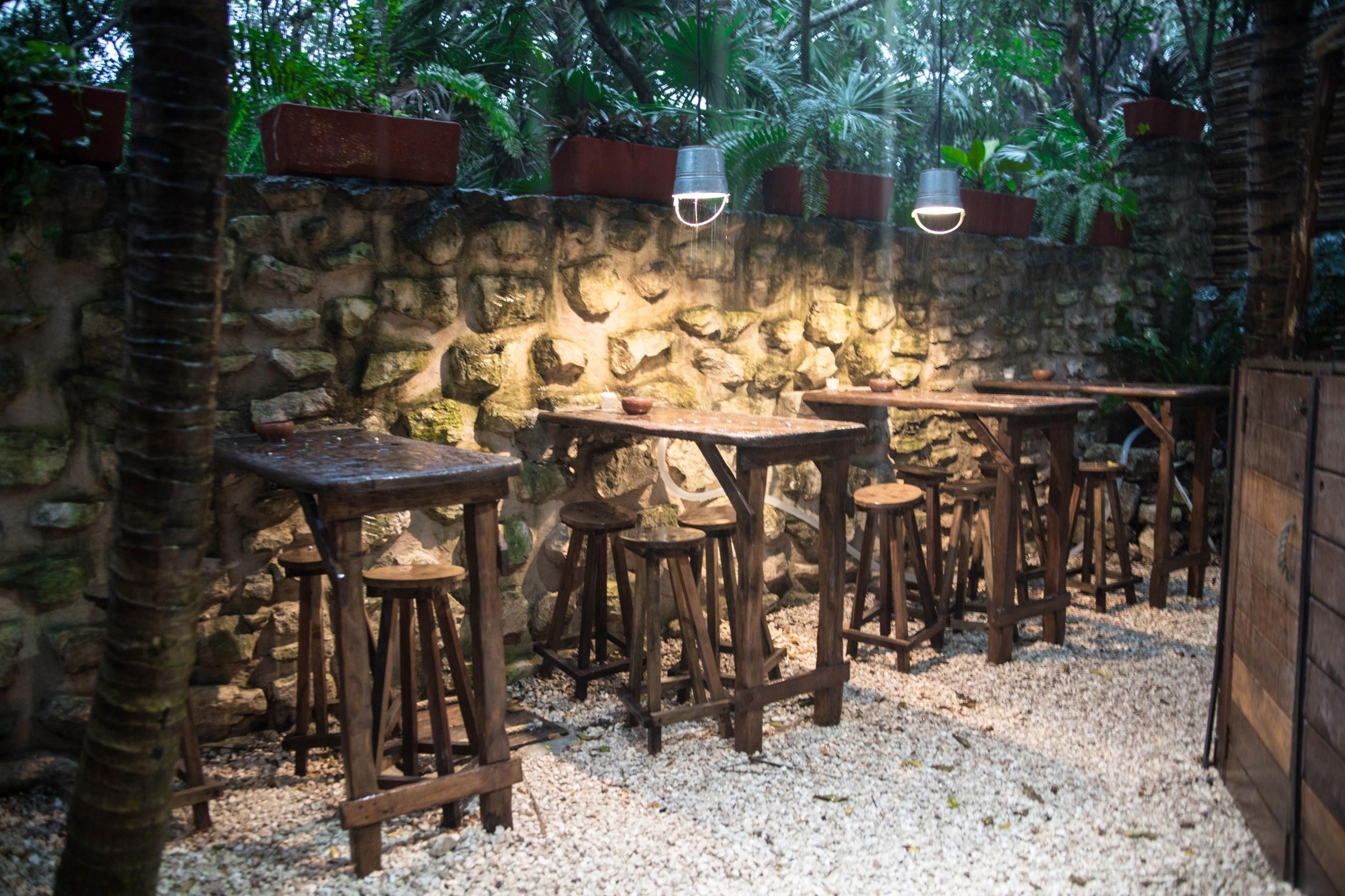
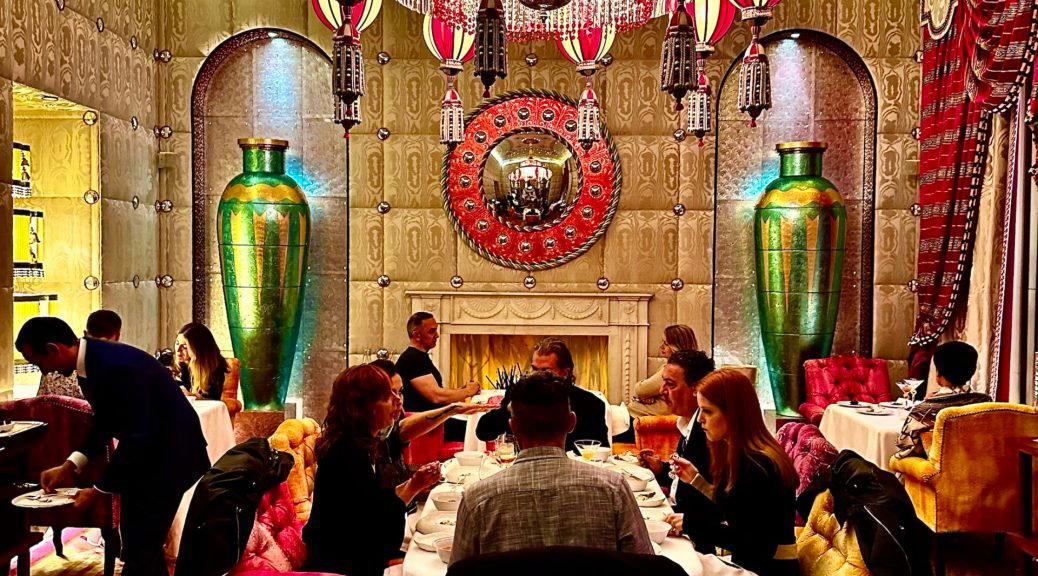
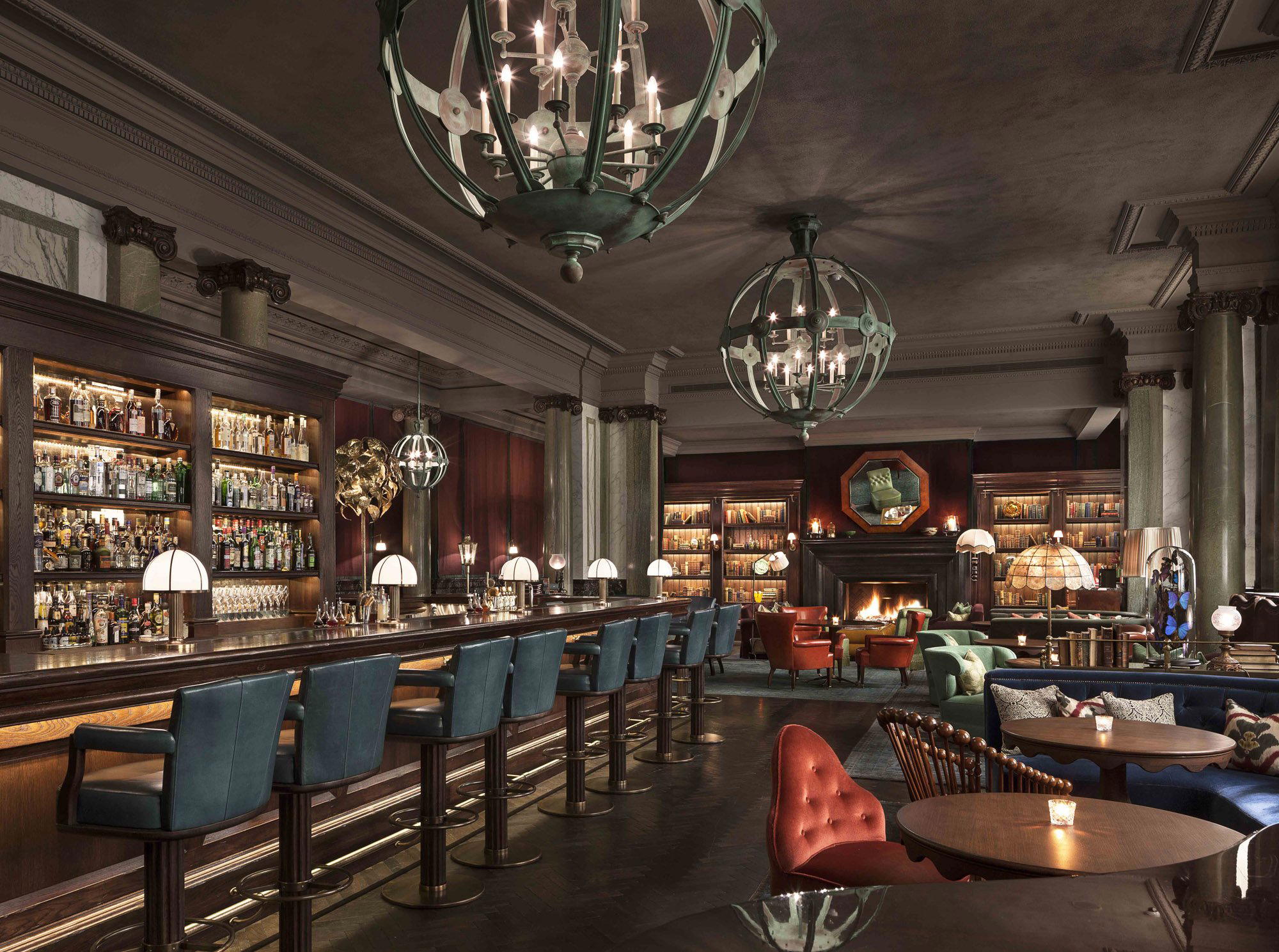
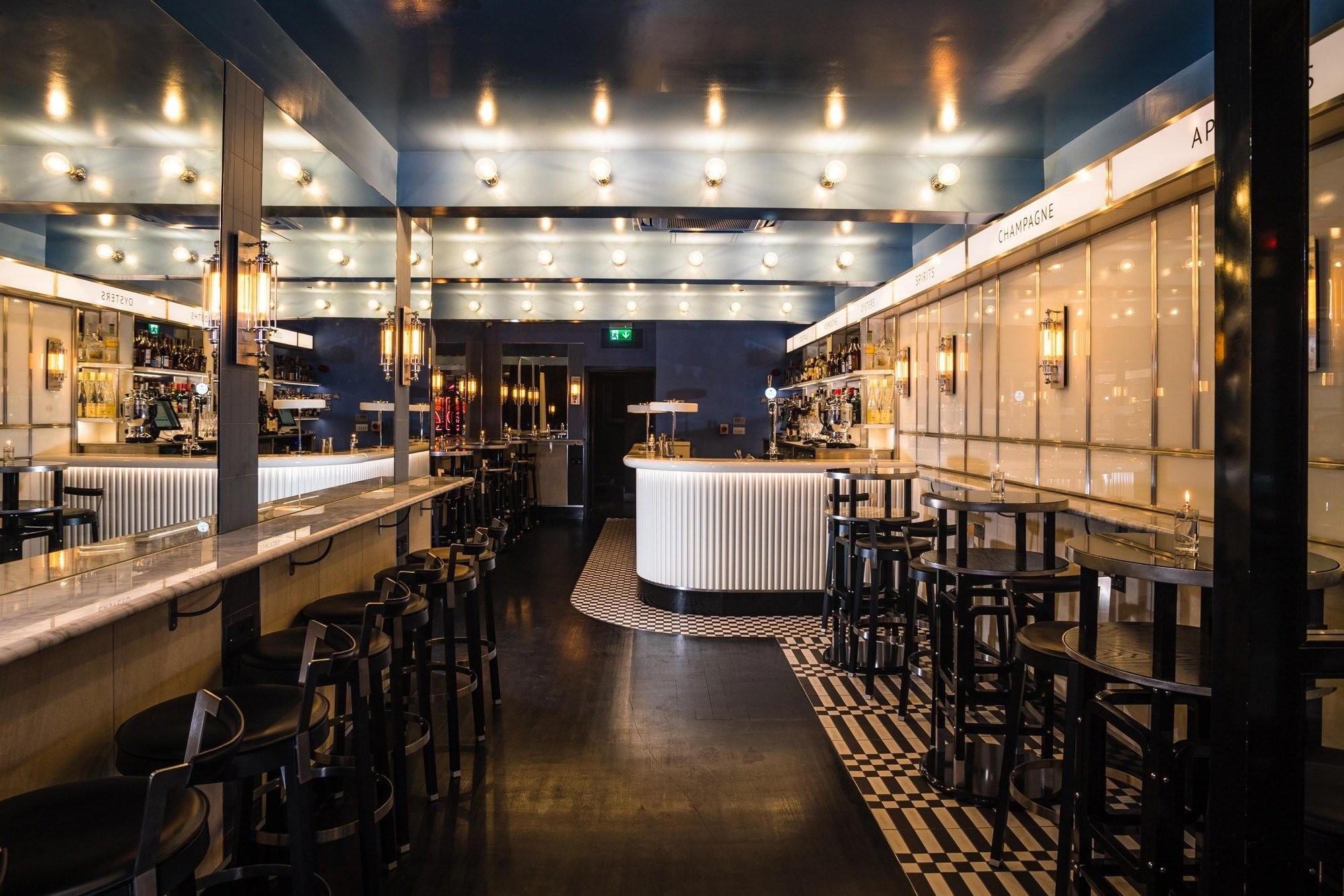
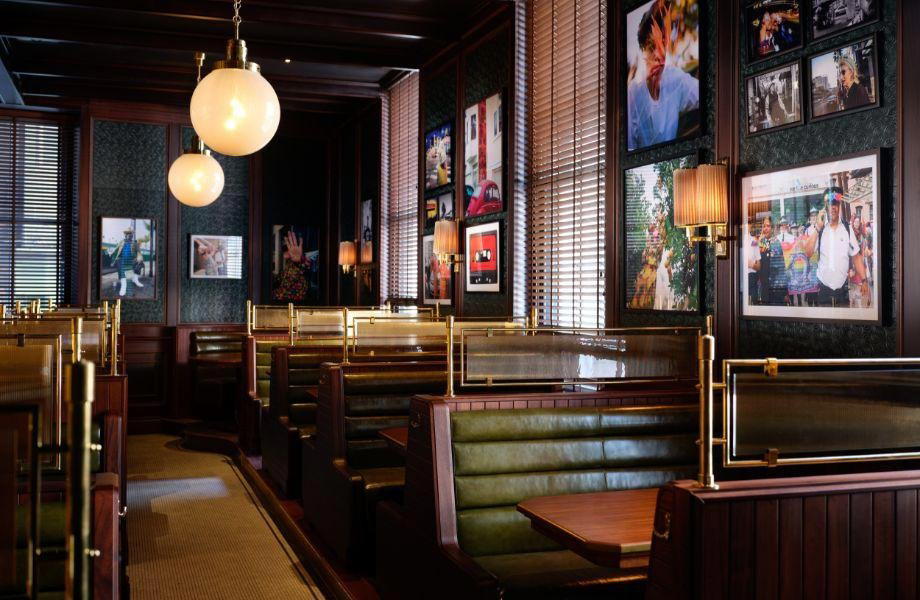
Bars in London
Browse all →
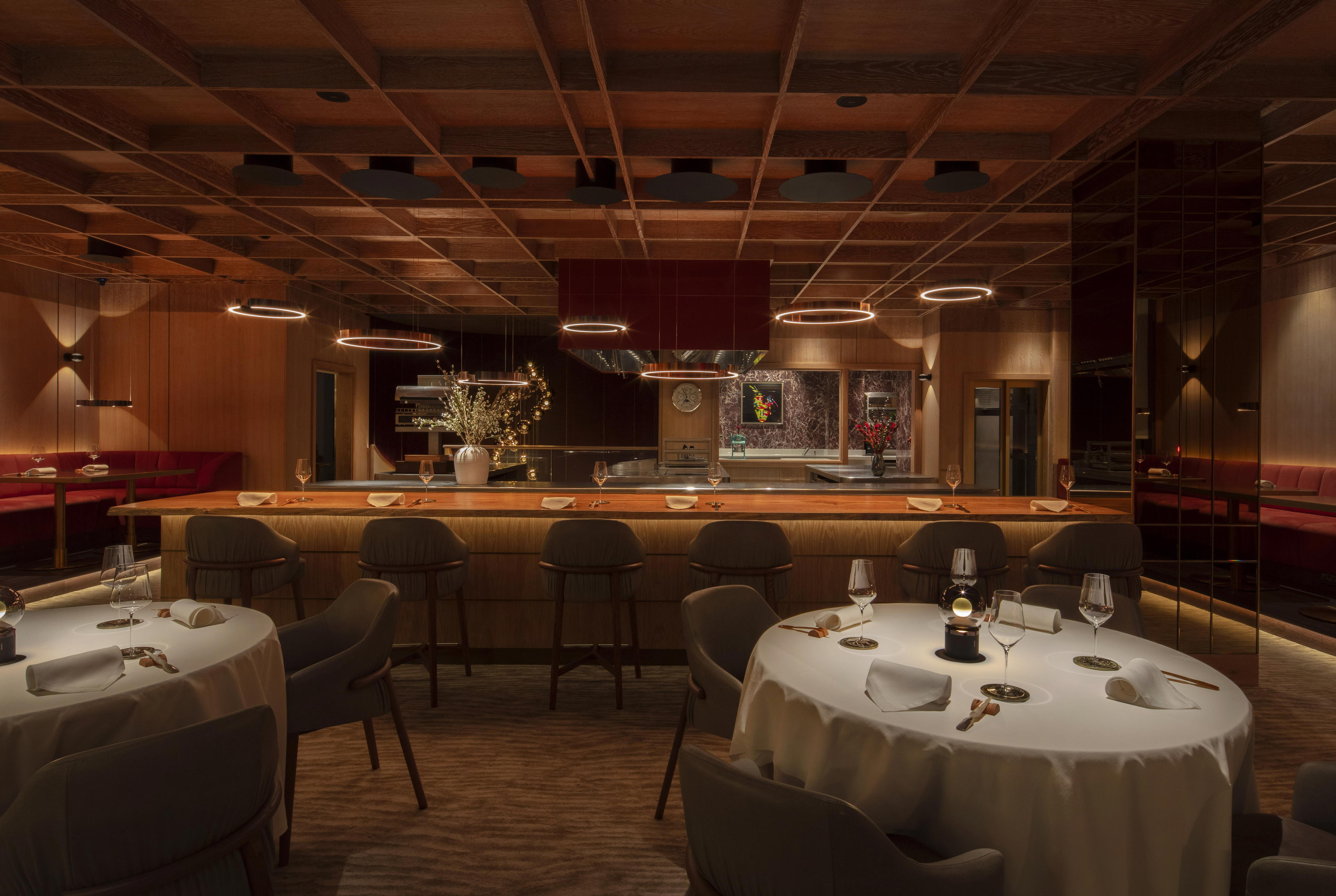
Hotels in London
Browse all →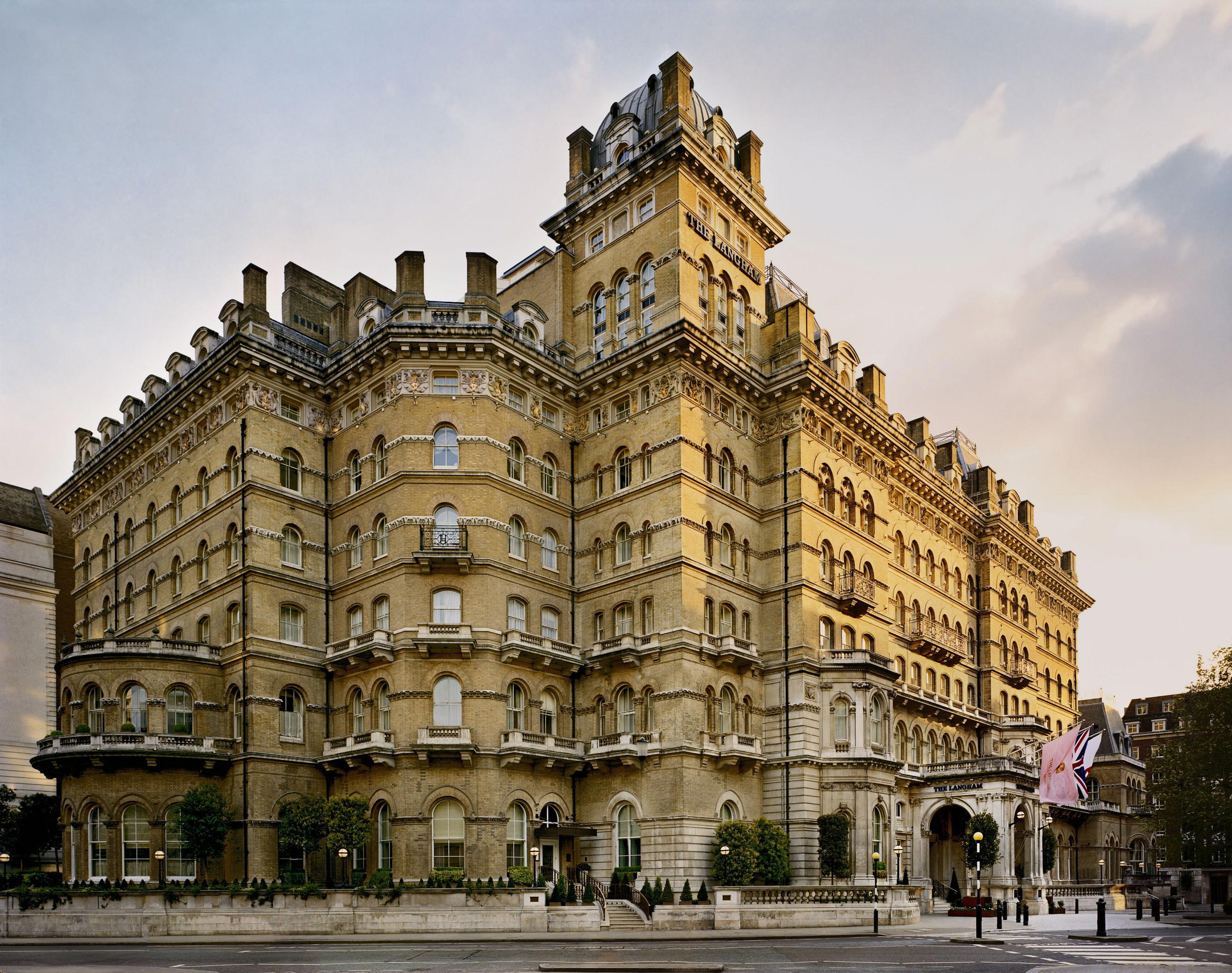


At a Glance
- Classic
- Cozy
- Casual Hangout
- Group Dining
- Standalone
- Beer Program
Current opening hours
- Monday
- 12–2:30 PM, 5:30–10:30 PM
- Tuesday
- 12–2:30 PM, 5:30–10:30 PM
- Wednesday
- 12–2:30 PM, 5:30–10:30 PM
- Thursday
- 12–2:30 PM, 5:30–10:30 PM
- Friday
- 12–2:30 PM, 5:30–10:30 PM
- Saturday
- 12–2:30 PM, 5:30–10:30 PM
- Sunday
- Closed
Hours can change for holidays and private events. Last verified .
Simple restaurant with carved-wood decor, providing a cozy and classic atmosphere.