Great Falls
Our verdict
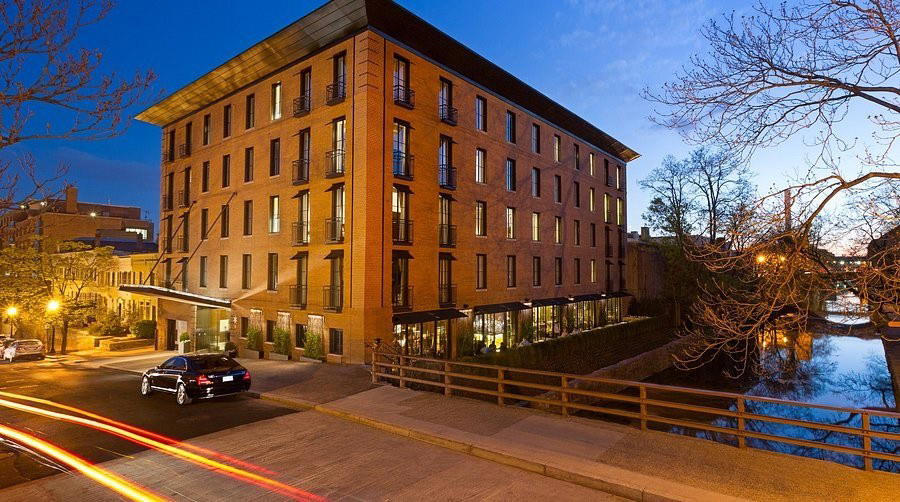
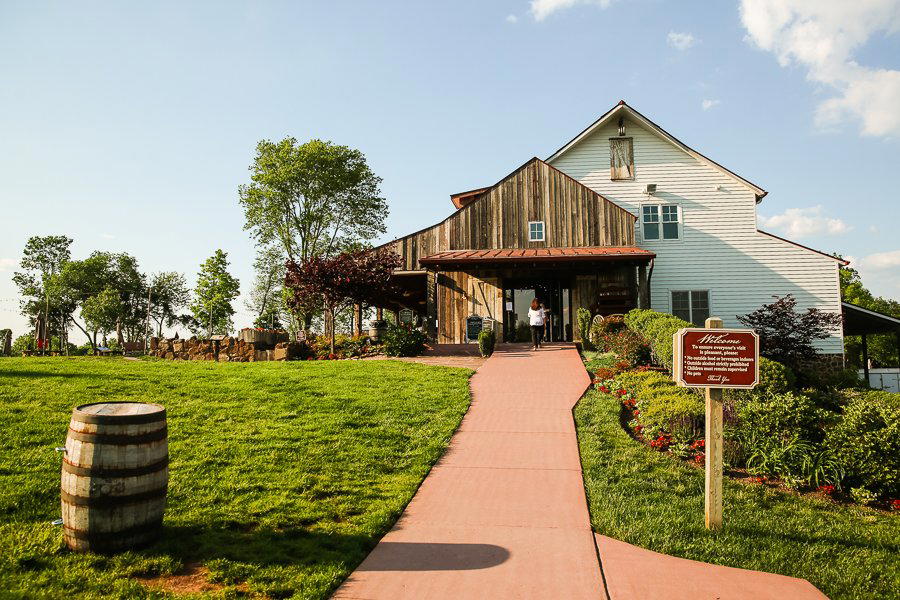
Great Falls opens onto waterfront views in Potomac, MD 20854, with a conversational, casual setup that suits an unhurried meal.

Pearl is the En Primeur Club membership app — saves, bookings, and concierge access live there. Same editors, same standards.
- Address
- Potomac, MD 20854
- Directions
- Get directions
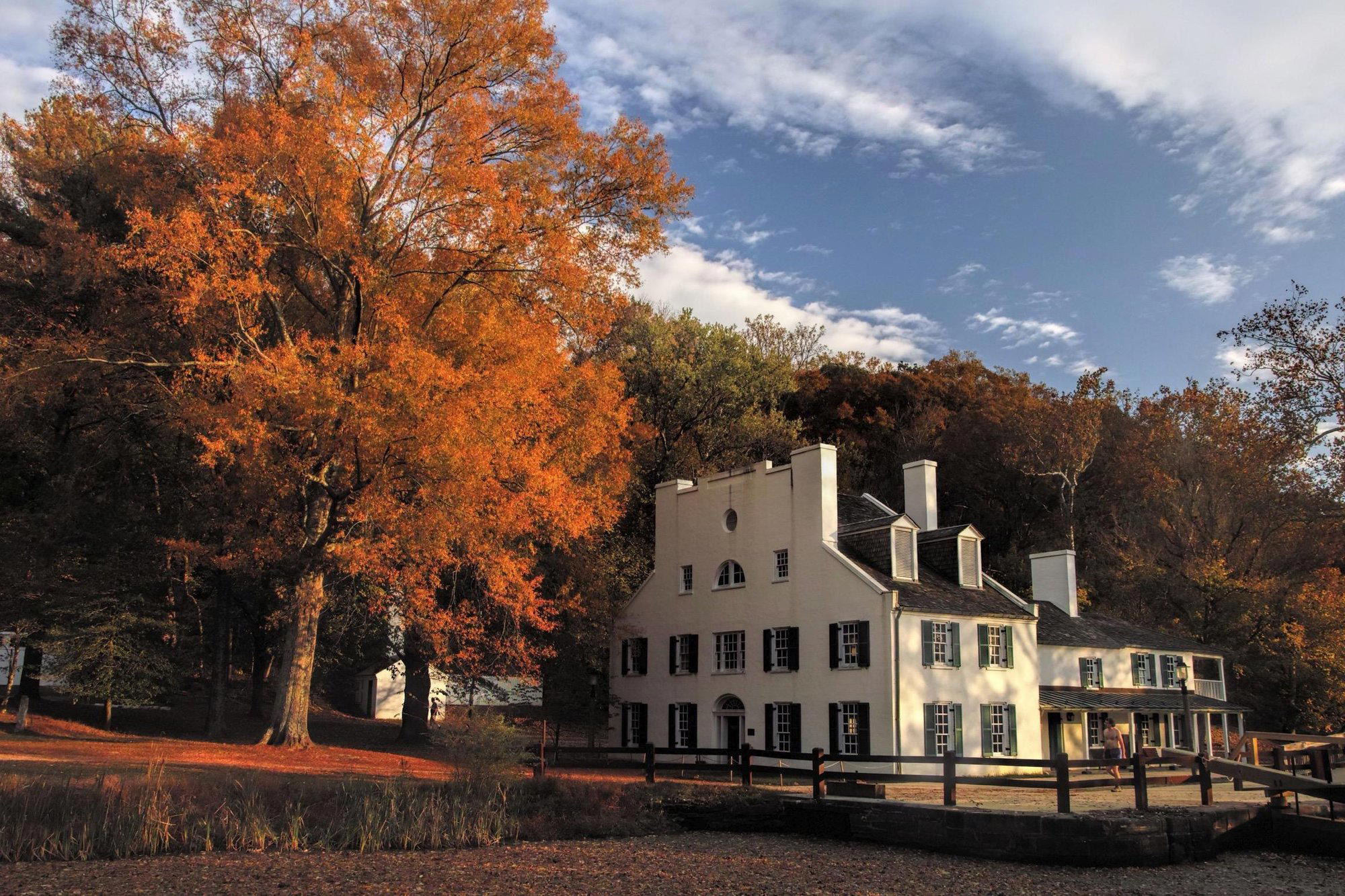
Where the Potomac Cuts Through: Dining Near Great Falls
There is a particular kind of afternoon that defines the Maryland side of Great Falls: the river narrows, the current accelerates over the falls, and the surrounding woodland holds a stillness that suburban Washington rarely offers. It is that physical reality, the proximity of a genuinely dramatic natural site, that shapes how dining and hospitality operate in this pocket of Potomac. Visitors arrive with appetite sharpened by trail time and a preference for settings that match the unhurried scale of the landscape around them. The restaurants that succeed here understand that context.
Potomac, MD as a dining destination sits at an interesting tension point in the broader Washington metro area. It is affluent enough to support full-service, ingredient-driven kitchens, yet residential enough that the dining scene has developed quietly rather than through the media attention concentrated in DC proper. The result is a cluster of restaurants that lean toward consistent execution for a returning local audience rather than theatrical openings aimed at first-time visitors.
Ingredient Sourcing in a Region That Takes Provenance Seriously
The broader Mid-Atlantic food corridor, from the Chesapeake watershed northward through the Shenandoah Valley and down through Virginia's agricultural counties, provides one of the more coherent regional sourcing bases on the East Coast. Restaurants at varying price points in the Potomac area have access to Chesapeake-caught blue crab and oysters, Shenandoah Valley beef and lamb, and seasonal produce from the dense concentration of farms in southern Pennsylvania and northern Virginia. That access matters more than it might seem: ingredient sourcing at this density of local supply tends to produce menus that shift with the season rather than holding to a fixed program year-round.
The farm-to-table movement has matured past its early ideological phase in this region. What began as a marketing posture for many American restaurants in the 2000s has, by the 2020s, settled into an operational expectation at the mid-to-upper tier. Restaurants in communities like Potomac are measured less by whether they source locally and more by how specifically and honestly they communicate that sourcing. The difference between naming a farm and naming a variety, a county, or a harvest window is the difference between a footnote and a genuine commitment. In this context, places like Founding Farmers MOCO have built identities explicitly around agricultural provenance, while Italian-leaning spots such as Gregorio's Trattoria and the Cava modern Italian project operate within a culinary tradition that has its own internal logic around seasonal and regional ingredients.
Modern Italian format, increasingly well-represented in Potomac through multiple iterations of the Cava Potomac project and related full-service concepts, aligns naturally with Mid-Atlantic sourcing. Italian regional cooking has always been built around what is near and in season, which gives these kitchens a framework that the local supply chain can actually support.
Where Great Falls Dining Sits in a National Frame
To understand what Potomac's dining scene is, it helps to place it against what it is not. The hyper-sourced tasting-menu format, practiced at depth by places like Blue Hill at Stone Barns in Tarrytown or Single Thread Farm in Healdsburg, represents one extreme of ingredient-driven dining: multi-course, farm-integrated, with the sourcing narrative as the central editorial thread of the menu. At the other end sits casual regional cooking that benefits from local supply without making that supply a primary selling point.
Potomac's dining tier sits closer to the middle of that spectrum. It is not staging tasting menus anchored to a single estate's harvest in the manner of Smyth in Chicago or The French Laundry in Napa, but neither is it indifferent to provenance. The community supports full-service restaurants with trained kitchens, and the proximity to DC means that comparison pressure from restaurants like The Inn at Little Washington keeps the upper end of the suburban dining market attentive to quality signals. That context shapes expectations in Potomac even when the meal itself is more casual than anything found in those reference sets.
For visitors arriving specifically from the Great Falls park area, the practical consideration is timing. Trail access is busiest on weekend mornings; restaurants in Potomac proper see their peak volume at weekend lunch and Sunday brunch. Arriving for dinner on a Thursday or Friday evening typically allows more relaxed service and, at kitchens that do change their menus seasonally, a better chance of catching a newly composed dish before weekend traffic has locked in ordering patterns.
Positioning Great Falls in the Wider EP Club Network
EP Club's coverage of ingredient-driven dining extends across a range of price tiers and formats. At the high-commitment end, Addison in San Diego, Providence in Los Angeles, and Le Bernardin in New York City represent kitchens where sourcing decisions are visible in every course. At a different scale, Lazy Bear in San Francisco and Atomix in New York City demonstrate how format and sourcing philosophy can be integrated without requiring a traditional fine-dining structure. Internationally, Atelier Moessmer Norbert Niederkofler in Brunico has built an entire program around the ingredients of a single mountain region. Emeril's in New Orleans offers yet another model: a kitchen where regional American ingredients are treated with culinary seriousness in a mid-scale setting. The Potomac dining scene fits none of these archetypes precisely, which is part of what makes it worth understanding on its own terms. Our full Potomac restaurants guide provides a broader map of the area's dining options for those planning a visit around Great Falls.
Planning a Visit
The Great Falls area is accessible from central DC in roughly 40 to 45 minutes by car under normal traffic conditions, making it a viable half-day or full-day destination rather than a standalone dining trip. Most visitors combine a walk along the Chesapeake and Ohio Canal towpath or the Maryland side trails with lunch or an early dinner in Potomac proper. Weekend parking near the park entrance fills by mid-morning in spring and autumn, which are the two seasons when the falls are at their most dramatic and the trails most heavily used. Restaurants along the Falls Road and River Road corridors absorb that overflow, so booking ahead for weekend lunch at any full-service restaurant in the area is advisable.
Frequently asked questions
Can I bring kids to Great Falls?
The Great Falls area in Potomac, MD is oriented around outdoor access, and most dining options nearby are casual enough to accommodate families. The park itself draws a broad cross-section of visitors, and the surrounding Potomac restaurant scene skews toward relaxed, accessible formats rather than formal tasting-menu environments. Confirm directly with any specific restaurant before visiting, as individual policies vary.
What kind of setting is Great Falls?
Great Falls sits along the Potomac River in Montgomery County, Maryland, where the river drops sharply through a gorge before widening again. The setting is defined by natural terrain rather than urban density — wooded approaches, river views, and a pace that contrasts sharply with central DC. Dining options in the Potomac, MD corridor reflect that orientation: the area draws a local residential crowd alongside visitors making the 40-to-45-minute drive from the city.
Is Great Falls worth the drive from Washington DC for a half-day trip?
At 40 to 45 minutes from central DC by car, Great Falls in Potomac, MD sits within practical range for a half-day itinerary that combines the falls and gorge with a meal in the surrounding corridor. The area occupies a different register from the hyper-sourced tasting-menu format found closer to the city, offering instead a regional, ingredient-driven dining culture grounded in the Chesapeake watershed and Shenandoah Valley supply chains. For visitors whose DC itinerary is already dense with formal dining, the Great Falls detour functions as a counterpoint rather than a continuation of that experience.
What do regulars order at Great Falls?
The broader Potomac, MD dining scene draws on the Mid-Atlantic's strong ingredient base: Chesapeake-area seafood, Shenandoah Valley produce, and Virginia agricultural sourcing all feature prominently in restaurants across the corridor.
Where exactly is Great Falls?
Great Falls is located at Potomac, MD 20854, Potomac.
How far ahead should I plan for Great Falls?
Great Falls and the Potomac, MD area are accessible from central DC in roughly 40 to 45 minutes by car under normal traffic, making spontaneous half-day visits viable on weekdays. Weekend demand around the national park is meaningfully higher, so dining reservations in the Potomac corridor are worth securing several days in advance for Friday or Saturday evenings. Check directly with your chosen restaurant for current availability.
| Venue | Cuisine | Price |
|---|---|---|
| Great FallsThis venue — the venue you are viewing | This venue | Not listed |
| Cava (Potomac modern Italian full-service project) | Mediterranean Fast-Casual | $10–20 |
| Cava (Potomac project) | Mediterranean Fast-Casual | $10–20 |
| Cava (modern Italian, Potomac) | Mediterranean Fast-Casual | $10–20 |
| Founding Farmers MOCO | Farm-to-Table American Comfort | $30–50 |
| Gregorio's Trattoria | Traditional Italian Trattoria | $20–30 |
Continue exploring
More in Potomac
Restaurants in Potomac
Browse all →
Bars in Potomac
Browse all →
Hotels in Potomac
Browse all →

Details
- Waterfront
- Waterfront