Cava
Our verdict
A full-service Modern Italian project from the Cava team, set in Potomac, Maryland. The kitchen applies an Italian principle of restraint — fewer ingredients, more precision — to a format that sits above the area's casual Italian corridor without reaching the prix-fixe formality of the DC fine-dining tier. Check our full Potomac restaurants guide for broader context.

Pearl is the En Primeur Club membership app — saves, bookings, and concierge access live there. Same editors, same standards.
- Address
- Potomac, United States
- Directions
- Get directions
The menu
What to order
- Greens + Grains Bowl
- Harissa Chicken Power
- Spicy Lamb + Avocado
- Falafel Crunch
- Crazy Feta
Where Potomac's Italian Table Finds Its Register
The Maryland suburbs north of Washington have long supported a reliable Italian dining corridor: red-sauce stalwarts, mid-range trattorias, and the occasional wood-fired import from a DC operator testing suburban appetite. What has been harder to find is a full-service Italian project that commits to the Italian principle of restraint — the idea that three ingredients handled with precision will always outperform eight handled carelessly. That gap is where Cava (modern Italian, Potomac) positions itself, and where the Cava (Potomac modern Italian full-service project) draws its clearest distinction from the neighbourhood's existing options.
Potomac sits in Montgomery County's affluent western band, a zip code accustomed to DC-level spending without DC-level density. The dining scene here has historically skewed toward comfort and occasion rather than technique and provocation. A Modern Italian project entering this market is making a considered bet: that the local audience has both the palate and the patience for a kitchen that slows down rather than amplifies.
The Italian Principle at Work
Modern Italian, as a category, carries considerable weight in the American fine-dining conversation. The approach that separates its more serious practitioners from its imitators is adherence to what might be called the simplicity doctrine: the belief that Italian cooking derives its authority not from complexity of preparation but from the quality and integrity of each component. You see this principle operating at the highest registers of Italian-leaning fine dining globally, from the produce-led discipline of Blue Hill at Stone Barns in Tarrytown to the classical rigour applied to seafood at Le Bernardin in New York City. Those rooms are operating in a different price tier and with decades of institutional credibility behind them, but the editorial logic is the same: constraint as a form of confidence.
What that means practically, in a full-service Italian format, is a menu that does not try to cover all of Italy in one sitting. It means pasta made in house, not because house-made pasta is a marketing point but because the texture differential is real and measurable. It means saucing that coats rather than floods, proteins sourced with enough specificity that provenance is part of the argument, and a wine list that reinforces the kitchen's choices rather than operating as a separate department. Whether the Cava project in Potomac executes all of these consistently, and at what price point, is something the venue's own track record will establish over time. The category, however, sets a clear standard.
Where This Sits Among Serious American Tables
For readers calibrating against the upper end of American fine dining, it is worth mapping the competitive context. The rooms that define what a fully realised tasting-menu experience looks like in America — Alinea in Chicago, The French Laundry in Napa, Lazy Bear in San Francisco, Single Thread Farm in Healdsburg, are operating in a rarefied tier defined by multi-month booking windows, four-figure per-head spend, and culinary programmes built over years of accumulated recognition. A full-service Modern Italian project in Potomac is not in direct competition with that tier, nor should it be judged against it.
The more instructive comparisons are with Italian-aligned projects that have succeeded at the intersection of neighbourhood context and culinary discipline. Providence in Los Angeles demonstrates that a market not historically associated with a given cuisine can support serious, sustained work in that idiom when the quality argument is clear. Addison in San Diego shows that suburban or secondary markets can host fine dining that earns national attention when the commitment to craft is consistent. The Italian register operates differently from those formats, but the underlying logic, give the market something it could not otherwise access, applies here too.
For context on how the Italian simplicity principle plays out at the most rarified international level, the approach of 8 1/2 Otto e Mezzo Bombana in Hong Kong or the product-first discipline at Alain Ducasse at Louis XV in Monte Carlo illustrates what that philosophy looks like at its most resolved. These are reference points for the category's ceiling, not direct comparisons.
Planning a Visit
Potomac is most easily reached by car from DC, a drive of roughly 30 to 40 minutes from central Washington depending on traffic and point of origin; the suburb does not sit on a Metro line, so rideshare or personal transport is the practical approach for most visitors coming from the city. For context on the full range of options in the area, the Potomac restaurants guide covers the broader dining scene, while the Potomac hotels guide, bars guide, wineries guide, and experiences guide map the surrounding territory for those building a longer itinerary around the area.
This is particularly relevant for a project at an early stage, where format, hours, and reservation policy may still be settling into a consistent pattern.
Frequently asked questions
How does Cava's Potomac project differ from typical Italian restaurants in the DC suburbs?
Most Italian options north of Washington along the Maryland corridor operate as traditional red-sauce or mid-tier trattoria concepts. The Cava Potomac project is positioned as a full-service modern Italian room, a format that prioritizes composed technique and a defined culinary identity over familiar crowd-pleasing menus. That distinction places it in a different conversation from its immediate suburban neighbors, closer in ambition to the serious American Italian tables in central DC.
What do regulars order at Cava (Potomac project)?
The kitchen operates under a modern Italian framework, meaning the menu gravitates toward ingredient-driven plates rather than red-sauce familiarity. Returning guests at full-service Italian rooms in this category typically anchor their visits to the pasta courses, where technique is most legible.
Can I walk in to Cava (Potomac project)?
Walk-in availability is not confirmed for this project. Potomac draws a local Maryland crowd as well as diners making the 30–40 minute drive from central Washington, which means demand patterns at dinner service can make reservation planning advisable.
What's Cava (Potomac project) best at?
The project's defining position is modern Italian executed at full-service scale in a Maryland suburb that has historically offered mid-range trattorias rather than kitchen-forward Italian cooking. That gap in the Potomac corridor is precisely what this project addresses. The Cava team's involvement signals an operation built around culinary coherence rather than neighborhood convenience.
Side-by-Side Snapshot
Comparable venues nearby, for context on price, style, and recognition.
| Venue | Cuisine | Price | Awards | Notes |
|---|---|---|---|---|
| CavaThis venue — the venue you are viewing | Mediterranean Fast-Casual | $10–20 | Not listed | Not listed |
| Cava | Mediterranean Fast-Casual | $10–20 | Not listed | Potomac |
| Cava | Mediterranean Fast-Casual | $10–20 | Not listed | Potomac |
| Great Falls | american | Not listed | Not listed | Potomac |
| Founding Farmers MOCO | Farm-to-Table American Comfort | $30–50 | Not listed | Potomac |
| Kema by Kenaki | Modern Japanese Sushi & Small Plates | $30–50 | Washingtonian 100 Very Best Restaurants #96 | Cabin John Village |
Continue exploring
More in Potomac
Restaurants in Potomac
Browse all →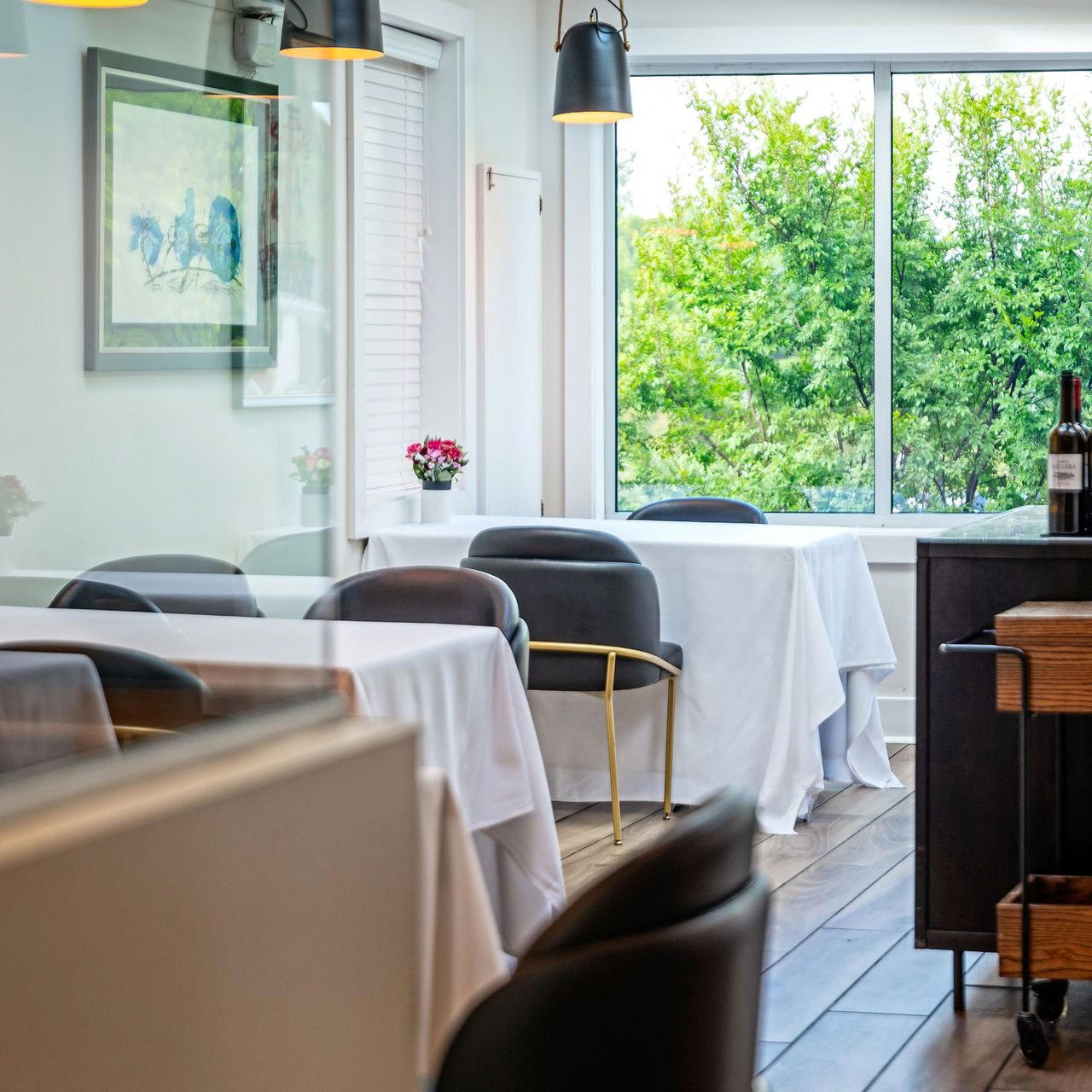
Bars in Potomac
Browse all →
Hotels in Potomac
Browse all →

Details
- Casual
- Modern
- Trendy
- Casual Hangout
- Group Dining
- After Work
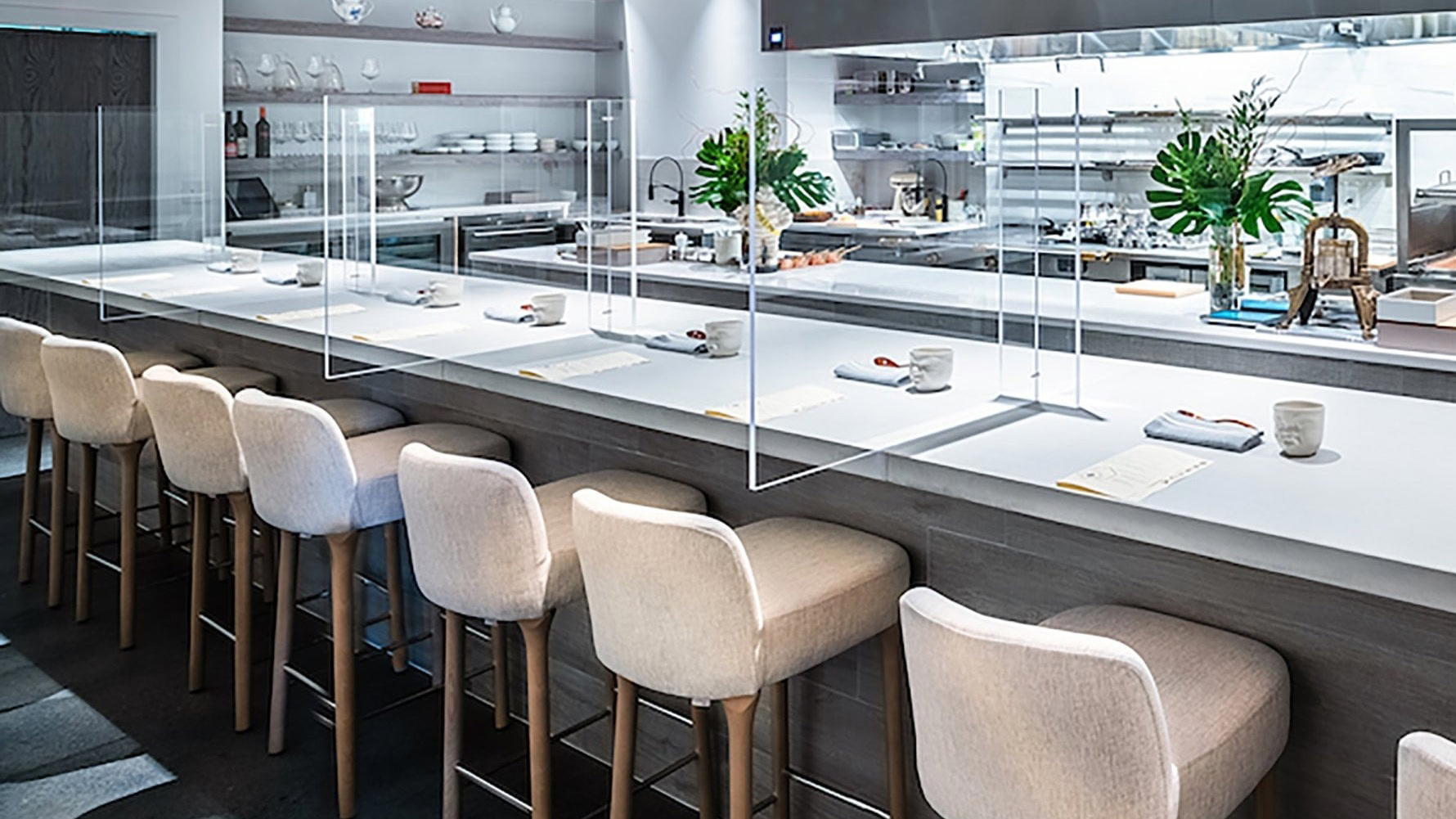
- Open Kitchen
- Zero Proof
- A La Carte
- Fresh Pressed Juices
- House Made Lemonades
- Iced Teas
- Vegetarian Friendly
- Vegan Options
- Gluten Free Options
- Allergy Accommodating
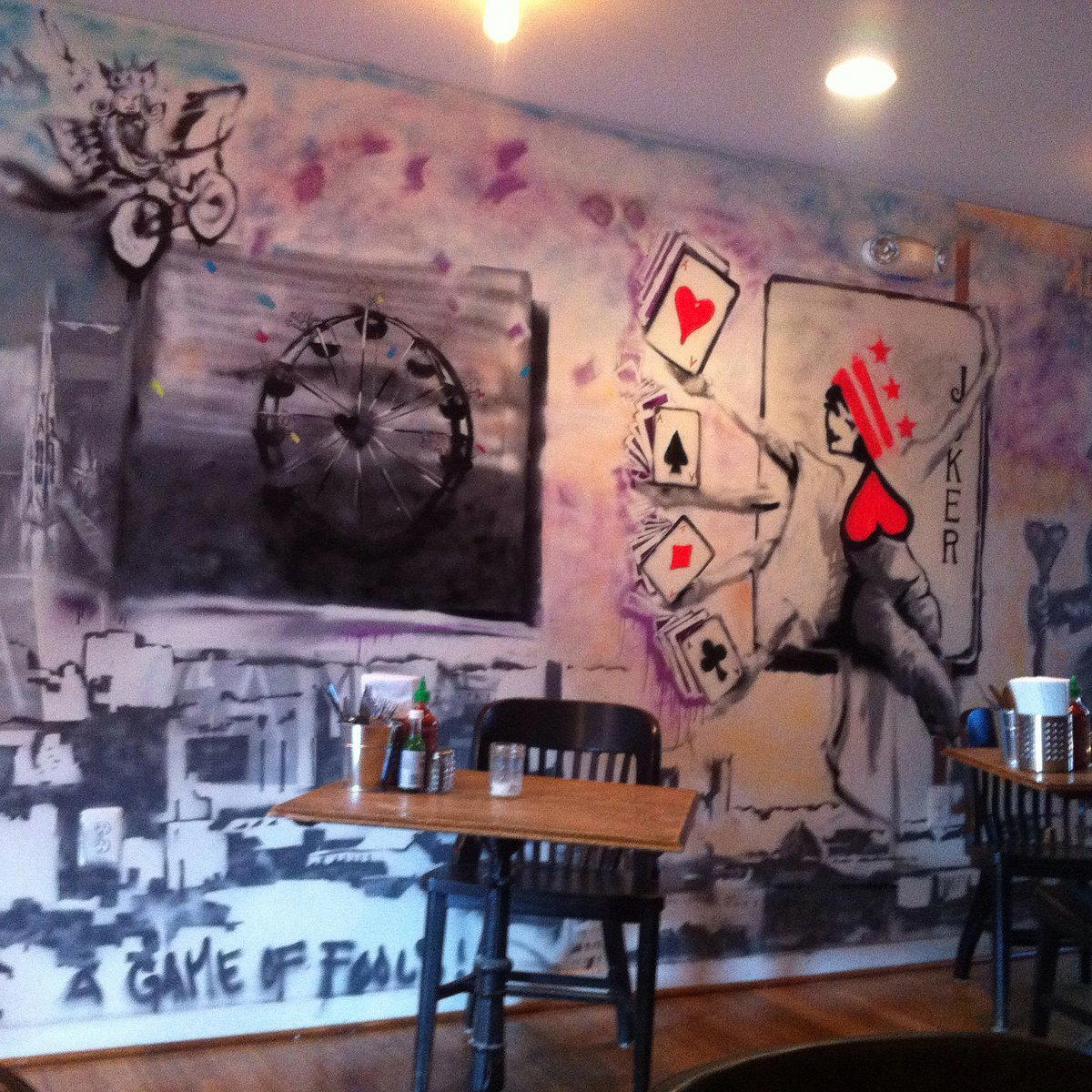
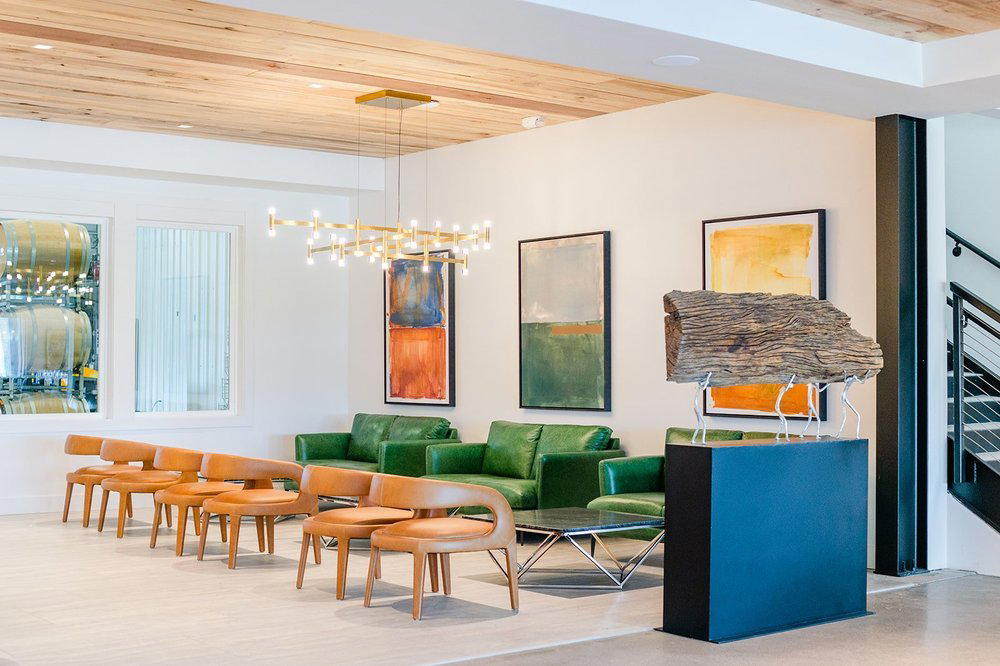
Bright, industrial fast-casual setting with counter service and casual dining atmosphere; described as a Mediterranean version of Chipotle with fresh, lively ingredients displayed on the counter.