Grand Bazaar
Our verdict
Grand Bazaar occupies a address on James Street in Marylebone, placing it within one of London's more considered dining neighbourhoods, where the dominant register is quality without spectacle. The venue sits in a city whose upper-mid dining tier has grown considerably more competitive over the past decade, with market-driven menus and international reference points now common across the price spectrum.

Pearl is the En Primeur Club membership app, where members save venues, book tables and use the concierge.

James Street in Context
Marylebone's dining character has shifted considerably over the past fifteen years. What was once a neighbourhood defined by neighbourhood restaurants serving neighbourhood residents has become a more deliberate destination, with independent operators and small groups recognising that W1U postal codes carry a different kind of foot traffic than the West End's theatre-district clusters. James Street sits at the quieter end of that transformation: close enough to the commercial density of Oxford Street to benefit from passing interest, far enough removed to attract guests who are making a specific choice rather than a convenient one.
That geography matters more than it might appear. London's dining mid-tier has compressed significantly since 2015, with operators who once competed on price alone now needing to compete on identity. The venues that have consolidated strongest in Marylebone during that period share a common trait: they give guests a reason to return that has nothing to do with novelty. Grand Bazaar, at 22 James St, sits inside that competitive pressure. Its address places it within walking distance of the Marylebone High Street corridor, where the density of considered independent food and drink operations is among the higher concentrations in Zone 1.
The Sensory Register of the Space
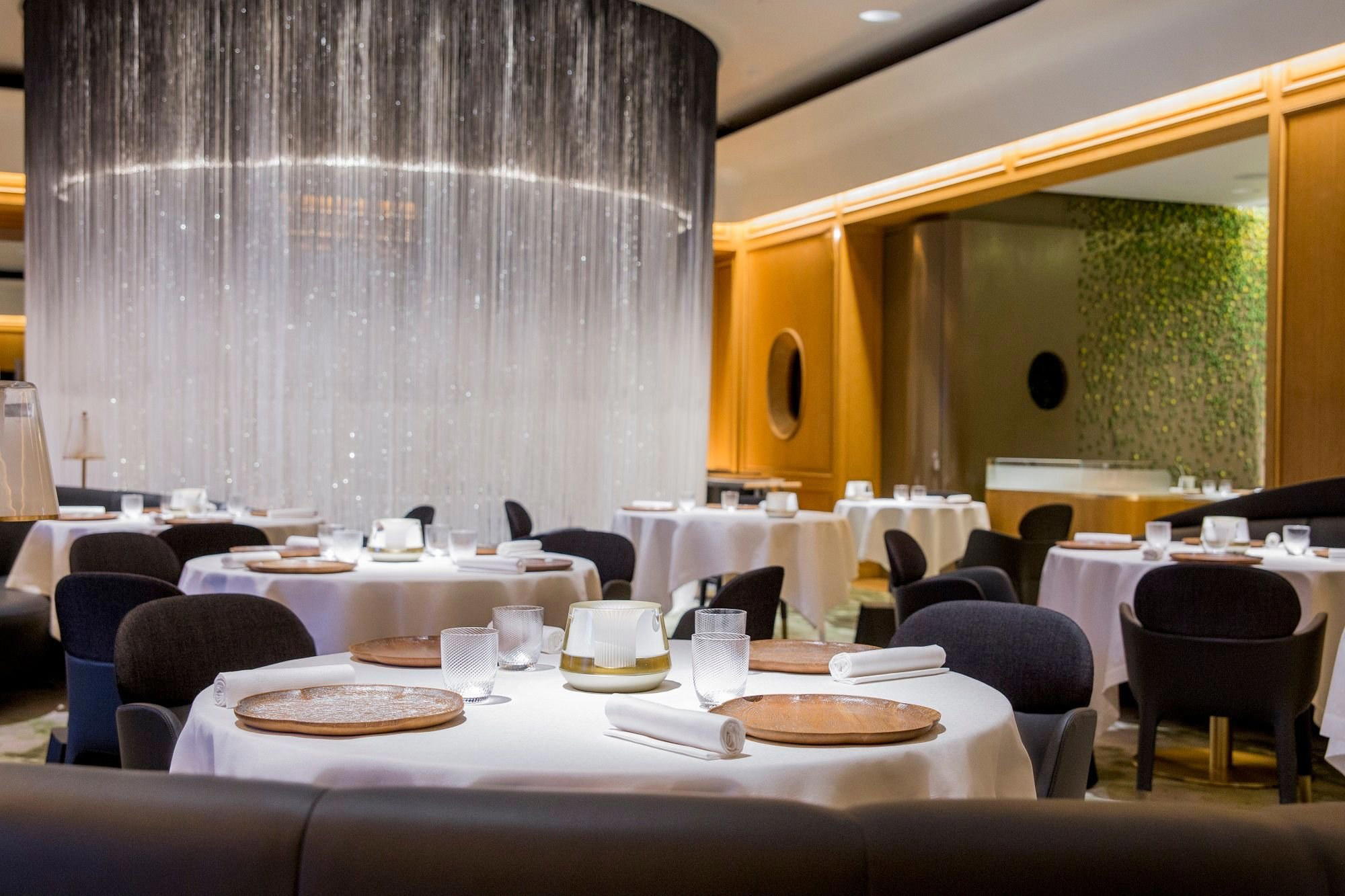
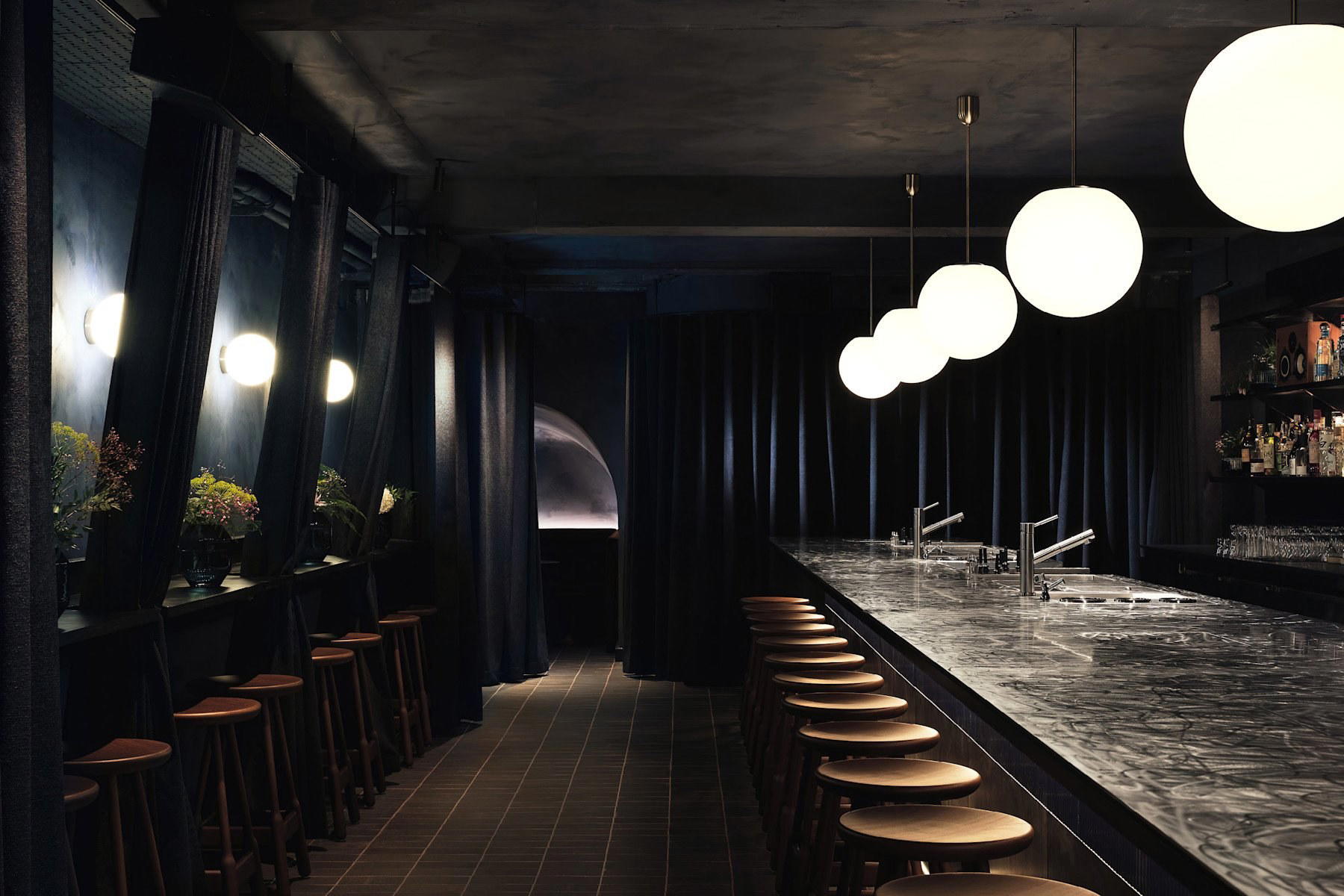
London's most enduring mid-to-upper dining rooms tend to succeed not through visual drama but through calibration: the right level of acoustic absorption, lighting that flatters without theatrics, service pacing that reads the table rather than running to a script. These are the things that reviewers rarely lead with but guests always notice on the second visit. A room that gets the sound balance wrong, too reverberant for conversation, too muted for energy, loses repeat bookings regardless of what arrives on the plate.
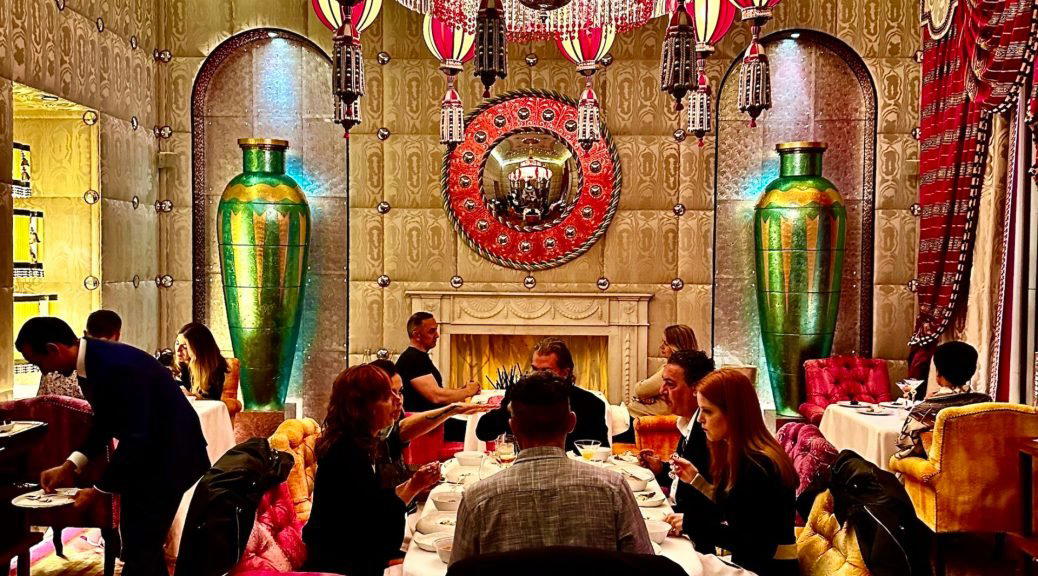
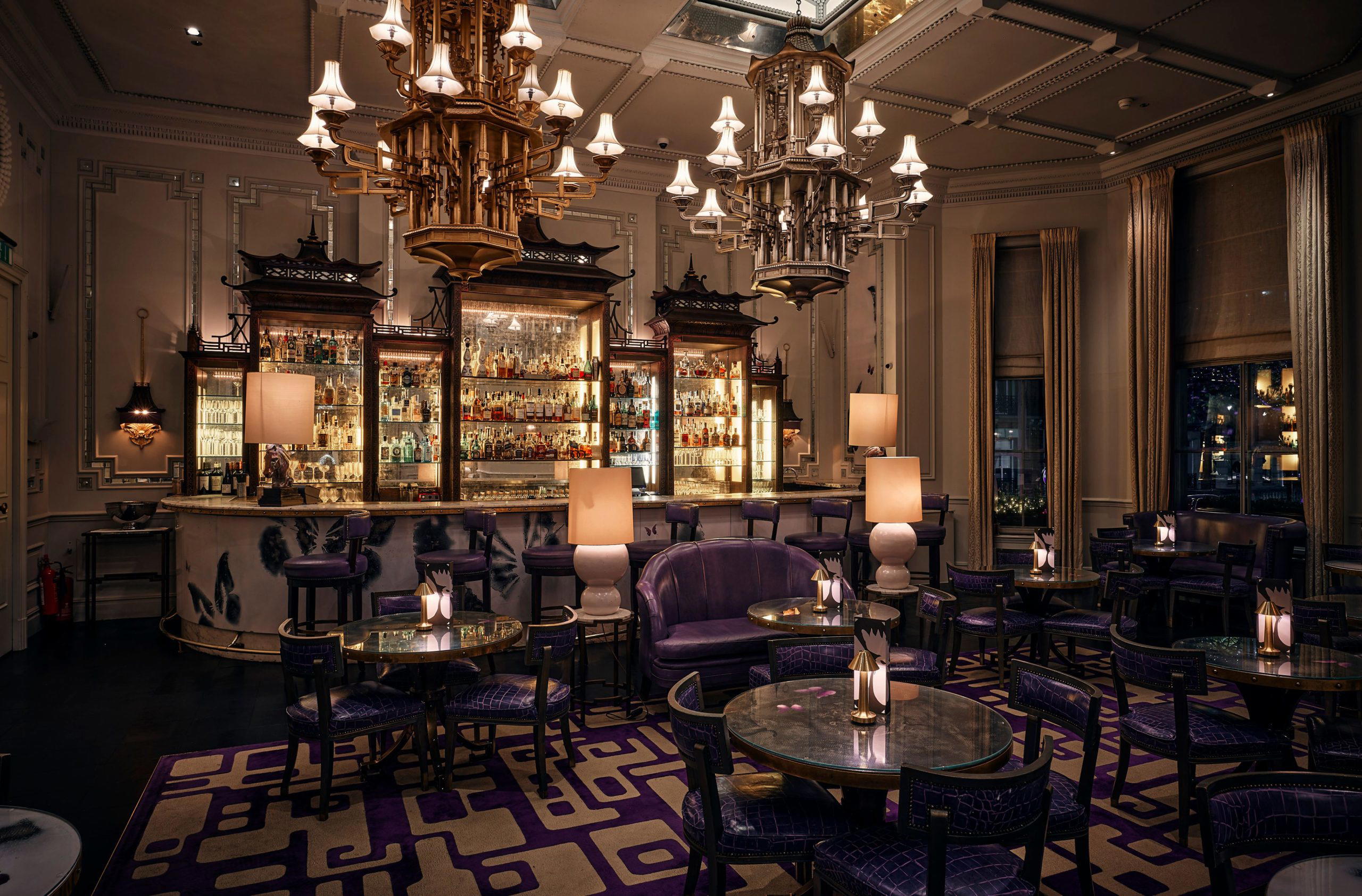
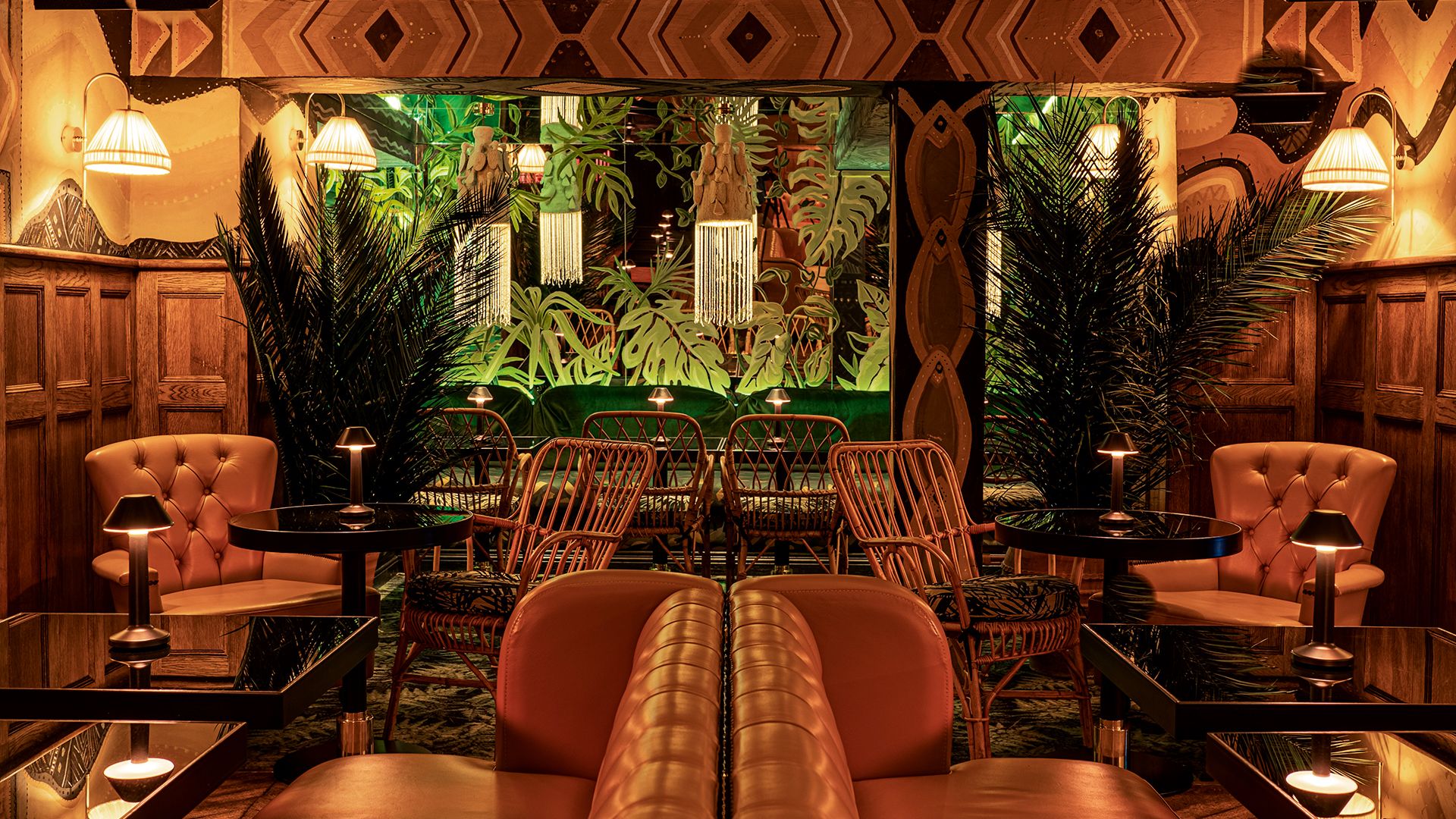
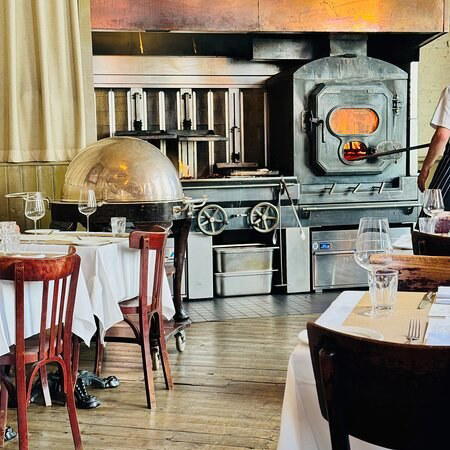
The name Grand Bazaar carries associations that are worth unpacking. In Istanbul and across the broader Levantine and Central Asian trading world, the bazaar is not a single sensory experience but a layered one: the compression of bodies and goods in a narrow lane, the transition from textile hall to spice section where the olfactory register shifts completely, the sound of negotiation in four languages at once. Whether the London Grand Bazaar at James Street draws directly on that register or uses the name more loosely is a distinction that shapes how the space is likely to be experienced. Venues that invoke bazaar culture as aesthetic shorthand tend toward abundance: dense table settings, accumulated visual detail, menus that read wide rather than curated. Those that take the reference more seriously tend to build atmosphere through contrast and layering, with sound, scent, and material texture working in combination rather than as decoration.
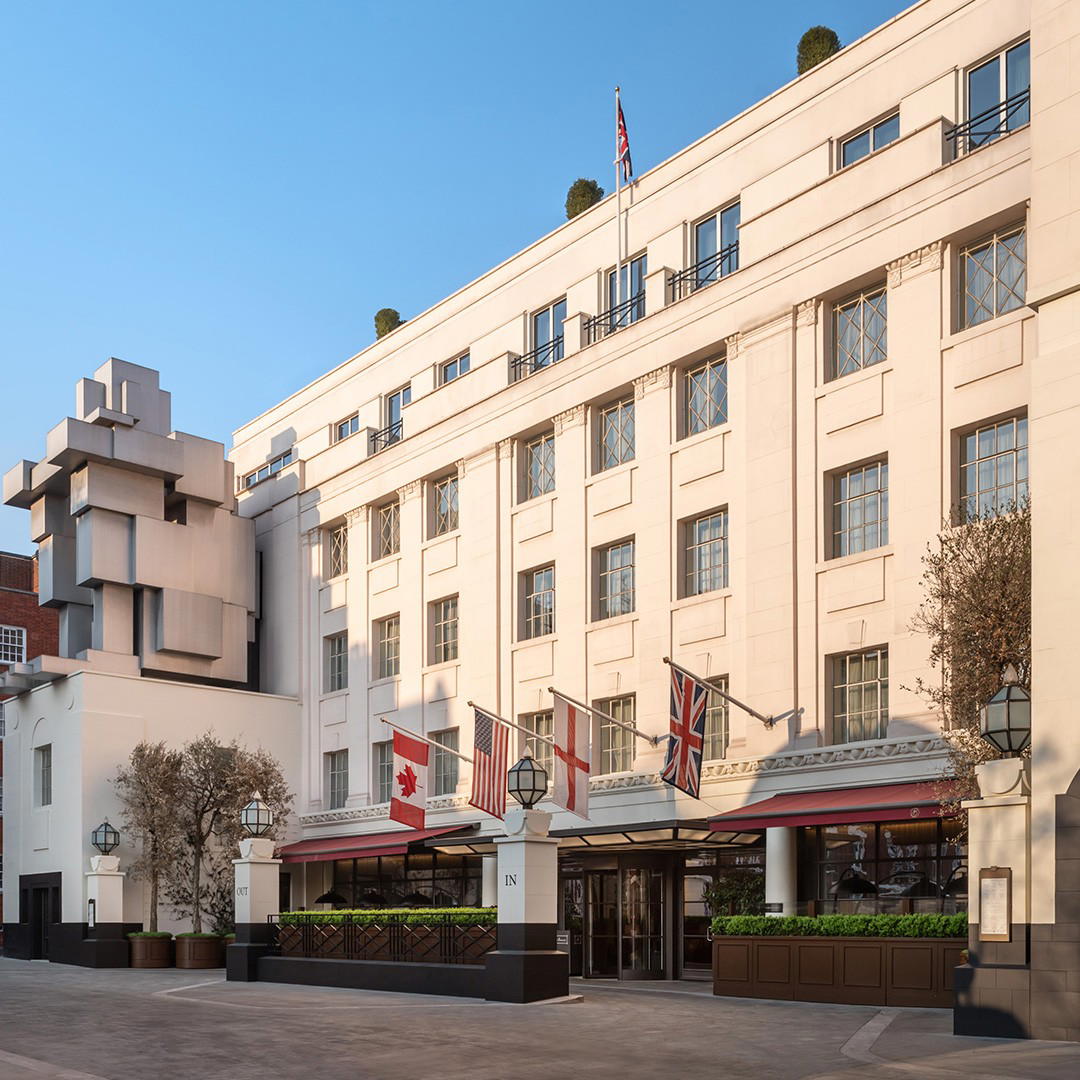
For guests arriving from Oxford Street, the transition to James Street itself functions as a kind of decompression. The street scale is human rather than commercial, and that shift primes a different mode of attention before the door is even opened. London's most atmospheric dining rooms have always benefited from arrival sequences that do some of the perceptual work before service begins.
Where Grand Bazaar Sits in London's Dining Tier
London's fine and upper-casual dining scenes have bifurcated clearly in recent years. At the leading end, Michelin-holding addresses like CORE by Clare Smyth, Restaurant Gordon Ramsay, Sketch, The Lecture Room and Library, The Ledbury, and Dinner by Heston Blumenthal compete on technical ambition, tasting format, and press profile, with price points that signal their tier clearly. Below that bracket, a substantial middle section has formed where the competition is sharper and less legible: restaurants that price at £60–£90 per head without a prix-fixe structure, where the experience is defined less by format discipline and more by the consistency of execution across an à la carte range.
Marylebone's concentration of operators in that middle tier makes it a genuinely competitive postcode. The guests this neighbourhood attracts tend to be experienced enough diners to notice inconsistency and independent enough in their choices to not be driven by award tables alone. That profile creates both opportunity and pressure for any operator at a James Street address.
For a broader map of where London's restaurant scene concentrates its energy by neighbourhood and price tier, the EP Club London restaurants guide provides comparative context across the full range.
UK Comparisons Worth Knowing
Guests who move between London and the wider UK circuit will find useful reference points in several destinations. Waterside Inn in Bray and Le Manoir aux Quat'Saisons in Oxford represent the country-house formal tier. L'Enclume in Cartmel and Moor Hall in Aughton anchor the northern England destination-dining circuit. Gidleigh Park in Chagford and Hand and Flowers in Marlow serve different versions of the premium rural pub-restaurant model. Hide and Fox in Saltwood, Midsummer House in Cambridge, and Opheem in Birmingham each represent regional ambition with distinct culinary identities. Restaurant Andrew Fairlie in Auchterarder remains the clearest benchmark for fine dining ambition in Scotland. For international comparison at the highest technical level, Le Bernardin in New York City and Atomix in New York City provide useful reference points on what sustained commitment to a format looks like across decades or in the city's current avant-garde tier.
Planning a Visit
Grand Bazaar is located at 22 James St, London W1U 1EJ. The nearest Underground stations are Bond Street (Central and Jubilee lines) and Baker Street (Bakerloo, Circle, Hammersmith and City, Jubilee, and Metropolitan lines), both within a short walk. James Street runs perpendicular to Oxford Street, making the approach direct from either station direction. Booking details, current hours, and pricing are best confirmed directly with the venue, as this information is subject to change and was not available at time of publication.
Frequently asked questions
Where exactly is Grand Bazaar?
Grand Bazaar is located at 22 James St, London W1U 1EJ, United Kingdom, London.
Is Grand Bazaar in Marylebone suitable for a pre-theatre or early evening dinner near the West End?
22 James St, London W1U 1EJ sits roughly ten minutes by Underground from the main West End theatre district via Bond Street on the Central line, making Grand Bazaar a workable choice for an early dinner before a show. Marylebone's upper-casual dining tier generally runs more relaxed service than timed tasting-menu formats, which gives guests flexibility on pacing. Confirming kitchen hours directly with the venue before booking is advisable for pre-theatre scheduling.
What do regulars order at Grand Bazaar?
Specific menu details for Grand Bazaar are not published in advance, which is consistent with restaurants at 22 James St operating in the upper-casual Marylebone tier where menus shift seasonally. The most reliable approach is to ask staff on arrival what is drawing repeat visits that week. Regulars at addresses in this neighbourhood bracket tend to return for consistency of execution rather than a single signature dish.
What's the best way to book Grand Bazaar?
Grand Bazaar is located at 22 James St, London W1U 1EJ, within straightforward reach of Bond Street (Central and Jubilee lines) and Baker Street Underground. No direct booking link or phone number is listed publicly at this time, so checking the venue's own channels or third-party reservation platforms is the practical route. Marylebone restaurants in this tier tend to fill weekend slots earliest, so midweek timing often gives more flexibility.
What is Grand Bazaar known for?
Grand Bazaar occupies a well-positioned address on James Street in Marylebone, a stretch that has grown considerably as a dining destination over the past fifteen years. The venue sits in the upper-casual tier of London dining, a category that has expanded as guests look for serious cooking without the formality of Michelin-holding rooms. Its James Street location places it close to the independent retail and café concentration that gives Marylebone Village its particular character among central London neighbourhoods.
Standing Among Peers
Comparable venues nearby, for context on price, style, and recognition.
| Venue | Cuisine | Price | Notes |
|---|---|---|---|
| Grand BazaarThis venue (the venue you are viewing) | Authentic Turkish Meze and Grill | $30–50 | Not listed |
| Tas Restaurant | Authentic Anatolian Turkish Grill | $20–30 | Borough |
| Liman Restaurant | Authentic Turkish & Mediterranean | $30–50 | Islington |
| Iznik | Authentic Ottoman Turkish | $30–50 | Highbury |
| Mr Ji | East-West Asian Fusion | Not listed | Camden |
| Trenta | Dining | Not listed | Paddington |