
Harvest occupies a quiet corner of Antwerp's Minderbroedersrui with a program built around local sourcing, fermentation, and near-zero waste. Chefs Stephen Akejelu and Adil Achahbar place vegetables at the centre of every plate, with a fully plant-based menu available alongside the main offering. Recognised by We're Smart Green Guide for its circular approach, this is one of the city's clearest statements about where vegetable-forward gastronomy is heading.
Pearl is the En Primeur Club membership app — saves, bookings, and concierge access live there. Same editors, same standards.
- Address
- Minderbroedersrui 7, 2000 Antwerpen, Belgium
- Phone
- +32 474 52 36 54
- Website
- harvest-antwerp.com
- Directions
- Get directions
 Saves & bookings on Pearl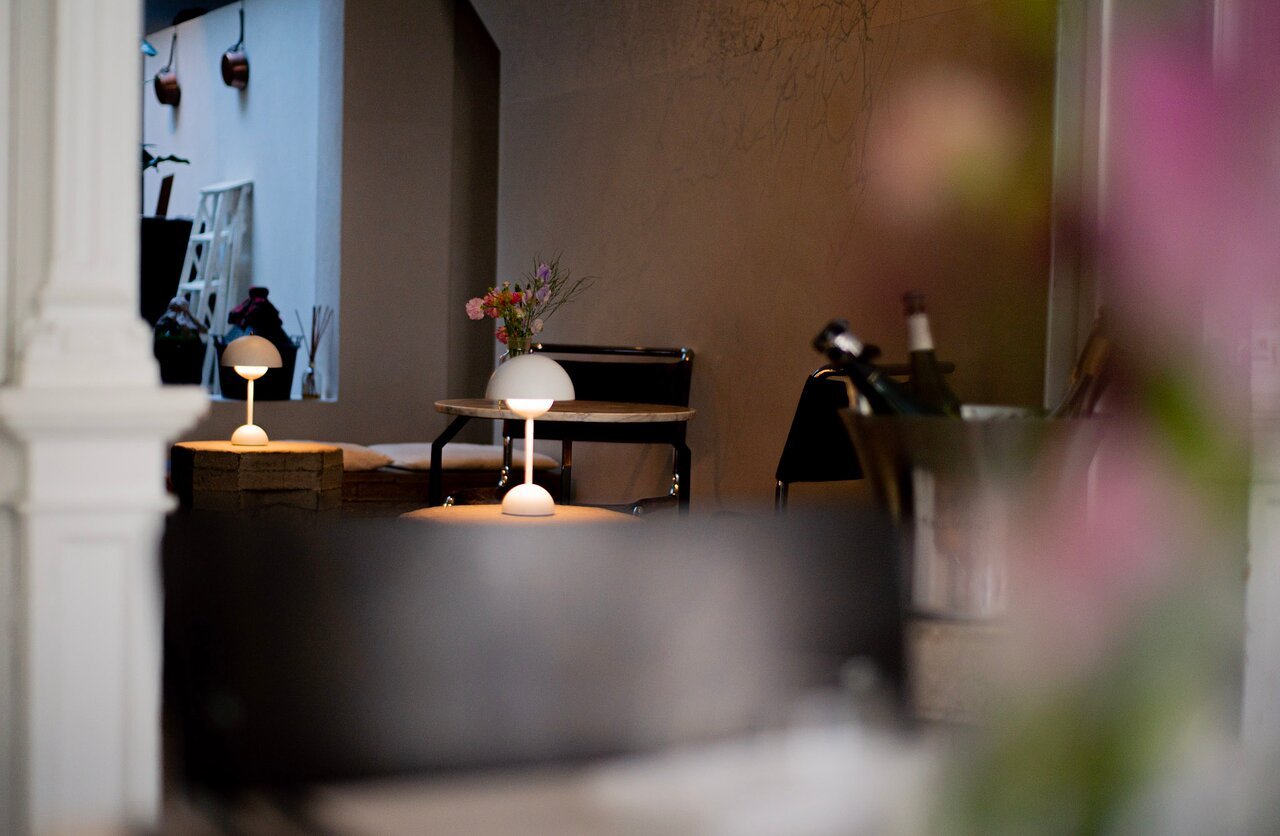
Where Antwerp's vegetable-forward dining is taking shape
Antwerp's dining scene has long been defined by classical Flemish richness: butter-braised proteins, deep stocks, the kind of cooking that treats vegetables as supporting players. That consensus has been shifting. A generation of chefs across Belgium has begun reframing the plate around produce rather than protein, and in that broader movement, Harvest on Minderbroedersrui 7 represents one of the more considered local positions. It is not a health-food concept dressed up in fine-dining language, nor a compromise for meat-avoiders. It is a restaurant where fermentation, seasonality, and supply-chain integrity are the technical foundations of the cooking.
The address sits in a quieter stretch of Antwerp's city centre, away from the more trafficked restaurant corridors around the Grote Markt or Zurenborg. The neighbourhood's lower footfall means the room rewards those who arrive with intention rather than those passing through. That self-selection shapes the atmosphere: the clientele here tends to know why they have booked, and the kitchen cooks accordingly.
The sourcing argument, made in plates
Belgian gastronomy has a long tradition of proximity sourcing, short distances from field to kitchen have been a practical reality rather than a marketing position for much of the country's culinary history. What distinguishes the current wave of produce-led restaurants is the degree to which sourcing decisions drive menu architecture, rather than simply supplying ingredients to a pre-existing formula. At Harvest, that logic runs through every element: local suppliers, reduced meat volume, and a seasonal calendar that determines what appears on the plate rather than what disappears from it.
Fermentation sits at the intersection of those values and practical technique. Lacto-fermented vegetables extend seasonal ingredients beyond their natural window, add acidity without imported citrus, and reduce waste by transforming what would otherwise be discarded. Across Belgium's better produce-led kitchens, and in comparable programmes from Boury in Roeselare to Willem Hiele in Oudenburg, fermentation has moved from curiosity to core technique. Harvest operates in that same register, with chefs Stephen Akejelu and Adil Achahbar treating preservation as a creative tool rather than a fallback.
The fully plant-based option available alongside the main menu is worth noting not as a concession but as an editorial statement. Running a coherent 100% plant-based menu requires that the kitchen understands texture, umami, and satiety through means other than animal fat and protein. It is a harder brief than a conventional tasting menu, and the fact that Harvest commits to it signals the depth of technical investment in the vegetable side of the programme.
Circular gastronomy in Antwerp's competitive context
Antwerp has many fine-dining reference points. Zilte and Hertog Jan at Botanic occupy the top tier, both at the €€€€ price point and both working within creative or modern Flemish frameworks where protein still anchors the menu. 't Fornuis holds the classical European-Flemish position. DIM Dining brings Japanese and Asian technique to a similarly high price bracket. These are not Harvest's competitive peers. Harvest operates in a different tier and a different conversation, one about where sourcing ethics and circular kitchen practice intersect with genuine cooking ambition.
The We’re Smart Green Guide recognition is the relevant trust signal here. A listing in that guide places Harvest in a comparable set that spans restaurants across Europe working on the same problems, from soil to plate waste. For this kind of cooking, it is the more relevant credential. For comparison, Belgium's broader recognition for produce-forward cooking extends to celebrated names like Hof van Cleve and Bartholomeus in Heist, though those operate within quite different formats and price structures.
Circular gastronomy, using every part of every ingredient and reducing waste, has gained traction across European dining over the past decade. What Le Bernardin in New York applies to seafood sourcing and what Emeril's in New Orleans built around Louisiana provenance are different expressions of the same underlying principle: that a kitchen's ingredient relationships are as much a part of its identity as its cooking technique. Harvest applies that logic to Flemish produce in a Flemish city, which gives it a geographic and ethical coherence.
Planning your visit
Harvest is located at Minderbroedersrui 7 in the 2000 postal district of Antwerp, within walking distance of the city centre's main transport connections. Given the kitchen's seasonal and circular programme, the menu will shift with what is available locally, which makes early-season visits in spring and late autumn particularly interesting periods for the fermentation and preservation elements of the cooking. Booking ahead is advisable given the focused format;
Fast Comparison
Comparable venues nearby, for context on price, style, and recognition.
| Venue | Cuisine | Price | Notes |
|---|---|---|---|
| HarvestThis venue — the venue you are viewing | Sustainable European Farm-to-Table | $$$ | Not listed |
| Folia | Vegetable-forward Fine Dining | $$$ | Antwerp center |
| Évidence | Contemporary French Fine Dining | $$$ | Cadixwijk |
| Octave | Modern Belgian with Chocolate Twists | $$$ | Centraal Station |
| A’sur | Belgian-Venezuelan Fusion | $$$ | Zuid |
| Fiskebar | Modern Seafood Bistro | $$$ | Zuid |
Recognition history
Dated appearances from independent guides and award organizations, with the underlying list record or original source where available.
We're Smart World 3 Radishes
We're Smart World
At a Glance
- Cozy
- Elegant
- Intimate
- Date Night
- Special Occasion
- Historic Building
- Private Dining
- Farm To Table
- Local Sourcing
- Zero Waste
Current opening hours
- Monday
- 6–11 PM
- Tuesday
- Closed
- Wednesday
- Closed
- Thursday
- 6–11 PM
- Friday
- 6–11 PM
- Saturday
- 6–11 PM
- Sunday
- 6–11 PM
Hours can change for holidays and private events. Last verified .
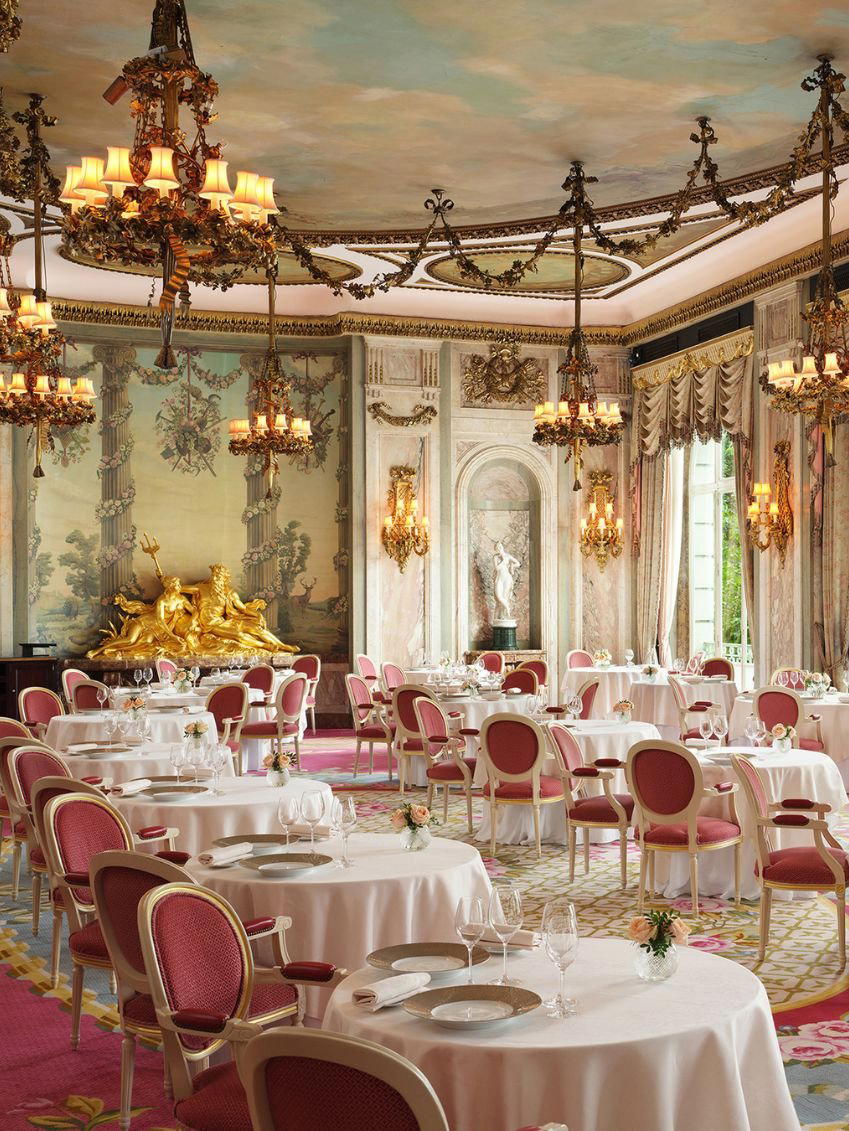
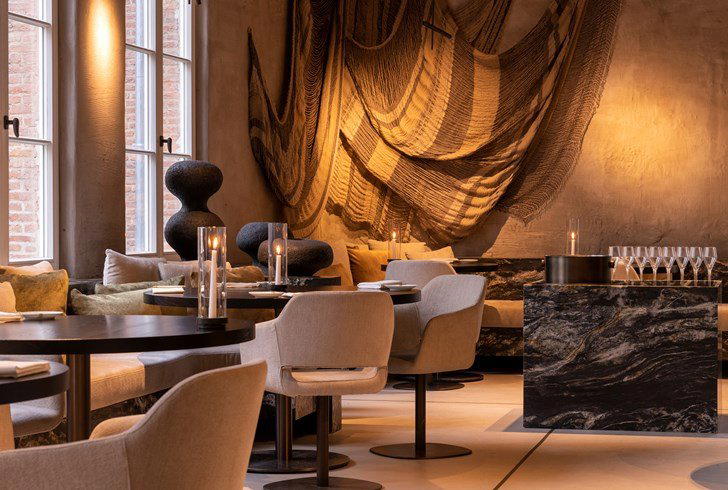
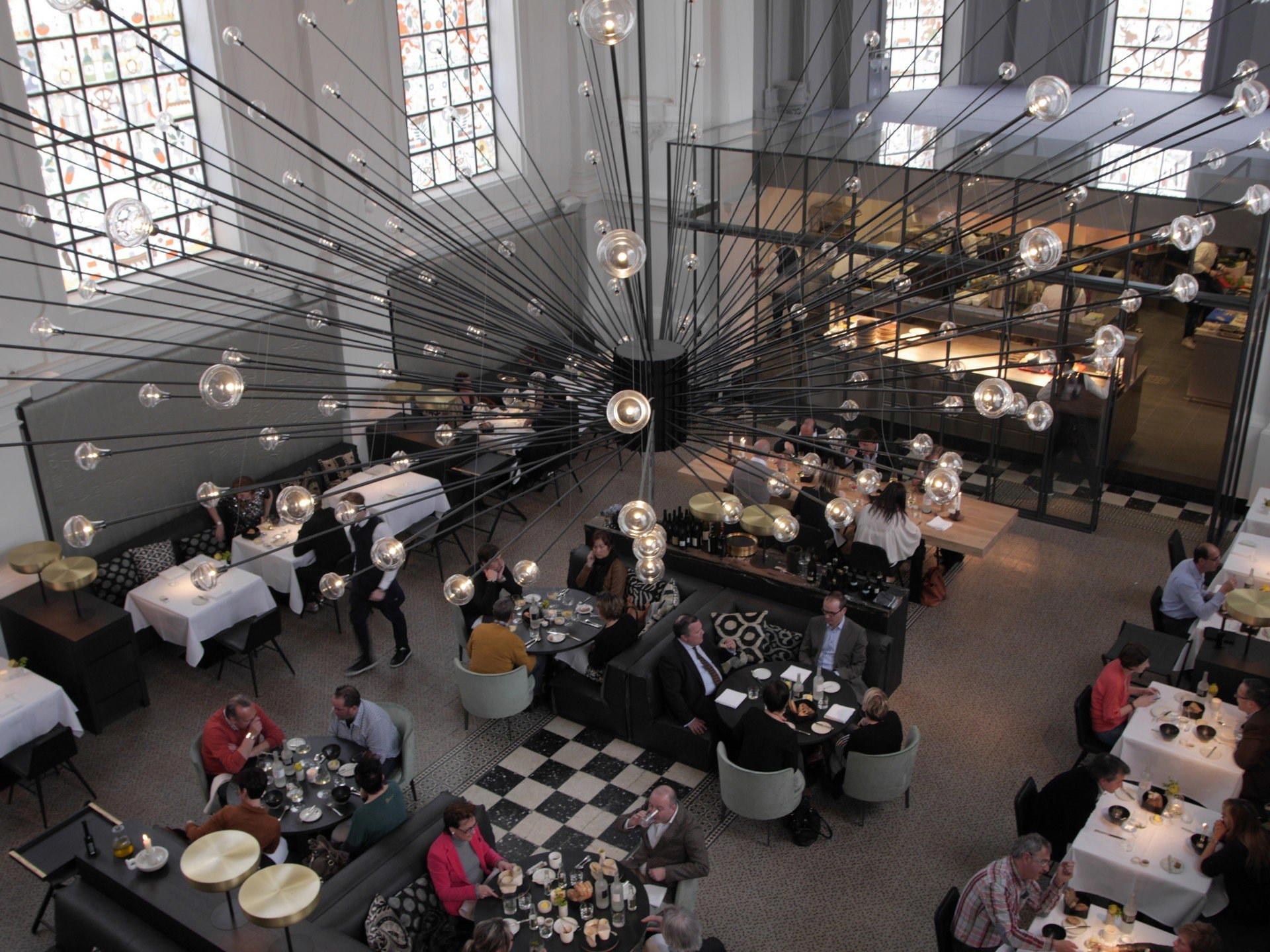
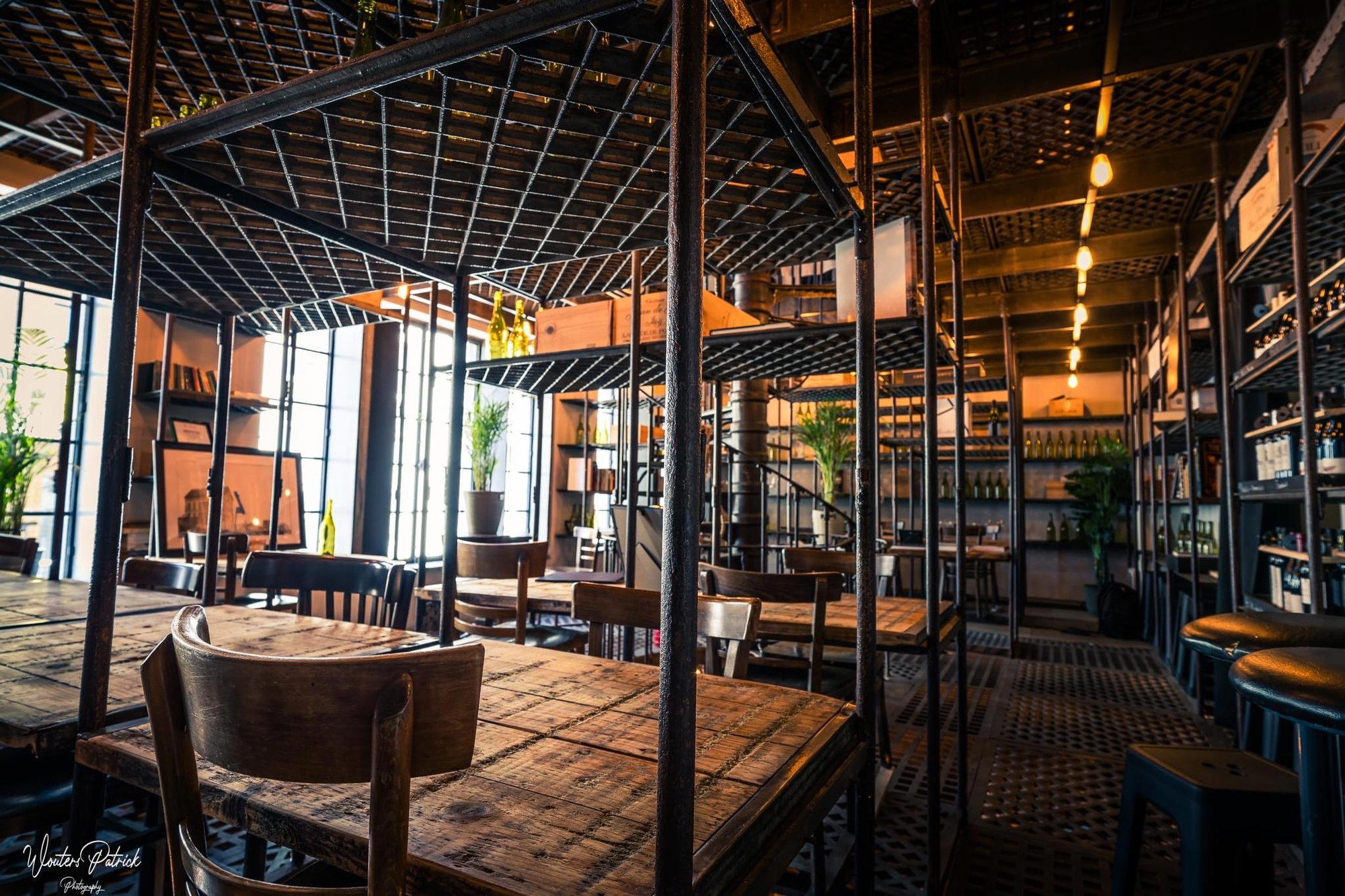
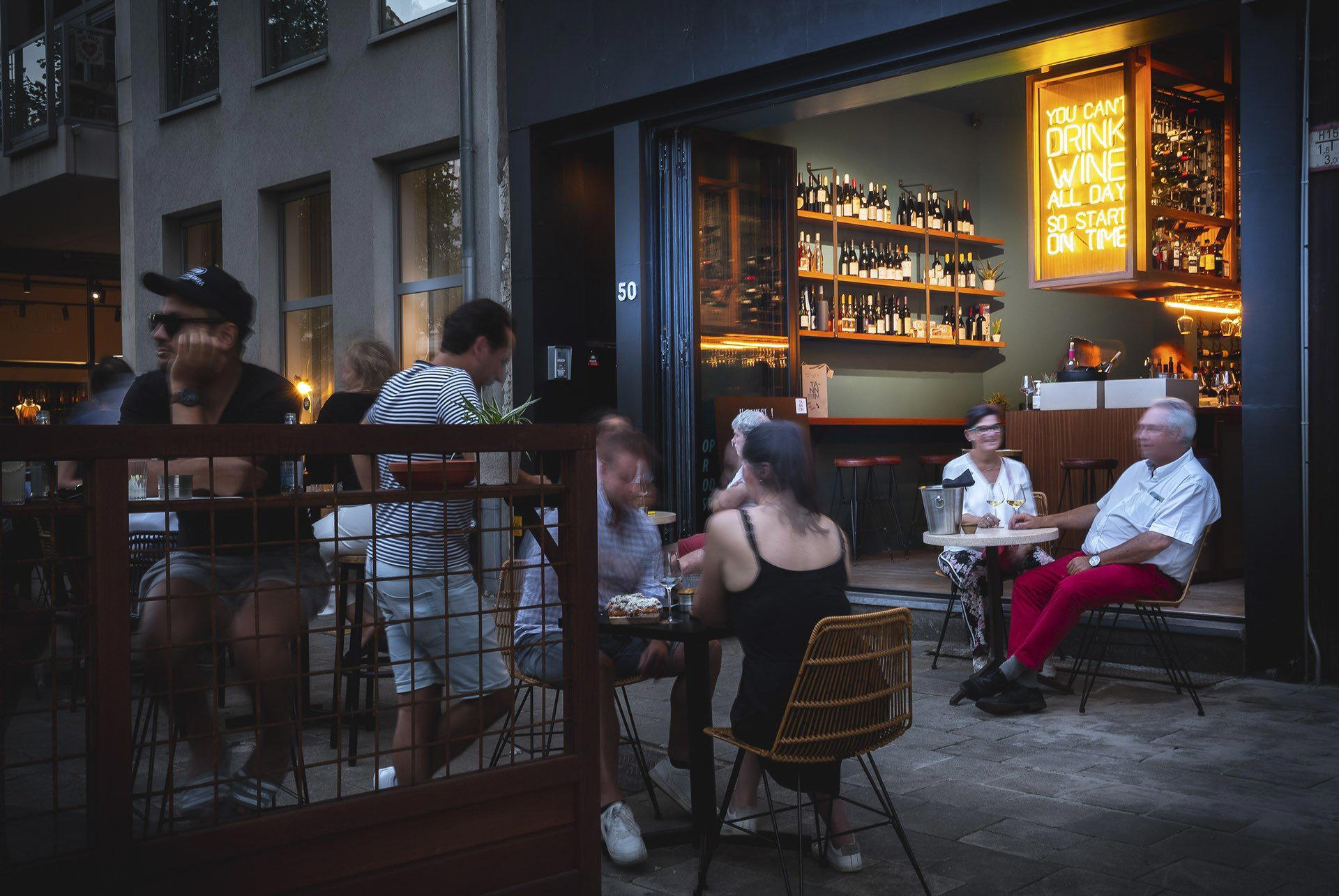
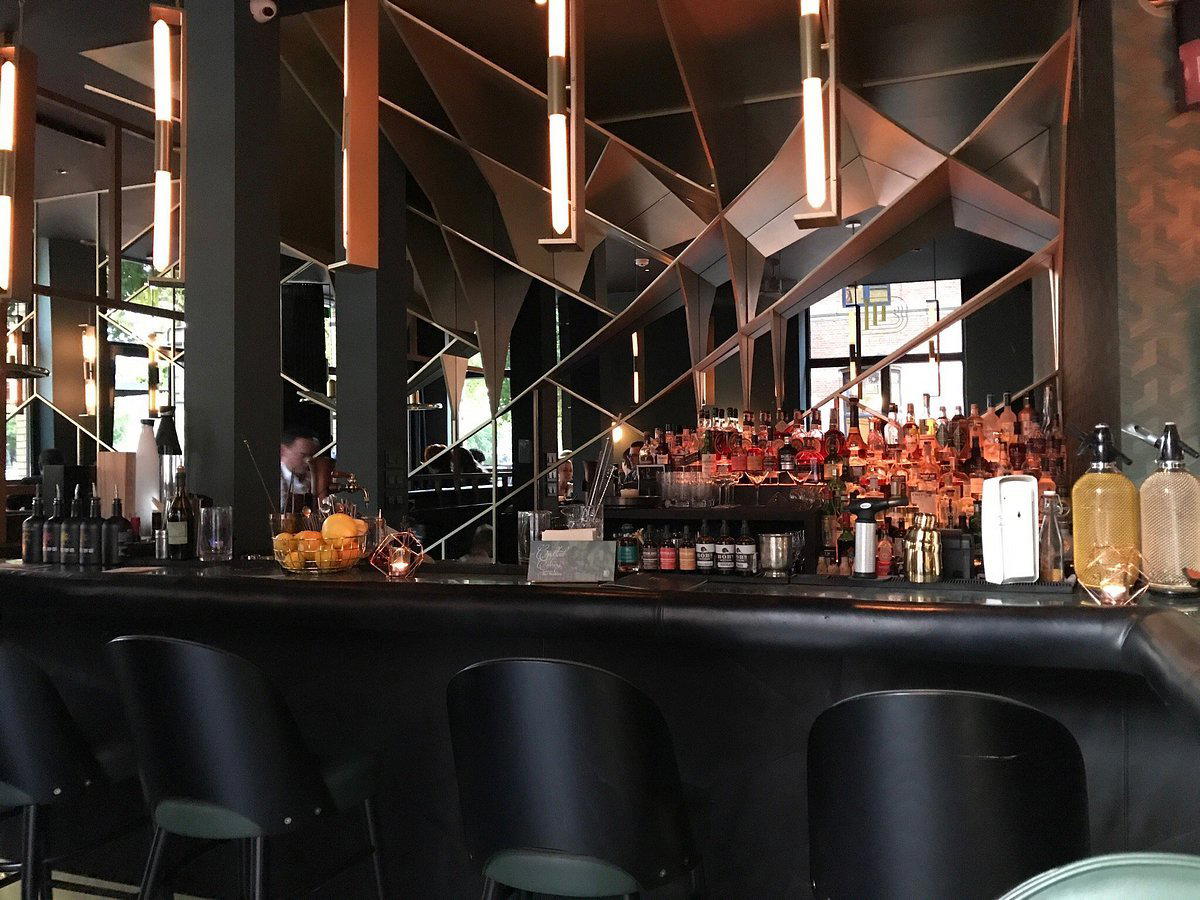
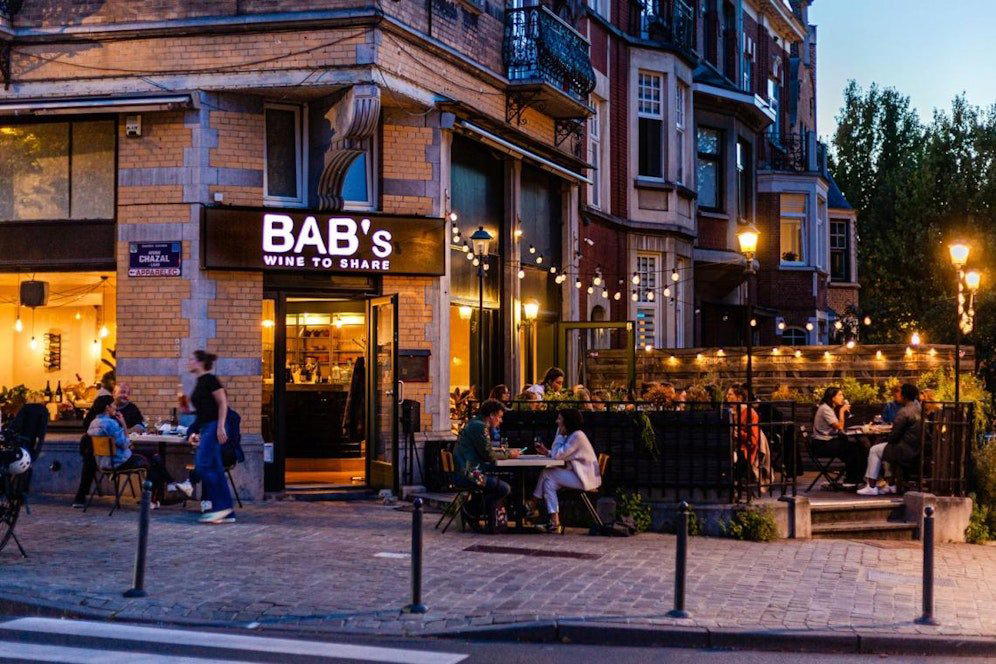
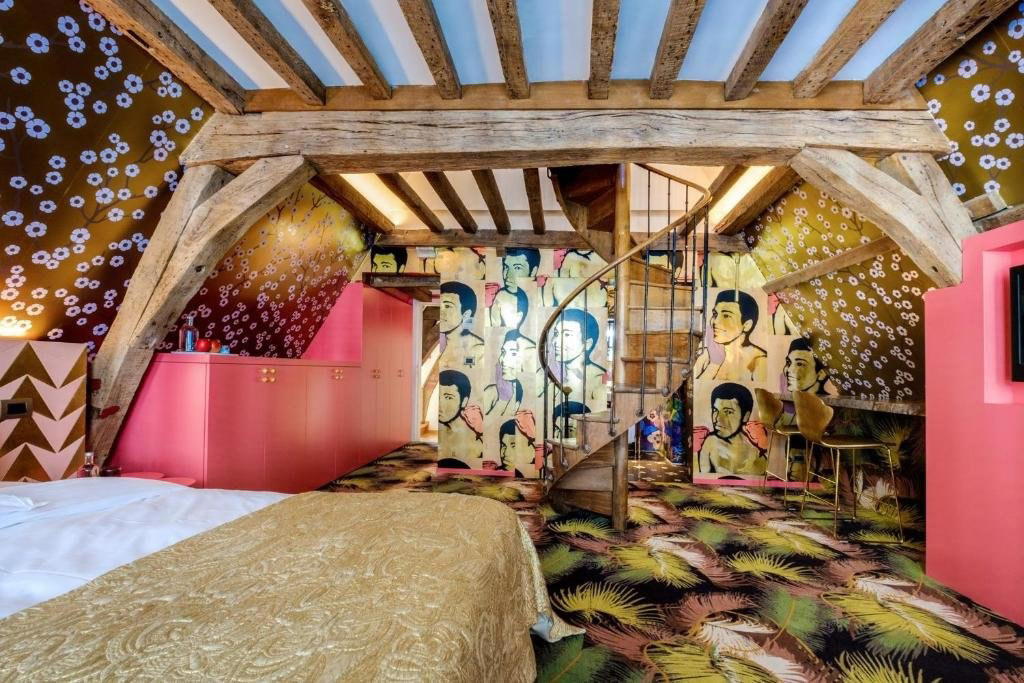
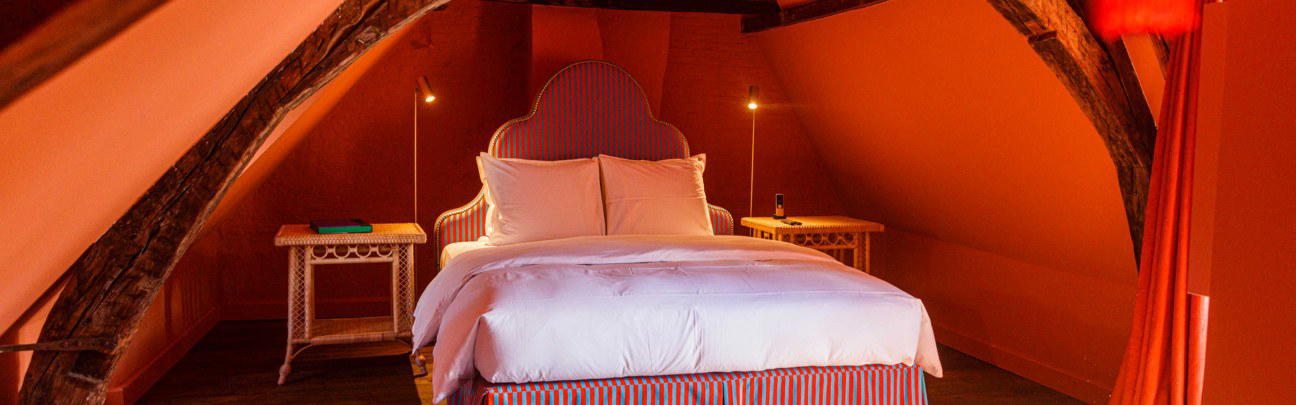
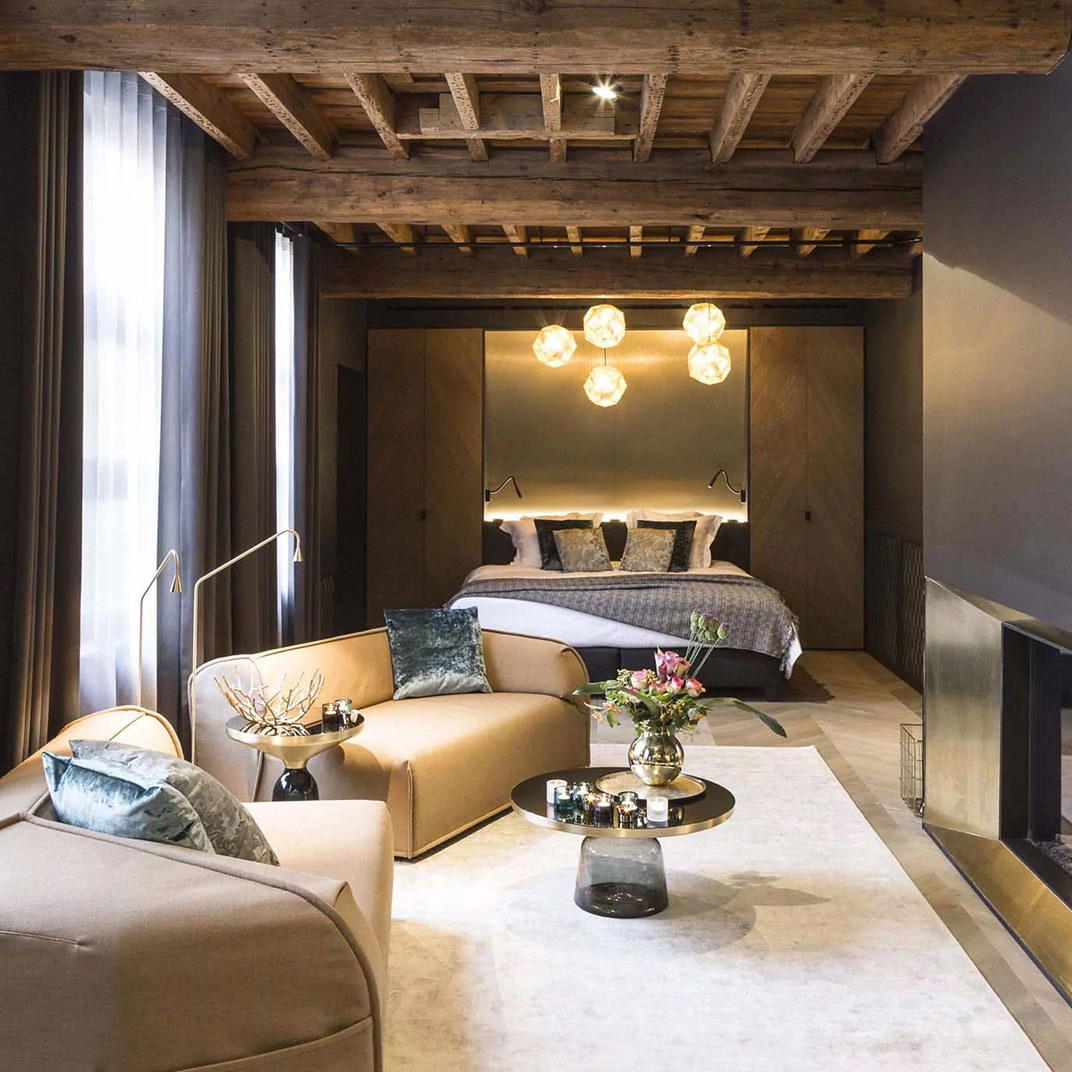
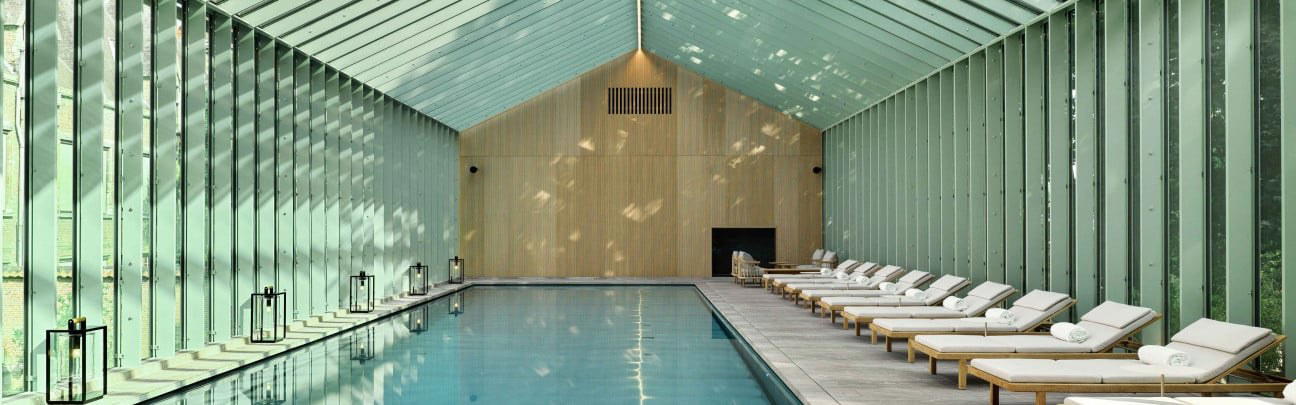
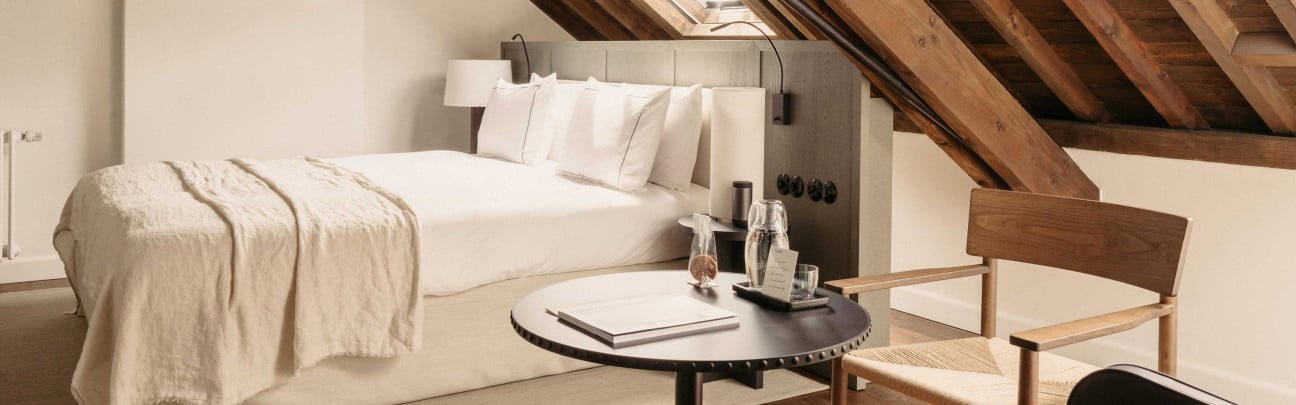
Warm, cozy, and elegant atmosphere in a historic setting with welcoming service.