Gourmetrestaurant Wappensaal

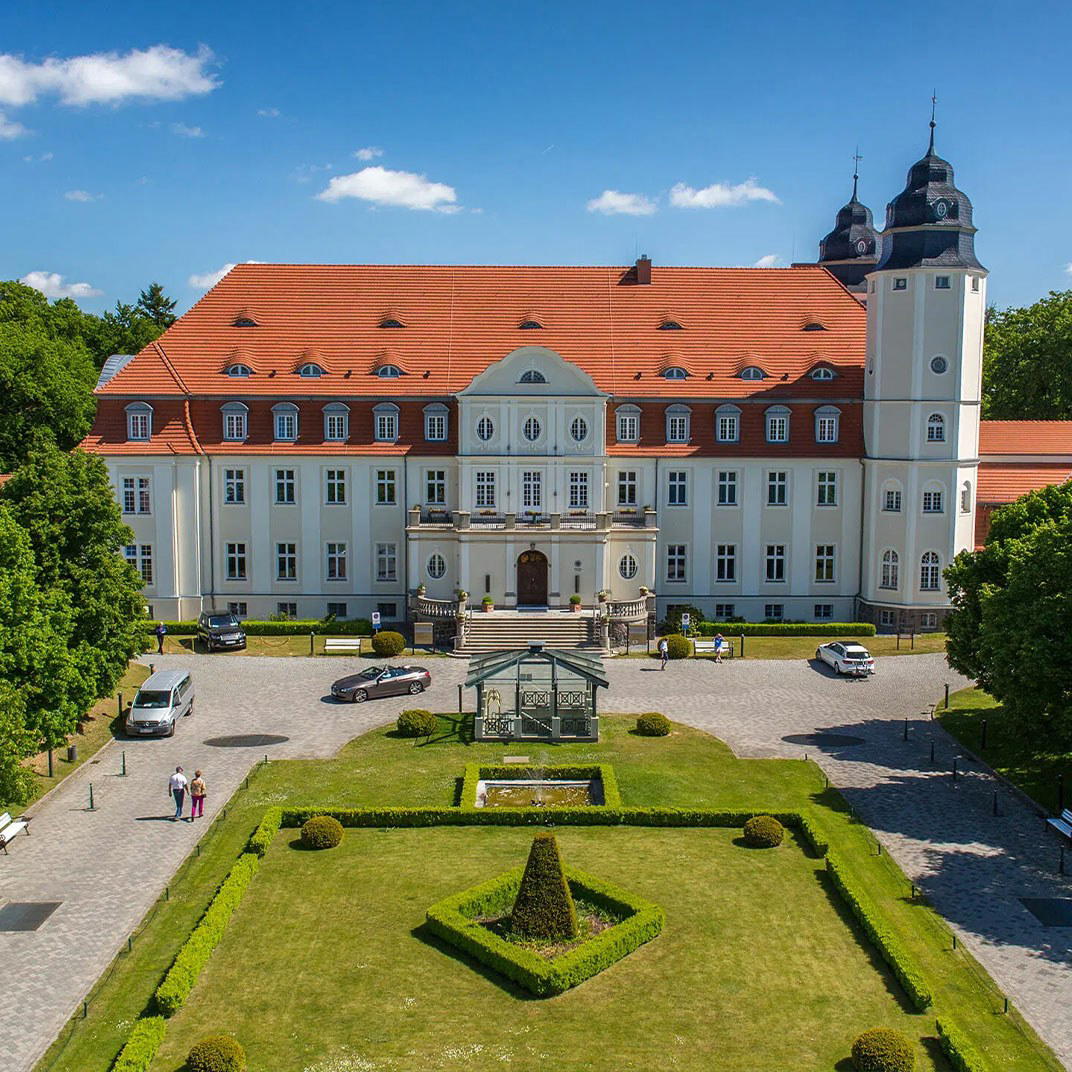
Gourmetrestaurant Wappensaal brings creative cooking into the castle setting of Burg Schlitz in Hohen Demzin, where the appeal is less urban dining-room theatre than a controlled, destination-led meal. Chef Maik Albrecht’s career gives the kitchen its strongest signal: seven years at Traube Tonbach, senior roles in Hamburg, and 12 years as Executive Chef for SeaCloud Cruises.
Pearl is the En Primeur Club membership app — saves, bookings, and concierge access live there. Same editors, same standards.
- Address
- Burg Schlitz 2
- Phone
- +49 (0)3996 12700
- Website
- menumodo.com
- Directions
- Get directions
 Saves & bookings on Pearl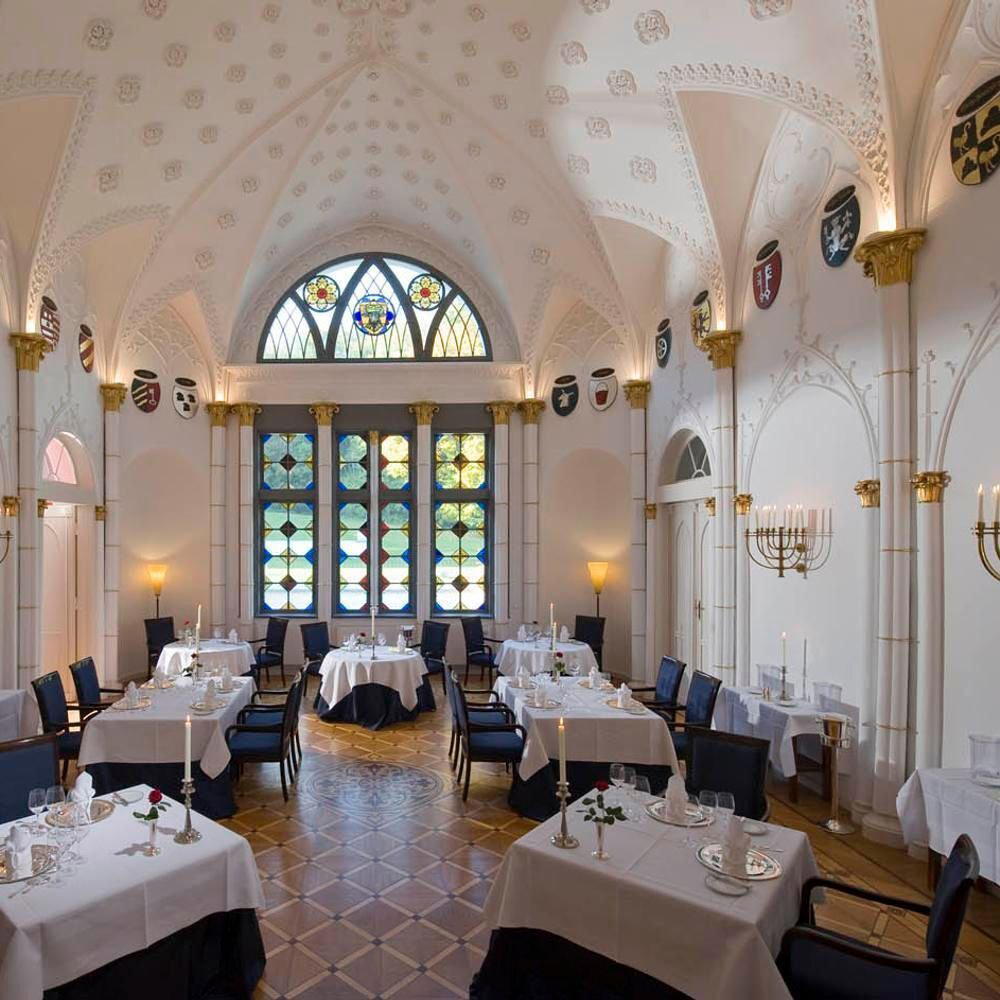
Approaching dinner inside a castle changes the rhythm before the menu begins. Hohen Demzin is not a city built around restaurant-hopping; it asks for a slower, destination-led kind of dining, where the room, the estate setting, and the kitchen’s discipline carry equal weight. Gourmetrestaurant Wappensaal belongs to that tradition: formal enough to feel removed from weekday habits, but defined by the food rather than by costume drama.
Creative cooking in a rural German castle has a different job from creative cooking in Berlin, Hamburg, or Munich. In a city, novelty can be a selling point; in Mecklenburg-Vorpommern countryside, the cooking has to justify the journey. The useful question is not whether the room feels grand, but whether the kitchen has the technical background to make the setting feel earned. Here, the strongest evidence is the chef’s route through serious German hospitality and international service formats.
A castle dining room shaped by grand-cuisine training
Chef Maik Albrecht gives the restaurant its clearest editorial frame. His career includes seven years as Master Chef at the Köhlerstube and Bauernstube restaurants at Traube Tonbach Hotel, followed by a head-kitchen role at Palazzo Harald Wohlfahrt in Hamburg and 12 years as Executive Chef for SeaCloud Cruises. That sequence matters because it joins three different disciplines: Black Forest hotel gastronomy, high-volume event precision, and cruise-level logistics where consistency has to survive movement, distance, and repetition.
For the guest, that background points toward a kitchen built on control rather than improvisational flash. Creative cooking can become vague when the term is used as a catch-all, but Albrecht’s résumé suggests a classical base: sauces, sequencing, pacing, and the ability to make a formal meal feel composed. The castle context sharpens that expectation. A room like this does not need frantic reinvention; it needs confidence, timing, and enough contemporary thinking to avoid becoming a period piece.
Germany’s regional fine-dining culture has long been strongest in hotels, estates, and countryside retreats, not only in metropolitan dining districts. That tradition suits Hohen Demzin. For the broader local scene, see Our full Hohen Demzin restaurants guide, with nearby hospitality context in Our full Hohen Demzin hotels guide, Our full Hohen Demzin bars guide, Our full Hohen Demzin wineries guide, and Our full Hohen Demzin experiences guide.
Why the setting changes the meal
The Wappensaal name signals heraldry and ceremony, and that matters in how the meal is read. Castle restaurants can fail when architecture overwhelms the plate, turning dinner into a backdrop for photographs. The stronger version uses the room as a frame: measured service, composed courses, and a sense that the kitchen understands proportion. In this category, restraint is not minimalism; it is the refusal to let the building do all the talking.
The closest useful distinction in Hohen Demzin is between the creative-cooking identity here and the more classically framed Wappen-Saal (Classic Cuisine). The distinction is not a ranking; it is a question of appetite. One side of the local table speaks to continuity and familiar structure, while this kitchen is better read through a chef whose career moved across hotel kitchens, Hamburg spectacle, and the technical demands of cooking at sea.
That background also tempers expectations. This is not the place to chase a loud dining trend or a chef-counter performance. It sits in the older European idea that a serious meal can be part of a larger hospitality environment, with the destination itself doing some of the quiet work. Readers planning wider German dining should treat it differently from city-led choices such as "Inside Berlin" Food & Culture Tour in Berlin, [m]eatery in Hamburg, or [w]einklang in Nuremberg, where the surrounding city supplies a different energy.
How to place it in a Germany itinerary
Gourmetrestaurant Wappensaal makes sense when the meal is treated as part of a northern German country-house plan rather than a stand-alone urban reservation. Hohen Demzin rewards travellers who build in time around the castle environment and do not expect a dense after-dinner circuit. The editorial case is strongest for couples, small adult groups, and travellers interested in the hotel-restaurant tradition that still shapes much of Germany’s serious cooking outside major cities.
For a broader national frame, the contrast with other German addresses is useful: Cafe Brasserie Louise, [CANTINACCIA] in Heidelberg, [KOOK] 36 in Deggendorf, [m]eatery in Dresden, [maki:'dan] im Ritter in Durbach, #heimat im Badischen Hof in Buhl, 100 Grad Restaurant in Ulm, and Ars Vivendi, Creative cooking in Bad Laasphe all sit in different regional conversations. Even A-Bay Beach Bar, Creative cooking in Stari Grad shows how elastic the creative-cooking label becomes once setting, climate, and hospitality format change.
The verdict is measured: this is a destination restaurant whose credibility rests on chef training and setting rather than on public award shorthand. Albrecht’s Traube Tonbach, Hamburg, and SeaCloud Cruises credentials give the kitchen a serious foundation, while the castle location gives the meal a specific reason to exist in Hohen Demzin. Choose it for a composed evening where the room and cooking are expected to move at a deliberate pace.
Reputation & Price
Comparable venues nearby, for context on price, style, and recognition.
| Venue | Cuisine | Price | Awards | Notes |
|---|---|---|---|---|
| Gourmetrestaurant Wappensaal | Hohen Demzin, Seasonal Fine Dining | $$$$ | Not listed | Not listed |
| Wappen-Saal | Hohen Demzin, Classic German Fine Dining | $$$$ | Michelin Plate | Not listed |
| Entrecôte | Mitte, Classic French Brasserie | $$$$ | Not listed | Not listed |
| SEETELHOTEL Ahlbecker Hof | Ahlbeck, French Brasserie & Thai | $$$$ | Not listed | Not listed |
| Weissenhaus Private Nature Luxury Resort | Not listed | $$$$ | Not listed | Wangels, Classical French Fine Dining with Modern Interpretation |
| Austernbank | Mitte, Modern French Seafood | $$$ | Not listed | Not listed |
Recognition history
Dated appearances from independent guides and award organizations, with the underlying list record or original source where available.
Relais Chateaux Award
Relais Chateaux
Continue exploring
More in Hohen Demzin
Restaurants in Hohen Demzin
Browse all →
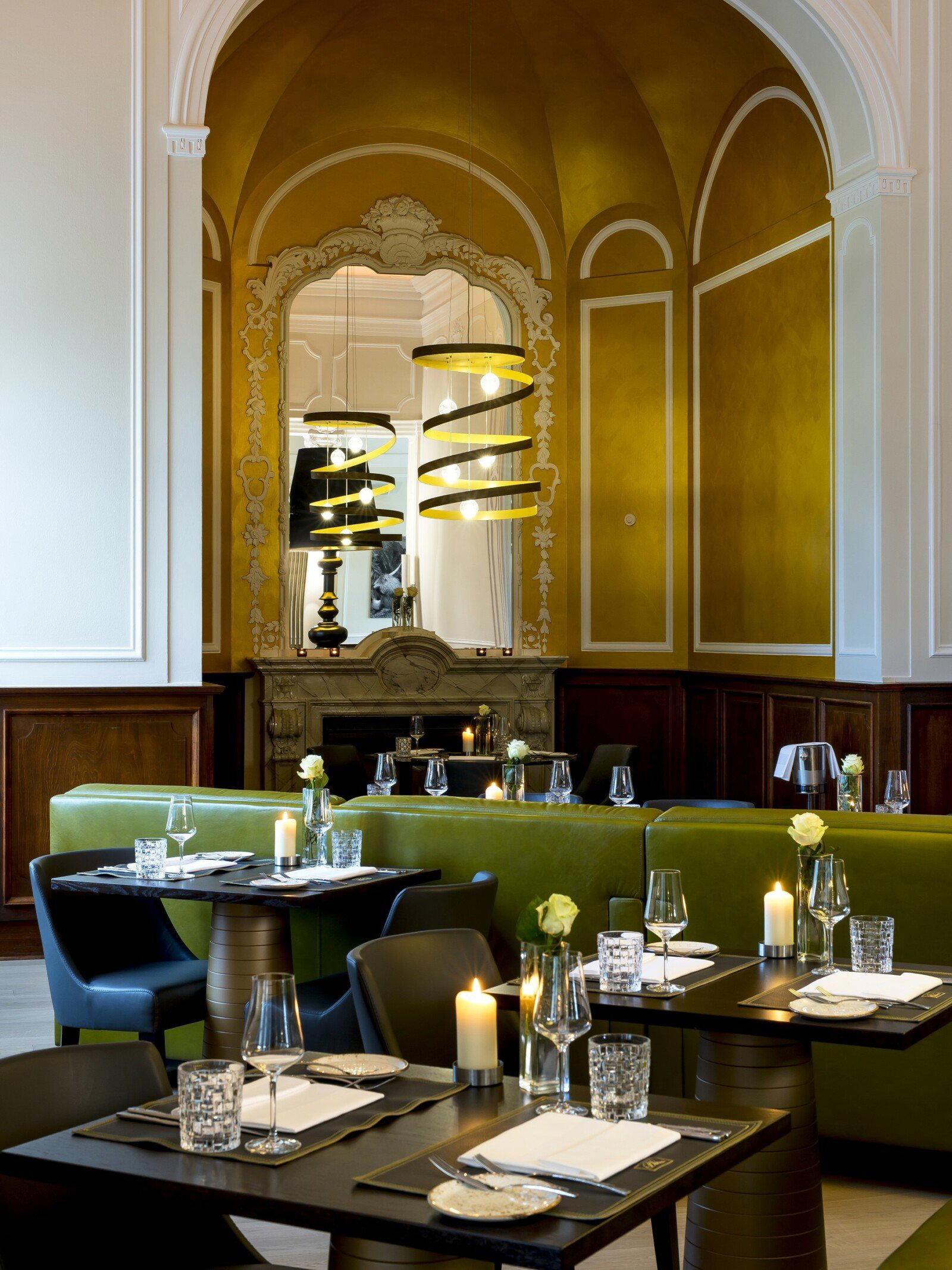
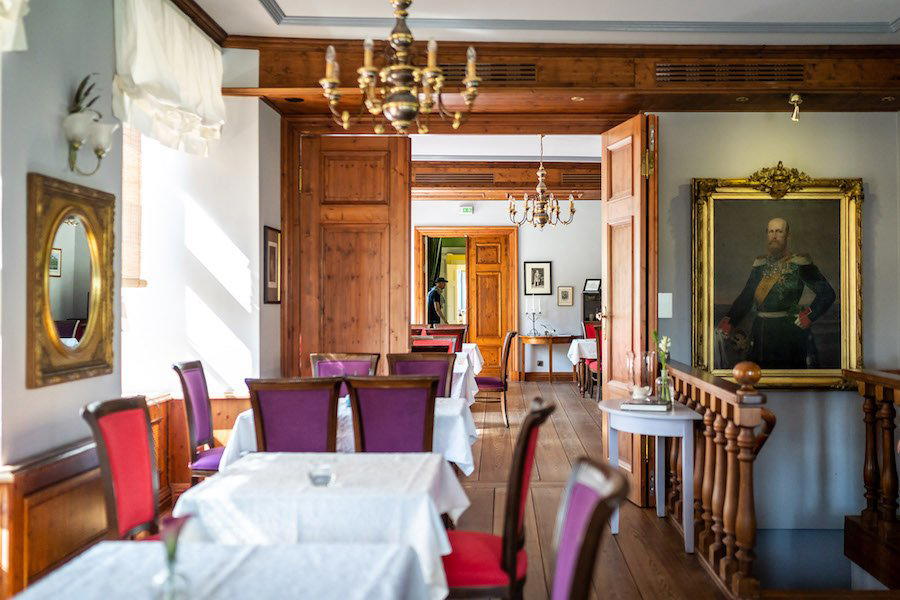
Bars in Hohen Demzin
Browse all →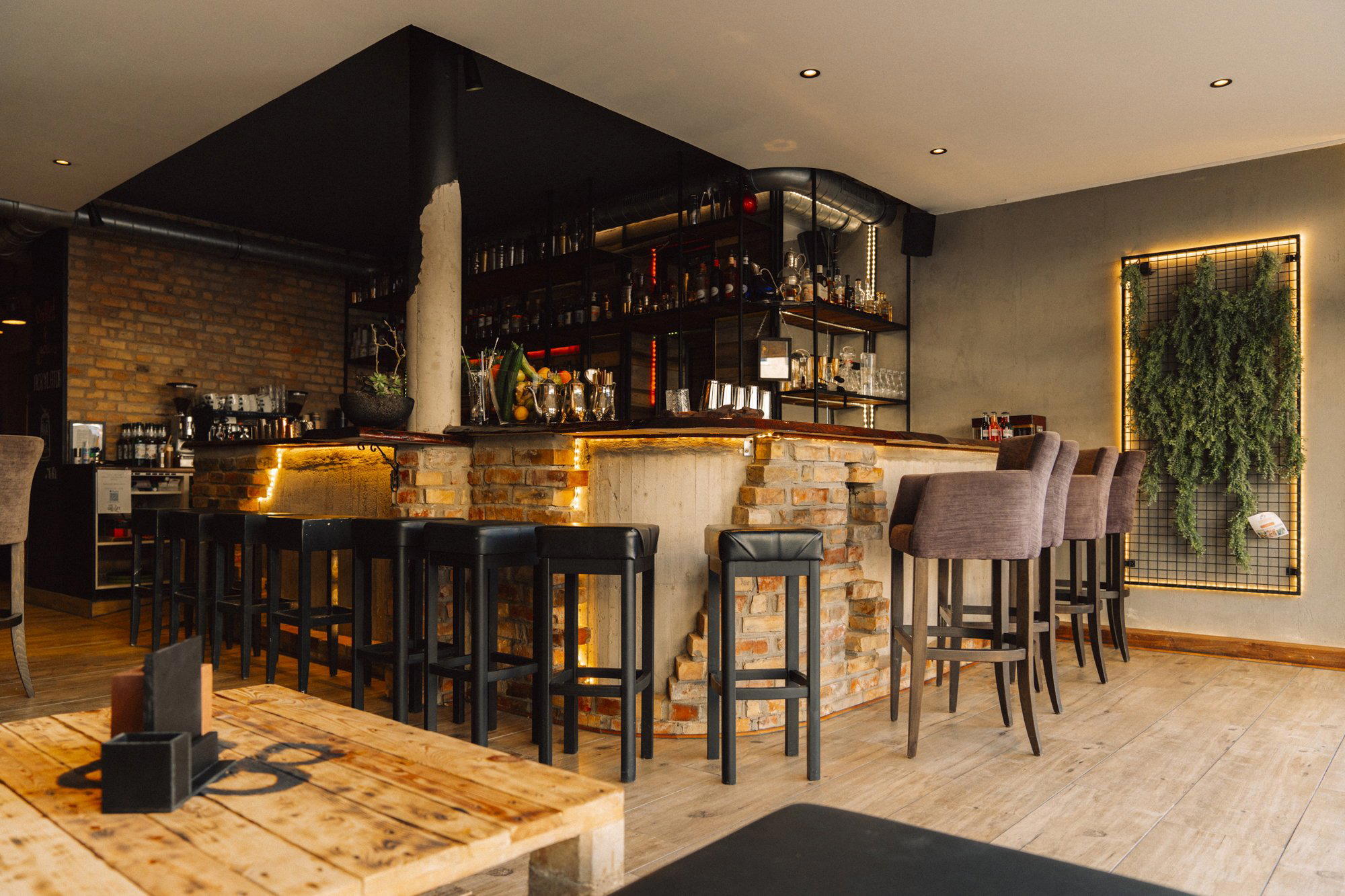
Hotels in Hohen Demzin
Browse all →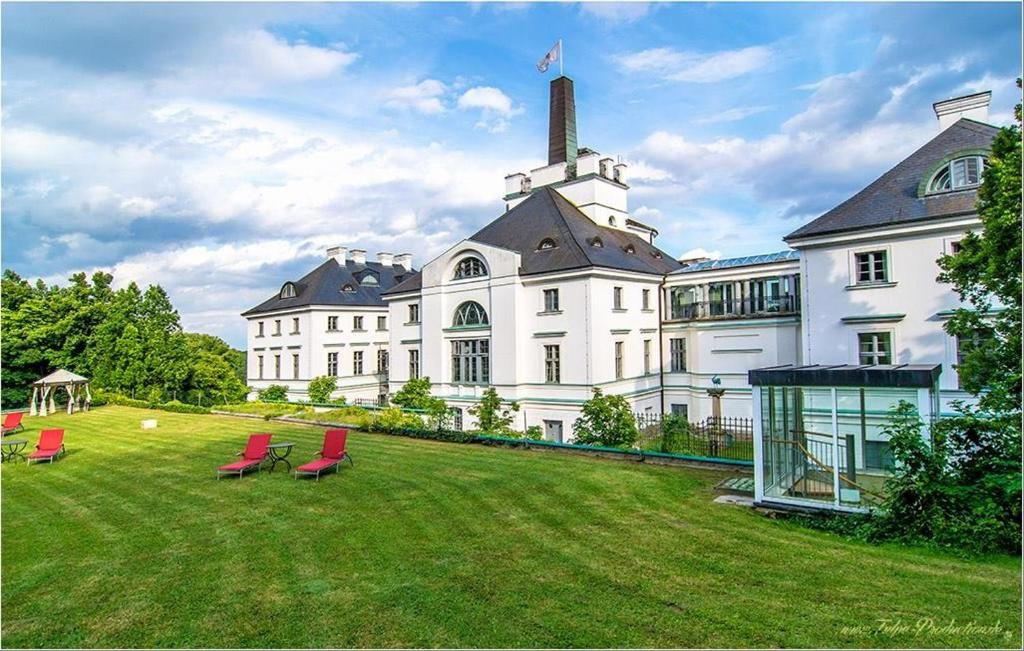
At a Glance
- Elegant
- Sophisticated
- Classic
- Romantic
- Historic
- Date Night
- Celebration
- Special Occasion
- Business Dinner
- Historic Building
- Hotel Restaurant
- Sommelier Led
- Extensive Wine List
- Local Sourcing
- Garden
Stylish and historic, with a refined château atmosphere and an elegant, intimate feel.