Cafe Brasserie Louise

Cafe Brasserie Louise gives Hohen Demzin a lighter counterpoint to the castle-hotel dining room: a brasserie framed by Mecklenburg-Vorpommern’s estate-country rhythms and a stated terroir-led kitchen. Its interest lies less in metropolitan spectacle than in how a rural hotel restaurant can translate local sourcing, daylight, and slower pacing into a polished but approachable meal.
Pearl is the En Primeur Club membership app — saves, bookings, and concierge access live there. Same editors, same standards.
- Address
- Burg Schlitz 2, 17166 Hohen Demzin (Mittelpunkt des Hotels, lichtdurchflutet)
- Phone
- 03996-12700
- Website
- burg-schlitz.de
- Directions
- Get directions
 Saves & bookings on Pearl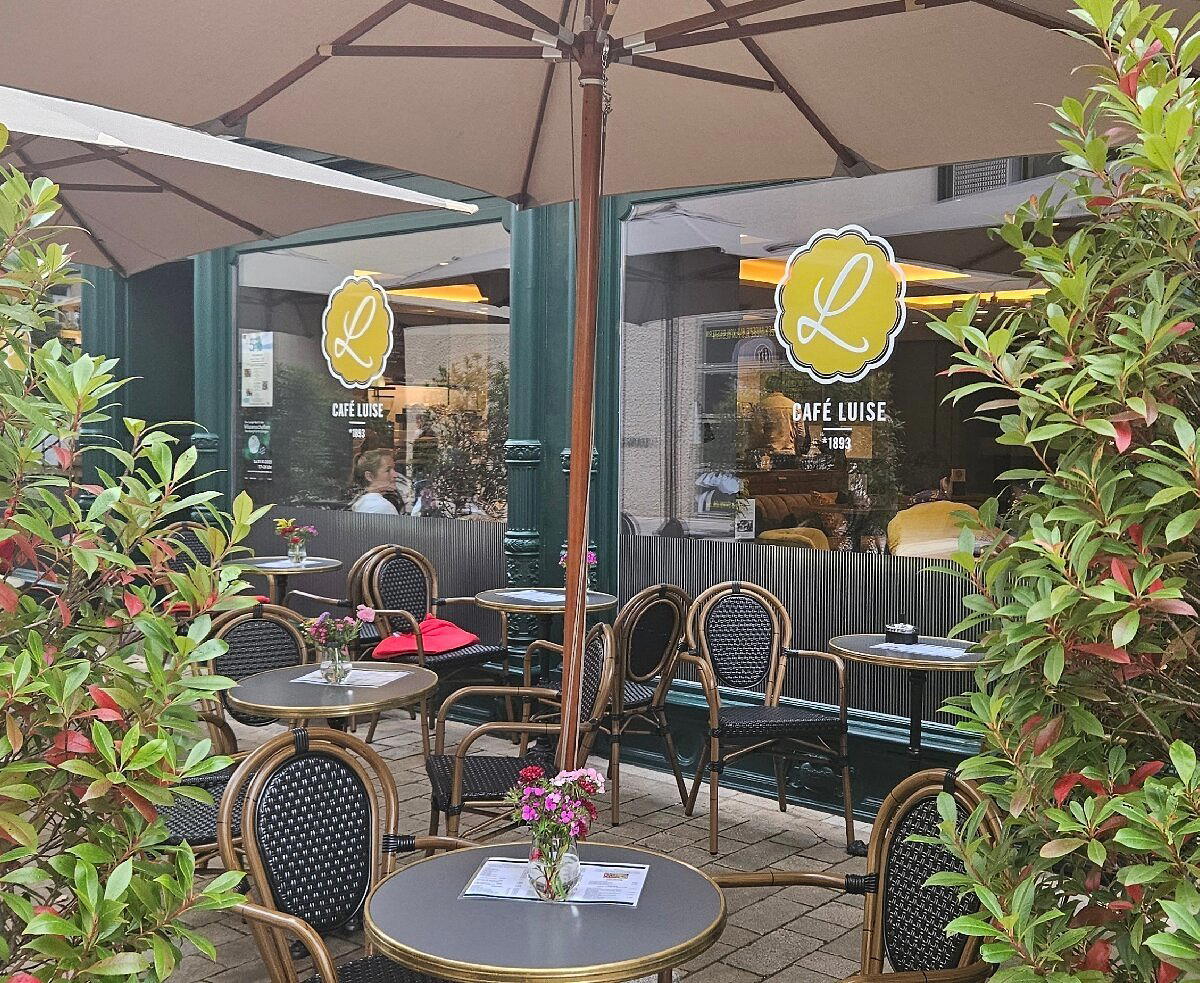
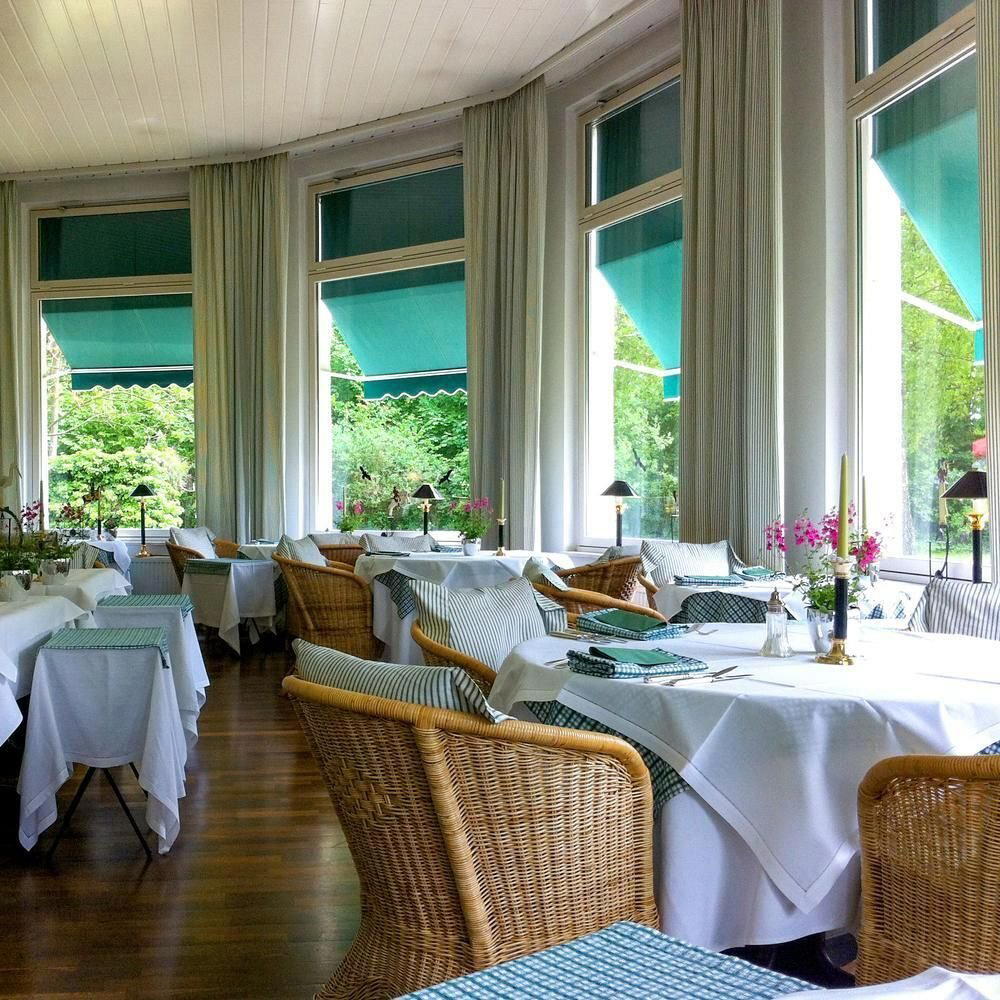
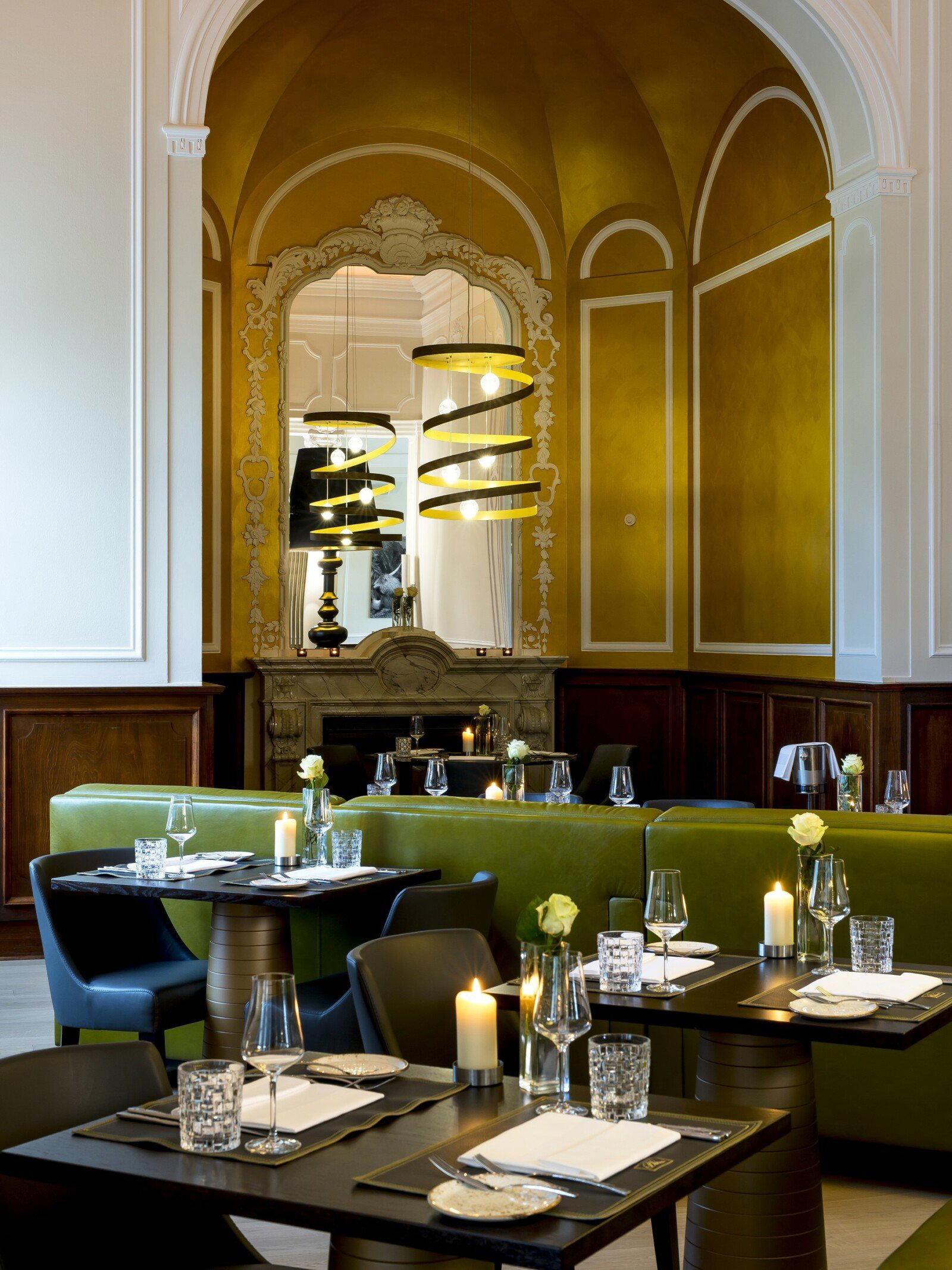
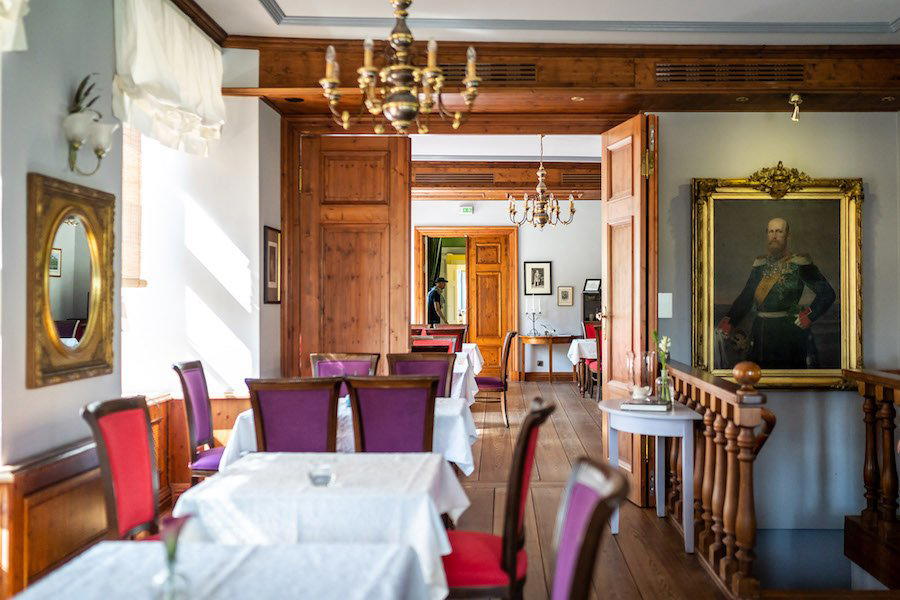
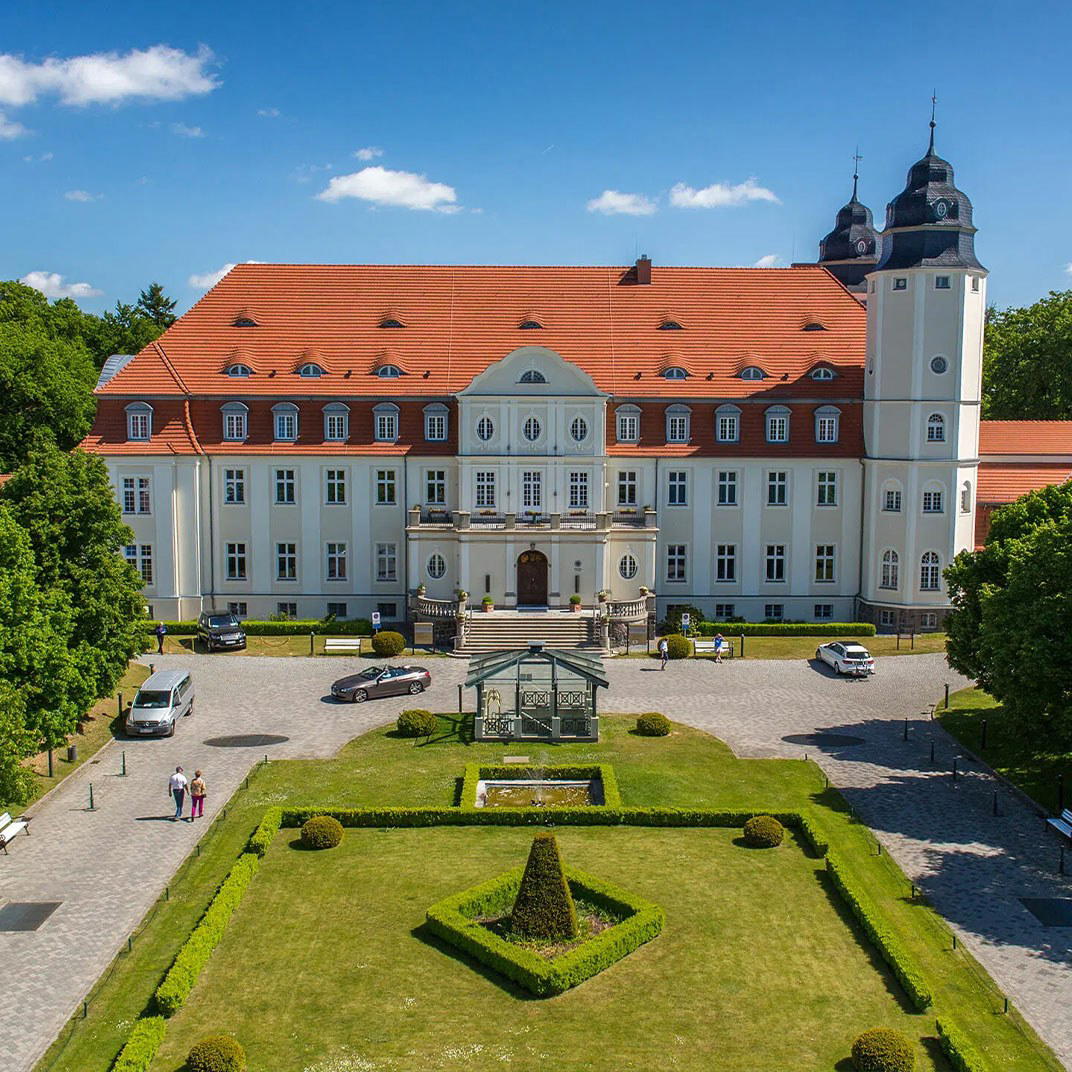
Light is the first cue here: the brasserie sits at the centre of Schlosshotel Burg Schlitz, in a room described as flooded with daylight rather than staged for dinner-room drama. In Hohen Demzin, that matters. This is not a city restaurant trying to compress noise, speed, and theatre into a meal; it belongs to Mecklenburg-Vorpommern’s estate-hotel tradition, where the kitchen is judged by how clearly it reads the surrounding countryside.
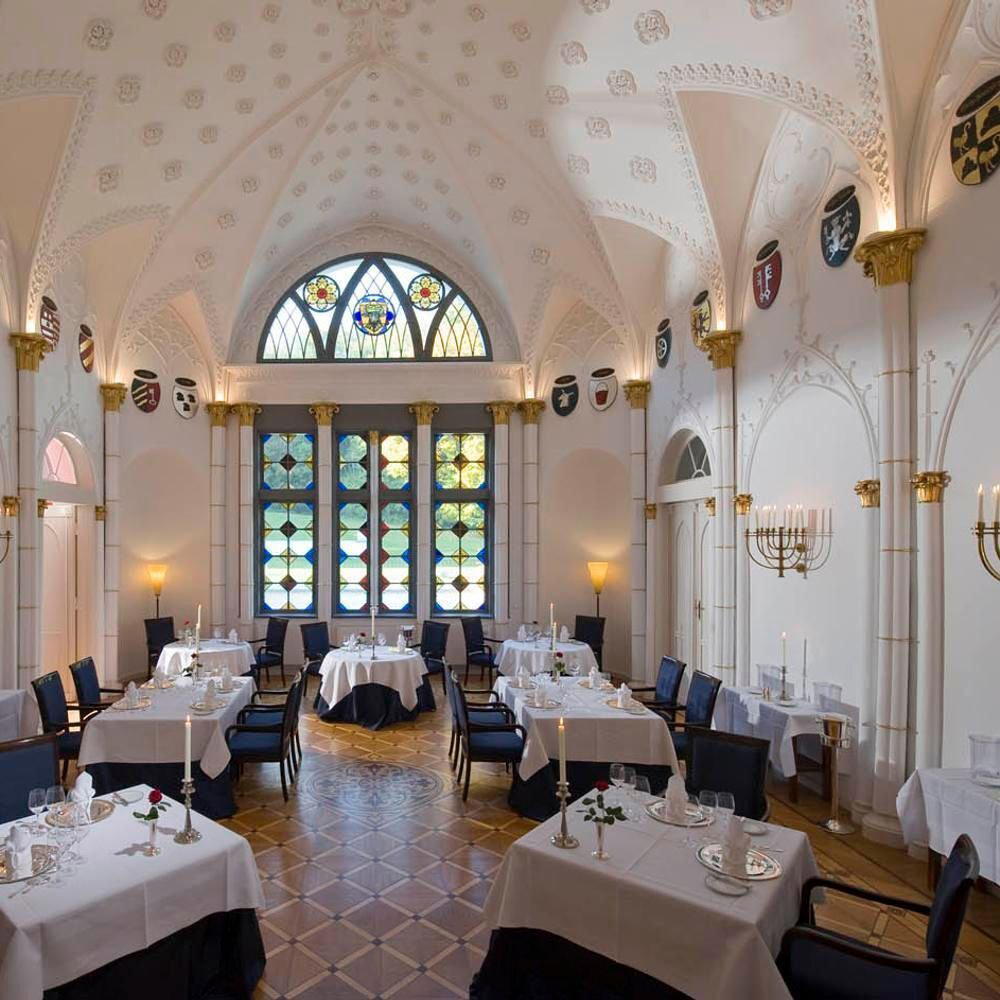
Cafe Brasserie Louise is listed within the 2026 Relais & Châteaux restaurant collection, a useful signal for travellers choosing between rural polish and destination dining formality. The format sits beside the property’s more ambitious in-house options, including Gourmetrestaurant Wappensaal (Creative cooking) and Wappen-Saal (Classic Cuisine). That internal comparison is the point: Hohen Demzin’s serious dining is concentrated inside one castle-hotel ecosystem, and the brasserie role is to make terroir legible without demanding the full ceremony of a grander room.
Estate-country cooking, read through sourcing rather than spectacle
The kitchen’s stated direction is an expression of terroir, a phrase that carries real weight in this part of Germany when handled with discipline. Mecklenburg-Vorpommern is agricultural, lake-cut, forested, and Baltic-facing; a credible brasserie here should not need imported theatrics to make a case for itself. The stronger reading is ingredient-led: a meal shaped by regional produce, hotel-garden logic, dairy, game, freshwater and seasonal vegetables when available, rather than by a fixed international luxury template.
Chef Maik Albrecht gives the restaurant a named culinary anchor, but the more interesting story is the role such a kitchen plays in a rural Relais & Châteaux property. In cities, brasseries often signal volume, late hours, and social traffic. In a country-house hotel, the brasserie becomes the flexible dining register: less formal than the tasting-menu room, more considered than a casual hotel lounge, and better suited to guests who want the estate’s sense of place without committing the evening to a more structured performance.
That distinction also helps explain how Hohen Demzin compares with broader German dining routes. A traveller chasing urban breadth might look to places such as [m]eatery in Hamburg, [m]eatery in Dresden, or [w]einklang in Nuremberg, where the city itself supplies the competitive pressure. Here, the competitive set is narrower and more self-contained. The question is not how many concepts are within walking distance; it is whether the property can provide enough culinary range to justify staying on the estate.
The brasserie lane inside a castle-hotel dining system
Castle hotels in Germany carry a built-in risk: the room can overwhelm the plate. Heavy furniture, heritage language, and old-world service signals can turn a meal into costume if the cooking lacks freshness. The brasserie format is a useful corrective because it lowers the temperature. Daylight, a central hotel position, and a less ceremonial register make the cooking easier to judge on clarity rather than grandeur.
Within Hohen Demzin, that lane has value. The town is small, and the dining map is not built around the dense neighbourhood choice found in Berlin, Hamburg, or Munich. Readers comparing the area can use our full Hohen Demzin restaurants guide for the immediate food context, then widen the planning frame through our full Hohen Demzin hotels guide, our full Hohen Demzin bars guide, our full Hohen Demzin wineries guide, and our full Hohen Demzin experiences guide. The practical implication is simple: dining here is part of a stay, not a standalone urban crawl.
Against out-of-area rural peers, the brasserie sits closer to the farm-and-estate conversation than to metropolitan concept dining. Comparison names such as Ich weiß ein Haus am See, Kleines Meer, and Blüchers Restaurant point to the same regional truth: outside major cities, credibility often comes from restraint, sourcing, and hospitality rhythm rather than constant reinvention. The better meals in this category know when to let place do the heavy lifting.
Who should choose this room over the formal table
This is the more relaxed choice for travellers who want the Schlosshotel Burg Schlitz setting without making dinner the night’s central production. It suits a lunch framed by daylight, an easier hotel dinner, or a meal where regional ingredients matter more than prestige signalling. Those seeking a more formal creative register should compare it directly with the property’s Wappensaal options before deciding.
The wider Germany map makes that choice clearer. A food-led itinerary might pair rural Mecklenburg with sharper city contrasts: "Inside Berlin" Food & Culture Tour in Berlin for capital-city context, [CANTINACCIA] in Heidelberg for a different regional register, [KOOK] 36 in Deggendorf for smaller-city dining, [maki:'dan] im Ritter in Durbach for hotel-linked cooking in wine country, #heimat im Badischen Hof in Buhl for Baden hospitality, and 100 Grad Restaurant in Ulm for another non-capital reference point. Even international contrasts, such as Jōdo Saké Bar in Los Angeles and Onigiri Time in Pasadena, underline the same editorial point: format only works when it matches its setting.
The recommendation is specific rather than universal. Choose the brasserie when the priority is a terroir-minded, estate-hotel meal in Mecklenburg-Vorpommern with less formality than the property’s grander dining rooms. Choose elsewhere on the property when the evening calls for a more deliberate culinary statement.
In Context: Similar Options
Comparable venues by cuisine and price in the same metro.
| Venue | Cuisine | Price | Awards |
|---|---|---|---|
| Cafe Brasserie Louise | Not listed | This venue | Not listed |
| Wappen-Saal | Classic Cuisine | €€€€ | Classic Cuisine, €€€€ |
| Gourmetrestaurant Wappensaal | Creative cooking | Creative cooking | Not listed |
| Ich weiß ein Haus am See | Classic French | €€€€ | Classic French, €€€€ |
| Kleines Meer | Farm to table | €€ | Farm to table, €€ |
Recognition history
Dated appearances from independent guides and award organizations, with the underlying list record or original source where available.
Relais Chateaux Award
Relais Chateaux
Continue exploring
More in Hohen Demzin
Restaurants in Hohen Demzin
Browse all →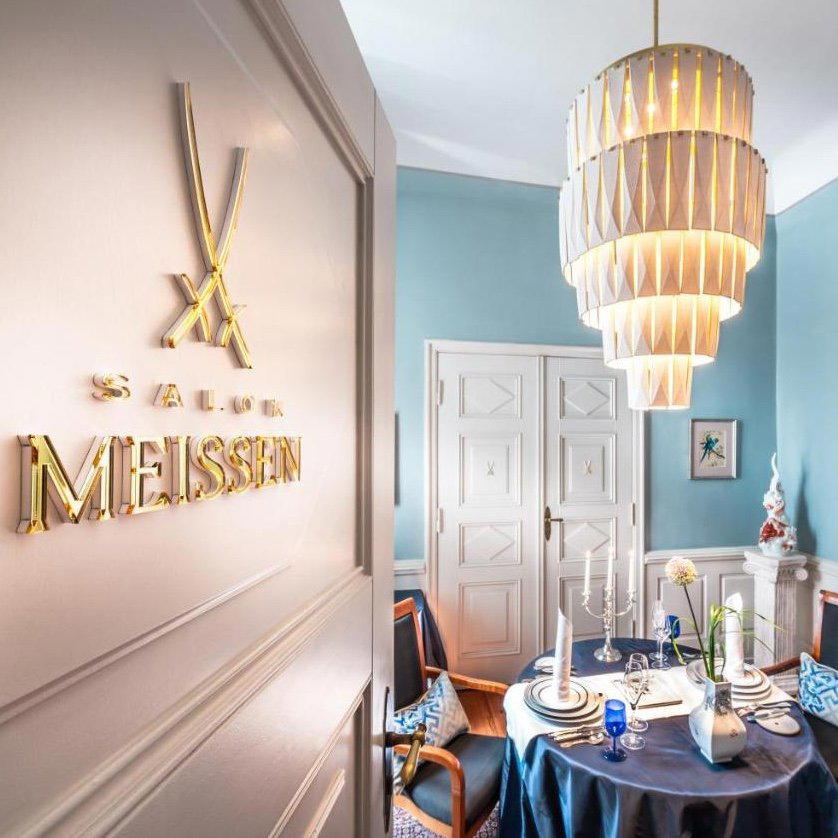
Bars in Hohen Demzin
Browse all →
Hotels in Hohen Demzin
Browse all →
At a Glance
- Elegant
- Classic
- Scenic
- Cozy
- Romantic
- Date Night
- Group Dining
- Casual Hangout
- Special Occasion
- Private Event
- Historic Building
- Hotel Restaurant
- Garden
- Private Dining
- Extensive Wine List
- Local Sourcing
- Garden
Lichtdurchfluteter, stilvoller Raum im historischen Schlossambiente, entspannt und persönlich geführt, ideal für ruhige Auszeiten nach Spaziergängen im Schlosspark oder Besuchen im Spa.