
Michelin Plate
Our verdict
A farmhouse inn on the Arlberg road since 1775, Gasthof Rössle operates as Innerbraz's most grounded argument for regional sourcing done seriously. Third-generation chef Valentin Bargehr builds a short menu around seasonal, almost exclusively local ingredients, with wood-panelled dining rooms and a terrace beside the parish church completing a picture that has changed very little in the ways that count.

Pearl is the En Primeur Club membership app, where members save venues, book tables and use the concierge.
Where the Arlberg Road Meets 250 Years of Austrian Farmhouse Cooking
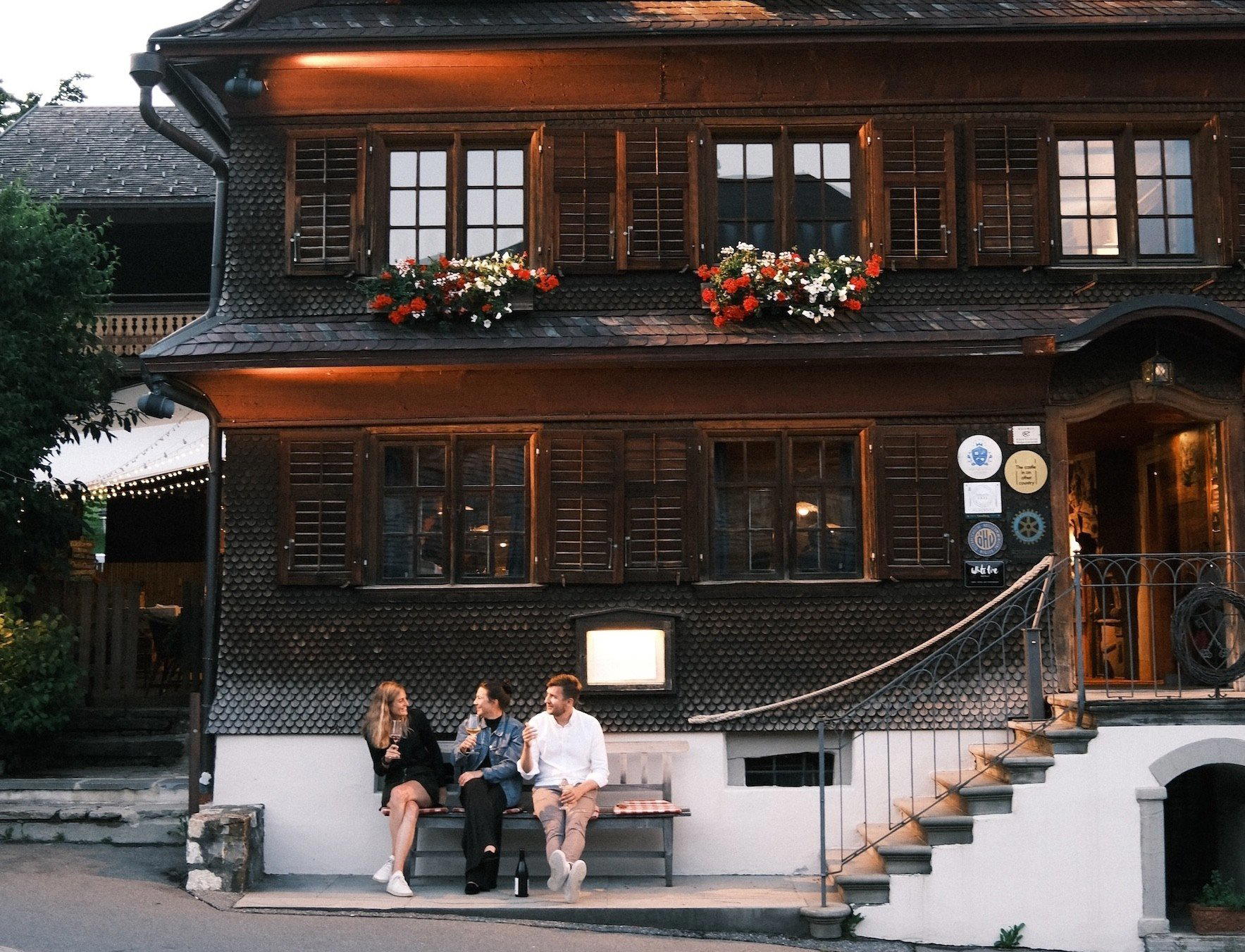
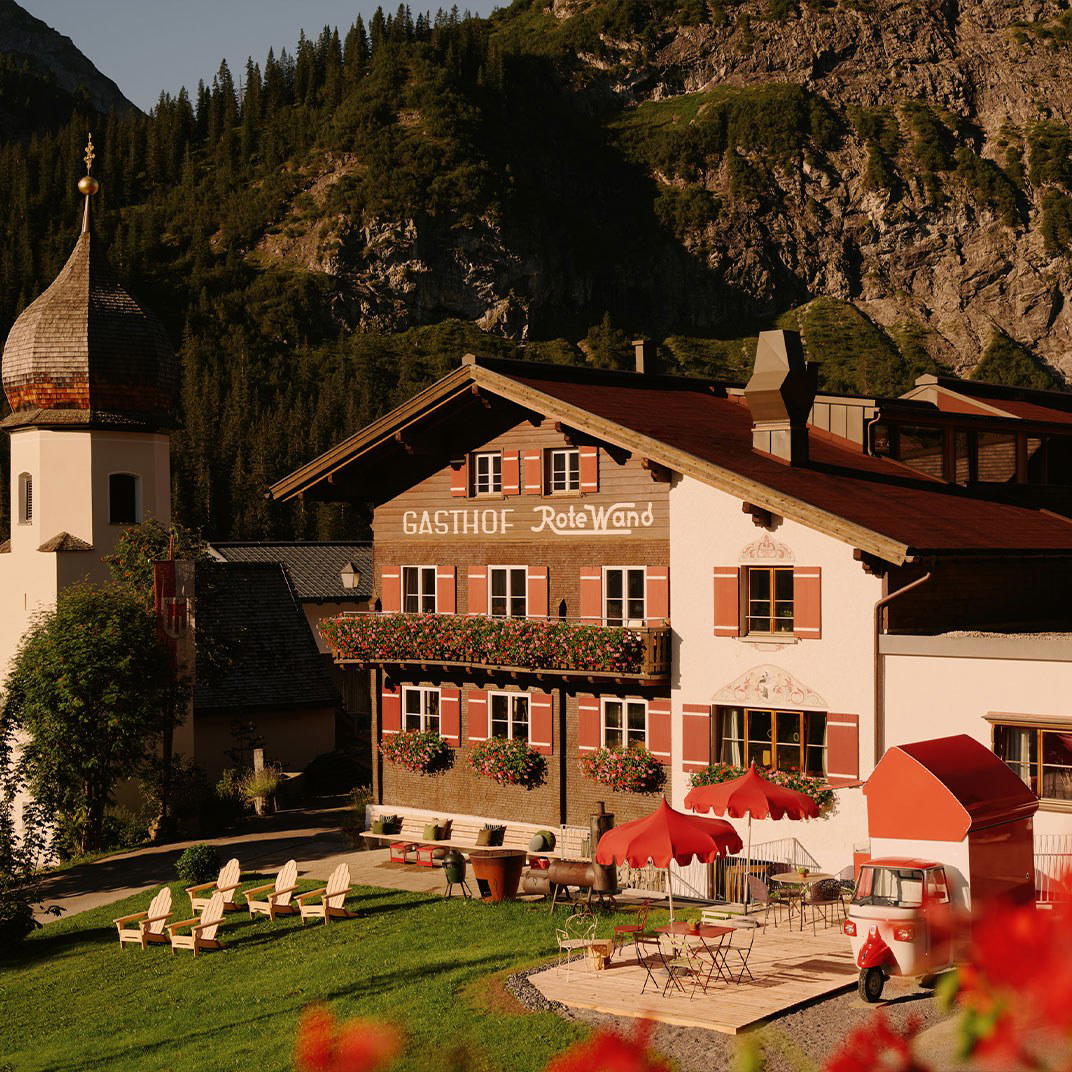
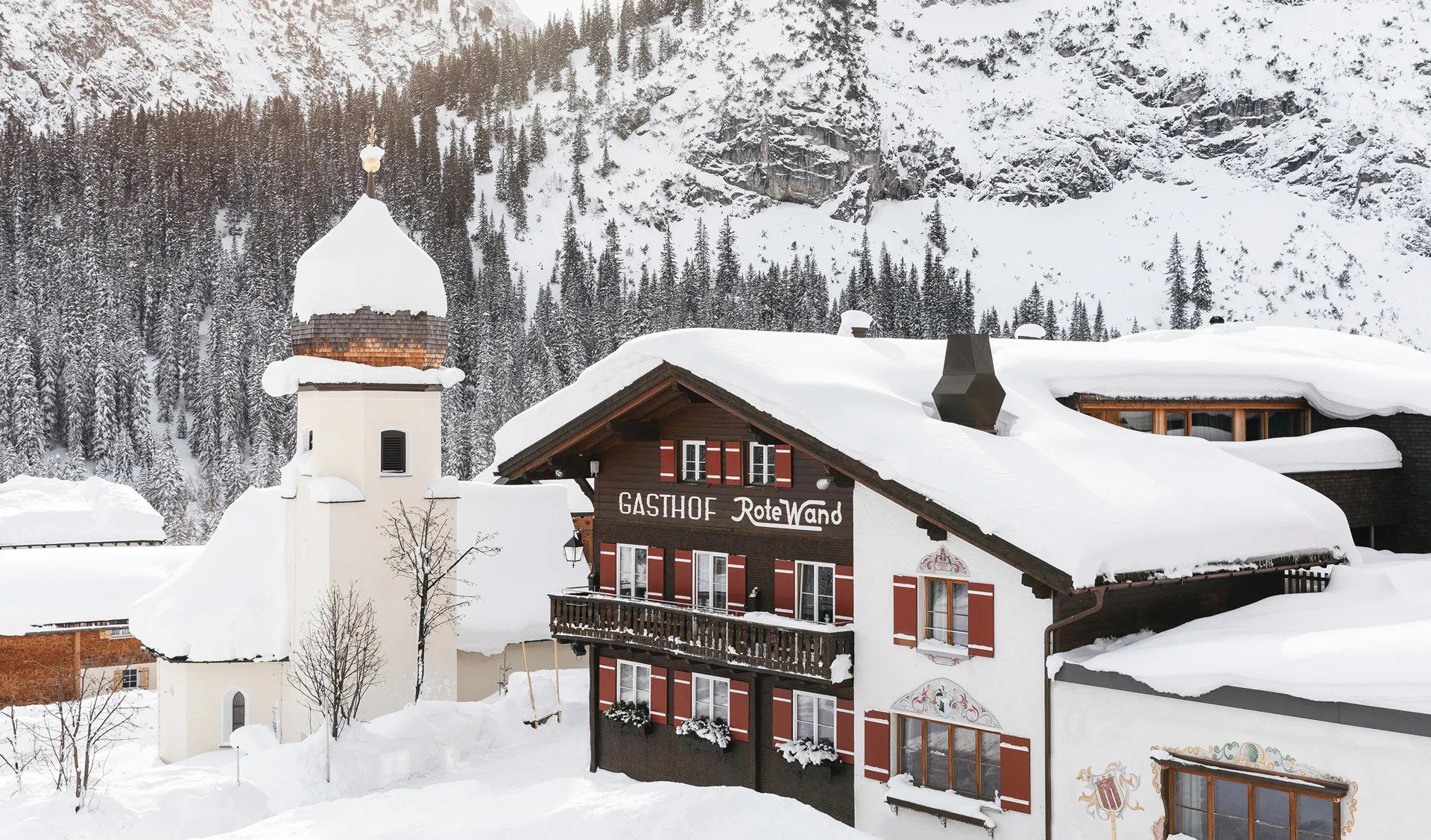
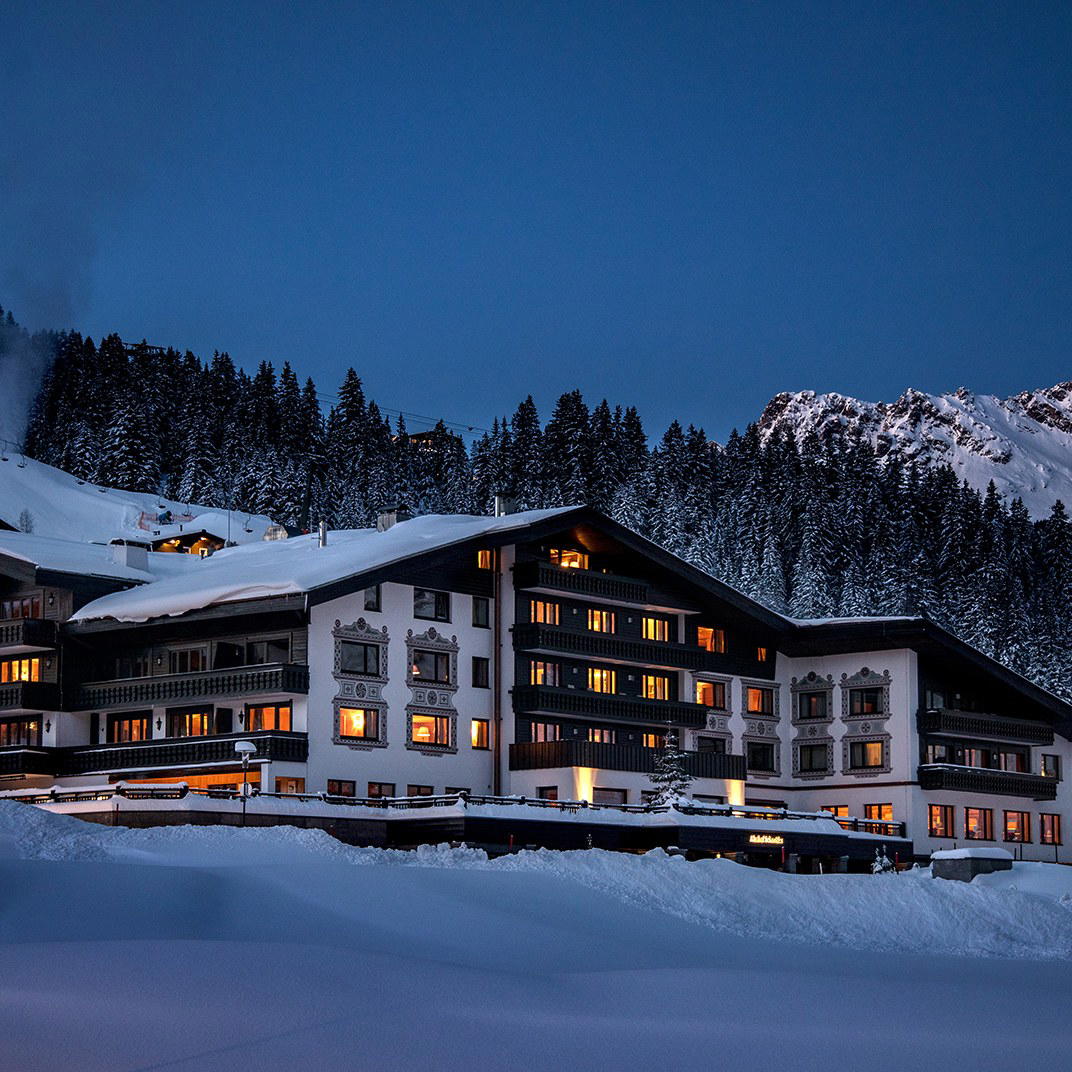
Approach Innerbraz from the Arlberg pass and the parish church of Pfarrkirche St Nikolaus arrives first, its tower orienting the compact village centre. Immediately beside it, at Arlbergstraße 61, the Gasthof Rössle presents itself without ceremony: a solid farmhouse building whose proportion and position speak to functional permanence rather than any designed visual statement. The terrace out front, shaded by mature trees, faces the street at an unhurried angle. This is not a destination that announces itself; it expects you to know why you have come.
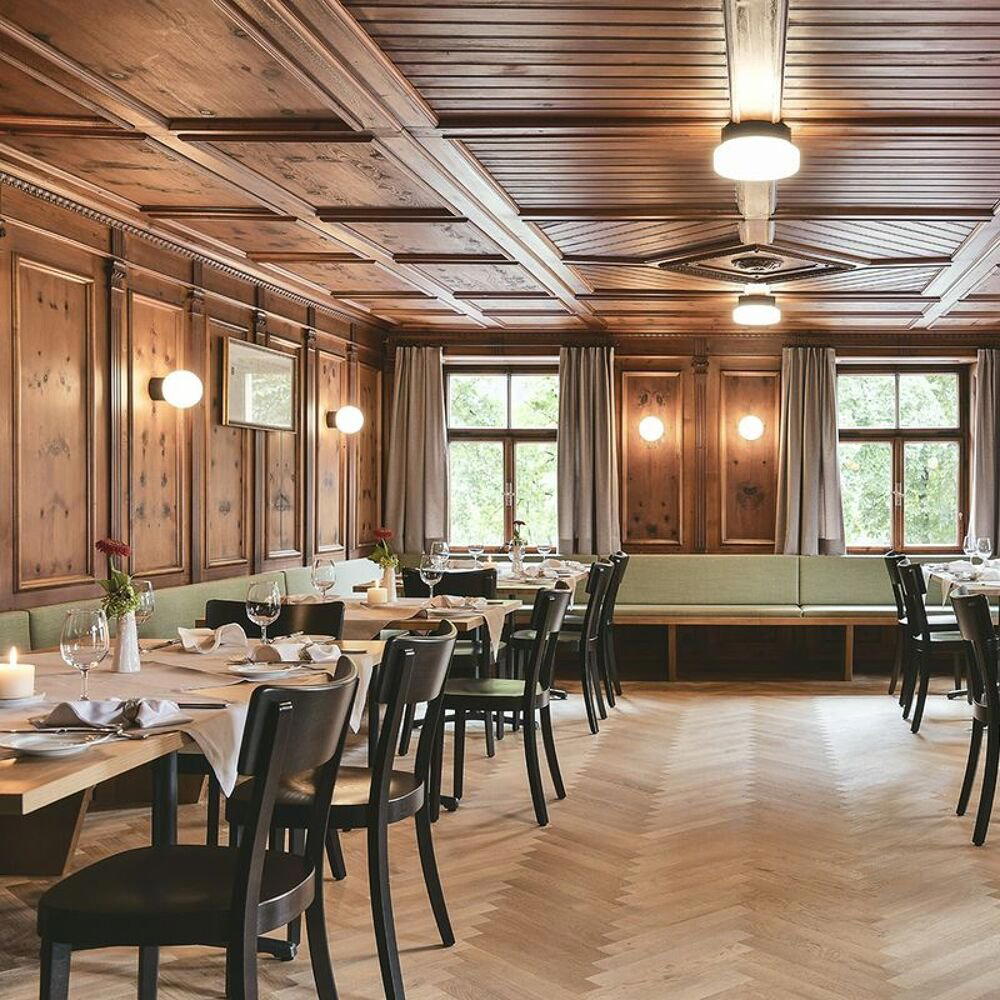
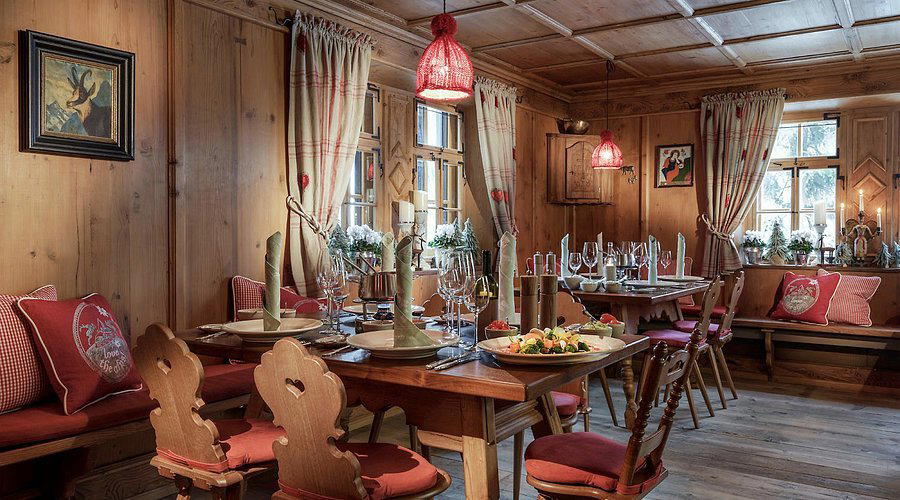
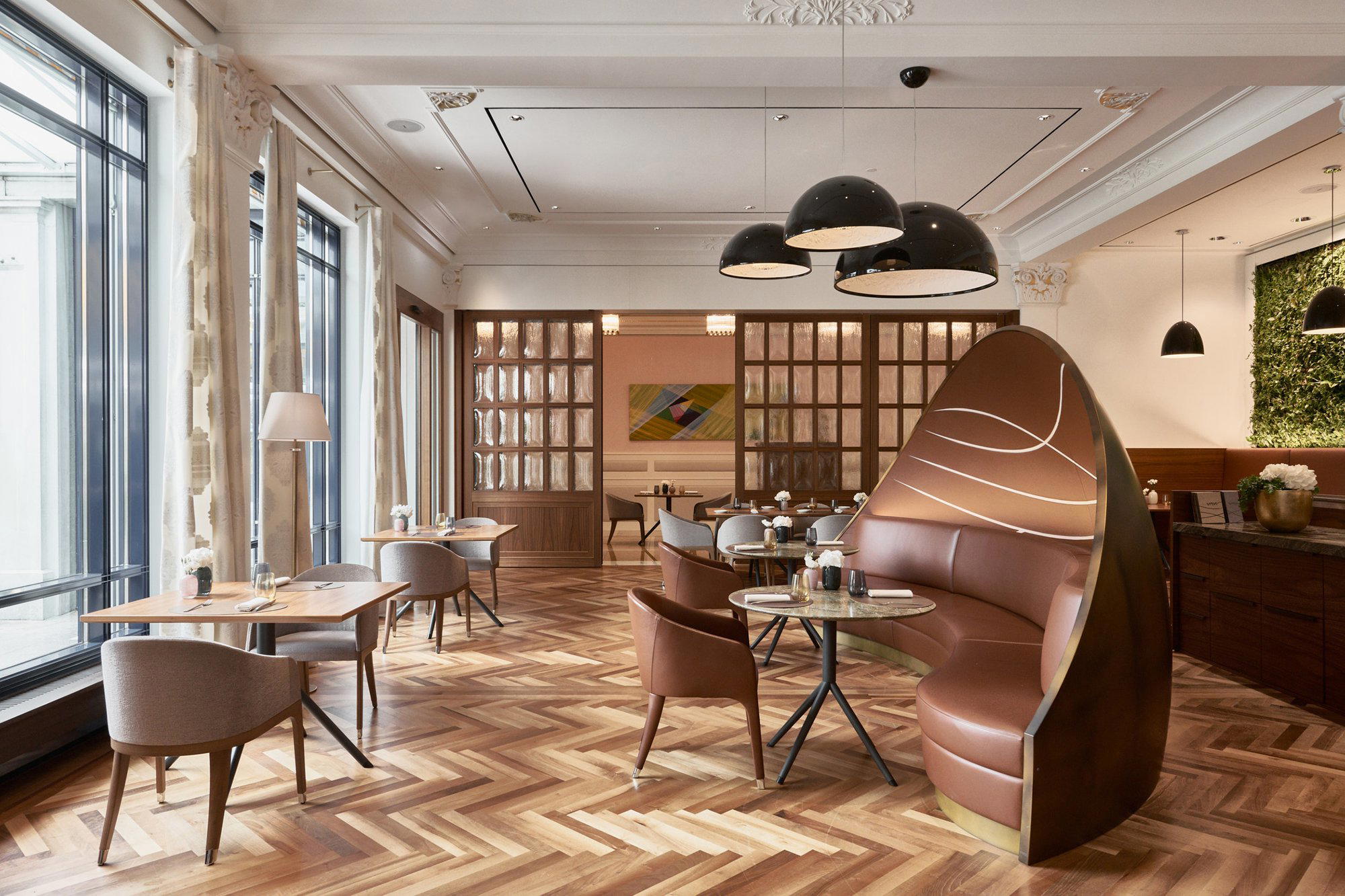
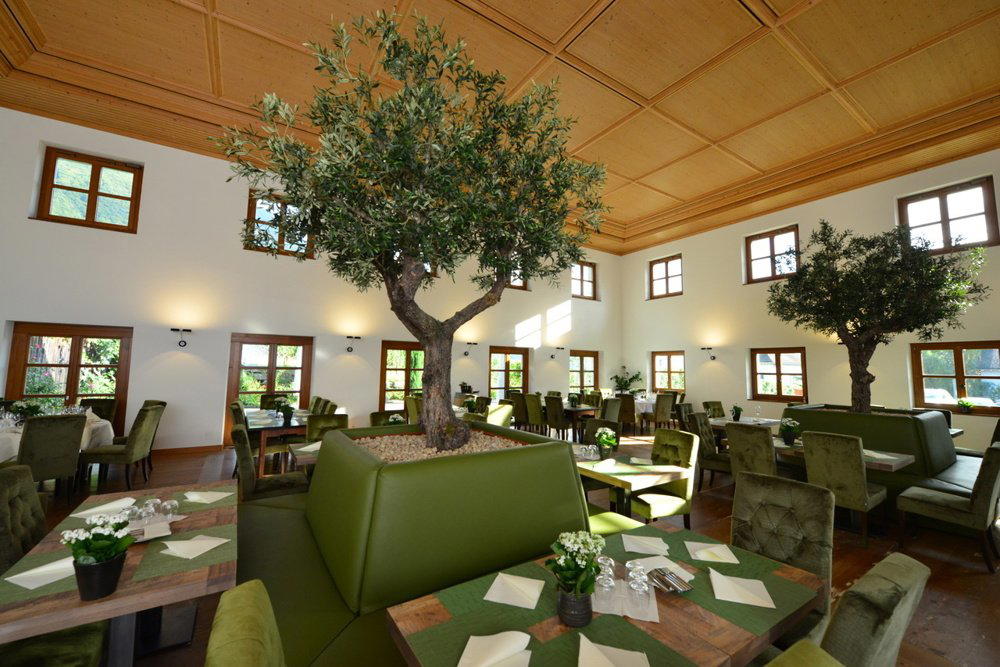
The building has been an inn since 1775, which places it among the older continuously operating hospitality addresses in Vorarlberg. That longevity is not incidental to the experience. It shapes the pace of service, the weight given to regional sourcing, and the unspoken assumption that a guest at the table knows something about Austrian mountain cooking. Inside, the dining spaces include wood-panelled rooms that carry the particular warmth of old-growth timber and low ceilings, alongside lighter areas that open more easily to the terrace. The effect is layered rather than uniform, which suits the Bregenzerwald and Arlberg context: this region has always maintained a sharper sense of local identity than Austria's flatter, more cosmopolitan provinces.
The Sourcing Argument at the Centre of the Menu
Austrian alpine cooking at its finest has always been shaped by what a village could grow, raise, or catch within reasonable distance. At Gasthof Rössle, that constraint operates not as nostalgia but as an active editorial position. The menu draws on seasonal, almost exclusively local ingredients, and the dishes that result are specific in the way that only tight sourcing allows. A fish soup labelled with the restaurant's own name signals provenance accountability; the kitchen is putting its identity behind the ingredient chain, not simply offering a dish.
The same logic governs the chanterelles that appear alongside veal cheeks in one of the three-course set menus. Chanterelles in the Austrian alpine calendar arrive with mountain summer, and their presence on a menu is a reliable indicator of seasonal fidelity rather than supply-chain convenience. The pumpkin capuns and grilled vegetables offered in the vegetarian set menu draw on another strand of Vorarlberg tradition: capuns, the leaf-wrapped pasta-like dumplings originating in Graubünden and naturalised across the Rhaeto-Romance border zones, appear here adapted to the autumn harvest rather than treated as a heritage curiosity. These are not dishes invented for aesthetic effect; they are the product of a kitchen that understands what its immediate geography produces and in which months.
The à la carte section reinforces this with roast chicken served alongside mixed salad, lingonberries, and parsley potatoes. That combination is deliberately unedited: the sourness of lingonberries against roast fat is an old Tyrolean correction, not a contemporary flavour pairing. Restraint of this kind requires more confidence than elaboration. For comparison, the kitchens driving Austria's high-end dining conversation, among them Steirereck im Stadtpark in Vienna or Ikarus in Salzburg, operate with transformation and creativity as their primary registers. Gasthof Rössle operates in a different register entirely, one where the ingredient itself is the point and cooking serves to clarify rather than reconstruct.
Closer geographically, the Arlberg corridor supports some of Austria's most serious dining addresses: Gourmetrestaurant Tannenhof in Sankt Anton am Arlberg and Griggeler Stuba in Lech anchor the fine-dining end of the regional spectrum. Gasthof Rössle occupies a different position in the same geography: a working Gasthaus rather than a resort destination, serving the daily rhythm of a village rather than the aspirational weekend of a ski visitor. Both registers matter; they serve different needs with equal seriousness.
Family Operation, Third Generation
The Bargehr family's multi-generational stewardship of this address is relevant not as biography but as structural context. Third-generation ownership in a small alpine Gasthaus typically means accumulated supplier relationships, deep familiarity with what local farms and foragers can reliably deliver across the calendar, and an absence of the pressure to reinvent that affects newer operations. Valentin Bargehr handles the kitchen; his brother Martin manages front of house. A family-divided service model of this kind, where cooking and hosting are separated between relatives rather than contracted to hired staff, produces a consistency of tone across the meal that is difficult to replicate at scale. It also tends toward genuine rather than performed warmth.
For context on other family-driven or deeply rooted Austrian addresses worth considering in the wider region, Landhaus Bacher in Mautern an der Donau and Obauer in Werfen represent the high end of the tradition. Further afield in the Austrian alpine cooking world, Kräuterreich by Vitus Winkler in Sankt Veit im Pongau pursues a parallel commitment to local herb and plant sourcing. Ois in Neufelden, Schwarzer Adler in Hall in Tirol, Stüva in Ischgl, and Restaurant 141 by Joachim Jaud in Mieming each occupy distinct positions across Tyrol and the western Austrian dining map. None of them are direct peers of Gasthof Rössle in format or register, which is precisely the point: the Rössle belongs to a category of its own within this geography.
Planning Your Visit
The Gasthof Rössle sits on the main Arlberg road through Innerbraz, making it accessible for travellers moving between Bludenz and the pass. The building also offers guestrooms, meaning an overnight stay converts the meal into a base rather than a detour. Given the restaurant's reported popularity and relatively modest scale, booking ahead is necessary rather than merely advisable: walk-in availability at a well-regarded village Gasthaus of this type in a high-season period should not be assumed. Advance reservation is the correct approach regardless of when you are travelling.
The menu structure, with both set options and à la carte dishes, accommodates different table intentions: a two-hour lunch around the three-course vegetarian menu sits alongside a longer à la carte evening as equally legitimate uses of the room. The wood-panelled interior and tree-shaded terrace are suited to tables of two through to family groups; the format is relaxed enough that children are a natural presence without the restaurant being specifically oriented toward them.
For more on what Innerbraz and the surrounding area offer across dining, accommodation, and local discovery, see our full Innerbraz restaurants guide, our full Innerbraz hotels guide, our full Innerbraz bars guide, our full Innerbraz wineries guide, and our full Innerbraz experiences guide.
Frequently asked questions
Would Gasthof Rössle be comfortable with kids?
The setting, a historic inn with multiple dining rooms and a tree-shaded terrace beside the parish church of Pfarrkirche St Nikolaus, is relaxed enough for families. The à la carte menu includes straightforward dishes like roast chicken with parsley potatoes, which translate well across age groups.
How would you describe the vibe at Gasthof Rössle?
Think wood-panelled rooms in a building that has been welcoming guests since 1775, with service run by Martin Bargehr while his brother Valentin cooks. It reads as a working Austrian gasthaus rather than a destination restaurant, unhurried, locally oriented, and grounded in the village rather than performing for visitors.
What awards or recognition does Gasthof Rössle have?
Gasthof Rössle has received recognition including: Currently at the helm of this restaurant, once an inn (dating back to 1775), is Valentin Bargehr, the third generation of the family. On the first floor of this building next to the parish church, Pfarrkirche St Nikolaus, diners are welcome….
What's the best thing to order at Gasthof Rössle?
The kitchen's strengths lie in seasonal alpine produce: veal cheeks with chanterelles and noodles appear on the three-course set menu and represent the kind of dish this kitchen is built around. The Rössle fish soup on the à la carte menu is also a named house dish worth ordering.
Where exactly is Gasthof Rössle?
Gasthof Rössle is located at Arlbergstraße 61, Innerbraz.
How hard is it to get a table at Gasthof Rössle?
Advance booking is strongly recommended, the restaurant is noted as very popular, which carries weight for a village address on the Arlberg road. Arriving without a reservation, particularly in summer or ski season, is a risk not worth taking.
What's the signature at Gasthof Rössle?
The two three-course set menus, one featuring veal cheeks with chanterelles, one a vegetarian option with pumpkin capuns and grilled vegetables, define the kitchen's identity better than any single dish. Both are built from seasonal, almost exclusively local ingredients, which is the consistent thread across the entire menu.
Comparable Spots, Quickly
Comparable venues nearby, for context on price, style, and recognition.
| Venue | Cuisine | Price | Awards | Notes |
|---|---|---|---|---|
| Gasthof RössleThis venue (the venue you are viewing) | Traditional Austrian Gastropub | Not listed | Michelin Plate | Not listed |
| Walserstuba | Walser Regional Austrian | Not listed | Michelin Plate | Riezlern |
| Gufer 55 | Regional Austrian with Vorarlberg Specialties | $50–100 | Michelin Bib Gourmand | Brandnertal |
| Hotel Post Ursprung | Alpine-Mediterranean | Not listed | Star Wine List | Ischgl center |
| Gasthaus Rössle | Modern Austrian | $30–50 | Not listed | Nenzing |
| Ski- und Wanderhotel Jägeralpe | Regional Austrian Mountain Cuisine | $50–100 | Not listed | Warth |
Recognition history
Dated appearances from independent guides and award organizations, with the underlying list record or original source where available.
Michelin Plate
Michelin · 2026 Michelin Plate
Full recognition history (2 entries)
Michelin Bib Gourmand
Michelin
Continue exploring
More in Innerbraz
Restaurants in Innerbraz
All restaurants in Innerbraz →
Bars in Innerbraz
Browse all →

Details
- Cozy
- Rustic
- Classic
- Family
- Date Night
- Special Occasion
- Garden
- Historic Building
- Extensive Wine List
- Local Sourcing
- Mountain
- Garden
- A La Carte
- Vegetarian Friendly
Cozy and welcoming atmosphere with warm lighting, garden seating under trees, and attentive service creating a homely yet refined dining experience.