Endlich

Endlich brings Scandinavian cooking to the Austrian Alps with consecutive Michelin Plate recognition in 2024 and 2025, and a mid-tier price point (€€€) that sits below the two starred rooms in Sankt Anton. The kitchen's northern European framework, wild herbs, foraged ingredients, clean acidity, makes it a deliberate departure from the region's cheese-and-game defaults.
Pearl is the En Primeur Club membership app — saves, bookings, and concierge access live there. Same editors, same standards.
- Address
- Dorfstraße 61, 6580 St. Anton am Arlberg, Austria
- Phone
- +43 5446 42538
- Website
- endlich-arlberg.at
- Directions
- Get directions
 Saves & bookings on Pearl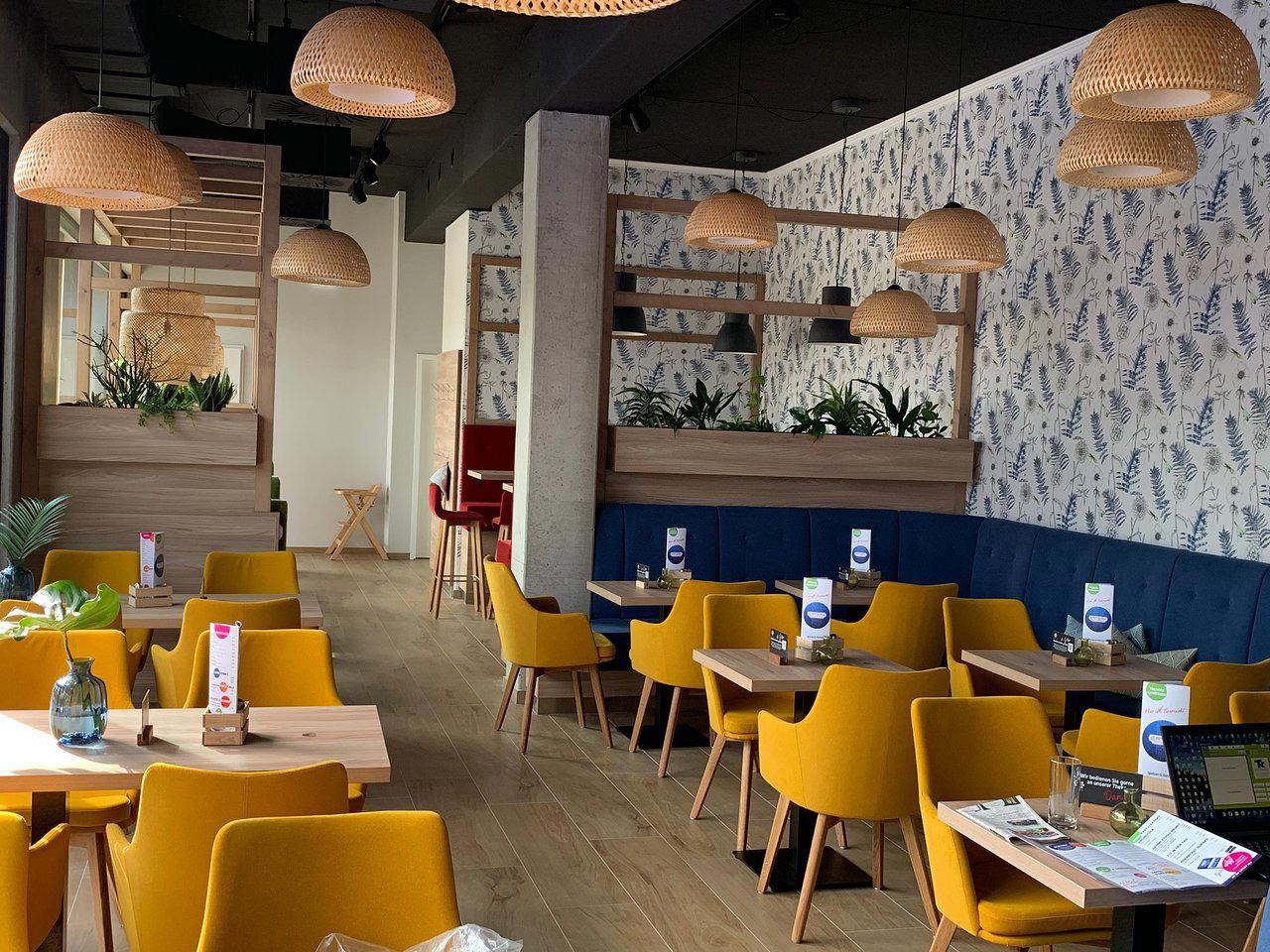
Where Nordic Foraging Lands in the Alps
Sankt Anton am Arlberg is, for most of the year, a town organised around altitude. The skiing is serious, the après culture is loud, and the dining scene clusters into two distinct registers: hearty Alpine tradition and Michelin-chasing refinement. Gourmetrestaurant Tannenhof anchors the upper end with two Michelin stars and a price tier (€€€€) that makes it destination dining for the region. Alpin Gourmet Stube occupies its own starred position one tier below. What has been largely absent from Sankt Anton, until recently, is a third direction: cooking rooted not in Alpine tradition but in northern European foraging culture, arriving at the table via Scandinavian technique.
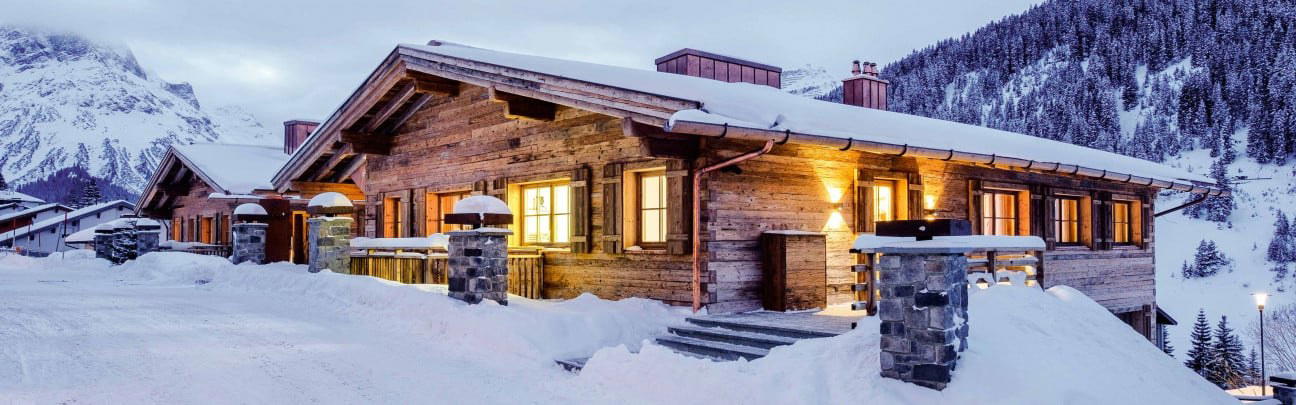
Endlich is a restaurant at Dorfstraße 61 in St. Anton am Arlberg, Austria. The address places it on the main village artery, close enough to the pedestrian core that arriving on foot from the ski area is direct. The physical setting matters here: walking into a restaurant committed to Scandinavian kitchen philosophy in the middle of the Tyrolean mountains requires a certain atmospheric dissonance, and Endlich makes no effort to mask it. That clarity of identity is, in the end, its strongest editorial statement about where Sankt Anton's dining scene is moving.
The Scandinavian Framework in an Alpine Room
Scandinavian cuisine, at its most rigorous, is built around four ideas: wild-gathered ingredients, fermentation and preservation, clean acidity, and restraint at the point of plating. It is the framework that earned Nordic restaurants a generation of international critical attention, and it has since spread well beyond Scandinavia itself. In the Alpine corridor, scattered kitchens have experimented with the format, though the dominant idiom remains Central European. Griggeler Stuba in Lech, forty minutes west, works a sophisticated mountain-contemporary line without leaving the regional frame. Kräuterreich by Vitus Winkler in Sankt Veit im Pongau pursues an herb-forward Austrian approach that shares some DNA with Nordic foraging logic but arrives from a different cultural root.
Endlich operates inside the Scandinavian framework directly. The cuisine type listed in the record is unambiguous: this is not Alpine food with Nordic inflection. The kitchen draws on the northern European pantry, wild berries, foraged mushrooms, reindeer moss, spruce shoots, coastal herbs, and applies the preservation techniques that define the tradition: cold-smoking, lacto-fermentation, pickling, drying. In the Austrian Alps, where the surrounding terrain offers birch forests, mountain meadows, and high-altitude flora that overlap significantly with Scandinavian foraging ground, that pantry finds surprising local traction. The ingredients are not airfreighted from Oslo.
Michelin Recognition and the Plate Standard
Endlich holds Michelin Plate recognition for 2024 and 2025. Within the Guide's hierarchy, the Plate is awarded to restaurants the inspectors consider worth recommending for food quality, one level below the Bib Gourmand and two below a star. It is a meaningful signal without being a starred one: the kitchen is cooking at a level that passed Michelin scrutiny twice in a row, which in a competitive Alpine environment is not a given. At a €€€ price point, Endlich sits one tier below the starred houses in town, making it the accessible of Sankt Anton's recognised dining addresses.
For context on what Michelin-level Scandinavian cooking looks like at higher intensity, Steirereck im Stadtpark in Vienna and Döllerer in Golling an der Salzach each represent the upper bracket of Austrian fine dining, with foraging and wild-ingredient thinking woven into their respective programs. Ikarus in Salzburg rotates guest chefs through a format that has, on multiple occasions, featured Nordic kitchens. Endlich is not chasing those rooms. It is doing something narrower and more specific: establishing a Scandinavian kitchen identity in a mountain town where none existed before.
Foraging Culture and the Alpine Terrain
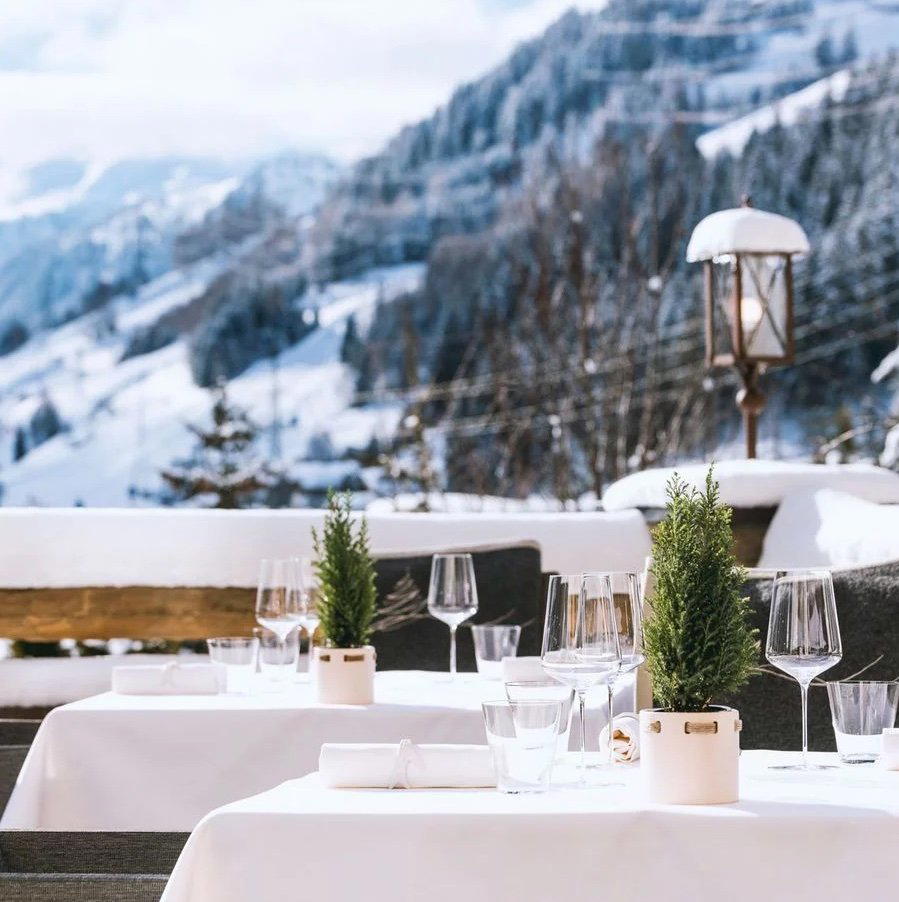
The foraging angle is worth pausing on, because the Alps are not the obvious frame for Nordic wild-food thinking. But the overlap is real. High-altitude meadows in the Arlberg region yield wild garlic, alpine sorrel, and meadowsweet in spring. Spruce tips appear in June, available for a narrow window before they harden. Late-summer mushrooms, porcini, chanterelle, hedgehog, grow at the forest edge. Elderflower, yarrow, and mountain thyme fill the same ecological niches as their Scandinavian counterparts. A kitchen operating with Scandinavian discipline can treat this terrain as a largely equivalent pantry, running preservation programs that bank summer abundance for use in winter service, which is precisely when Sankt Anton's high season peaks.
That seasonal logic aligns foraging-led Scandinavian cooking with the ski resort calendar in a way that Alpine tradition never quite managed. Preserved, fermented, and smoked ingredients do not depend on fresh-supply chains through mountain passes in February. The pantry was built in August. By the time the lifts open, the fermentation jars have done their work. It is a kitchen philosophy that suits the altitude and the season in ways that go beyond aesthetic preference. For comparable international examples of Scandinavian foraging translated across geographies, Familjen in Gothenburg and Fisk in Tampa each demonstrate the portability of the Nordic framework into non-Nordic settings.
The Guest Profile and Where Endlich Sits in the Town's Offer
Sankt Anton draws a high-spending, internationally mobile visitor who is not automatically satisfied with fondue and Jägerschnitzel. The town has developed a dining scene that reflects that: Hospiz Alm operates at the €€€€ contemporary tier, and Verwallstube covers the international €€€ bracket. Endlich shares a price tier with Verwallstube but operates from an entirely different culinary logic, making the two less direct competitors than adjacent options for different moods on the same evening's shortlist.
Seasonal venues regularly accumulate reviews concentrated in peak periods, which can inflate variance; a 4.9 maintained across that volume suggests the kitchen is performing reliably across service conditions, not just on notable nights. That consistency matters in a town where the visiting diner has paid significantly for the trip and is unlikely to accept a mediocre meal quietly.
Planning a Table at Endlich
Endlich is at Dorfstraße 61 in the centre of Sankt Anton am Arlberg, Austria. The €€€ price range positions it as an accessible option relative to the town's starred houses while remaining clearly in fine-dining territory rather than casual après. Peak ski season runs December through March, and dinner reservations during this window should be treated as a planning priority rather than an afterthought. Dinner reservations are essential, and the restaurant opens Monday through Saturday from 4 to 11 PM, with Sunday closed.
For Further Reference
Readers who want to trace the Scandinavian foraging tradition through other Austrian kitchens should look at Obauer in Werfen and Landhaus Bacher in Mautern an der Donau, both of which engage with foraged and wild-harvested ingredients through a distinctly Austrian lens. The comparison is instructive: the Austrian approach tends toward herbal richness and game-season anchoring, while Scandinavian kitchens favour the mineral-clean end of the wild-food register. Endlich, operating in Austria with a Nordic framework, sits at the intersection of those two traditions without fully belonging to either.
Frequently Asked Questions
What's the signature dish at Endlich?
Endlich holds a Michelin Plate for 2024 and 2025, and the kitchen operates within a Scandinavian cuisine framework centred on foraged and wild-gathered ingredients. Given the Nordic foraging approach, expect preparations built around preserved, fermented, or cold-smoked seasonal ingredients rather than à la carte Alpine staples.
Booking and Cost Snapshot
Comparable venues nearby, for context on price, style, and recognition.
| Venue | Cuisine | Price | Awards | Notes |
|---|---|---|---|---|
| EndlichThis venue — the venue you are viewing | Scandinavian | $$$$ | Michelin Plate | Not listed |
| Hospiz Alm | Not listed | $$$$ | Michelin Plate | St. Christoph, Tyrolean Fine Dining |
| Verwallstube | Galzig, Modern Austrian Gourmet | $$$$ | Michelin Plate | Not listed |
| Alpin Gourmet Stube | Not listed | $$$$ | Michelin 1 Star | St. Jakob, Contemporary Alpine Fine Dining |
| Gourmetrestaurant Tannenhof | Not listed | $$$$ | Michelin 2 Star | Sankt Anton am Arlberg, Creative Alpine Modern Cuisine |
| Chef's Table by Joshua Leise | Stuben am Arlberg, Alpine Haute Cuisine | $$$$ | Michelin Plate | Not listed |
Recognition history
Dated appearances from independent guides and award organizations, with the underlying list record or original source where available.
Michelin Plate
Michelin
Michelin Plate
Michelin
Michelin Plate
Michelin
Continue exploring
More in Sankt Anton am Arlberg
Restaurants in Sankt Anton am Arlberg
Browse all →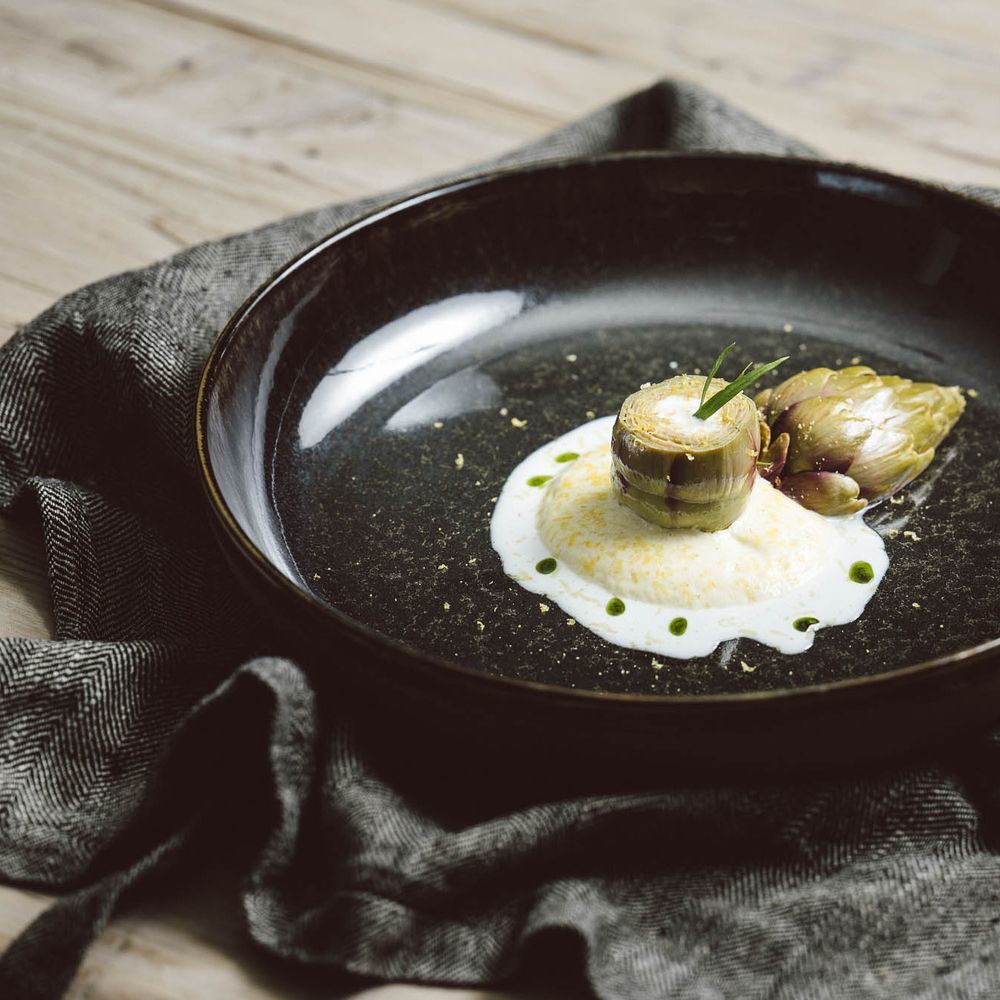
Bars in Sankt Anton am Arlberg
Browse all →


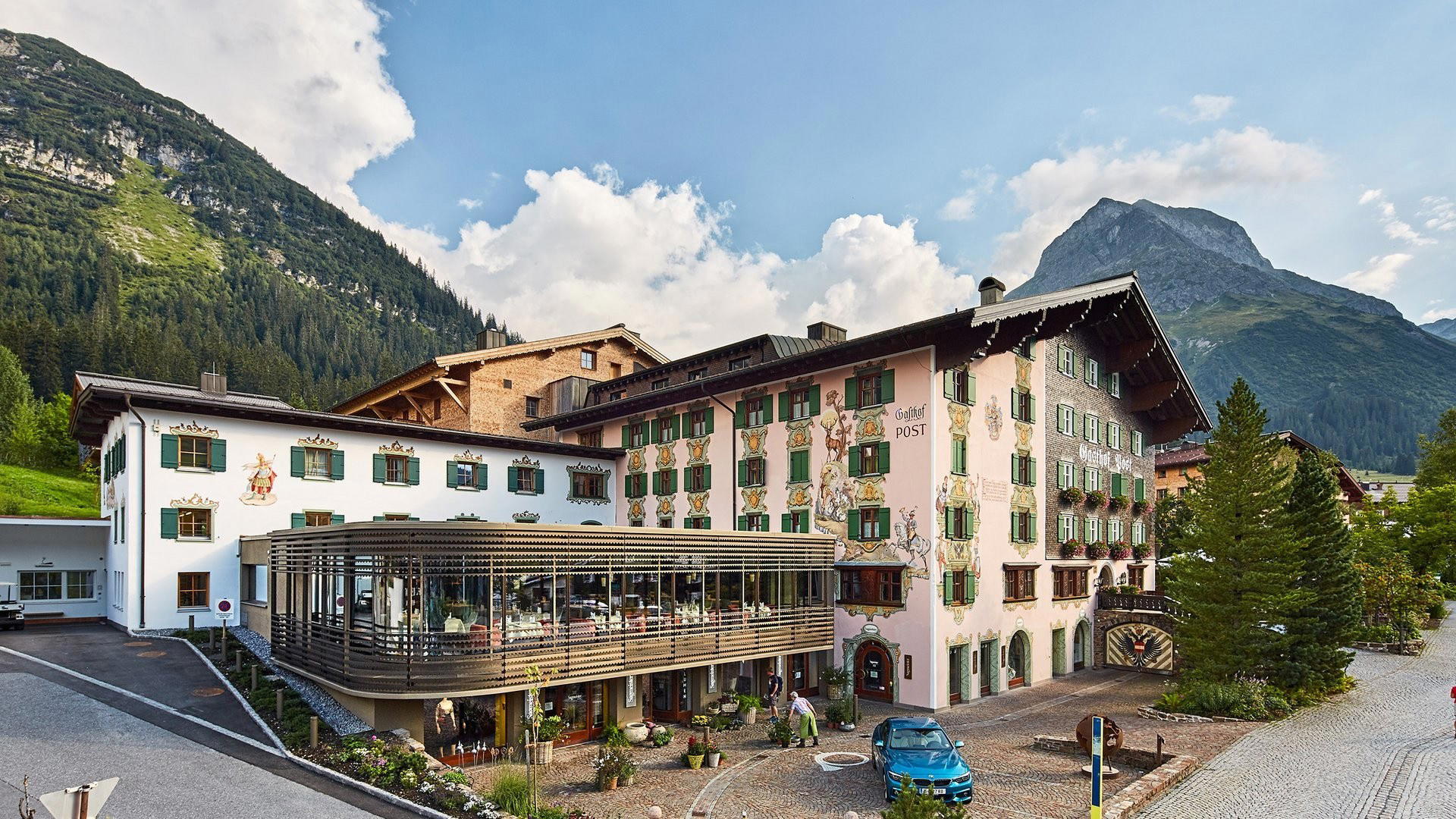
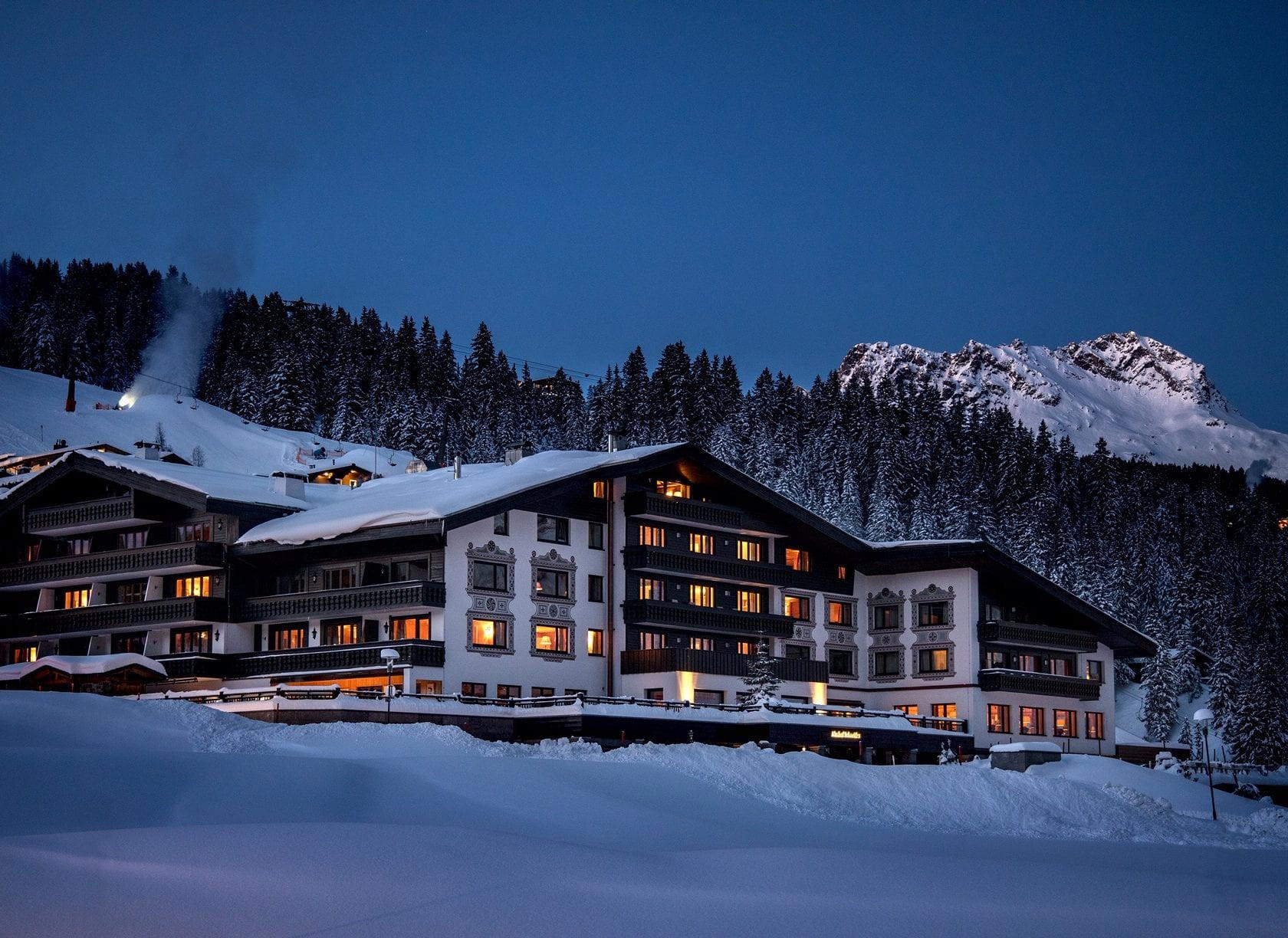
Hotels in Sankt Anton am Arlberg
Browse all →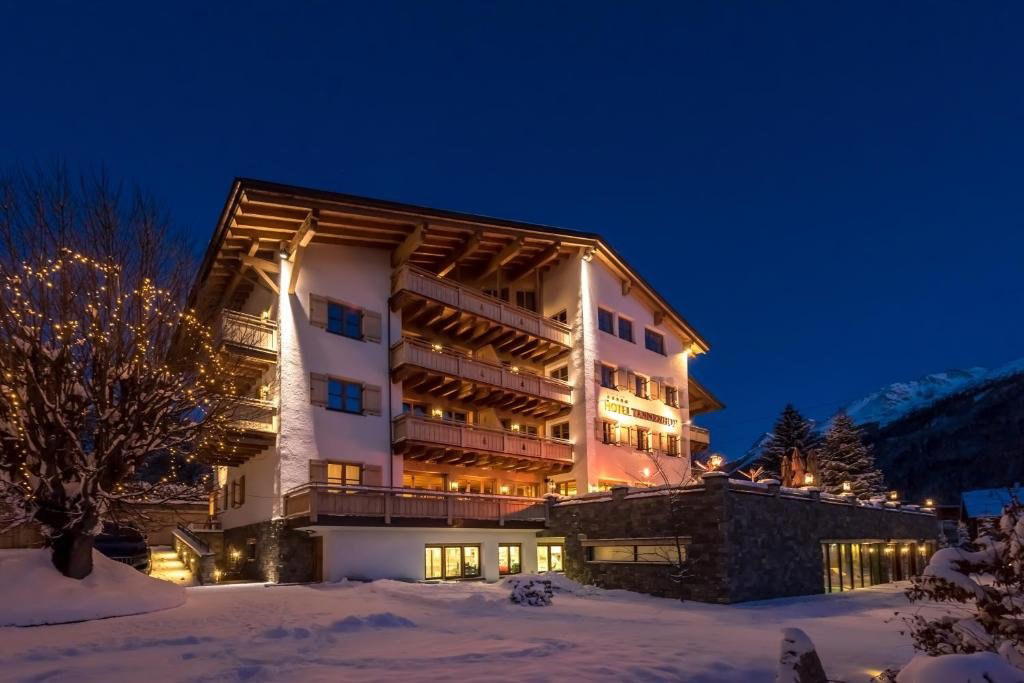
Wineries in Sankt Anton am Arlberg
Browse all →
At a Glance
- Intimate
- Cozy
- Elegant
- Modern
- Charming
- Date Night
- Special Occasion
- Celebration
- Extensive Wine List
- Sommelier Led
- Local Sourcing
Current opening hours
- Monday
- 4–11 PM
- Tuesday
- 4–11 PM
- Wednesday
- 4–11 PM
- Thursday
- 4–11 PM
- Friday
- 4–11 PM
- Saturday
- 4–11 PM
- Sunday
- Closed
Hours can change for holidays and private events. Last verified .
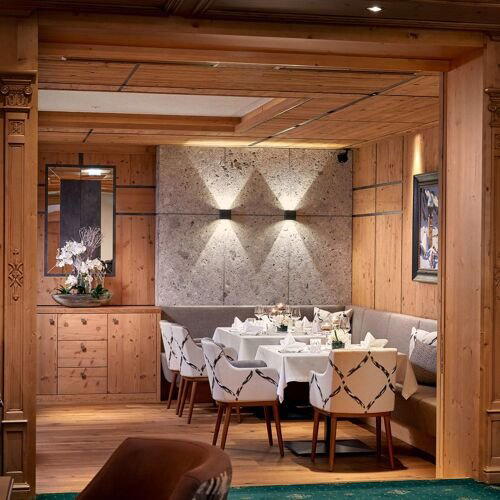
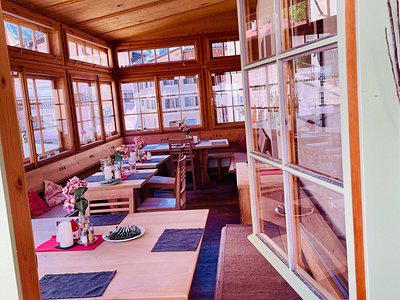
Modern, tastefully decorated with a warm, homey, and incredibly charming intimate atmosphere.