Gostilna Vernik sits in Ruše, a small town in Slovenia's Drava valley where the foothills of the Pohorje massif begin to press against the river plain. The gostilna format, Slovenia's tradition of inn-style dining rooted in regional produce and unhurried hospitality, defines the experience here more than any individual flourish. For travellers moving between Maribor and the Pohorje highlands, it represents a grounded alternative to the country's more decorated restaurant circuit.
Pearl is the En Primeur Club membership app — saves, bookings, and concierge access live there. Same editors, same standards.
- Address
- Bezena 3, 2342 Ruše, Slovenia
- Phone
- +38626688626
- Website
- vernik.si
- Directions
- Get directions
 Saves & bookings on Pearl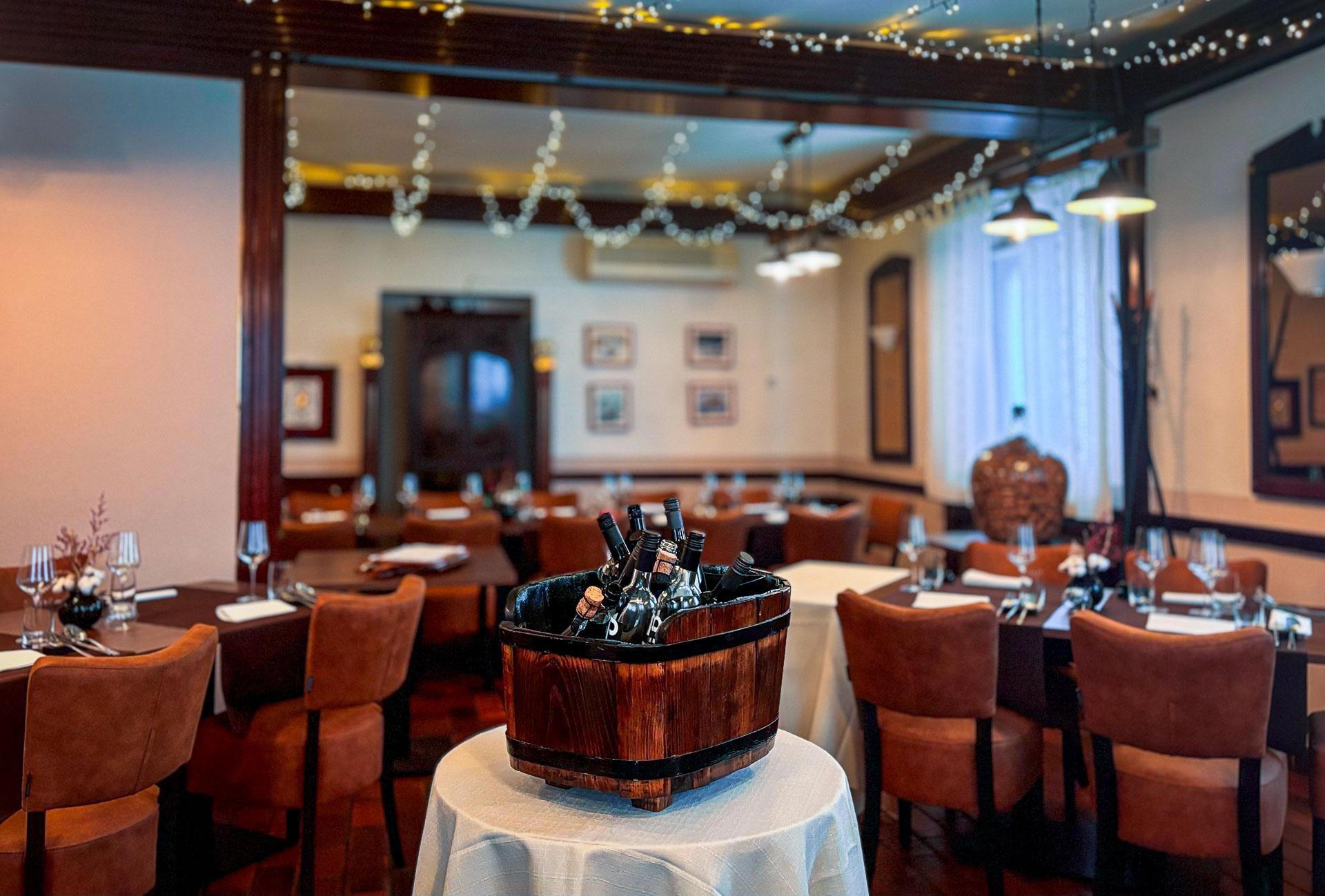
Where the Drava Valley Sets the Table
The road into Ruše follows the Drava river east from Maribor, with the Pohorje hills rising sharply to the south. Gostilna Vernik is a restaurant in Ruše, Slovenia, serving Traditional Slovenian Game & Seasonal Cuisine at an average price of about $25 per person. By the time you reach the address at Bezena 3, the urban pull of Slovenia's second city has receded entirely. This is small-town Slovenian dining in its most legible form: a gostilna, the country's foundational hospitality format, where the expectation is regional food prepared with local ingredients, served without ceremony but with considerable seriousness about what ends up on the plate.
The gostilna tradition across Slovenia operates on a logic that the country's more celebrated restaurants have spent years trying to articulate in tasting-menu form. At places like Hiša Franko in Kobarid or Grič in Šentjošt nad Horjulom, farm-to-table sourcing is a deliberate editorial stance, a philosophy communicated through tasting menus and press releases. At a traditional gostilna in the Drava valley, the same sourcing logic is simply how things have always worked: you cook what the region produces, because that is what is available and what the local clientele expects.
Ingredient Geography: The Pohorje Larder
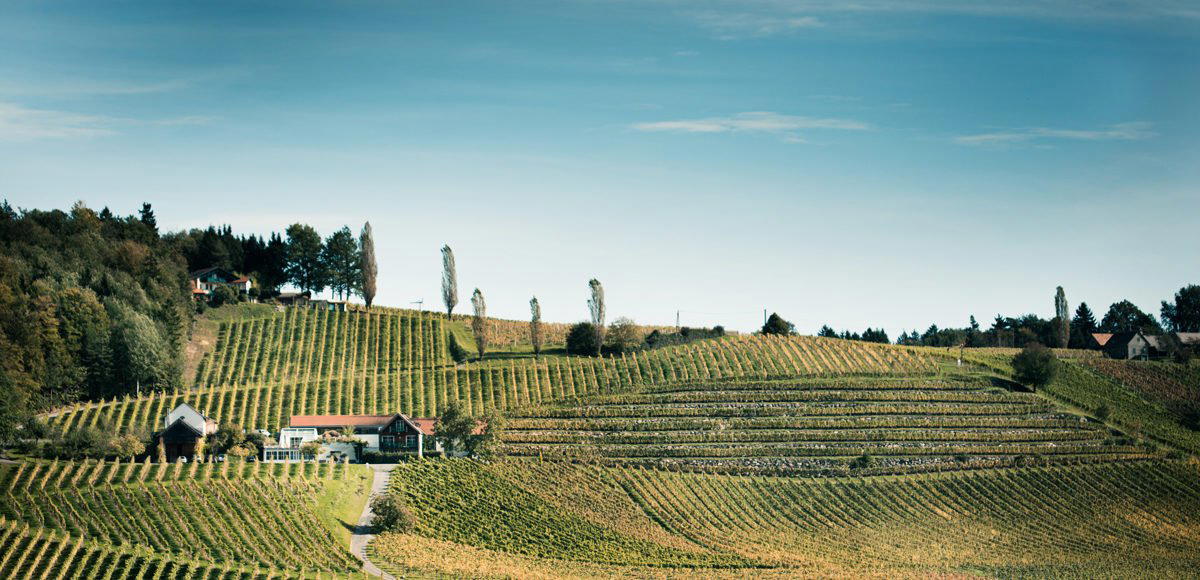
Area around Ruše draws from one of Slovenia's more productive highland larders. The Pohorje massif, which dominates the skyline south of town, supports extensive forest cover, game populations, and wild foraging grounds for mushrooms, berries, and herbs. The Drava valley floor below adds agricultural diversity: dairy farming, orchards, and smallholder vegetable production that feeds the region's kitchens through the growing season.
This ingredient geography is what separates a gostilna in the Drava valley from its equivalents in, say, the Vipava valley or the Karst. Gostilna Pri Lojzetu in Vipava operates within an entirely different pantry: Mediterranean herbs, local wine, leaner meats shaped by a warmer microclimate. The Pohorje-adjacent kitchen trends heavier and more autumnal even in spring, with game, forest mushrooms, and smoked preparations appearing across menus in ways that reflect the highland character of the surrounding land rather than any chef's personal preference.
For comparison, the farm-to-table format practised at Grič at the €€€€ price tier makes an explicit curatorial point of this regional sourcing. Gostilna Vernik operates in a less signalled register, where the same underlying principle, cooking from the immediate landscape, is embedded in the format itself rather than announced as a concept.
How Gostilna Vernik Fits the Wider Slovenian Picture
Slovenia's restaurant scene has bifurcated sharply over the past decade. A cluster of destination restaurants, including Hiša Franko, Milka in Kranjska Gora, and Hiša Denk in Zgornja Kungota, now attract international food-press attention and price at the €€€€ tier. Below that, a second tier of gostilne and regional restaurants continues to serve local communities with a fidelity to place that the destination tier consciously borrows from but cannot fully replicate.
The restaurant belongs to this second category, and that is not a criticism. The gostilna format carries its own authority. It is the format in which Slovenian regional food was preserved through decades of political and economic disruption, and it is the format that gives destination restaurants like Hiša Linhart in Radovljica or Restavracija Strelec in Ljubljana their cultural reference points. A meal at a well-run gostilna is not a lesser version of a tasting menu; it is a different, older, and in some respects more direct encounter with Slovenian food culture.
For travellers whose itineraries include the Maribor region, the practical calculus is direct. The more decorated options in the northeast, including Hiša Denk and Pavus in Laško, require advance planning and carry corresponding price expectations. The restaurant in Ruše operates in a register where the friction is lower and the connection to everyday regional cooking is more immediate.
Ruše as a Base: Getting full value from This Part of Slovenia
Ruše sits approximately ten kilometres west of Maribor along the Drava, making it accessible by regional road without requiring significant detour from the main Ljubljana-Maribor corridor. The town itself is not a major tourist destination, which is precisely the point: dining here puts you inside the ordinary rhythm of a Drava valley community rather than inside a curated visitor experience.
The Pohorje highlands above Ruše offer hiking trails, cycling routes, and forest terrain that draws Slovenian day-trippers from Maribor throughout the warmer months. A meal at a local gostilna fits naturally into that pattern, arriving after a morning in the hills rather than as a standalone destination event.
Visitors to Slovenia who are building a more comprehensive picture of the country's food culture might also consider how the northeast compares with the west. The Mediterranean-influenced cooking at Dam in Nova Gorica or the coastal approach at Gostišče Neptun in Piran represent genuinely different culinary traditions operating within the same small country. The Drava valley gostilna format is neither better nor worse than these; it is the inland, highland expression of Slovenian hospitality, shaped by different soil and different weather.
Planning a Visit
Reservations are recommended, particularly for weekend visits or larger groups, as capacity at inn-format restaurants tends to be modest. Given the address at Bezena 3 in Ruše, the venue is best reached by car from Maribor; public transport connections to Ruše exist but require transfers. Visitors arriving from Ljubljana should factor in approximately an hour and a half of driving via the A1 and A4 motorways. Those pairing this with a visit to Maribor's urban dining scene will find the two complement each other without overlap.
Side-by-Side Snapshot
Comparable venues nearby, for context on price, style, and recognition.
| Venue | Cuisine | Price | Notes |
|---|---|---|---|
| Gostilna VernikThis venue — the venue you are viewing | Traditional Slovenian Game & Seasonal Cuisine | $$ | Not listed |
| KUHLA, krčma na gradu | Slovenian Castle Tavern | $$ | Šmartno pri Litiji |
| Gostilna Mihovec | Contemporary Slovenian | $$ | Zgornje Pirniče |
| Slaščičarna Ilich | Traditional Slovenian Pastry Shop & Cafe | $$ | old town |
| Kodila Gourmet & Bistro Market | Traditional Slovenian Bistro | $$ | Central Market |
| Gostišče Pekel | Slovenian Traditional | $$ | Ohonica |
Continue exploring
More in Ruse
Restaurants in Ruse
Browse all →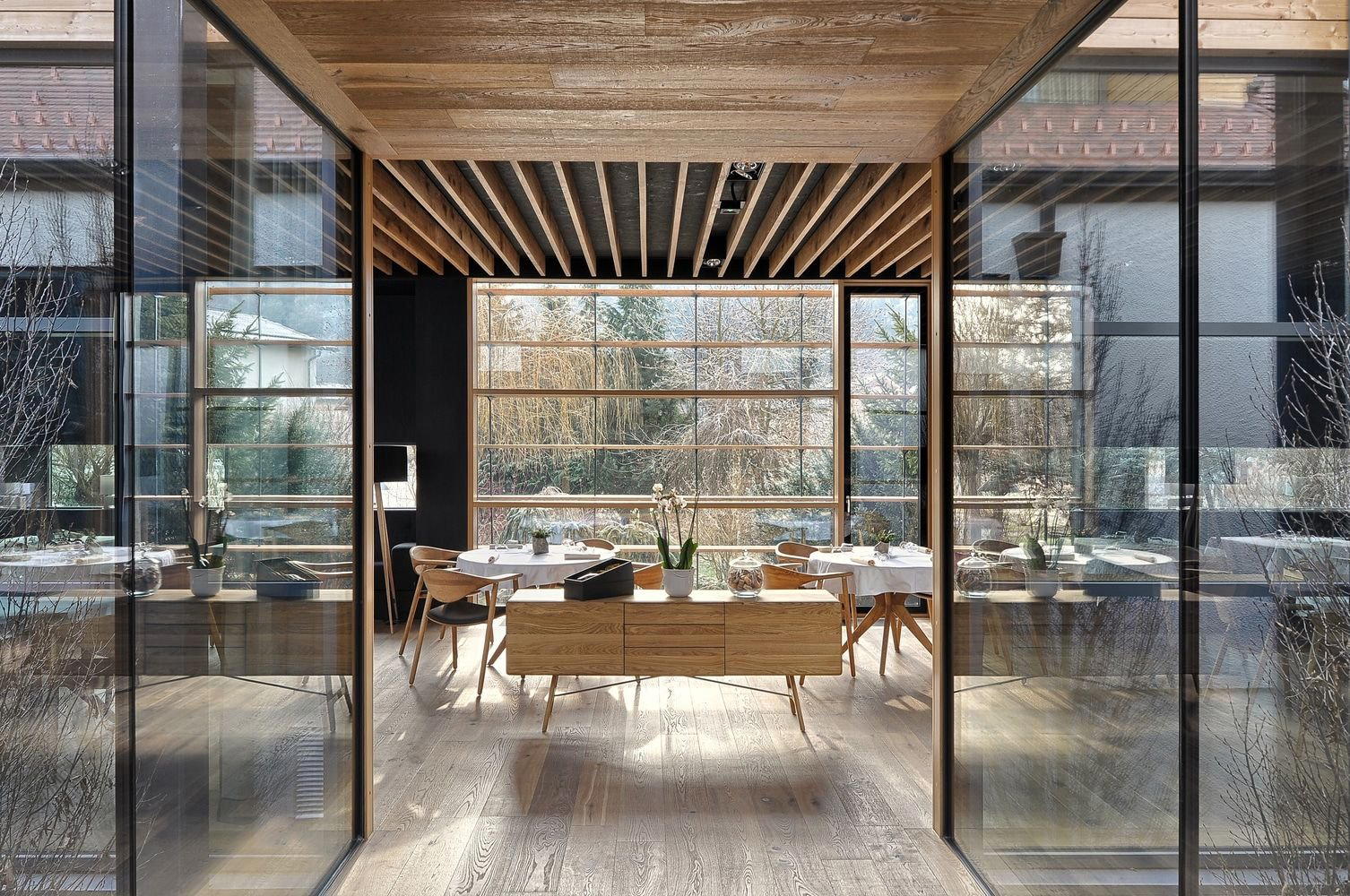
Bars in Ruse
Browse all →
Hotels in Ruse
Browse all →

At a Glance
- Rustic
- Cozy
- Classic
- Family
- Group Dining
- Special Occasion
- Terrace
- Extensive Wine List
- Local Sourcing
- Garden
Current opening hours
- Monday
- Closed
- Tuesday
- Closed
- Wednesday
- 11 AM–8 PM
- Thursday
- 11 AM–8 PM
- Friday
- 11 AM–8 PM
- Saturday
- 11 AM–8 PM
- Sunday
- 11 AM–5 PM
Hours can change for holidays and private events. Last verified .
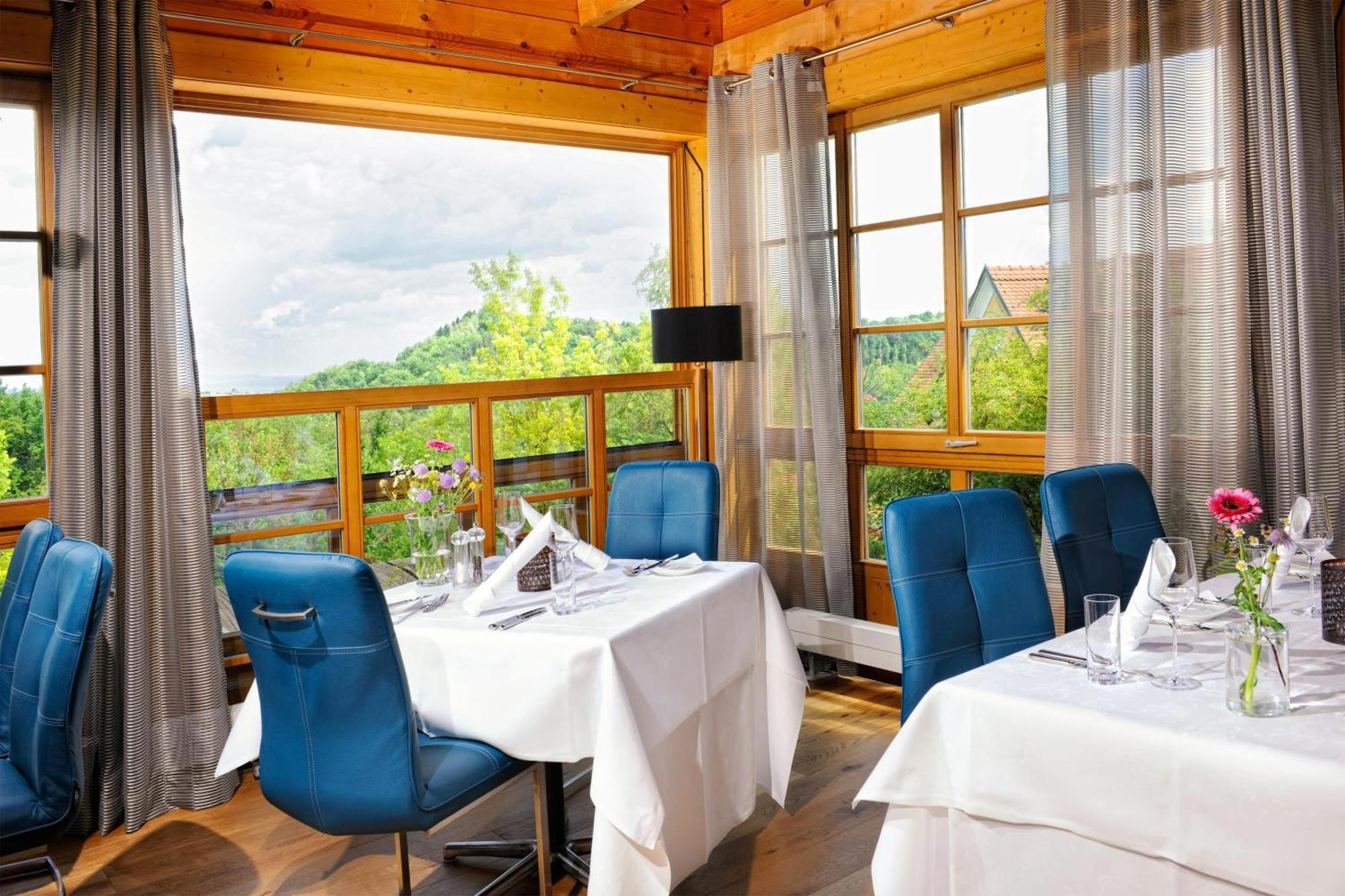
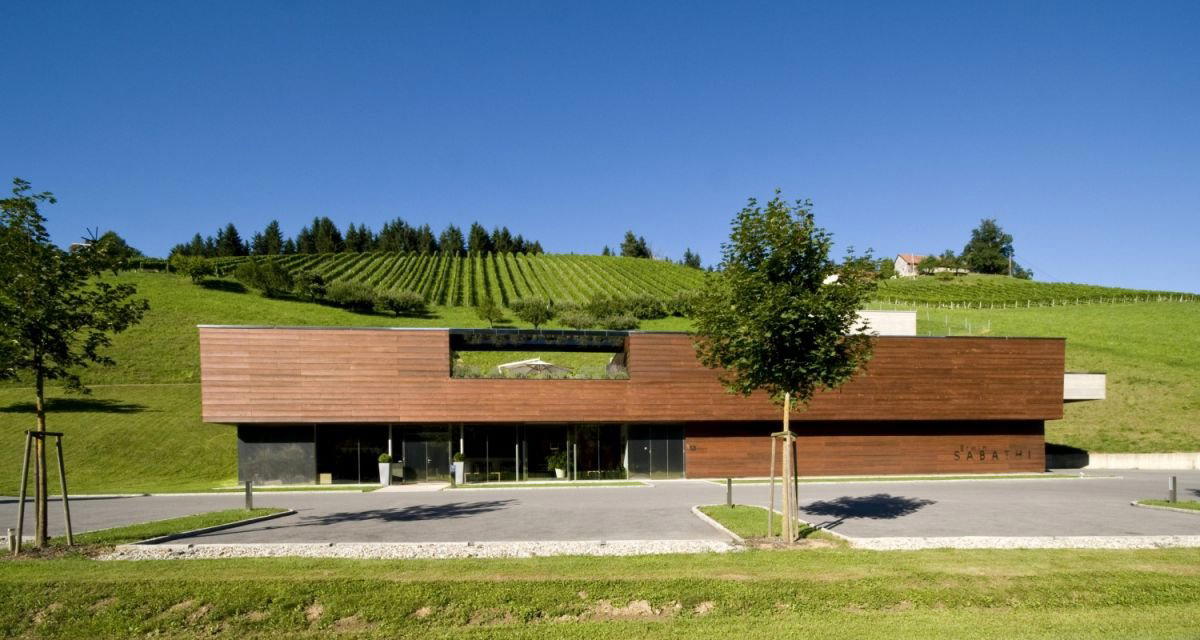
Rustic and cozy interior with two rooms accommodating up to 50 people, plus shaded outdoor terrace under walnut trees.