Our verdict
Sitting on the Dalmatian coast near Zadar, Restaurant Pineta in Kožino operates in a region where the Adriatic's daily catch and the karst hinterland's produce define what ends up on the plate.

Pearl is the En Primeur Club membership app, where members save venues, book tables and use the concierge.
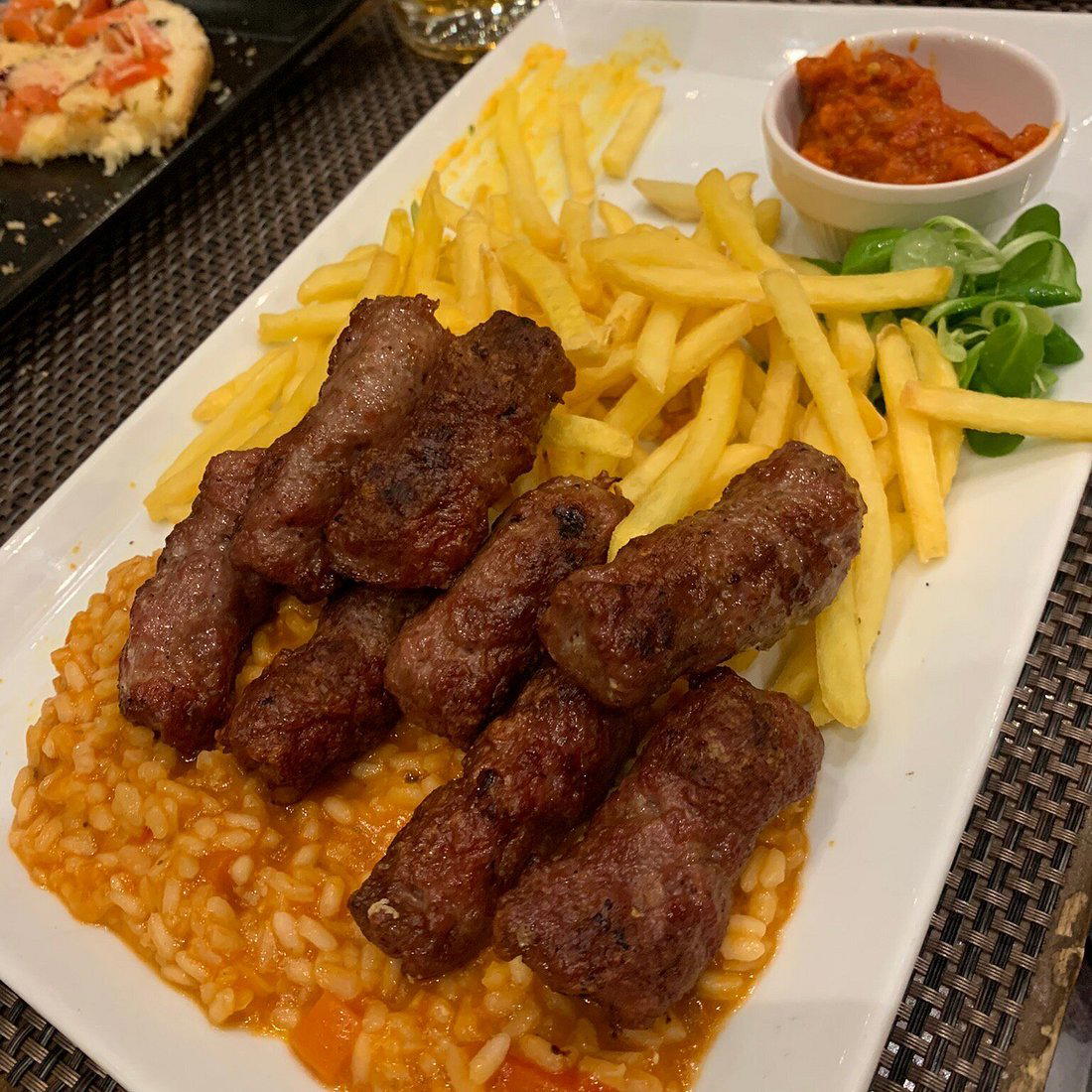
Restaurant Pineta occupies that context. In northern Dalmatia, a restaurant's identity is often inseparable from what the local waters and the inland plateau produce within a given season. The Adriatic here runs cold enough in winter and warm enough in summer to produce shellfish, white fish, and crustaceans that shift meaningfully across the calendar. Any kitchen that takes sourcing seriously is therefore working with a different ingredient set in October than it is in June, and the menu, if it reflects that honestly, reads as a record of the season rather than a fixed list.
Northern Dalmatia's Sourcing Logic
To understand what a restaurant in Kožino might place on the table, it helps to map the supply geography. Small-boat fishermen working the channels between the mainland and islands like Ugljan and Pašman land sea bass, bream, dentex, and scorpionfish, along with seasonal catches of squid and cuttlefish. The Novigrad sea, a semi-enclosed bay roughly thirty kilometres north, has produced oysters and clams for generations, and remains one of the few places on the eastern Adriatic where bivalve aquaculture is practiced at meaningful scale.
Further inland, the Dalmatian hinterland, the Zagora, supplies lamb raised on karst pasture, dried figs, and a range of wild herbs, including sage, rosemary, and the dried lavender that finds its way into both cooking and curing across the region. Olive oil from the Zadar county, pressed from the indigenous Oblica variety, carries a bitterness and pepper finish that distinguishes it from Istrian oils further north. These are the materials that define northern Dalmatian cooking at its most place-specific, and they set the terms of comparison for any kitchen working in this corridor. Pelegrini in Sibenik has built its identity around Šibenik's maritime hinterland, while Boskinac in Novalja on Pag uses the island's unique limestone terrain to frame both its wine and its lamb. Further down the coast, LD Restaurant in Korčula and Restaurant 360 in Dubrovnik operate in a more formal register with prices to match. Kožino sits at the quieter northern end of that spectrum, geographically and stylistically.
The Coastal Restaurant Format in This Region
Restaurants along this section of coast tend to follow one of two formats. The first is the konoba model: stone walls, shared tables, a menu built around whatever was caught that morning, and a wine list that runs to two or three local labels. The second is a more considered operation that retains the local sourcing logic but applies greater precision to preparation, presentation, and wine selection.
For visitors tracing this shift across the country, the contrast is instructive. Agli Amici Rovinj takes a contemporary approach in a port city context. Krug in Split and Dubravkin Put in Zagreb anchor the urban end of the conversation. Kožino's contribution is something more grounded in its particular coastal setting, which gives it a different kind of relevance for those who want to eat in proximity to where the ingredients actually come from.
Planning a Visit to Kožino
Kožino is accessible from Zadar in under fifteen minutes by car, making it a practical lunch or dinner stop for anyone based in the city or arriving through Zadar Airport, which sits nearby. The village has limited public transport connections, so a rental car or taxi is the standard approach. For those building a wider northern Dalmatia itinerary, Kožino fits logically alongside visits to the archipelago by ferry from Zadar's main harbour, or a day trip north to the Novigrad sea. Other dining options worth considering on a broader regional circuit include Alfred Keller in Mali Lošinj, Cubo in Opatija, and Burin in Crikvenica further up the Kvarner coast. For inland contrast, Korak in Jastrebarsko and Cantilly Garden Restaurant in Samobor for more options in the area.
For those compiling a more ambitious itinerary, BioMania Bistro Bol in Bol, Bodulo in Pag, and Korak in Jastrebarsko each offer a distinct regional angle that complements a visit to Kožino without covering the same ground.
Frequently asked questions
Does Restaurant Pineta work for a family meal?
Kožino is a small coastal settlement less than fifteen minutes from Zadar, and restaurants along this stretch generally accommodate mixed-age groups without difficulty. The village scale and coastal setting keep the pace relaxed rather than formal.
What's the vibe at Restaurant Pineta?
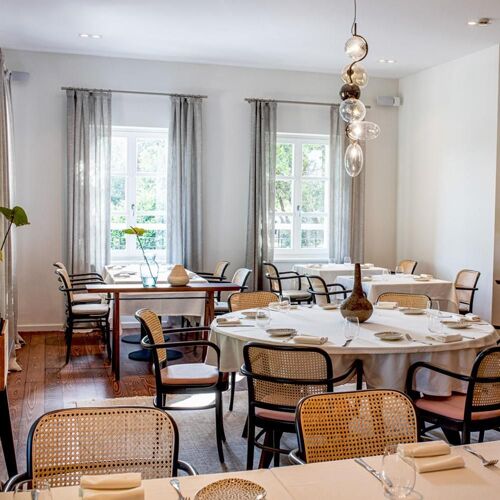
Kožino sits on a quiet inlet north of Zadar, away from the city's tourist density, which gives restaurants here a markedly local character. Expect a pace shaped by the coast rather than the clock. The name Pineta references the pine groves common along this shoreline, suggesting an outdoor or semi-open setting consistent with the area's dining culture.
Is Restaurant Pineta a good option for a day trip from Zadar?
Kožino sits roughly ten to twelve minutes by car from central Zadar, making Restaurant Pineta at Kožinska cesta 122 a practical lunch stop for visitors based in the city. The short transfer means you gain a coastal village setting without committing to a long drive along the Dalmatian coast. It is worth confirming lunch hours directly with the restaurant before planning around it.
What's the best thing to order at Restaurant Pineta?
The Zadar archipelago directly offshore puts fish and shellfish from the Velebit channel within short supply distance of any kitchen in Kožino. Restaurants in this area typically build their menus around whatever the local catch dictates on a given day.
Where is Restaurant Pineta located?
Restaurant Pineta is located at Kožinska cesta 122, 23231, Kožino, Croatia, Kozino.
How hard is it to get a table at Restaurant Pineta?
Kožino is a small village with limited restaurant stock, and the summer season along this section of coast runs hot from July through August. Advance booking during peak season is advisable for any restaurant in the area.
What is Restaurant Pineta known for?
Restaurant Pineta operates at Kožinska cesta 122 in Kožino, a coastal village positioned between Zadar and the Velebit channel. The location places it within reach of some of Northern Dalmatia's most productive fishing waters. In a region where the restaurant circuit remains quieter than Split or Dubrovnik, Pineta represents the kind of locally anchored address that rewards proximity over reputation.
Comparison Snapshot
Comparable venues nearby, for context on price, style, and recognition.
| Venue | Cuisine | Price | Notes |
|---|---|---|---|
| Restaurant PinetaThis venue (the venue you are viewing) | Dalmatian Mediterranean | $20–30 | Not listed |
| Corto Magarese | Mediterranean | $20–30 | Vis |
| Providur | Mediterranean Seafood | $20–30 | Old Town |
| Konoba Porat | Traditional Croatian Seafood | Not listed | Stara Novalja |
| Calebotta | Modern Dalmatian Mediterranean | $20–30 | Old Town |
| 9 Bofora | Marina Pizzeria | $20–30 | Marina Punat |
Continue exploring
More in Kozino
Restaurants in Kozino
All restaurants in Kozino →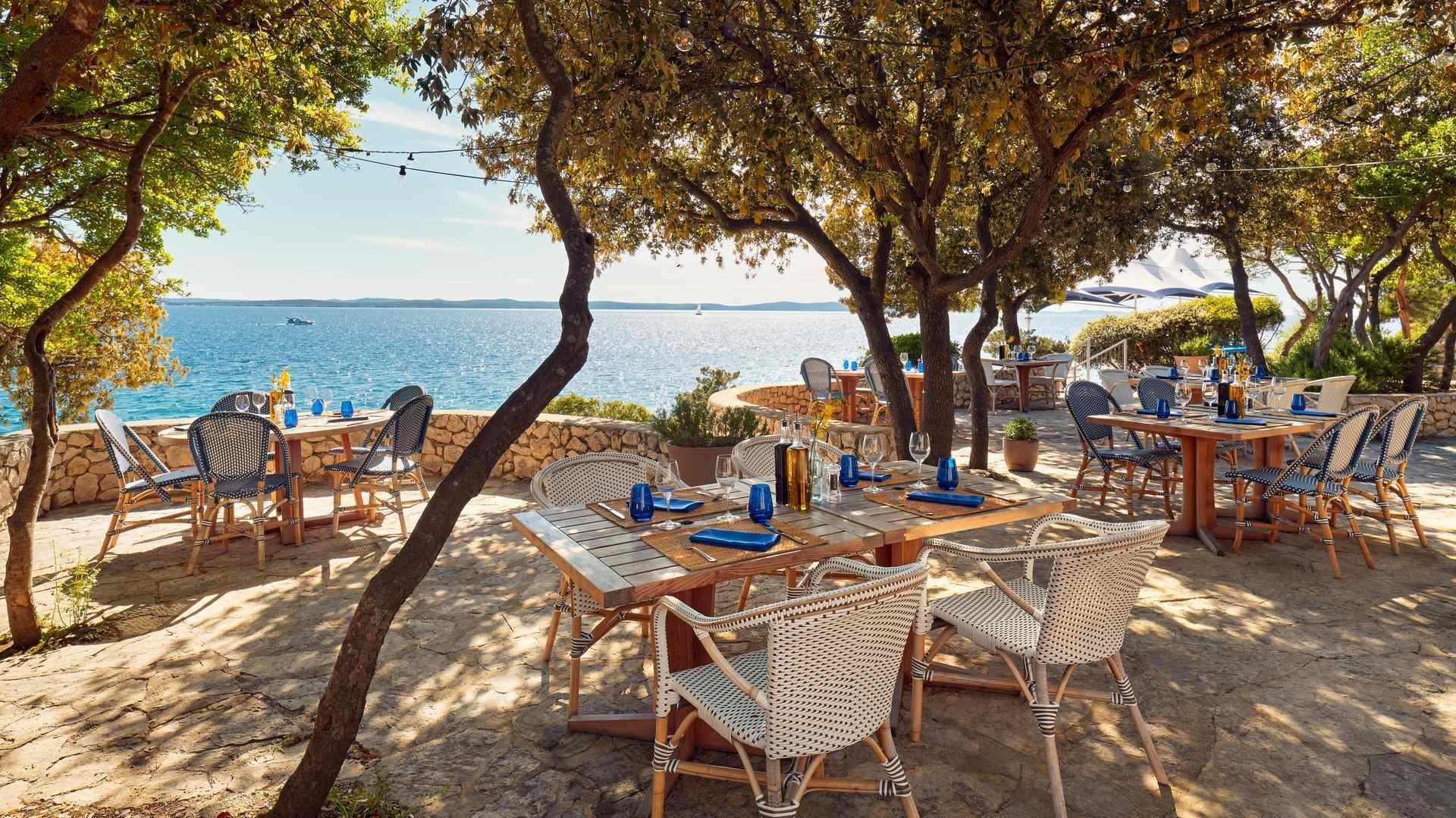
Bars in Kozino
Browse all →
Hotels in Kozino
Browse all →
Wineries in Kozino
Browse all →
Details
- Rustic
- Cozy
- Scenic
- Family
- Group Dining
- Casual Hangout
- Terrace
- A La Carte
- Vegetarian Friendly
Current opening hours
- Monday
- 5–11 PM
- Tuesday
- 12–11 PM
- Wednesday
- 12–11 PM
- Thursday
- 12–11 PM
- Friday
- 12–11 PM
- Saturday
- 12–11 PM
- Sunday
- 12–11 PM
Hours can change for holidays and private events. Hours as of .
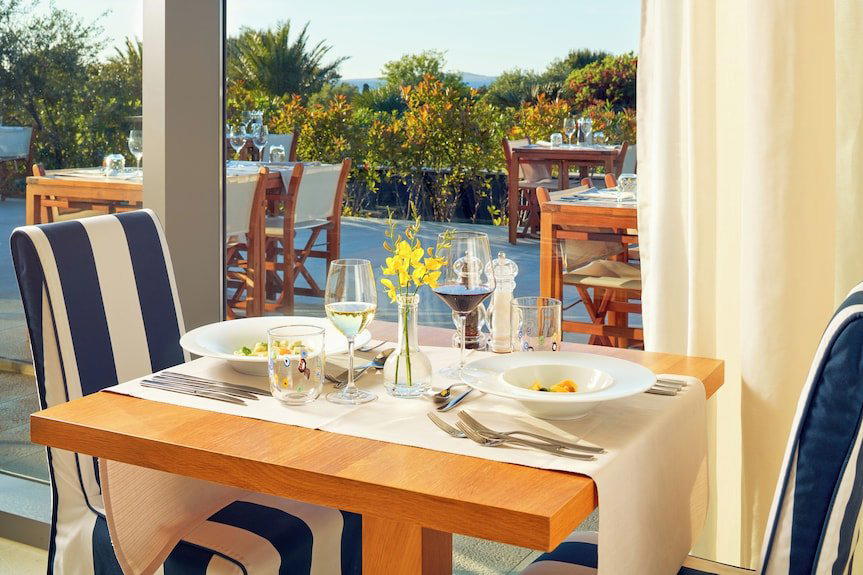
Relaxed outdoor terrace under shady pine trees with pleasant, spacious seating and peaceful natural surroundings.