Golden Phoenix
Golden Phoenix sits on Gerrard Street at the centre of London's Chinatown, among the more frequently visited stretches of Chinese dining in Europe. The address places it squarely within a neighbourhood where regulars return on weekly rotation and the measure of a restaurant is longevity rather than novelty. For Cantonese cooking in the West End, this is one of the area's established reference points.
Pearl is the En Primeur Club membership app — saves, bookings, and concierge access live there. Same editors, same standards.
- Address
- 37-38 Gerrard St, London W1D 5QB, United Kingdom
- Phone
- +442074399123
- Website
- goldenphoenixchinatown.co.uk
- Directions
- Get directions
 Saves & bookings on Pearl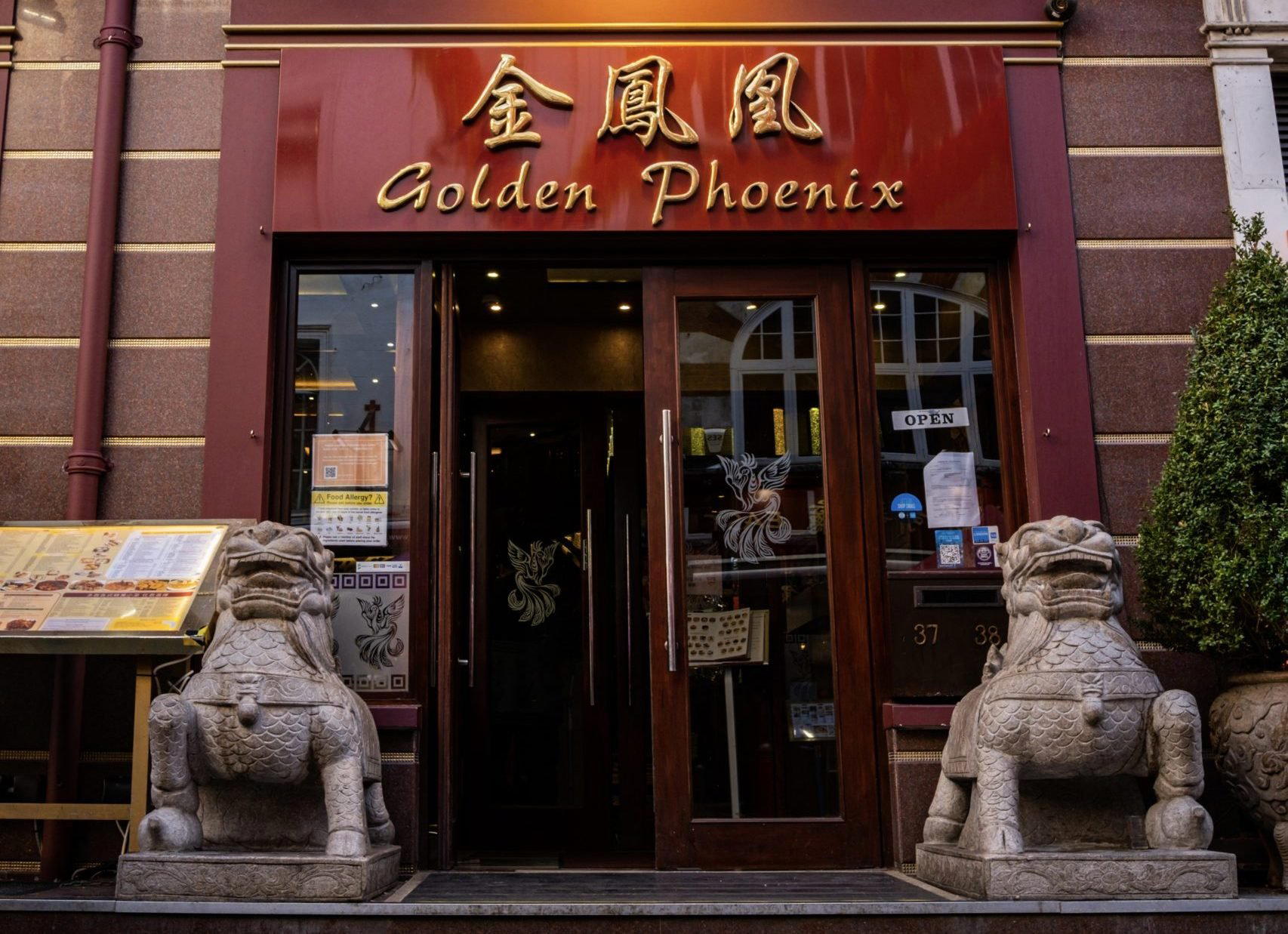
Gerrard Street and the Logic of the Regular
There is a particular kind of restaurant that London's Chinatown produces at its most reliable: not the one attracting press attention for a single season, but the one where the same families occupy the same round tables on Sunday afternoons, where the staff recognise faces before orders are placed, and where the menu functions less as a document of discovery and more as a map of known territory. Golden Phoenix, at 37 to 38 Gerrard Street in Soho's W1D postcode, operates within that tradition. Gerrard Street itself is among the more concentrated corridors of Cantonese dining in northern Europe, and within it, longevity is the clearest signal of quality. Flash openings come and go; the places that survive decades of West End rent cycles do so because a core clientele keeps returning.
The broader Chinatown dining pattern here is worth understanding before visiting. London's Chinatown is not a monolith. The block bounded by Gerrard Street, Wardour Street, and Lisle Street contains restaurants spanning Hong Kong-style roast meats, dim sum houses running from early morning through to mid-afternoon, Sichuan operators who arrived in the last fifteen years, and older Cantonese establishments whose kitchen logic is rooted in a pre-fusion era. Golden Phoenix belongs to the older cohort on that spectrum, the kind of address where the unwritten menu, known to regulars, matters as much as the printed one.
What Keeps the Regulars Returning
In Chinatown's most frequented dim sum and Cantonese dining houses, the pattern of loyal custom follows a recognisable structure. Weekend dim sum is the anchor event, drawing extended families for yum cha in the late morning. Weekday evenings attract a different crowd: office workers from Soho's creative and media cluster, and a contingent of regulars who treat the kitchen as an extension of the domestic table. The Gerrard Street addresses that hold both audiences across a working week have earned that position over years rather than months.
For the regular at a restaurant like Golden Phoenix, the draw is consistency in the dishes that form the backbone of Cantonese cooking: the precision of a well-reduced sauce, the texture differential between properly prepared seafood and its overcooked equivalent, and the small signals of kitchen attention that separate a kitchen in good form from one running on autopilot. These are not the criteria that appear in press releases, but they are the ones that drive repeat visits. A diner who returns to the same Chinatown address twenty or thirty times has, in effect, done a more granular quality audit than any single critical review.
This is also the demographic that knows when to order off-menu or ask the kitchen what arrived that morning. In established Cantonese kitchens, that kind of request is not an imposition, it is a normal register of the conversation between kitchen and table. Visitors unfamiliar with this dynamic can still eat well from the standard menu, but the full range of what the kitchen can offer tends to surface only through the vocabulary of the regular.
Chinatown in the Context of London's Wider Dining Scene
London's highest-profile restaurant addresses currently cluster in Mayfair, Notting Hill, and Chelsea. The city's Michelin three-star tier includes CORE by Clare Smyth (Modern British), Restaurant Gordon Ramsay (Contemporary European, French), and Sketch, The Lecture Room and Library (Modern French), all operating at the ££££ tier with tasting menu formats and advance booking windows of weeks or months. The Ledbury (Modern European, Modern Cuisine) and Dinner by Heston Blumenthal (Modern British, Traditional British) operate within the same premium bracket.
Chinatown restaurants occupy a structurally different position in this map. They are not competing for the tasting-menu audience; they are serving a dining culture where the meal is communal by design, where dishes arrive as they are ready rather than in a choreographed sequence, and where value is understood in the relationship between portion size, ingredient quality, and price rather than in the ceremony of service. That is not a lesser category of dining, it is a different one, and within it, the standards by which a restaurant earns its regulars are equally demanding.
Beyond London, the same logic of earned loyalty plays out at destination restaurants across the UK. Waterside Inn in Bray, L'Enclume in Cartmel, Moor Hall in Aughton, Gidleigh Park in Chagford, and Hand and Flowers in Marlow all hold dedicated return audiences, as do hide and fox in Saltwood, Midsummer House in Cambridge, Opheem in Birmingham, Ynyshir Hall in Machynlleth, and Restaurant Andrew Fairlie in Auchterarder. The mechanisms of loyalty differ by format, but the principle is consistent: a regular clientele is one durable measure of a kitchen's ongoing quality. For international context, the same pattern holds at Le Bernardin in New York City and Lazy Bear in San Francisco.
Planning a Visit
Gerrard Street is a five-minute walk from Leicester Square underground station, which is served by the Northern and Piccadilly lines. The street itself is pedestrianised, making arrival direct on foot from multiple directions. Weekend afternoons, particularly Sunday dim sum hours, represent the highest-traffic period across Chinatown; arriving before midday or after 2pm reduces wait times at most addresses on the strip. Weekday evenings tend to be quieter and may allow more flexibility in the kitchen's attention to specific requests.
Budget and Context
Comparable venues nearby, for context on price, style, and recognition.
| Venue | Cuisine | Price | Notes |
|---|---|---|---|
| Golden PhoenixThis venue — the venue you are viewing | Soho, Authentic Cantonese Dim Sum | $$ | Not listed |
| Pearl Liang | Paddington, Cantonese Dim Sum | $$ | Not listed |
| Sichuan Fry and Dumpling Shack | Not listed | $$ | London Fields, Sichuan Fried Chicken & Dumplings |
| Beijing Dumpling | Chinatown, Authentic Chinese Dumplings | $$ | Not listed |
| Honeymoon | Southgate, Traditional Chinese | $$ | Not listed |
| Royal China Baker Street | Marylebone, Cantonese Dim Sum | $$ | Not listed |
Continue exploring
More in London
Restaurants in London
Browse all →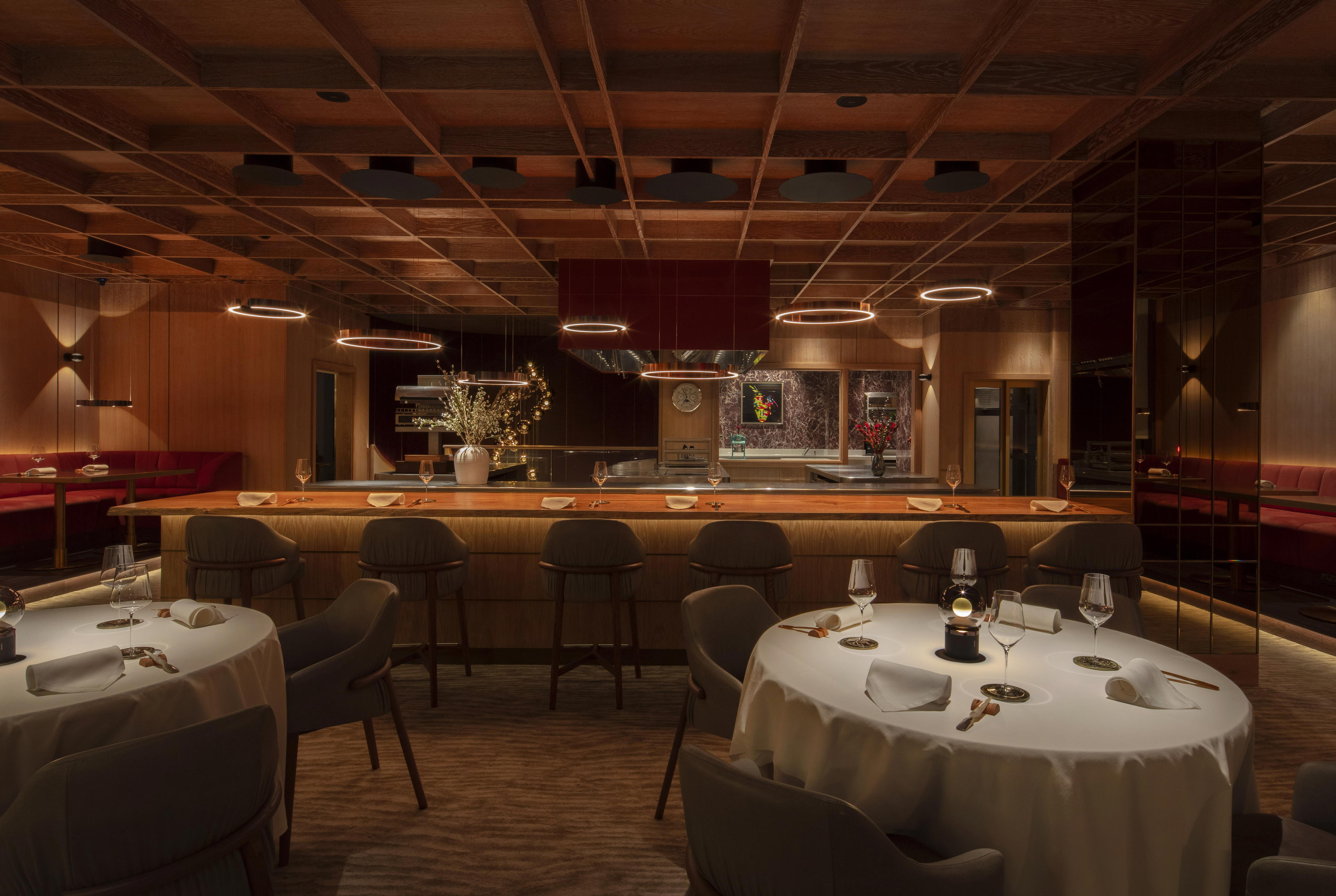
Bars in London
Browse all →
Hotels in London
Browse all →


At a Glance
- Elegant
- Classic
- Group Dining
- Family
- Celebration
- Private Dining
Current opening hours
- Monday
- 12–11:45 PM
- Tuesday
- 12–11:45 PM
- Wednesday
- 12–11:45 PM
- Thursday
- 12–11:45 PM
- Friday
- 12–11:45 PM
- Saturday
- 12–11:45 PM
- Sunday
- 11 AM–9:45 PM
Hours can change for holidays and private events. Last verified .
Contemporary luxury and elegant interior design providing a relaxed atmosphere with comfortable air-conditioned seating.