Golda
Golda occupies a corner of Crown Heights, Brooklyn, where the wine program sets the tone as much as the kitchen does. The address on Franklin Avenue places it in one of New York's most actively evolving dining corridors, where neighborhood regulars and destination-seekers now share the same room. For a borough that has produced some of the city's more considered beverage programs in recent years, Golda fits a pattern worth tracking.
Pearl is the En Primeur Club membership app — saves, bookings, and concierge access live there. Same editors, same standards.
- Address
- 504 Franklin Ave, Brooklyn, NY 11238
- Phone
- +1 718 484 7065
- Website
- goldakitchen.com
- Directions
- Get directions
 Saves & bookings on Pearl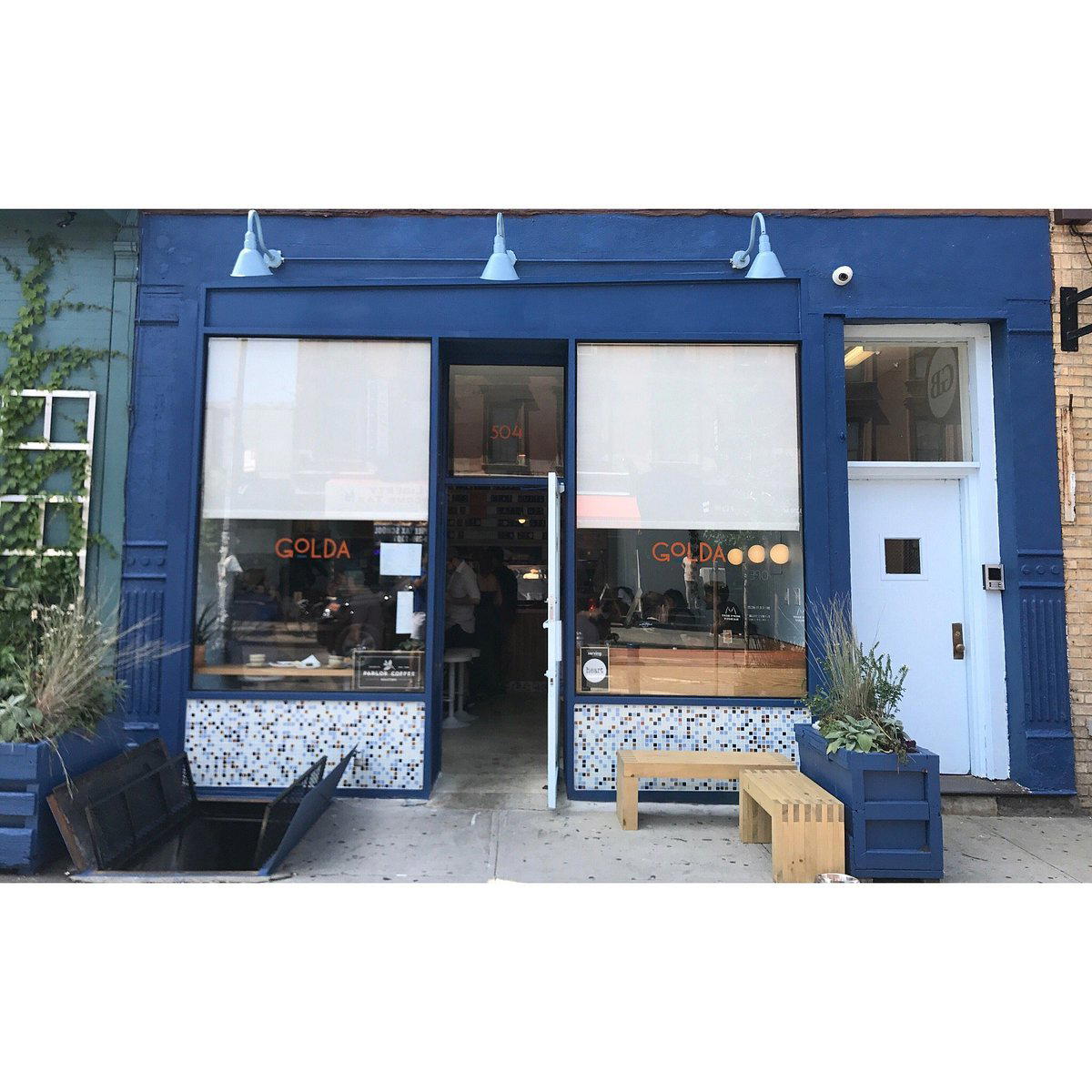
Franklin Avenue and the Brooklyn Wine-Forward Turn
Golda is a Mediterranean-inspired New American café in Brooklyn, with a $20 per person price point. Franklin Avenue, where Golda sits at number 504, runs through a stretch where the room counts are smaller, the ambitions are frequently higher than the price signals suggest, and the beverage programs often do more editorial work than the kitchens. That last quality matters here. Brooklyn's wine-forward movement did not emerge from a single flagship address; it accumulated through a cluster of rooms where the list arrived with the same seriousness as the plate.
Walking into a room like Golda's, the physical cues of that movement are legible before a single menu arrives: the glassware weight, the way the floor staff speaks about producers rather than regions, the absence of the kind of list padding that signals a kitchen-first operation treating wine as an afterthought. These are the rooms New York's more attentive drinkers have been finding in Brooklyn for years.
The Wine Program as Editorial Statement
In the current generation of Brooklyn neighborhood restaurants, the wine list frequently functions as the sharpest signal of a room's identity. A list built around natural producers, low-intervention growers, or a specific regional obsession tells a reader more about the kitchen's philosophical alignment than almost any other single data point. Particularly coherent examples of this model, and Golda falls into the conversation, present the beverage program not as support for the food but as a co-equal argument about how and what to drink alongside it.
This approach places Golda in a comparable set that includes some of the more intellectually serious wine rooms operating outside Manhattan. The comparison is not to the sommelier-heavy programs at places like Atomix or Masa. It is instead to the smaller, more conversational rooms where the list rewards the curious drinker who wants to ask questions and get honest answers rather than scripted responses.
Nationally, the wine-led neighborhood restaurant has found its strongest expression in a handful of cities. Frasca Food and Wine in Boulder built a model around regional Italian depth and sommelier storytelling that influenced how American restaurants think about list curation. Single Thread Farm in Healdsburg integrates wine into the tasting format at a level where the cellar functions as a narrative partner to the kitchen. Golda operates at a different scale and price point, but the underlying argument, that a beverage program should carry intellectual weight, connects it to that broader shift in how American restaurants prioritize the glass.
Crown Heights in Context
The neighborhood itself provides useful framing. Crown Heights sits between the more restaurant-dense pockets of Prospect Heights to the west and the residential depth of Eastern Brooklyn, and it has absorbed the kind of opening activity over the past five years that tends to indicate a corridor finding its identity rather than having already fixed it. That is not a liability. Some of the more interesting rooms in New York have emerged from neighborhoods still in the process of defining their dining character, where rents allow for experimentation and the local audience is less habituated to a single type of offer.
Franklin Avenue in particular has attracted a range of operators whose programs would not look out of place in the more celebrated dining corridors of other American cities. The comparison to what Lazy Bear did for a specific pocket of San Francisco, or what Smyth represents for Chicago's West Loop, is not direct, the formats and price tiers differ, but the underlying dynamic of serious operators choosing neighborhoods over destination addresses applies across all three cities.
Where Golda Sits in the New York Drinking Scene
New York's wine bar and wine-forward restaurant scene has stratified considerably. At one end, large-format wine bars with deep European cellars and high cover volume have proliferated in Manhattan. At the other, a smaller cohort of rooms has pursued depth over breadth: shorter lists, producer-specific commitments, and floor staff capable of defending every selection. The latter model demands more from both the team and the guest, and it tends to build a more specific kind of regular.
The options anchoring the upper end of Manhattan, Eleven Madison Park, Per Se, Le Bernardin, operate with cellars of significant scale and dedicated sommeliers whose role is explicitly defined. Golda operates differently: the program is more intimate, the selection more argued, and the interaction around the list more collaborative.
For readers interested in how other American restaurants have built wine into their identity at a similar scale, Blue Hill at Stone Barns in Tarrytown remains a useful comparison. Further afield, Providence in Los Angeles, Addison in San Diego, and The French Laundry in Napa each represent different answers to the same question: how seriously should a restaurant's beverage program pursue its own argument? In Europe, Atelier Moessmer Norbert Niederkofler in Brunico and Dal Pescatore in Runate show how deep regional wine commitments can anchor a room's entire identity across decades. Emeril's in New Orleans and The Inn at Little Washington take a different approach again, with cellars built for range rather than argument. Golda's Brooklyn address places it in none of those traditions directly, but the question it is answering belongs to the same conversation.
Comparison Snapshot
Comparable venues nearby, for context on price, style, and recognition.
| Venue | Cuisine | Price | Notes |
|---|---|---|---|
| GoldaThis venue — the venue you are viewing | Mediterranean-Inspired New American Café | $$ | Not listed |
| Nanoosh | Mediterranean Hummus Bar | $$ | Midtown South-Flatiron-Union Square |
| Crisp | Mediterranean Falafel | $$ | Midtown-Times Square |
| MeMe | Mediterranean Tapas with Moroccan Influence | $$ | West Village |
| Pulperia Latin Mediterranean Kitchen | Latin Mediterranean | $$ | Hell's Kitchen |
| Queen | Mediterranean | $$ | Brooklyn Heights |
Continue exploring
More in New York City
Restaurants in New York City
Browse all →


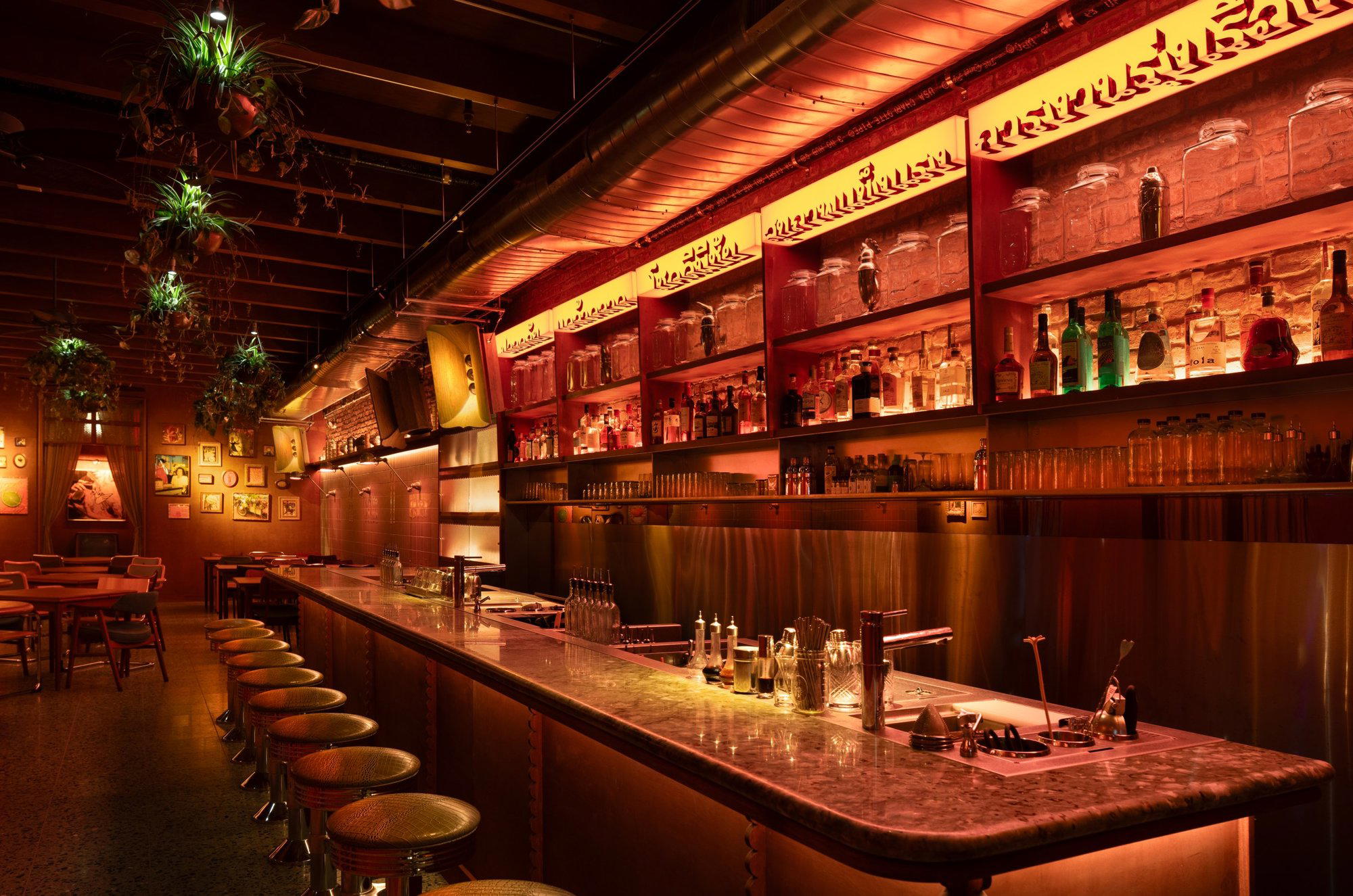
Bars in New York City
Browse all →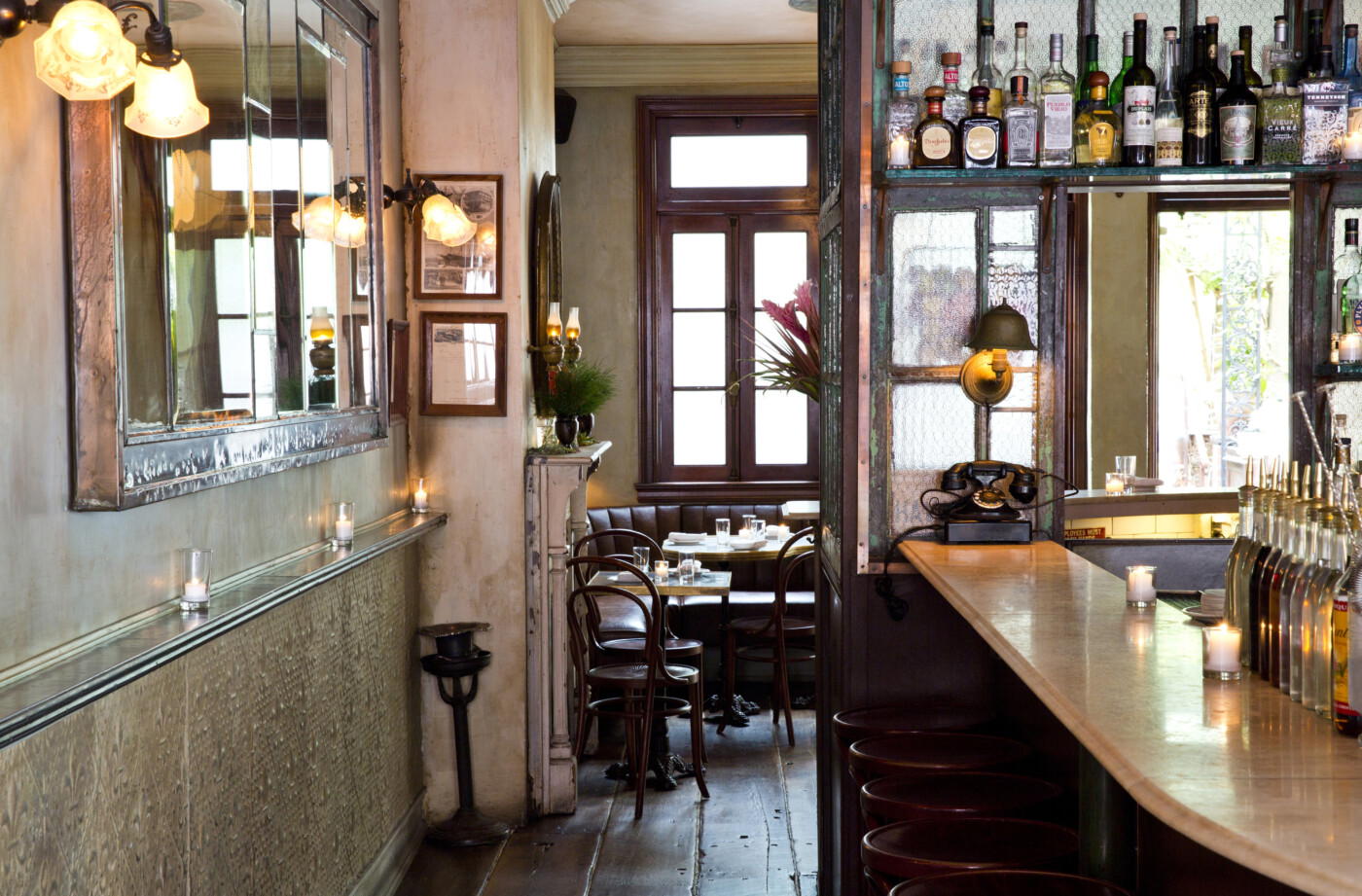

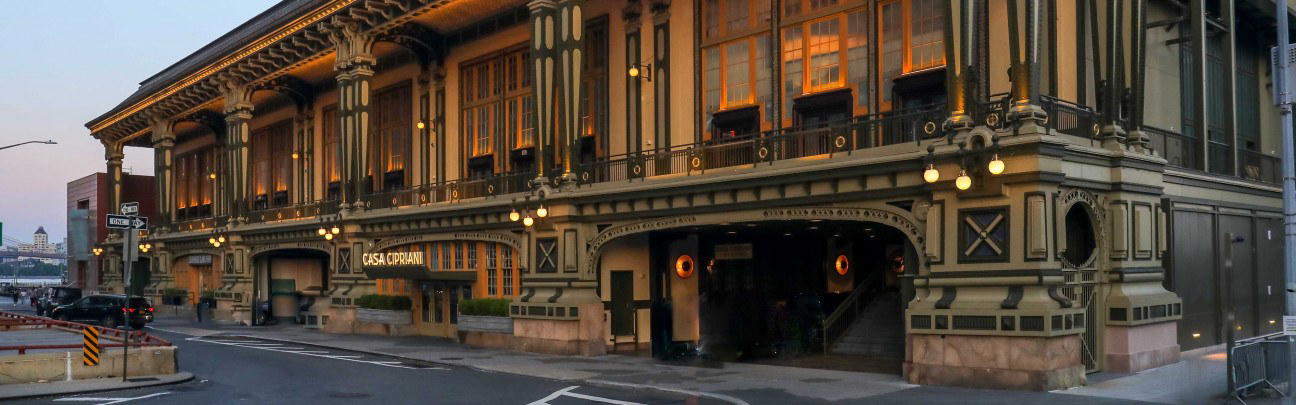
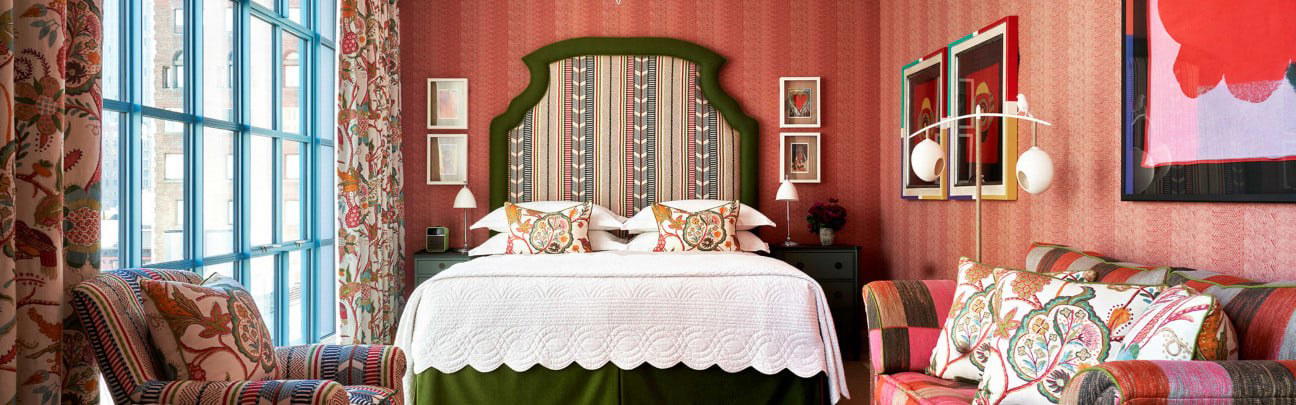
Hotels in New York City
Browse all →







At a Glance
- Cozy
- Modern
- Trendy
- Brunch
- Casual Hangout
- Open Kitchen
Current opening hours
- Monday
- 7 AM–4 PM
- Tuesday
- 7 AM–4 PM
- Wednesday
- 7 AM–4 PM
- Thursday
- 7 AM–4 PM
- Friday
- 7 AM–4 PM
- Saturday
- 8 AM–4 PM
- Sunday
- 8 AM–4 PM
Hours can change for holidays and private events. Last verified .
Cozy and simple decor with a few tables, bar seating, and a welcoming, friendly atmosphere.