Google: 4.7 · 351 reviews
Dining Inside a Palace That Was Never Meant to Be Ordinary Falaknuma translates, roughly, as "mirror of the sky" in Urdu, and arriving at the hilltop palace that bears that name does something particular to a visitor's sense of proportion. The...
 Discover on Pearl
Pearl is the En Primeur Club membership app — saves, bookings, and concierge access live there. Same editors, same standards.
Dining Inside a Palace That Was Never Meant to Be Ordinary
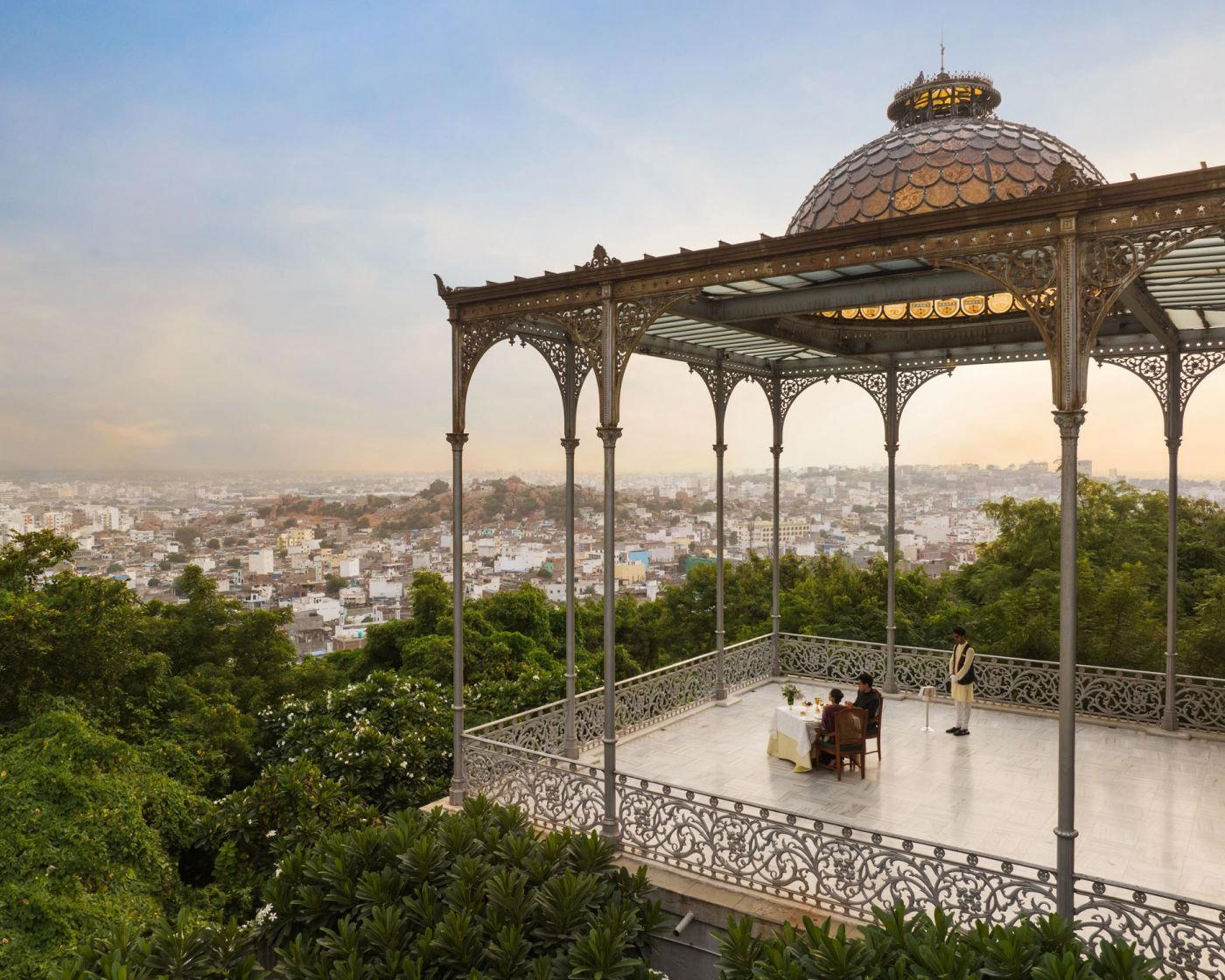
Falaknuma translates, roughly, as "mirror of the sky" in Urdu, and arriving at the hilltop palace that bears that name does something particular to a visitor's sense of proportion. The drive up to the Taj Falaknuma Palace winds through a Hyderabad that feels centuries removed from the city's tech corridors and ring roads, and by the time you reach the entrance gates you have already crossed a threshold that is less about geography than about expectation. The Gol Banglow is one of several dining settings within this palace complex, and what places it in a category of its own within Hyderabad's palace-dining circuit is the degree to which the setting and the food operate as a single argument about where this cuisine comes from.
The Nizam's Kitchen as a Reference Point
Hyderabad's culinary identity is Nizami in its bones. The city's dum biryani, its slow-cooked kormas, its use of dried plums and saffron and long-marinated meats, all trace back to the kitchens of the Asaf Jahi dynasty, which ruled from the early eighteenth century until Indian independence. Dining at a palace that was commissioned by the sixth Nizam, Mahbub Ali Khan, in 1884, carries a specific kind of weight for anyone who understands what those kitchens produced. Palace dining in this part of India has always been an expression of sourcing ambition: ingredients came from estates, from specific regions, from suppliers who answered only to royal households. That logic of provenance, even if no longer tied to Nizam patronage, informs how the kitchen at Gol Banglow positions itself within Hyderabadi tradition.
Across India, a small number of heritage dining settings have committed seriously to where their ingredients originate, treating sourcing as an editorial decision rather than a logistical default. Farmlore in Bangalore has made ingredient provenance its primary identity. Naar in Kasauli draws from Himalayan producers with the same intentionality. What distinguishes the Falaknuma context is that the provenance argument is architectural and historical, not merely agricultural: the palace itself is the origin story of the food served within it.
What Gol Banglow Signals Within the Falaknuma Dining Circuit
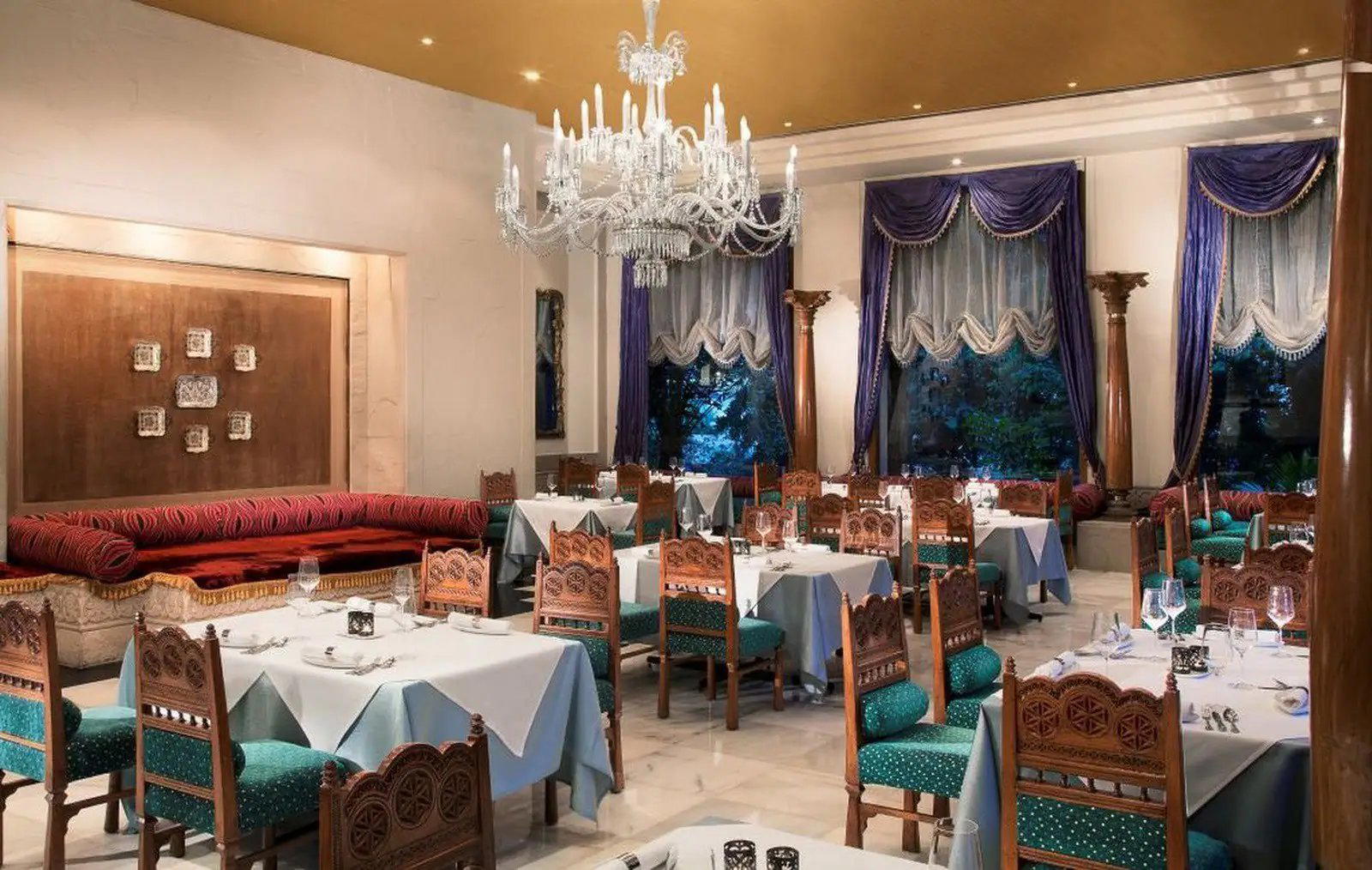
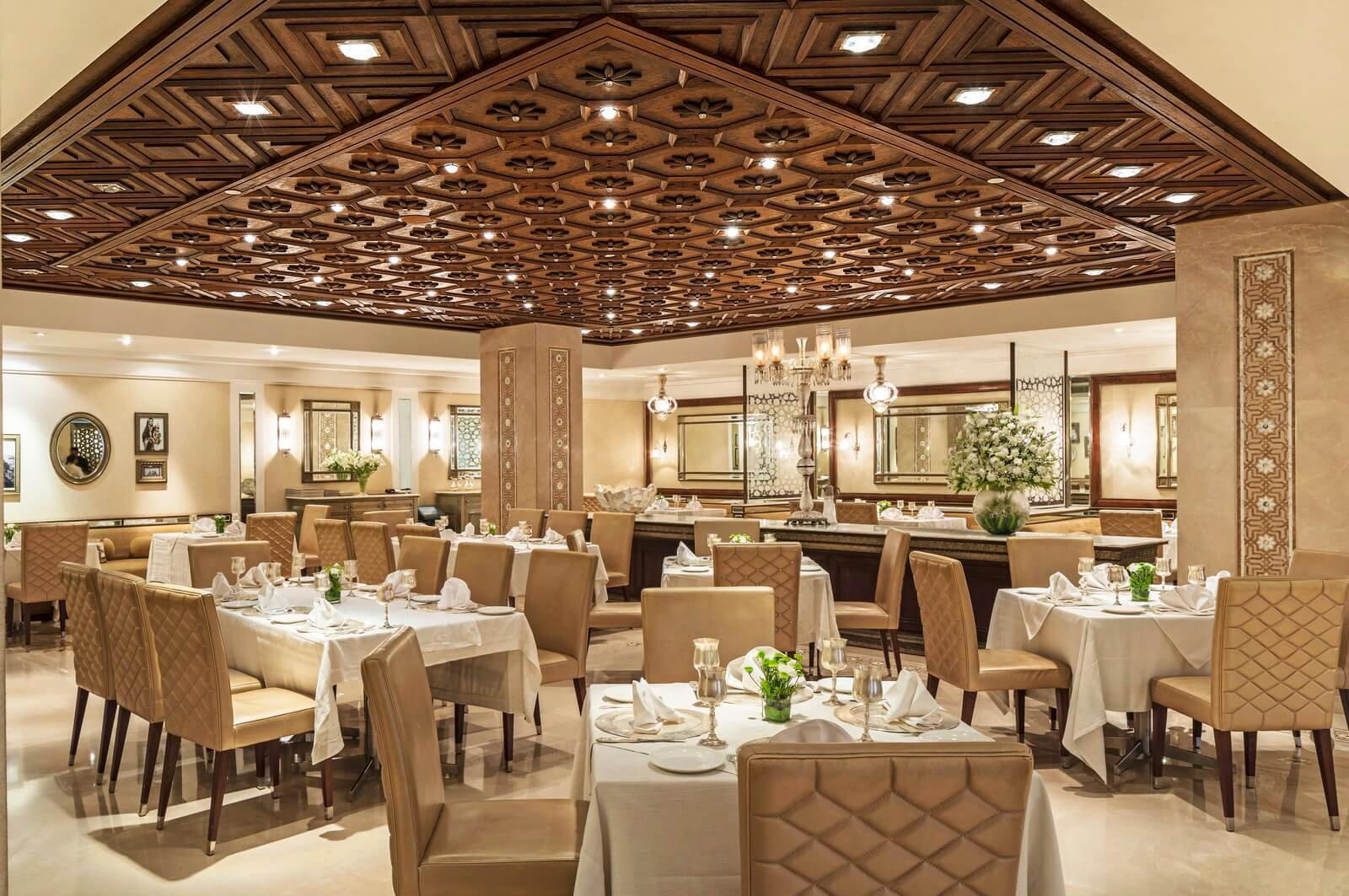
The Taj Falaknuma Palace hosts multiple dining formats, and understanding how they relate is useful before you book. Adaa at Falaknuma Palace occupies the more formal Hyderabadi Indian position within the property, with an interior setting that emphasises the palace's ornate European-Nizami aesthetic. The Falaknuma Palace dining experience sits at the ceremonial end of the spectrum. Gol Banglow, by contrast, reads as the property's outdoor or semi-outdoor setting, the "Gol Banglow" itself being a domed bungalow structure within the palace grounds, which positions this particular format as a distinct proposition from the interiors dining. Where the ballroom and formal halls of the palace press the Nizami grandeur most insistently, the Gol Banglow setting offers the grounds, the views over Hyderabad, and the open-air relationship with the hilltop site.
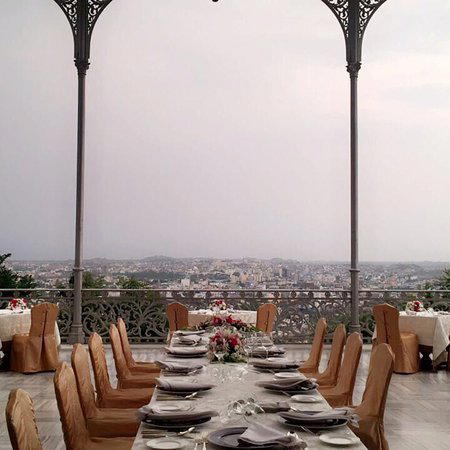
That outdoor dimension matters in a city where the shoulder seasons, particularly October through March, produce evenings of genuine pleasantness. Dining on the grounds of a hilltop palace with the city spread below is a specific experience that Hyderabad's urban restaurant circuit cannot replicate regardless of price point. For context on where this sits competitively, Aish at The Park and Firdaus represent the city's other premium Hyderabadi expressions, both operating in hotel settings but without the palace provenance that defines Falaknuma.
Palace Dining and the Ingredient Question
The broader question that heritage palace dining in India raises is whether the setting is doing the heavy lifting, or whether the kitchen is holding its own as a serious culinary proposition. At properties like Ran Baas The Palace in Qila Mubarak and the Dining Tent in Jaisalmer, the setting and the food form a coherent identity rather than a hierarchy. At Falaknuma, the Taj group's operational depth means the kitchen has access to supplier networks that most standalone Hyderabad restaurants do not. Whole spice sourcing, quality of meat, the specific varieties of rice used in dum preparation: these are decisions made upstream of the plate, and in Hyderabadi cooking they determine more about the outcome than any technique applied in the kitchen. The dum method, in which rice and meat cook together in a sealed vessel over a slow heat, leaves almost no room for correction at the end. The ingredients have to be right before the cooking begins.
This places palace dining in a particular relationship with sourcing that more accessible restaurants cannot easily replicate. It is a similar dynamic to what Kappa Chakka Kandhari in Chennai does for Kerala ingredient traditions, or what Palaash in Yavatmal demonstrates about regional Maharashtra produce: the argument is not that palace dining is inherently better, but that certain cooking traditions require a specific quality and specificity of ingredient to be honest to themselves.
Planning a Visit
Access to Gol Banglow is through the Taj Falaknuma Palace, which means the booking process runs through the hotel's dining reservations rather than through any independent channel. Non-resident guests can dine at the property, though the standard practice for heritage palace dining is to confirm availability in advance, particularly during the peak October-to-February season when both hotel occupancy and dinner reservations fill early. The palace is in the Falaknuma neighbourhood in south Hyderabad, a twenty-to-thirty-minute drive from the old city and considerably further from the western tech corridors. That distance is part of the proposition: arriving at Falaknuma requires a commitment that most of Hyderabad's dining does not. For a broader picture of where this sits within the city's dining options, the EP Club Hyderabad restaurants guide covers the full range across price points and neighbourhoods.
Internationally, the parallel for a traveller arriving from Europe or North America is not the grand hotel dining room but something closer to a working estate meal: the setting is inseparable from the meaning of the food. Le Bernardin in New York and Lazy Bear in San Francisco argue their case through technique and ingredient sourcing within urban dining contexts. Gol Banglow makes a different kind of argument, one rooted in historical continuity and place, where the Nizam's hilltop commands the same view it did when the palace was built, and the kitchen draws on a culinary tradition that predates any contemporary fine-dining benchmark by several centuries.
Quick Comparison
These are the closest comparables we have in our database for quick context.
| Venue | Cuisine | Price | Awards | Notes |
|---|---|---|---|---|
| Gol Banglow Unique Dining - Taj Falaknuma | This venue | |||
| Adaa at Falaknuma Palace | Hyderabadi Indian | Hyderabadi Indian | ||
| Falaknuma Palace | ||||
| Firdaus | ||||
| Aish - The Park |
Continue exploring
More in Hyderabad
Restaurants in Hyderabad
Browse all →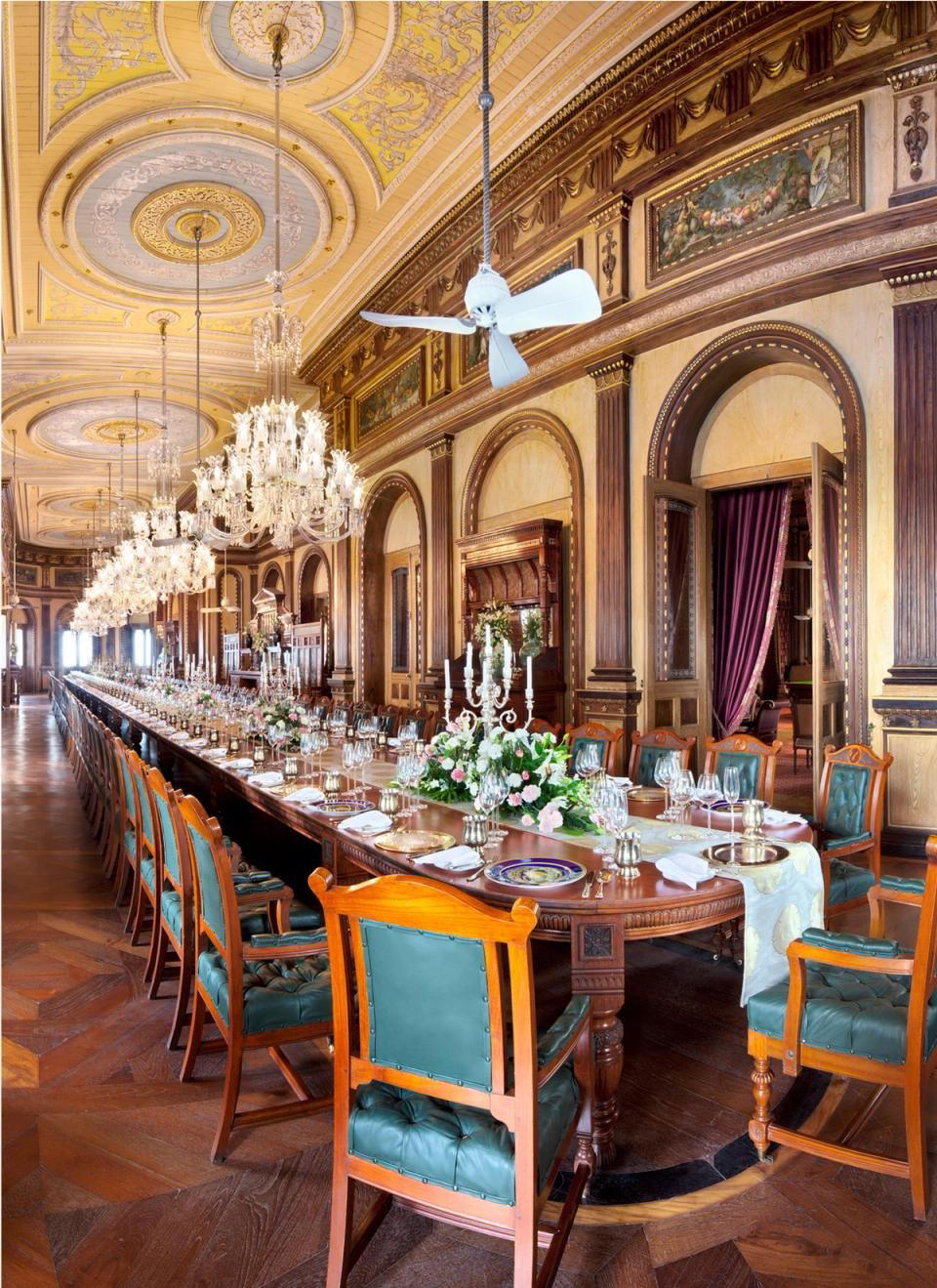
Hotels in Hyderabad
Browse all →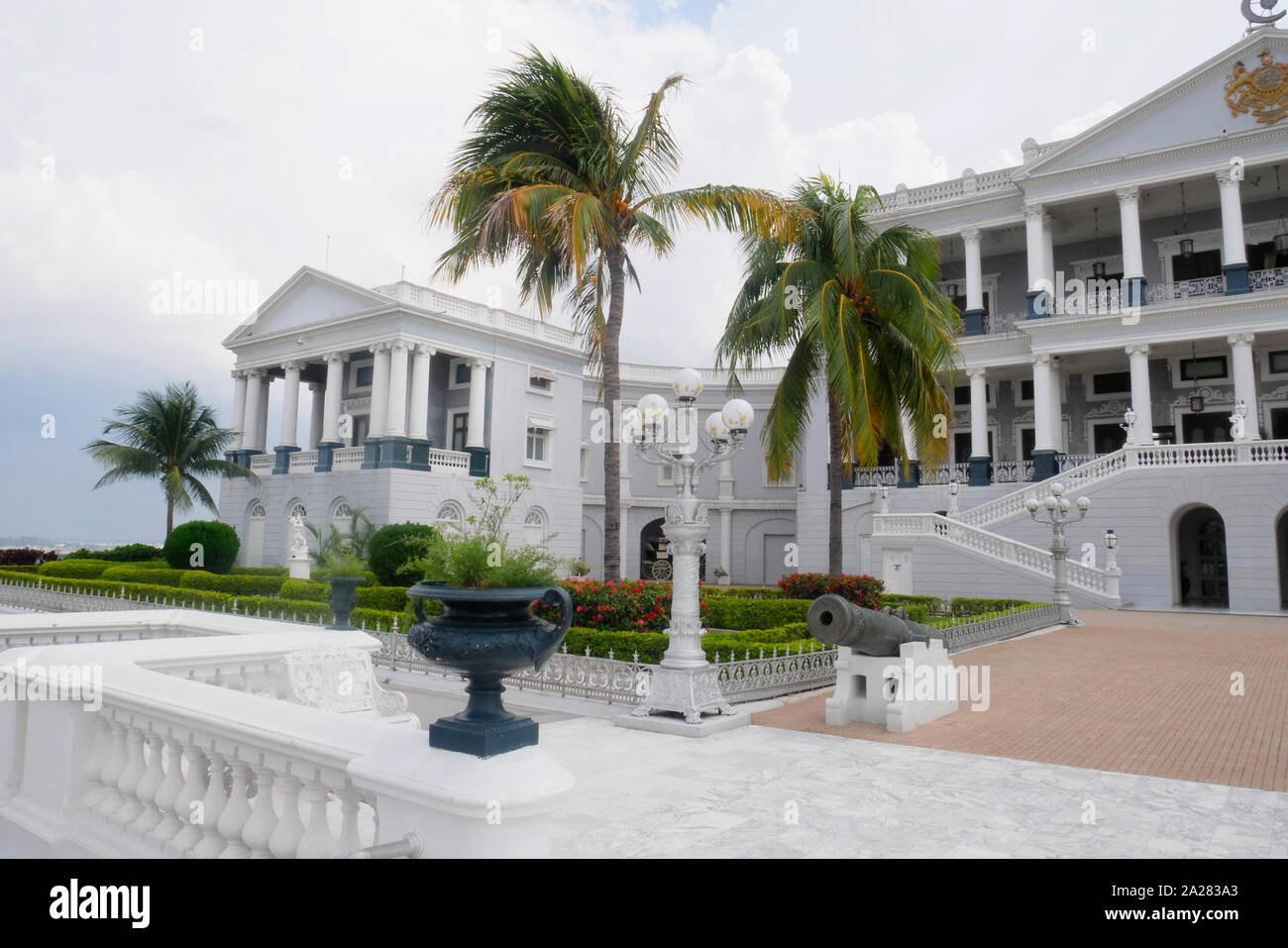
At a Glance
- Romantic
- Elegant
- Opulent
- Iconic
- Sophisticated
- Date Night
- Special Occasion
- Celebration
- Business Dinner
- Live Music
- Terrace
- Panoramic View
- Historic Building
- Private Dining
- Hotel Restaurant
- Craft Cocktails
- Sommelier Led
- Local Sourcing
- Skyline
Regal and romantic setting with soft blue hour lighting on the terrace overlooking the city, enhanced by live Sufi music performances.