Google: 4.5 · 894 reviews
Aish - The Park sits on Raj Bhavan Road in Somajiguda, one of Hyderabad's more composed hotel dining addresses, where the city's Mughal-rooted culinary tradition meets a contemporary hotel format. The property is part of The Park Hotels group, positioning it within the mid-to-upper tier of Hyderabad's hotel restaurant circuit. For visitors prioritising regional cooking in a structured setting, it warrants a considered look.
 Discover on Pearl
Pearl is the En Primeur Club membership app — saves, bookings, and concierge access live there. Same editors, same standards.
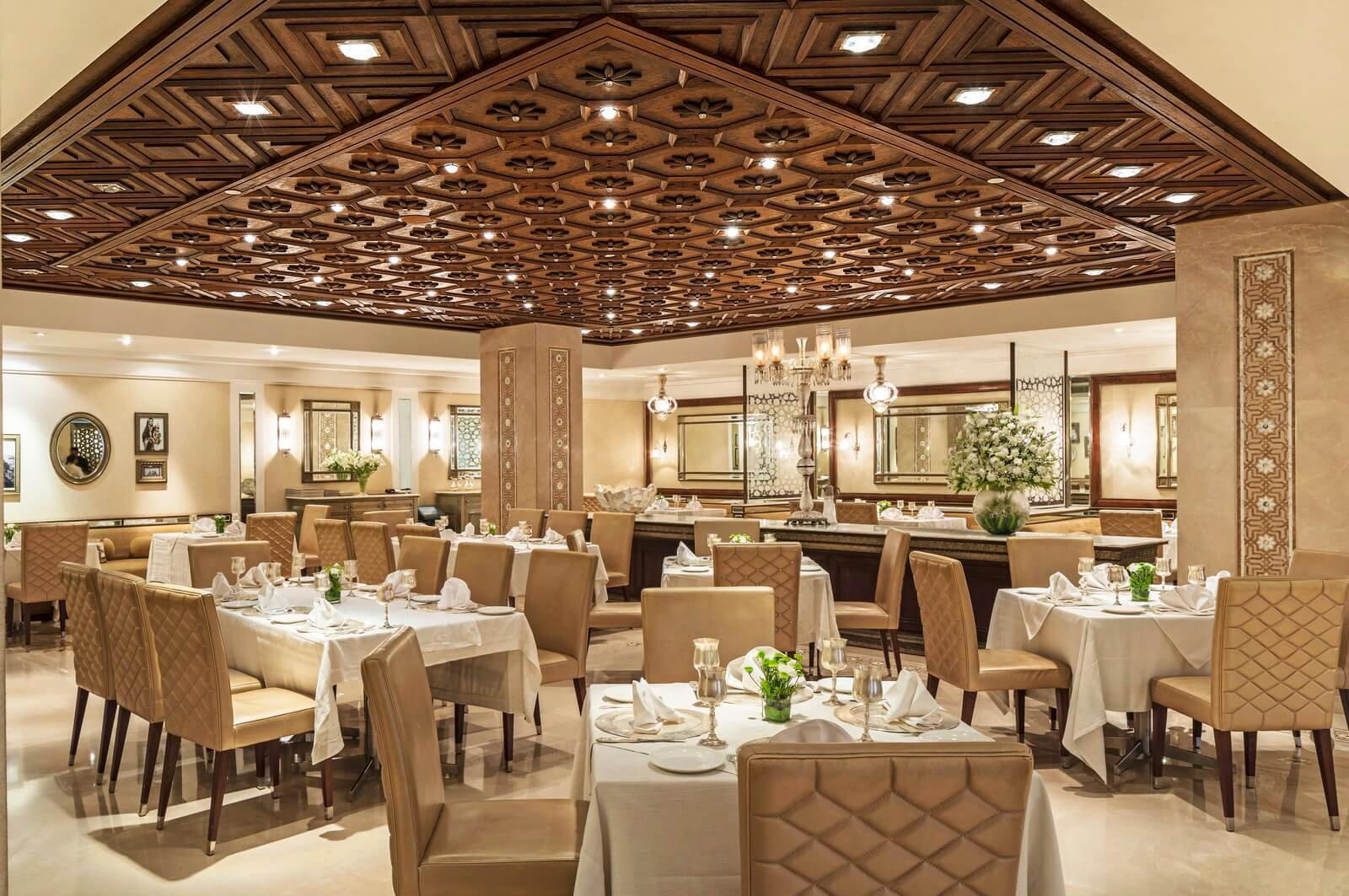
Raj Bhavan Road and the Hotel Dining Tier It Anchors
Somajiguda occupies a particular position in Hyderabad's geography: close enough to the Banjara Hills corridor to benefit from its density of spending power, yet with a more administrative, less nightlife-driven character than Jubilee Hills to its west. The Park Hyderabad on Raj Bhavan Road has long served as one of the neighbourhood's more composed hotel addresses, and Aish operates within that frame. Hotel restaurants in this city exist across a wide spectrum — from the heritage-loaded drama of Falaknuma Palace to the more purely functional — and Aish sits somewhere in the credible middle: a property restaurant with genuine ambitions toward Hyderabadi cooking, rather than the pan-Indian hedging that many hotel dining rooms default to.
That distinction matters. Hyderabad has one of the most internally coherent regional cuisines in India, a tradition shaped by the Nizamate's Persian influences, its own agricultural geography, and centuries of refinement that produced dishes as precisely structured as any in the subcontinent. A hotel restaurant that commits to this tradition, rather than softening it for a broad audience, operates in a different category than one that treats regional cuisine as a decorative gesture on an otherwise generic menu. The broader EP Club Hyderabad restaurants guide tracks this distinction across the city's dining scene.
Where the Ingredients Come From , and Why That Shapes the Plate
Hyderabadi cuisine's identity is inseparable from its sourcing geography. The Deccan plateau's black cotton soil produces particular varieties of lentils and millets that appear in the older, less-spotlighted parts of the regional canon. Tamarind from Andhra's coastal districts, dried red chillies from Khammam and Warangal, and the slow-grown saffron that historically arrived via Persian trade routes , these are not interchangeable components. When hotel kitchens source them with precision, the difference registers on the plate; when they substitute commodity equivalents, the food flattens into a version of itself.
This sourcing question is the right lens through which to assess any Hyderabadi restaurant, hotel-based or otherwise. The dum biryani, for instance, depends on long-grain rice with a specific starch profile, on meat rested and marinated with enough time for the spice to penetrate rather than coat, and on the sealed-vessel slow-cook that produces a steam environment no open pot can replicate. The dish is an argument for patience and ingredient integrity, not a vehicle for kitchen speed. How seriously a kitchen takes these variables tells you more about its commitment to the cuisine than any menu description will. Among hotel restaurants engaging with this tradition at varying levels of seriousness, Adaa at Falaknuma Palace and Firdaus represent the higher-investment end of the heritage argument, while Aish occupies a more accessible register on the same spectrum.
The parallel in other cities is instructive. Bukhara in New Delhi has built its reputation on a refusal to modernise the sourcing or technique of its core dishes , an approach that periodically draws criticism for rigidity but consistently rewards on flavour. Farmlore in Bangalore takes the opposite tack, making ingredient provenance explicit to the point of documentation, tracing each component to its farm of origin. Both positions represent a coherent philosophy. The middle ground , unnamed sourcing, loosely regional commitment , is where hotel restaurants most often lose ground to specialist standalone operations.
The Competitive Set and What It Implies
Hotel dining in Hyderabad has a complicated relationship with the city's standalone restaurant culture. The standalone scene, particularly around Banjara Hills and Jubilee Hills, tends to move faster, price more aggressively, and experiment more freely. Hotel restaurants trade on consistency, physical space, and the security of a known brand , factors that matter to certain traveller profiles and to corporate dining considerably more than they matter to the city's food-focused residents. This is not a criticism; it is a structural reality that shapes what any hotel restaurant can and should be.
Within the hotel tier, The Park positions itself as a design-led property rather than a full-service international chain, which gives its restaurants slightly more latitude for personality than a larger-brand equivalent might exercise. The Gol Banglow Unique Dining at Taj Falaknuma operates in a more theatrical register, using the heritage palace setting for an experience that competes partly on architecture. Aish, without that heritage context, must make its case more directly on food and atmosphere. Across India, hotel restaurants at this tier , from Esphahan in Agra to Leela Kerala Terrace in Trivandrum , follow a similar logic: the regional cuisine is the differentiator, but the hotel format is the frame.
The comparison extends internationally. At the higher end of the hotel-restaurant spectrum globally, venues like Le Bernardin in New York City and Atomix demonstrate what rigorous sourcing and technique commitment looks like at full stretch. That is a different category entirely, but the underlying argument , that ingredient integrity separates the serious from the merely functional , holds at every price point.
Planning a Visit: Practical Considerations
Aish sits within The Park Hyderabad at 22 Raj Bhavan Road, Somajiguda , a location that is direct to reach from both the Banjara Hills hotel cluster and the older city. For visitors staying in the Jubilee Hills or Gachibowli corridors, the drive is manageable in off-peak hours but can stretch considerably during evening traffic. The hotel format means walk-in dining is generally feasible, though for larger groups or weekend dinners, advance contact with the property is the sensible approach. Specific hours, current pricing, and menu details should be confirmed directly with the hotel, as these details are subject to change and not independently verified here. Dress expectations at Park Hotels properties across India tend toward smart casual, in keeping with their design-hotel positioning rather than the stricter formality of heritage palace properties.
For the broader Hyderabad context , including which neighbourhoods to base yourself in, what the standing street-food and biryani circuit looks like, and how the city's dining tier stacks up across cuisine types , the EP Club city guide covers the full picture. Visitors with a specific interest in comparing Hyderabadi fine dining across formats would do well to set Aish against the palace-property restaurants; the contrast in setting alone clarifies how much of any dining experience is the room versus the plate.
Comparable Spots, Quickly
These are the closest comparables we have in our database for quick context.
| Venue | Cuisine | Price | Awards | Notes |
|---|---|---|---|---|
| Aish - The Park | This venue | |||
| Adaa at Falaknuma Palace | Hyderabadi Indian | Hyderabadi Indian | ||
| Firdaus | ||||
| Falaknuma Palace | ||||
| Gol Banglow Unique Dining - Taj Falaknuma |
Continue exploring
More in Hyderabad
Restaurants in Hyderabad
Browse all →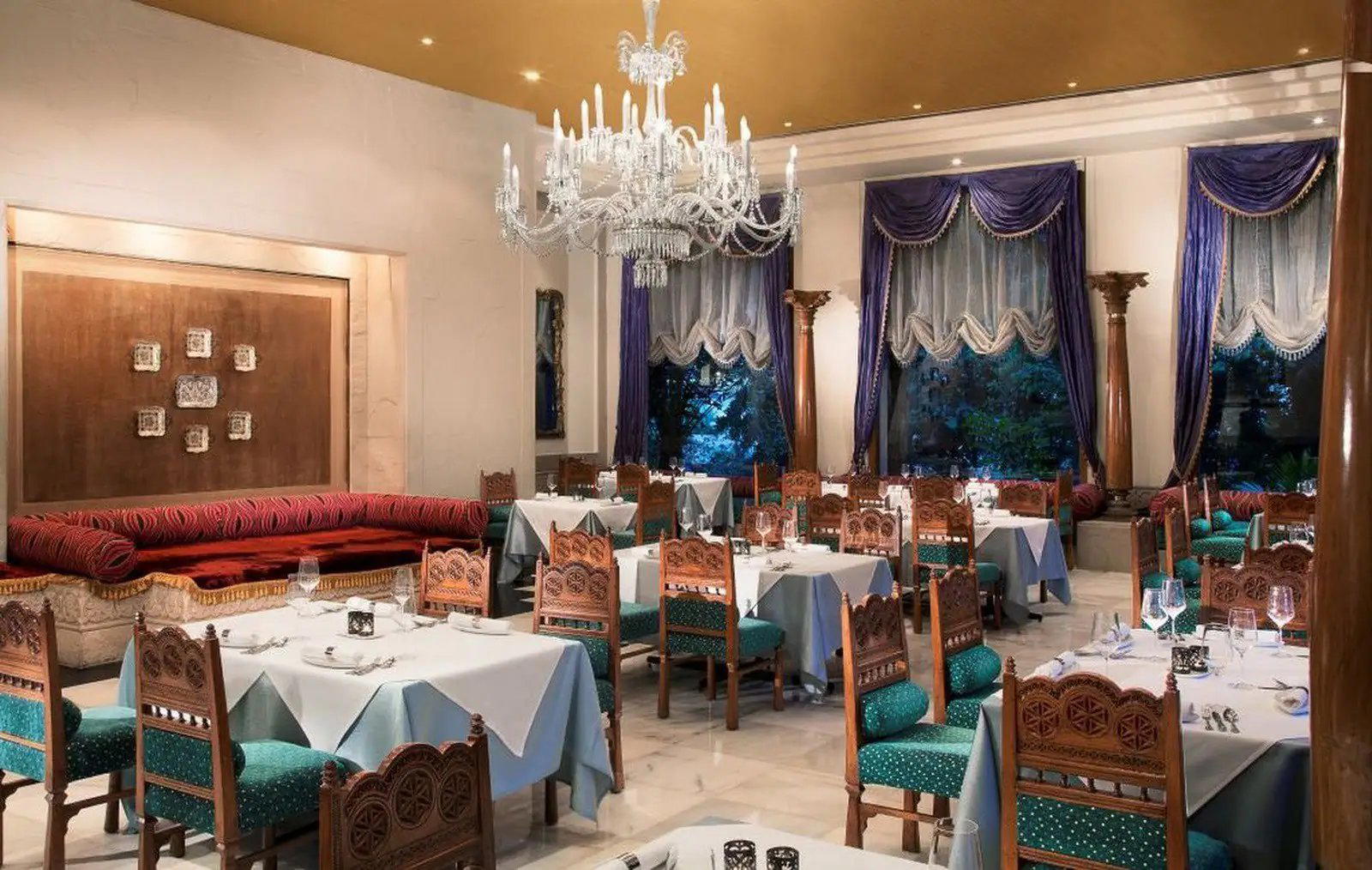
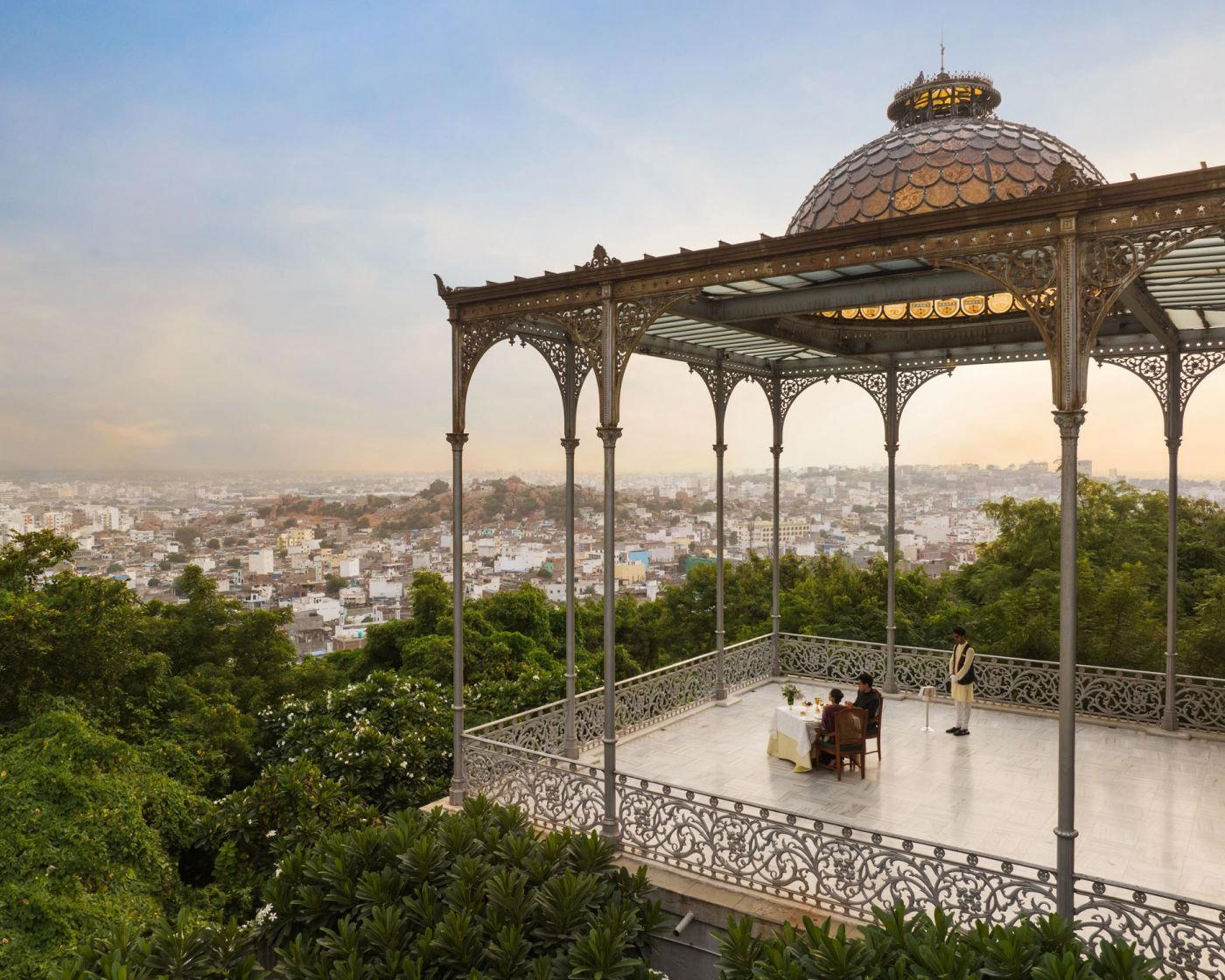
Hotels in Hyderabad
Browse all →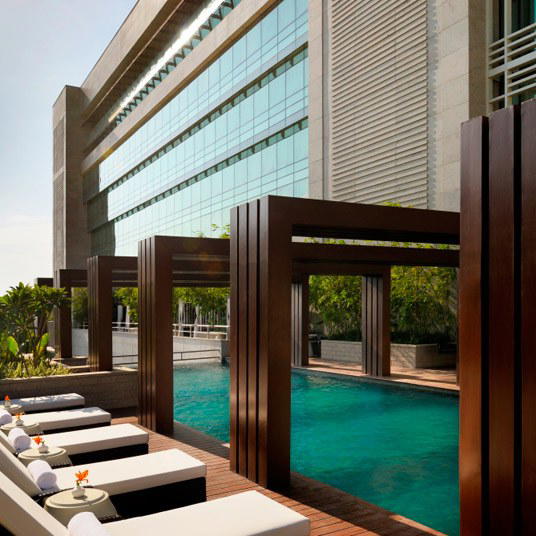
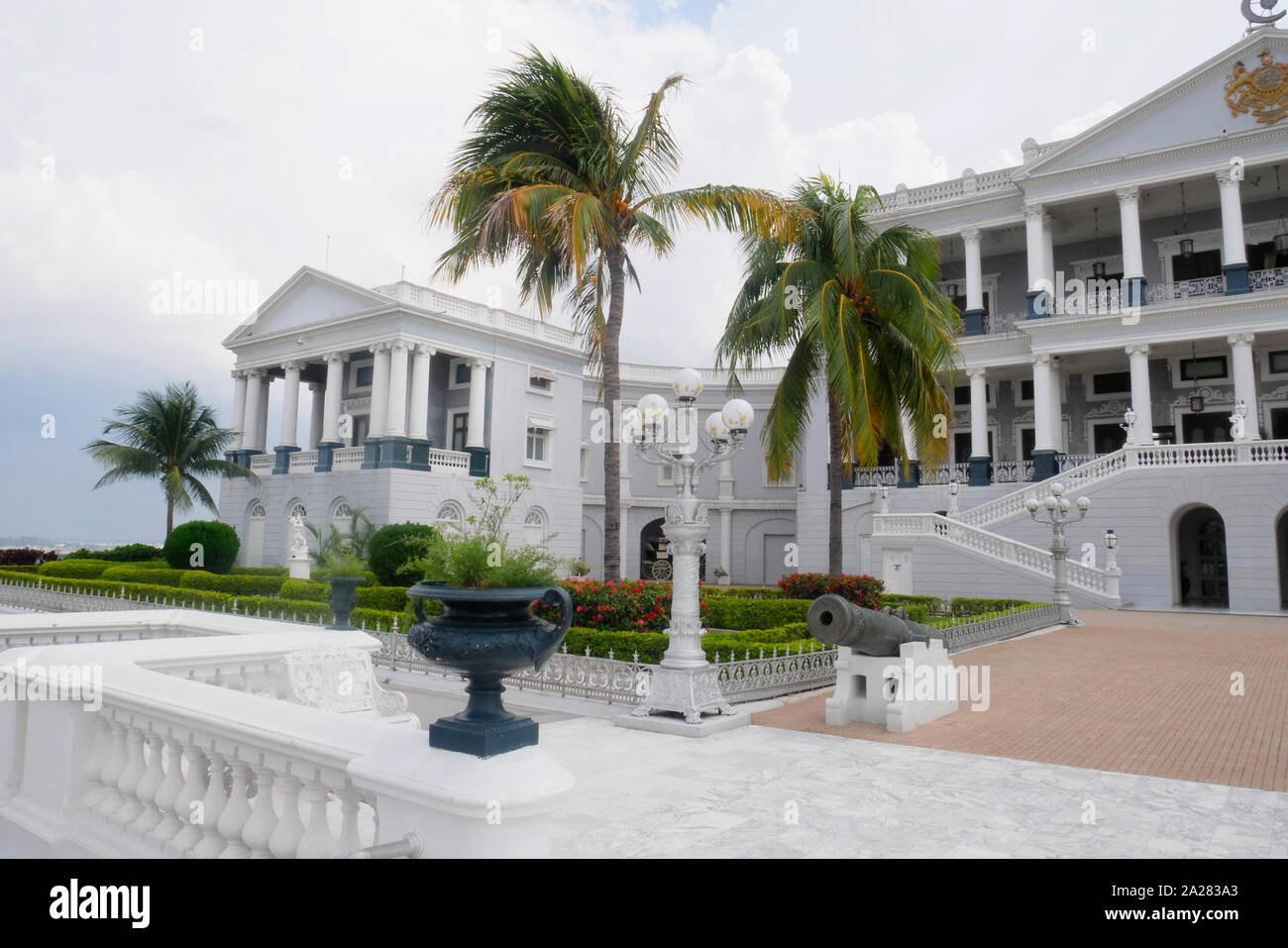
At a Glance
- Elegant
- Sophisticated
- Opulent
- Romantic
- Celebration
- Special Occasion
- Business Dinner
- Hotel Restaurant
Elegant contemporary ambience with chrome accents, mirrors, Belgian crystal chandeliers, subtle gold tones, Swarovski-encrusted ceiling, and flattering lighting fusing Nizam heritage with modern sophistication.