
A Michelin Bib Gourmand recipient in both 2024 and 2025, Glorious Cuisine operates from Sham Shui Po, one of Hong Kong's most uncompromisingly local neighbourhoods. The kitchen produces Cantonese cooking at a price point that sits well below the city's starred dining tier, making it a useful reference point for the relationship between technical rigour and accessible format in Hong Kong's broader Cantonese scene.
Pearl is the En Primeur Club membership app — saves, bookings, and concierge access live there. Same editors, same standards.
- Address
- 31-33 Shek Kip Mei St, Sham Shui Po, Hong Kong
- Phone
- +852 2778 8103
- Directions
- Get directions
 Saves & bookings on Pearl
Sham Shui Po and the Economics of Serious Cantonese Cooking
The streets around Shek Kip Mei in Sham Shui Po have none of the groomed confidence of Wan Chai or the corporate density of Admiralty. The neighbourhood is a working district of fabric merchants, wet markets, and dried-goods traders, where the built environment skews functional and the pace is unhurried by tourist traffic. It is exactly the kind of area where Hong Kong's most serious value-for-money cooking tends to take root, sheltered from the rental pressures that push comparable kitchens in Central or Tsim Sha Tsui toward higher price brackets and abbreviated menus.
Glorious Cuisine is a Cantonese Dai Pai Dong restaurant at 31 to 33 Shek Kip Mei Street in Sham Shui Po, Hong Kong, with Bib Gourmand recognition in 2024 and 2025 and an accessible price tier. Its consecutive Michelin Bib Gourmand awards in 2024 and 2025 place it in a specific and meaningful tier: the Bib designation, awarded to restaurants offering good food at a moderate price, signals a kitchen that meets Michelin's technical threshold without scaling costs accordingly.
Cantonese Technique in a Non-Glossy Setting
Cantonese cuisine's global reputation rests on a paradox: it is simultaneously one of the world's most technique-intensive traditions and one of the least forgiving of shortcuts, yet its most celebrated expressions often appear in settings that have nothing to do with formal dining rooms. Hong Kong's Bib Gourmand cohort illustrates this clearly. The city's approach to Cantonese cooking, precise heat control, ingredient-first sourcing, restrained seasoning that demands quality produce to function, survives, and often thrives, outside the starred tier.
Glorious Cuisine's $$-price range positions it in that tradition rather than in competition with the multi-course Cantonese tasting menus offered at properties like Rùn or Forum. Where the higher tier tends toward elaborate preparation and premium ingredients as signal, abalone, dried seafood of documented provenance, aged sauces, the Bib level asks something harder of the kitchen: produce food that justifies Michelin's attention using ordinary-market ingredients at non-premium prices. That constraint is not a limitation; it is a distinct culinary discipline.
The Local-Ingredients, Applied-Technique Dynamic
Glorious Cuisine connects to a wider pattern visible across serious Cantonese kitchens in Hong Kong and beyond. The tradition has always absorbed technique from adjacent food cultures, the wok's relationship to French sauté methods, the influence of Shanghainese braising on southern Chinese kitchens, and more recently the migration of Japanese ingredient-sourcing rigour into Cantonese produce selection. The result is not fusion in any trendy sense but an accumulated technical intelligence that the leading Cantonese cooks apply to local-market ingredients with considerable sophistication.
Kitchens operating at the Bib level make this dynamic visible in a way that starred restaurants sometimes obscure behind expensive ingredients. When the ingredient cannot carry the dish on prestige alone, the technique becomes audible. Hong Kong's Bib Gourmand Cantonese restaurants are, collectively, some of the clearest demonstrations of what the tradition actually requires technically. Comparable expressions of that argument appear in Cantonese kitchens across the region, from 102 House in Shanghai and Bao Li Xuan to Summer Pavilion in Singapore and Le Palais in Taipei, each adapting the Hong Kong Cantonese template to local supply chains and dining expectations.
The Macau Cantonese scene, represented by properties like Jade Dragon and Chef Tam's Seasons, tends to run at the opposite end of the investment spectrum, casino-backed budgets that allow for ingredient sourcing few independent kitchens could sustain. The restaurant operates in a completely different model, and that difference is what makes it a useful data point rather than just a cheaper alternative. For reference on the fuller regional picture, see our guides to Canton 8 in Shanghai and Imperial Treasure in Guangzhou.
Sham Shui Po as a Dining District
Visiting the restaurant without acknowledging the neighbourhood would miss half the point. Sham Shui Po is one of the few remaining districts in Hong Kong where the wet market still functions as the primary source of daily provisions, where dried seafood shops supply both home kitchens and restaurant buyers, and where the clientele at any given lunch table is more likely to be local residents than out-of-district visitors. Eating here is a different kind of encounter with Hong Kong than a reservation in a hotel restaurant or a Wan Chai tasting-menu room provides.
Google's 3.7-star aggregate from 1,133 reviews reflects the reality that local neighbourhood restaurants tend to attract a wider range of diners and expectations than destination spots. A Bib Gourmand kitchen serving a mixed local crowd will always generate a broader review distribution than an omakase counter with a self-selecting international clientele. That number is better read as a volume signal than a quality indicator: over a thousand data points means consistent traffic, not a divided kitchen.
Planning Your Visit
The restaurant's Sham Shui Po address is accessible from the MTR's Sham Shui Po station, putting it within direct reach of Kowloon-side accommodation and a reasonable cross-harbour journey from Hong Kong Island. Booking information is not currently listed on third-party platforms, so arriving early or making direct contact via the restaurant is the practical approach. For a broader view of where the restaurant sits in Hong Kong's dining structure, our full Hong Kong restaurants guide covers the complete range from Bib-level neighbourhood kitchens to three-star rooms. The city's wider hospitality picture is covered in our Hong Kong hotels guide, bars guide, wineries guide, and experiences guide.
Comparison Snapshot
Comparable venues nearby, for context on price, style, and recognition.
| Venue | Cuisine | Price | Awards | Notes |
|---|---|---|---|---|
| Glorious CuisineThis venue — the venue you are viewing | Cantonese Dai Pai Dong | $$ | Bib Gourmand | Not listed |
| Megan's Kitchen | Cantonese Hot Pot | $$ | Bib Gourmand | Wan Chai |
| Tin Hung | Cantonese Roast Goose | $$ | Bib Gourmand | Yuen Long Town Centre |
| Putien (Causeway Bay) | Authentic Fujian Heng Hwa Cuisine | $$ | Bib Gourmand | Wan Chai |
| Lulu Baobao | Shanghainese Handmade Noodles and Dim Sum | $$ | Bib Gourmand | Southern District Southeast |
| Ju Xing Home | Cantonese with Sichuan Influences | $$ | Bib Gourmand | Yau Tsim Mong North |
Recognition history
Dated appearances from independent guides and award organizations, with the underlying list record or original source where available.
Michelin Bib Gourmand
Michelin
Michelin Bib Gourmand
Michelin
Michelin Bib Gourmand
Michelin
Continue exploring
More in Hong Kong
Restaurants in Hong Kong
Browse all →


At a Glance
- Classic
- Group Dining
- Family
- Standalone
Current opening hours
- Monday
- 5:30 PM–2 AM
- Tuesday
- 5:30 PM–2 AM
- Wednesday
- 5:30 PM–2 AM
- Thursday
- 5:30 PM–2 AM
- Friday
- 5:30 PM–2 AM
- Saturday
- 5:30 PM–2 AM
- Sunday
- 5:30 PM–2 AM
Hours can change for holidays and private events. Last verified .
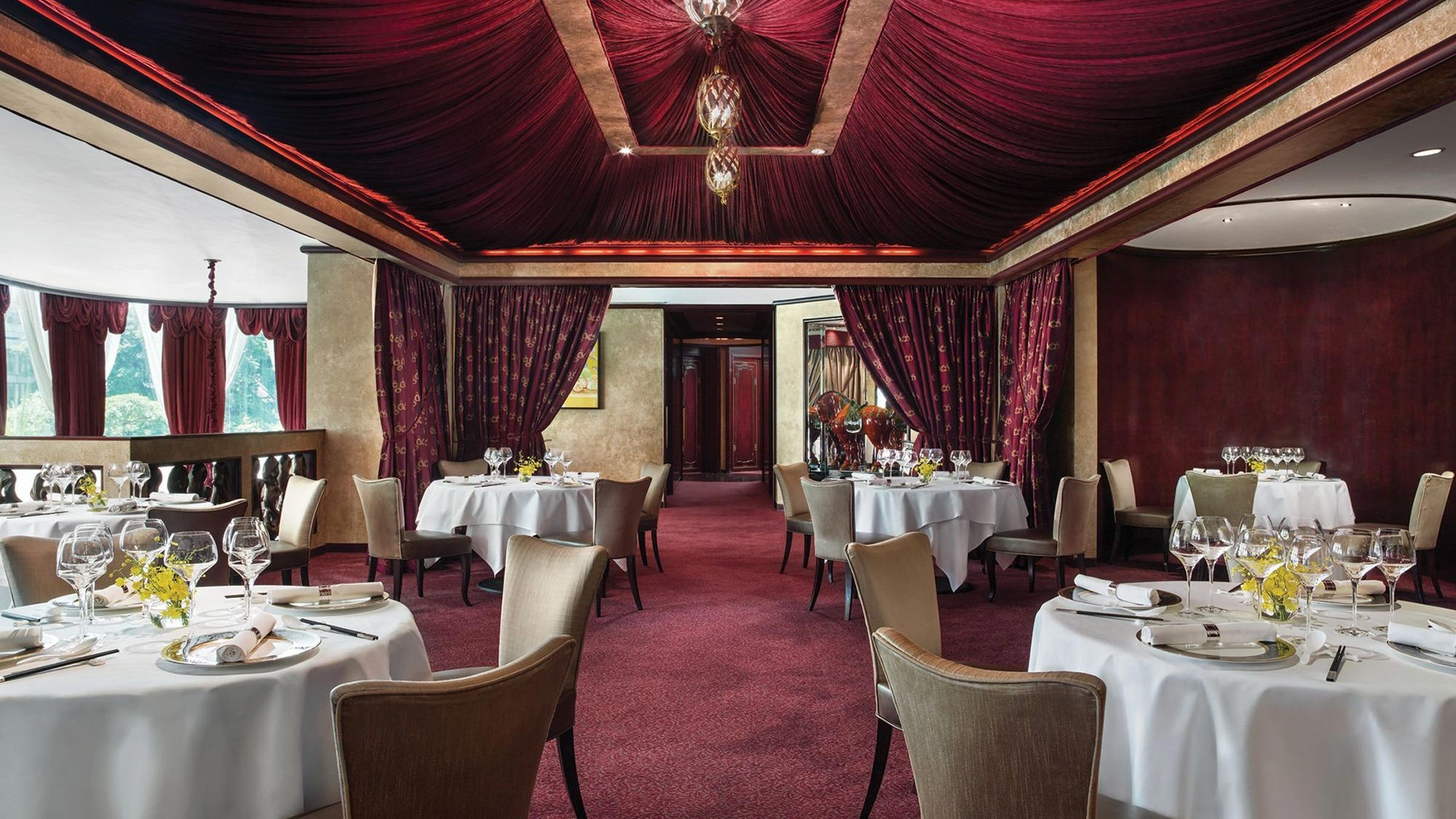
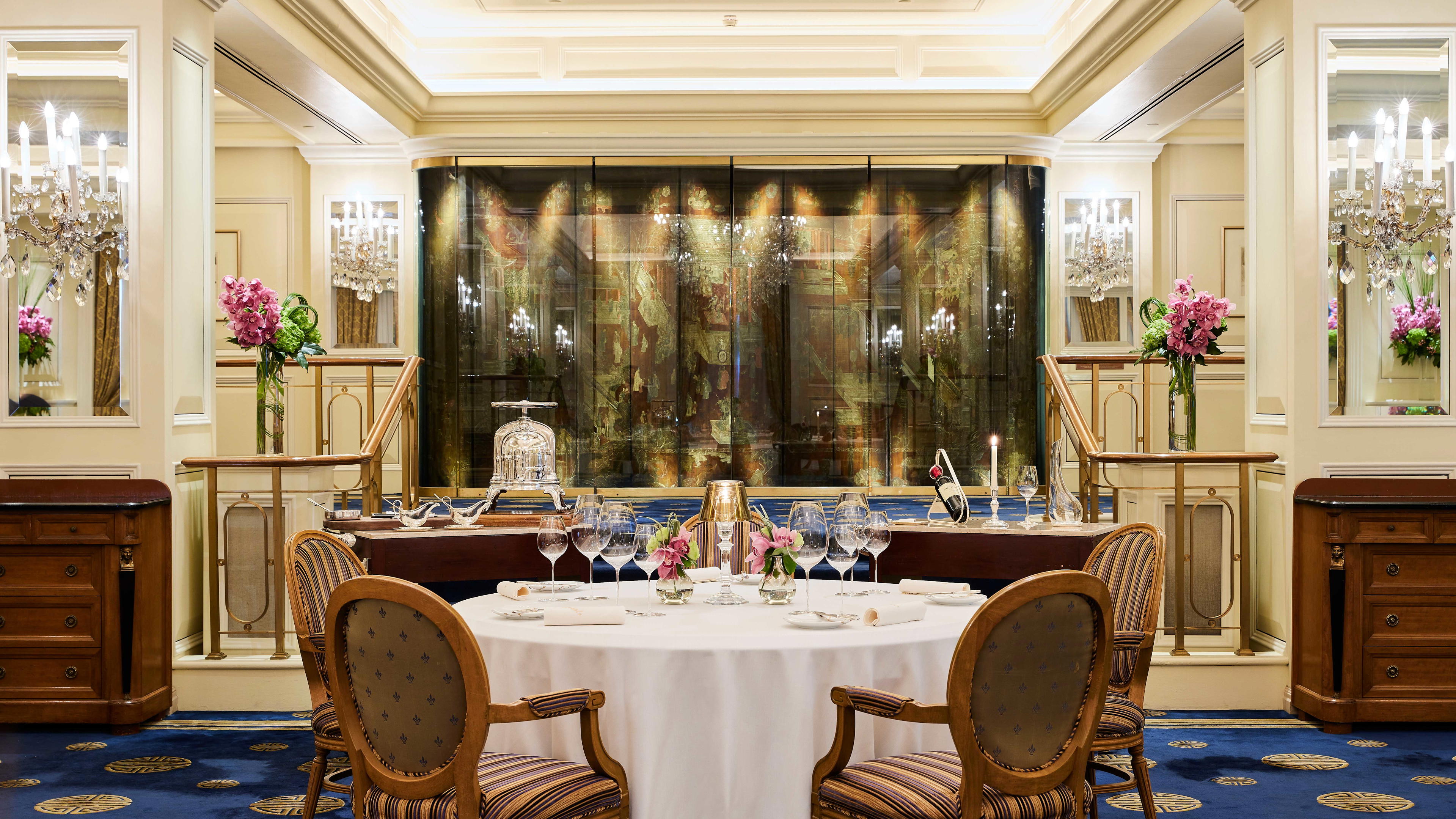
Typical Chinese restaurant with tablecloths and sturdy chairs, evolved from traditional dai pai dong style