Gloria
Gloria sits on Great Eastern Street in Shoreditch, where the neighbourhood's shift from industrial fringe to serious dining destination has produced a more confident, less trend-chasing restaurant scene. The menu architecture here works as a lens on modern Italian cooking as practised in London, generous in structure, rooted in southern European tradition, and deliberately positioned away from the tasting-menu formalism that dominates the city's ££££ tier.
Pearl is the En Primeur Club membership app — saves, bookings, and concierge access live there. Same editors, same standards.
- Address
- 54-56 Great Eastern St, London EC2A 3QR, United Kingdom
- Phone
- +442045784370
- Website
- bigmammagroup.com
- Directions
- Get directions
 Saves & bookings on Pearl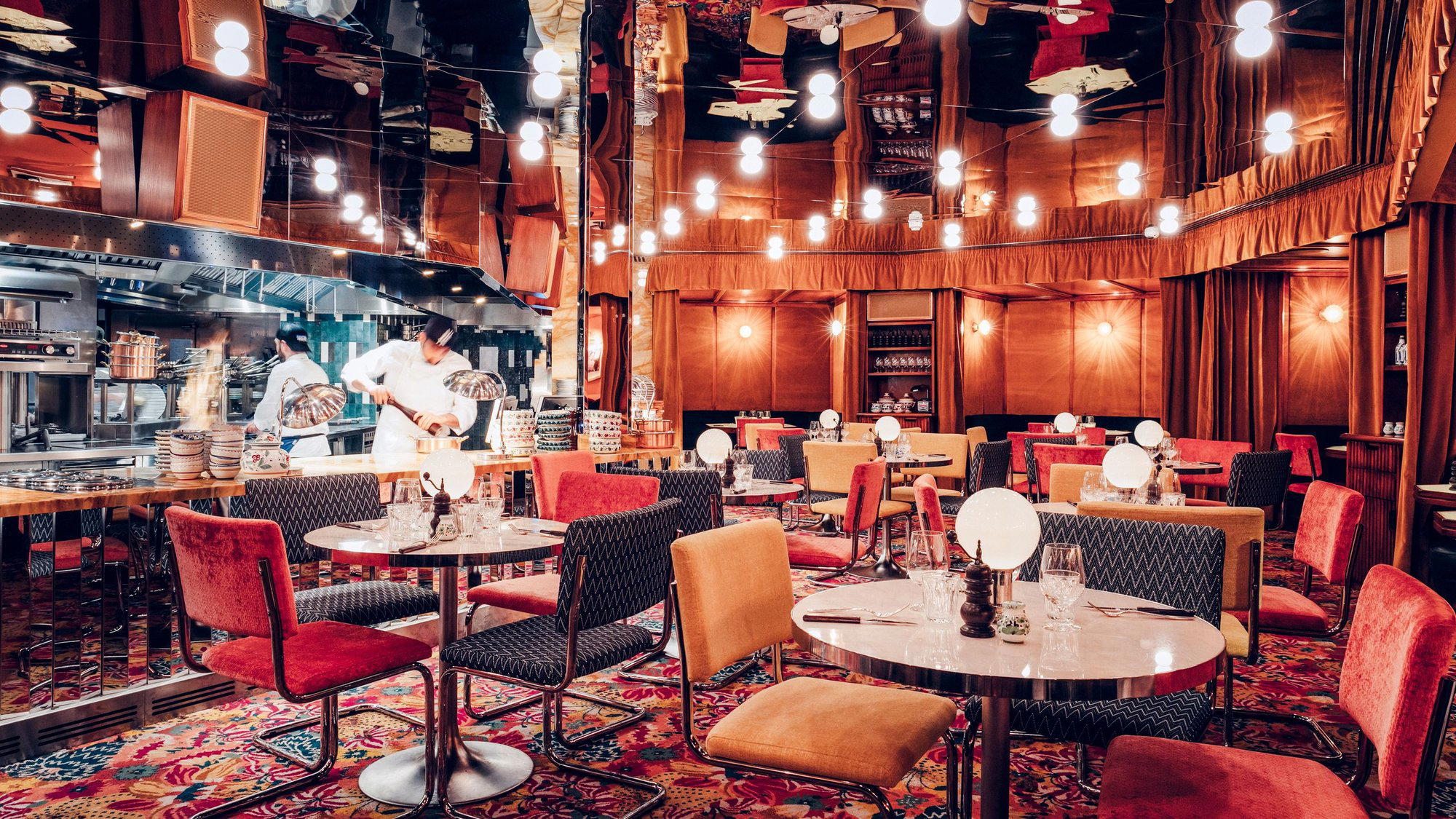
Great Eastern Street and the Scene It Signals
Shoreditch's restaurant culture has cycled through several identities since the early 2000s: pop-up incubator, street-food corridor, casualised fine-dining testing ground. What remains on Great Eastern Street today is something more settled. The venues that survived the churn tend to operate with a clearer sense of purpose, and Gloria at 54-56 is a useful marker of that maturity. The address puts it squarely in the EC2A corridor where Shoreditch meets Bethnal Green Road, close enough to Liverpool Street for after-work trade, far enough from Spitalfields for a distinctly local clientele rather than a tourist overflow.
Approaching the frontage on Great Eastern Street, the visual language is immediately southern European: warm light spilling through the windows, the kind of density of tables that signals a room designed for convivial eating rather than ceremonial dining. This is not the stripped-back Scandi minimalism or the hushed reverence of the tasting-menu tier. The physical environment positions Gloria before you have read a single menu item.
Menu Architecture as Editorial Statement
One telling thing about any Italian restaurant in London is not which region it claims allegiance to, but how it structures the eating experience. The contemporary Italian room in this city has split into at least three legible camps: the high-spend, multi-course format imported from the Michelin track (closer in spirit to what you find at places like Sketch, The Lecture Room and Library or CORE by Clare Smyth in its structural ambition); the aggressively casual, pizza-forward model; and a middle tier that takes Italian cooking seriously without demanding that the diner submit to a fixed sequence.
Gloria occupies that third space with some conviction. The menu reads as a sequence of antipasti, pasta, secondi, and contorni, the classical Italian structure preserved without irony. What this reveals is a kitchen that believes the cuisine's own architecture is sufficient, that it does not need to be deconstructed or supplemented with tasting-menu theatrics to command serious attention. In London's current restaurant culture, that is itself a position. The city's ££££ tier, well represented by Restaurant Gordon Ramsay, The Ledbury, and Dinner by Heston Blumenthal, operates almost entirely through set-course or tasting formats. Gloria's à la carte orientation places it in a different conversation entirely.
Italian cooking's strength has always been its capacity to resist the abstraction that European fine dining often imposes on other national cuisines. The pasta course is not a gesture toward tradition; it is the structural centre of the meal. Secondi exist to follow, not to compete. Contorni are ordered separately because the vegetable is not an afterthought dressed up as a side, it is a dish in its own right. A kitchen that preserves these distinctions is making a statement about what the food should feel like to eat, not just how it should look plated.
Where Gloria Sits in London's Wider Italian Dining Tier
London's Italian restaurant tier is broader and more internally differentiated than it was a decade ago. The post-2010 wave of regional Italian specialists, rooms focusing on specific regional traditions rather than a generic pan-Italian repertoire, raised the baseline for what serious Italian cooking in the city looks like. Gloria fits within this broader shift toward specificity, though its address in Shoreditch places it in a neighbourhood where the diner demographic skews younger and more internationally mobile than the Mayfair or Kensington rooms.
That demographic matters for understanding the room's energy. Shoreditch diners in this price bracket tend to be less interested in the ceremony of fine dining and more attentive to whether the food itself delivers. The format Gloria operates, generous portions, shareable logic, a wine list that rewards selection rather than demanding it, reads as calibrated for precisely that audience. It is not casualised dining pretending to be serious; it is serious cooking that has chosen a social register to match its neighbourhood.
For comparison, the restaurants on EP Club's wider UK list that operate at a similar seriousness level but within the tasting-menu tradition include L'Enclume in Cartmel, Moor Hall in Aughton, and Le Manoir aux Quat'Saisons in Oxford. The contrast is instructive: those rooms ask the diner to surrender agency over the sequence of the meal. Gloria asks the opposite, it demands that you make choices, order in the right sequence, and engage with the structure of Italian eating as a participatory act.
How to Approach a Meal Here
The à la carte format at Gloria puts the construction of the meal squarely in the diner's hands, which is both its attraction and the source of its occasional unpredictability. Ordering too few courses produces a meal that feels incomplete relative to the room's energy; ordering without attention to sequence produces something that doesn't cohere. The classical Italian arc, antipasti light enough not to crowd the pasta, a pasta course ordered as a near-main rather than a starter, secondi used selectively, is the model the menu is built around, and it rewards those who follow it.
Great Eastern Street is served by Liverpool Street station (Central, Circle, Hammersmith & City, and Elizabeth lines), roughly a ten-to-fifteen minute walk through Shoreditch High Street. Shoreditch High Street Overground is closer still for those arriving from north or east London. Comparable Italian rooms in London at this level of seriousness tend to book one to three weeks out on weekdays and further in advance for Friday and Saturday.
Those planning a broader London dining itinerary around this visit can map the city's offer through our full London restaurants guide, or extend their reach to rooms like Waterside Inn in Bray, Gidleigh Park in Chagford, or Midsummer House in Cambridge for those travelling beyond the capital. Further afield, Hand and Flowers in Marlow, hide and fox in Saltwood, Opheem in Birmingham, and Restaurant Andrew Fairlie in Auchterarder each represent a different mode of serious dining outside London. For international reference points in the Italian or European coastal fine-dining tradition, Le Bernardin in New York City and Atomix in New York City offer instructive comparisons in how a kitchen can operate at high seriousness without defaulting to European tasting-menu convention.
The Short List
Comparable venues nearby, for context on price, style, and recognition.
| Venue | Cuisine | Price | Notes |
|---|---|---|---|
| GloriaThis venue — the venue you are viewing | Not listed | $$ | Not listed |
| Saponara | Not listed | $$ | Islington, Authentic Italian Pizza and Pasta |
| Bancone Golden Square | Soho, Modern Italian Pasta | $$ | Not listed |
| Caponata | Camden Town, Sicilian Italian | $$ | Not listed |
| Nuovi Sapori | Parsons Green, Modern Italian | $$ | Not listed |
| Pentolina | Brook Green, Authentic Italian Trattoria | $$ | Not listed |
Continue exploring
More in London
Restaurants in London
Browse all →
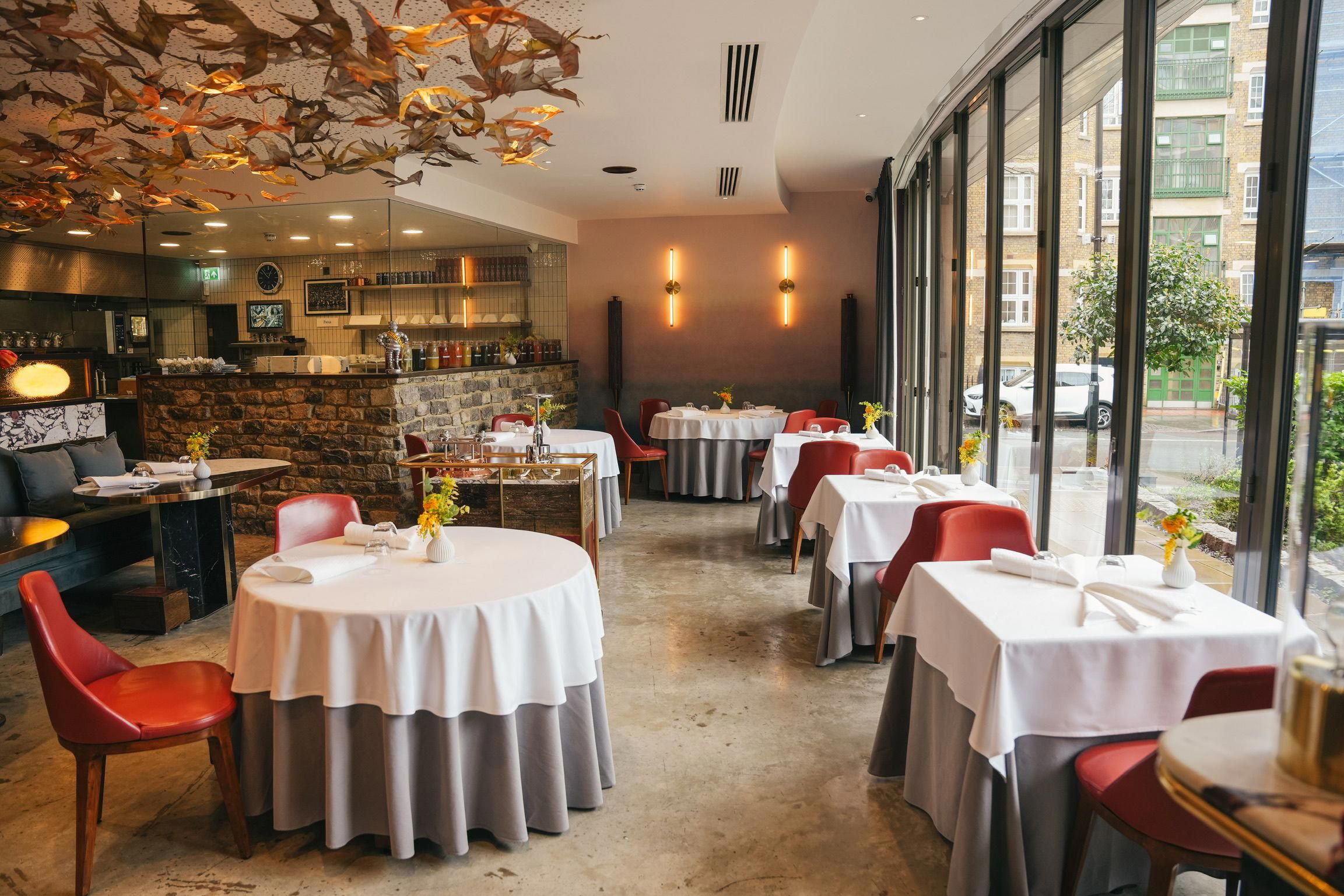
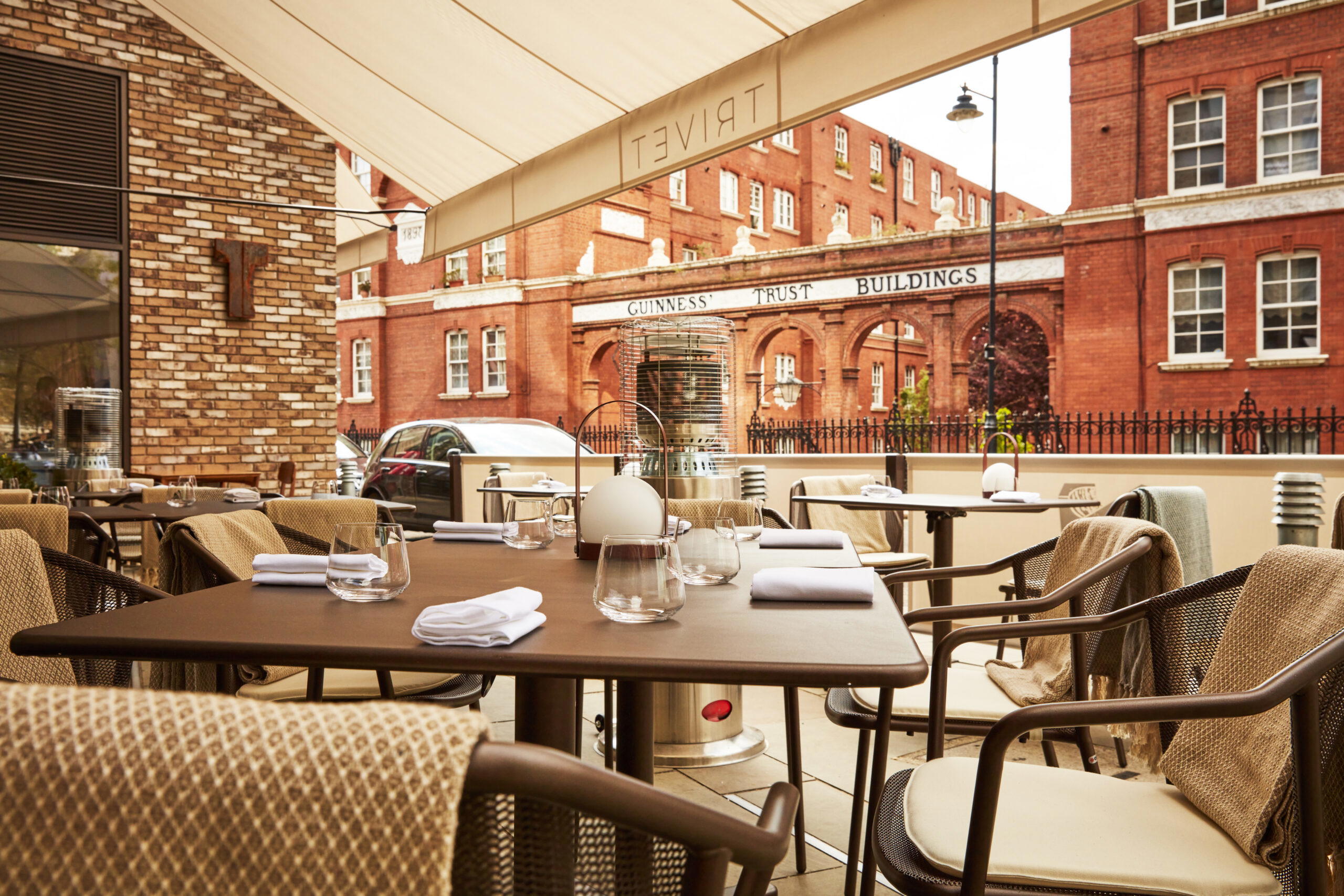
Bars in London
Browse all →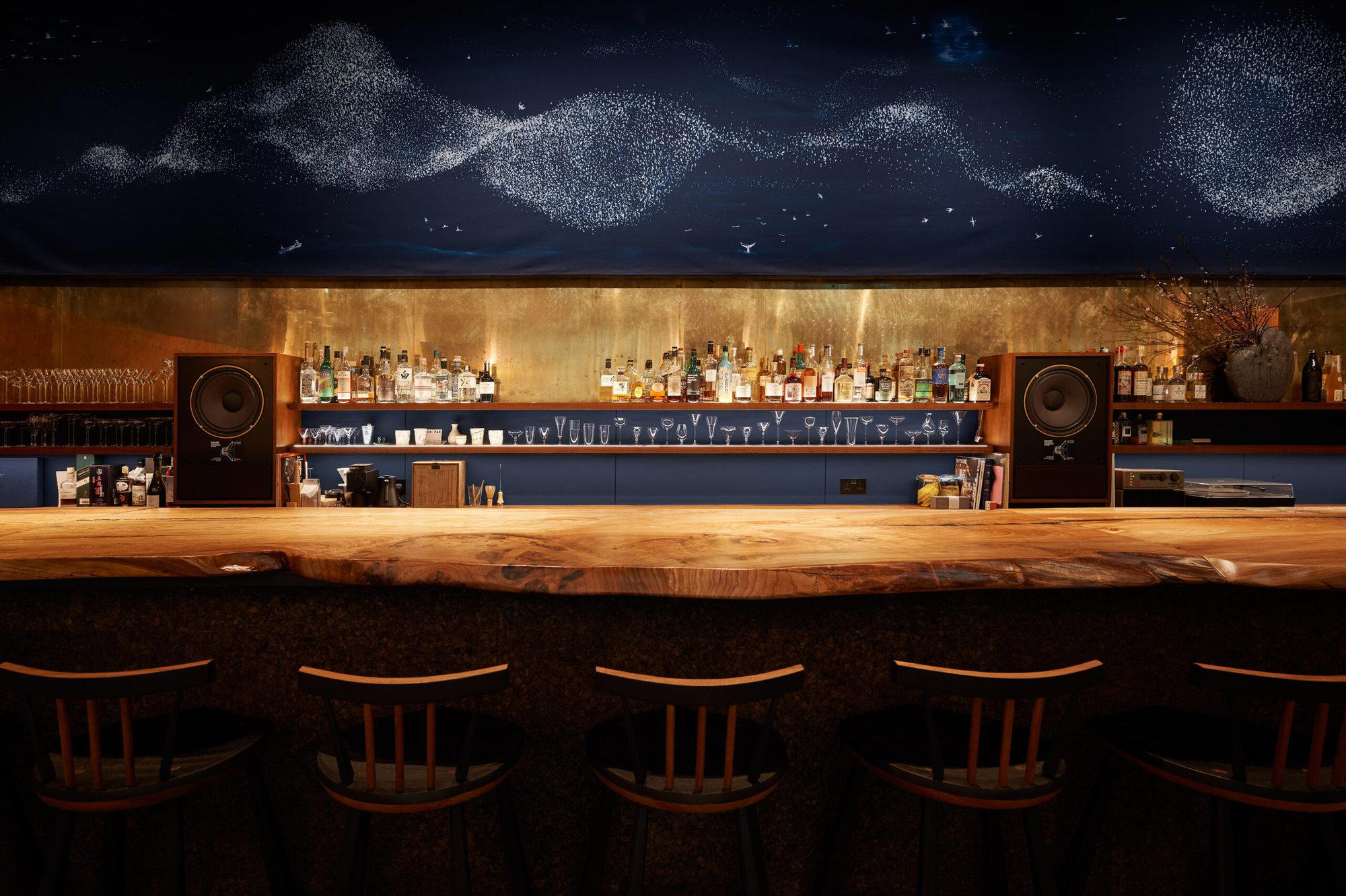
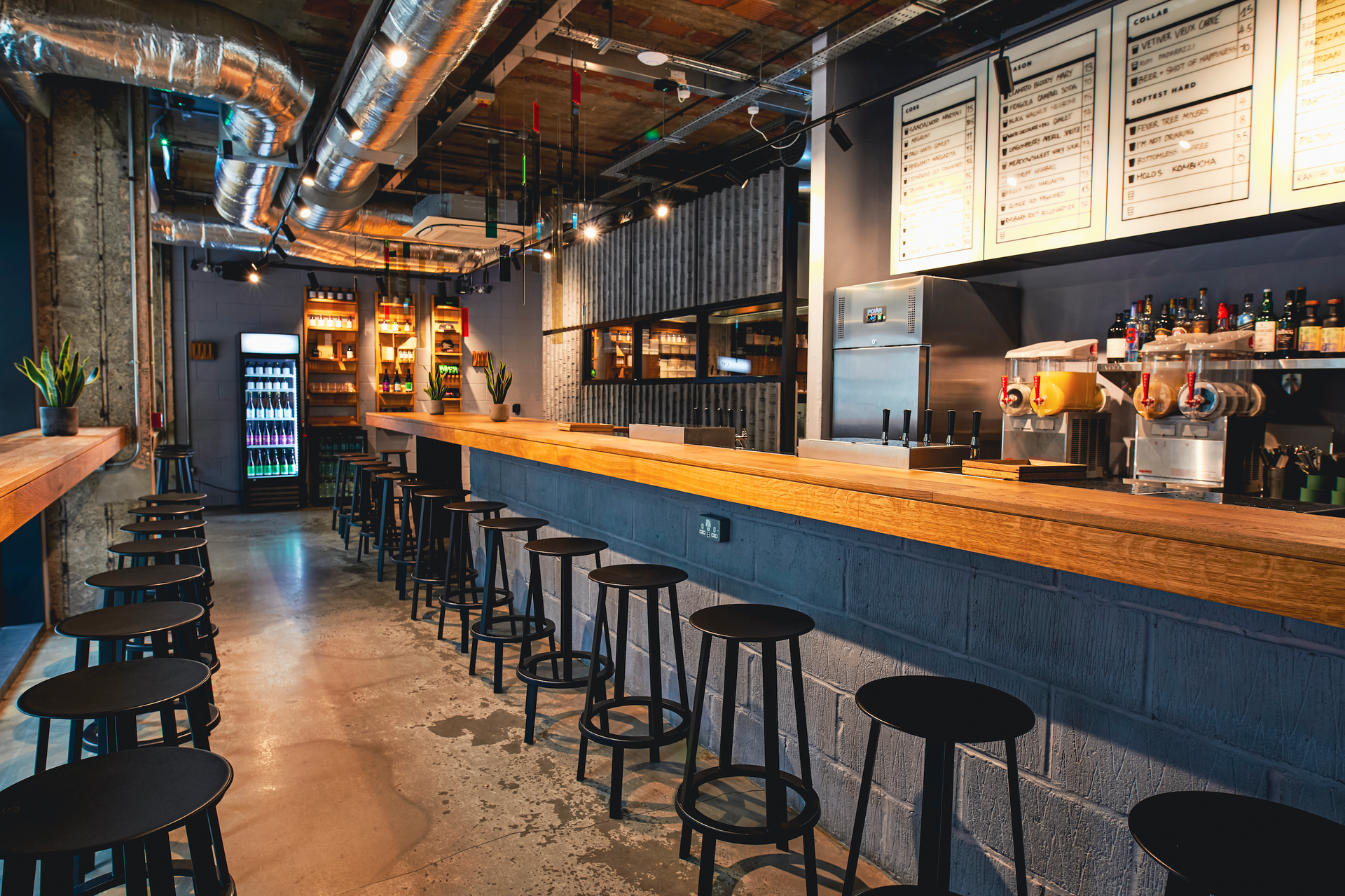
Hotels in London
Browse all →

At a Glance
- Lively
- Whimsical
- Energetic
- Well Known
- Group Dining
- Casual Hangout
- Celebration
- Brunch
- Open Kitchen
- Standalone
- Design Destination
- Craft Cocktails
- Local Sourcing
Current opening hours
- Monday
- 12–3:30 PM, 5:15–10:30 PM
- Tuesday
- 12–3:30 PM, 5:15–10:30 PM
- Wednesday
- 12–3:30 PM, 5:15–10:30 PM
- Thursday
- 12–4:15 PM, 5:15–11 PM
- Friday
- 12–4:15 PM, 5:15–11 PM
- Saturday
- 11 AM–4:15 PM, 5:15–11 PM
- Sunday
- 11 AM–4:15 PM, 5:15–10:30 PM
Hours can change for holidays and private events. Last verified .
Sun-soaked, exuberantly over-the-top interior with jaunty visual details; lively and fun atmosphere with an emphasis on visual spectacle alongside culinary experience.