MILA


Michelin Plate · Wine Spectator Best of Award of Excellence
Our verdict
On the rooftop of a Meridian Avenue building in Miami Beach, MILA operates at a scale that few Asian-Mediterranean concepts in the city attempt. The brunch eggs Benedict with Bellota ham and blood orange hollandaise has become a specific point of reference.

Pearl is the En Primeur Club membership app, where members save venues, book tables and use the concierge.
The menu
What to order
- Truffle cream spaghetti
- Wagyu gyozas
- Chicken satay
Altitude, Volume, and the MediterrAsian Menu Format
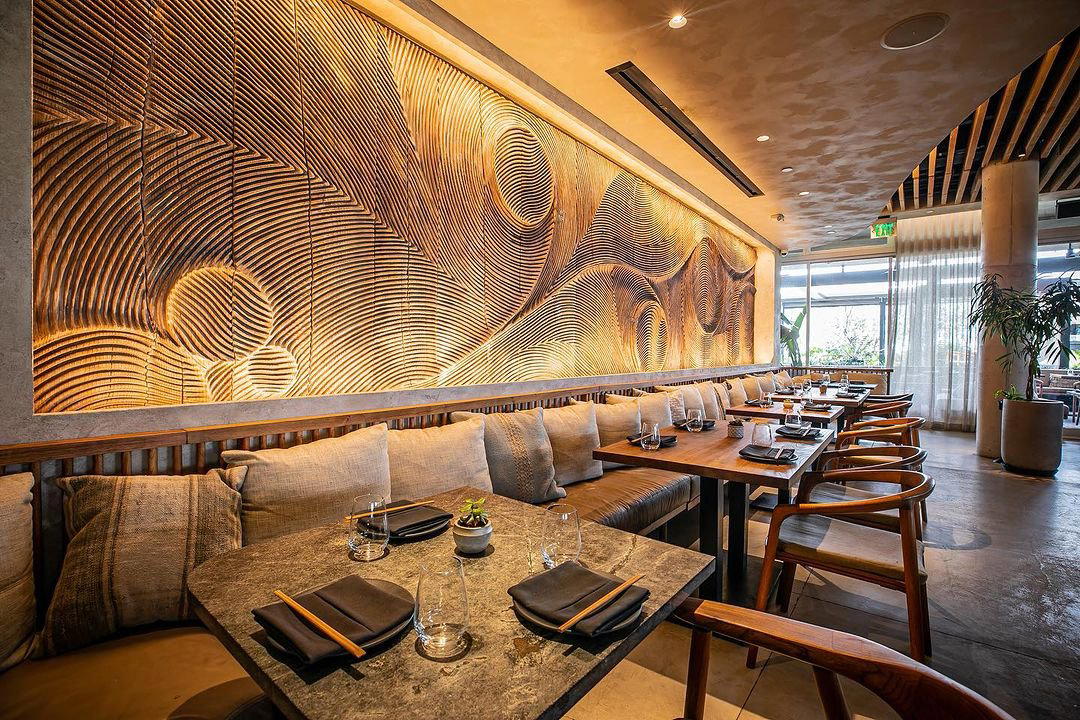
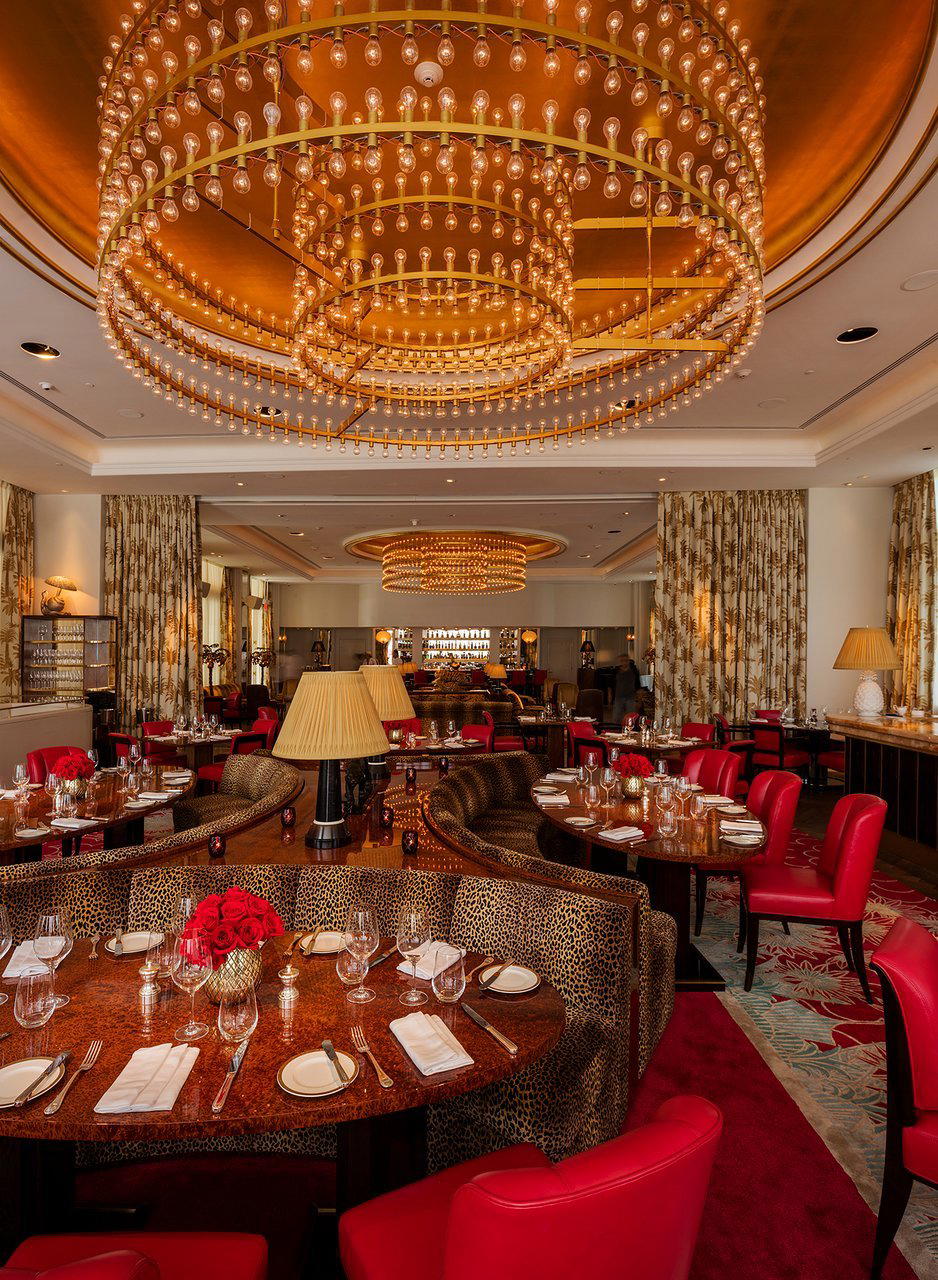
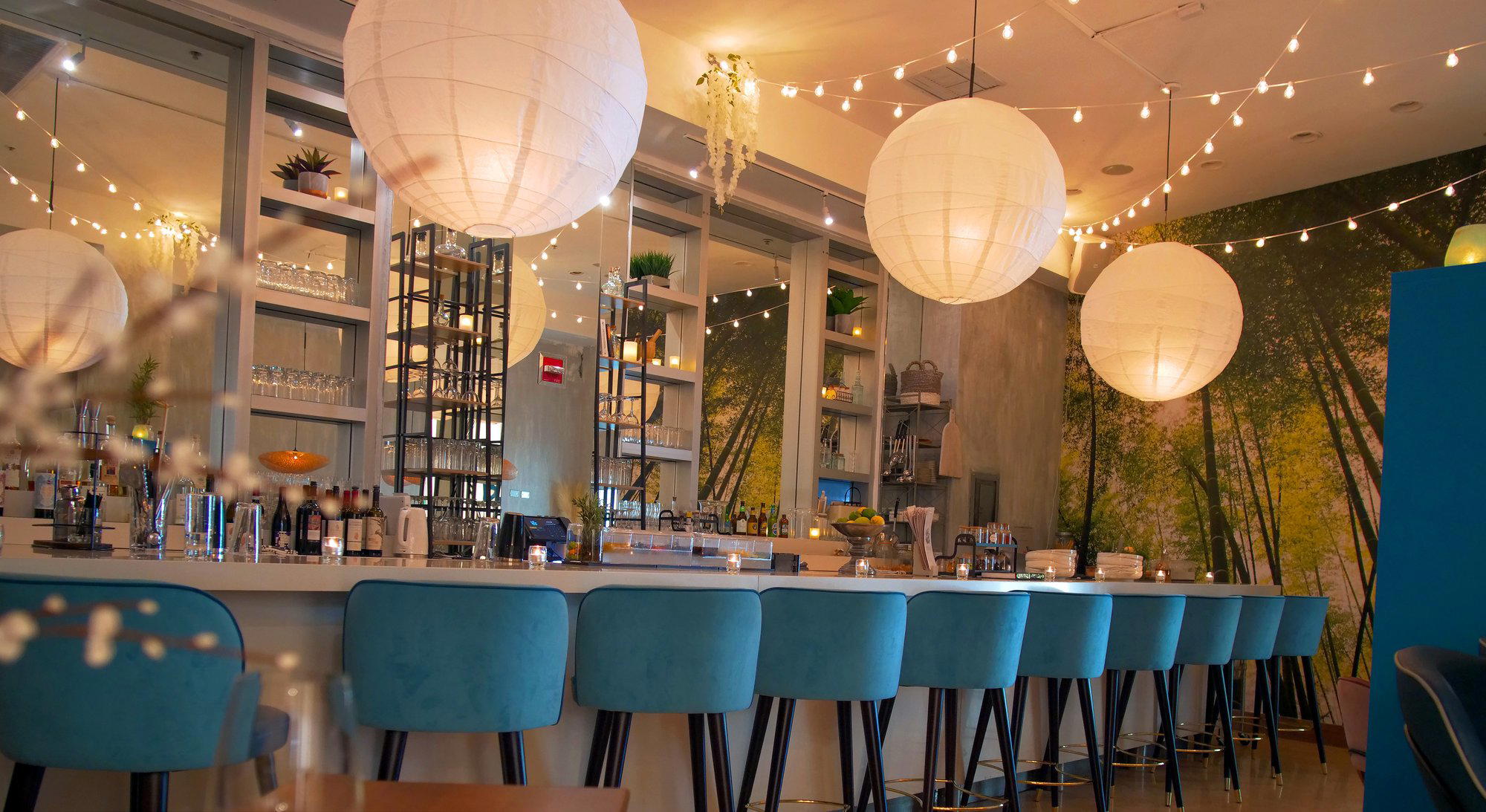
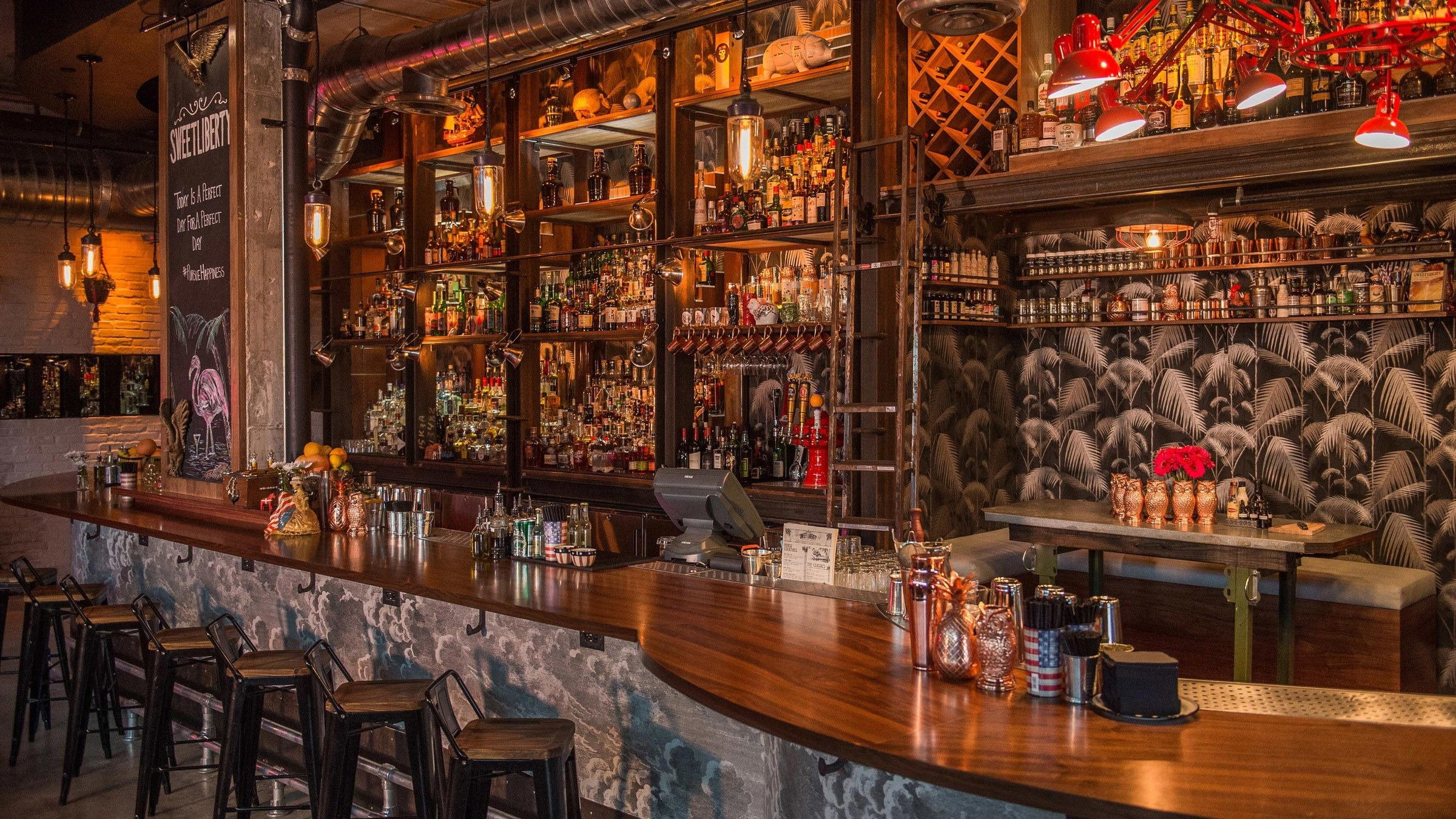
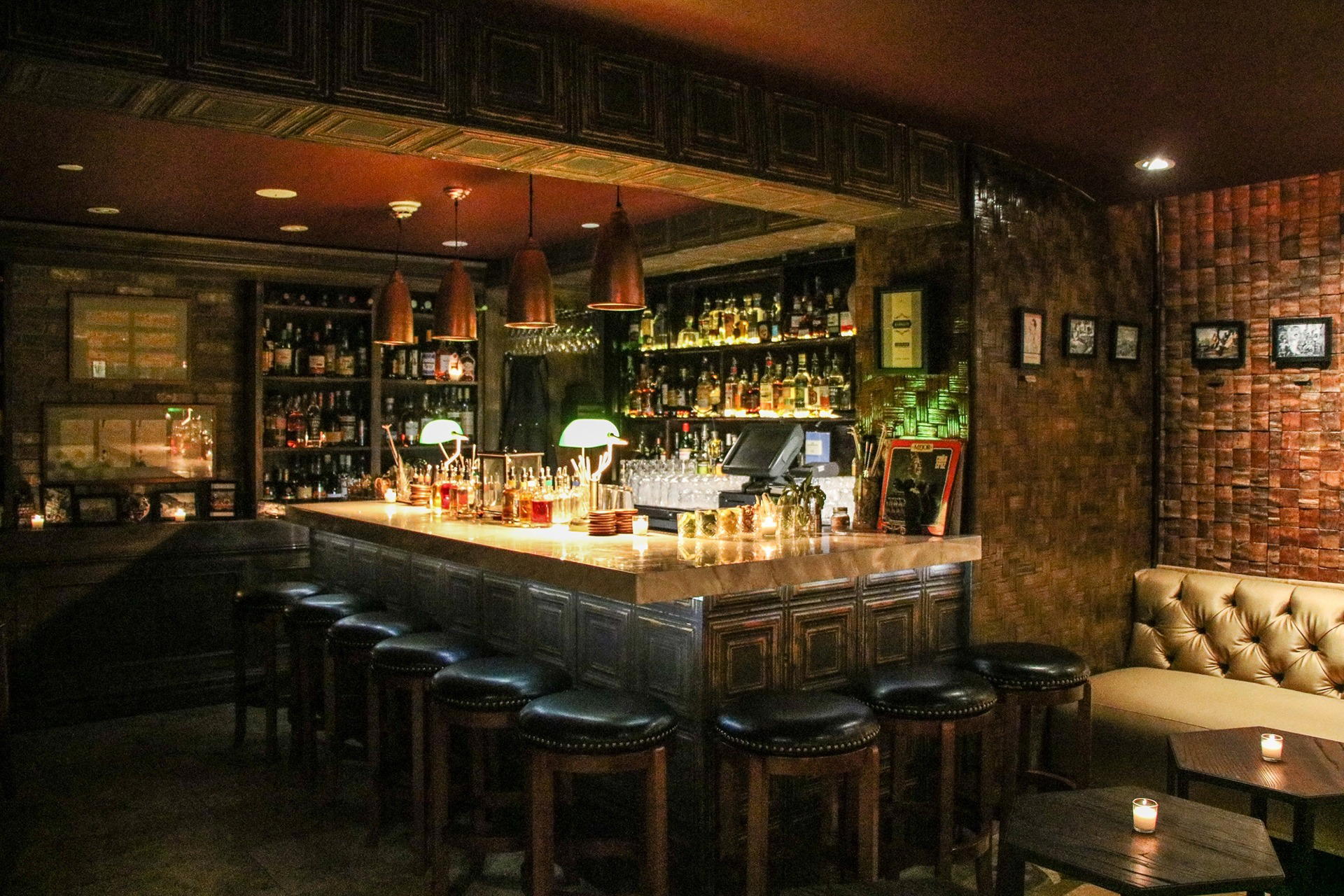
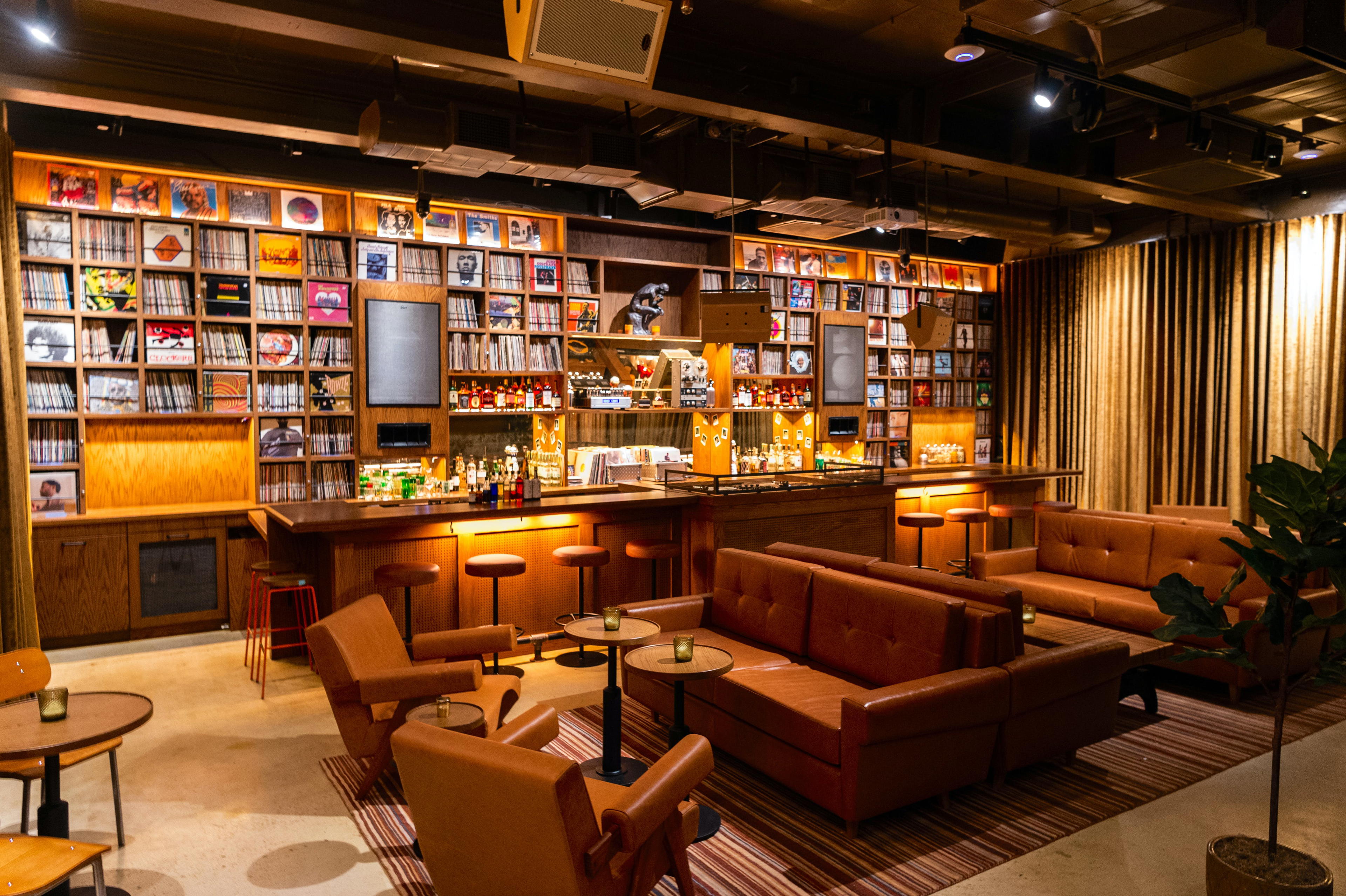
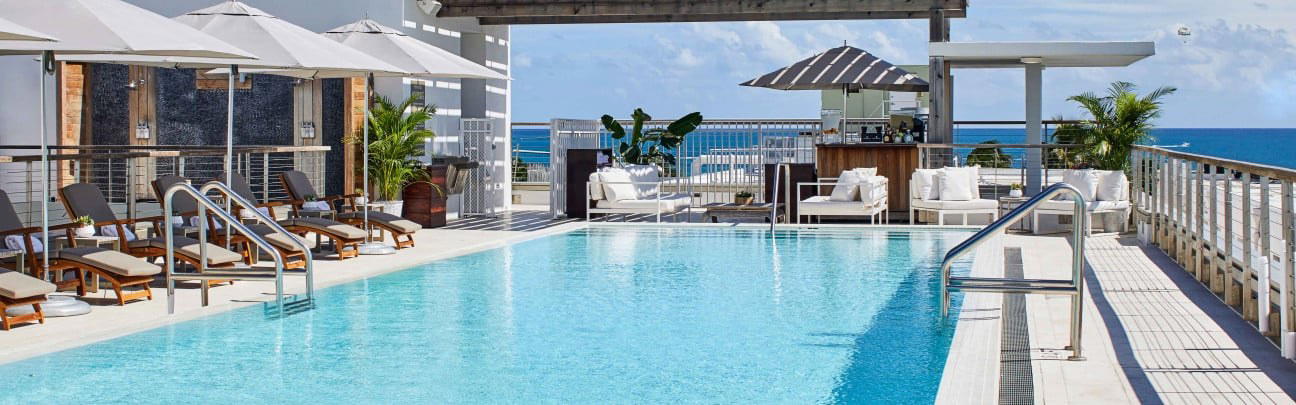
Miami Beach's rooftop dining tier has grown considerably over the past decade, shifting from poolside hotel afterthoughts to destination restaurants that happen to sit above street level. MILA occupies a position near the best of that tier, not because of elevation alone but because of scale and conceptual ambition. Arriving via elevator at the Meridian Avenue address, the shift from South Beach street to this sprawling space is immediate: two full bars, one interior and one terrace-facing, a dense arrangement of foliage and wood-carved architectural details, and a noise level that signals this is as much a social event as a meal.
The cuisine designation the kitchen uses is MediterrAsian, a fusion framework that has precedent in global dining but remains relatively rare as a primary identity rather than a secondary influence. Where restaurants like Jaya or Kaori anchor themselves to specific Asian traditions, MILA draws on a broader territory: the umami-forward techniques and ingredient palette of East and Southeast Asia layered against the herb, citrus, and legume vocabulary of Mediterranean cooking. It is a format that asks the kitchen to hold two distinct flavor logics in tension simultaneously, and the menu is structured to navigate that by category rather than by geography.
What the Menu Actually Does
The format is organized for sharing, which is the correct structure for this kind of cooking. Light starters and ceviches occupy one end of the range, Japanese-influenced maki sit in the middle register, and robata-grilled proteins anchor the heavier end. The robata grill is a meaningful commitment: it produces a specific kind of char and smoke that works well against both Asian and Mediterranean seasoning profiles, and the robata-grilled lamb kofte with herbed yogurt illustrates the cross-cultural logic cleanly. Lamb kofte is a familiar eastern Mediterranean preparation; herbed yogurt is its natural pairing; the robata char is a Japanese-origin technique. The result is not confusion but a coherent plate that makes both traditions legible.
Soba noodle salad with artichoke and pesto occupies similar territory. Soba's earthiness and cool texture sit against a component (artichoke) with a strong Mediterranean identity, and pesto functions as an herbaceous bridge. These are not dishes designed to resolve the tension between two culinary traditions but to make that tension productive.
Brunch program has developed its own following. The eggs Benedict with a brioche bun, Bellota ham, and blood orange hollandaise is a specific reference point for repeat visitors. Bellota ham, the highest-designation Iberian product, is an unusual substitution for the standard Canadian bacon; blood orange hollandaise shifts the sauce's fat-acid balance toward citrus brightness. The combination reads as a considered edit rather than an arbitrary upgrade. Among Miami's rooftop brunch options, it has earned enough word-of-mouth to function as a calling card for the daylight service.
For comparable Asian-influenced dining in Miami at the leading price tier, Pao by Paul Qui and ITAMAE (Peruvian) offer their own cross-cultural frameworks. Globally, the MediterrAsian format has counterparts at taku in Cologne and Jun's in Dubai, both operating at the premium end of the Asian fusion category in their respective cities.
The Drinking Program in Context
Running two full bars at a single venue is logistically significant. It requires duplication of stock, staff, and service infrastructure, and it signals a deliberate bet on beverage as a revenue center rather than a support function. At MILA, the terrace bar functions partly as a destination in its own right, drawing Miami Beach's social crowd independent of the dining room. This dual-bar structure is more common in large hospitality venues than in focused restaurant concepts, and it positions MILA as much in the nightlife and bar category as in the dining category.
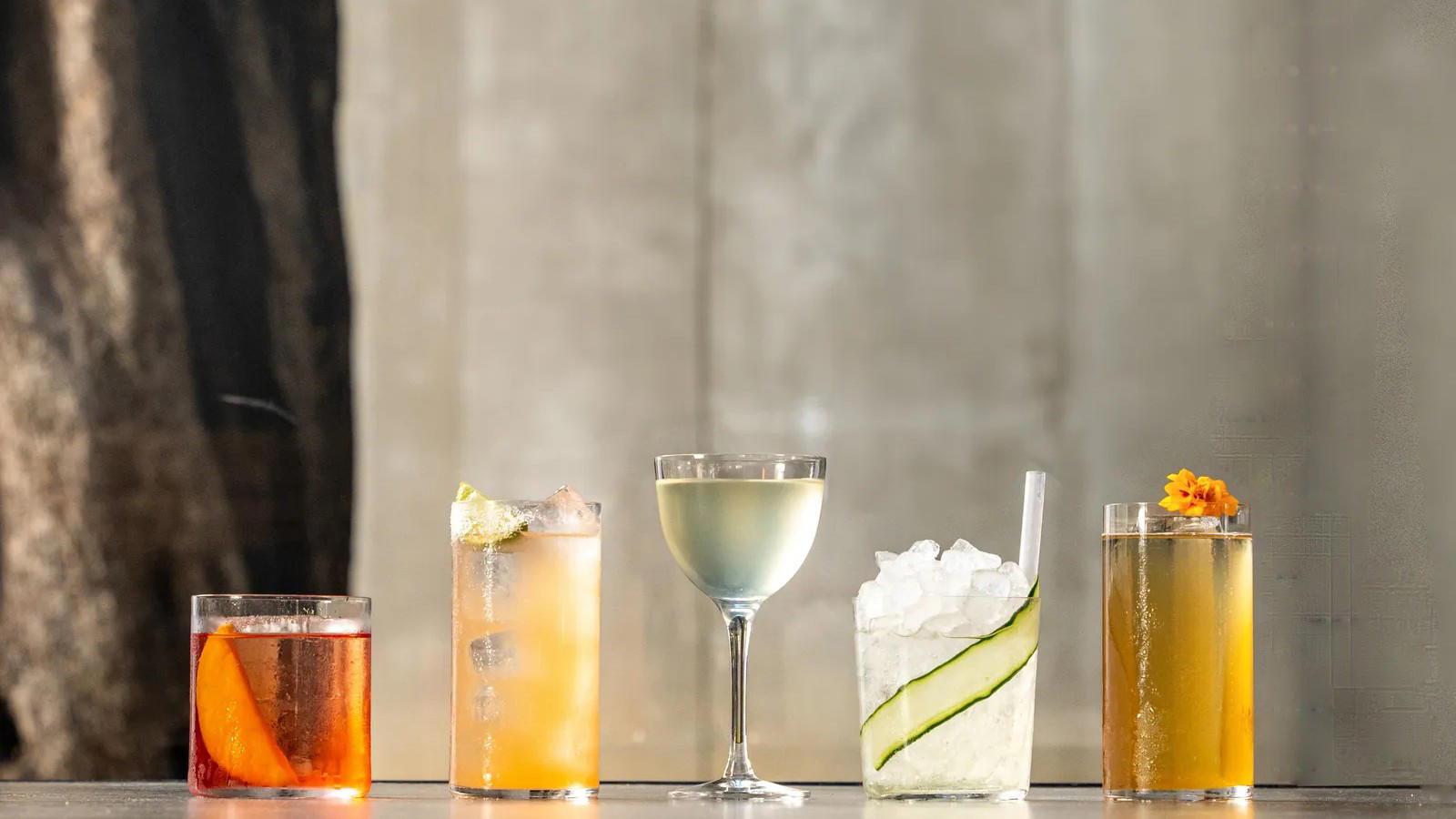
The wine program at a venue of this type faces a specific challenge. MediterrAsian food, with its interplay of acid, fat, umami, and char, does not map cleanly onto a classical European pairing framework. Wines that work against the robata-grilled proteins need to handle smoke and spice without being overwhelmed; wines that work with the ceviches and lighter starters need enough acid and minerality to cut through the citrus. The most practical selections from a list perspective tend toward lighter-bodied reds from the Mediterranean arc, aromatic whites with residual texture, and sake or sake-adjacent beverages that complement the Japanese-influenced preparations. The cocktail program, as a complement to the wine list, typically carries more flexibility in this format: mixed drinks can be calibrated more precisely to specific flavor profiles in a way that a fixed wine list cannot.
For reference points at the opposite end of the wine program spectrum, restaurants like Le Bernardin in New York City, The French Laundry in Napa, or Single Thread Farm in Healdsburg have built cellar programs that function as editorial statements in themselves. MILA operates in a different register, where the drinking program serves the social energy of the space as much as it serves the food.
Placing MILA in the Miami Beach Price Tier
At the $$$$ price tier, MILA sits alongside Miami establishments like L'Atelier de Joël Robuchon Miami, which takes a classical French tasting format, and comparison venues operating in modern American and contemporary modes. What differentiates MILA in this peer group is not price point or geographic ambition but format: the combination of rooftop scale, dual-bar infrastructure, and a sharing-based Asian-Mediterranean menu creates a social dining experience that operates differently from the tasting-menu or à la carte steakhouse formats that dominate the leading price tier elsewhere in the city.
For venues like Lazy Bear in San Francisco or Alinea in Chicago, the rating reflects culinary program depth. For MILA, the same metric reflects execution at scale across a format that combines restaurant, bar, and event-space functions simultaneously.
For broader context on where MILA sits within Miami's full dining picture, see our full Miami restaurants guide. For hotels, bars, wineries, and experiences in the city, explore our Miami hotels guide, Miami bars guide, Miami wineries guide, and Miami experiences guide. For comparable concepts at the top of their respective city tiers, Emeril's in New Orleans offers another example of a large-format restaurant operating at the premium end of a competitive dining market.
Know Before You Go
Address: 1636 Meridian Ave Rooftop, Miami Beach, FL 33139
Price Range: $$$$ (premium tier)
Cuisine: MediterrAsian (Asian-Mediterranean)
Format: Sharing plates, maki, robata grill, ceviches; rooftop setting with indoor and outdoor bars
Brunch: Available, the eggs Benedict with Bellota ham and blood orange hollandaise is the specific reference dish
Booking: Reservations recommended given the venue's scale and consistent demand
Note: Hours and booking method, verify directly before visiting
Frequently asked questions
What should I order at MILA?
The menu is designed for sharing across a table, so the most productive approach is to work across categories rather than ordering individually. From the robata section, the lamb kofte with herbed yogurt is the dish most frequently cited as an anchor of the MediterrAsian concept. The soba noodle salad with artichoke and pesto demonstrates the menu's lighter cross-cultural logic. Ceviches and maki function as opening registers before moving to heavier proteins. If visiting at brunch, the eggs Benedict with Bellota ham and blood orange hollandaise is the specific order that has built the daylight service's reputation. For wine or cocktails, the terrace bar doubles as a standalone destination if you arrive before your table is ready.
Peers You’d Cross-Shop
Comparable venues nearby, for context on price, style, and recognition.
| Venue | Cuisine | Price | Awards | Notes |
|---|---|---|---|---|
| MILAThis venue (the venue you are viewing) | MediterrAsian Fusion | $150–200 | Michelin Plate · Wine Spectator Best of Award of Excellence | Not listed |
| Palma | Modern Seasonal Tasting Menu | $100–150 | Michelin Plate | Overtown |
| Le Voyage (Xcel) | Global Fine Dining by Daniel Boulud | Not listed | Not listed | Port of Miami |
| Prime One Twelve | Classic Steakhouse | $100–150 | Not listed | South Beach |
| Shiso | Asian Smokehouse with Caribbean-Japanese Fusion | $50–100 | Resy Best of the Hit List | Wynwood |
| Ossobuco | Modern Argentine Steakhouse | $50–100 | Michelin Plate | Edgewater |
Recognition history
Dated appearances from independent guides and award organizations, with the underlying list record or original source where available.
Michelin Plate
Michelin
Wine Spectator Best of Award of Excellence
Wine Spectator
Continue exploring
More in Miami
Restaurants in Miami
All restaurants in Miami →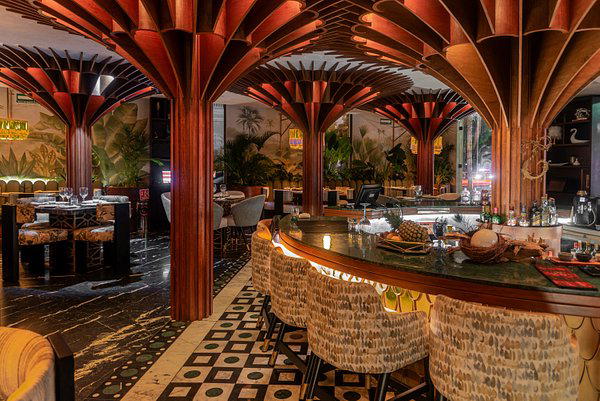
MILA
The wine
MILA holds the Wine Spectator Best of Award of Excellence, which Wine Spectator gives to lists of usually 350 or more selections.
- Wine Spectator
- Wine Spectator Best of Award of Excellence
- Craft cocktails
Details
- Trendy
- Lively
- Elegant
- Modern
- Energetic
- Date Night
- Celebration
- Special Occasion
- Rooftop
- Open Kitchen
- Craft Cocktails
Current opening hours
- Monday
- 6 PM–1:30 AM
- Tuesday
- 6 PM–1:30 AM
- Wednesday
- 6 PM–1:30 AM
- Thursday
- 6 PM–2 AM
- Friday
- 5:30 PM–2:30 AM
- Saturday
- 5:30 PM–2:30 AM
- Sunday
- 11:30 AM–2:30 PM, 6 PM–1:30 AM
Hours can change for holidays and private events. Hours as of .
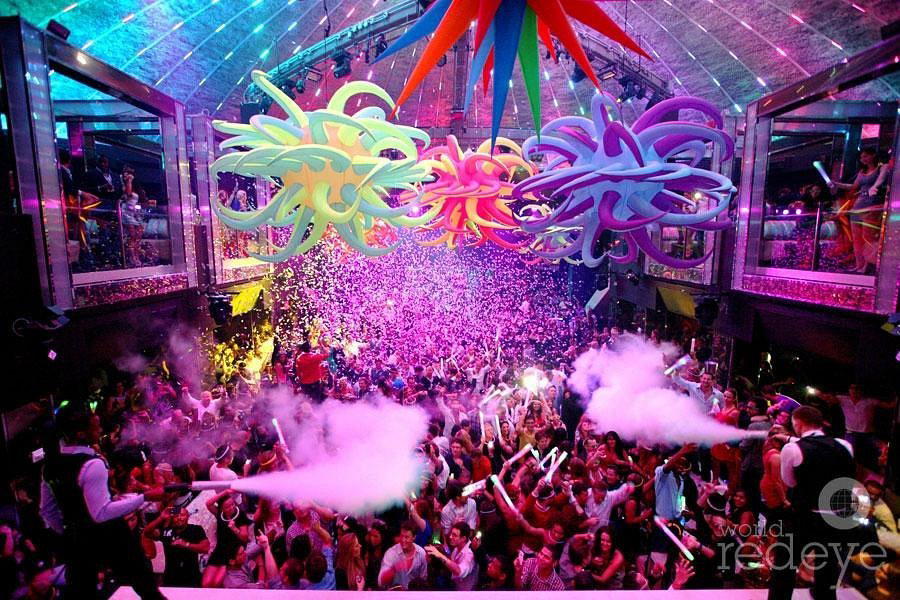
Dark, sexy, and glamorous rooftop with lively music, dramatic decor, and a lively, multi-sensory atmosphere.