
Michelin Plate
Our verdict
Giorgio e Flora occupies a chalet-style villa above the Val d'Astico, where a panoramic terrace and quietly elegant dining room frame modern Venetian cooking at mid-range prices. A 2024 Michelin Plate recognises the kitchen's commitment to regional sourcing and contemporary technique.

Pearl is the En Primeur Club membership app — saves, bookings, and concierge access live there. Same editors, same standards.
- Address
- Via Baldono, 1, 36010 Velo d'Astico VI, Italy
- Phone
- +39 0445 713061
- Website
- giorgioeflora.it
- Directions
- Get directions
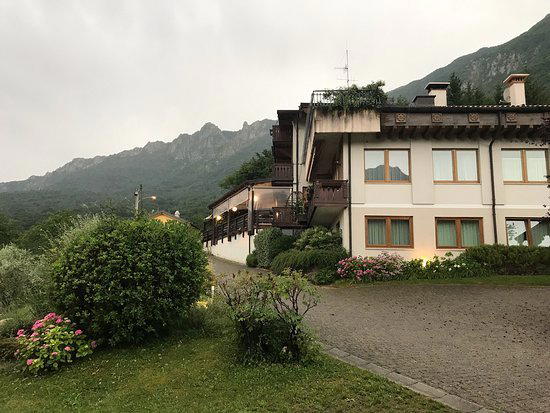
A Valley Perch and the Produce That Fills It
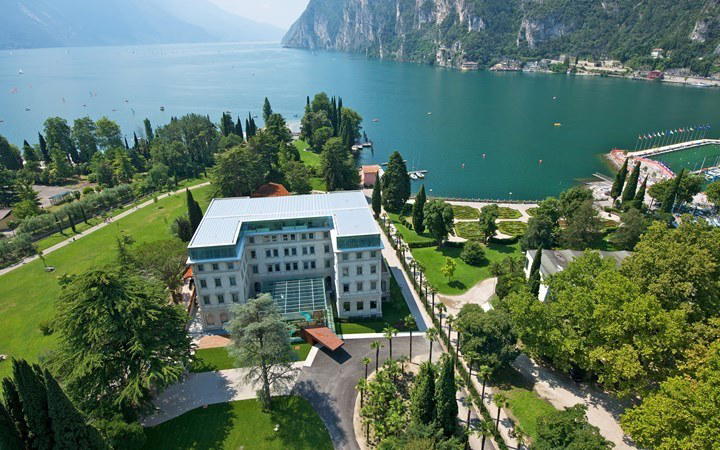
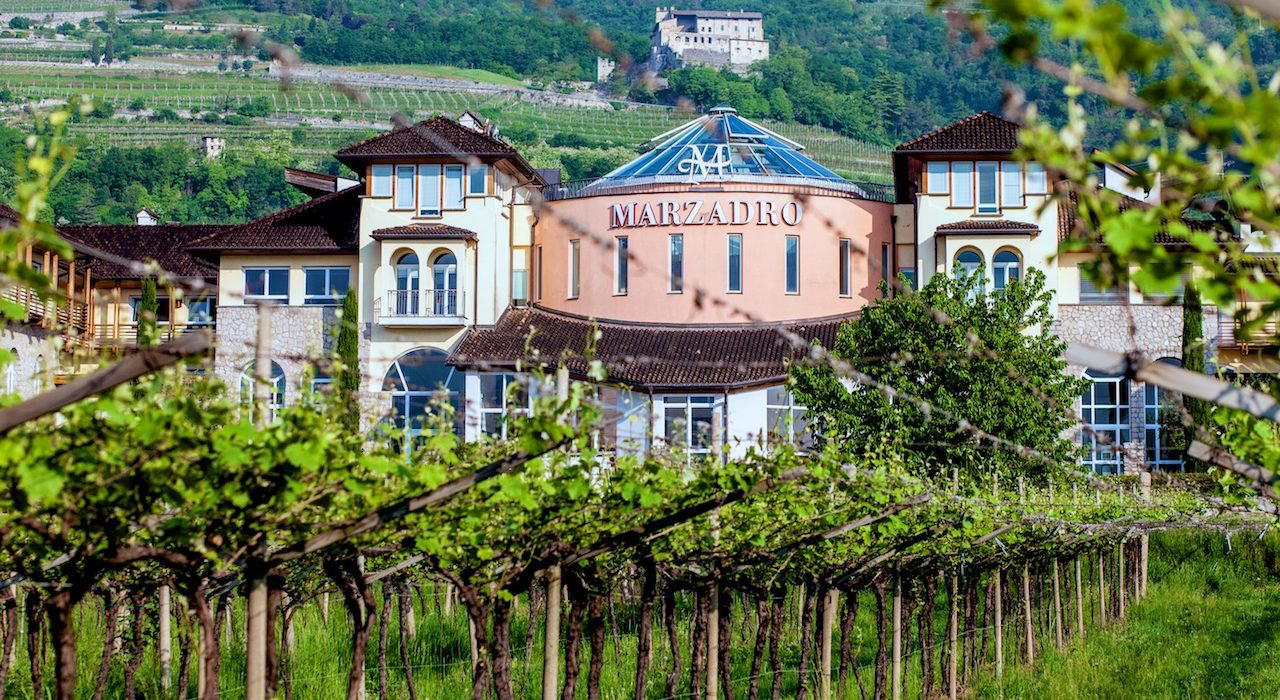
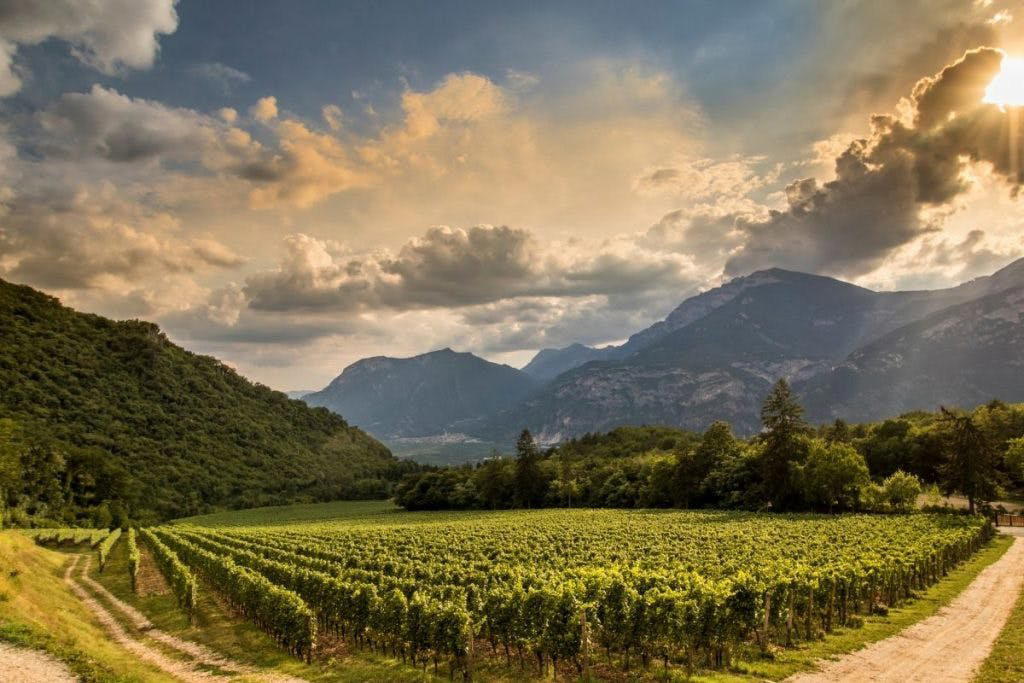
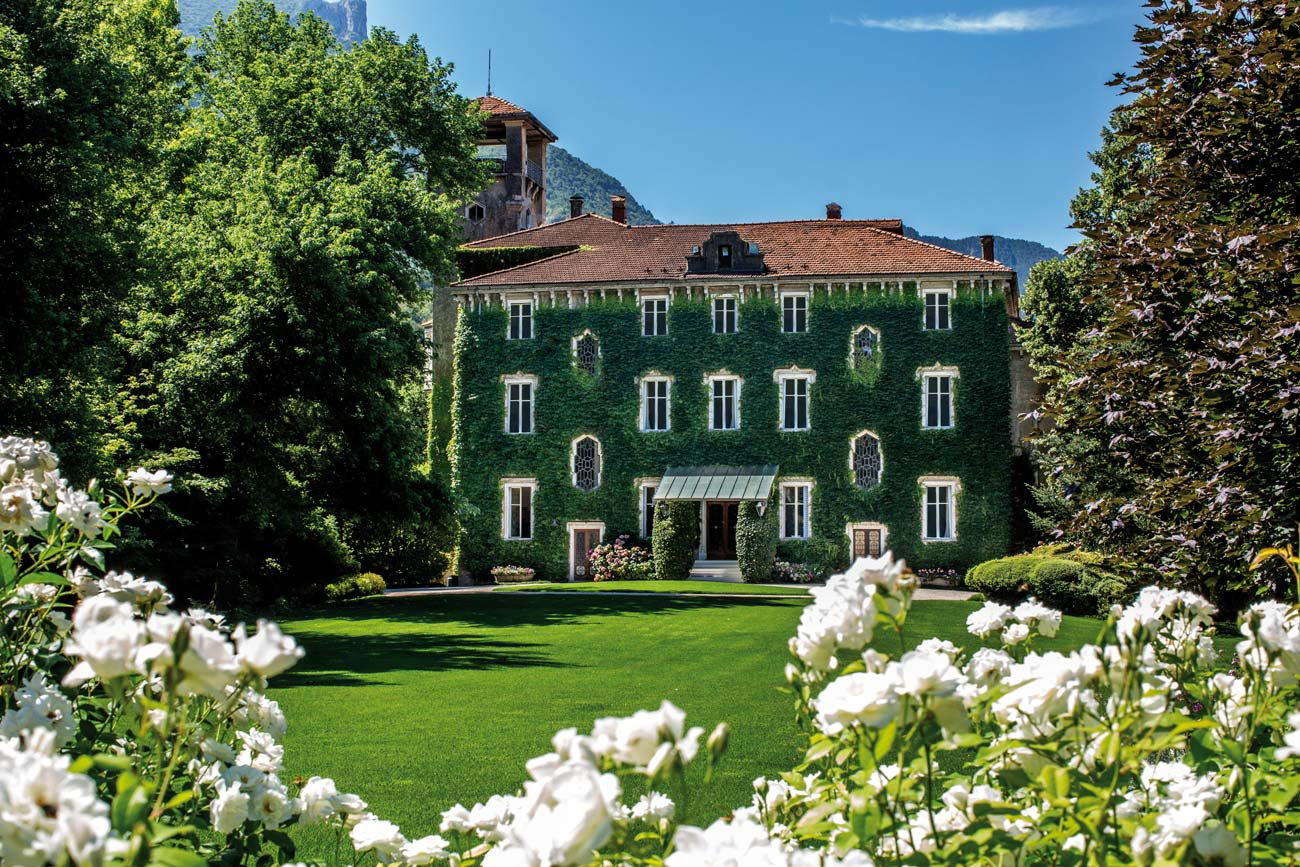
The road up to Velo d'Astico climbs through chestnut and oak before the Val d'Astico opens below in a wide green shelf. In that context, a chalet-style villa with a panoramic terrace is less a design statement than a logical response to the terrain: the building frames what is already there. Giorgio e Flora works in that same register — a dining room described by Michelin's 2024 inspectors as elegant and quietly feminine in its decoration, set against a backdrop that does most of the atmospheric heavy lifting before the first course arrives.
The Veneto's foothills rarely attract the kind of food-media attention that clusters around Verona, Vicenza, or the lake resorts. That relative quietness is partly why a restaurant like Giorgio e Flora can operate at a mid-range price point (€€) while still earning Michelin recognition, something the starred tier in Veneto — represented by destinations like Le Calandre in Rubano or Casa Perbellini 12 Apostoli in Verona, operates at price points two to three brackets higher. The Michelin Plate signals cooking quality without the full starred apparatus, placing Giorgio e Flora in a tier where the kitchen's rigour is acknowledged but the experience remains accessible to a broad range of travellers.
Venetian Cooking and Where It Comes From
Modern cuisine from the Veneto is the kitchen's declared territory, and in the foothills north of Vicenza that framing carries specific implications. The Veneto is among Italy's most agriculturally varied regions: the Lessinia plateau to the west produces cheeses and lamb; the Astico valley itself runs cold water streams suited to freshwater fish; the lower plains supply the white asparagus of Bassano del Grappa in spring and the Radicchio Rosso di Treviso in autumn. A kitchen that draws on this geography has access to produce with strong denominazione credentials and distinct seasonal rhythms, which is what separates regional Italian cooking with genuine sourcing intent from the kind that simply lists regional references on the menu.
Venetian cuisine as a broader tradition is worth placing in its historical frame. Venice's position as a trading republic gave its food an unusual spice vocabulary, pine nuts, raisins, sweet-sour agrodolce preparations, that persisted long after the commercial empire dissolved. The modern Venetian kitchen tends to honour these contrasts while refining their execution, moving toward cleaner plates and lighter reductions than the baroque richness of older recipes. That tension between historical layering and contemporary restraint is the productive ground that the leading regional kitchens in the Veneto now work. For wider context on how Venetian cuisine travels beyond its home region, see La Caravella on the Amalfi Coast and March in Houston, both of which apply Venetian frameworks in different geographical settings.
The seasonal dimension matters particularly in this part of the Veneto. Spring brings asparagus and fresh cheeses; summer moves toward lake and river fish, courgette flowers, and the first stone fruits from the foothills; autumn is truffle and mushroom territory, with porcini from the surrounding forests among the most intensely flavoured available anywhere in northern Italy. A kitchen that tracks these shifts closely will produce a menu that reads differently in May than it does in October, which is itself a signal of sourcing discipline.
The Room and the Terrace
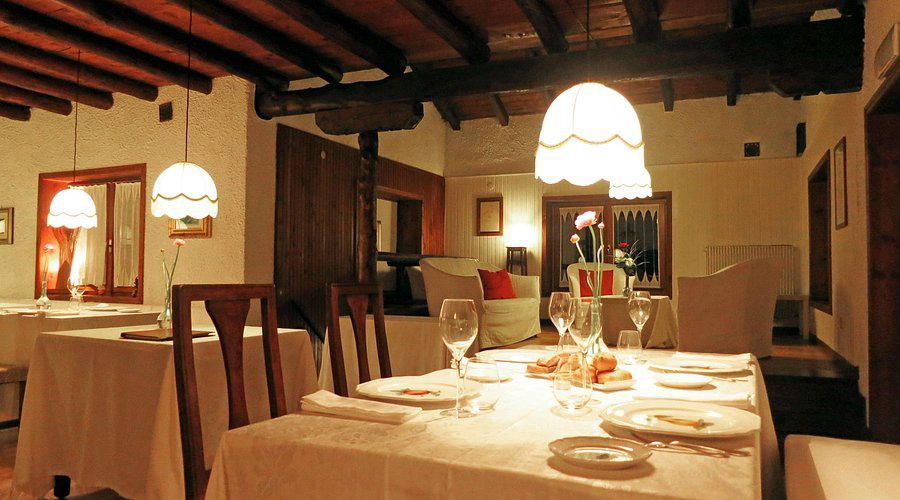
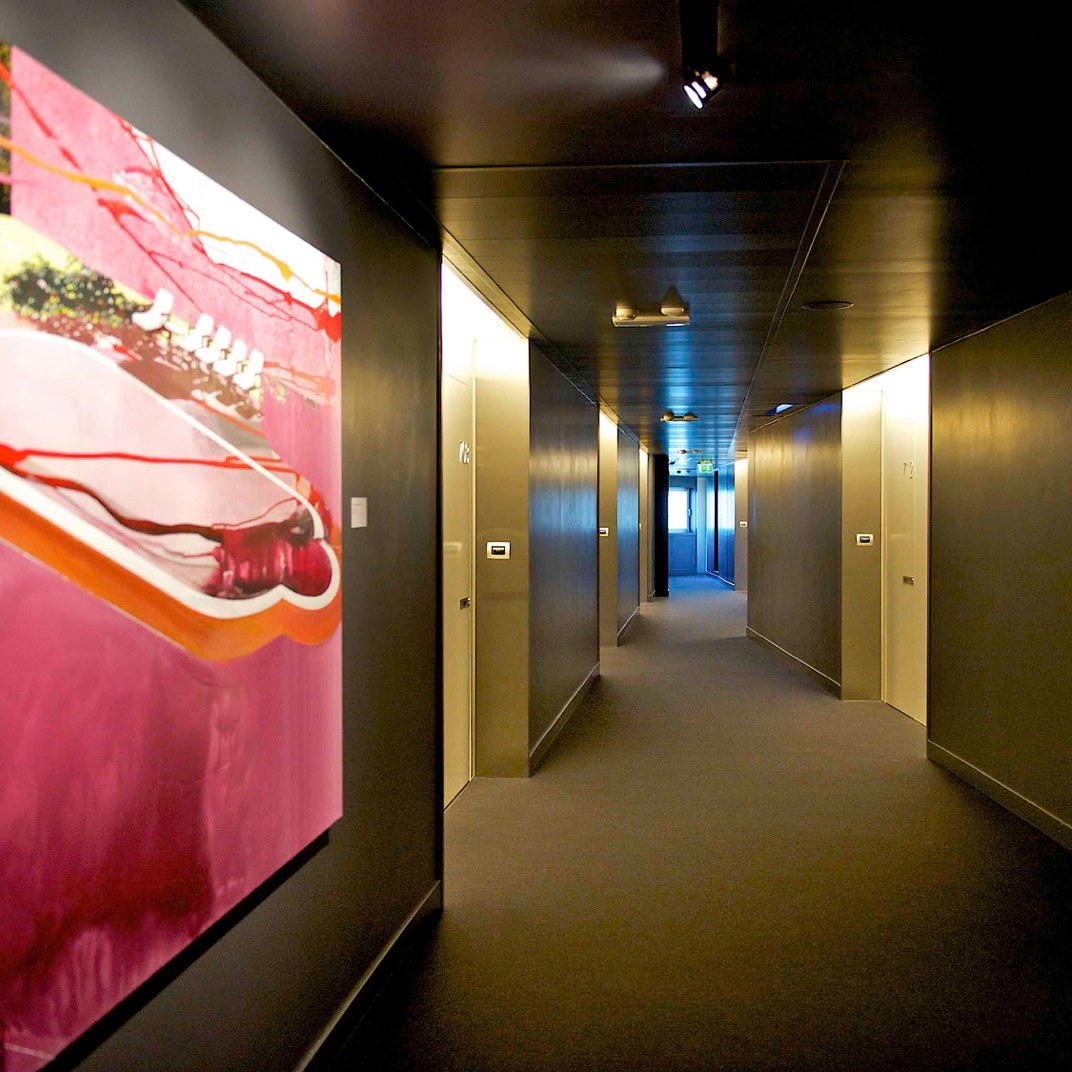
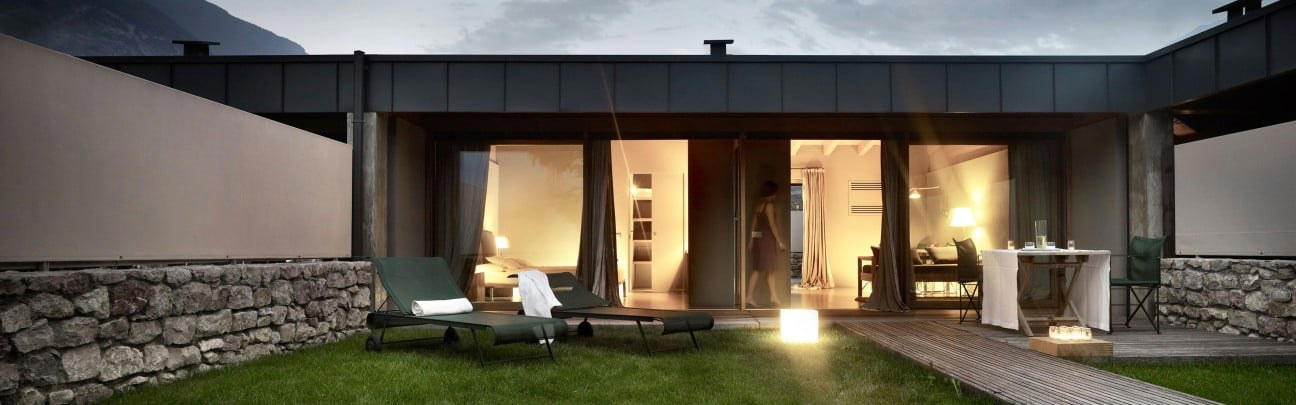
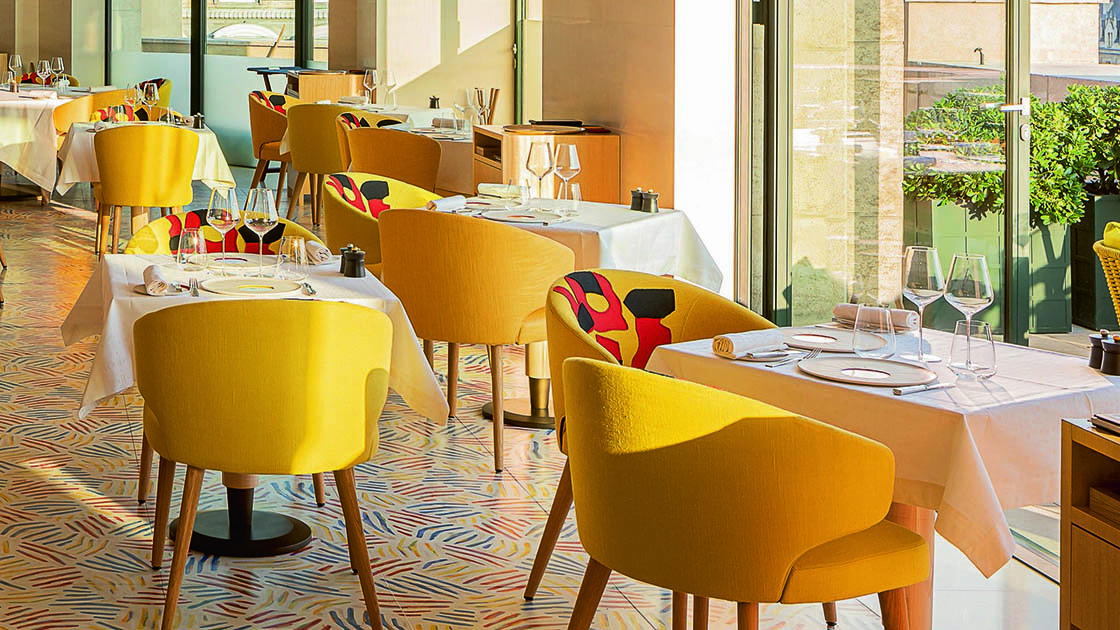
The interior at Giorgio e Flora reads as carefully considered rather than lavishly appointed. The Michelin description of an elegant, feminine decorative touch suggests restraint and attention to detail over the kind of masculine-minimalist brutalism that defines many contemporary fine-dining rooms. The panoramic outdoor terrace is the practical expression of the location: on a clear evening, the Val d'Astico stretches south toward the Vicenza plain, with the alpine foothills ringing the northern horizon. For a summer lunch or a warm-season dinner, the terrace effectively doubles the dining experience into something that combines plate and landscape.
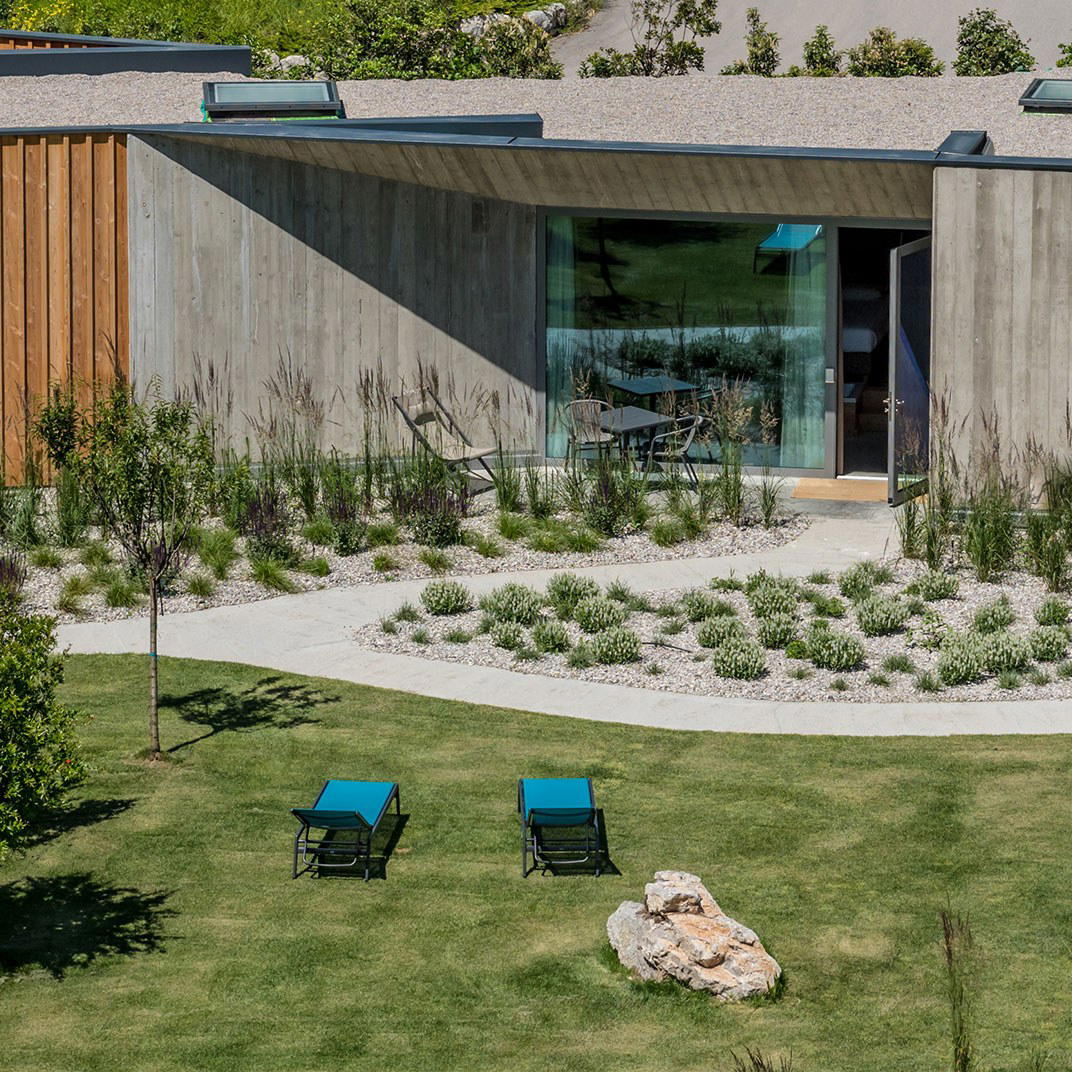
Property's chalet character places it in a category of mountain-adjacent restaurants that are common across the arc from the Dolomites through the pre-alpine Veneto: buildings that prioritise warmth, natural materials, and a sense of shelter without tipping into ski-lodge kitsch. It is a format that suits the Val d'Astico's climate, where evenings cool quickly even in summer and the architecture needs to hold heat as much as frame views.
How It Sits in the Italian Fine-Dining Picture
Italy's Michelin-recognised restaurants now span an enormous range of price points and ambitions. At the leading end, three-starred houses like Osteria Francescana in Modena, Dal Pescatore in Runate, and Enoteca Pinchiorri in Florence operate as international dining destinations with corresponding price structures. The Michelin Plate tier, awarded to restaurants where the inspectors find good cooking without the full starred recommendation, represents something different: kitchens worth knowing about in their region, often because they offer quality at a price that the starred tier cannot match.Reale in Castel di Sangro or Piazza Duomo in Alba.
The comparison that perhaps matters most for practical planning is local rather than national. The Veneto's foothills between Vicenza and Trento contain a scatter of restaurants that take regional cooking seriously without attempting to compete with the starred scene in the cities. Giorgio e Flora, on Via Baldono in Velo d'Astico, is among the more formally recognised in that sub-region. For travellers spending time in the northern Veneto rather than passing through on a day trip from Venice or Verona, it represents the kind of address worth building a lunchtime stop or evening meal around.
Planning a Visit
Velo d'Astico sits in the Val d'Astico north of Thiene, reachable by car from Vicenza in under an hour and from Verona in roughly the same time via the A31. The area is not served by direct train connections to the village itself, making a car essentially necessary for visiting the valley. The address at Via Baldono, 1 places Giorgio e Flora at the upper end of the village, with the terrace positioning consistent with the valley-view orientation described in the Michelin entry. The €€ pricing tier means that a full meal sits comfortably within a moderate budget by northern Italian standards.
For a broader orientation to eating and drinking in the area, see our full Velo restaurants guide, along with our Velo hotels guide, our Velo bars guide, our Velo wineries guide, and our Velo experiences guide. Among Italy's more ambitious regional tables, Uliassi in Senigallia, Quattro Passi in Marina del Cantone, and Atelier Moessmer Norbert Niederkofler in Brunico offer reference points for how serious regional sourcing operates at higher price and recognition levels. Enrico Bartolini in Milan represents the metropolitan pole of Italian creative cooking against which the foothills register reads all the more clearly for its quietness and accessibility.
Frequently asked questions
What does dinner at Giorgio e Flora typically cost?
Pricing at Giorgio e Flora is listed as €€.
What's the address for Giorgio e Flora?
Giorgio e Flora is located at Via Baldono, 1, 36010 Velo d'Astico VI, Italy, Velo.
| Venue | Cuisine | Price | Awards | Notes |
|---|---|---|---|---|
| Giorgio e FloraThis venue — the venue you are viewing | Modern Veneto Cuisine | Not listed | Michelin Plate | Not listed |
| Atelier Moessmer Norbert Niederkofler | Italian, Creative | Not listed | Michelin 3 Star | Not listed |
| Dal Pescatore | Italian, Italian Contemporary | Not listed | Michelin 3 Star | Not listed |
| Enoteca Pinchiorri | Contemporary Italian Fine Dining | $200–300 | 3 Michelin Stars · World's 50 Best #32 | Italian - French, Italian Contemporary |
| Enrico Bartolini | Creative | Not listed | Michelin 3 Star | Not listed |
| Osteria Francescana | Avant-Garde Italian Contemporary | $300–500 | 3 Michelin Stars · World's 50 Best #1 | Progressive Italian, Creative |
Recognition history
Dated appearances from independent guides and award organizations, with the underlying list record or original source where available.
Michelin Plate
Michelin
Full recognition history (2 entries)
Michelin Plate
Michelin
Continue exploring
More in Velo
Restaurants in Velo
Browse all →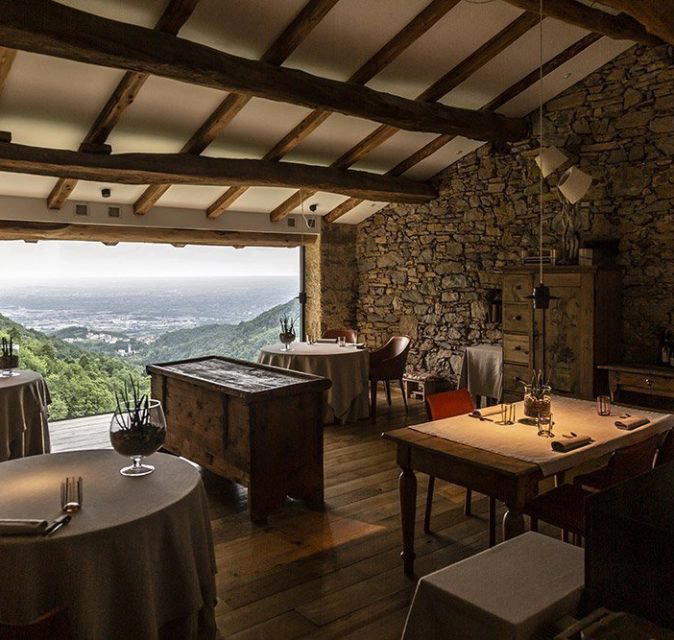
Bars in Velo
Browse all →
Hotels in Velo
Browse all →
Giorgio e Flora
The wine
- Wine program
- Curated wine list
- Extensive wine list
Details
- Romantic
- Elegant
- Cozy
- Scenic
- Intimate
- Quiet
- Date Night
- Special Occasion
- Terrace
- Panoramic View
- Extensive Wine List
- Mountain
- Tasting Menu
- A La Carte
- Vegetarian Friendly
- Vegan Options
Attractive, elegant, and quiet dining room with feminine decor and terrace views.